Tag: electronics

  • Samsung workers begin three-day general strike over pay

    Samsung workers begin three-day general strike over pay

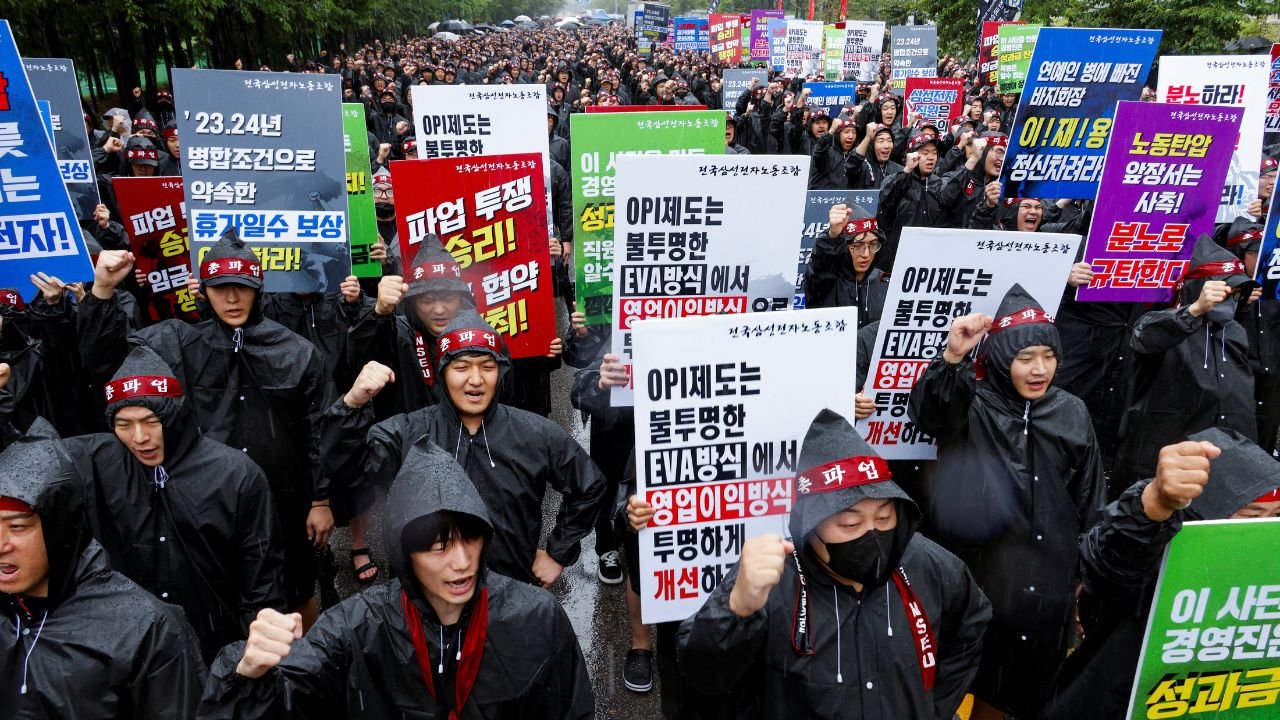
    Workers at South Korean tech giant Samsung began a three-day general strike over pay and benefits on Monday, the head of a union representing tens of thousands of employees told AFP, warning the action could impact memory chip production.

    Samsung Electronics is the world’s largest memory chip maker and accounts for a significant chunk of global output of the high-end chips.

    Wearing rain jackets and ribbons saying “fight with solidarity”, thousands of workers gathered outside the company’s foundry and semiconductor factory in Hwaseong, Gyeonggi, an hour south of Seoul.

    Samsung management has been locked in negotiations with the union since January, with the two sides failing to narrow differences on benefits and a rejected 5.1 percent pay raise offer from the firm.

    “The strike has started from today,” Son Woo-mok, head of the National Samsung Electronics Union, told AFP.

    “Today’s general strike is just the beginning,” he added.

    “Recalling why we are here, please do not come to work until July 10th and do not receive any business calls,” he told the crowd of workers.

    The union said about 5,200 people from factory facility, manufacturing and development had joined the protest.

    “Do they still not think this will affect their production line?” said Lee Hyun-kuk, vice president of the union.

    The union, which has more than 30,000 members, or more than a fifth of the company’s total workforce, announced the three-day general strike last week, saying it was a last resort after talks broke down.

    The move follows a one-day walkout in June, the first such collective action at the company, which went decades without unionisation.

    “We are now at critical crossroads,” the union said in an appeal sent out to members last week, urging them to support the strike.

    “This strike is the last card we can use,” it said, saying that workers at the company needed to “act as one”.

    “I’m really excited,” one union member and protester told AFP. “We’re making history.”

    Workers rejected the offer of a 5.1 percent pay hike in March, with the union having previously outlined demands including improvements to annual leave and transparent performance-based bonuses.

    Samsung declined a request for comment.

    “While the ongoing strike is only scheduled for three days, the participating members include those working in chip assembly lines,” business professor Kim Dae-jong at Sejong University told AFP.

    “Given that the union could carry out additional strikes in case the gridlock continues, it could pose a great risk to Samsung management amid its race for dominance in the competitive chips market.”

    Samsung Electronics avoided its employees unionising for almost 50 years — sometimes adopting ferocious tactics, according to critics — while rising to become the world’s largest smartphone and semiconductor manufacturer.

    Company founder Lee Byung-chul, who died in 1987, was adamantly opposed to unions, saying he would never allow them “until I have dirt over my eyes”.

    The first labour union at Samsung Electronics was formed in the late 2010s.

    The firm is the flagship subsidiary of South Korean giant Samsung Group, by far the largest of the family-controlled conglomerates that dominate business in Asia’s fourth-largest economy.

    It recently predicted a 15-fold increase in its on-year second quarter operating profits, thanks to growing demand for generative AI.

    Semiconductors are the lifeblood of the global economy, used in everything from kitchen appliances and mobile phones to cars and weapons.

    And demand for the advanced chips that power artificial intelligence systems has skyrocketed thanks to the success of ChatGPT and other generative AI products.

    Semiconductors are South Korea’s leading export and hit $11.7 billion in March, their highest level in almost two years, accounting for a fifth of South Korea’s total exports, according to figures released by the trade ministry.
  • Samsung Electronics expects 10-fold rise in Q1 profit

    Samsung Electronics expects 10-fold rise in Q1 profit

    Samsung Electronics said Friday it expects first-quarter operating profits to rise more than 10-fold year on year as chip prices recover.

    The firm is the flagship subsidiary of South Korean giant Samsung Group, by far the largest of the family-controlled conglomerates that dominate business in Asia’s fourth-largest economy.

    The tech giant said in a regulatory filing that January-March operating profits were expected to rise 931.3 percent to 6.6 trillion won ($4.89 billion). Operating profits in the same period last year totalled around 640 billion won.

    The expectation exceeded the average estimate by 20.5 percent, according to South Korea’s Yonhap news agency, which referenced its financial data firm.

    Sales, meanwhile, are expected to rise 11.4 percent to 71 trillion won, Samsung said.

    South Korean chipmakers, led by Samsung, enjoyed record profits in recent years as prices for their products soared, but a global economic slowdown dealt a blow to memory chip sales.

    However, the semiconductor market had been predicted to recover this year and grow 11.8 percent, according to industry monitor World Semiconductor Trade Statistics.

    The news from Samsung comes after South Korea’s SK Hynix — the world’s second-largest memory chip maker — announced in January that it had returned to profit after four consecutive quarters of losses.

    Samsung’s overall outlook is “fortified by a resurgence in the smartphone market, escalating DRAM (memory chip) prices”,  Neil Shah, vice president of Counterpoint Research, told AFP.

    Samsung is expected to release its final earnings report at the end of this month.

  • From soap to air tickets: What’s getting costlier after mini-budget?

    From soap to air tickets: What’s getting costlier after mini-budget?

    The Federal Board of Revenue (FBR) has issued an SRO to increase the standard 17 per cent general sales tax (GST) to 18 per cent, which will collect taxes worth Rs115 billion. The remaining Rs55 billion will be generated through other measures mentioned in the Finance (Supplementary) Bill 2023.

    The top tax collection authority stated in the notification that the 18 per cent GST would be applicable to consumer packaged goods, which include various items used in everyday life.

    Following the increase in GST, the following items will experience a hike in their prices:

    • Biscuits
    • Jam
    • Jelly
    • Noodles
    • Edible oil
    • Coffee
    • Chocolates
    • Make-up
    • Shampoos
    • Creams
    • Lotion
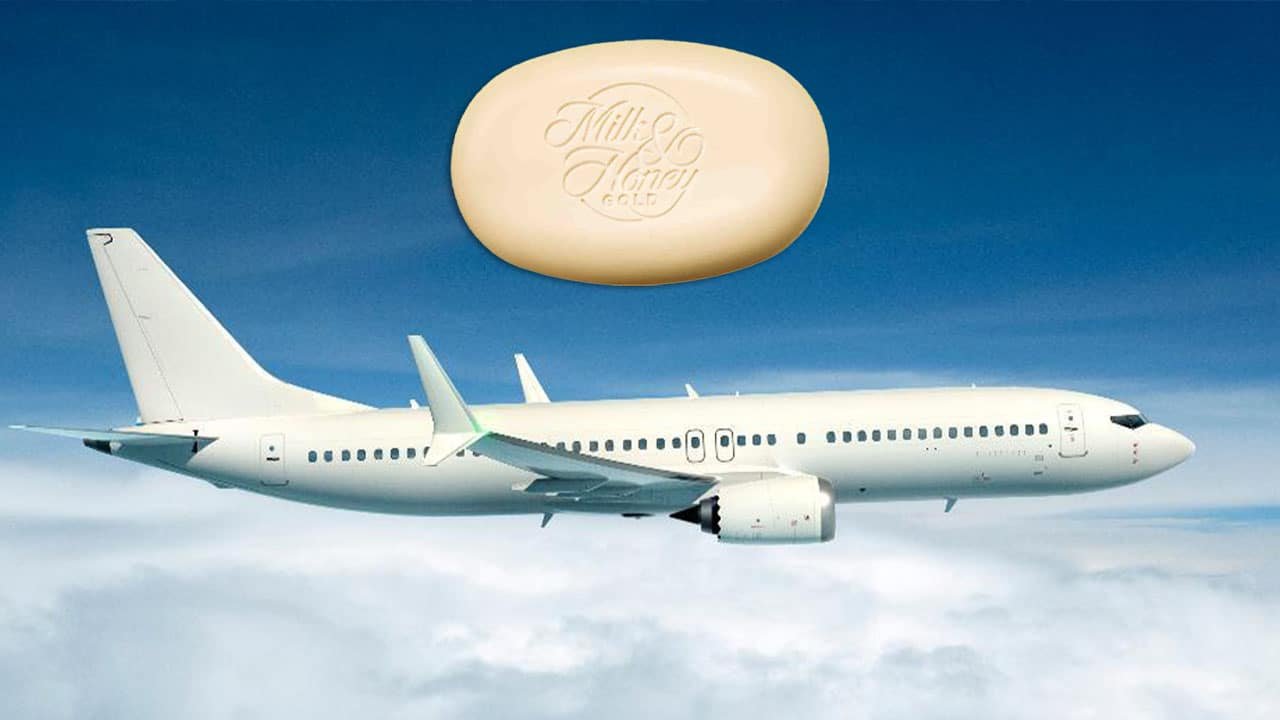
    • Soap
    • Toothpaste
    • Hair colour
    • Hair removal cream
    • Hair gel
    • Shaving foam
    • Shaving gel
    • Shaving cream
    • Shaving blades
    • Computers
    • Laptops
    • Electronic gadgets
    • Smartphones
    • iPods
    • TVs
    • LEDs
    • LCDs
    • Juicers
    • Blenders
    • Other electronic machinery
    • Car shampoos
    • Car polishes
    • Perfumes
    • Children’s toys

    In addition to the aforementioned actions, the government intends to raise the Goods and Services Tax (GST) on luxury items from 17 per cent to 25 per cent. The Federal Excise Duty (FED) on first and business class air tickets will be increased to either Rs20,000 or 50 per cent, whichever amount is higher.

    Marriage halls will be subject to a ten percent withholding adjustable advance income tax, and the FED on soft drinks, sugary drinks, and cement will also be increased.

  • Samsung’s new robotic mouse will run away if you overwork

    Samsung’s new robotic mouse will run away if you overwork

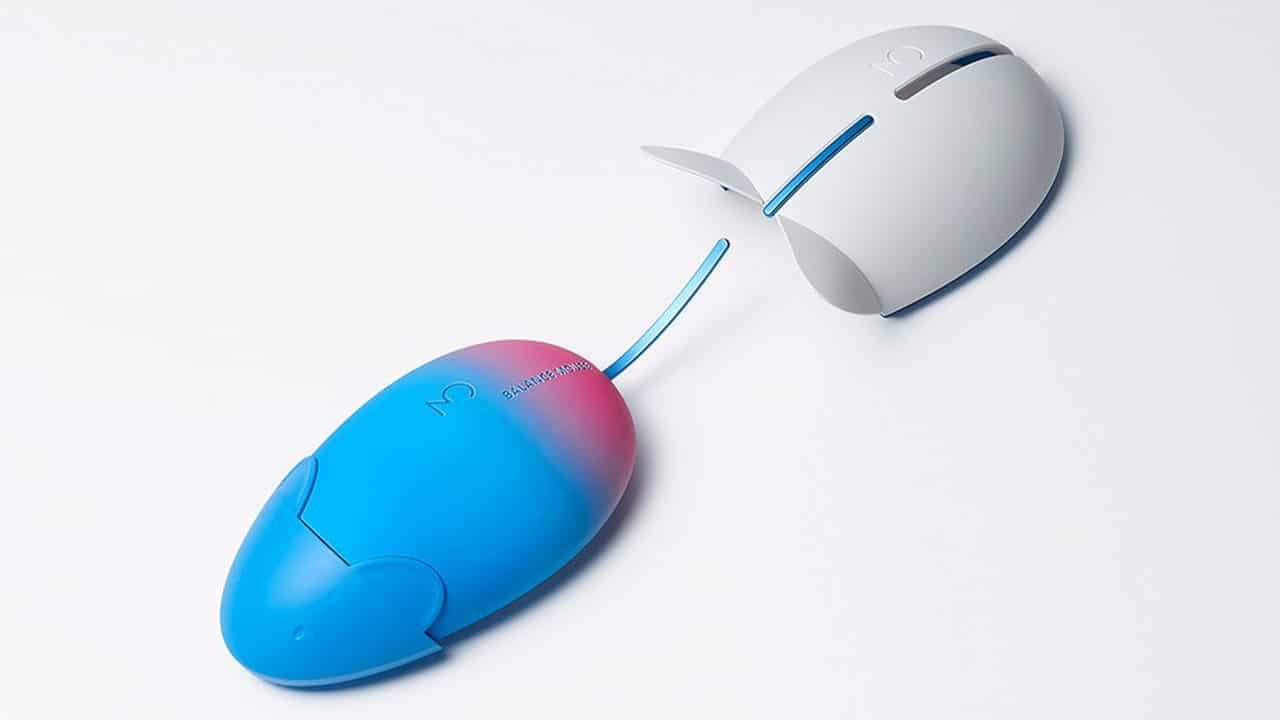
    Samsung has introduced a brand-new computer mouse that isn’t like any other mouse and was made specifically to prevent people from overworking.

    When you start working a lot, the mouse, the Samsung Balance Mouse, takes off from the desk. This is undoubtedly true, but Samsung’s new computer mouse not only functions like a real mouse but also appears to be one. The mouse, however, is still a concept mouse that was developed in partnership with an advertising agency, thus it is not yet for sale.

    https://www.youtube.com/watch?v=I5m3rathq7s

    On Samsung’s Korean YouTube channel, a video demonstrating the Samsung Balance Mouse has been posted. Improving the work-life balance in Korea was the main motivation behind the design of the Balance mouse. In its ad, Samsung claimed that most office workers are reluctant to leave early.

    People are constantly under enormous pressure to finish their unfinished business before leaving the office. They occasionally have a lot of extra work to do.

    In the video, Samsung claims to have developed a device that will address the issue of overworking. The manufacturer claims that although it looks like a regular mouse, it can prevent users from working longer than is necessary.

    The wheels emerge from the body and flee when the opportunity arises because it recognises hand gestures, according to Samsung in the video. The video also explains that you are very mistaken if you believe you can simply grab the mouse as it tries to flee.

    The mouse moves too quickly, which is why. Even if you do succeed in grabbing the object, the mouse’s central component ejects. By purchasing the Balance Mouse, Samsung encourages people to enjoy their lives outside of work.