Tag: energy

  • Continuous violation of Indus Basin Treaty by India

    Continuous violation of Indus Basin Treaty by India

    India has continuously violated the Indus Basin Agreement as sources report that the Indus Water Commissioners meeting has been delayed since the last two years.

    Under the Indus Basin Agreement, a meeting of the India-Pakistan Indus Water Commissioners is required once a year.

    Pakistan’s Indus Water Commissioner, Mehr Ali Shah, has reportedly repeatedly requested a meeting with her Indian counterpart, but no response has been given.

    Sources say that the last meeting of the Indus Water Commissioners took place in New Delhi on May 30 and 31, 2022.

    The agreement also stipulates that the Indus Water Commissioners should meet alternately in Pakistan and India. The purpose of these meetings is to address bilateral concerns through mutual cooperation.

    The meetings should also include discussions on flood data, river flow, and controversial Indian projects affecting the rivers flowing into Pakistan.

  • Iran Ambassador fears US may hinder Pak-Iran gas pipeline project

    Iran Ambassador fears US may hinder Pak-Iran gas pipeline project

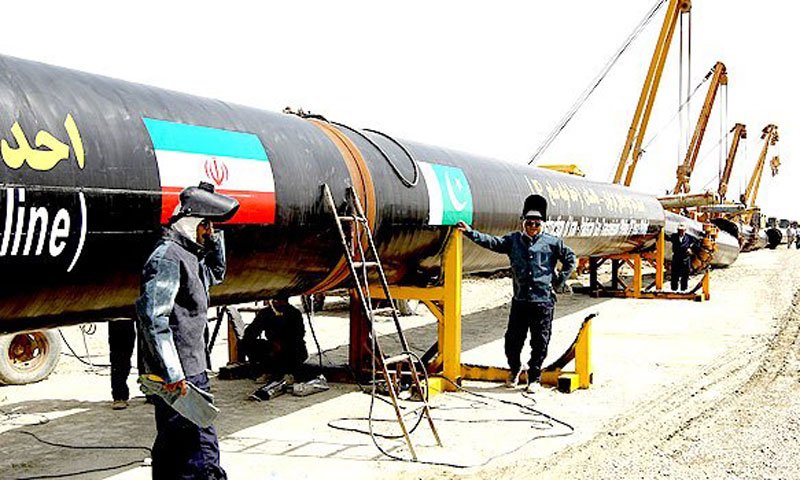
    Iran’s Ambassador to Pakistan Dr Reza Amiri Moqaddam has said that the United States may create obstructions in the payment procedure of Pak-Iran gas project, however, both countries could find a solution to this.

    The Ambassador’s statement came after US Assistant Secretary of State Donald Lu, in a congressional hearing, gave caustic remarks regarding the gas pipeline project and emphasized that the US would try to halt the mega project.

    “I fully support the efforts by the US government to prevent this pipeline from happening,” he said during a congressional hearing on 19 March. “We are working toward that goal.”
    “We are tracking this planned pipeline between Iran and Pakistan … Honestly, I don’t know where the financing for such a project would come from. I don’t think that many international donors would be interested in funding such an endeavor,” the US official added, highlighting that the White House “will uphold both in letter and spirit all sanction laws related to Iran.”

    The Iranian envoy pointed out that Iran had already completed its side of the agreement by constructing a 1,000 kilometers gas pipeline on its side and Pakistan had yet to start it. “The Iranian gas pipeline is in the wider interest of people of both countries,” he added.

  • Pakistan Stock Exchange surges 2.33% to reach 66,223.63 points

    Pakistan Stock Exchange surges 2.33% to reach 66,223.63 points

    The Pakistan Stock Exchange (PSX) maintained its upward trajectory, with the benchmark KSE-100 index reaching a new pinnacle on Friday. 

    At the close, the index concluded at 66,223.63, marking a noteworthy increase of 1,505.56 points, or 2.33 per cent.

    While surpassing the 66,000 level earlier in the day, a temporary slowdown occurred in the second half due to profit-taking. 

    Nevertheless, bullish activity returned during the final hour, propelling the benchmark index to an intra-day peak of 66,273.73.

    The market displayed widespread buying across key sectors such as cement, chemicals, commercial banks, fertiliser, oil and gas exploration companies, OMCs, and power generation and distribution sectors. 

    Thursday’s trading session had already seen a positive trend, with the KSE-100 settling at 64,718.08, reflecting a gain of 800.35 points, or 1.25 per cent.

    This continued momentum is attributed to enhanced economic indicators following the recent agreement between Pakistan and the International Monetary Fund (IMF) authorities on the first review of the Stand-By Agreement (SBA) last month.

  • Govt decides not to reduce petrol, diesel prices

    Govt decides not to reduce petrol, diesel prices

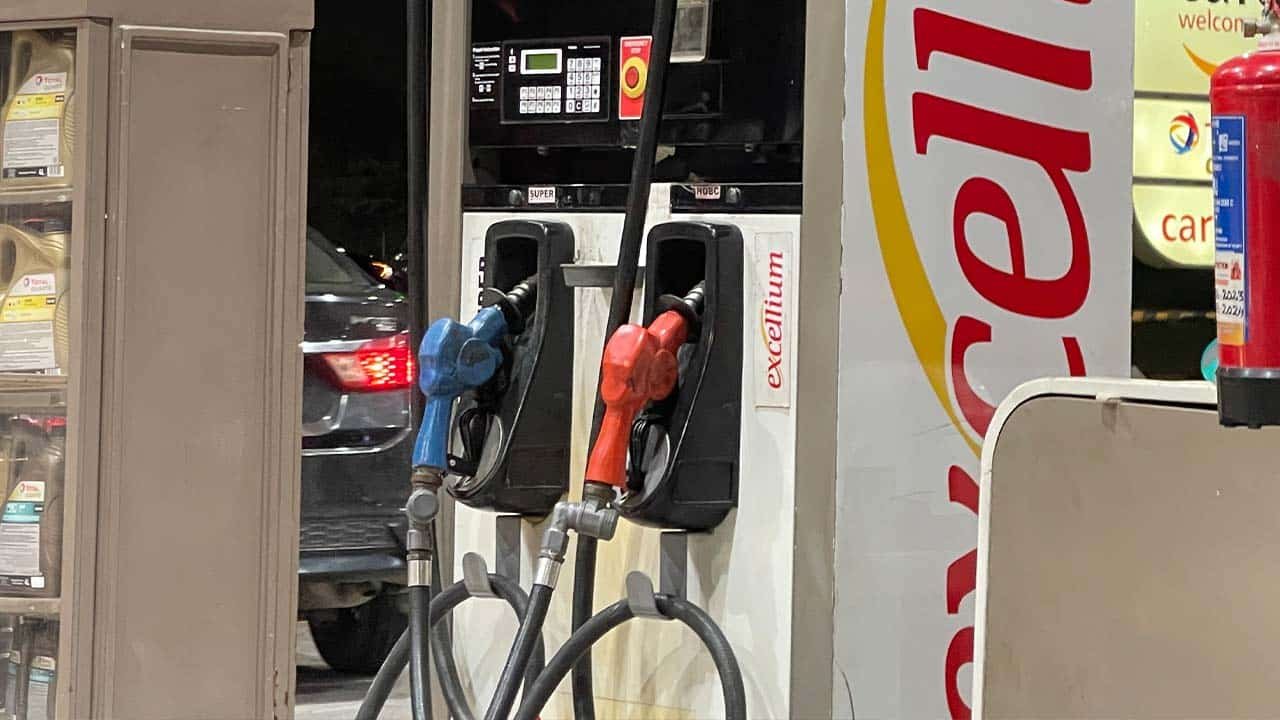
    The caretaker government announced on Tuesday that petrol and diesel prices would remain unchanged until November 15. 

    Furthermore, the government reduced the prices of kerosene and light-speed diesel by Rs 3.82 and Rs3.40 per litre. Kerosene and light-speed diesel will now be priced at Rs211.03 and Rs189.46 per litre, respectively.

    In the previous review on October 15, the caretaker government had announced a reduction of Rs 40 and Rs15 in petrol and diesel prices, bringing them to Rs283.38 and Rs303.18 per litre, respectively. 

    This adjustment was made in response to the continuous appreciation of the local currency against the greenback and fluctuations in international petroleum product prices.

  • Unleashing the Potential of Energy Efficiency in the Building Industry

    Unleashing the Potential of Energy Efficiency in the Building Industry

    The National Energy Efficiency and Conservation Authority (NEECA) is at the forefront of transforming the building sector in Pakistan by promoting energy-efficient practises. NEECA serves as the federal focal agency mandated for initiating, catalysing, and coordinating all energy conservation activities across all sectors of the economy. In this article, we will delve into NEECA’s initiatives and highlight how organisations can leverage energy efficiency to gain a competitive edge and boost the bottom line.

    The Landscape: Rapid Urbanisation and Economic Growth

    Pakistan is experiencing rapid urbanisation, leading to a surge in construction activities and a growing demand for energy. As the building sector expands, the need for energy efficiency becomes paramount. By embracing energy-efficient technologies and practises, organisations in the building industry can not only contribute to an energy-smart future but also tap into new economic opportunities.

    NEECA’s Solutions: Capitalising on Energy Efficiency

    NEECA is spearheading a range of initiatives to promote energy efficiency in the building sector. One significant intervention is the development and implementation of Energy Conservation Building Codes (ECBC-2023). These codes encompass energy efficiency standards for building envelopes, HVAC systems, lighting, and more. By complying with ECBC-2023, organisations can demonstrate their commitment to efficiency and unlock new business
    prospects.

    NEECA is also driving the adoption of energy-efficient appliances through the introduction of Minimum Energy Performance Standards (MEPS) and Energy Labelling Regime. By complying with MEPS and labelling regimes, organisations can offer energy-efficient products to the market, meet customer demands, and enhance their brand reputation. Moreover, the growing market for energy-efficient appliances presents a lucrative opportunity for organisations to expand their product portfolios and increase profitability.

    Impact: Efficiency Translated into Profitability

    Embracing energy efficiency in the building industry brings forth a myriad of benefits. By implementing energy conservation practises and adopting energy-efficient technologies, organisations can significantly reduce energy consumption, optimise operational costs, and enhance overall profitability. Improved building performance, efficient appliances, and smart energy management systems create a competitive advantage, positioning organisations as leaders in the market.

    Potential for Opportunities in the Building Sector:

    As a leader in the building industry, it’s time to seize the opportunities presented by energy efficiency. Embrace NEECA’s initiatives by complying with Energy Conservation Building Codes, adopting energy-efficient appliances, and integrating smart energy management systems. Collaborate with NEECA to stay ahead of the competition, tap into emerging markets, and drive profitability through efficient practises. By capitalising on energy efficiency, you can unlock new avenues for growth, enhance their market position, and contribute to a more prosperous Pakistan. Let’s embrace energy efficiency as a catalyst for success and shape the building industry’s future.

    #Sponsored
  • Govt considers substantial gas tariff hike as energy concerns loom 

    Govt considers substantial gas tariff hike as energy concerns loom 

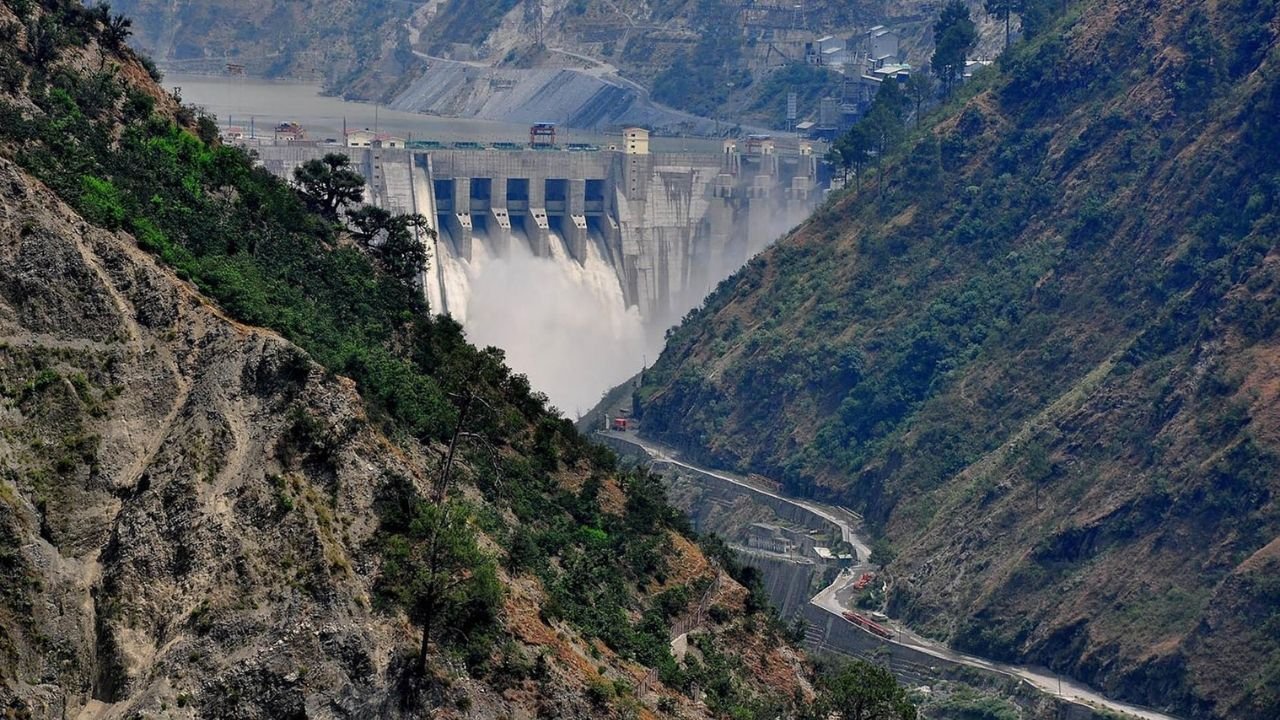
    Caretaker Minister for Energy, Muhammad Ali, addressed concerns about gas prices during a visit to the Lahore Chamber of Commerce and Industry (LCCI), accompanied by Caretaker Federal Minister for Commerce, Industries, and Production, Gohar Ejaz.

    He revealed that impending announcements would detail changes in gas prices, acknowledging that gas prices have consistently been a matter of concern. According to Dawn, the Oil and Gas Regulatory Authority (OGRA) had proposed a 45–50 per cent gas tariff increase earlier in the year to meet revenue requirements for gas utilities. However, the government has not yet made a formal decision. 

    Ali emphasised regional disparities in gas prices, with the North having higher prices than the South. He also discussed the challenges of inadequate long-term LNG contracts and efforts to combat electricity theft. He noted that while steps were being taken to reduce energy price disparities, an overnight reduction was impossible due to the country’s commitment to the IMF programme. 

    Commerce Minister Ejaz highlighted efforts to address issues related to Afghan Transit Trade (ATT) and its impact on the dollar rate. He pointed out that industry inputs, raw materials, and energy prices were vulnerable to international market fluctuations, affecting exports due to currency devaluation. However, recent measures have stabilised the exchange rate. 

    Read more: IMF urges Pakistan to increase taxation on the rich and ‘protect the poor’

    Ejaz also stressed that currency devaluation had hindered export growth and highlighted how disparities in gas supply and prices hampered development efforts nationwide. He called for unity and collaboration, emphasising that traders were vital assets for the country’s strength and prosperity. 

    Notably, the caretaker government had recently raised petrol and high-speed diesel prices, leading to widespread criticism and sporadic protests due to the significant price surge amid high inflation. 

  • Pakistan invites Saudi Arabia to invest in key sectors like agriculture, IT, and energy

    Pakistan invites Saudi Arabia to invest in key sectors like agriculture, IT, and energy

    Prime Minister (PM) Shehbaz Sharif has extended a warm invitation to companies from Saudi Arabia, encouraging them to explore exciting investment prospects in various sectors such as agriculture, mining, technology, energy, and more.

    This friendly call was made during a meeting with Saudi Arabia’s Vice Minister for Foreign Affairs, Waleed Abdulkarim El Khereji, held in Islamabad.

    To boost economic partnerships, PM Shehbaz highlighted the creation of a Special Investment Facilitation Council (SIFC). This council is designed to simplify and speed up potential investments from countries in the Gulf Cooperation Council (GCC), with a special focus on enhancing collaborations with Saudi Arabia.

    PM Shehbaz also expressed heartfelt appreciation for Saudi Arabia’s timely financial support, particularly in the aftermath of natural disasters like floods. He acknowledged the Kingdom’s crucial role in helping Pakistan work towards a stable economy.

    He emphasised the importance of the visit by the Saudi delegation, underscoring the shared interest and eagerness on both sides to elevate their long-standing friendly relations to a practical and mutually beneficial economic partnership.

    In a significant earlier announcement, PM Shehbaz revealed plans to auction gifts from the Toshakhana. The funds generated from this auction will be directed towards the well-being of underprivileged individuals, especially those who are orphaned and vulnerable.

  • Rural areas in Pakistan are facing up to 10 hours of load shedding due to massive power shortfall

    Rural areas in Pakistan are facing up to 10 hours of load shedding due to massive power shortfall

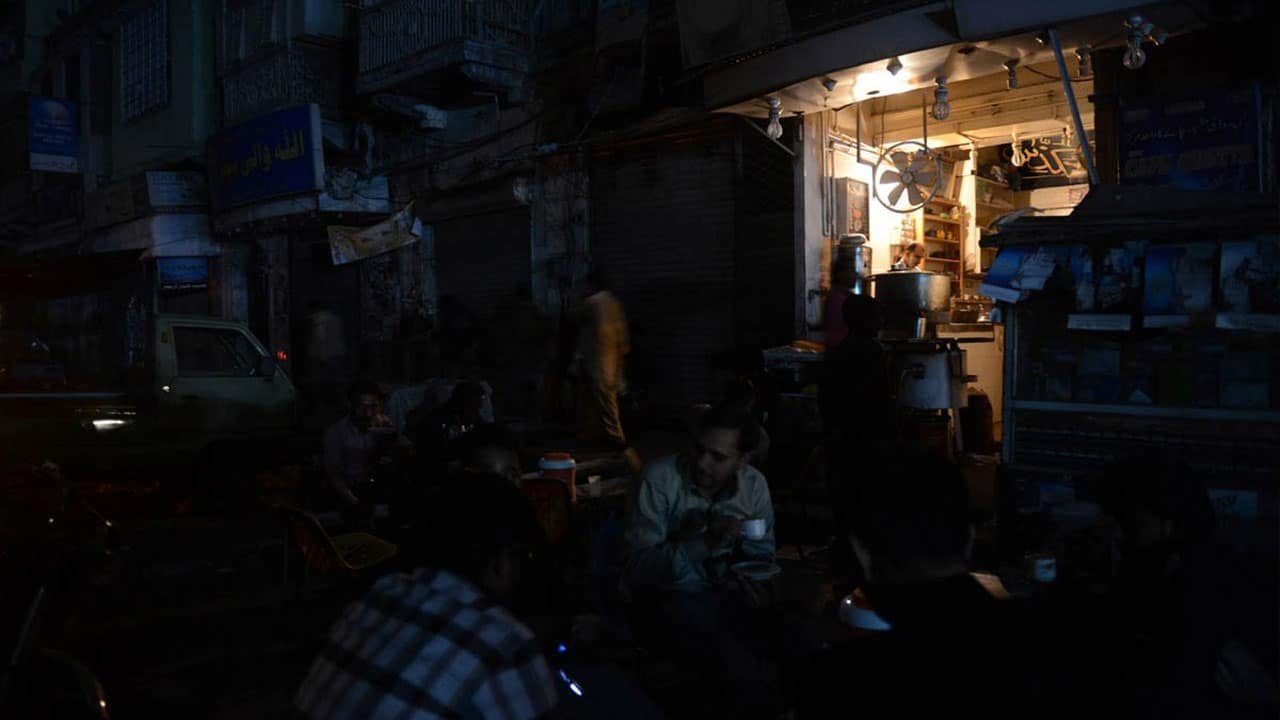
    Amidst a severe heatwave sweeping across the nation, the persistent electricity crisis shows no signs of relenting, with a power shortfall of 6,000 megawatts being recorded. The demand for electricity stands at 28,500 megawatts, while the actual production amounts to 22,500 megawatts.

    Reports indicate that cities are currently enduring load shedding periods lasting from three to five hours. In rural areas, outages are even more prolonged, stretching from eight to 10 hours, whereas urban regions experience load shedding for approximately two to four hours, according to officials from the power division.

    These officials further emphasise that the duration of load shedding is extended on feeders where there are reports of theft and outstanding recovery of line losses.

    As reported by the power division officials, the electricity production breakdown is as follows: 6,900 megawatts from hydroelectric sources, 10,800 megawatts from private power plants, 1,500 megawatts from thermal sources, and 2,300 megawatts from wind, solar, and nuclear plants.

  • Massive reduction in petrol price expected as Pakistan aims for one-third crude oil import from Russia

    Massive reduction in petrol price expected as Pakistan aims for one-third crude oil import from Russia

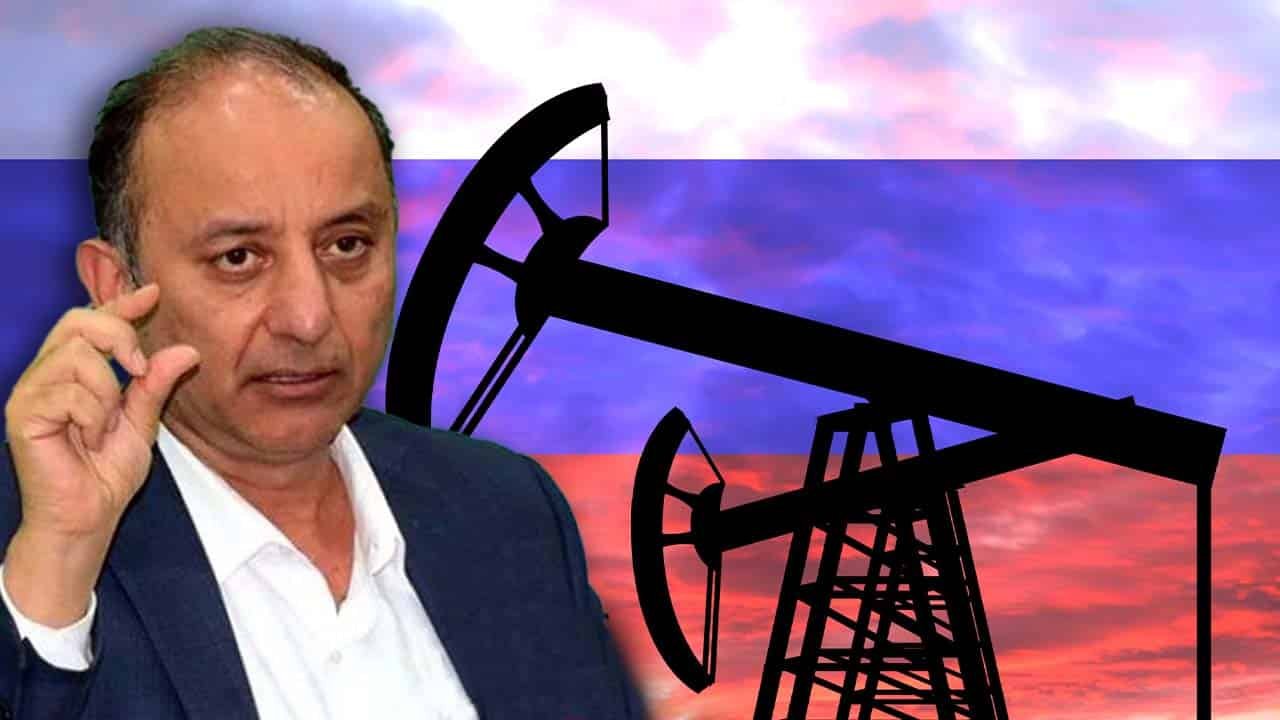
    Minister of State for Petroleum, Musadik Malik, has announced that the prices of petroleum products will witness a decrease once a continuous supply of oil from Russia is ensured.

    Speaking to a private news channel, Malik highlighted the substantial difference in prices that will benefit the masses once Pakistan starts fulfilling one-third of its domestic oil needs through imported Russian oil. He stated, “Our target is to obtain one-third of crude oil from Russia at a discounted rate. When we achieve this objective, petroleum products will be available at a cheaper price.”

    In response to a question about the expected decrease in fuel prices, Malik said, “I am unable to divulge the precise pricing details at this moment. However, it will lead to a significant difference.”

    While the state minister refrained from disclosing the current price, he emphasised that a substantial reduction in price would occur. He also mentioned that the first oil cargo has already arrived in Karachi, and the government is focused on maintaining a steady supply of Russian oil.

    The current deal involves 100,000 metric tonnes of oil, with the second consignment scheduled to arrive at the port next week.

    When asked about the possible effects of buying Russian oil and any potential issues at the global level, Malik expressed confidence that adhering to agreements and maintaining transparency would prevent any complications. He underscored the importance of responsible international engagement.

    Previously, Prime Minister Shehbaz Sharif expressed his fulfillment of another promise made to the nation, stating that the arrival of the first-ever Russian oil cargo marks the beginning of a new relationship between Pakistan and the Russian Federation. He described the day as transformative and emphasised the country’s commitment to achieving prosperity, economic growth, and energy security.

    Following its docking at the port, the authorities have commenced the process of transferring the Russian crude from the oil tanker to the Pakistan Refinery Limited for further processing and extraction of various final products. The transportation of crude oil to the facility is expected to be completed within the next 24 to 36 hours.

    It is worth noting that this is the first time Russian crude oil is being treated in Pakistan. The determination of the actual price of petroleum products in Pakistan will be possible only after the completion of the processing of this imported oil.

  • Pakistan and Russia aim to strengthen bilateral relations in trade, investment, and energy sectors

    Pakistan and Russia aim to strengthen bilateral relations in trade, investment, and energy sectors

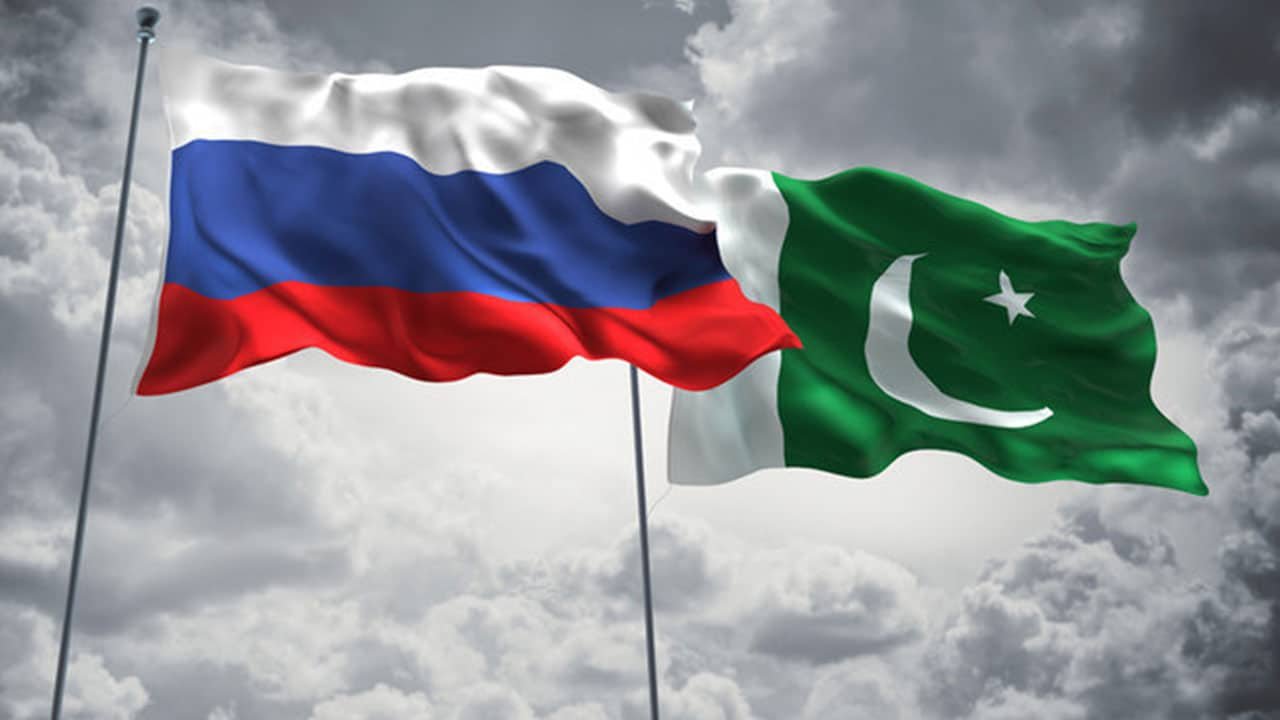
    In an effort to strengthen bilateral relations between Pakistan and Russia, Chairman Senate Muhammad Sadiq Sanjrani engaged in productive talks with Chairman of the Russian Duma, Mr Volodin, during a delegation-level meeting held in Moscow on Wednesday.

    The discussion encompassed various areas of mutual interest and emphasised the significance of parliamentary exchanges in fostering effective diplomacy.

    A press release issued by the Pakistan embassy in Moscow highlighted the consensus reached during the meeting. Both sides expressed their commitment to enhancing parliamentary interaction between the two nations. This step is expected to bolster bilateral ties and pave the way for increased cooperation in trade, investment, and energy sectors.

    Chairman Sanjrani reiterated Pakistan’s dedication to strengthening relations with Russia across all domains of mutually beneficial cooperation. Trade, investment, and energy were particularly emphasised as key areas for future collaboration.

    The significance of continued cooperation in international forums, such as the United Nations and the Shanghai Cooperation Organisation (SCO), was also acknowledged and agreed upon by both parties.

    During the talks, Chairman Sanjrani extended an invitation from the Speaker of the National Assembly of Pakistan to Chairman Volodin, inviting him to visit Pakistan. In a positive response, Chairman Volodin accepted the invitation, reflecting the willingness of both countries to further solidify their ties.

    The meeting between Chairman Senate Sanjrani and Chairman Volodin serves as a significant milestone in the diplomatic efforts between Pakistan and Russia. It highlights the mutual desire to strengthen bilateral relations and lays the groundwork for increased cooperation in various fields, including trade, investment, and energy.

    The forthcoming visit of Chairman Volodin to Pakistan is expected to further enhance the ties between the two nations and open new avenues for collaboration.