Tag: Energy Consumption

  • Govt plans to revise solar net metering policy amid power sector losses

    Govt plans to revise solar net metering policy amid power sector losses

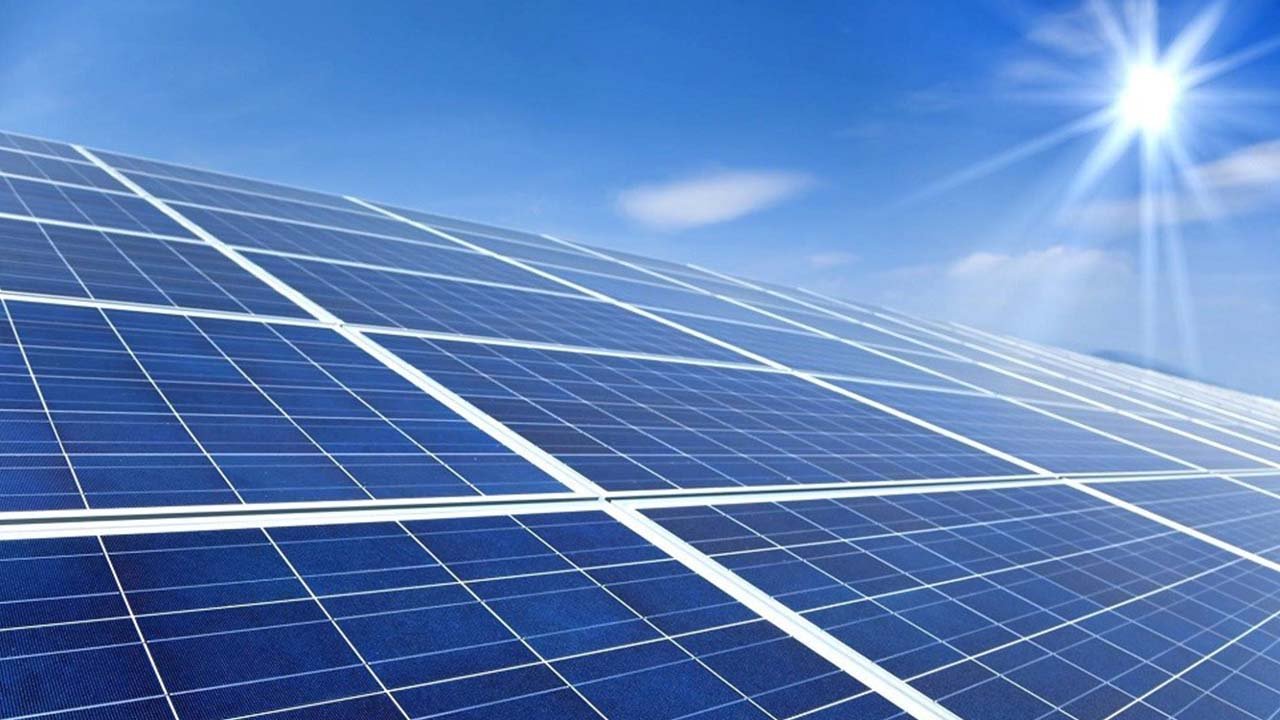
    The federal government has announced plans to revise Pakistan’s solar net metering policy, aiming to reduce losses within the power sector. This announcement was made by Federal Minister for Energy, Sardar Awais Ahmad Leghari, during a press conference where he highlighted current issues surrounding solar net metering.

    Minister Leghari noted that citizens installing solar systems initially expected to recover their investments within three years. However, due to recent advancements, this period has been significantly reduced to just one to one and a half years. This rapid return on investment underscores the growing efficiency and popularity of solar energy solutions.

    The PML-N-led government had initially promoted solarisation in 2017, resulting in 113,000 connections currently operating under the net metering scheme. Leghari reassured that while the government is open to revising the solar net metering policy if necessary, it remains committed to sustaining the programme.

    “We will take effective measures to eliminate power theft and thereby reduce the financial burden on the national exchequer,” he stated, emphasising the government’s dual focus on promoting clean energy and maintaining economic stability.

    The government is also assessing the impacts of the increasing trend towards rooftop-generated electricity. Minister Leghari explained that this assessment would help determine the rate of return on investments in solar equipment and understand the broader implications of this shift.

    He highlighted the need to analyse whether the growing reliance on solar panels is leading to inflated electricity prices for local households. “We will be involved in analysing and balancing the solar net metering,” Leghari added, indicating a comprehensive approach to ensuring the policy benefits all stakeholders.

    Net metering, a billing mechanism that credits solar energy system owners for the electricity they add to the grid, remains a pivotal aspect of the government’s strategy to encourage renewable energy adoption. This revision aims to optimise its benefits and address emerging challenges within the power sector.
  • Pakistan grapples with 23% surge in power generation costs amidst economic woes

    Pakistan grapples with 23% surge in power generation costs amidst economic woes

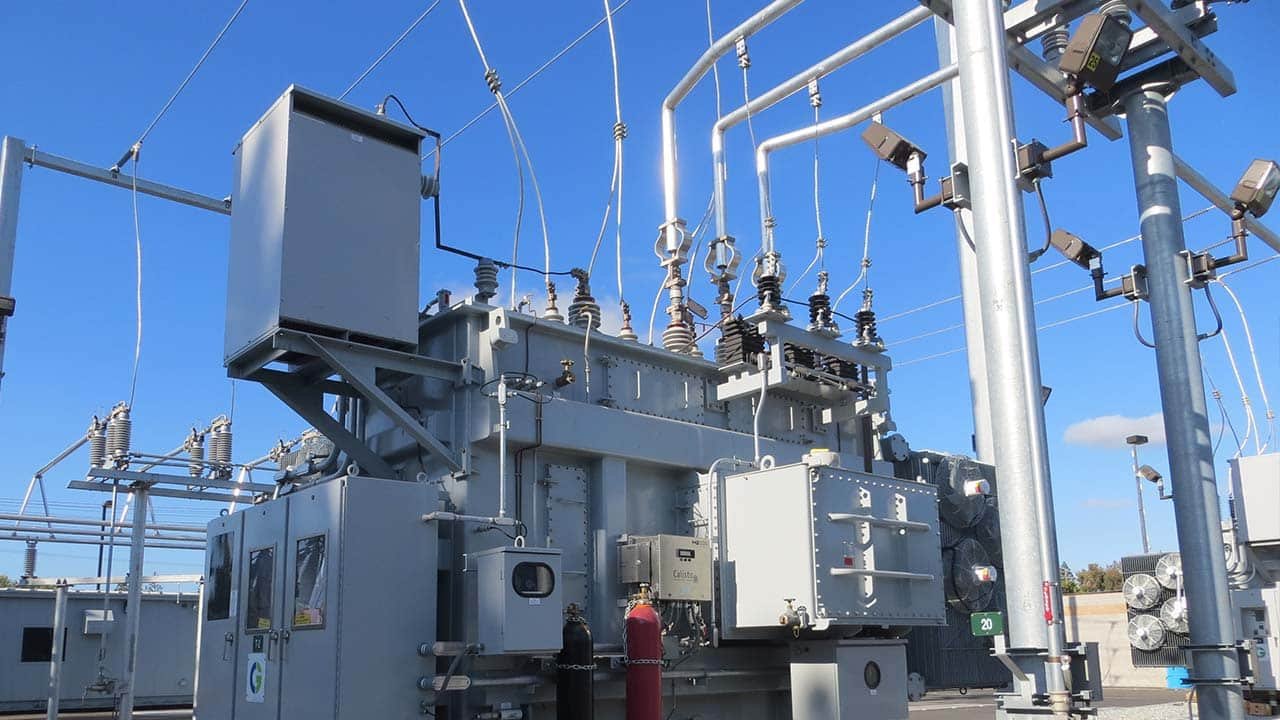
    In a startling development, the cost of power generation in Pakistan has surged by a staggering 23 per cent in January 2024, compared to the same period last year, reports the brokerage house Topline Securities.

    The average cost per kilowatt-hour (KWh) soared to Rs13.8, marking a significant increase from Rs11.20/KWh recorded in January 2023.

    The substantial hike in costs is attributed primarily to elevated expenses in power generation from gas and nuclear sources, which witnessed a spike of 43 per cent and 24 per cent, respectively, on a yearly basis. Moreover, the fuel cost for furnace oil (FO) also surged by 22 per cent year-on-year, according to data from Topline Securities.

    This surge comes as a severe blow to the populace, which is already grappling with high inflation and sluggish economic activity. Rising electricity bills have compounded the financial burden on citizens.

    In terms of power generation, Pakistan witnessed a marginal decline of over 2 per cent in January 2024 compared to the same period last year, with total generation amounting to 8,313 GWh (11,175 MW).

    The decline in power generation was predominantly due to a decrease in coal-based generation, which plummeted by 20 per cent year-on-year. Gas and wind power generation also witnessed declines of 10 per cent and 55 per cent, respectively.

    However, there was a 9 per cent increase in power generation on a monthly basis, indicating some fluctuation in the generation patterns.

    Coal emerged as the primary source of power generation in January 2024, constituting 23.4 per cent of the total generation mix, surpassing nuclear and RLNG (re-gasified liquid natural gas). Nuclear energy accounted for 20.8 per cent of the overall generation, while RLNG contributed 18.2 per cent.

    Renewable sources like wind, bagasse, and solar collectively made up a modest portion of the generation mix, indicating a potential for further development and investment in sustainable energy solutions.

    Overall, the surge in power generation costs coupled with a slight decline in generation highlights the challenges facing Pakistan’s energy sector and underscores the need for strategic measures to ensure an affordable and sustainable power supply in the country.