Tag: energy ministry

  • IMF mission to arrive tomorrow for final review discussions on Pakistan’s SBA

    IMF mission to arrive tomorrow for final review discussions on Pakistan’s SBA

    The International Monetary Fund (IMF) mission is poised to commence vital economic review discussions from March 14 to 18, 2024, marking the conclusive evaluation of Pakistan’s Standby Arrangement (SBA).

    Sources within the Finance Ministry have confirmed that the IMF mission is scheduled to touch down in Pakistan tomorrow night, kickstarting a series of pivotal discussions set to unfold over the next four days.

    During this intensive period, the IMF mission is slated to engage in comprehensive dialogue with Pakistan’s economic team. Key participants include representatives from the Finance Ministry, Energy Ministry, Federal Board of Revenue (FBR), State Bank of Pakistan (SBP), Planning Commission, and the Petroleum Division.

    Insiders suggest that the IMF mission will delve into discussions covering a spectrum of economic facets. Talks are expected to encompass various critical sectors, including finance, energy, taxation, and central banking.

    Furthermore, in parallel with these discussions, preliminary conversations are anticipated to unfold regarding the potential initiation of a new loan programme with the IMF mission. This prospect adds an extra layer of significance to the ongoing economic deliberations as Pakistan navigates its financial landscape in the pursuit of sustainable economic growth.

    Stay tuned for comprehensive coverage as the IMF mission engages in the final review of Pakistan’s Standby Arrangement, paving the way for crucial decisions that could shape the nation’s economic trajectory in the coming months.

  • IMF-backed gas price hike in Pakistan aims to tackle rising circular debt

    IMF-backed gas price hike in Pakistan aims to tackle rising circular debt

    The Economic Coordination Committee (ECC) recently made a decision to raise gas prices, a move that financial experts at Topline Securities, a brokerage firm, believe is a crucial step in Pakistan’s efforts to reach an agreement with the International Monetary Fund (IMF). This agreement is set for review in November.

    The decision to increase gas prices is seen as a necessity due to the alarming escalation of gas circular debt, which has now reached a staggering Rs2.1 trillion.

    Unfortunately, this debt is increasing at a rate of Rs350–400 billion annually, as stated by the Energy Minister.

    The IMF has consistently advocated for reducing circular debt by raising gas tariffs, as it places a substantial burden on Pakistan’s fiscal accounts. We anticipate that this, in conjunction with the rationalisation of power tariffs, will pave the way for Pakistan to secure a staff-level agreement during the November review.

    Notably, the ECC approved the proposed tariff schedule submitted by the Ministry of Energy, which will come into effect on November 1, 2023, instead of the initially proposed date of October 1, 2023.

    According to the approved schedule, there will be an increase of up to 173 per cent for non-protected domestic consumers, 136 per cent for commercial consumers, 86 per cent for export, and 117 per cent for non-export industries.

    Looking ahead, Pakistani authorities are gearing up for discussions with the IMF during the upcoming review of the $3 billion loan programme scheduled for November.

    Analysts predict that the rise in gas tariffs will help to minimise the disparity in gas tariffs for Sui Southern Gas Company (SSGC) and Sui Northern Gas Company Limited (SNGPL), resulting in a positive impact on their cash flow.

    The combined revenues of both Sui companies, which totaled around Rs1.6 trillion, are expected to experience significant improvement following this gas price hike as the tariff differential narrows.

    Furthermore, the increase in gas prices will have a positive impact on exploration companies like the Oil & Gas Development Company (OGDC) and Pakistan Petroleum (PPL) as it aids in reducing gas circular debt.

  • ECC approves margin hike for petroleum dealers and OMCs starting September 15

    ECC approves margin hike for petroleum dealers and OMCs starting September 15

    The Economic Coordination Committee (ECC) of the Cabinet, in a significant move, has given its nod to incrementally raise the margins of petroleum dealers and oil marketing companies (OMCs) starting from September 15. This decision followed a detailed review of a proposal submitted by the Ministry of Energy (Petroleum Division).

    The ECC’s decision entails an enhancement of the margins for petroleum dealers handling Motor Spirit (MS) and High-Speed Diesel (HSD) by Rs1.64 per litre. This increment will be implemented through four fortnightly installments of Rs0.41 per litre, effective from September 15, 2023.

    Furthermore, OMCs will also see their margins on MS and HSD increase by Rs1.87 per litre. This increment will likewise be phased in over four installments, each amounting to Rs0.47 per litre, also commencing on September 15, 2023.

    To ensure transparency and efficiency in determining these margins, the ECC has entrusted the responsibility to the Oil and Gas Regulatory Authority (Ogra). Ogra is expected to develop a systematic mechanism for margin calculation, taking into account the operational costs incurred by OMCs and dealers, with specific reference to Pakistan State Oil (PSO).

    In a separate development, the ECC meeting addressed the financial challenges faced by Pakistan International Airlines (PIA). The national carrier had requested a provision of Rs22.9 billion, as well as the deferment of Rs1.3 billion per month to the Federal Bureau of Revenue (FBR), along with loans and markup amounts until the finalization of the restructuring plan.

    However, the ECC decided to reject PIA’s request. It was also agreed upon that the Finance Division and the State Bank of Pakistan would extend their support to PIA once a concrete restructuring plan is developed and submitted to the committee’s satisfaction.

    Additionally, the ECC approved a Technical Supplementary Grant of Rs40 billion to fund various pre-approved projects for defense services and to cover subsidies and miscellaneous expenditures during the fiscal year 2023-24. This funding will be disbursed on a case-by-case basis, aligning with the current budgetary provisions.

    According to The News, The ECC’s decisions reflect the government’s commitment to addressing the financial dynamics of the petroleum sector and the ongoing restructuring efforts within PIA, while maintaining fiscal prudence in budget allocations.

    This latest development is expected to have a significant impact on the energy sector and the national carrier, as stakeholders closely monitor the implementation of the ECC’s decisions in the coming fortnights.

  • Petrol and diesel prices expected to surpass Rs300 per litre this week

    As global oil rates surge and the rupee’s value against the US dollar weakens, there are growing indications that petrol and diesel prices in Pakistan could soon breach the significant Rs300 mark. The Oil and Gas Regulatory Authority (Ogra) is reportedly contemplating recommending a substantial increase in petroleum product prices for the upcoming fortnight, in an attempt to address the challenges posed by these economic dynamics.

    Sources indicate that if the proposal is approved, petrol prices might experience a sharp upswing of around Rs12 per litre, while diesel could see an even more substantial increase of Rs14.83 per litre. These potential hikes, set to take effect from September 1, 2023, have sparked concerns about their impact on the already high inflation rate, which currently stands at 28 per cent.

    A senior official from the Energy Ministry has expressed apprehensions regarding the potential consequences of these price adjustments. Balancing the need to mitigate citizens’ financial burdens with the demands of existing agreements, the government is grappling with a challenging decision. Notably, any attempt to counteract the price hikes could put the caretaker government in a precarious situation, as it might be perceived as a default on the International Monetary Fund’s (IMF) stipulations tied to a $3 billion standby agreement (SBA) loan.

    The depreciation of the rupee against the dollar has further fueled the need for these adjustments. With the dollar’s value reaching Rs301.75 in the interbank market and around Rs319 in the open market, the impact on petroleum prices is undeniable. The authorities have decided to recalibrate their calculations, opting for a dollar rate of Rs299 to account for the recent Rs12 exchange rate impact.

    Beyond the exchange rate, the recent surge in LC (letter of credit) confirmation charges, marked by a 10 per cent increase, has also played a role in pushing petroleum prices upwards. These charges have contributed to the overall increase in the cost of PSO (Pakistan State Oil) petroleum products. Presently, Mogas (motor gasoline) is priced at Rs290.45 per litre; however, this could rise by Rs12 per litre if the recommendations are greenlit. Similarly, the price of HSD (high-speed diesel) might surge from Rs293.40 per litre to Rs308.23 per litre, assuming the proposed Rs14.83 increase goes into effect.

    According to The News, of particular concern is the potential hike in diesel prices, given its primary use in powering heavy transport vehicles, trains, and various agricultural engines. This ripple effect could raise the cost of essential commodities, putting pressure on consumers’ wallets. 

    On the other hand, a surge in petrol prices would directly affect private transportation, rickshaws, two-wheelers, and small vehicles, disproportionately impacting the budgets of middle and lower-middle-class citizens. The impending decision on petroleum prices presents a delicate challenge for the government, requiring a careful balance between economic realities, inflation concerns, and public sentiment.

  • PM Kakar sets 48-hour deadline for relief plan amid electricity bill protests

    PM Kakar sets 48-hour deadline for relief plan amid electricity bill protests

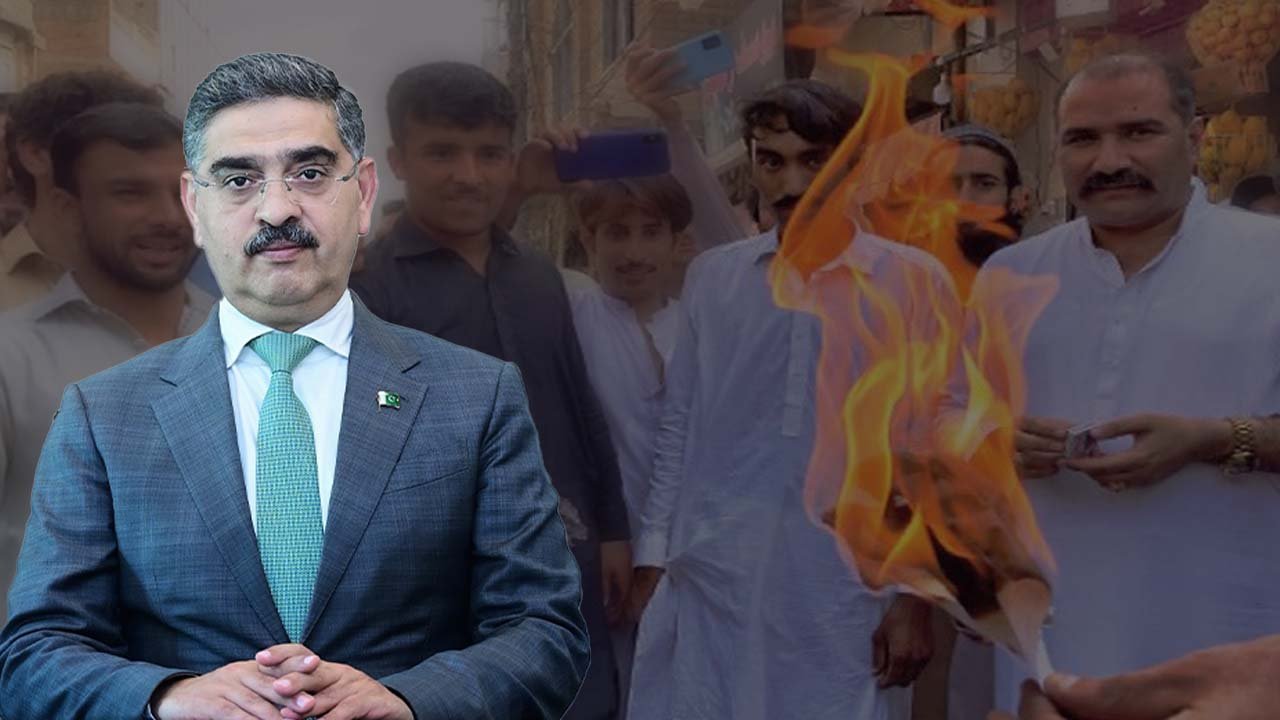
    Amid escalating protests across the nation demanding relief from inflated power bills, Caretaker Prime Minister Anwaar ul Haq Kakar has taken proactive steps to address the pressing issue. In response to the ongoing unrest, Prime Minister Kakar convened a high-level meeting yesterday to strategise and formulate a comprehensive relief plan within the next 48 hours.

    The focal point of the meeting was an informative briefing provided by the Power Division, shedding light on the notable increase in power bills during the month of July. Attended by esteemed members of the interim cabinet, including Dr Shamsad Akhtar, Dr Gohar Ijaz, and the PM’s advisor, Dr Waqar Masood, the meeting aimed to address the mounting concerns over the substantially high electricity bills. There are growing fears that if swift action is not taken, the situation could spiral into widespread public protests and potentially even riots.

    In the aftermath of the meeting, PM Kakar took to social media to communicate the intended course of action. “The Ministry of Energy and the Ministry of Finance have been tasked with collaboratively devising an action plan aimed at providing relief to the public with regard to their electricity bills,” announced the Prime Minister, reiterating the government’s commitment to addressing the pressing issue.

    Beyond seeking immediate measures to curtail electricity consumption on government premises, Prime Minister Kakar emphasised that consultations would be initiated with all provincial representatives. He further assured the public that the caretaker government was resolute in its commitment to providing the maximum possible relief while remaining within its designated mandate.

    The Caretaker Minister for Information and Broadcasting, Murtaza Solangi, echoed the Prime Minister’s sentiments by sharing the key outcomes of the meeting via social media. He conveyed that PM Kakar had stressed the urgency of devising an action plan within the next 48 hours to alleviate the mounting financial burden caused by excessive charges on electricity bills. The Prime Minister’s emphasis was on implementing measures that wouldn’t have a detrimental impact on the national exchequer yet would genuinely alleviate the financial strain on consumers.

    The meeting concluded with a comprehensive commitment to tackle electricity theft, roll out energy-efficient initiatives, and initiate dialogue with provincial chief ministers regarding the substantial charges incurred in July. The meeting also included detailed briefings on pertinent issues within the electricity sector and strategies to counteract electricity theft.

    Against the backdrop of sustained protests, political parties from diverse backgrounds have voiced their concerns and demands. Jamaat-e-Islami has taken a decisive step by announcing a nationwide strike on September 2 as a means of voicing their discontent with the drastic surge in electricity bills. The party’s leader, Siraj-ul-Haq, articulated his intention to mobilise people across the country to participate in these protests, lamenting the financial hardship faced by salaried individuals due to soaring living costs.

    According to Brecorder, adding to the chorus of concerns, MQM-P leaders have issued a stern warning that the ongoing protests could rapidly escalate into violent riots if prompt relief measures are not taken. Farooq Sattar, Senior Deputy Convener of MQM-P, highlighted the burden of multiple taxes contributing to the high electricity bills, underscoring the palpable frustration among the populace.

    As the nation anticipates the proposed relief plan within the stipulated 48-hour timeframe, the government’s actions in response to the mounting crisis will significantly shape the trajectory of the ongoing protests and public sentiment at large.
  • Govt expected to hike gas prices by 50%, electricity by Rs4 per unit for IMF deal

    Govt expected to hike gas prices by 50%, electricity by Rs4 per unit for IMF deal

    Pakistan is expected to increase gas sale prices by 45-50 per cent and electricity base tariffs by Rs3.50 to over Rs4 per unit for the fiscal year 2023-24.

    These adjustments must be notified before the upcoming meeting of the International Monetary Fund’s (IMF) Executive Board on July 12.

    According to reports, this increase in energy prices is necessary to pave the way for the $3 billion programme agreed upon under the Stand-By Arrangement (SBA) with the IMF at the staff level.

    Earlier, the Oil and Gas Regulatory Authority (Ogra) announced an increase of 50 per cent (Rs415.11 per MMBTU) for consumers of the Sui Northern Gas Pipeline Limited (SNGPL), bringing the subscribed gas price to Rs1,238.68 per MMBTU.

    Additionally, the regulator raised the gas price by 45 per cent (Rs417.23 per MMBTU) for consumers of the Sui Southern Gas Company Limited (SSGCL) for the fiscal year 2023-24. However, the government has yet to officially notify the increase in gas prices for the upcoming financial year.

    The SNGPL has an accumulated shortfall of Rs560.378 billion up to FY23, while Sui Southern has a shortfall of Rs97.388 billion. The federal government had previously notified the increase in gas sale prices based on different categories from January 1, 2023.

    As per the existing policy, high-end consumers subsidise the gas prices for low-end consumers. It is likely that the government will continue this policy, with high-end consumers paying the gas price for low-end consumers starting from July 1, 2023.

    According to The News, the entire energy sector is currently burdened by circular debt, which amounts to over Rs4,300 billion. This debt is divided between the oil and gas sector, with Rs1,700 billion, and the power sector, with Rs2,600 billion.

    The IMF emphasises the need for Pakistan to make the energy sector viable and sustainable, which requires increasing the base tariff for the fiscal year 2023-24.

  • Pakistan seeks to import 1.5 million tonnes of petrol from UAE at a negotiated price

    Pakistan seeks to import 1.5 million tonnes of petrol from UAE at a negotiated price

    In an attempt to begin the process of signing an intergovernmental agreement (IGA), Pakistan will write to the United Arab Emirates this week. The country is looking for a government-to-government contract to import 1.5 million tonnes of gasoline annually.

    According to The News, Pakistan would import 1.5 million tonnes of motor spirit (Mogas) over a five to eight-year period, or 30 cargoes. The nation would receive two to three shipments from the gulf nation each month.

    The IGA with Oman, Qatar, Saudi Arabia, and some other nations has already been signed by the energy ministry. UAE will receive the same contract. Both nations will begin negotiating the GtG deal for the import of petrol, crude oil, and jet fuel once the agreement is finalised.

    Leading representatives from both sides agreed to sign a GtG agreement for the import of petrol, crude oil, and jet fuel at the Abu Dhabi negotiations held in the first week of the current month.

    This will enable Pakistan to have a sufficient supply of petroleum products.

    ADNOC (Abu Dhabi National Oil Company), on behalf of the UAE, and Pakistan State Oil (PSO), on behalf of Pakistan, will begin negotiations for a commercial deal on a going-to-market basis after the IGA has been finalised and signed.

    Before December 31, 2022, Pakistan wants both IGAs and business agreements signed so that beginning in January 2023, oil imports from the UAE could begin on a GtG basis.

    Under the terms of the GtG agreement, PSO obtains diesel from KPC (Kuwait Petroleum Company) and pays significant premiums for gasoline purchased on the open market, which is determined by the costs of goods on the global market.

    Now, as part of the GtG agreement, PSO would purchase gasoline from ADNOC at a negotiated rate. Additionally, because the nation’s refineries typically meet jet fuel needs, PSO would also import it as needed.