Tag: energy policy

  • Govt maintains petrol price at Rs281.34, cuts diesel price by Rs7 per litre 

    Govt maintains petrol price at Rs281.34, cuts diesel price by Rs7 per litre 

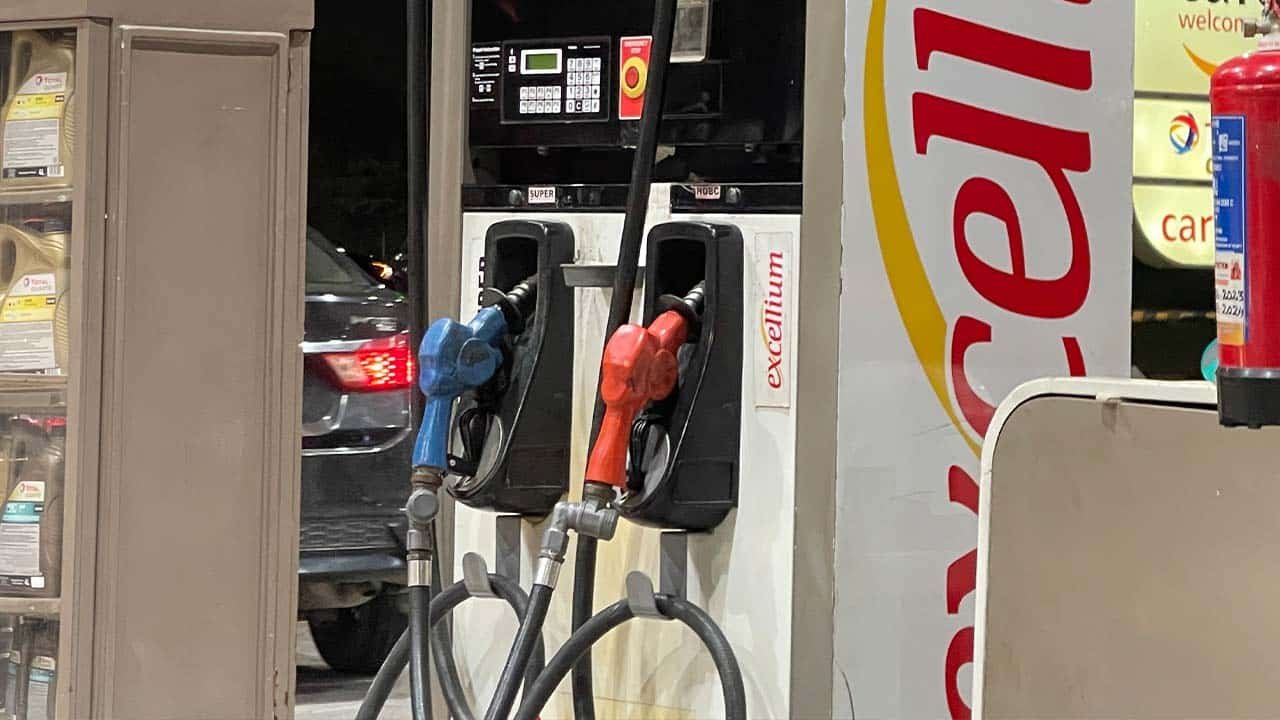
    On Thursday, the caretaker government announced its decision to maintain the current petrol price at Rs281.34 per litre while implementing a reduction of Rs7 per litre for high-speed diesel (HSD) for the upcoming two weeks. 

    As per the official notification from the finance ministry, the revised price for high-speed diesel will be Rs289.71 per litre starting on December 1. 

    Additionally, the prices for kerosene and light diesel oil have decreased by Rs3.82 and Rs4.52, respectively. 

    Following these adjustments, kerosene will now be priced at Rs201.16 per litre, and light diesel oil will be available at Rs175.93 per litre. 

    This decision comes in response to factors such as an IMF review and the recent global decline in oil prices. 

    Notably, the postponement of a ministerial meeting by Opec+ (the Organisation of the Petroleum Exporting Countries and allies, including Russia) to November 30 contributed to a midweek tumble in global oil prices. 

    Brent crude futures experienced a 0.4 per cent decline, down 37 cents to $80.21 per barrel, while US West Texas Intermediate (WTI) crude futures lost 0.4 per cent, down 29 cents to $75.25. 
  • Power company in Punjab wants to set power price at record-breaking high of Rs77.3 per unit

    Power company in Punjab wants to set power price at record-breaking high of Rs77.3 per unit

    In a noteworthy development that has captured significant attention and ignited considerable debate, the Kot Addu Power Company (KAPCO) has formally submitted an application to the National Electric Power Regulatory Authority (NEPRA) for the endorsement of what could potentially become the nation’s most costly electricity generation tariff. 

    This significant step has unfolded against the backdrop of ongoing deliberations concerning the escalating expenses associated with electricity production within Pakistan. 

    The Kot Addu Power Company has put forth a bold proposition, aiming to establish the electricity tariff at an unprecedented Rs77.31 per unit, attributing the primary rationale for this request to substantial hikes in production costs. 

    Notably, the present initial tariff offered by the independent power producer (IPP) company stands at a modest twenty-eight rupees per unit, underscoring the magnitude of the escalation should their proposal garner approval. 

    Adding a layer of complexity to this unfolding narrative, IPP Kot Addu Power, the entity responsible for electricity generation, has been granted a sixteen-month extension during the tenure of the Pakistan Tehreek-e-Insaf (PTI) administration.  

    However, this extension has not been without its share of controversy, with the Senate Power Committee recently deeming it unlawful, further intensifying the discourse surrounding this matter.