Tag: energy prices

  • Inflation has eroded purchasing power of Pakistanis: Bloomberg

    Inflation has eroded purchasing power of Pakistanis: Bloomberg

    A recent Bloomberg report reveals that Pakistan is facing the highest inflation rate in its region.

    The report explains that the Pakistani government has had to raise energy prices significantly to secure a new programme from the International Monetary Fund (IMF).

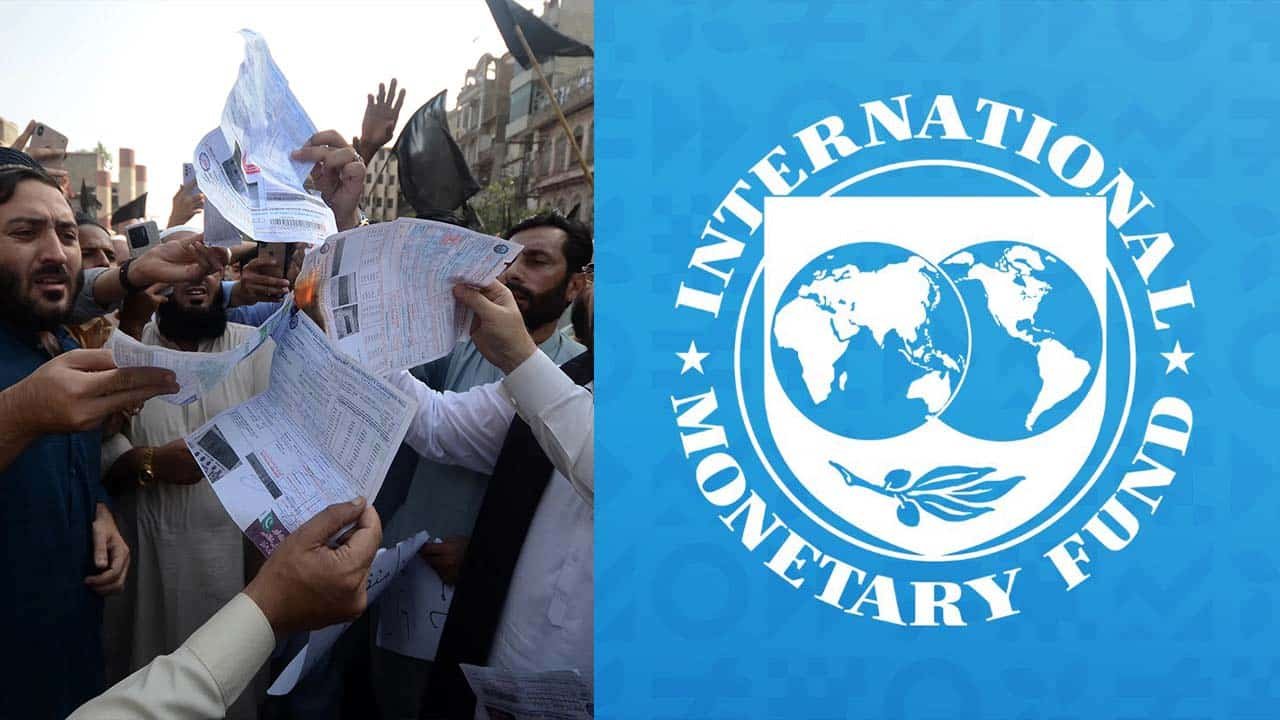
    Although inflation has decreased somewhat, electricity bills have risen sharply, now often surpassing household rent. This increase in power tariffs, aimed at meeting IMF conditions and implementing required reforms, has led to widespread protests across the country.

    Bloomberg’s report shows that since 2021, electricity prices in Pakistan have soared by 155 per cent. This surge followed the government’s decision to raise both industrial and retail electricity rates to improve the chances of obtaining IMF loans.

    The rising energy costs have worsened the country’s economic crisis, with inflation around 12 per cent—the highest in Asia—reducing people’s purchasing power and leading to a drop in electricity usage as individuals and businesses turn to solar power.

    In July, following the approval of a $7 billion IMF loan, the average residential electricity price increased by 18 per cent. Many residents now find their electricity bills exceeding their monthly rent, which ranges from $100 to $700, according to Samiullah Tariq, head of research at Pakistan Kuwait Investment Co.

    In response to growing public frustration, Prime Minister Shehbaz Sharif has announced a Rs50 billion ($180 million) subsidy over the next three months to help low-income households cope with the higher energy costs.

    The IMF programme is focused on improving Pakistan’s energy sector through cost reductions and the privatisation of state-owned power companies. The power regulator estimates that Pakistan loses about 16 per cent of its electricity due to theft and inefficiencies in its transmission and distribution systems.

    The Bloomberg report underscores the severity of Pakistan’s economic challenges and the urgent need for effective solutions in its energy sector.
  • IMF and Pakistan seal agreement on $3 billion SBA, await board approval

    IMF and Pakistan seal agreement on $3 billion SBA, await board approval

    In a significant development, the International Monetary Fund (IMF) declared on Wednesday that its team and Pakistani authorities have successfully concluded the initial review of the $3 billion, nine-month Stand-By Arrangement (SBA).

    This staff-level agreement awaits the approval of the IMF Executive Board.

    Upon endorsement, approximately US$700 million (SDR 528 million) will be accessible, contributing to a cumulative disbursement of nearly US$1.9 billion under the programme.

    A delegation from the IMF, led by Nathan Porter, conducted discussions in Islamabad from November 2–15, 2023, focusing on the inaugural review of Pakistan’s economic programme supported by the IMF SBA.

    The nascent recovery, supported by international partners and enhanced confidence indicators, is attributed to the stabilizing policies outlined in the SBA.

    The disciplined implementation of the FY24 budget, ongoing adjustments in energy prices, and increased inflows into the foreign exchange (FX) market have alleviated fiscal and external pressures.

    The IMF anticipates a decline in inflation in the upcoming months, driven by diminishing supply constraints and modest demand.

    Nevertheless, Pakistan remains exposed to significant external risks, including heightened geopolitical tensions, escalating commodity prices, and potential tightening in global financial conditions.

    It is imperative to persist in efforts to enhance resilience in the face of these challenges, according to the international lender

  • SPI index surges to three-week high at 26.41%: Food and energy prices drive inflation

    SPI index surges to three-week high at 26.41%: Food and energy prices drive inflation

    The Sensitive Price Indicator (SPI) index recorded a notable surge, reaching 26.41 per cent for the week ending on September 7, 2023, marking a three-week high. This increase was primarily propelled by the persistent rise in food and energy prices when compared to the same week in the previous year, putting added strain on households’ purchasing power and disposable income.

    Within this week, data from the Pakistan Bureau of Statistics (PBS) revealed that out of 51 items, 32 (62.75 per cent) experienced price increases, 5 (9.80 per cent) saw decreases, while 14 (27.45 per cent) remained unchanged, in contrast to the previous week.

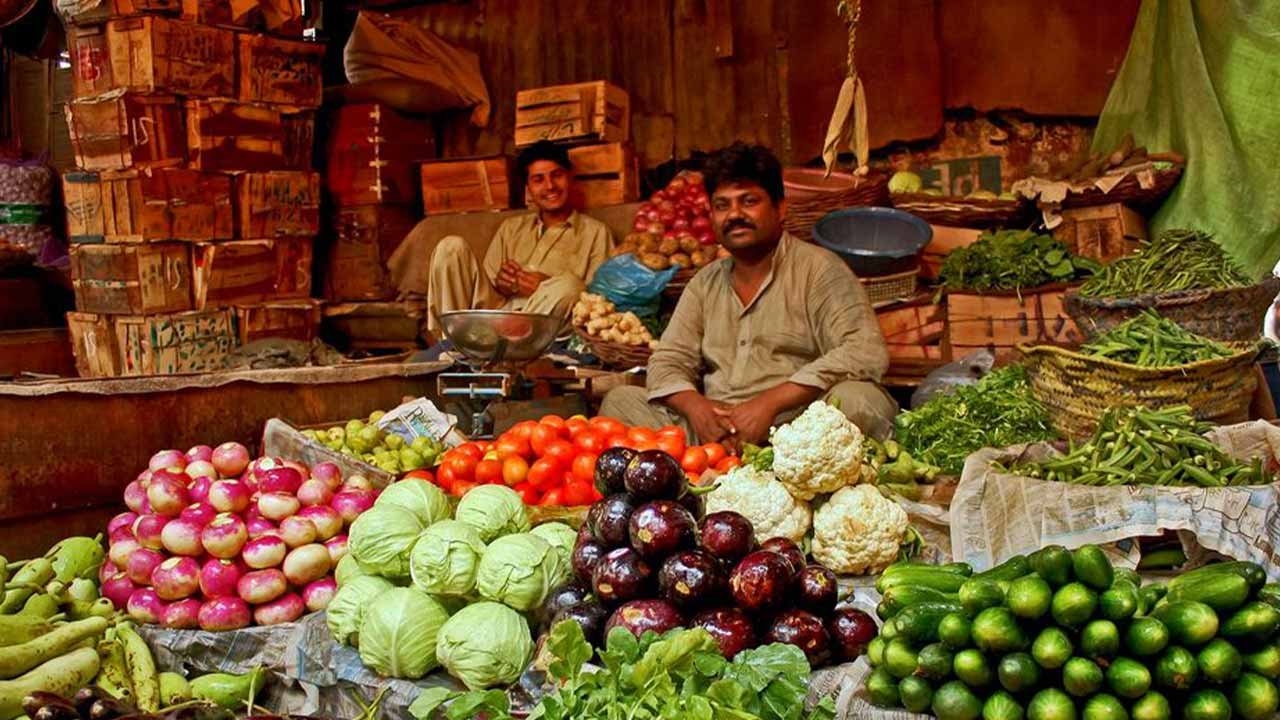
    Food items saw significant price hikes, including a 17 per cent increase in tomato prices, a 10.87 per cent uptick in pulse masoor prices, a 6.73 per cent rise in sugar prices, a 4.66 per cent surge in garlic prices, and a 3.62 per cent uptick in gur prices. Pulse moong prices rose by 3.55 per cent, onions by 3.43 per cent, and pulse gram by 3.25 per cent. Among non-food items, diesel prices soared by 6.28 per cent, LPG (liquefied petroleum gas) increased by 5.19 per cent, and petrol prices rose by 5.12 per cent.

    Conversely, there was a decline in the prices of certain items, including chicken by 3.20 per cent, 5-liter cooking oil by 1.03 per cent, 2.5 kg vegetable ghee by 0.47 per cent, Lipton tea by 0.43 per cent, and 1 kg vegetable ghee by 0.14 per cent, compared to the previous week.

    Looking at the bigger picture, the Consumer Price Index (CPI) revealed that monthly inflation has remained persistently high, averaging 27.8 per cent in the first two months (Jul-Aug) of the current fiscal year 2023-24. This was primarily attributed to recent rupee depreciation, imported inflation, and the continuous ascent of power and petroleum product prices.

    It is anticipated that September’s monthly inflation reading will reach its peak, with experts also suggesting the possibility of the government raising gas prices, further exacerbating inflationary pressures on the economy.

    To combat inflation, the Pakistan central bank is expected to raise its key policy rate by 1.5 to 2 percentage points during its upcoming Monetary Policy Committee (MPC) meeting on September 14. The current policy rate stands at a record high of 22 per cent.

    Topline Research highlighted significant developments since the last MPC meeting on July 31, 2023, including Pakistan posting a current account deficit of $809 million in July after four consecutive months of current account surplus. 

    Additionally, local fuel prices have increased by around 19 per cent, international oil prices in US dollars have risen by 6 per cent, and the rupee has depreciated by 6 per cent against the US dollar. These factors are expected to weigh heavily on the central bank committee’s decision during the upcoming MPC meeting.

  • IMF declines request for tariff adjustment and subsidy on high electricity bills 

    IMF declines request for tariff adjustment and subsidy on high electricity bills 

    In light of the government’s comprehensive deliberation on strategies to alleviate the burden of electricity bills, the International Monetary Fund (IMF) has declined the proposal for tariff adjustments or additional subsidies. This decision was made despite the government’s assertion that its bill collections for August had nearly met expectations, as reported by The News on Tuesday. 

    The IMF has expressed strong reservations regarding the government’s initiative to provide relief to economically disadvantaged individuals facing high power bills. Pakistan has consequently approached the global lender, requesting permission to phase in upcoming quarterly tariff adjustments (QTAs) and Fuel Price Adjustments (FPAs) amounting to Rs7.50 per unit over the next four to six months. 

    An authoritative source confirmed this request, stating, “Pakistan has sought the IMF’s approval for a gradual implementation of QTAs and FPAs over a four to six-month period, potentially incurring additional costs that will require mutual agreement.” 

    According to sources, the power sector continues to grapple with challenges, given the necessity of increasing tariffs by approximately Rs5 per unit in the current month and incorporating FPAs amounting to Rs2.72 per unit. Consequently, a cumulative tariff increase exceeding Rs7 per unit is anticipated.  

    The computation of QTAs will be based on losses incurred during the April-June period, reflecting reduced unit usage, increased interest payments, and fluctuations in exchange rates. Meanwhile, the FPA is calculated to address the rising prices of imported fuel, resulting in a potential hike of Rs7.50 per unit in September bills, subject to regulatory approval.  

    Simultaneously, the Ministry of Power asserts that its bill collection performance for August 2023 has improved and is nearing expectations. They contend that to mitigate the impact of inflated bills, they must seek the IMF’s approval for the staggered implementation of QTAs and FPAs.  

    According to calculations by the Ministry of Power for various consumer categories, those utilising 400 units can anticipate a reduction in power charges from Rs21,000 in August 2023 to Rs16,963 in September and further to Rs11,356 in October, factoring in QTAs and FPAs. Similarly, charges for consumers using 300 units are projected to decrease from Rs13,000 in August to Rs10,000 in September and Rs8,000 in October 2023. 

    With the onset of winter in October, it is anticipated that the issue of escalated bills will gradually subside. Additionally, officials are planning to approach the National Electric Power Regulatory Authority (Nepra) to determine the next tariff adjustments, considering seasonal usage trends. Given the peak usage during the summer months followed by a decline in winter, tariff adjustments will be tailored to accommodate these seasonal fluctuations. 

    The Prime Minister has instructed the Ministry of Finance to develop a strategy for economic stability in Pakistan. During a meeting with Interim Finance Minister Shamshad Akhtar, the current economic situation was discussed. 

    The government aims to find innovative solutions to ease the burden on electricity consumers, addressing issues like circular debt, power theft, and taxes with short-term measures. 

    The caretaker government’s primary goal is to facilitate early general elections while upholding constitutional obligations such as constituency delimitation following the population census. The focus is on restructuring fiscal and monetary policies for economic revitalization. 

  • Govt expected to hike gas prices by 50%, electricity by Rs4 per unit for IMF deal

    Govt expected to hike gas prices by 50%, electricity by Rs4 per unit for IMF deal

    Pakistan is expected to increase gas sale prices by 45-50 per cent and electricity base tariffs by Rs3.50 to over Rs4 per unit for the fiscal year 2023-24.

    These adjustments must be notified before the upcoming meeting of the International Monetary Fund’s (IMF) Executive Board on July 12.

    According to reports, this increase in energy prices is necessary to pave the way for the $3 billion programme agreed upon under the Stand-By Arrangement (SBA) with the IMF at the staff level.

    Earlier, the Oil and Gas Regulatory Authority (Ogra) announced an increase of 50 per cent (Rs415.11 per MMBTU) for consumers of the Sui Northern Gas Pipeline Limited (SNGPL), bringing the subscribed gas price to Rs1,238.68 per MMBTU.

    Additionally, the regulator raised the gas price by 45 per cent (Rs417.23 per MMBTU) for consumers of the Sui Southern Gas Company Limited (SSGCL) for the fiscal year 2023-24. However, the government has yet to officially notify the increase in gas prices for the upcoming financial year.

    The SNGPL has an accumulated shortfall of Rs560.378 billion up to FY23, while Sui Southern has a shortfall of Rs97.388 billion. The federal government had previously notified the increase in gas sale prices based on different categories from January 1, 2023.

    As per the existing policy, high-end consumers subsidise the gas prices for low-end consumers. It is likely that the government will continue this policy, with high-end consumers paying the gas price for low-end consumers starting from July 1, 2023.

    According to The News, the entire energy sector is currently burdened by circular debt, which amounts to over Rs4,300 billion. This debt is divided between the oil and gas sector, with Rs1,700 billion, and the power sector, with Rs2,600 billion.

    The IMF emphasises the need for Pakistan to make the energy sector viable and sustainable, which requires increasing the base tariff for the fiscal year 2023-24.

  • Pakistan’s inflation expected to rise due to policy decisions and economic uncertainty, warns Finance Ministry

    Pakistan’s inflation expected to rise due to policy decisions and economic uncertainty, warns Finance Ministry

    Finance Ministry has warned that inflation in Pakistan is set to rise further due to a second-round effect of policy decisions made earlier this year to raise energy and fuel prices, the central bank’s policy rate, and the depreciation of the rupee to secure IMF funding.

    The recent political and economic uncertainties in the country are causing inflationary expectations to rise. The short-term rate of inflation measured by the Sensitive Price Indicator (SPI) hit a record 46.65 per cent last week, while monthly inflation recorded by the Consumer Price Index (CPI) reached 31.6 per cent in February – the highest in six decades.

    The ministry expects inflation to stay at an elevated level due to market frictions caused by the relative demand and supply gap of essential items, exchange rate depreciation, and recent upward adjustments of administered prices of petrol and diesel. Production losses due to floods have not yet been fully recovered, especially those of major agricultural crops. The shortage of essential items has persisted due to these factors.

    Moreover, the delay of stabilisation program has exacerbated economic uncertainty, due to which inflationary expectations have remained strong. The Economic Adviser’s Wing of the finance ministry has also conceded ineffective policy measures and the haplessness of the authorities in containing the inflationary spiral.

    A report from ministry warns that bulk buying during Ramzan might cause the demand-supply gap and result in escalation of essential items prices, although the government is taking steps to ensure a smooth supply of essential items. The report also warned that being largely dependent on prevailing climatic conditions, as witnessed last year, the delay in rains and early heatwave forecast by the Pakistan Met Office in April and May could adversely impact wheat production.

    On a positive note, the report said that despite challenges and uncertainties, the economy was showing continuous signs of resilience as depicted through contained fiscal and current account deficits during the current fiscal year.

  • Rupee depreciation may lead to an increase in petroleum prices, says Musadik Malik

    Rupee depreciation may lead to an increase in petroleum prices, says Musadik Malik

    Dr Musadik Malik, the State Minister for Petroleum, issued a warning on the potential increase of petroleum product prices due to the significant decline in the value of the Pakistani rupee against the US dollar.

    During an appearance on the Geo News program “Capital Talk” on Thursday, Dr Malik stated that the depreciation of the rupee could lead to an upsurge in the prices of petroleum products in the upcoming days. He also shared that the negotiations between Pakistan and Russia on oil imports were progressing well.

    According to Dr Malik, the sudden increase in the US dollar’s price was due to political instability, making it difficult to govern the country in such an uncertain environment. Notably, during the last fortnight’s review, Finance Minister Ishaq Dar announced a reduction in petroleum prices.

    As a result, the government cut the price of petrol by Rs5 per litre, setting it at Rs267 per litre, while the price of diesel remained steady at Rs280 per litre.

    In addition, the price of light diesel oil decreased by Rs12 per litre, bringing it down to Rs184.68 per litre. Furthermore, the cost of kerosene oil was reduced by Rs15 per litre, bringing its price to Rs187.73.

  • Pakistan’s finance ministry predicts high inflation to persist

    Pakistan’s finance ministry predicts high inflation to persist

    As per the Finance Ministry’s monthly economic update and outlook for February, inflation is projected to range from 28 per cent to 30 per cent in the near future, before gradually subsiding. The report cites several reasons for this, including an uncertain political and economic environment, currency depreciation, a recent increase in energy prices, and higher administered prices.

    The report notes that interest payments will contribute to total expenditures, constraining the fiscal space available for normal operations, investments, and social and structural policies.

    While the State Bank of Pakistan (SBP) has been implementing a contractionary monetary policy, it is expected that inflationary pressures will take some time to ease. The federal government, in collaboration with provincial governments, is closely monitoring the demand-supply gap of essential commodities and taking necessary measures to stabilise prices.

    The resumption of an economic stabilization program will aid in achieving economic and exchange rate stability and provide an opportunity to benefit from falling international commodity prices. This will also help control cost-push inflation and allow the government to pass on lower commodity prices to domestic consumers.

    The report notes that favorable weather and the use of inputs by farmers should help meet the 28.4 million-ton wheat target, while disbursements under the Kissan package should positively impact agricultural productivity and overall economic activity. The cyclical pattern of large-scale manufacturing (LSM) in Pakistan is positively correlated with the cyclical position of the country’s main trading partners. In December 2022, LSM activity was as expected, with no unexpected shocks observed in that month.

    However, the international economic environment remains uncertain, as evidenced by the Composite Leading Indicators (CLI) in Pakistan’s main export areas, which were somewhat negative compared to historical standards.

    The ministry anticipates that LSM will increase in January compared to the previous month, partly due to seasonal factors. The ministry forecasts that LSM output may marginally decline on a YoY basis, mainly due to the high base effect in the reference period