Tag: energy sector

  • Petroleum minister confirms gas prices will remain unchanged, highlights falling inflation

    Petroleum minister confirms gas prices will remain unchanged, highlights falling inflation

    In a recent press conference, Minister for Petroleum Musadik Malik announced that the federal government has decided to keep gas tariffs unchanged. He confirmed that consumers will not experience any increase in gas prices.

    Malik highlighted that the government’s economic policies are beginning to yield positive results. He reported a substantial reduction in food inflation, which has decreased from 48 per cent to just 2 per cent.

    Overall inflation has also dropped significantly, falling from 38 per cent to 12 per cent, with a continued downward trend anticipated. Malik stated that all economic indicators suggest the country is moving towards greater stability.

    The minister emphasised that the government’s primary objectives are to alleviate poverty, control inflation, and create job opportunities for the youth. He revealed that Prime Minister allocated Rs600 billion in the current federal budget to support the underprivileged.

    Development projects are being prioritised, particularly in underserved areas, to generate local employment. Additionally, Rs50 billion has been earmarked to protect 86 per cent of electricity consumers for the upcoming three months.

    Malik reiterated the government’s commitment to providing further relief to the public by enhancing healthcare facilities, digitising the Federal Board of Revenue (FBR), and pursuing the privatisation of state-owned enterprises.

    Criticising the previous Pakistan Tehreek-e-Insaf (PTI) administration, Malik accused them of distributing $4 billion to the wealthiest individuals during their tenure. He also addressed the issue of terrorism, asserting that while the government is working to combat it, opposition parties are criticising these efforts.

    The minister expressed disappointment with the opposition’s approach, which he described as destructive and confrontational. He specifically criticised the Sunni Ittehad Council (SIC) for its negative campaign against state institutions and its focus on sit-ins without offering viable solutions.

    Furthermore, Malik accused PTI leaders of inconsistency, recalling that they previously claimed their government was overthrown by the US, yet they are now seeking assistance from the same country.
  • IMF urges gas sector reforms to curb circular debt

    IMF urges gas sector reforms to curb circular debt

    The International Monetary Fund (IMF) highlighted the significance of prompt gas tariff determinations and notifications, crucial in curbing the escalating gas circular debt, while safeguarding vulnerable households.

    Stressing the necessity of adhering to the mandated 40-day window, the IMF underscored the urgency to initiate these measures commencing with the June 2024 semiannual adjustment.

    In its latest report, the IMF conducted its second and final review within the stand-by arrangement framework, released on Friday.

    It noted a slight decrease in natural gas circular debt to Rs2,083 billion (equivalent to 2.0 per cent of GDP) as of January 2024, attributing this decline to the resumption of gas tariff adjustments, albeit with some delay, aligned with cost recovery objectives.

    The Fund recommended a continued trajectory towards eliminating captive power usage, advocating for the prioritization of cheaper natural gas for the most efficient power plants.

    Additionally, it proposed efforts to standardize gas prices for all fertilizer companies, aligning with plans to implement a weighted average cost of gas (WACOG) across Pakistan, ensuring uniformity while facilitating cost recovery.

    Acknowledging Pakistan’s recent 24 per cent gas tariff increase on February 15, the report highlighted its progressive rate structure protecting residential consumers, while enhancing and equalizing prices for fertilizer companies.

    Furthermore, it recognized Pakistan’s adherence to the Structural Benchmarks (SBs) concerning the notification of the semiannual gas tariff adjustment.

    The report also shed light on the increasing prominence of Regasified Liquefied Natural Gas (RLNG) within Pakistan’s gas mix, driven by dwindling natural gas supplies exacerbated by years of under-pricing.

    Consequently, RLNG has been diverted to domestic users at subsidized rates, underscoring the complexity of the gas sector dynamics.

  • CDWP gives go-ahead to 10 development projects valued at Rs115 billion

    CDWP gives go-ahead to 10 development projects valued at Rs115 billion

    In a key meeting held on Friday, the Central Development Working Party (CDWP) approved a total of 10 development projects, with an overall cost of Rs115.458 billion.

    Out of these, eight projects totaling Rs17.297 billion were given the green light by the CDWP forum, while two projects, valued at Rs98.161 billion, were recommended to the Executive Committee of the National Economic Council (ECNEC) for final approval.

    Deputy Chairman Planning Commission Mohammad Jehanzeb Khan chaired the meeting, attended by Secretary Planning Awais Manzur, Planning Commission members, Additional Secretary Planning, and representatives from federal ministries and provincial governments.

    The meeting’s agenda covered a range of sectors, including agriculture and food, energy, governance, health, higher education, physical planning and housing, science and technology, transport and communication, and water resources.

    A notable project from the agriculture and food sector, the “Sindh Livestock and Aquaculture Development Project,” valued at Rs38.36 billion, was recommended to ECNEC for final approval.

    This World Bank-assisted project aims to improve competitiveness, inclusivity, climate resilience, and sustainability in Sindh’s livestock and aquaculture sectors.

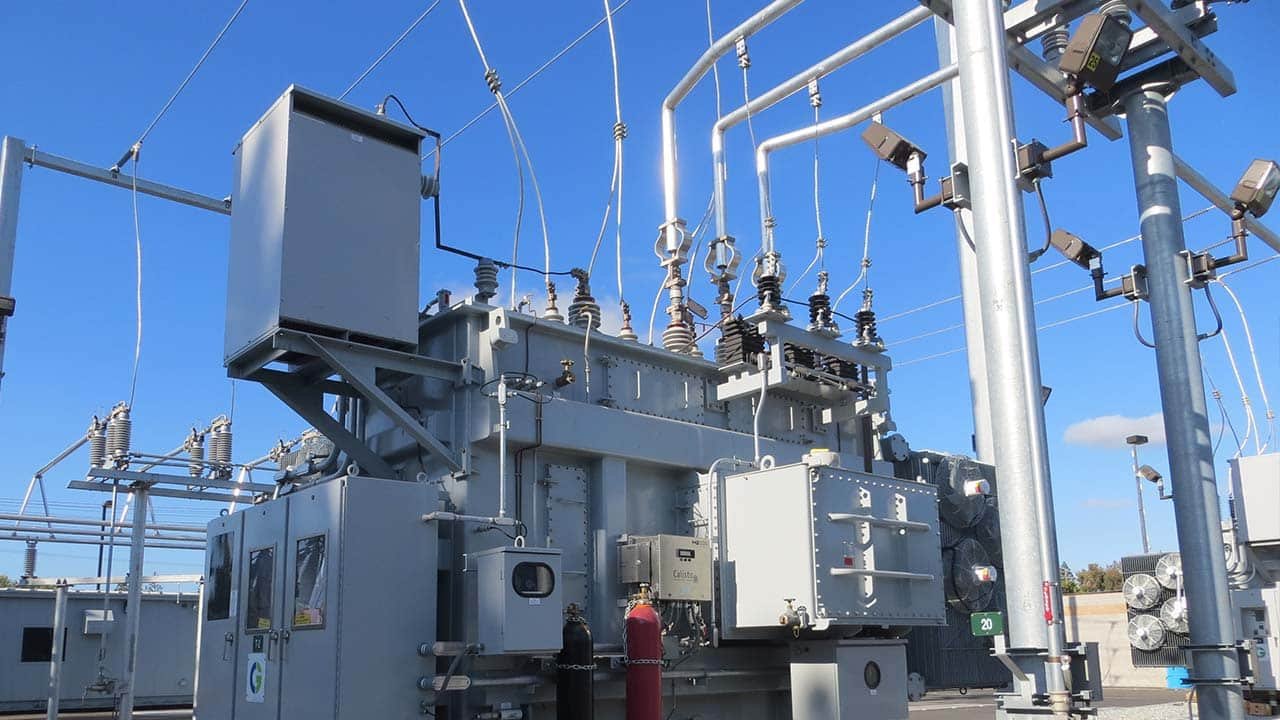
    Another significant project from the energy sector, the “765/500/220/132kV Islamabad West Substation,” worth Rs59.801 billion, was also referred to ECNEC for final approval.

    This World Bank-backed initiative is part of the National Transmission and Modernization Project Phase-I and aims to address increasing power demands in the Islamabad region through a new substation and related transmission lines.

    The governance sector saw approval for the “Modernization and Upgradation of Pakistan Mint Phase-II” project, costing Rs2.48 billion, as well as the “Federal Project Management Unit (FPMU) Post-Flood 2022 Reconstruction Program” project, valued at Rs2.38 billion.

    In the physical planning and housing sector, five projects were discussed, including the “Smart Environmental Sanitation System and Landfill Project” in Gwadar, worth Rs3.277 billion, and the “Construction of Audit House, Lahore,” valued at Rs1,528.931 million. Both projects received approval from the CDWP forum.

    A project related to science and technology, the “Establishment of Regional Nuclear Safety Inspectorate at Lahore,” costing Rs515 million, was also approved by the CDWP. This project aims to enhance nuclear safety and oversight in the region.

    The approval of these projects underscores the government’s commitment to advancing critical infrastructure, promoting sustainable development, and addressing energy needs, among other priorities. The recommendations to ECNEC signal the importance of these projects for the country’s growth and development.

  • France interested in Pakistan’s energy sector

    France interested in Pakistan’s energy sector

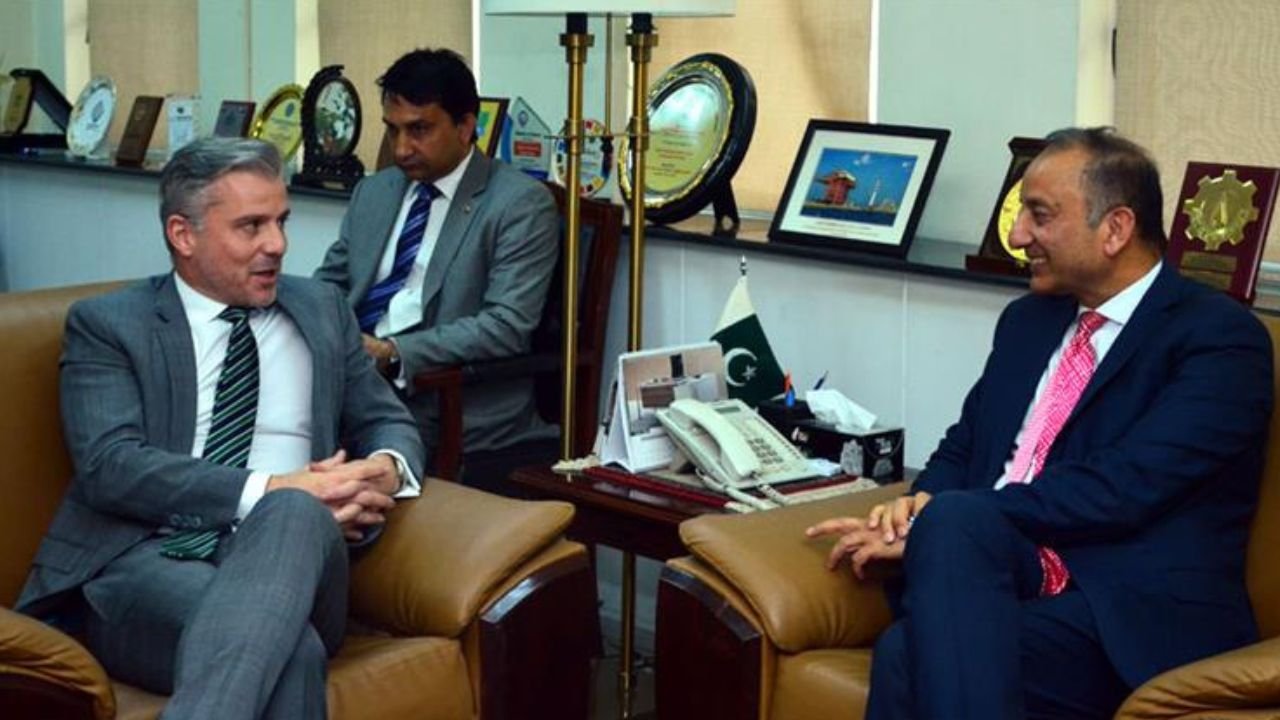
    A French delegation, led by its Deputy Head of Mission Guillaume Dabouis, showed keeness in investing in Pakistan’s energy sector in a meeting with Pakistan’s Minister of Energy, Musadik Malik in Islamabad, ARY news has reported.

    The French officials showed interest in investing in a number of domains of Pakistan’s energy sector, including LNG cargo provision, energy resource exploration, and projects aimed at improving energy trading, distribution, and transmission within the country.

    They also indicated interest in initiatives focused on lowering line losses and reviving Pakistan’s energy sector overall.

    The energy minister reaffirmed the government’s commitment to addressing the nation’s longstanding energy challenges. He emphasized the shift from piecemeal strategies and assured that the new government would present a thoroughly prepared plan to the International Monetary Fund (IMF).

  • OGRA announces ‘reduction’ of Rs0.81 per kg in LPG price

    OGRA announces ‘reduction’ of Rs0.81 per kg in LPG price

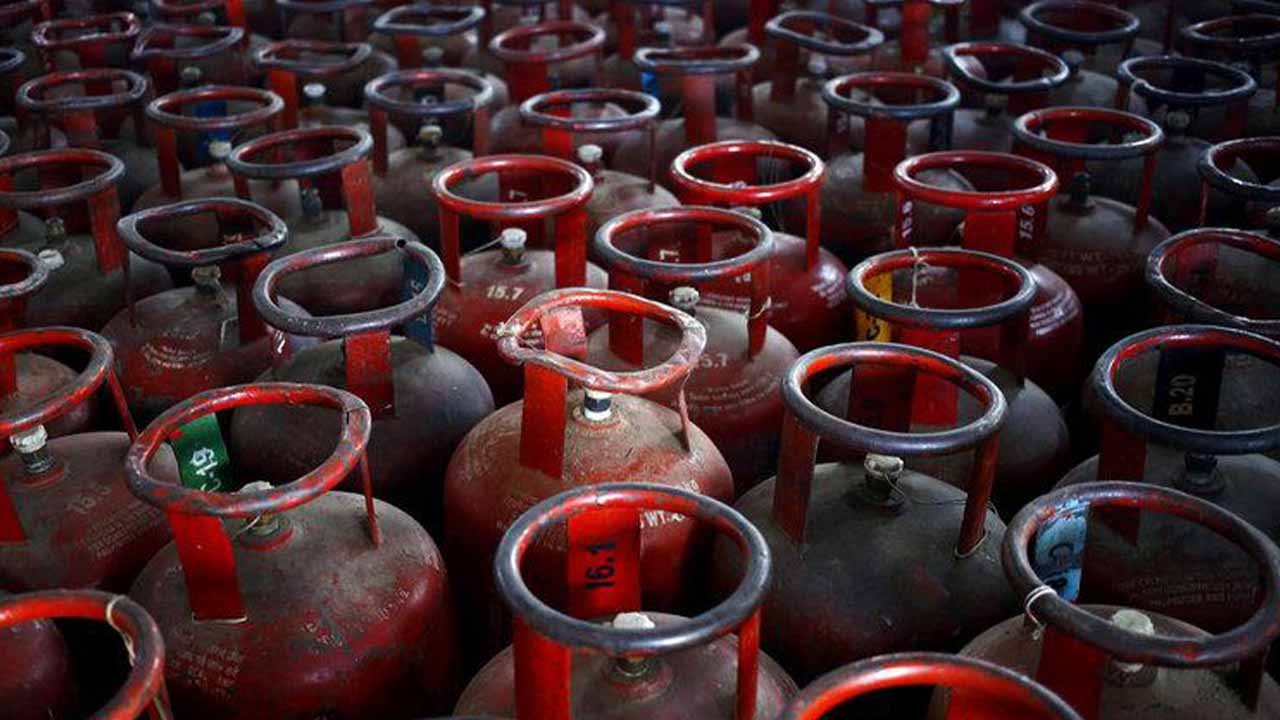
    The Oil and Gas Regulatory Authority (OGRA) has implemented a modest reduction in the price of Liquefied Petroleum Gas (LPG) by Rs0.81 per kg, effective from March 01, 2024.

    The previous consumer price for LPG stood at approximately Rs257.59 per kg. With the latest adjustment, consumers can now avail themselves of LPG at the revised rate of Rs216.79 per kg, indicating a notable decrease.

    For consumers relying on an 11.8 kg LPG cylinder, the cost has been adjusted to Rs3,030.12. This represents a decrease of Rs9.51 per cylinder from the previous price of Rs3,039.63, providing some relief to households and businesses alike.

    The move by OGRA to reduce LPG prices aims to alleviate the financial burden on consumers amid fluctuating economic conditions.

    This adjustment reflects the Authority’s commitment to ensuring fair pricing and accessibility of essential commodities for the public.

    Consumers are encouraged to verify and adopt the new rates, as OGRA continues its efforts to maintain transparency and affordability in the energy sector.

  • Govt expected to increase petrol price by Rs3.5 for first half of March

    Govt expected to increase petrol price by Rs3.5 for first half of March

    In a possible move that could impact consumers, the government is considering a hike in petrol prices by Rs3.5 per litre for the initial half of March 2024.

    As of the latest estimates until February 27, 2024, the ex-refinery price of petroleum has seen a noticeable rise, reaching Rs195.75 per litre. This reflects an increase of approximately Rs3.58 compared to the preceding fortnight’s price of Rs192.17 per litre.

    Contrary to petrol, there might be no significant adjustment in the price of high-speed diesel (HSD), with the government likely to maintain the current rate due to marginal changes in its pricing structure.

    The national currency has experienced a modest appreciation against the USD since the previous fortnight’s decision, settling at a weighted average rate of approximately PKR 279.37 per USD.

    It is crucial to highlight that, with two more sessions pending before the next pricing update, the final prices will be subject to global market fluctuations and exchange rate variations.

    The official announcement revealing the new prices is scheduled for midnight on February 29, 2024. If approved, these adjustments will remain effective for the first half of March. 

  • Pakistan grapples with 23% surge in power generation costs amidst economic woes

    Pakistan grapples with 23% surge in power generation costs amidst economic woes

    In a startling development, the cost of power generation in Pakistan has surged by a staggering 23 per cent in January 2024, compared to the same period last year, reports the brokerage house Topline Securities.

    The average cost per kilowatt-hour (KWh) soared to Rs13.8, marking a significant increase from Rs11.20/KWh recorded in January 2023.

    The substantial hike in costs is attributed primarily to elevated expenses in power generation from gas and nuclear sources, which witnessed a spike of 43 per cent and 24 per cent, respectively, on a yearly basis. Moreover, the fuel cost for furnace oil (FO) also surged by 22 per cent year-on-year, according to data from Topline Securities.

    This surge comes as a severe blow to the populace, which is already grappling with high inflation and sluggish economic activity. Rising electricity bills have compounded the financial burden on citizens.

    In terms of power generation, Pakistan witnessed a marginal decline of over 2 per cent in January 2024 compared to the same period last year, with total generation amounting to 8,313 GWh (11,175 MW).

    The decline in power generation was predominantly due to a decrease in coal-based generation, which plummeted by 20 per cent year-on-year. Gas and wind power generation also witnessed declines of 10 per cent and 55 per cent, respectively.

    However, there was a 9 per cent increase in power generation on a monthly basis, indicating some fluctuation in the generation patterns.

    Coal emerged as the primary source of power generation in January 2024, constituting 23.4 per cent of the total generation mix, surpassing nuclear and RLNG (re-gasified liquid natural gas). Nuclear energy accounted for 20.8 per cent of the overall generation, while RLNG contributed 18.2 per cent.

    Renewable sources like wind, bagasse, and solar collectively made up a modest portion of the generation mix, indicating a potential for further development and investment in sustainable energy solutions.

    Overall, the surge in power generation costs coupled with a slight decline in generation highlights the challenges facing Pakistan’s energy sector and underscores the need for strategic measures to ensure an affordable and sustainable power supply in the country.

  • OGRA approves massive gas tariff hike for SNGPL, SSGC consumers

    OGRA approves massive gas tariff hike for SNGPL, SSGC consumers

    In a move to address the fiscal challenges faced by Sui Northern Gas Pipelines Limited (SNGPL) and Sui Southern Gas Company Limited (SSGC), the Oil and Gas Regulatory Authority (OGRA) has granted approval for a noteworthy increase in gas tariffs.

    Effective January 1, 2024, consumers of SNGPL will experience a 35.13 per cent surge, while SSGC customers will witness an 8.57 per cent rise.

    This marks the second adjustment in gas prices within the current fiscal year, following a substantial 193 per cent increase announced by OGRA, effective November 1, 2023. The decision to implement these changes is aimed at bridging the Rs98 billion shortfall collectively faced by both gas companies.

    The interim government’s initial projections aimed to collect Rs980 billion, intending to cover the estimated revenue requirements of Rs700 billion for both SNGPL and SSGC.

    The recommended average increase in the prescribed gas price is set at 23 per cent, reaching Rs1,590 per mmbtu, compared to the previous average of Rs1,291 per mmbtu determined on June 2, 2023.

    Specifically, OGRA has outlined a 50 per cent increase (Rs415.11 per mmbtu) for SNGPL, elevating the gas price to Rs1,238.68 per mmbtu, effective July 1, 2023.

    Simultaneously, the gas price for SSGC has been raised by 45 per cent (Rs417.23 per mmbtu) to reach Rs1,350.68 per mmbtu.

    The decision to increase gas prices aligns with the interim government’s commitment to the International Monetary Fund (IMF), with an agreement to announce a raise in gas sale prices by February 18, 2024.

    However, the OGRA Ordinance stipulates that if the government remains unresponsive to OGRA’s notification within 40 days, the determined tariff by the regulator will be automatically enforced.

    The recent approval underscores the ongoing efforts to address financial challenges and ensure the sustainability of the gas sector in Pakistan.

  • Govt surpasses petroleum levy collection targets despite declining sales

    Govt surpasses petroleum levy collection targets despite declining sales

    In the first six months of fiscal year 2023–24, the federal government has exceeded expectations by collecting Rs472.77 billion in petroleum levy (PL), constituting an impressive 54 per cent of the total budgetary estimates for PL on petroleum products for the current fiscal year.

    This collection marks a significant uptick, registering a remarkable 166 per cent increase compared to the same period in the previous fiscal year. The government achieved a substantial PL collection of Rs222 billion in the initial three months of the current fiscal year.

    Originally budgeted at Rs869 billion for PL collection in the fiscal year 2023–24, the government revised its target to Rs918 billion following an increase in PL from Rs50 to Rs60 per litre on petrol and high-speed diesel (HSD). This adjustment aligns with the government’s commitment to the International Monetary Fund (IMF).

    However, against this backdrop of successful revenue generation, the country witnessed a notable 15 per cent decline in the sales of petroleum products in the first six months of the current financial year.

    According to the Oil Companies Advisory Council (OCAC), petroleum product sales dropped to 7.68 million tonnes, a considerable decrease from the 9.03 million tonnes recorded during the same period in the previous fiscal year (July to December).

  • Govt reduces petrol price by Rs8 to Rs259.34 per litre for next fortnight

    Govt reduces petrol price by Rs8 to Rs259.34 per litre for next fortnight

    In a significant move, the caretaker government announced a substantial reduction in the price of petrol by Rs8 per litre for the upcoming fortnight, effective January 16.

    This decision, as conveyed in a notification issued today by the Finance Division, aligns with the recommendations put forth by the Oil and Gas Regulatory Authority (OGRA).

    The adjusted ex-depot price of petrol now stands at Rs259.34 per litre, reflecting a notable decrease from the previous rate of Rs267.34 per litre.

    However, it is important to note that there have been no alterations in the prices of high-speed diesel, light-diesel oil, or kerosene oil.

    The government has already reached the maximum permissible limit under the law, with a Rs60 per litre petroleum levy imposed on both petrol and high-speed diesel (HSD).

    This levy is in line with the commitments made to the International Monetary Fund (IMF), aiming to collect Rs869 billion during the current fiscal year.

    Optimistically, the government anticipates surpassing this target, with the collection expected to exceed Rs950 billion by the end of June.

    Petroleum and electricity prices have been identified as key contributors to inflation, which surged to 29.7 per cent in December, as indicated by the Consumer Price Index.

    Presently, the government imposes a tax of approximately Rs82 per litre on both petrol and HSD.

    This adjustment in petrol prices not only provides relief to consumers but also marks a strategic step by the caretaker government to manage fiscal targets while considering the economic impact on the general population.

    The move is anticipated to have ripple effects on inflation rates, offering a temporary respite from the cost of living for the common citizen.