Tag: energy sector

  • Saudi Aramco considers investing in Shell’s $200 million Pakistani assets

    Saudi Aramco considers investing in Shell’s $200 million Pakistani assets

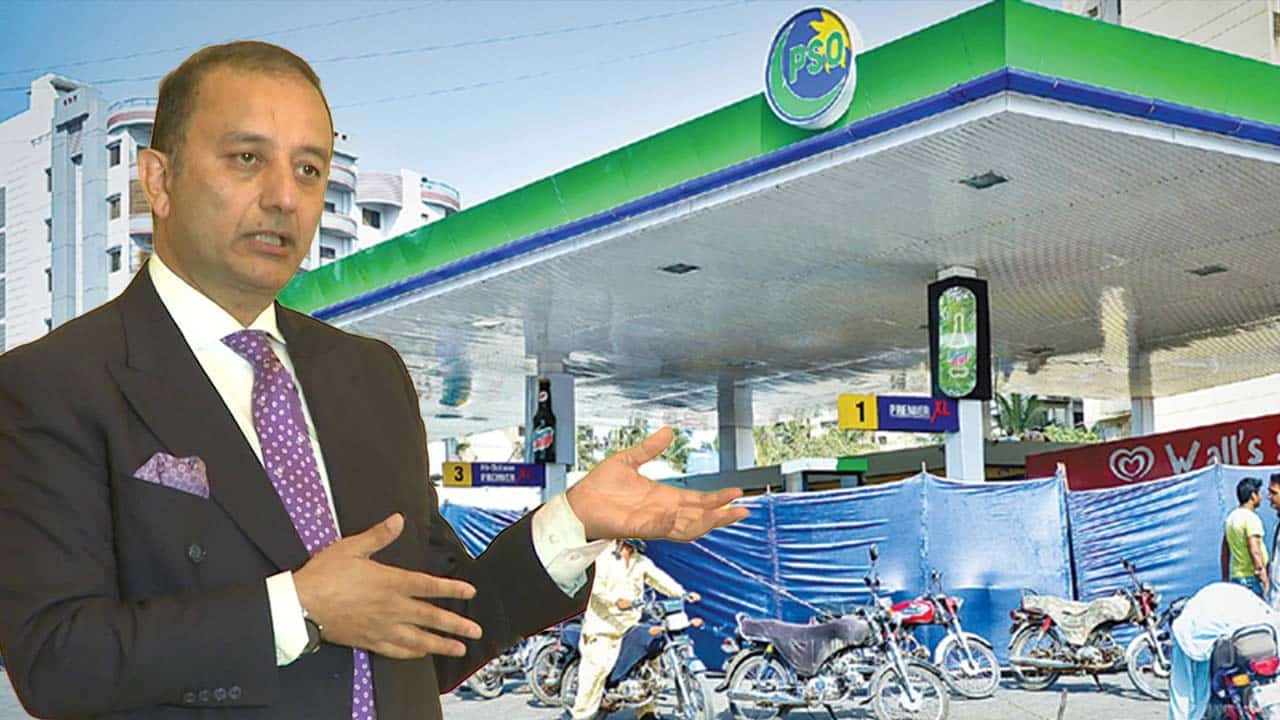
    Saudi Aramco is actively contemplating the possibility of acquiring Shell’s holdings in Pakistan, marking a potential historic foray into the South Asian nation, according to Bloomberg.

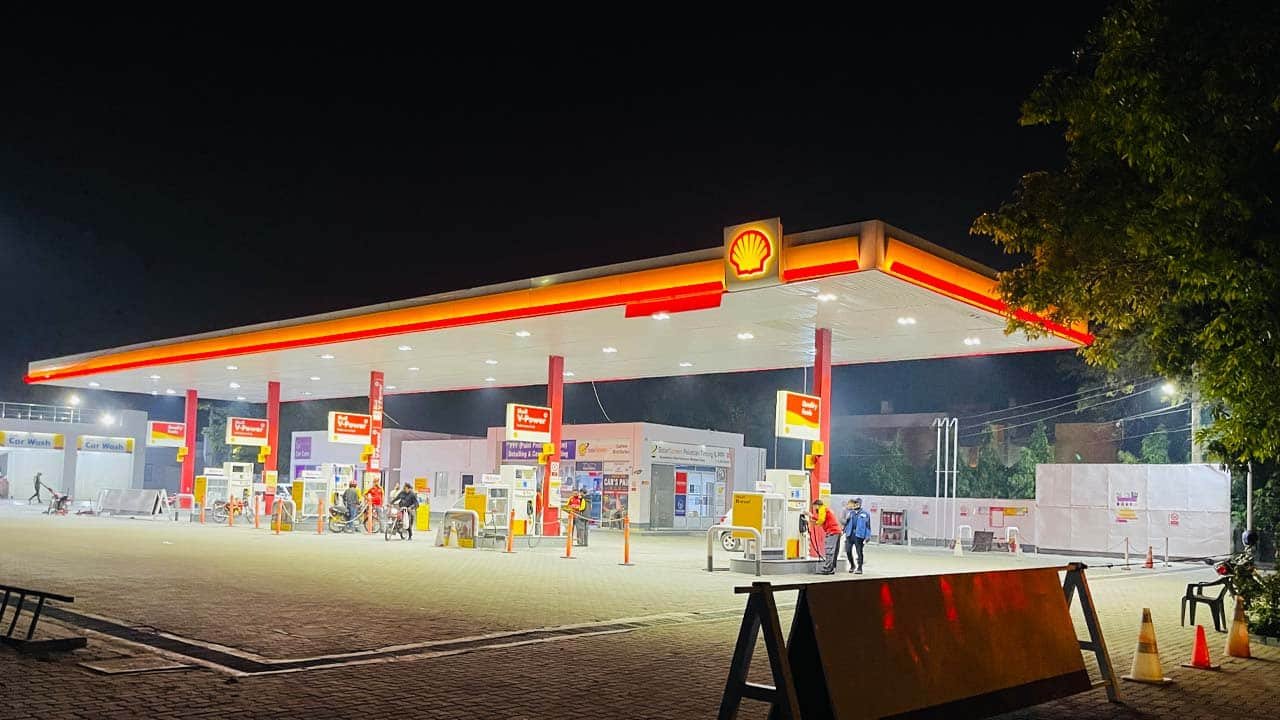
    The Saudi oil company is evaluating Shell’s assets in the region, notably Shell Pakistan Ltd., a Karachi-listed entity with a market value of $123 million. The collective value of Shell’s Pakistani assets is estimated to hover around $200 million, according to insiders.

    Shell boasts a rich legacy of over seven decades in Pakistan, with a network of more than 600 fuel stations. The company has not only been a prominent fuel supplier but has also been engaged in the lubricant business.

    It’s crucial to note that this expression of interest from Saudi Aramco doesn’t guarantee an outright acquisition. Other potential suitors might emerge on the horizon.

    Responding to inquiries, a Shell representative acknowledged strong interest from both local and international buyers but refrained from divulging specific details. The representative emphasised that any sale would follow a structured sales process, including the execution of binding agreements and the requisite regulatory approvals.

    In a significant announcement made in June, Shell disclosed its intention to exit the Pakistani market, with plans to divest its 77.4 per cent stake in Shell Pakistan and its 26 per cent ownership in Pak-Arab Pipeline Co., a state-supported cross-country pipeline network. This strategic move aligns with Shell’s broader divestment strategy, led by CEO Wael Sawan, aimed at enhancing shareholder returns by shedding underperforming assets.

    Shell’s withdrawal represents a challenge for Pakistan, which is grappling with economic instability, exemplified by a depreciating currency over the past year. Pakistan has witnessed the departure of several multinational corporations in recent years, including fuel retailer Puma Energy in 2021 and the shutdown of trucking startup Trella in April.

    Meanwhile, Saudi Arabia, under the guidance of Crown Prince Mohammed bin Salman, has expressed a commitment to bolster its involvement and investments in Pakistan. The Saudi Fund for Development is exploring the possibility of increasing its deposit with the State Bank of Pakistan from $3 billion to $5 billion, as well as a plan to elevate Saudi investments in Pakistan to $10 billion.

    Furthermore, Aramco has entered into discussions with the Pakistani government regarding a substantial $10 billion refinery project, as confirmed by the country’s energy minister, Muhammad Ali, earlier this month. These developments reflect the growing engagement and economic ties between Saudi Arabia and Pakistan.
  • Chinese company shows interest in buying K-Electric for $1.77 billion

    Chinese company shows interest in buying K-Electric for $1.77 billion

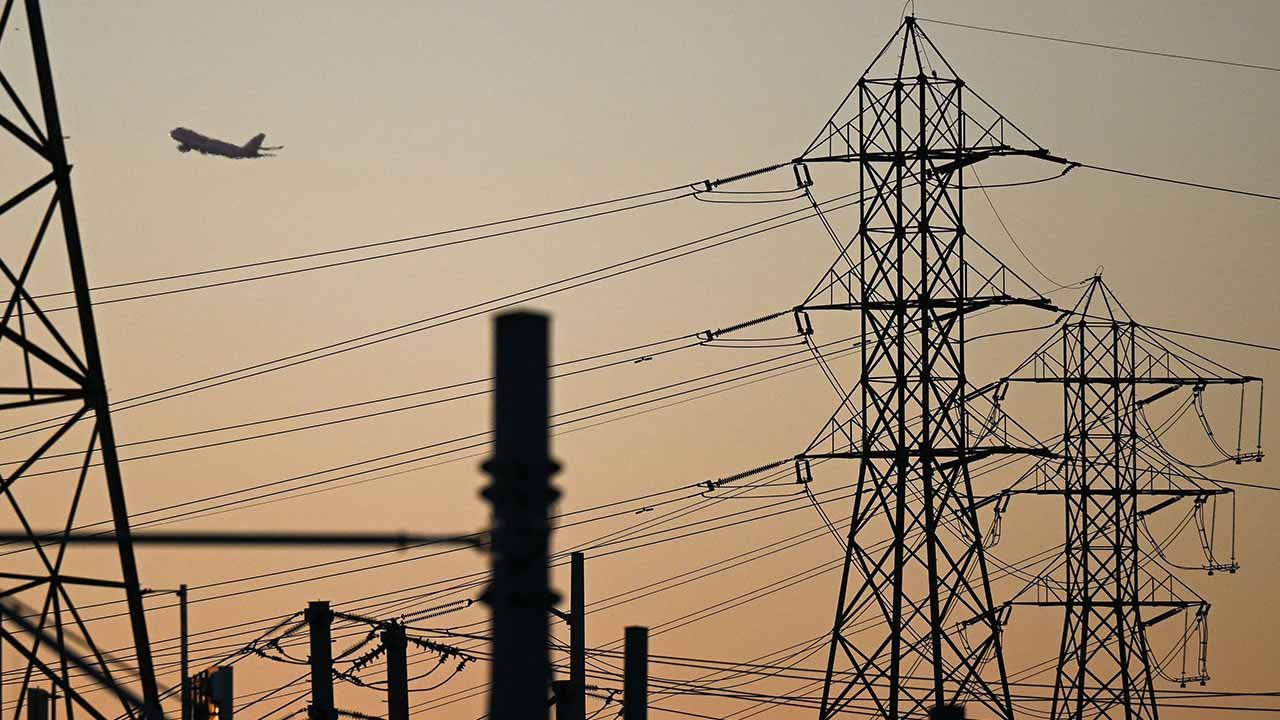
    In a recent development, China’s state-owned Shanghai Electric Power (SEP) has reiterated its interest in acquiring the shares of Karachi’s sole power company, K-Electric, with a renewed offer of $1.77 billion.

    According to Shan Abbas Ashari, the investment advisor of the Saudi group Al-Jomaih Power Limited, a major shareholder of K-Electric, the Saudi group has indicated the possibility of selling its shares at a price of $2 billion.

    Ashari stated that a deal with Shanghai Electric, involving the acquisition of K-Electric shares, is set to be rekindled. He mentioned that SEP had initially proposed the $1.77 billion offer to acquire K-Electric several years ago, and this offer would now be revisited.

    Ashari highlighted the growing electricity demand in Karachi, which should have already reached 5,000 MW. He emphasised that this demand could further increase if all industries were integrated into the company’s grid.

    Moreover, Ashari emphasised that Pakistan stands as an ideal investment destination for Saudi Arabia and other Gulf countries due to its rapidly expanding population, distinguishing it from Europe.

    However, he acknowledged that investors from Saudi Arabia and Kuwait faced challenges following the K-Electric deal. Stay tuned for further updates on this significant investment development.

  • NEPRA recommends electricity rate increase of Rs3.28 per unit

    NEPRA recommends electricity rate increase of Rs3.28 per unit

    The National Electric Power Regulatory Authority (NEPRA) has officially proposed to the government an increase in the electricity tariff of Rs3.28 per unit, citing the need for a quarterly adjustment.

    In this proposal, NEPRA is looking to impose an additional financial burden of approximately Rs160 billion on consumers of electricity. According to ARY News, this recommendation has been conveyed to the caretaker federal government through an official summary, outlining the suggested increment of Rs3.28 in electricity rates as part of the fourth-quarter adjustment for the fiscal year 2022–23. 

    The proposed increase, subject to approval by the federal government, would also apply to K-Electric consumers. As a result of this adjustment, power consumers would be required to make additional payments over the next six months, spanning from October 2023 to March 2024. 

    It is worth noting that the proposed surge in power tariffs has incited protests throughout the country, with citizens expressing their displeasure over the considerable rise in electricity costs and the imposition of excessive taxes on electricity bills. In some instances, individuals infuriated by inflated bills have resorted to burning them as a form of protest, while certain political factions have threatened to stage sit-in demonstrations outside K-Electric offices. 

    This unrest surrounding the increased electricity tariffs coincides with Pakistan’s ongoing economic struggles, characterised by financial constraints and an inflation rate hovering around 29 per cent. 

    Furthermore, it is important to highlight that the International Monetary Fund (IMF) has reportedly discouraged Pakistan from offering relief to consumers using over 200 units of electricity on a monthly basis. According to sources, the IMF argued that reducing electricity bills for such consumers would not address the issue of circular debt. 

    Consequently, relief in the form of deferred payments for electricity bills will be exclusively extended to consumers who consistently utilise less than 200 units for six consecutive months. This relief would be rescinded if a consumer’s bill exceeded 200 units within the same timeframe, as per the sources. 

    Caretaker Federal Minister for Energy, Power, and Petroleum, Muhammad Ali, has also announced that the revised electricity tariff will be introduced before October 31. During a press conference held alongside Sindh Governor Kamran Tessori, Minister Ali emphasised the government’s commitment to combating electricity and gas theft through indiscriminate measures. 

    He added that efforts are being made to regulate and potentially lower electricity tariffs, with a goal to supply cost-effective electricity to industries starting on October 31. Muhammad Ali attributed the surge in electricity bills to electricity theft and the increased price of the US dollar. 

    While acknowledging the challenges of amending previous agreements, the minister pledged that the government would explore solutions within the framework of existing arrangements. He also expressed the government’s commitment to promoting solar energy despite the lack of reductions in solar equipment prices, outlining plans to devise a strategy for the promotion of solarization. 

  • Govt aims to ‘reduce power theft of Rs589 billion at the earliest’

    Govt aims to ‘reduce power theft of Rs589 billion at the earliest’

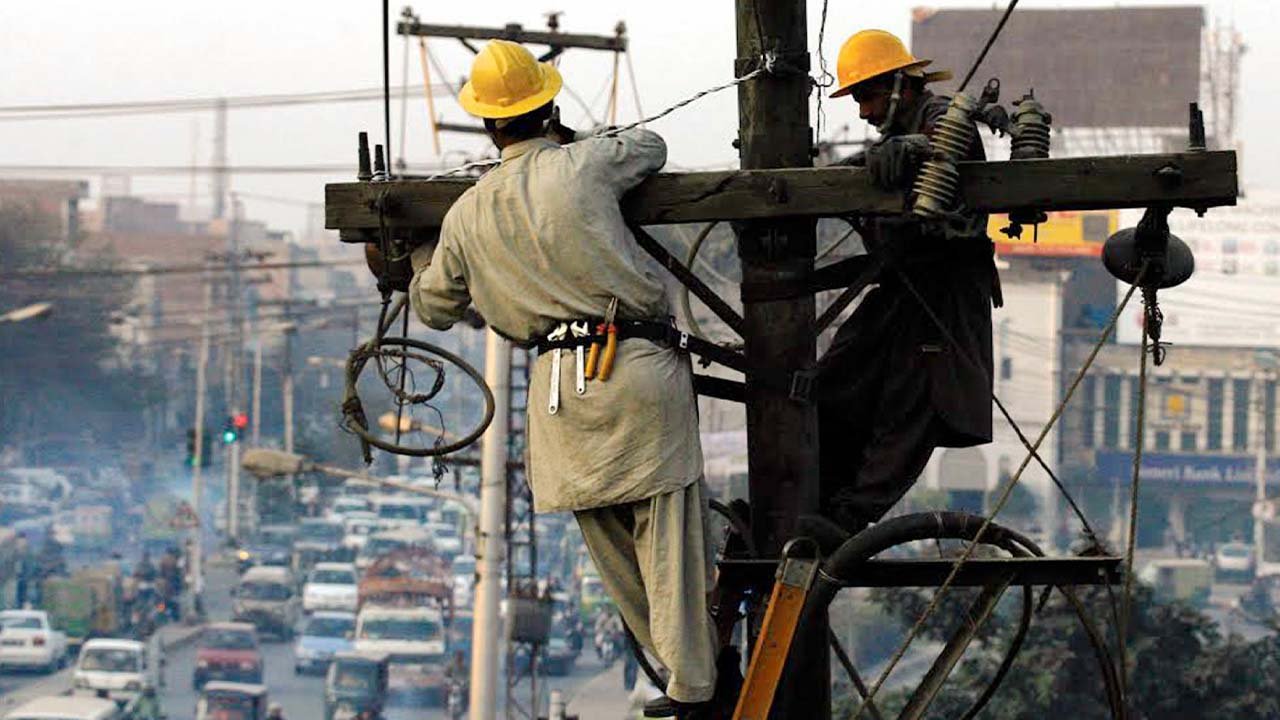
    The caretaker government unveiled a set of measures to tackle power theft nationwide, aiming to reduce the growing circular debt issue in the power sector, which is causing electricity prices to soar. 

    This announcement comes amid widespread protests against high electricity bills, hindered by strict conditions from the International Monetary Fund.

    During a press conference, Caretaker Energy Minister Mohammad Ali, alongside Interim Information Minister Murtaza Solangi, outlined their plan. 

    According to Geo News, Ali said that the government is working on a new law, the electricity theft act, to create enforcement mechanisms and special courts for those involved in theft. This law will be introduced within the next two to three weeks.

    “We are aiming to stop or reduce power theft of Rs589 billion at the earliest,” the minister said.

    In line with Caretaker Prime Minister Anwaar ul Haq Kakar’s instructions, the Energy Minister announced a crackdown on power theft, emphasising that consumers shouldn’t pay for theft, and lower electricity prices depend on solving this issue. Ali assured that authorities would act based on available data.

    Additionally, the minister revealed a list of power distribution company officers involved in power theft and measures to take action against them. This list was sent to the Election Commission of Pakistan for possible removal.

    In another meeting, Caretaker PM Kakar stressed the urgency of dealing with power theft, urging regular progress reports. He emphasised zero leniency toward power thieves and defaulters.

    During the meeting, detailed briefings covered the energy sector’s challenges, including total installed capacity, actual generation, and overall energy supply across different seasons.

  • One rupee relief: Petroleum Division reveals ‘benefit’ of importing Russian crude

    The Petroleum Division has presented a comprehensive briefing to the caretaker Prime Minister, Anwaar ul Haq Kakar, regarding the potential impact of Russian crude oil on petroleum prices in Pakistan.

    According to The News, the Petroleum Division highlighted that the projected benefit to consumers resulting from the import of Russian crude oil remains relatively modest, at approximately Re1 per litre for both petrol and diesel. This assessment takes into account various operational intricacies and market dynamics.

    Importing Russian crude oil carries two notable risks, the division stated. The first pertains to the duration of transportation, which spans between 30 and 36 days, and the second revolves around the production of furnace oil.

    Approximately 60 per cent of furnace oil generated from Russian crude must be exported, incurring a 25 per cent loss in the process.

    It is significant to note that, currently, only the Pakistan Refinery Limited (PRL) has expressed readiness to refine Russian oil. However, if PRL assumes the responsibility of refining Russian oil exclusively, only a nominal Re1 relief can be passed on to consumers for each litre of gasoline and diesel.

    In a potential collaborative effort, the prime minister was informed that if PARCO (Pak-Arab Refinery Company) and NRL (National Refinery Limited) jointly undertake the refining of Russian oil, the benefit to consumers could potentially increase to Rs3 per litre. The magnitude of this relief would be contingent on the volume of Russian crude involved in the process.

    PARCO, as a comparatively modern refinery with superior facilities, is expected to contribute to enhanced yields from Russian crude and, consequently, a reduction in the production of furnace oil. However, it was also revealed that both PARCO and NRL have declined the proposition to refine Russian oil.

    The caretaker Prime Minister, Anwaar ul Haq Kakar, has expressed the need for a thorough evaluation of the situation, considering the potential benefits, risks, and the willingness of refineries to participate in the process. The decision regarding the import and refining of Russian crude oil remains a pivotal concern as Pakistan navigates its energy landscape in the coming days.

    This development emphasises the intricate balance between economic considerations and strategic decisions in the energy sector that Pakistan faces as it grapples with global oil market dynamics.

  • IMF and Pakistan discuss circular debt and energy sector losses in virtual meeting

    IMF and Pakistan discuss circular debt and energy sector losses in virtual meeting

    Pakistan and the International Monetary Fund (IMF) recently discussed the country’s energy sector losses and efforts to reduce circular debt during a virtual meeting. The government is committed to adjusting fuel prices and quarterly tariffs to eliminate circular debt accumulation.

    According to The News, a new plan called the Circular Debt Management Plan (CDMP) was shared with the IMF. This plan involves revising fuel price adjustments and quarterly tariffs upward to counter circular debt growth. The IMF expressed concerns about the plan’s sustainability due to slower recoveries.

    The government was advised to create an effective strategy to tackle this issue. The meeting took place virtually on a technical level. The newly appointed Finance Minister, Dr Shamshad Akhtar, is expected to hold a virtual meeting with the IMF team soon.

    The IMF’s first review is scheduled for October or November and will be based on economic data from the initial quarter (July–September) of the current fiscal year.

    Pakistan and the IMF signed a $3 billion bailout package under the Standby Arrangement in July 2023. Pakistan has already received $1.2 billion, with two more reviews planned to release the remaining $1.8 billion by March or April 2024.

  • Caretaker govt decides to transfer ownership of electricity distribution companies to provinces

    Caretaker govt decides to transfer ownership of electricity distribution companies to provinces

    The caretaker government has issued an order for the transfer of ownership of electricity distribution companies to the provinces.

    To accomplish this, the caretaker prime minister has granted approval to submit the summary to the federal cabinet. A decision has been reached to overhaul the existing system concerning the sale, distribution, and pricing of electricity under the caretaker federal government’s jurisdiction.

    As a result of this federal government directive, the practise of implementing a uniform electricity tariff across the nation will be discontinued. Instead, the responsibility for determining electricity rates and providing subsidies will be entrusted to the respective provinces.

    In line with these developments, the Hyderabad and Sukkur Electric Supply Company will come under the ownership of Sindh, while the ownership of the Quetta Electric Company will be transferred to Balochistan, according to HUM News.

    Likewise, the Lahore Gujranwala, Faisalabad, and Multan Electric Supply companies will be transferred to the ownership of Punjab. The Islamabad Electric Supply Company will be jointly owned by Punjab and the Federation, while the Peshawar and Tribal Area Electric Supply Company will be under the ownership of KP.

    As per official documents, a comprehensive policy framework has been formulated for the transfer of distribution company ownership to the provinces. This move is motivated by challenges such as electricity theft and revenue losses, which have placed a strain on the national treasury.

  • Govt aims to collect extra Rs721 billion from electricity consumers in current fiscal year

    Govt aims to collect extra Rs721 billion from electricity consumers in current fiscal year

    In a significant move to address the mounting circular debt crisis in the energy sector, the government has unveiled a plan to collect an additional Rs721 billion from electricity consumers during the current financial year. The decision comes as a response to the pressing need to reduce the burgeoning circular debt and stabilise the energy sector’s financial health.

    Sources within the Finance Ministry have revealed that the government has informed the International Monetary Fund (IMF) of its comprehensive strategy, which entails a multi-pronged approach to boost revenue and mitigate circular debt. The plan involves a series of phased electricity tariff hikes and adjustments over the coming months.

    According to the proposed timeline, the electricity price will initially be raised by Rs1.25 per unit until September. This adjustment is projected to generate approximately Rs39 billion in additional revenue through quarterly adjustments. This initial step aims to provide a quick injection of funds into the energy sector.

    Following this, from September to December, electricity tariffs are set to witness a further increase of Rs4.37 per unit under the banner of fuel adjustment charges. This particular measure is anticipated to contribute Rs122 billion to the overall revenue pool, providing a substantial boost to the government’s efforts to reduce circular debt.

    Moreover, an ambitious plan to raise the power tariff by Rs5.75 under annual rebasing is on the horizon, with projections suggesting that this move could generate an impressive Rs560 billion in revenue. The cumulative effect of these tariff hikes is expected to bring about a significant reduction in the circular debt that has plagued the energy sector for years.

    The government’s overarching objective is to curtail the circular debt of the power sector, which had skyrocketed to an alarming Rs2,700 billion by June 2023. With the implementation of the proposed tariff adjustments and revenue generation measures, officials are optimistic that the circular debt will be reined in substantially.

    By the end of the current financial year, the government aims to limit the circular debt to Rs2,130 billion, marking a significant milestone in the long-standing battle to stabilise the energy sector’s finances. These measures, though they might impose a temporary burden on electricity consumers, are viewed as critical steps towards achieving a more sustainable and reliable energy infrastructure for the country.

  • Load shedding and unbearable hike in electricity prices hit Pakistani homes and businesses

    Load shedding and unbearable hike in electricity prices hit Pakistani homes and businesses

    Pakistan is facing an ongoing and unbearable increase in electricity tariffs, causing hardships for the majority of the population. The government justifies these price hikes by claiming they are under pressure from the International Monetary Fund (IMF) to generate more revenue. However, the tariff increase is mainly due to fuel price adjustments and high taxes imposed by the government.

    Consumers, especially low- to middle-class households, are struggling to pay their electricity bills, which have more than doubled. The rise in fuel price adjustments and government taxes further exacerbates the burden on consumers. The government’s commitment to the IMF to implement a fifty per cent increase in the base tariff from July to October contributes to the escalating bills.

    Unfortunately, the increase in electricity prices is expected to continue, and there is no progress in essential power sector reforms to reduce system losses, corruption, power theft, and reliance on imported fuels. As a result, the National Electric Power Regulatory Authority (NEPRA) has raised the average tariff to ensure funds for loss-making power distribution companies, putting additional financial strain on consumers.

    The government claims that the tariff increase is necessary to meet the IMF’s requirements and support energy sector viability. However, the business community also suffers, fearing a loss of competitiveness and increased costs. Industries have cut down production due to high energy prices and inflation, affecting economic growth and job creation.

    Many argue that successive governments have failed to implement essential structural reforms, leading to Pakistan’s economic predicament. The solution proposed by economists involves fixing the energy sector’s deep-rooted issues, taxing sectors adequately, and implementing a credible privatization plan to reduce pressure on the budget.

    In conclusion, Pakistan’s never-ending increase in electricity tariffs has become a major burden for the population, and without significant reforms, the situation is unlikely to improve. The government’s need to meet IMF requirements clashes with the urgency of boosting industrial activity and economic growth, leaving the country in a challenging economic predicament.

  • Petroleum dealers and Minister set to meet today to resolve profit margin dispute

    Petroleum dealers and Minister set to meet today to resolve profit margin dispute

    According to media reports, the Petroleum dealers are scheduled to hold a meeting today with Minister of State for Petroleum, Musadik Malik, in an effort to reach an agreement on increasing profit margins.

    In response to their demands, the Petroleum dealers have been engaged in protests and have issued threats of a countrywide shutdown of stations if their requests are not met.

    However, following a meeting between officials of the Pakistan Petroleum Dealers Association (PPDA) and the Minister on Friday, the strike has been temporarily postponed, pending a resolution regarding the increment of the dealers’ profit margin.

    A spokesperson from the PPDA clarified that no petrol stations will be closed until after the meeting, and any further course of action will be determined based on the outcome of the meeting.

    Currently, the profit margin for dealers stands at 2.4 per cent or Rs6 per liter, and they are seeking a revision to 5 per cent, which amounts to nearly double the current margin.

    According to Mettis Global, the PPDA Chairman, Abdul Sami Khan, pointed out that the consumer price index has escalated by 38 per cent, while electricity and other utility rates have also spiked, primarily due to the increase in the Kibor rate.

    He further highlighted that a decision was made in 1999, stating that dealers would receive a 5 per cent margin on oil products. However, the government fixed the margin at Rs6 per liter, resulting in a mere 2.4 per cent profit for dealers, which has left them dissatisfied.