Tag: energy sector

  • Pakistan Stock Exchange surpasses 46,000 mark for the first time in 15 months

    Pakistan Stock Exchange surpasses 46,000 mark for the first time in 15 months

    The Pakistan Stock Exchange’s (PSX) benchmark KSE-100 index experienced significant gains on Friday, rising by over 500 points and closing just below the 46,000 mark.

    The index reached 46,073.61 points at 3:47 pm, showing a notable increase of 675.30 points from the previous day’s closing of 45,398.31. However, by the end of the day, it closed at 45,920.73, up by 522.42 points or 1.15 per cent.

    According to Dawn, Ahsan Mehanti, the Director of Arif Habib Corporation, mentioned that foreign capital was actively buying shares in the energy sector. He attributed the stock market rally to favorable financial results, the Islamabad High Court’s ruling declaring the imposition of a super tax on various companies unlawful, and reports indicating the policy rate would remain unchanged.

    As a result of these factors, the index reached the 46,000 mark after a gap of 15 months, signaling an overall improvement in all sectors. Mehanti also pointed out the positive impact of the recently announced standby agreement with the International Monetary Fund (IMF).

    Looking ahead, if the market continues to close above 46,000, it is expected to see further growth. Amir Shehzad, Director of First National Equities Limited, referred to the recent market fluctuations as a “technical correction” and expressed optimism that the market could surpass the 47,000 point barrier in the coming week. He believed that maintaining an unchanged monetary policy by the central bank would likely have a positive effect on the market, possibly leading to new record levels.

  • Govt gives nod to massive power tariff hike to meet IMF demands

    Govt gives nod to massive power tariff hike to meet IMF demands

    In a recent late-night development, the federal cabinet of Pakistan has given its approval for a significant increase in the electricity base tariff. This decision comes as part of the country’s efforts to meet the conditions set by the International Monetary Fund (IMF).

    According to the information provided by insiders, the federal government has decided to raise the basic power tariff for various consumer categories, with the increase ranging from Rs3 to Rs7.5 per unit.

    The National Electric Power Regulatory Authority (Nepra) played a pivotal role in this decision, as the cabinet approved the tariff hike based on Nepra’s recommendation.

    For non-protected residential consumers who use 1 to 100 units, the proposed increase is Rs3 per unit, which will elevate the current cost from Rs13.48 per unit to Rs16.48 per unit.

    Similarly, residential consumers using above 700 units might see a significant increase of Rs7.5 per unit, raising the existing rate from Rs35.22 per unit to Rs42.72 per unit.

    The government has now referred the matter to Nepra, which will conduct a public hearing to gather input and make a final decision before releasing an official notification. If approved, the new tariff will take effect from July 1.

    It is noteworthy that Nepra had already granted the federal government an increase of Rs4.96 per unit in the base electricity tariff on July 14.

    This move aligns with Prime Minister Shehbaz Sharif’s commitment to IMF Managing Director Kristalina Georgieva, assuring full adherence to the agreement made with the global lender, leaving no room for any violation.

  • Here are the revised diesel and petrol prices effective July 16, 2023

    Here are the revised diesel and petrol prices effective July 16, 2023

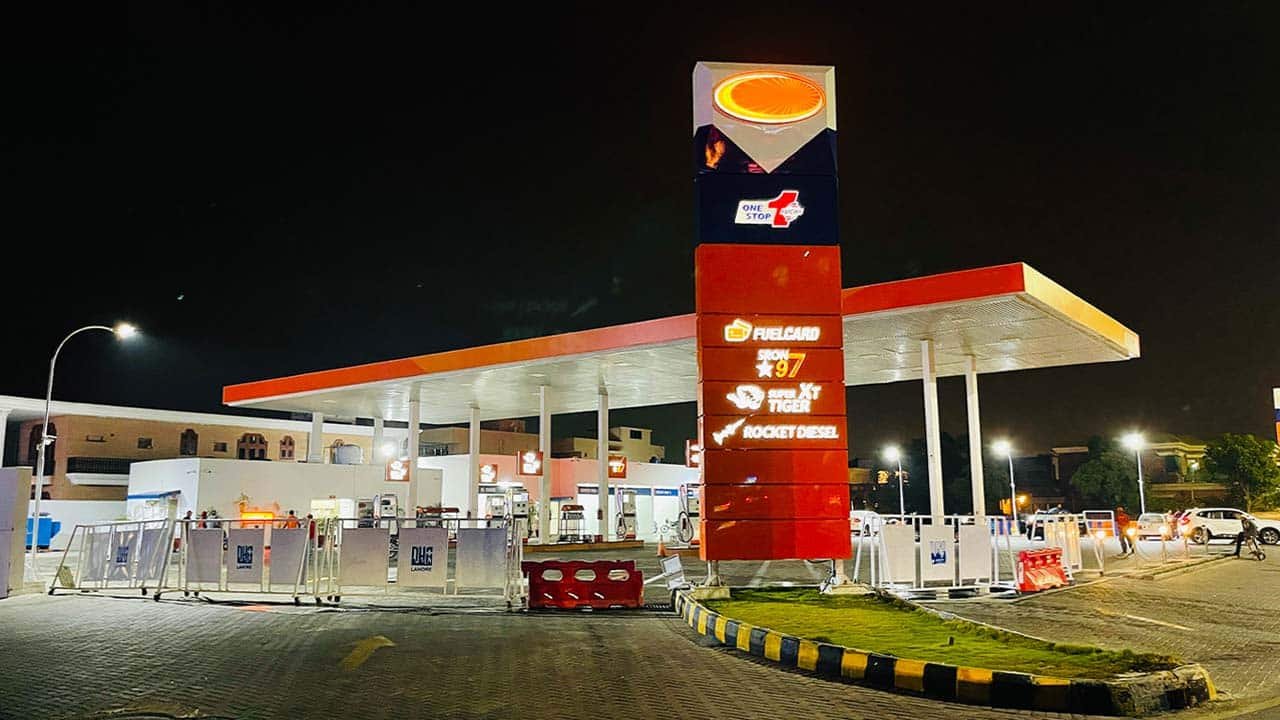
    Finance Minister Ishaq Dar announced on Saturday that the prices of petrol and diesel will be reduced in the upcoming fortnightly review.

    During a televised address, the minister said that petrol prices will be reduced by Rs9 per litre, while diesel prices will see a decrease of Rs7 per litre. These adjustments were made due to changes in the international market over the past 15 days, with one petroleum product’s price increasing and the other decreasing.

    Following these revisions, the new price for petrol will be Rs253 per litre, and high-speed diesel (HSD) will be priced at Rs253.50 per litre. Minister Dar clarified that the petroleum development levy (PDL), which was previously raised to Rs60 per litre in response to the International Monetary Fund’s (IMF) request, will remain unchanged.

    The new prices will take effect on July 16, Sunday. Minister Dar also highlighted that the local currency has strengthened against the US dollar in the last 15 days, following Pakistan’s successful negotiation of a $3 billion Stand-By Arrangement (SBA) with the IMF.

    Here are the new diesel and petrol prices effective from tomorrow (July 16, 2023):

    Petroleum Product Previous Price Reduction Revised Price
    Petrol Rs263 per litre Rs9 per litre Rs254 per litre
    Diesel Rs260.50 per litre Rs7 per litre Rs253.50 per litre
  • Govt to implement Rs7 per unit power tariff hike, expecting over Rs3.2 trillion in revenue

    Govt to implement Rs7 per unit power tariff hike, expecting over Rs3.2 trillion in revenue

    The government is planning to raise the power base tariff by approximately Rs7 per unit. This move is expected to generate over Rs3.2 trillion in additional revenue from power consumers. The International Monetary Fund (IMF) Executive Board is set to discuss a stand-by arrangement, which is the final step in solidifying the IMF Staff Level Agreement. The government will then need to fulfill the program’s requirements.

    The increase in power tariff is a crucial condition set by the IMF for providing financial assistance to Pakistan. The Fund has been urging the government to raise the tariff and eliminate power subsidies to reduce the country’s fiscal deficit. The proposed increase, along with an 18 per cent GST on bills, could lead to a significant financial burden on power consumers.

    Nepra, the regulatory authority, has conducted hearings with distribution companies (Discos) on this matter. While the privatised company, K-Electric, will be insulated from the increase in base tariff, the price of electricity it draws from the national grid will become costlier.

    The increase in base tariff, estimated at nearly Rs7 per unit, is awaiting submission to the federal government for notification. If finalised, it would raise the base tariff to Rs31.80 per unit from the current Rs24.80. The increase is aimed at reducing the power sector’s circular debt accumulation, which currently stands at approximately Rs2.64 trillion due to inefficiencies in power generation, transmission, and distribution.

    The rise in power tariffs will impact consumers across residential, commercial, and industrial sectors, leading to inflation. Businesses will pass on the increased costs to consumers, while households will need to allocate more funds for power, straining their budgets. However, the government asserts that this step is necessary to revive the power sector and the economy. It has also promised targeted subsidies to alleviate the burden on the poor and vulnerable.

    In a positive development, the government has made a payment of Rs142 billion to Independent Power Producers (IPPs), reducing their outstanding dues and improving their cash flows. However, the power sector still faces a circular debt of Rs2.64 trillion. Additionally, the IMF has called for a 45-50 per cent increase in gas tariffs, affecting consumers of Sui Northern Gas Pipelines Limited (SNGPL) and Sui Southern Gas Company Limited (SSGCL).

    The government is likely to continue its policy of having high-end consumers subsidise low-end consumers. The circular debt in the energy sector amounts to over Rs4.30 trillion, including debts from the oil and gas sector.

    Finance ministry and Nepra officials have experienced confusion regarding the finalisation of the increase in base tariff, as the IMF board meeting approaches. The regulator is awaiting projections from the finance ministry to determine the final base tariff. The government aims to achieve a value of Rs240 for the US dollar, despite setting it at Rs290 billion in the federal budget.

    Overall, the government’s objective is to address the financial challenges in the power sector while providing support to those affected by the tariff increase. The proposed measures are crucial to stabilise the power sector and stimulate the economy.

  • Pakistani rupee closes at Rs277.41 as US dollar recovers by nearly Rs2 in interbank trade

    Pakistani rupee closes at Rs277.41 as US dollar recovers by nearly Rs2 in interbank trade

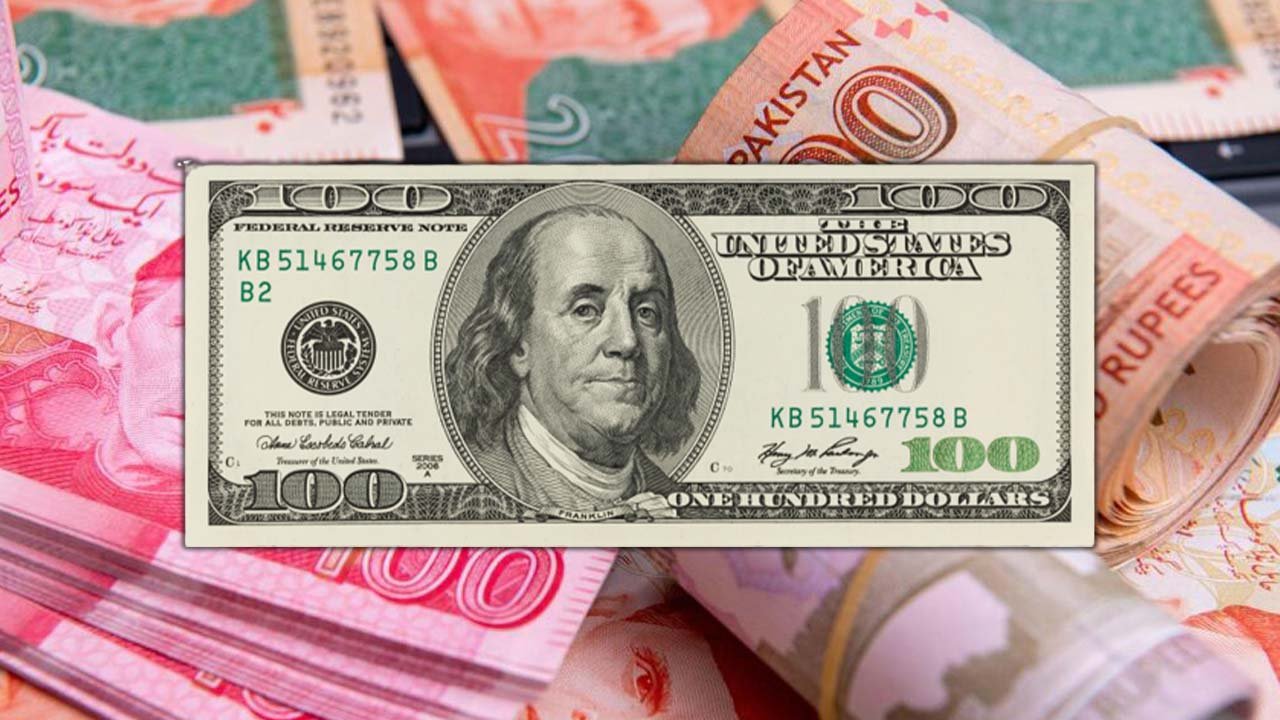
    The US dollar appears to have bounced back on Wednesday at the opening of interbank trade, as it gained 31 paisas. The American currency closed at Rs277.41 after gaining Rs1.97 against the local unit. The dollar was exchanged for Rs275.75 at the start of the trading session on Wednesday.

    However, later the greenback gained even more value with Rs1.31 in interbank trade and was being traded at Rs276.75. In just a short while, the currency gained even more strength with Rs1.56 and was traded at Rs277.

    Owing to the strengthening of the dollar in the interbank trade, the currency’s value stopped falling in the open market also. Its value remained stable at Rs280 in the open market. On Tuesday, the greenback had lost a massive Rs10 in the interbank market.

    On the other hand, the Pakistan Stock Exchange continued its bullish trend. The shares of energy, oil and gas, and refinery companies were shared in the market.

    The stock exchange retained its limit of 44,000 points on Wednesday morning. The KSE-100 index rose with 472 points to 44,030 points. At the start of the trading session, the index gained 200 points to reach 43,770 points.

  • Petrol price slashed by Rs8 to Rs262 per litre for next fortnight

    Petrol price slashed by Rs8 to Rs262 per litre for next fortnight

    In a televised address on Wednesday, Finance Minister Ishaq Dar announced a significant reduction in the prices of petroleum products by the federal government.

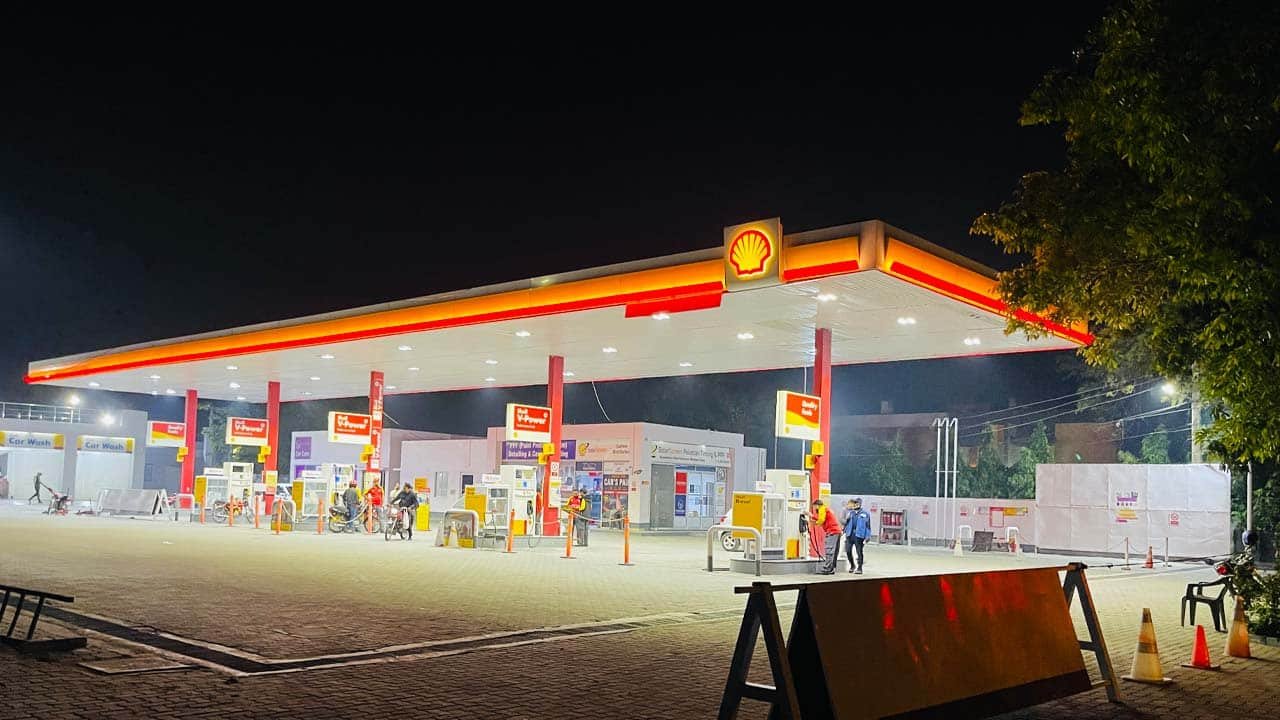
    Effective from 12 am tonight, the price of petrol will be lowered by Rs8 per litre, bringing it down to Rs262 per litre. Similarly, the price of diesel will be reduced by Rs5 per litre, making it Rs253 per litre.

    Minister Dar said that these revised prices would remain unchanged for the next fortnight, providing stability and predictability for consumers. He further stated that this reduction in prices is part of a cumulative effort, as the government has already decreased the prices of petrol and diesel by Rs20 and Rs35 per litre respectively throughout the month of May.

  • Russian oil imports expected to reduce fuel prices slowly, says Musadik Malik

    Russian oil imports expected to reduce fuel prices slowly, says Musadik Malik

    At the Pakistan Energy Conference 2023, Minister of State for Petroleum, Musadik Malik, reassured the nation that the arrival of cheap oil from Russia would eventually lead to a decline in fuel prices. However, he cautioned that an immediate decrease should not be expected until a continuous supply of oil from Moscow is established.

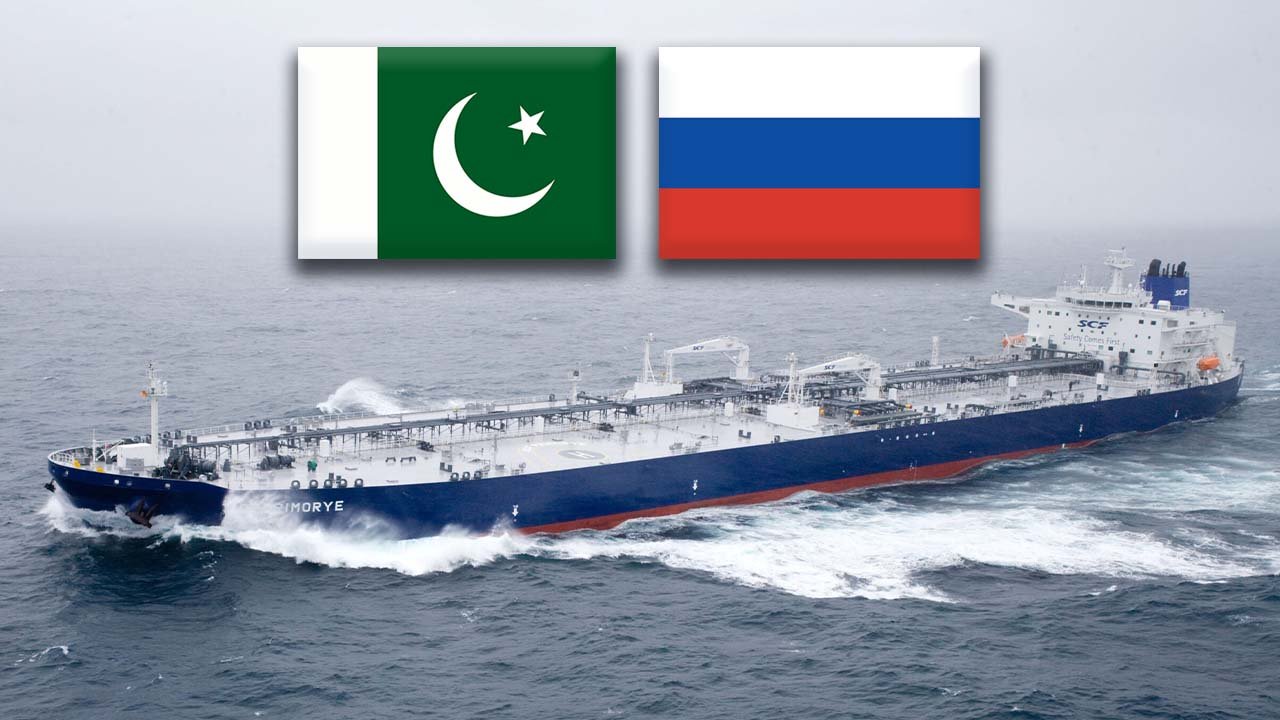
    Minister Malik said that the import of Russian oil was not merely a promise or rhetoric. He confirmed that ships carrying the much-anticipated oil had already reached Oman and would commence supply to Pakistan within a week. While acknowledging that a single shipment would not significantly impact fuel costs, Malik expressed confidence that once a persistent supply was established, the price of fuel would gradually decrease.

    The government’s ambitious objective is to fulfill one-third of Pakistan’s crude oil requirements with affordable oil sources, including imports from Russia. The aim is to address the chronic energy shortages that Pakistan, the world’s fifth most populous country, has been grappling with. Currently, Pakistan imports 84 per cent of its petroleum products, primarily from Gulf Arab allies Saudi Arabia and the United Arab Emirates.

    The import of cheap Russian oil represents one of Pakistan’s strategies to alleviate its energy crisis, as global efforts are underway to restrict Russia’s oil exports due to its invasion of Ukraine. During a visit to the United States earlier this month, Minister Malik confirmed that Pakistan had placed its first order for Russian oil, which is expected to arrive within a month. Upon evaluating the impact of this initial shipment, Pakistan will decide on the extent of future imports.

    When asked about the possibility of pursuing more Russian imports, Malik responded that Pakistan would prioritise cheaper energy sources to meet its energy requirements. The minister further emphasised that the government’s objective was to ensure a sustainable and affordable supply of low-cost energy, highlighting accessibility, sustainability, and affordability as the key pillars of this vision.

    In addition to the import of Russian oil, Malik mentioned the Iran-Pakistan Gas Pipeline project as another avenue to address the country’s energy needs. The government has conveyed to Iran its intention to access energy through the pipeline while remaining responsible and avoiding potential sanctions. Talks are underway with both sanctioning countries and Iran to find a creative solution to this matter.

    With Pakistan eagerly awaiting the arrival of cheap Russian oil, the government remains committed to securing a sustainable and affordable energy supply to meet the needs of its citizens. The gradual decline in fuel prices is expected to provide much-needed relief to the nation, addressing its chronic energy shortages and boosting economic growth in the process.

  • Pakistan to receive $10 billion investment in refinery sector soon

    Pakistan to receive $10 billion investment in refinery sector soon

    Minister of State for Petroleum, Musadik Malik, announced that Pakistan will soon receive a $10 billion investment in its refinery sector. The investment, to be inaugurated by Prime Minister Shehbaz Sharif, holds significant details that cannot be disclosed at this time, according to Malik’s statement at a ceremony.

    This development follows the approval of a new refinery policy by the current government, which aims to incentivise greenfield investment.

    Malik emphasised the need for sustained GDP growth of 5 per cent in Pakistan’s growing population. To achieve this, he stated that an annual energy sector growth rate of 7.5-10 per cent is necessary. As part of this plan, the government aims to establish a comprehensive energy agreement with Central Asian countries and Russia, which will be made public by the end of the year.

    Additionally, Pakistan intends to leverage its historical ties with the Gulf Cooperation Council (GCC) countries for trade and commerce, including meeting energy needs such as LNG and petroleum products.

    The government also plans to open energy corridors with Central Asia and the GCC countries. Malik highlighted the significance of purchasing crude oil from Russia, stating that it will have a transformative impact on Pakistan, leading to industrial proliferation. The goal is to establish small industrial areas in rural regions to promote value addition.

    Malik underscored that Pakistan possesses the necessary infrastructure, labour force, and technology to present itself as an attractive investment destination. He emphasised the government’s efforts to enhance border enforcement to curb oil smuggling from Iran, expressing confidence that the flow of smuggled oil will reduce in the coming days.

    In an off-camera meeting with media persons, the minister revealed that vessels carrying 100,000 tonnes of discounted Russian oil will arrive at Pakistan’s ports in the first week of June as part of the government’s energy security plan. The oil will be transported from Oman port to Pakistan in smaller vessels within seven to ten days. Malik assured that although transportation costs may increase slightly, the impact will be minimal.

  • Shipment of discounted Russian oil en route to Pakistan: 100,000 tons set to arrive next month

    Shipment of discounted Russian oil en route to Pakistan: 100,000 tons set to arrive next month

    The government’s energy security plan will soon see the arrival of vessels carrying 100,000 tons of discounted Russian oil at Pakistan ports in early June.

    Musadik Malik, the State Minister for Energy, made this announcement during a private meeting with members of the media, where he discussed the new refinery policy. The policy aims to encourage investments in new refineries for shallow, deep conversion, and ultra-deep conversion projects, with incentives lasting up to 20 years.

    Minister Malik revealed that the Russian cargo, consisting of 100,000 tons of Urals oil, would arrive at the Oman port on May 26-27. From there, the oil will be transported to Pakistan in smaller vessels, a journey expected to take between seven to ten days. Although the transportation cost will increase slightly, the minister assured that the impact would be minimal.

    While he did not disclose the discounted price or the payment method for the Russian oil, Minister Malik hinted that the payment was made through the banking channel. The heavy Urals oil will then undergo refining at Parco, where it will be mixed with light Arabian oil to lower the overall price.

    Highlighting the significance of the new refinery policy, Minister Malik emphasised that energy sector growth is crucial for economic development. He explained that a one per cent increase in the country’s GDP requires a corresponding growth rate of 1.5 to two per cent in the energy sector. Similarly, achieving a five per cent GDP growth necessitates a seven to ten per cent growth in the energy sector. Such growth is only possible with investments in refineries, as well as oil and gas exploration and production.

    Under the new refinery policy, refineries with a capacity of 300,000 tons or more will receive incentives for 20 years, while those below 300,000 tons will receive incentives for 10 years. However, it will be mandatory for these refineries to achieve financial closure within five years.

    Additionally, import duty on equipment used in the larger refineries will be set at 7.5 per cent for both petrol and diesel for the duration of 20 years. The same incentives will apply for 10 years to refineries below the 300,000-ton capacity. These refineries will also benefit from special economic zone (SEZ) laws.

    Minister Malik projected that by 2030, the country’s petrol and diesel consumption would increase from 20 million to 33 million. Currently, local refineries produce around 10 to 11 million, with the rest being imported. He noted that the global premium on diesel is approximately $18 due to high demand.

    The new refinery policy has garnered interest from multiple foreign countries and private companies, with a positive response received during a road show conducted in the United States to promote greenfield investment.

    The minister reiterated the government’s commitment to implementing a comprehensive plan for the country’s energy security before the end of its constitutional tenure. Negotiations for the Turkmenistan-Afghanistan-Pakistan-India (TAPI) pipeline project have resumed, while the Iran-Pakistan (IP) project has been delayed due to US sanctions. The LPG Air Mix policy and the brownfield policy are expected to be approved soon.
  • Pakistan to receive $2 billion deposit from Saudi Arabia in State Bank within next few days

    Pakistan to receive $2 billion deposit from Saudi Arabia in State Bank within next few days

    Muhammad Jawad Sohrab Malik, the Special Assistant to the Prime Minister, had a meeting with Nawaf bin Said Al-Malki, the Ambassador of the Kingdom of Saudi Arabia to Pakistan, in Islamabad. The objective of the meeting was to discuss the ways to enhance bilateral collaboration between the two countries.

    During the meeting, Jawad expressed gratitude for Saudi Arabia’s consistent support for Pakistan. He thanked the ambassador for confirming that the $2 billion pledged by the Kingdom would be deposited within the next seven working days in the SBP account. Both parties showed a commitment to strengthening bilateral ties between Pakistan and Saudi Arabia.

    The SAPM highlighted the significance of Saudi Arabia’s assistance and stated that the $2 billion loan would help Pakistan overcome the current financial crisis. He further explained that this would pave the way for securing similar assurances not only from the IMF but also from other friendly countries such as the United Arab Emirates, Qatar, and others, which would lead to the much-awaited staff-level agreement (SLA) with the IMF and unlock multilateral disbursements.

    Nawaf bin Said Al-Malki emphasized the Kingdom’s commitment to building long-term, sustainable investment transactions between Saudi Arabia and Pakistan. He reiterated Saudi Crown Prince Mohammed bin Salman’s pledge to increase Saudi Arabian investments in Pakistan’s energy and IT sectors to $10 billion within the next few years.

    The Saudi envoy expressed keen interest on behalf of the Saudi government in recruiting more manpower from Pakistan during the current and next year for various sectors of the kingdom. He stated that the Saudi labor market is continuing to expand, mainly due to the launch of several mega projects under Saudi Vision 2030.

    While highlighting the diverse business landscape in Pakistan, the SAPM expressed that Pakistan has a lot to offer in both the goods and services sectors. He commended the Kingdom’s commitment to providing enhanced employment opportunities for the Pakistani workforce in its future development ventures, as well as the valuable contributions of Saudi FDI in boosting the country’s economic outlook.

    During the meeting, both dignitaries engaged in fruitful discussions on the further strengthening of bilateral business relations, recruitment of more workforce from Pakistan, and enhancing FDI in potential sectors of the economy. Both the Saudi Ambassador and SAPM Jawad Sohrab Malik expressed confidence that their discussions would pave the way for a new era of deeper and more meaningful collaboration between Pakistan and Saudi Arabia.