Lahore High Court has issued a written order pertaining to environmental problems and safety hazards on roads.
The court order said that those who use green belts for parking should be fined Rs 5,000, forwarding the order to all housing societies and authorities concerned.
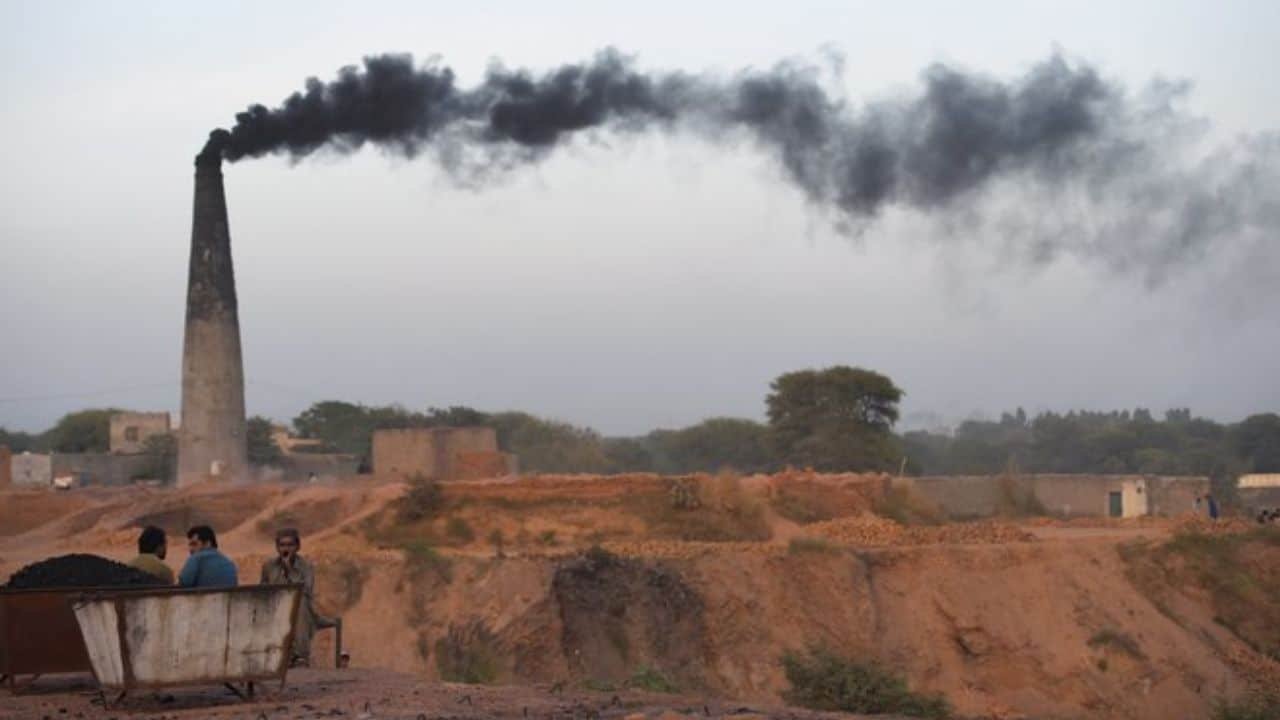
The court has also ordered the shutting down of polluting brick kilns, and filing criminal cases against the officials who do not take action against the kilns.
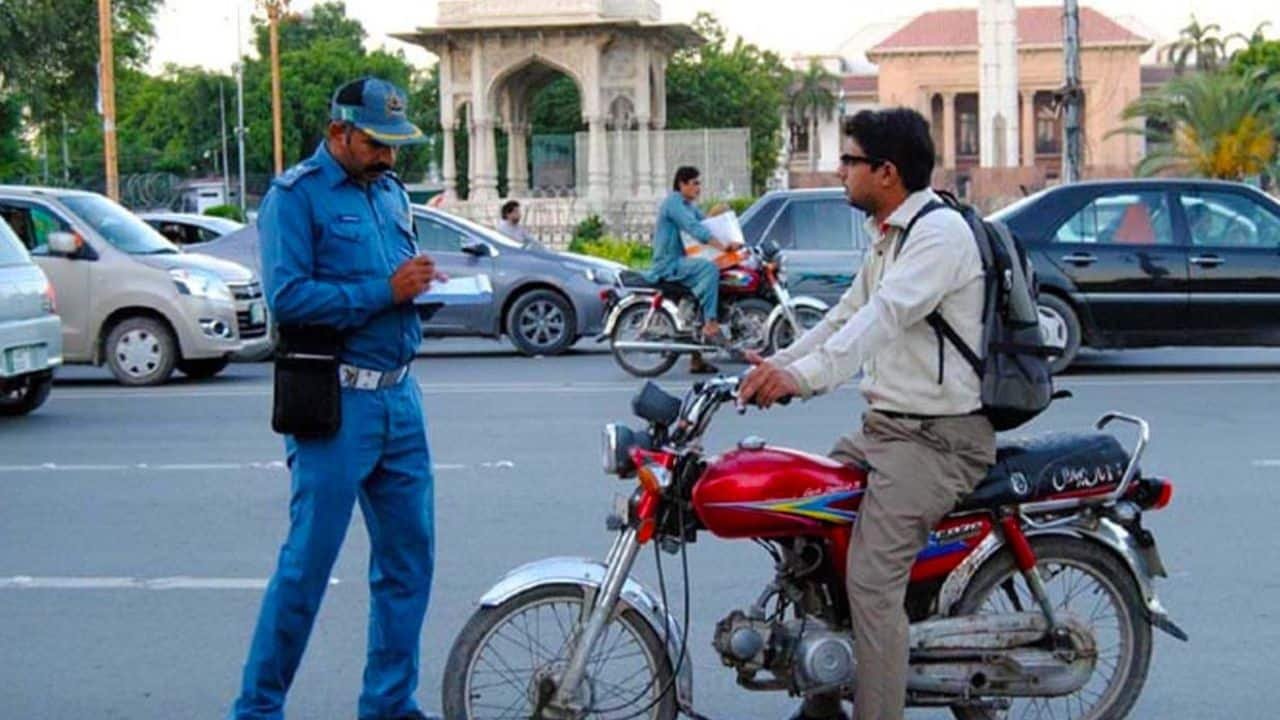
Additionally, the court ordered the CTO to impose a fine of Rs 2,000 on motorcycle riders without helmets and this order will be enforced across the province.
The Dolphin police have also been directed to keep a check on people in case of violation of the latest orders.
Reforestation
The Lahore High Court also shed light on the importance of reforestation, pointing at the Miyawaki model where more urban forests should be planted.
To ensure that they meet the necessary environmental standards, the LDA will be closely working with the Environment Department while planning and executing development projects.
Additionally, strict action is to be taken against kilns emitting black smoke which is one of the major contributors to poor air quality.
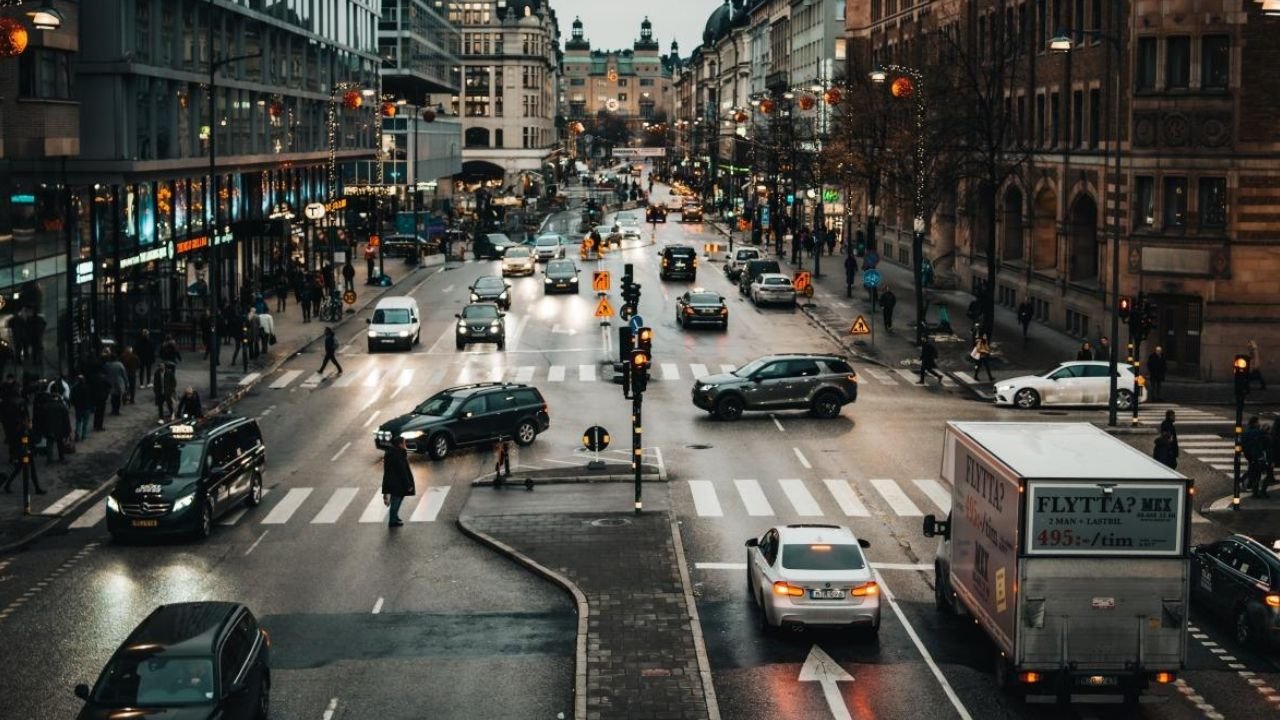
The capital of Sweden, Stockholm, will ban the presence of petrol and diesel cars by 2025 in a central 20-block area of the city in order to achieve better air quality.
The city’s vice-mayor for transport and urban environment, Lars Stromgren, said in a statement, “Nowadays the air in Stockholm causes babies to have sick lungs and the elderly to die prematurely. It is a completely unacceptable situation,” He added that there is a need to “limit the harmful exhaust gases from petrol and diesel cars,”
The 20-block area of the city is a bustling part of Stockholm with a shopping district, office buildings, and eateries. And according to Stromgren, this area “has a lot of pedestrians and cyclists, where the air quality needs to be better,”
“This is also a part of the city where we see that there is a lot of interest in a faster electrification, with actors that can spearhead the transition,” he added.
The ban will come into effect on December 31, 2024. However, police cars, ambulances and other security services will be exempted.
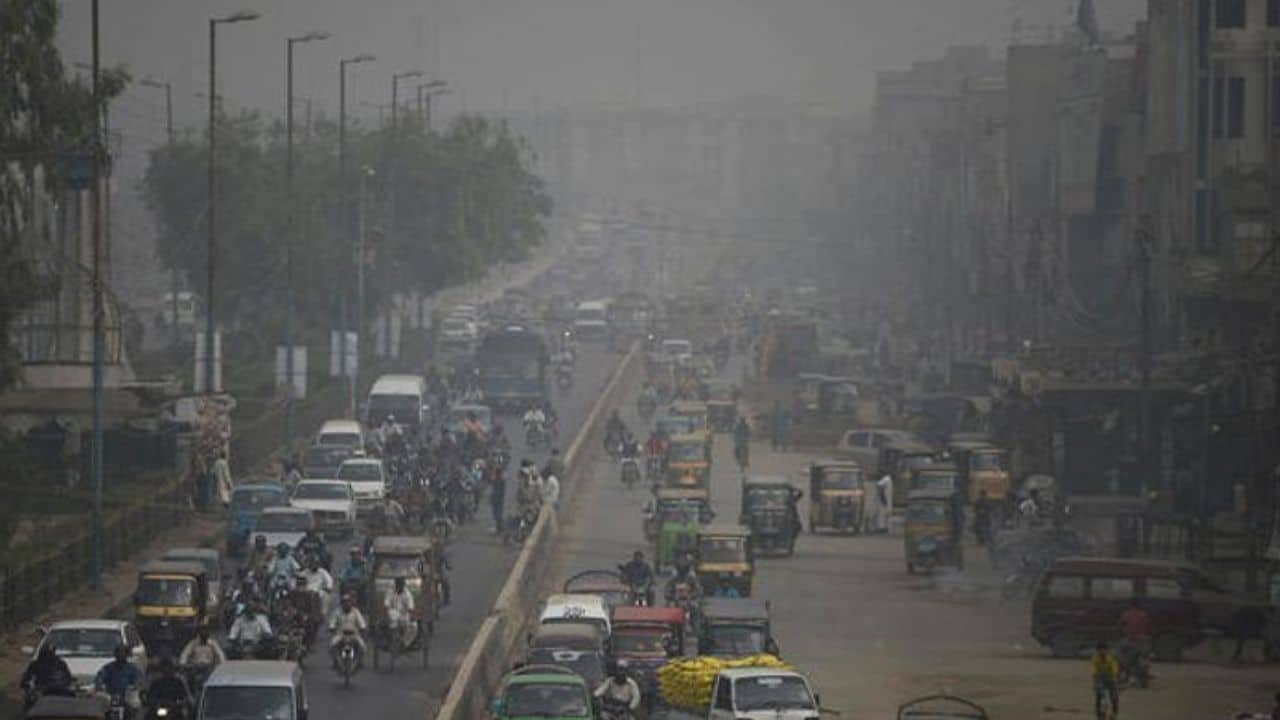
Karachi has been at the top of the list of the world’s most polluted cities for the past consecutive two days.
Dawn newspaper quoted ‘IQAir.com’, an air quality monitoring website, stating that Karachi topped the chart, followed by New Delhi.
The concentration of 2.5 particulate matter (pm) in Karachi is 20.3 times higher than the annual air quality guideline value of the World Health Organization (WHO) as last night it recorded an air quality index of 175.
Air quality index readings in the range of 151 to 200 are considered unhealthy, while air quality index readings between 201 and 300 are dangerous and severely harmful to health.
According to the annual report released by ‘IQ Air’, the level of pollution in Karachi has not improved over the past few years, in fact it has increased.
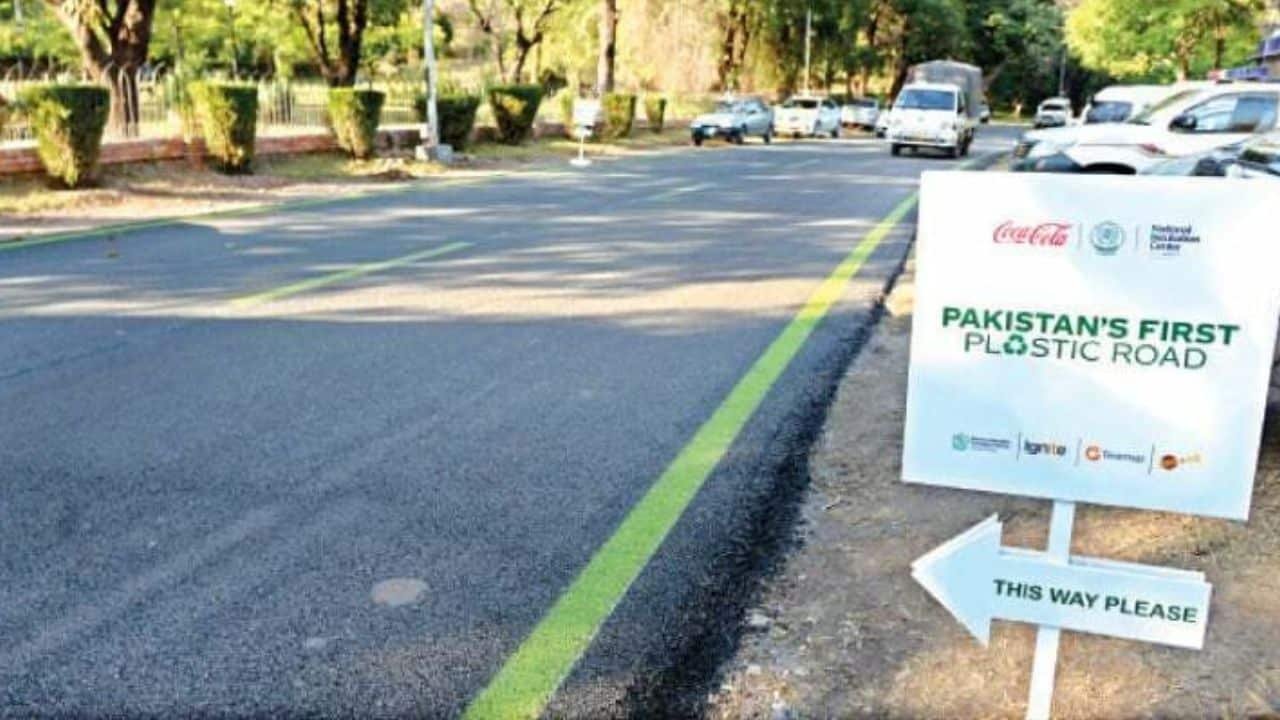
For the first time in Punjab, a plastic road has been made. Caretaker Chief Minister Mohsin Naqvi inaugurated Zafar Ali road — from Lahore Gymkhana Mall Road to Jail Road.
Inaugurated Punjab’s first plastic road, Zafar Ali Road in Lahore, sets a shining example. By using plastic in construction, we’re not only extending road life in a cost effective way but also making strides in plastic waste management. Together, we pave the way to a cleaner… pic.twitter.com/6sauri0I1E
The technical assistance in the construction of this road was provided by the professors of the University of Engineering and Technology (UET).
A plastic road is 60 per cent cheaper than a tar road and 100 per cent better in durability.
According to caretaker CM Punjab, Rs2 crore incurred on its construction, while the cost of a tarred road of the same length would be around Rs6 crore.
The plan for now is to convert Mall Road into a plastic road as well.
A plastic road is made up of recycled waste, plastic bags in addition to other materials that are recycled into granules and then mixed with chemicals and a small amount of tar.
Plastic roads do not easily get bumpy due to water and can sustain themselves for at least 10 years.
In a crackdown by the Rawalpindi Environmental Protection Department, 12 brick kilns and six stone crushing units have been sealed while 33 vehicles have been seized for violating environmental laws.
Express Tribune reported that as per a spokesperson, the purpose of the operation is to counter increasing smog in the region.
Authorities also identified numerous dengue larvae breeding sites during the operation, and filed cases against 35 property owners, sealing 20 properties.
The operation was conducted by Environment Protection Department Deputy Director Maria Safeer, Senior Inspector Romaisa Babar and inspectors Maqbool Hussain, Mohsen Shah and Inamul Haque.
After inspecting 350 vehicles, 124 smoke-emitting cars were issued challans by the authorities, 33 were impounded, and a total fine of Rs228,800 was imposed.
Similarly, 152 brick kilns were thoroughly examined which revealed that 18 of them were emitting excessive smoke.
Cases against seven kiln owners have also been filed.
Additionally, eight hospitals received notices for contributing to pollution, with two of them being charged accordingly.
The International Rescue Committee (IRC) has released its annual Emergency Watchlist, highlighting the 20 countries most at risk of deteriorating humanitarian crises in 2023.
According to the report, climate change will accelerate humanitarian crises around the world in 2023, adding to issues created by armed conflict and economic downturns.
As per the study, Somalia, Ethiopia and Afghanistan top IRC’s list of countries most at risk of deteriorating humanitarian crises in 2023. David Miliband, President and CEO of the IRC said, “The Emergency Watchlist shows record levels of humanitarian need in 2022 and real peril ahead for 2023.
“A year ago we diagnosed a global ‘System Failure’ – deficits in respect of state actions, diplomacy, legal rights and humanitarian operations that are driving the increased numbers of people in humanitarian need. Yet humanitarian need, forced displacement and food insecurity have all worsened since then,” he said. This system failure can be seen in this year’s figures: humanitarian need has jumped by 65 million people since last year, displacement has ballooned to over 100 million people.
“The 2023 Watchlist reveals a need for a step change in the way the international community approaches humanitarian crises. At their heart, these are political crises, economic crises, security crises, and climate crises. But the erosion of guardrails meant to address these underlying issues means that humanitarian crises are spiraling. Aid as usual will not meet the moment. The nearly 340 million people who require aid in 2023 need more humanitarian funding for greater and better programs. But they also deserve more. They require a plan to break the cycle of runaway crises. This means new tools to protect people caught up in conflict, and a new commitment to confront – rather than compound- shared global risks,” he stated.
The Islamabad Capital Territory (ICT) police fined 315 vehicles for causing environmental pollution as the ban on smoke-emitting vehicles entering the Federal Capital went into effect on Tuesday.
Islamabad police intensified the crackdown to protect the environment, and as a result, 239 vehicles with pressure horns and 76 smoke-emitting vehicles received fines, according to a police spokesman.
He claimed that Dr Akbar Nasir Khan, the Inspector General of Police in Islamabad, had recently announced the ban with a specific directive to start an awareness campaign for environmental preservation.
The representative said that major thoroughfares like the Islamabad Expressway, IJP Road, Srinagar Highway, and others have special enforcement squads stationed there. Additionally, social media platforms were used to educate drivers about the ban.
The IGP was quoted as saying, “Fitness certificates will not be issued to any unfit vehicles and no laxity in the implementation of traffic rules will be tolerated”.
To carry out the campaign against smoke-emitting vehicles, ITP has organised mobile squads. These teams would patrol different areas and ticket any vehicles that were causing noise pollution or smoke.
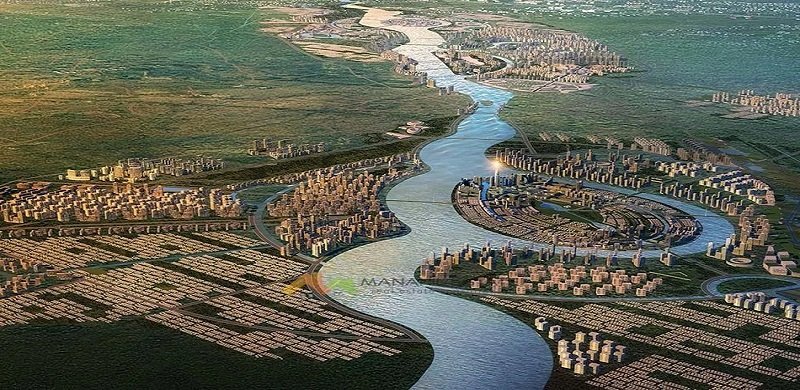
The River Ravi Urban Development Project, which is considered a pet project of Prime Minister Imran Khan, has been declared illegal by the Lahore High Court (LHC). The court ordered its construction to be halted immediately.
The verdict was announced by Justice Shahid Karim. “The Section 4 of the Ravi Urban Development Authority Act, 2020, is against the Constitution,” said the court and added that the land was not acquired legally.
Section 4 of the Ravi Urban Development Authority Act, 2020:
“The government shall, by notification in the official Gazette, establish an Authority to be known as the Ravi Urban Development Authority for carrying out the purposes of this Act.”
“The authority shall be a body corporate, with perpetual succession and a common seal, with powers, subject to the provisions of this Act, to acquire and hold property, both movable and immovable, and may by the said name, sue and be sued. The Government shall review the performance of the Authority and may, from time to time, give general policy directions to implement such directions.”
“The loans for the project have been borrowed illegally,” the bench said. Justice Shahid Karim added that the Ravi authority immediately repay the loan of Rs5 billion it took from the Punjab government for the project. The court also observed that environmental laws have been ignored in the Ravi River Urban Project,
The Ravi UrbanDevelopment Authority was inaugurated by Prime Minister Imran Khan in August 2020.
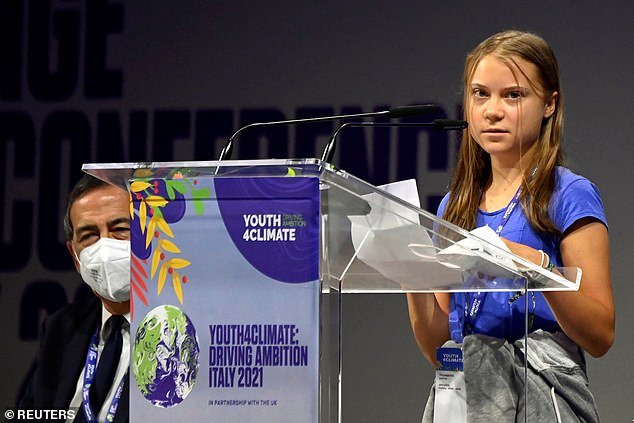
Swedish environmental activist Greta Thunberg mocked and criticised world leaders — including US President Joe Biden and UK Prime Minister (PM) Boris Johnson — over their promises to address the climate emergency, dismissing them as “blah, blah, blah”.
While addressing the Youth4Climate summit in Milan, she said, “When I say climate change, what do you think of? I think jobs. Green jobs. Green jobs,” referring to Biden’s speeches on the climate crisis.
Referring to a speech by French President Emmanuel Macron, she said, “We must find a smooth transition towards a low carbon economy. There is no Planet B. There is no Planet Blah. Blah, blah, blah, blah, blah, blah.”
She quoted statements by Boris Johnson: “This is not some expensive, politically correct, green act of bunny hugging”, and PM Narendra Modi’s: “Fighting climate change calls for innovation, cooperation and willpower” but said that science did not lie.
“Build back better. Blah, blah, blah. Green economy. Blah blah blah. Net zero by 2050. Blah, blah, blah. This is all we hear from our so-called leaders. Words that sound great but so far have not led to action. Our hopes and ambitions drown in their empty promises,” she added.
Climate justice activist Vanessa Nakate from Uganda, Thunberg and hundreds of other young people from across the world attended the summit. The event was held two days before dozens of ministers gather in Milan for a meeting before the COP26 climate talks in Glasgow at the end of October, reports CNN.
Greta is an 18-year-old young environmental activist who became famous in 2018 when she skipped school for a strike against climate change.
Weddings are a lavish affair in the subcontinent with most families leaving no stone unturned for the perfect wedding. These grand weddings not only leave pockets empty but are also very damaging to Mother Earth given how much waste they produce.
Bollywood star Dia Mirza, who is known to be one of the most committed champions of sustainability, decided to go against the norm when she tied the knot earlier this year, using her fame and influence to bring about a positive change. The model, actor and producer, whose environment-friendly efforts have also been recognised by the United Nations, opted for a sustainable wedding not only with her bridal look (an heirloom-worthy Benarasi sari) but also with the design and decor of the venue.
Talking to Brut India, Mirza shared how she planned her zero-waste wedding and gave tips on how you can plan yours too.
Handmade Gifts
“People love to give gifts to announce their weddings and stuff so even with that, we made sure we had handcrafted woven baskets, made by artisans and we sent everybody a plant,” shared Dia.
Local Decor
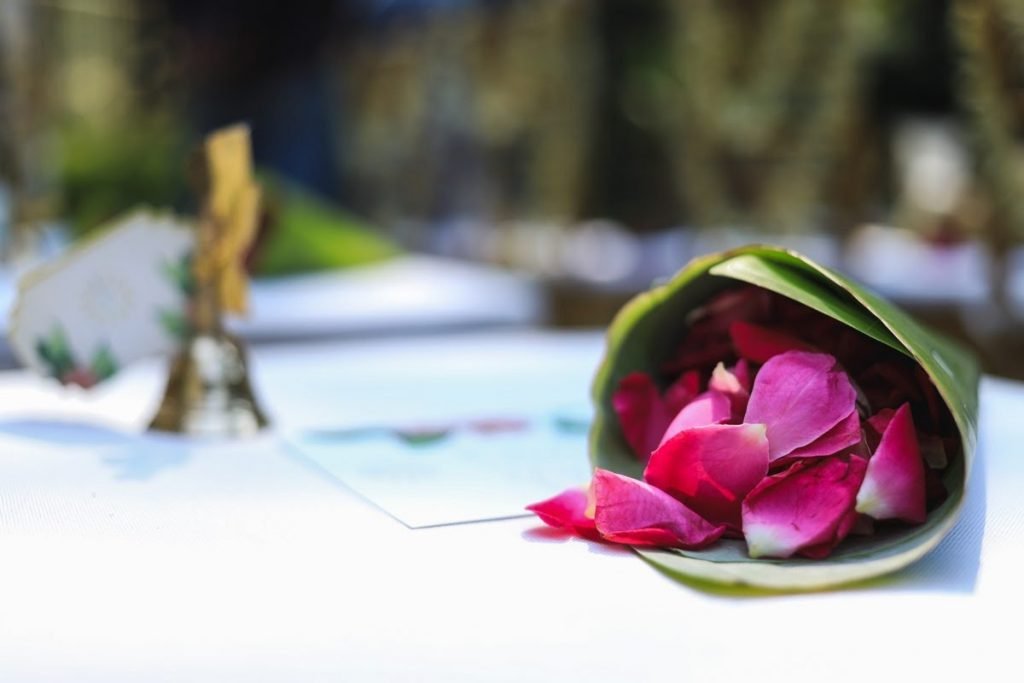
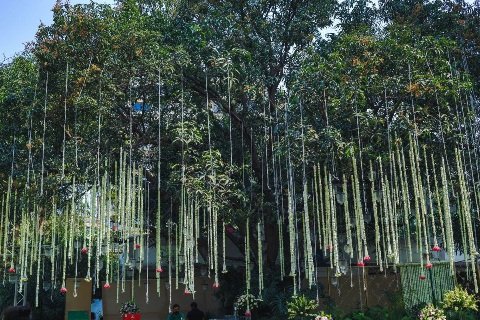
“All our decor, which was primarily the use of wasted twigs and woods and locally-grown flowers,” said Dia. “I think when we think of big events for weddings, we tend to use exotic flowers from all over the world, there’s obviously the carbon footprint of transport, etc.”
Sharing how to make the decor sustainable, Mirza said: “Making it sustainable, would entail going local and it also makes it just easily accessible, earthy and beautiful. And we wanted a very earthy wedding. All the decor elements were natural and locally available. A lot of them were recyclable and were obviously on hire so they would get recycled again.
No Food Waste
“We chose to keep the ceremony and the wedding extremely intimate and private,” said Dia. “That ensured that we had good control on numbers. We knew exactly who ate what. We ensured we knew exactly how many vegetarians and non-vegetarians were attending the wedding. We made sure we did food plating accordingly. And of course, we ensured that there was absolutely no food waste.”
Sustainable Fashion
“We tend to make garments that we can only wear once and never wear again and it’s most unfortunate,” lamented Dia.
She shared: “The last time around, I auctioned my clothes and this time around, I made sure I got a garment that I could reuse, wear again and again, and actually pass on, as a very wearable and beautiful item of clothing.”
“So I choose a sari. Even my husband chose an outfit that he could continue wearing through life and wouldn’t have to just wear it on that one day and hang it up in the cupboard and never touch it again,” shared the actor.
No Plastic
“There were no plastic straws, there was no plastic cutlery, there was no plastic bottles, or water on those horrible, dreadful little bottles that people serve water in,” said Dia. “We, in fact, bore an additional cost on water, because we chose glass bottles which are more expensive than plastic bottles but we said we’d rather do that and reduce cost on something else and create all that plastic waste which was so unnecessary.”
“So, we’re very proud at the end of that day and that evening because we succeeded in creating a completely sustainable event,” she added.
Dia chose to get married in her home garden, which is close to her heart. It’s also the home of her favourite mango tree, which became the highlight of the evening.
Using elements of the venue as part of the decor is a great eco-friendly decor idea.
Dia tied the knot with Mumbai-based businessman Vaibhav Rekhi in an intimate ceremony on February 15. The couple is also expecting their first child together.