Tag: Essential Commodities

  • Inflation edges higher as weekly SPI indicates increase in prices

    Inflation edges higher as weekly SPI indicates increase in prices

    According to the Weekly Sensitive Price Indicator (SPI) released by the Pakistan Bureau of Statistics (PBS), the Combined Group’s SPI increased by 0.04 per cent during the week ending February 22, 2024.

    Additionally, the SPI surged by 30.68 per cent YoY compared to the same period last year.

    As of February 22, 2024, the Combined Index stood at 315.31, a slight uptick from 315.18 on February 15, 2024. A year ago, on February 23, 2023, the index was significantly lower at 241.29.

    Analysing the data for 51 items, it was found that the average prices of 23 items increased, 8 items decreased, and 20 items remained stable.

    Notable increases during the week were observed in the prices of tomatoes (22.71 per cent), bananas (7.40 per cent), diesel (3.02 per cent), chicken (1.22 per cent), and petrol (1.00 per cent).

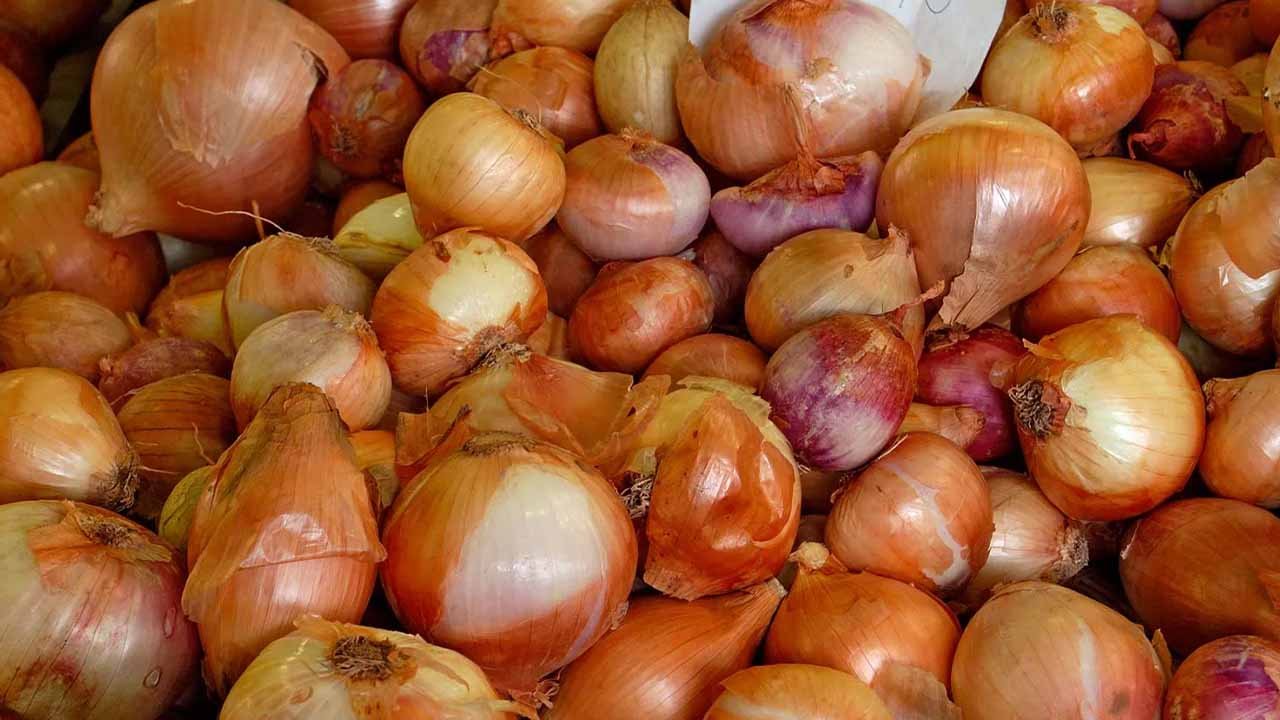
    Conversely, onions (14.42 per cent), eggs (11.19 per cent), LPG (1.82 per cent), cooking oil (5 litres) (0.75 per cent), and wheat flour (0.36 per cent) experienced significant decreases.

    Breaking down the SPI percentage change by income groups, it was noted that SPI decreased across all 3 quantiles while increasing across 2 quantiles. The lowest-income group saw a weekly decline of -0.08 per cent, while the highest-income group recorded a rise of 0.09 per cent.

    On a yearly basis, the SPI change across different income segments revealed an increase ranging between 25.53 per cent and 35.39 per cent. The lowest-income group witnessed a 25.53 per cent increase, while the highest-income group recorded a 28.22 per cent rise.

    Specifically, the average price of Sona urea reached Rs4,928 per 50 kg bag, reflecting a 9.19 per cent increase from the previous week and a substantial 69.14 per cent surge compared to the same period last year.

    The surge in prices, especially for essential items, poses a challenge for the general populace, particularly those in lower-income groups.

    Authorities and policymakers are likely to face increasing pressure to address and mitigate the impact of inflation on the economy and the daily lives of people.
  • Price Monitoring Committee responds to alarming spike in food prices

    Price Monitoring Committee responds to alarming spike in food prices

    In response to the surge in food prices, the Food and Industries Departments of Punjab, Sindh, and KP have jointly implemented robust monitoring measures, including heavy fines, surprise raids, and the sealing of establishments engaging in price gouging.

    The Caretaker Minister for Planning, Development, and Special Initiatives, Muhammad Sami Saeed, led a crucial meeting of the National Price Monitoring Committee (NPMC) on Tuesday.

    The committee convened to assess the prices of essential commodities amid the current economic challenges.

    As of the week ending on January 11, 2024, the Chief Statistician, PBS, presented a comprehensive overview of the country’s price situation.

    The report revealed a 1.4 per cent increase in the SPI over the previous week (WoW) and a significant 44.2 per cent surge over the corresponding week of the previous year.

    The spike in SPI was primarily attributed to the increased prices of perishable items such as tomatoes and onions, as well as poultry products like chicken and eggs.

    Out of the 21 monitored items, prices for 21 increased, 8 decreased, and 22 remained stable. Noteworthy declines were observed in the prices of potatoes, vegetable ghee, and sugar.

    During the meeting, the minister inquired about the measures taken by provincial governments and ICT to bridge the gap between wholesale and retail prices.

    Representatives from the provincial Food and Industries Departments of Punjab, Sindh, and KP assured strict monitoring through the imposition of heavy fines, surprise raids, and the sealing of shops involved in overcharging.

    Despite challenges in the supply of perishable items due to extreme weather conditions, the meeting underscored the importance of addressing climate change.

    The administration of Punjab is actively working on controlling prices by sensitising Deputy Commissioners across the province.

  • Pakistan imposes minimum export price on onions to tackle soaring local prices

    Pakistan imposes minimum export price on onions to tackle soaring local prices

    In a move aimed at stabilising local prices, the government announced on Friday the establishment of a minimum export price for onions and shallots at $1,200 per metric ton.

    The notification detailing this decision was issued by the Ministry of Commerce.

    This decision comes in response to the escalating local prices of onions and shallots, driven by a surge in demand in international markets.

    Exporters operating in the domestic market have been capitalising on India’s ban on the export of these items, resulting in a shortage for local consumers.

    The latest weekly inflation figures, ending on January 11, 2024, revealed a 1.36 per cent week-over-week increase in the Sensitive Price Indicator (SPI) for the Combined Group. Notably, the second-highest surge among all 51 items was witnessed in onion prices, which rose by 8.94 per cent.

    This move by the government is strategically designed to curb the impact of export-related activities on local availability and pricing, with a focus on maintaining stability in the market.

    The Ministry of Commerce’s notification underscores its commitment to addressing the challenges posed by increased international demand and its repercussions on the domestic front.

    As authorities strive to strike a balance between facilitating exports and ensuring the availability of essential commodities for local consumers, the implementation of the minimum export price serves as a significant step in mitigating the adverse effects of market dynamics on the pricing of onions and shallots within the country.

  • Minister urges officials to use PBS monitoring app for ensuring price stability across provinces 

    Minister urges officials to use PBS monitoring app for ensuring price stability across provinces 

    In a bid to ensure consistent prices across provinces, Muhammad Sami Saeed, the Caretaker Minister for Planning, urged Deputy Commissioners and Assistant Commissioners on Tuesday to rigorously utilise the Decision Support System (DSS) app developed by the Pakistan Bureau of Statistics (PBS) for effective price monitoring. 

    According to a press release issued today, Muhammad Sami Saeed chaired a meeting of the National Price Monitoring Committee (NPMC) in Islamabad.  

    The gathering focused on essential aspects such as the prices and supply of essential commodities, the margin between wholesale and retail prices, and the availability of necessary items. 

    During the meeting, the Chief Statistician from PBS presented the price movements of 51 essential items collected from the markets in 17 cities.  

    Minister Saeed stressed the importance of maintaining price stability across provinces and urged participants to oversee the supply of essential items, available stock levels, and pricing mechanisms. 

    Highlighting the critical role of administrative oversight and monitoring, Minister Saeed emphasised the need for vigilance in ensuring price stability.  

    The meeting also explored the potential utilization of remote sensing technology provided by SUPARCO to enhance monitoring of cropped areas and predict the supply situation of essential food items in the provinces. 

    Encouraging the exploration and implementation of remote sensing capabilities, the minister aimed to strengthen monitoring and oversight capacities.  

    He underscored the importance of continued vigilance and proactive measures to address fluctuations in commodity prices and ensure a smooth supply chain. 

    Representatives from the Ministry of Industries and Commerce, utility stores, and provincial governments attended the meeting, signifying a collaborative effort to maintain stability in commodity prices. 

  • Price of 10kg flour bag reaches nearly Rs1,500 

    Price of 10kg flour bag reaches nearly Rs1,500 

    The price of ‘chakki’ flour has recently experienced an increase of Rs10 to Rs12 per kilogramme in Hyderabad, the second-largest city in the province of Sindh.  

    Consequently, the price of a 10-kg sack of flour has risen from Rs1,350 to Rs1,470.  

    In an official statement, ‘chakki’ owners explained that the surge in prices is attributed to the increased cost of wheat. They clarified that the price of a 100-kg sack of wheat has escalated by Rs3,000, elevating it from Rs8,500 to Rs11,500.  

    According to their assertions, the prevailing market rate for a 100-kg sack of wheat is Rs12,000.  

    Earlier this month in Karachi, the retail price of flour was established at Rs127 per kilogramme following successful negotiations between Karachi Commissioner Salim Rajput and the flour mills association.  

    During the discussions, the association agreed to retail the flour at Rs127 and wholesale it at Rs120 per kilogramme in the city.  

    Furthermore, the wholesale market prices were set at Rs130 per kilogramme for fine flour and Rs134 per kilogramme for retail.  

    Meanwhile, there has been a noticeable increase in prices for sugar, flour, and other essential commodities at utility stores nationwide.   

    The reported prices reveal that sugar is priced at Rs155 in utility stores, compared to Rs142.54 in the open market, representing a Rs12.46 disparity.  

    Similarly, a 20-kg bag of flour is priced at Rs2,840 in utility stores, with an open market price of Rs2,706.32, reflecting a Rs133.68 difference. 

  • Utility Stores hike sugar, ghee, and flour prices following subsidy withdrawal

    In a surprising move, the Utility Stores Corporation (USC) has raised the prices of crucial commodities such as sugar, ghee, and flour, affecting consumers across the board, including those enrolled in the Benazir Income Support Programme (BISP). This price increase comes in the wake of the outgoing government’s decision to eliminate subsidies on these essential items.

    Among the notable price hikes, a 10-kg bag of flour has witnessed a substantial increase of Rs200; sugar prices have surged by Rs30; and ghee prices have risen by Rs53 per kilogramme. This unforeseen surge in prices has left many consumers bewildered, especially considering that the government recently augmented the subsidy allocation for the USC from Rs30 billion to Rs35 billion in the ongoing fiscal year’s budget.

    In a bid to alleviate the burden on consumers, the Prime Minister’s Azadi package for BISP beneficiaries is set to launch on August 11. This relief package aims to cushion the impact of the price hikes by offering a 10-kg bag of flour at a reduced price of Rs648. Additionally, a discount of Rs25 per kilogramme will be applied to rice and pulses for eligible beneficiaries.

    However, the plight of consumers has been compounded by widespread shortages of essential goods at utility stores. Frustration among citizens has mounted as they endure long lines for houRsin the hope of purchasing subsidised items, only to be met with empty shelves and disappointment. The lack of availability has further exacerbated the challenges posed by the recent price increases.

    Curiously, authorities at the utility stores have refrained from commenting on the escalating situation. This silence has left consumers and observers alike wondering about the root causes of these unexpected developments and the potential implications for the broader economic landscape.

  • Short-term inflation skyrockets to record 45.64% in Pakistan: What’s causing the surge?

    Short-term inflation skyrockets to record 45.64% in Pakistan: What’s causing the surge?

    The Pakistan Bureau of Statistics (PBS) has released data revealing that short-term inflation based on the Sensitive Price Index (SPI) rose to a record 45.64 per cent for the combined income group on a year-on-year basis for the week ending March 16.

    This increase was driven by the consistent rise in the prices of essential commodities. However, on a week-on-week basis, short-term inflation increased by 0.96 per cent due to the rising cost of tomatoes, potatoes, cooking oil and fruits.

    The SPI is expected to intensify further as the full impact of depreciation, an increase in petroleum products, a hike in general sales tax and higher energy costs has yet to be reflected in official data. Commodity prices are likely to increase rapidly with a spike in demand. The year-on-year SPI surged to 45.5 per cent during the week ending September 1, 2022, and stayed above 40 per cent for the first time since August 18 last year when the reading was 42.31 per cent.

    Of the 51 items in the SPI basket, prices of 28 items soared, while those of 11 items decreased, and rates of 12 items remained unchanged. During the week under review, the prices of onions, cigarettes, gas charges for Q1, diesel, tea Lipton, petrol, rice irri-6/9, rice basmati broken, bananas, eggs, pulse moong, wheat flour and bread increased the most over the same week a year ago.

    On a week-on-week basis, the biggest change was observed in the prices of tomatoes, tea Lipton, potatoes, bananas, sugar, wheat flour, cooking oil 5 litre, vegetable ghee 2.5 Kg, lawn, diesel, shirting, and petrol. Products whose prices saw the highest decline over the previous week were onions, chicken, garlic, pulse masoor, eggs, LPG, vegetable ghee 1 Kg, pulse gram, pulse mash, pulse moong, and mustard oil.

    The government has been taking strict measures, such as hikes in fuel and power tariffs, withdrawal of subsidies, market-based exchange rate, and higher taxation, under the International Monetary Fund (IMF) programme to generate revenue for bridging the fiscal deficit, which may result in slow economic growth and higher inflation in the coming months. The increase in the policy rate to 20 per cent, general sales tax rate from 17 per cent to 18 per cent on most items, and to 25 per cent on more than 800 imported food and non-food items will further increase the retail prices of consumer goods.