Tag: essential items

  • Weekly inflation rises 1.28% as essential food items, fuel costs surge

    Weekly inflation rises 1.28% as essential food items, fuel costs surge

    In a challenging economic climate, food prices in Pakistan have surged, forcing consumers to purchase essential items at elevated costs.

    According to the Weekly Sensitive Price Indicator (SPI) released by the Pakistan Bureau of Statistics (PBS), the SPI for the Combined Group increased by 1.28 per cent week-on-week (WoW) for the week ending July 4, 2024.

     Additionally, the SPI saw a substantial year-on-year (YoY) rise of 23.59 per cent compared to the same period last year.

    The PBS data revealed that the Combined Index stood at 318.61, up from 314.57 a week earlier, and significantly higher than the 257.79 recorded a year ago. Out of 51 monitored items, prices of 29 (56.86 per cent) increased, 5 (9.80 per cent) decreased, and 17 (33.34 per cent) remained stable during the week.

    Significant weekly price increases were observed in tomatoes (70.77 per cent), wheat flour (10.57 per cent), powdered milk (8.90 per cent), diesel (3.58 per cent), and petrol (2.88 per cent). Conversely, notable price hikes on a yearly basis were recorded for onions (9.05 per cent), wheat (1.79 per cent), potatoes (1.04 per cent), eggs (0.79 per cent), and bananas (0.60 per cent).

    The SPI percentage change by income groups showed that the SPI rose across all income quantiles, ranging from 1.23 per cent to 1.44 per cent weekly. The lowest income group experienced a weekly rise of 1.43 per cent, while the highest income group saw a 1.23 per cent increase.

    Yearly SPI analysis across different income segments indicated increases ranging between 16.97 per cent and 26.49 per cent. The SPI for the lowest income group rose by 16.97 per cent, while the highest income group recorded a 21.39 per cent increase.

    Additionally, the average price of Sona urea was reported at Rs4,746 per 50 kg bag, which is 0.13 per cent higher than the previous week and 51.52 per cent higher compared to last year.

    Meanwhile, the average cement price reached Rs1,409 per 50 kg bag, marking a significant 10.48 per cent increase from the previous week and a 23.16 per cent rise from last year’s prices.

    The persistent rise in food and essential item prices continues to burden Pakistani consumers, exacerbating the financial strain on households across the country.
  • Pakistanis catch a break as weekly inflation hits 18-week low

    Pakistanis catch a break as weekly inflation hits 18-week low

    Short-term inflation in Pakistan dipped to 29.06 per cent year-on-year by the week ending March 21, stepping down from its prolonged stint above 30 per cent for the past 18 weeks, as per recent official data.

    The pullback in weekly inflation, tracked by the Sensitive Price Index (SPI), was primarily attributed to a drop in the prices of key staples like tomatoes, onions, and potatoes. The SPI noted a 1.13 per cent week-on-week decrease as of March 21, down from 32.89 per cent recorded in the previous week.

    This follows an unbroken 11-week stretch of inflation topping 40 per cent, starting from 29 per cent noted on November 8, 2023. The surge was largely fueled by upticks in gas prices, electricity tariffs, and essential kitchen item costs.

    Weekly inflation peaked at a record 48.35 per cent year-on-year in early May 2023, before cooling off to as low as 24.4 per cent in late August 2023, only to surge past 40 per cent again by the week ending November 16, 2023.

    Among the notable declines in prices on a week-on-week basis were tomatoes (36.73 per cent), onions (19.58 per cent), potatoes (4.02 per cent), garlic (2.87 per cent), pulse mash (1.25 per cent), wheat flour (1.02 per cent), sugar (0.95 per cent), pulse masoor (0.86 per cent), and diesel (0.60 per cent).

    Conversely, significant increases were seen in the prices of LPG (1.49 per cent), shirting (0.74 per cent), beef (0.53 per cent), rice basmati broken (0.48 per cent), mutton (0.42 per cent), mustard oil (0.40 per cent), rice irri 6/9 (0.25 per cent), powdered milk (0.14 per cent), and georgette (0.03 per cent) compared to the previous week.

    On an annual basis, notable price hikes were observed in gas charges for Q1 (570 per cent), chilli powder (86.05 per cent), gents sponge chappal (58.05 per cent), garlic (57.41 per cent), onions (54.65 per cent), gents sandal (53.37 per cent), gur (39.86 per cent), sugar (35.01 per cent), salt powder (33.29 per cent), energy saver (29.83 per cent), and pulse mash (27.31 per cent).

    In contrast, certain items witnessed declines, with cooking oil 5-litre dropping by 21.35 per cent, followed by vegetable ghee 2.5 kg (18.48 per cent), vegetable ghee 1 kg (18.44 per cent), mustard oil (13.90 per cent), bananas (13.52 per cent), diesel (2.47 per cent), and cigarettes (0.06 per cent).

    The short-term inflation, gauged through the SPI, stood at 323.50, compared to 327.21 in the preceding week and 250.66 a year ago. Comprising 51 items collected from 50 markets in 17 cities, the SPI is calculated weekly to monitor the prices of essential commodities and services at shorter intervals. Data indicates that prices of nine items increased, 17 items decreased, and 25 items remained stable compared to the previous week.

  • Over Rs6.4 billion allocated for Ramzan subsidies: Essential items to be available at reduced rates

    Over Rs6.4 billion allocated for Ramzan subsidies: Essential items to be available at reduced rates

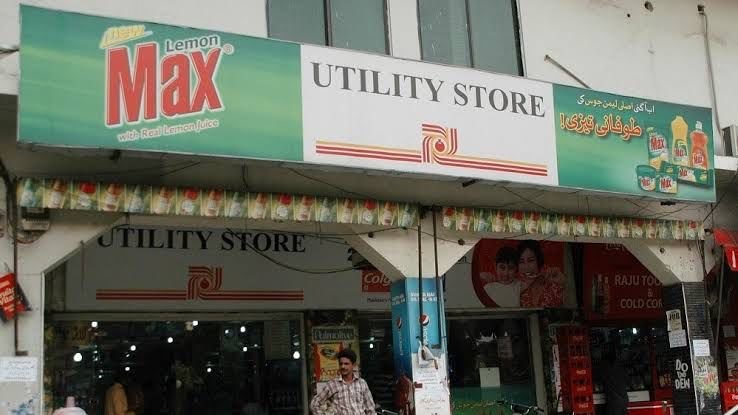
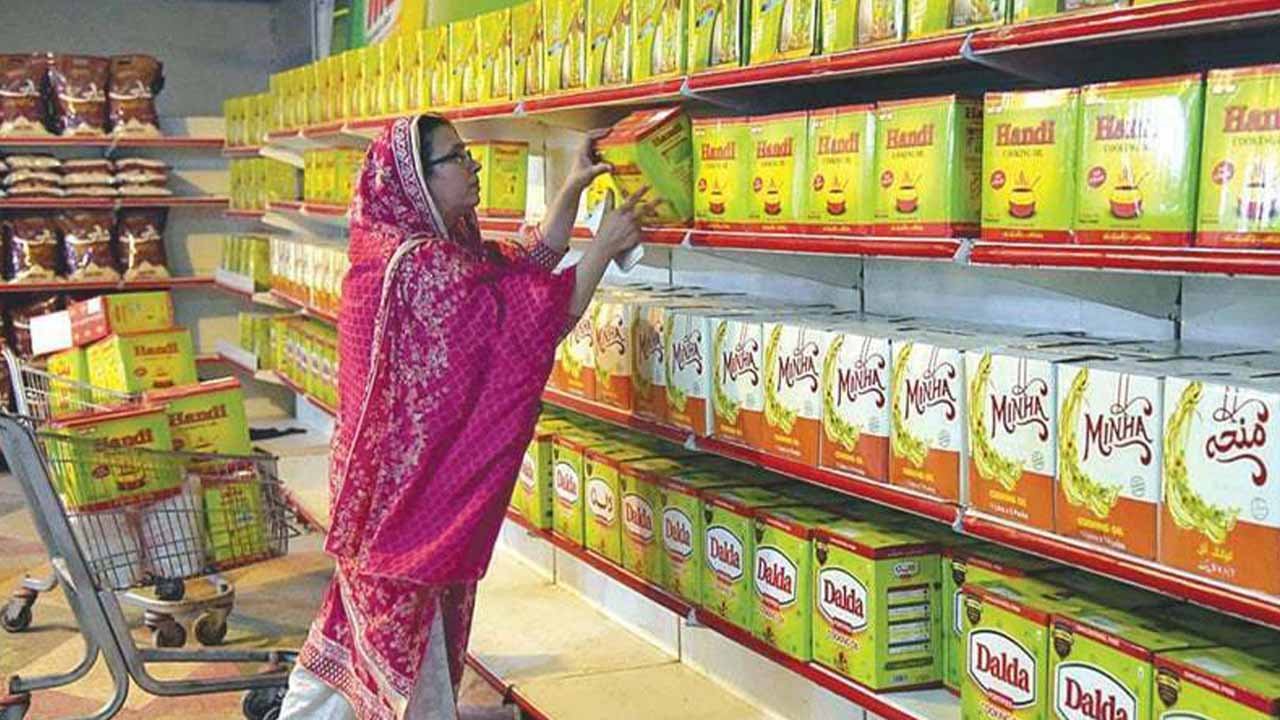
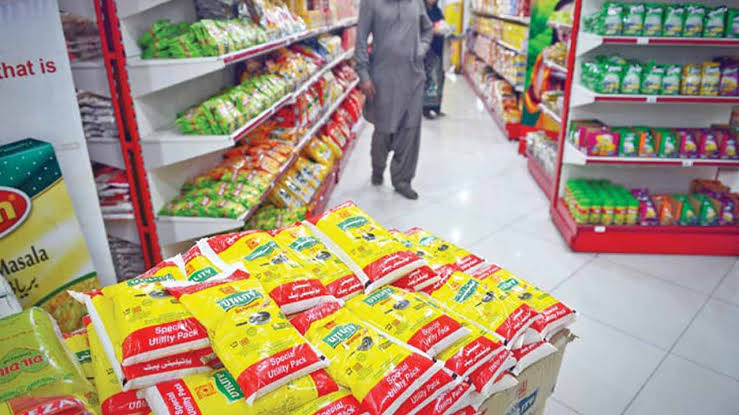
    The government has earmarked Rs6.484 billion to provide essential food items at subsidised rates through the Utility Stores Corporation (USC) during the holy month of Ramzan.

    A substantial portion of the allocation, Rs3.474 billion, will go towards subsidising flour, followed by Rs1.610 billion for sugar and Rs1.4 billion for ghee.

    Additionally, subsidies of Rs25 million for channa daal, Rs12 million for masoor daal, Rs37.50 million for white gramme, and Rs62.5 million for basmati rice are planned. Further, Rs20 million and Rs62.5 million are allocated for Sehlla rice and broken rice, respectively.

    The implementation of the Ramzan relief package is set to commence on March 4th.

    Further breakdown reveals Rs200 million for cooking oil, Rs20 million for washed moong daal, Rs6.25 million for washed maash daal, Rs100 million for chakki baisen, Rs50 million for dates, Rs22.50 million for carbonated drinks (1,500 ml), Rs30 million for squash and syrup (800 ml), Rs150 million for black tea, Rs15 million for UHT milk, and Rs50 million for spices.

    Moreover, an allocation of Rs145 million is designated for an awareness campaign through electronic and print media regarding the Ramzan Package, set to kick off on March 4th, 2024.

    The Economic Coordination Committee (ECC) has greenlit the Ministry of Industries and Production’s proposal for a Rs7.492 billion Ramzan Relief Package. This package aims to provide 19 essential items at subsidised rates through the USC.

    In response to IMF restrictions on untargeted subsidies, the government has opted to provide subsidies exclusively to beneficiaries registered under the PMT-40 of the Benazir Income Support Programme (BISP) for the fiscal year 2023–24.

  • Utility Stores to implement Rs7.492 billion relief package ahead of Ramzan

    Utility Stores to implement Rs7.492 billion relief package ahead of Ramzan

    The federal government is set to implement the Ramzan Relief Package, totaling Rs7.492 billion, through the Utility Stores Corporation (USC) starting March 4, 2024. This initiative aims to provide relief to targeted beneficiaries by offering subsidies on 19 essential items.

    The Economic Coordination Committee (ECC) of the Cabinet approved this decision based on a proposal from the Ministry of Industries and Production. The proposal sought approval for providing subsidies to targeted beneficiaries registered under the Benazir Income Support Programme (BISP) with a net amount of Rs7.492 billion.

    Of this, Rs 5 billion was allocated in the current fiscal year 2023–24 for the Ramzan Relief Package 2024, with the remaining Rs 2.492 billion to be re-appropriated from the current fiscal year budget allocations for the Prime Minister Relief Package (PMRP).

    The ECC directed the Finance Division to release the full subsidy amount of Rs7.492 billion to ensure timely purchases and necessary arrangements for the availability of these items at USC outlets.

    With Ramzan expected to commence on March 11, 2024, the implementation date for the Ramzan Relief Package-2024 was proposed from March 4, 2024, until the last day of Ramzan.

    Since 1991, the government has been providing relief during Ramzan by selling 19 items at subsidised rates through USC outlets. For the fiscal year 2023–24, the federal government allocated Rs35 billion for subsidies on essential items, including Rs30 billion for PMRP and Rs5 billion for the Ramzan Relief Package 2024.

    The Ramzan Relief Package aims to provide maximum relief to the masses. Due to restrictions imposed by the International Monetary Fund (IMF) on untargeted subsidies, subsidies are provided to targeted beneficiaries registered under PMT-40 of BISP for the fiscal year 2023–24.

    The USC is currently serving 26.92 million households registered under PMT-40. To extend assistance to more beneficiaries during Ramzan-2024, it is proposed to provide subsidies on 19 items to targeted beneficiaries registered under PMT-60, reaching an additional 12.73 million households.

  • PM Kakar calls for reduction in prices of essential items and services after petrol price cut 

    PM Kakar calls for reduction in prices of essential items and services after petrol price cut 

    On Monday, Caretaker Prime Minister (PM) Anwaar ul Haq Kakar called upon the chief ministers to take decisive action in lowering the prices of essential goods and services in response to a significant reduction in fuel costs. 

    In a momentous development, the government has implemented a substantial reduction of Rs40 in the price of petrol. 

    Prime Minister Anwaar ul Haq Kakar issued clear directives at both the federal and provincial levels, urging the implementation of a stringent price control mechanism. 

    PM Kakar stressed that all endeavours must be focused on ensuring that the benefits of reduced petroleum prices are passed on to the citizens of Pakistan. 

    The prime minister emphasised the unwavering enforcement of his directives. 

    Prior to this decision, the cost of petrol had seen a remarkable reduction of Rs40 per litre in Pakistan. 

    As per a notification issued by the Oil and Gas Regulatory Authority, the price of petrol now stands at Rs283.38 per litre, reflecting a reduction of Rs40 per litre

    Meanwhile, the price of high-speed diesel (HSD) has been lowered by Rs15 per litre to reach Rs303.18, while kerosene oil prices have witnessed a reduction of Rs22.43 per litre, now standing at Rs214.85. 

  • Pakistan’s inflation expected to rise due to policy decisions and economic uncertainty, warns Finance Ministry

    Pakistan’s inflation expected to rise due to policy decisions and economic uncertainty, warns Finance Ministry

    Finance Ministry has warned that inflation in Pakistan is set to rise further due to a second-round effect of policy decisions made earlier this year to raise energy and fuel prices, the central bank’s policy rate, and the depreciation of the rupee to secure IMF funding.

    The recent political and economic uncertainties in the country are causing inflationary expectations to rise. The short-term rate of inflation measured by the Sensitive Price Indicator (SPI) hit a record 46.65 per cent last week, while monthly inflation recorded by the Consumer Price Index (CPI) reached 31.6 per cent in February – the highest in six decades.

    The ministry expects inflation to stay at an elevated level due to market frictions caused by the relative demand and supply gap of essential items, exchange rate depreciation, and recent upward adjustments of administered prices of petrol and diesel. Production losses due to floods have not yet been fully recovered, especially those of major agricultural crops. The shortage of essential items has persisted due to these factors.

    Moreover, the delay of stabilisation program has exacerbated economic uncertainty, due to which inflationary expectations have remained strong. The Economic Adviser’s Wing of the finance ministry has also conceded ineffective policy measures and the haplessness of the authorities in containing the inflationary spiral.

    A report from ministry warns that bulk buying during Ramzan might cause the demand-supply gap and result in escalation of essential items prices, although the government is taking steps to ensure a smooth supply of essential items. The report also warned that being largely dependent on prevailing climatic conditions, as witnessed last year, the delay in rains and early heatwave forecast by the Pakistan Met Office in April and May could adversely impact wheat production.

    On a positive note, the report said that despite challenges and uncertainties, the economy was showing continuous signs of resilience as depicted through contained fiscal and current account deficits during the current fiscal year.

  • Unchecked overcharging: Shopkeepers set their own rates for essential items during Ramzan

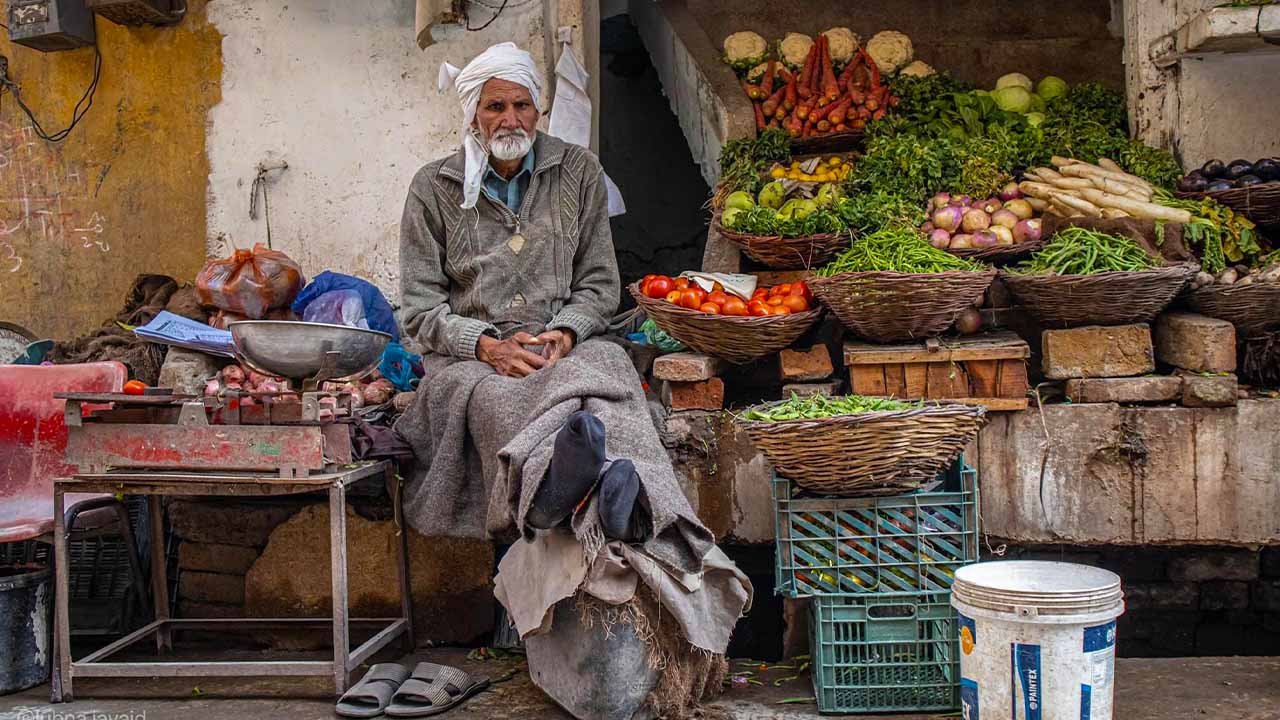
    At the start of Ramzan, prices of essential food items have witnessed an uncontrolled surge, with little intervention from the authorities concerned. Shopkeepers are selling essential food items at their desired rates instead of selling at government-announced rates.

    A recent survey of markets in Peshawar reveals an alarming increase in prices of food items, which have continued to soar with each passing day in this holy month.

    A vendor reported that the price of live chicken has surged to Rs350 per kg, while rice prices have increased by Rs70 per kg, reaching Rs335 per kg. Split chickpeas (chana dal) are now selling at Rs220 to Rs260 per kg, and the cost of beans has gone up by Rs60 per kg, with rates jumping from Rs281 to Rs339 per kg. According to a shopkeeper, the cost of spices has surged from Rs150 to Rs200 per kg and now stands at Rs600 per kg in the city.

    Oil and ghee prices have also skyrocketed by Rs62 per kg. Vegetables and fruits have become unaffordable for many, with garlic being sold at Rs360 and ginseng at Rs620 per kg. Peas cost Rs200, Arvi Rs180, Zucchini Rs170, green capsicum Rs150, and tomato Rs120 per kg.

    Fruits have also witnessed an upward trend in prices, with sweet oranges priced at Rs440 per dozen, oranges at Rs400 per dozen, banana at Rs300 per dozen, pomegranate Rs400, Iranian apple at Rs340 per kg, Kohati guava at Rs350, and strawberry costing Rs280 per kg.

    The meat market has also been hit hard by price hikes, with beef now selling at Rs800 to Rs1,000 per kg from its previous price of Rs700 per kg before Ramzan, while mutton prices have increased from Rs1,400 to Rs1,600 per kg and now stand at Rs1,800 per kg.

    Many shopkeepers have been charging prices of their own choosing, as district administration officials have not been able to check rates due to heavy rain and mud-stranded water. Butchers in the local market have expressed their dissatisfaction with the rates issued by the district administration, and have not faced any fines or raids from officials.

  • Govt lifts import ban on luxury goods with heavy duties

    Govt lifts import ban on luxury goods with heavy duties

    On the recommendation of the International Monetary Fund (IMF), the Federal Minister for Finance and Revenue, Miftah Ismail, announced lifting of the ban on the import of luxury and non-essential goods on Thursday. He added, however, that the Regulatory Duties (RDs) would be increased significantly to deter the import of such items.

    “It is requirement of the international community that there should be no ban so we are lifting ban on all products. But simultaneously the duties I am going to impose would not let these commodities to enter into Pakistan as finished goods,” according to Finance Minister.

    According to the minister, RDs would be increased three times, or to the highest degree conceivable, and may potentially increase by up to 400 to 600 per cent or more.

    Keeping in view his duty to offer basic and vital goods to the nation’s citizens, he said that the prime minister was against the importation of luxury goods, according to APP.

    To comply with the IMF, international agreements, and World Trade Organization, he claimed the restriction had been lifted. Although import taxes would be applied on expensive food, clothing, and other items, anyone still wishing to import is free to do so.

    He said that the available resources will be used to give the people of the country grain, wheat, cotton, and edible oil rather than iPhones or fancy cars. He claimed that Pakistan did not have a lot of money to spend on the import of opulent things.

    The finance minister stated in response to a question that the levies on completely built-up (CBU) automobiles, appliances, imported meat and salmon, as well as other luxuries, would increase. He explained that the government’s goal was to limit imports while adhering to the requirements of the International Monetary Fund (IMF) and other international accords, not to promote the import of such goods.

    On the other hand, since the Completely Knocked Down (CKD) kits are not considered luxury items, their import will resume without any caveats. However, its positive impact on the sales figures will be seen after a few months.

    According to the finance minister, Pakistan and the fund have been in lengthy negotiations. The IMF board is due to convene on August 29 and will decide whether to accept Pakistan’s programme because it has already complied with all requirements and performed all necessary preliminary steps.

    He said that friendly nations like Saudi Arabia, Qatar, and the United Arab Emirates helped arrange the $4 billion cash for strengthening the nation’s foreign exchange reserves. China also agreed to roll over $2 billion in loans, and Saudi Arabia agreed to roll over its own assets. According to him, the finance need has been satisfied.

    According to the minister, the requirement for the electricity tariff has also been met, thus there won’t be any non-funding subsidies.

    In addition, he said that the government was expected to get Rs42 billion from retail tax, but when the decision was reversed, the objective was cut to Rs27 billion, and the Rs15 billion shortfall will be filled by increasing the tax on tobacco and cigarettes.

    Moreover, taxes on tobacco and cigarettes will bring in Rs36 billion. Tier-2 cigarettes’ tax will rise from Rs1,850 to Rs2,050 per 1,000 cigarettes, while Tier-1 cigarettes’ tax would rise from Rs5,900 to Rs6,500 per 1,000 cigarettes. The green leaf Cess has also been raised from Rs10 per kg to Rs380.

    According to Bloomberg’s report, the Pakistani Rupee was the best performing currency in the world during August, and the Pakistan Stock Exchange continued to be the top performing stock market in the world, therefore the minister believed that the country’s economy was strengthening.

    The minister stated that the government was implementing a policy of self-reliance in order to stay within its means, reduce the fiscal deficit, and raise imports to a level equal to exports plus remittance in order to control the current account deficit.

  • Government will soon lift the import ban on certain items

    Government will soon lift the import ban on certain items

    The government will lift the import ban on some items in the upcoming weeks, according to Finance Minister Miftah Ismail, but restrictions for cellphones, cars, and home appliances will remain in place.

    He stated that the Commerce Ministry has sent a summary to the federal cabinet for removing restrictions on the import of non-essential and luxury items while speaking at a seminar about the performance of state-owned enterprises (SOEs) here in the federal capital.

    According to the finance minister, the decision was made in light of a lower import bill as a result of restrictions placed on the import of new machinery and raw materials, as well as lower oil prices on the global market. “In the upcoming months, we anticipate a decrease in petroleum product imports. Lower imports will enable Pakistan to conserve its foreign currency, he continued.

    He continued by saying he was hopeful for higher dollar inflows compared to outflows starting in the upcoming month, which would ease pressure on the local currency.

    “Imports in Pakistan as of July 25 were $3.758 billion and our total imports are likely to be $4.824 billion. This number will be less than our exports plus remittance”, he had written on Twitter a day earlier.

    The ban on 30 categories and 83 Customs headings was reportedly requested to be lifted by the finance minister on Tuesday to Prime Minister Shehbaz Sharif.

    He did, however, suggest that the Commerce Ministry keep the ban on completely built units (CBUs), cars, and home appliances in place.

    Speaking with Profit, sources said that between May 19 and July 19, 2021, Pakistan imported CBU automobiles, mobile phones, and home appliances worth Rs399 million. However, after the ban was imposed on May 19, 2022, the trend of importing these items decreased.

    Pakistan imported goods worth Rs123 million between May 19 and July 19, 2022, a difference of Rs276 million compared to the corresponding months of the previous fiscal year.

    It is important to note that the government has outright banned the import of cars, mobile phones, home appliances, dry fruits (aside from those from Afghanistan), crockery, shoes, chandeliers, lights (except energy savers), headphones, and loudspeakers.

    Some items on the list included condiments, doors and window frames, travel bags and suitcases, sanitary ware, fish and frozen fish, preserved fruits, tissue paper, furniture, shampoos, confectionery, luxury mattresses, and sleeping bags, jams and jellies, cornflakes, toiletries, heaters, blowers, sunglasses, kitchenware, aerated water, frozen meat, juices, pasta, ice cream, cigarettes, shaving supplies, luxury leather apparel, and musical instruments.