Tag: Europe

  • World not ready for climate change-fueled wildfires: experts

    World not ready for climate change-fueled wildfires: experts

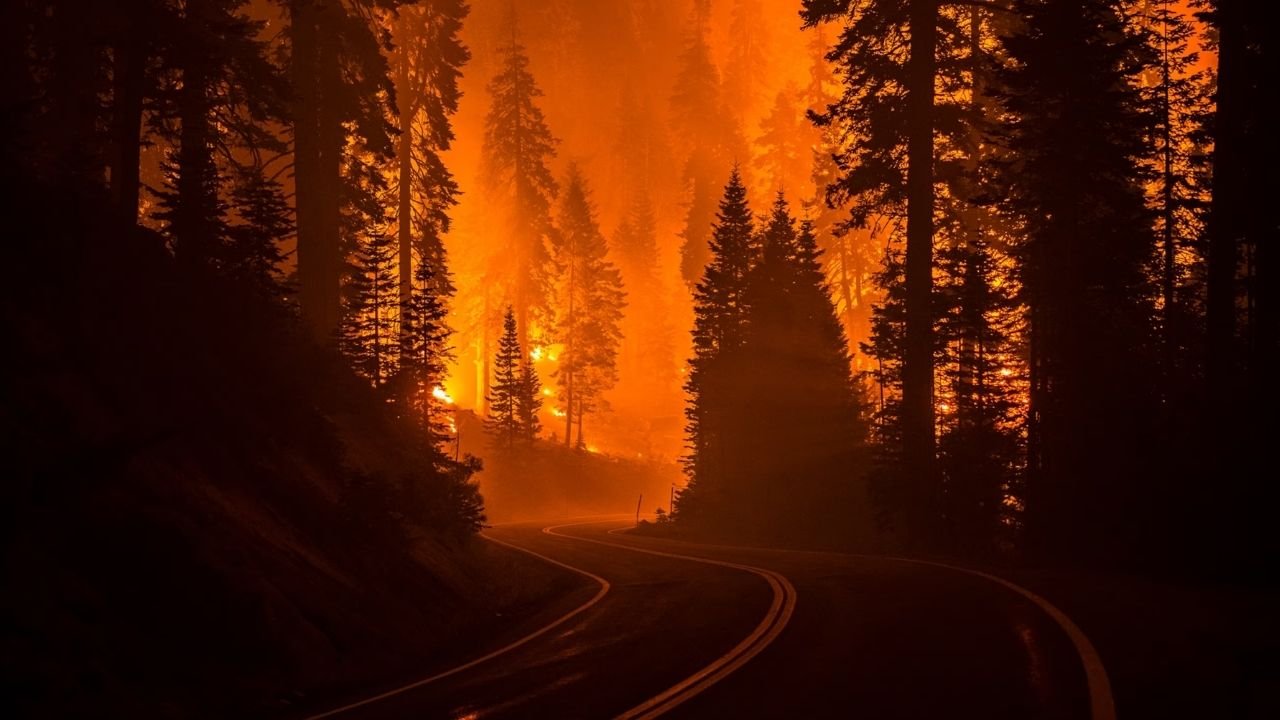
    The world is unprepared for the increasing ferocity of wildfires turbocharged by climate change, scientists say, as blazes from North America to Europe greet the northern hemisphere summer in the hottest year on record.

    Wildfires have already burned swathes through Turkey, Canada, Greece and the United States early this season as extreme heatwaves push temperatures to scorching highs.

    While extra resources have been poured into improving firefighting in recent years, experts said the same was not true for planning and preparing for such disasters.

    “We are still actually catching up with the situation,” said Stefan Doerr, director of the Centre for Wildfire Research at the UK’s Swansea University.

    Predicting how bad any one blaze will be — or where and when it will strike — can be challenging, with many factors including local weather conditions playing into calculations.

    But overall, wildfires are getting larger and burning more severely, said Doerr, who co-authored a recent paper examining the frequency and intensity of such extreme events.

    A separate study published in June found the frequency and magnitude of extreme wildfires appeared to have doubled over the past 20 years.

    By the end of the century, the number of extreme wildfires around the globe is tipped to rise 50 percent, according to a 2022 report by the UN Environment Programme.

    Doerr said humanity had not yet faced up to this reality.

    “We’re clearly not well enough prepared for the situation that we’re facing now,” he said.

    Climate change is a major driver, though other factors such as land use and the location of housing developments play a big part.

    Fires do not respect borders so responses have evolved between governments to jointly confront these disasters, said Jesus San-Miguel, an expert for the European Commission Joint Research Centre.

    The EU has a strong model of resource sharing, and even countries outside the bloc along the Mediterranean have benefited from firefighting equipment or financial help in times of need, San-Miguel said.

    But as wildfires become increasingly extreme, firefighting simply won’t be a fix.

    “We get feedback from our colleagues in civil protection who say, ‘We cannot fight the fires. The water evaporates before it reaches the ground,’” San-Miguel said.

    Wildfires have already burned swathes through Turkey as extreme heatwaves push temperatures to scorching highsMahmut BOZARSLAN

    “Prevention is something we need to work on more,” he added.

    Controlled burns, grazing livestock, or mechanised vegetation removal are all effective ways to limit the amount of burnable fuel covering the forest floor, said Rory Hadden from the University of Edinburgh.

    Campfire bans and establishing roads as firebreaks can all be effective in reducing starts and minimising spread, said Hadden, an expert on fire safety and engineering.

    But such efforts require funding and planning from governments that may have other priorities and cash-strapped budgets, and the return is not always immediately evident.

    “Whatever method or technique you’re using to manage a landscape… the result of that investment is nothing happens, so it’s a very weird psychological thing. The success is: well, nothing happened,” said Hadden.

    Local organisations and residents often take the lead in removing vegetation in the area immediately around their homes and communities.

    But not everyone is prepared to accept their neighbourhood might be at risk.

    ‘People don’t think that it will happen to them, but it eventually will,’ fire expert Jesus San-Miguel saidETIENNE TORBEY

    “People don’t think that it will happen to them, but it eventually will,” San-Miguel said, pointing to historically cold or wet climates like the US Pacific Northwest that have witnessed major fires in recent years.

    Canada has adapted to a new normal of high latitude wildfires, while some countries in Scandinavia are preparing for ever-greater fire risk.

    But how best to address the threat remains an open question, said Guillermo Rein from Imperial College London, even in places where fire has long been part of the landscape.

    Even in locations freshly scarred by fire, the clearest lessons are sometimes not carried forward.

    “People have very short memories for wildfires,” said Rein, a fire science expert.

    In July 2022, London witnessed its worst single day of wildfires since the bombings of World War II, yet by year’s end only academics were still talking about how to best prepare for the future.

    “While the wildfires are happening, everybody’s asking questions… When they disappear, within a year, people forget about it,” he said.

  • 10 easiest European citizenships

    10 easiest European citizenships

    Many people from developing countries aspire to acquire citizenship in European states. Some countries offer relatively straightforward paths to citizenship, while others present significant challenges. Sweden stands out as the easiest country in Europe for obtaining citizenship, whereas Estonia and Latvia are the most challenging.

    A recent study by CIS analysed Eurostat immigration data from 2009 to 2021 to identify which countries have the highest and lowest rates of non-EU residents acquiring citizenship.

    The analysis revealed that the nine most challenging countries to obtain citizenship are located in Central Europe. Estonia ranks as the most difficult country for non-EU citizens to naturalise, with the lowest average acquisition rate—approximately one in 200 residents. Additionally, the acquisition rate for men in Estonia is lower at 0.58 percent compared to 0.69 percent for women.

    Latvia, the Czech Republic, and Lithuania also have acquisition rates of less than 1 percent for non-Europeans, contrasting sharply with the average of 3.56 percent across European countries. Austria, Liechtenstein, Slovakia, Slovenia, and Germany follow, granting citizenship to about one in fifty non-EU residents. Denmark, outside Central Europe, presents the next highest hurdle with an acquisition rate of 2 percent.

    Over the past decade, six of the ten most challenging countries have seen an increase in citizenship grants year-on-year, particularly Denmark, which experienced a notable rise. Germany’s acquisition rate remained stable, while Latvia, Lithuania, and Slovenia saw declines.

    Many countries implement various programs aimed at attracting foreigners, including opportunities for investment, as well as citizenship and tax benefits.

    Individuals seeking migration often favour Golden Visa and Golden Passport routes, terms that are sometimes used interchangeably despite minor distinctions.

    10 Easiest European Countries to Get Citizenship

    According to the report, Sweden ranks as the easiest country, with nearly one in ten (9.3 Perce) non-EU residents obtaining citizenship—more than double the EU average.

    Sweden boasts the highest acceptance rates for both genders, with women experiencing a slightly higher acceptance rate of 10.02 percent compared to 8.66 percent for men.

    Norway, the Netherlands, Portugal, and Iceland follow as the second to fifth easiest countries to acquire citizenship, with an acquisition rate of one in 25 (4 percent).

    Data shows that northern European countries generally have the highest citizenship acquisition rates, with Sweden, Norway, Iceland, and Finland leading the pack.

    In southern Europe, Portugal emerges as the easiest, while the Netherlands, Ireland, and the United Kingdom are the most accessible Western European states for citizenship. The UK ranks eighth, with nearly three in 50 (3.2 percent) residents granted citizenship.

    Poland and Croatia are the easiest countries in Central Europe for changing nationality, with acquisition rates of 4 percent and 3.9 percent respectively. Northern and Western Europe present the most accessible regions for nationality changes, with an acquisition rate of 5.9 percent compared to 1.9 percent in Central Europe and 3.6 percent in the South.

  • Taylor Swift ready to shake up Europe

    Taylor Swift ready to shake up Europe

    Having shaken four continents, Taylor Swift’s Eras Tour finally brings the biggest pop culture icon of the century to Europe from Thursday, starting with a four-night run in Paris.

    Swift has broken almost every record in music, and her sixth tour is no exception.

    The Eras Tour, which began in March 2023, is already the first to sell more than $1 billion in tickets, and is expected to more than double that by the time it concludes in Vancouver this December.

    Swifties in Paris are especially excited to hear songs off her new album, “The Tortured Poets Society”, being performed for the first time.

    Many critics have derided the 31-track album as bloated and mediocre – “a rare misstep” in the words of British music mag NME.

    Such blasphemy leaves her devoted fanbase seeing red –- Paste magazine felt the need to keep their damning review anonymous, knowing all too well how her fans would react.

    But a few bad reviews are unlikely to lead to a cruel summer for Swift – the album sold 1.4 million copies on its first day and broke every streaming record going, reaching a billion streams on Spotify within five days.

    Some 42,000 people will see Swift in Paris before she heads on for dates in Sweden, Portugal, Spain, Britain, Ireland, Netherlands, Switzerland, Italy, Germany, Poland and Austria.

    Many are travelling a long way – around one in five of the Paris audience is coming from the United States, according to the La Defense Arena where she is performing.

    ECONOMIC JUGGERNAUT

    The 34-year-old’s tour remains a money-making machine beyond the wildest dreams of promoters and venues.

    Research group QuestionPro estimated that last year’s US dates generated $5 billion for the country’s economy. The US Travel Association said the figure may have exceeded $10 billion when hotel rooms, restaurants and other indirect sales were included.

    The La Defense Arena says it has doubled the previous record of merchandise-sellers across its dates.

    The mere mention of a London pub, The Black Dog, on her new album was enough to send a swarm of Swifties to its doors this month, potentially saving the struggling boozer.

    Fans tracked it down after realising it lay close to the home of British actor Joe Alwyn, with whom Swift had a six-year relationship that ended last summer.

    Swift’s tell-all dissections of her love stories have been the fuel powering her global domination, and fans have been pouring over “The Tortured Poets Department” for cryptic clues about Alwyn, her short-but-dramatic fling with Matty Healy (lead singer of The 1975), and her current beau, American football star Travis Kelce.

    “There is something in her music that captures the adolescent desire for a poetic existence, charged with passion, danger and love,” said Satu Hämeenaho-Fox, author of “Into the Taylor-Verse”.

    Soukeyna, a 16-year-old fan travelling up from southwest France for opening night, said Swift gives her “the feeling of being part of a community”.

    “She’s a complete artist who writes her own words, and you really have to listen to the lyrics and understand them, which is something unique,” she added.

  • Bulgaria, Romania take first steps into Europe’s visa-free zone

    Bucharest, Romania – Bulgaria and Romania joined Europe’s vast Schengen area of free movement on Sunday, opening up travel by air and sea without border checks after a 13-year wait.

    A veto by Austria however means the new status will not apply to land routes, after Vienna expressed concerns over a potential influx of asylum seekers.

    Despite the partial membership, the lifting of controls at the two countries’ air and sea borders is of significant symbolic value.

    Admission to Schengen is an “important milestone” for Bulgaria and Romania, symbolising a “question of dignity, of belonging to the European Union”, according to foreign policy analyst Stefan Popescu.

    “Any Romanian who had to walk down a lane separate from other European citizens felt being treated differently,” he told AFP.

    Ivan Petrov, a 35-year-old Bulgarian marketing executive who lives in France, said he was enthusiastic about less stressful travelling and the time he would be able to save.

    “This is a great success for both countries, and a historic moment for the Schengen area — the largest area of free movement in the world,” EU chief Ursula von der Leyen said in a statement Saturday.

    “Together, we are building a stronger, more united Europe for all our citizens.”

    And they were 29

    With Bulgaria and Romania arriving joining Sunday, the Schengen zone will comprise 29 members — 25 of the 27 European Union member states as well as Switzerland, Norway, Iceland and Liechtenstein.

    Romania’s government said Schengen rules would apply to four sea ports and 17 airports, with the country’s Otopeni airport near the capital Bucharest serving as the biggest hub for Schengen flights.

    More staff including border police and immigration officers will be deployed to airports to “support passengers and detect those who want to take advantage to leave Romania illegally”, it added.

    Random checks will also be carried out to catch people with false documents and to combat human trafficking.

    Bulgaria and Romania both hope to fully integrate into Schengen by the end of the year, but Austria has so far relented only on air and sea routes.

    Croatia, which joined the EU after Romania and Bulgaria, beat them to becoming Schengen’s 27th member in January 2023.

    Created in 1985, the Schengen area allows more than 400 million people to travel freely without internal border controls.

    ‘Irreversible process’

    While some have reason to celebrate, truck drivers, faced with endless queues at the borders with their European neighbours, feel left out.

    Earlier this month, one of Romania’s main road transport unions the UNTRR called for “urgent measures” to get full Schengen integration, deploring the huge financial losses caused by the long waits.

    “Romanian hauliers have lost billions of euros every year, just because of long waiting times at borders,” secretary general Radu Dinescu said.

    According to the union, truckers usually wait eight to 16 hours at the border with Hungary, and from 20 to 30 hours at the Bulgarian border, with peaks of three days.

    Bulgarian businesses have also voiced their anger over the slow progress.

    “Only three percent of Bulgarian goods are transported by air and sea, the remaining 97 percent by land,” said Vasil Velev, president of the Bulgarian Industrial Capital Association (BICA).

    “So we’re at three percent in Schengen and we don’t know when we’ll be there with the other 97 percent,” he told AFP.

    Bucharest and Sofia have both said that there will be no going back.

    “There is no doubt that this process is irreversible,” Romanian Interior Minister Catalin Predoiu said this month, adding it “must be completed by 2024 with the extension to land borders”.

    ani-vs-anb/jj/js

    © Agence France-Presse

  • Finland is world’s happiest country for seventh year: study

    Finland is world’s happiest country for seventh year: study

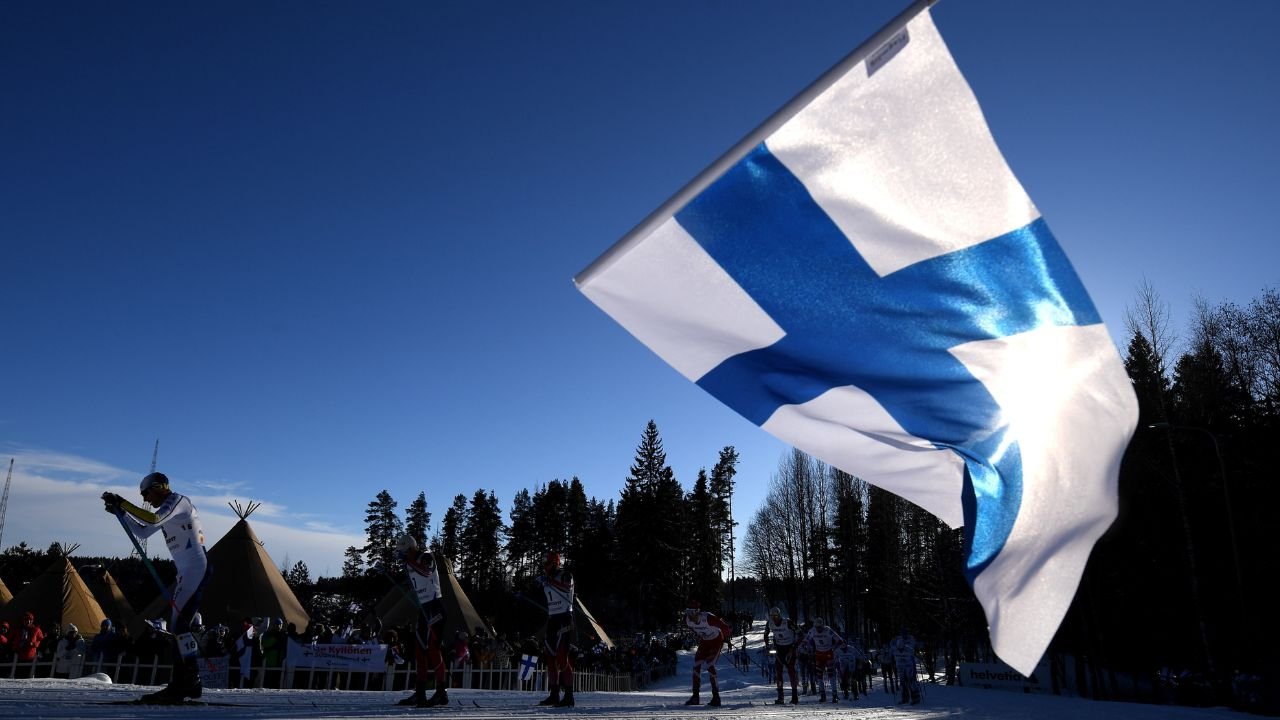
    Helsinki (AFP) – Finland remained the world’s happiest country for a seventh straight year in an annual UN sponsored World Happiness Report published on Wednesday.

    And Nordic countries kept their places among the 10 most cheerful, with Denmark, Iceland and Sweden trailing Finland.

    Afghanistan, plagued by a humanitarian catastrophe since the Taliban regained control in 2020, stayed at the bottom of the 143 countries surveyed.

    For the first time since the report was published more than a decade ago, the United States and Germany were not among the 20 happiest nations, coming in 23rd and 24th respectively.

    In turn, Costa Rica and Kuwait entered the top 20 at 12 and 13.

    The report noted the happiest countries no longer included any of the world’s largest countries.

    “In the top 10 countries only the Netherlands and Australia have populations over 15 million. In the whole of the top 20, only Canada and the UK have populations over 30 million.”

    The sharpest decline in happiness since 2006-10 was noted in Afghanistan, Lebanon and Jordan, while the Eastern European countries Serbia, Bulgaria and Latvia reported the biggest increases.

    The happiness ranking is based on individuals’ self-assessed evaluations of life satisfaction, as well as GDP per capita, social support, healthy life expectancy, freedom, generosity and corruption.

    Growing inequality

    Jennifer De Paola, a happiness researcher at the University of Helsinki in Finland, told AFP that Finns’ close connection to nature and healthy work-life balance were key contributors to their life satisfaction.

    In addition, Finns may have a “more attainable understanding of what a successful life is”, compared to for example the United States where success is often equated with financial gain, she said.

    Finns’ strong welfare society, trust in state authorities, low levels of corruption and free healthcare and education were also key.

    “Finnish society is permeated by a sense of trust, freedom, and high level of autonomy,” De Paola said.

    This year’s report also found that younger generations were happier than their older peers in most of the world’s regions — but not all.

    In North America, Australia and New Zealand, happiness among groups under 30 has dropped dramatically since 2006-10, with older generations now happier than the young.

    By contrast, in Central and Eastern Europe, happiness increased substantially at all ages during the same period, while in Western Europe people of all ages reported similar levels of happiness.

    Happiness inequality increased in every region except Europe, which authors described as a “worrying trend”.

    The rise was especially distinct among the old and in Sub-Saharan Africa, reflecting inequalities in “income, education, health care, social acceptance, trust, and the presence of supportive social environments at the family, community and national levels,” the authors said.

  • Body of Pakistani-German killed in Europe airlifted to Karachi

    Body of Pakistani-German killed in Europe airlifted to Karachi

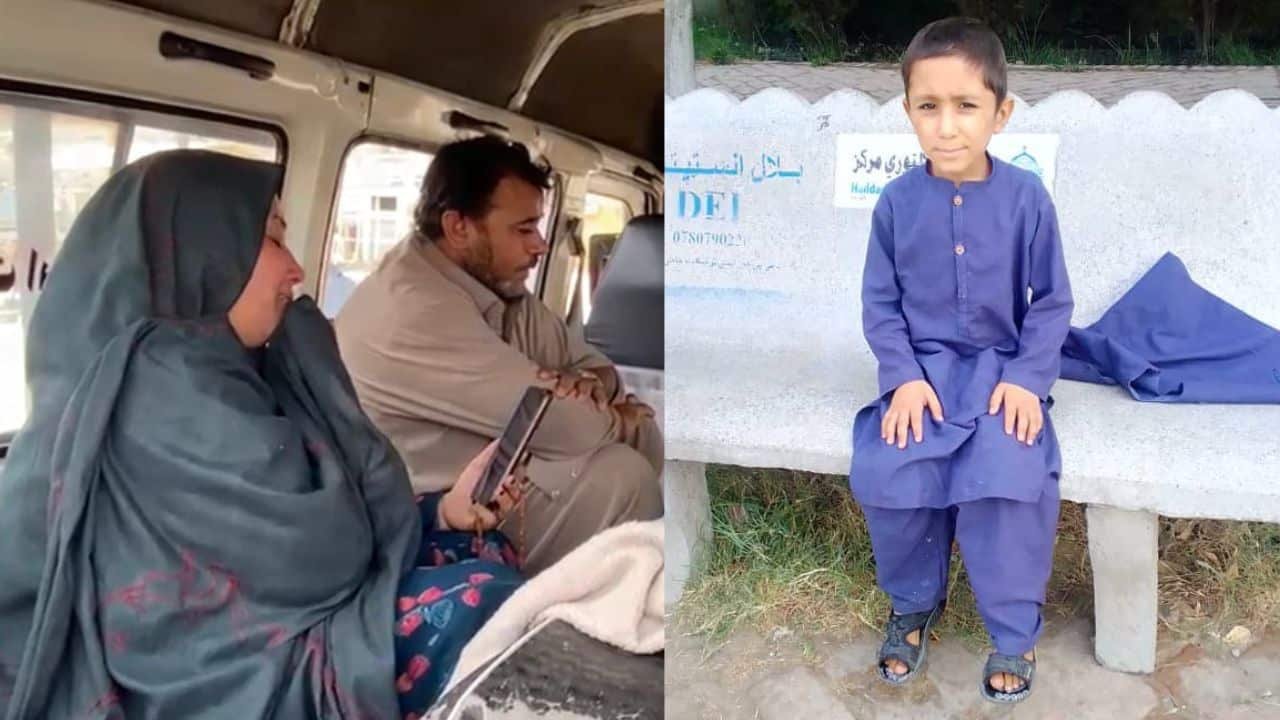
    The dead body of Faheemuddin, a German citizen of Pakistani origin who was killed in Germany, has reportedly been brought to Karachi.

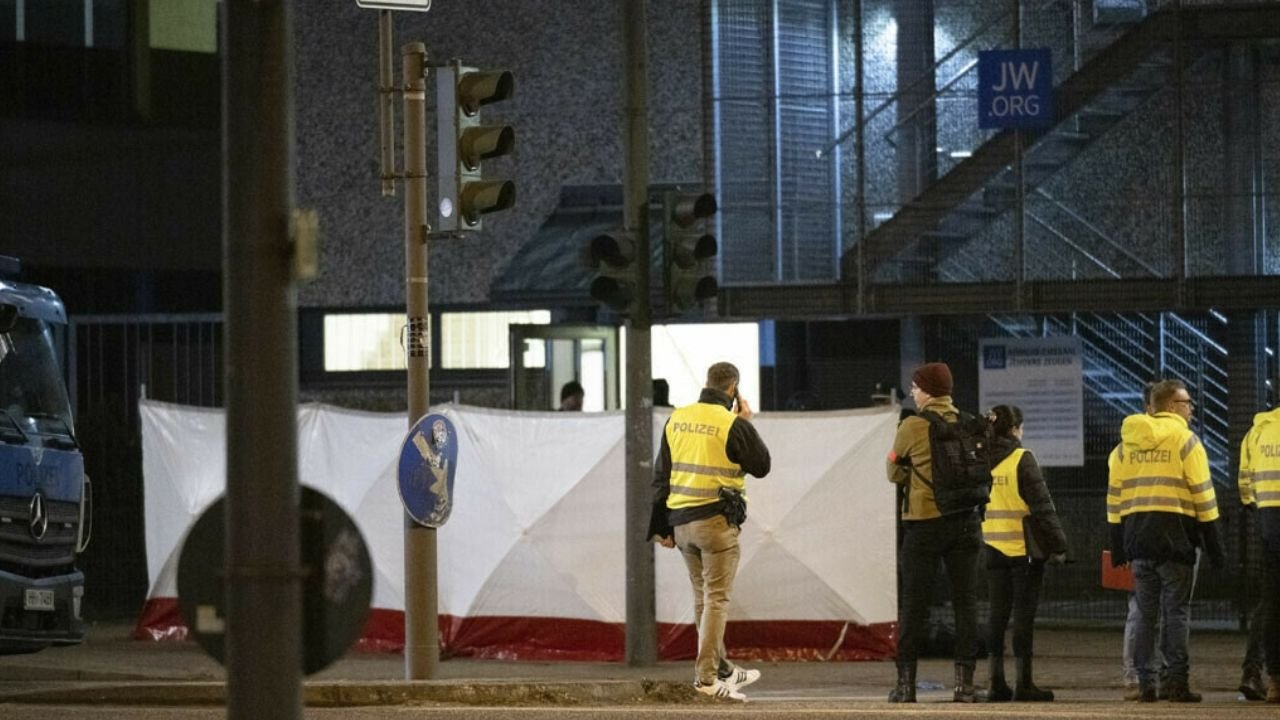
    Faheemuddin was murdered in the city of Ulm in the southern German state of Baden-Wurttemberg, when a local resident entered his house and attacked the family with a knife.

    As a result of the attack, 58-year-old Faheemuddin died on the spot, while his wife and 13-year-old daughter were seriously injured before being taken to the hospital for medical assistance.

    According to the police, two other daughters remained safe during the attack after they hid in the house. The police reached the scene after getting informed, shooting and killing the attacker.

    The police claim that the killer was mentally unwell and had returned from mental therapy a few months ago.

    Faheemuddin’s body has now been brought to Karachi. His funeral prayers will be offered in Federal B area after Zuhr prayer.

    His brother, Wajihauddin, said that Fahimuddin had been living in Germany with his family since 1992.

    Wajihuddin claimed that the killer was not a psychopath but a taxi driver, no one should be labelled as a psychopath.

  • European Countries That Allow Assisted Dying

    European Countries That Allow Assisted Dying

    France could become the next European country to legalise assisted dying for the terminally ill under a proposal set out by President Emmanuel Macron.

    In an interview with two French newspapers he suggested that adults with full control of their judgement, suffering an incurable and life-threatening illness in the short-to-medium term and whose pain cannot be relieved should be able to “ask to be helped to die”.

    Several other European countries already allow the terminally ill to receive help to end their lives.

    Here is a round-up of the situation:

    In April 2002, the Netherlands became the first country in the world to legalise active euthanasia, whereby doctors administer lethal doses of drugs to patients suffering from an incurable condition.

    It also legalised assisted suicide, where patients can receive help to voluntarily take their own life.

    The Dutch law said the patient must have “unbearable suffering with no prospect of improvement” and must have requested to die in a way that is “voluntary, well considered and with full conviction”.

    In 2012, the Netherlands expanded the law to authorise euthanasia for over-12s in great suffering, provided they have parental consent, and in 2020 to patients with severe dementia, if the patient had requested the procedure while still mentally competent.

    The Dutch government in April 2023 also approved euthanasia for children under 12 after years of debate, permitting mercy deaths for young minors suffering “unbearably and without hope”.

    Belgium was the second country to adopt euthanasia and assisted suicide in May 2002, and with similar caveats to the Dutch.

    In 2014 it went further than the Netherlands by allowing terminally ill children of all ages to also request the procedure, with the consent of their parents.

    Fellow Benelux country Luxembourg decriminalised euthanasia and assisted dying in 2009, followed by Spain in June 2021, which legalised both practices.

    Portugal in May 2023 adopted a bill decriminalising euthanasia, despite strong opposition from President Marcelo Rebelo de Sousa, a devout churchgoer.

    The law legalised euthanasia for people in great suffering and with incurable diseases.

    Switzerland, which prohibits euthanasia, has for decades allowed assisted suicide, making it the go-to destination for patients from around Europe looking for assistance to end their suffering.

    The growth of so-called “suicide tourism” has caused much soul-searching in Switzerland but the authorities decided in 2011 against restricting the practice.

    Neighbouring Austria, a staunchly Catholic nation, also legalised assisted suicide in 2022 after its constitutional court ruled the country was violating citizens’ fundamental rights in making it illegal.

    Italy’s constitutional court by contrast in February 2022 rejected a bid to hold a referendum on decriminalising assisted dying, judging that such a vote would fail to protect the weakest.

    But the court ruled that it should not always be punishable to help someone with “intolerable” physical or psychological suffering to commit suicide.

    The issue is also the subject of renewed public interest in Britain. In 2015, MPs voted overwhelmingly against allowing assisted dying but over 150,000 people have signed a petition calling for a new debate and vote.

  • European Conservatives want asylum-seekers transferred to third countries

    European Conservatives want asylum-seekers transferred to third countries

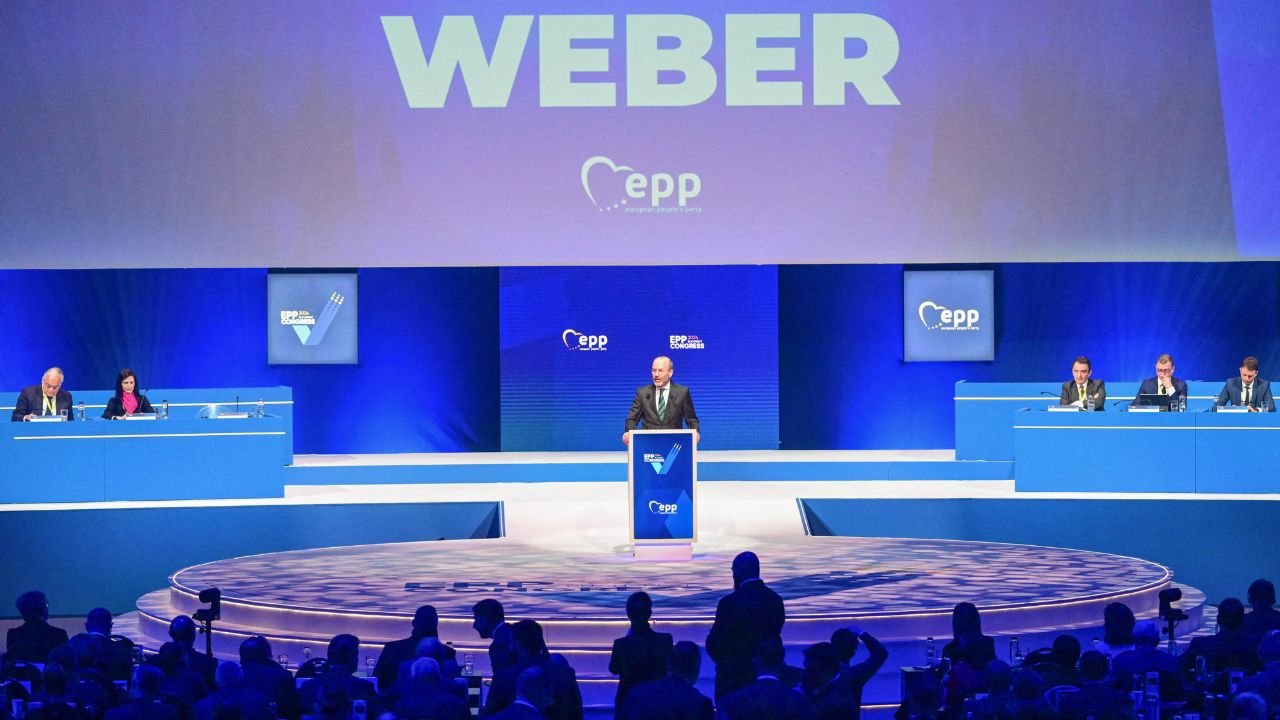
    The main conservative group in the European Union parliament will call for asylum-seekers to be moved to “safe third countries” to assess their claims in its  manifesto to be approved Wednesday for elections in June.

    The programme of the European People’s Party — which will formally back European Commission president Ursula von der Leyen as its candidate for a second term — picks up controversial proposals by several conservative parties across Europe.

    Britain, no longer an EU member, has notably embarked on plans to send undocumented migrants to Rwanda. Italy has a deal with Albania to set up centres to process migrants rescued in the Mediterranean.

    Asylum applications in EU countries surged to over one million last year, a seven-year high, with Syrians and Afghans remaining at the top of the list, as the EU works through an overhaul of its rules on asylum-seekers.

    Rules approved in December aim to share hosting responsibilities across the 27-country bloc and to speed up deportations of irregular migrants deemed ineligible to stay.

    In its manifesto, which is expected to be adopted at a congress in Bucharest, the EPP called for a “fundamental change in European asylum law”.

    “We want to implement the concept of safe third countries,” the manifesto reads.

    Under the proposal, those applying for asylum in the EU could be transferred to a third country, and if their claim is deemed valid will receive protection there.

    “A comprehensive contractual agreement will be established with the safe third country,” the manifesto details.

    Some of them could be admitted into the EU “through annual humanitarian quotas of vulnerable individuals,” allowing “us to address both security and integration requirements in the selection process”, it adds.

    Germany’s opposition Christian Democrats (CDU) — von der Leyen’s party — in its draft manifesto presented in December has also proposed sending asylum seekers to third countries.

    The move aims to bring down the numbers of migrants arriving in the EU, CDU official Jens Spahn told German media then.

    He mentioned Africa’s Rwanda and Ghana and Europe’s Georgia and Moldova as possible third countries.

    Britain has started negotiations with Rwanda to send migrants to Rwanda but there have been court objections.

    The scheme has been widely criticised as undercutting basic rights principles, with EU home affairs commissioner Ylva Johansson also expressing some reservations.

    In a different case, Italy signed a controversial deal with Albania — which is not part of the European Union — in November under which asylum seekers rescued at sea would be held in two migrant centres in Albania.

    The EPP meets Wednesday and Thursday in Bucharest and is to choose von der Leyen as their lead candidate for European Commission president.

    The EU elections are scheduled to take place from June 6-9.

  • Farmers protest: From India to Europe

    Farmers protest: From India to Europe

    Farmers are protesting from India to Europe, separately, for their rights and to register their rebellion with sitting governments against soaring fuel, and fertilizer costs, lower prices of their produce, and restrictive regulations. The protests are shedding light on the very pertinent issues faced by the primary food-producing sector of countries owning big agricultural markets.

    Demands of Greek farmers

    Farmers in Greece are protesting across the country against rising costs. They are conducting a tractor rally all across the country. Manolis Liakis, a farmer from the southern island of Crete, talked to __ and singled out fuel costs as his biggest problem. He said farmers pay more than three times as much for petrol as shipping companies due to tax disparities. Farmers can’t sell their products “for ridiculously low prices while the consumer buys them at extremely high prices”, he said.

    Demands of Polish farmers

    In Poland, farmers are blocking roads to stop cheap grain imports crossing the border from Ukraine. They are demanding a “complete embargo” on Ukranian produce. During the protests on Tuesday against competition from imports of cheaper Ukrainian products, farmers in Gorzyczki, southern Poland, unfurled a banner saying “Putin, get Ukraine, Brussels, and our government in order”. Consequently, the farmers were warned by the government against raising the slogans.

    Demands of Spanish farmers

    Spanish farmers are gathering with hundreds of tractors in tow to protest against the unfair competition from outside the European Union. They want to include production costs in the end product so they don’t end up selling their goods at a loss. Additionally, they want imported products to be subjected to the same conditions that they have to face.

    Demands of French farmers

    French farmers blocked a milk transport in protest against wholesale prices they say are too low. The farmers’ unions have made it clear they want ironclad assurances that their grievances over produce prices and red tape have been addressed. French Prime Minister Gabriel Attal is trying to negotiate and pacify the raging farmers with the negotiations.

    Demands of Czech farmers

    In Prague, farmers are on the roads because they feel neglected in the policy-making process. After all, they are not given due attention by the government. “Around 3,000 tractors took to the streets,” The Czech Chamber of Agriculture said in a statement on the nationwide protests. Their demands included an end to restrictions on agricultural production, cutting red tape for farming, and introducing changes to the EU-Ukraine arrangements on farming imports.

    Demands of Italian farmers

    In Rome, cowbells are clanking with the message that Farmers feed the world, but can’t afford to farm.

    Demands of Indian farmers

    In India, massive protests have broken out over minimum crop price guarantees which were promised nearly a year ago but not implemented by the government. Thousands of Indian farmers riding tractors attempted to resume their push towards New Delhi. They were attacked by the police claiming the life of young farmer Shubhkaran Singh and injuring 25 others. Farm unions are demanding a law to set a minimum price on all crops, expanding a government scheme that already exists for staples, including rice and wheat. They have also demanded other concessions, including the waiving of loans and universal pensions for farmers aged 60 and above.


    Concerns of Canadian Farmers

    In Canada, there are fewer environmental regulations but farmers feel a disconnect with the central government whose main mandate is based on the environment. They have been pushing forward all kinds of policies about fertilizer reduction and disallowing certain pesticides. The green policies and higher costs have instead of favouring them making farmers feel ignored. Experts say the consumers feel that lower output prices and higher input prices are just a way for the government to tell them that do whatever they want but in a cleaner and environmentally friendly way.

    Conclusion

    Protesting farmers are trying to divert attention to the most neglected yet important sector of a country which is the food-producing sector which is the backbone of both the society and the economy of the country yet remains ignored by the political class for their vested interests.

  • Italy, Home Of The Mafia, Now One Of Europe’s Safest Countries

    Italy may be the land that launched Cosa Nostra, but today it is one of the safest countries in Europe, with a murder rate well below its neighbours.

    From the mid-19th century through to the 1990s, thousands of people died in mafia violence, from rivals or traitors cast in cement or fed to pigs, to judges, priests and witnesses killed for daring to defy the mob.

    There were also the traumatic “Years of Lead” from the end of the 1960s to the 1980s, when armed groups from the extreme left and extreme right brought terror to Italy with bombings and assassinations.

    The brutal murder of former prime minister Aldo Moro by the Marxist-Leninist Red Brigades in 1978 is burned into the national psyche, although the largest number of the estimated 400 victims of the period were killed by neo-fascists.

    But when this bloody period ended, and after a crackdown on mafias which pushed them into less violent financial crime, the murder rate plummeted.

    Back in 1990, there were 34 murders per one million inhabitants in Italy, compared to 24 in neighbouring France, according to UN figures.

    In 2021-22, this had fallen to 5.5 per million in Italy and 11 in France, eight in Germany and 10 in the UK.

    In Europe, only Norway and Switzerland have a murder rate lower or equal to Italy’s, while Latvia, the worst, has a rate 6.5 times higher.

    “Homicides in general have decreased in the last 25 years, especially the percentage of men” — who previously were the main victims of mafias, noted Raffaella Sette, a sociologist at the University of Bologna.

    Just 10 percent of murders each year are now blamed on organised crime.

    “The mafias — the Camorra, the ‘Ndrangheta, the Cosa Nostra — have radically changed their way of operating,” said Gianluca Arrighi, a criminal lawyer who writes police novels.

    “Today, they operate from a more economic point of view, buying up real estate, entering into companies,” he said.

    Analysing the causes of violence across different countries is always risky, but Arrighi believes several factors are at play.

    While Italy is poorer than its comparable EU neighbours, he says this is not always detrimental to social well-being, saying “goodwill” between people can help compensate for life’s difficulties.

    “The higher the conflict in a society, the higher the number of murders, committed by people who are in some state of anger,” Arrighi told AFP.

    The murder rate is, however, higher in the south of Italy, the poorest part of the country.

    But Stefano Delfini, head of criminal analysis at the government’s department of public security, agrees that “our society is less violent”.

    “The social fabric is more resistant, probably because of the presence of family values which mean difficulties are felt in a less harsh way.”

    Another factor that drives violence in other countries is alcohol or drug use, particularly in France and the UK.

    Italy does not keep data on this, but consumption of alcohol is the lowest in the EU, according to the World Health Organization.

    There is rising awareness in Italy about femicides — killing of a woman or girl by a partner, spouse or family member — with 97 recorded in 2023, out of a total 330 murders.

    A lack of harmonised data on femicides makes comparisons with other European countries difficult.

    But statistics compiled by the World Bank for 2021 show a rate of 3.9 murders of women per one million people in Italy, well below the 6.8 in France and 8.0 in Germany.

    © Agence France-Presse