Tag: European Union

  • Western ambassadors to skip Nagasaki memorial after Japan exclude Israel

    Western ambassadors to skip Nagasaki memorial after Japan exclude Israel

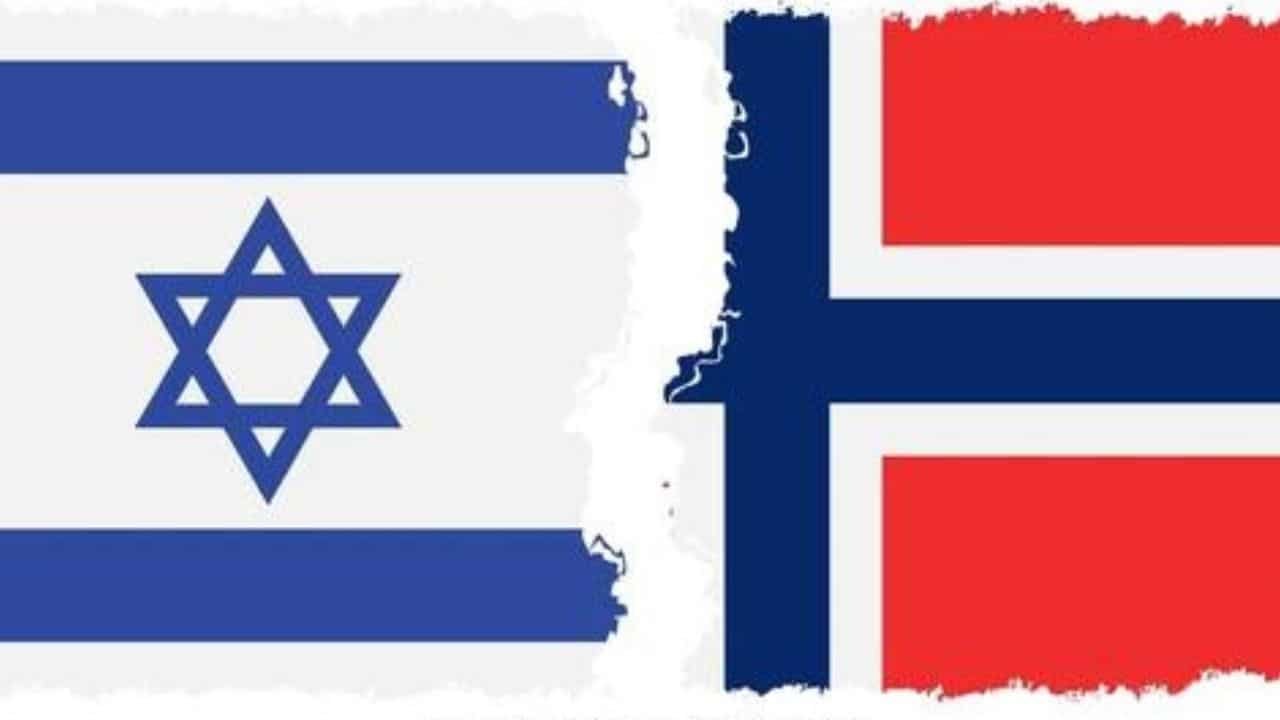
    Ambassadors from Western countries including the United States will skip a ceremony marking the 79th anniversary of the bombing of Nagasaki after Israel was snubbed, officials said Wednesday.

    Nagasaki’s mayor last week said that Israel’s ambassador Gilad Cohen was not invited to Friday’s event in the southern Japanese city because of the risk of possible protests over the Gaza conflict.

    The US and British embassies said on Tuesday that their ambassadors would not take part as a result, and that their countries would be represented by lower-ranking diplomats.

    Media reports said that Australia, Italy, Canada and the European Union, who together with the US, Britain and Germany signed a strongly worded joint letter to Nagasaki’s mayor last month, would follow suit.

    US ambassador Rahm Emanuel will not attend “after the mayor of Nagasaki politicised the event by not inviting the Israeli ambassador”, an embassy spokesperson told AFP.

    Instead Emanuel, 64, who was ex-president Barack Obama’s chief of staff, will go to a separate event at a temple in Tokyo, the spokesperson said.

    The British embassy said that ambassador Julia Longbottom would also not be in Nagasaki, saying that not inviting Israel “creates an unfortunate and misleading equivalency with Russia and Belarus — the only other countries not invited to this year’s ceremony.”

    A spokesperson for the French embassy said that its number two would attend, telling AFP that the “decision not to invite the representative of Israel is regrettable and questionable”.

    Nagasaki mayor Shiro Suzuki had said last week that the decision not to invite Cohen was “not politically motivated” but based on a desire to “hold the ceremony in a peaceful and sombre atmosphere”.

    In June Suzuki said Nagasaki had sent a letter to the Israeli embassy calling for an “immediate ceasefire” in Gaza.

    Cohen, who was invited to and attended a memorial ceremony on Tuesday in Hiroshima, last week had said the Nagasaki decision “sends a wrong message to the world”.

    “As a close friend and like-minded nation of Japan, Israel has attended this ceremony for many years to honor the victims and their families,” he wrote on social media platform X.

    On Monday Cohen told US broadcaster CNN that the security concerns were “invented” and that he was “really surprised by (Suzuki) hijacking this ceremony for his political motivations.”

    In their letter to Suzuki seen by AFP, the six Western envoys had warned that if Israel was excluded “it would become difficult for us to have high-level participation at this event.”

    Government spokesman Yoshimasa Hayashi on Wednesday declined to comment, saying invitations were “a decision for the organiser, Nagasaki City.”

    A Nagasaki official in charge of the ceremony said it was “obviously better to have high-level individuals, like ambassadors themselves, taking part”.

    “What is important is that representatives of the countries will attend the ceremony,” he told AFP.

    hih-mac-stu/kaf/mca

    © Agence France-Presse
  • 10 easiest European citizenships

    10 easiest European citizenships

    Many people from developing countries aspire to acquire citizenship in European states. Some countries offer relatively straightforward paths to citizenship, while others present significant challenges. Sweden stands out as the easiest country in Europe for obtaining citizenship, whereas Estonia and Latvia are the most challenging.

    A recent study by CIS analysed Eurostat immigration data from 2009 to 2021 to identify which countries have the highest and lowest rates of non-EU residents acquiring citizenship.

    The analysis revealed that the nine most challenging countries to obtain citizenship are located in Central Europe. Estonia ranks as the most difficult country for non-EU citizens to naturalise, with the lowest average acquisition rate—approximately one in 200 residents. Additionally, the acquisition rate for men in Estonia is lower at 0.58 percent compared to 0.69 percent for women.

    Latvia, the Czech Republic, and Lithuania also have acquisition rates of less than 1 percent for non-Europeans, contrasting sharply with the average of 3.56 percent across European countries. Austria, Liechtenstein, Slovakia, Slovenia, and Germany follow, granting citizenship to about one in fifty non-EU residents. Denmark, outside Central Europe, presents the next highest hurdle with an acquisition rate of 2 percent.

    Over the past decade, six of the ten most challenging countries have seen an increase in citizenship grants year-on-year, particularly Denmark, which experienced a notable rise. Germany’s acquisition rate remained stable, while Latvia, Lithuania, and Slovenia saw declines.

    Many countries implement various programs aimed at attracting foreigners, including opportunities for investment, as well as citizenship and tax benefits.

    Individuals seeking migration often favour Golden Visa and Golden Passport routes, terms that are sometimes used interchangeably despite minor distinctions.

    10 Easiest European Countries to Get Citizenship

    According to the report, Sweden ranks as the easiest country, with nearly one in ten (9.3 Perce) non-EU residents obtaining citizenship—more than double the EU average.

    Sweden boasts the highest acceptance rates for both genders, with women experiencing a slightly higher acceptance rate of 10.02 percent compared to 8.66 percent for men.

    Norway, the Netherlands, Portugal, and Iceland follow as the second to fifth easiest countries to acquire citizenship, with an acquisition rate of one in 25 (4 percent).

    Data shows that northern European countries generally have the highest citizenship acquisition rates, with Sweden, Norway, Iceland, and Finland leading the pack.

    In southern Europe, Portugal emerges as the easiest, while the Netherlands, Ireland, and the United Kingdom are the most accessible Western European states for citizenship. The UK ranks eighth, with nearly three in 50 (3.2 percent) residents granted citizenship.

    Poland and Croatia are the easiest countries in Central Europe for changing nationality, with acquisition rates of 4 percent and 3.9 percent respectively. Northern and Western Europe present the most accessible regions for nationality changes, with an acquisition rate of 5.9 percent compared to 1.9 percent in Central Europe and 3.6 percent in the South.

  • EU accused of funding migrant dumping in Sahara

    EU accused of funding migrant dumping in Sahara

    The European Union admitted on Tuesday to a “difficult situation” after a journalism consortium said Tunisia, Morocco, and Mauritania were dumping migrants in the desert, using the bloc’s funds.

    The wide-ranging investigation by Lighthouse Reports with outlets including Le Monde and The Washin­gton Post paints the EU as complicit in a “system of mass displacement” and serious rights abuses.

    “Europe supports, finances and is directly involved in clandestine operations in North African countries to dump tens of thousands of black people in the desert or remote areas each year to prevent them from coming to the EU,” a report said.

    Such operations, it said, were “run thanks to money, vehicles, equipment, intelligence and security forces provided by the EU and European countries”.

    “This is a difficult situation. It’s a fast-moving situation, and we will continue to work on it,” European Commission spokesman Eric Mamer told reporters when questioned about the investigation.

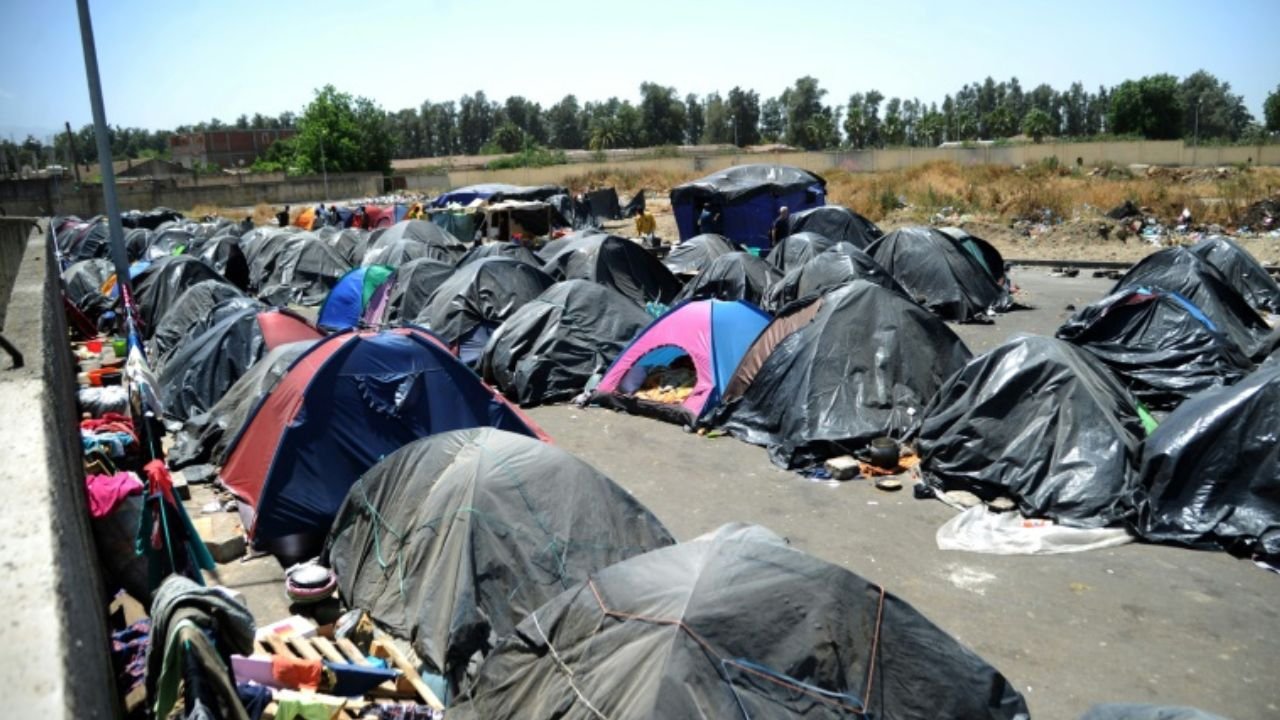
    The report said refugees and migrants in Morocco, Mauritania and Tunisia were being “apprehended based on the colour of their skin, loaded onto buses and driven to the middle of nowhere, often arid desert areas”, without water or food.

    Others reportedly were taken to border areas where they were allegedly “sold by the authorities to human traffickers and gangs who torture them for ransom”. The 27-nation EU has struck deals with the three named countries with explicit financing to boost stopping irregular migration to Europe.

    Brussels has given 150 million euros ($160 million) to Tunisia under a recent accord, with more promised. It has also allocated 210 million euros to Mauritania and 624 million euros to Morocco under the cooperation agreements.

    Racially motivated practices

    The EU’s efforts to have African countries stem migration flows across the Mediterranean Sea go hand in hand with a newly agreed overhaul of the bloc’s asylum rules. These will make EU borders tighter and speed up the deportation of unsuccessful asylum seekers.

    The Lighthouse Reports said it interviewed more than 50 black migrants — all of them from sub-Saharan Africa and West Africa — who had been expelled from the three North African countries.

    Their testimony, including videos and photos, “helped us to recognise the systematic and racially motivated nature of the practices,” along with the consortium’s own evidence gathering, it said.

    It cited unnamed European officials as denying that EU funds were being used to violate migrants’ rights. But it said two EU sources acknowledged it was “impossible” to fully account for how the funding from Brussels was being used.

    The European Commission — the EU’s executive arm — did not respond explicitly to the report’s allegations. Commission spokeswoman, Ana Pisonero, said: “Sometimes the situation is challenging in our partner countries… (but they) remain sovereign states and they continue to be in control of their national forces.” She said the EU monitored programmes it provided funding for, and noted pledges from partner countries to uphold international law and human rights.

  • Understanding GSP+ status: What it means for Pakistan’s trade relations

    Understanding GSP+ status: What it means for Pakistan’s trade relations

    The Pakistan Tehreek-e-Insaf (PTI) has vehemently dismissed accusations levelled by Federal Information Minister Attaullah Tarar, labelling them as unfounded and baseless.

    In a statement issued today, the PTI refuted claims made by Tarar, asserting that they are nothing but a concoction of falsehoods and rhetoric aimed at maligning the party’s reputation.

    Earlier, Tarar had accused the PTI of plotting to undermine Pakistan’s Generalised Scheme of Preferences Plus (GSP+) status.

    He alleged that the party’s spokespersons were actively engaged in activities detrimental to the country’s interests under the directives issued from confinement.

    Understanding GSP+ and its significance for Pakistan’s economy

    The GSP+ status, a cornerstone of Pakistan’s trade relations with the European Union (EU), holds significant importance for the nation’s economy.

    Under this scheme, selected developing countries, including Pakistan, receive extensive trade concessions aimed at fostering sustainable development and good governance practices.

    The European Union’s GSP+ Scheme is founded on the effective implementation of 27 United Nations conventions covering various aspects such as human rights, labour rights, climate change, narcotics control, and corruption.

    Once granted GSP+ status, beneficiary countries are subject to rigorous monitoring to ensure compliance with the stipulated conventions and reporting requirements.

    The dialogue on GSP+ compliance involves various stakeholders, including international monitoring bodies, civil society, trade unions, and businesses.

    Regular monitoring visits are conducted by the EU to assess the progress of beneficiary countries in addressing the outlined issues.

    The significance of GSP+ for Pakistan’s economy cannot be overstated, particularly for its textile industry and workforce.

    Over the past decade, Pakistan has witnessed a notable increase in exports to the EU, accompanied by a surge in EU imports, owing to the preferential treatment offered under the GSP+ scheme.

  • Overseas remittances to Pakistan soar to $2.4 billion

    Overseas remittances to Pakistan soar to $2.4 billion

    The State Bank of Pakistan (SBP) revealed that the inflow of overseas workers’ remittances reached $2.4 billion in December 2023, marking a notable 5.4 per cent increase from the previous month’s $2.25 billion, according to data released on Wednesday.

    On a yearly basis, December’s remittances exhibited a robust growth of 13.4 per cent, totaling $2.1 billion compared to the same period in the previous year.

    These remittances continue to play a pivotal role in sustaining Pakistan’s external account, fostering economic activity, and supporting the disposable incomes of remittance-dependent households.

    Despite the December upswing, the cumulative workers’ remittances for July-December FY24 recorded a decline of 6.8 per cent Year-on-Year (YoY), amounting to $13.43 billion.

    This decrease amounted to $982.8 million compared to the $14.42 billion reported in the corresponding period of FY23.

    Saudi Arabia

    Overseas Pakistanis in Saudi Arabia led the remittance surge in December, contributing $577.6 million. This figure marked a 6 per cent increase from the previous month and over 9 per cent higher than the same month in the previous year.

    United Arab Emirates (UAE)

    Remittances from the UAE witnessed a marginal monthly increase of nearly 2 per cent, rising from $411.8 million in November to $419.2 million in December. Year-on-year, these remittances surged by almost 27 per cent.

    United Kingdom (UK)

    December saw an uptick in remittances from the United Kingdom, totaling $368 million—a 7.5 per cent increase compared to November 2023.

    European Union (EU)

    Remittances from the European Union demonstrated substantial growth, rising by 19 per cent YoY and 6 per cent on a monthly basis, reaching $284.9 million in December 2023.

    United States (US)

    Overseas Pakistanis in the United States sent $263.9 million in December 2023, reflecting an 8.5 per cent YoY increase.

    This breakdown underscores the significance of remittances from various regions, contributing to Pakistan’s economic resilience amid global challenges. 

    The upward trajectory in December bodes well for the nation’s economic prospects as it navigates through the fiscal year.

  • 40 countries to hold elections in 2024, including Pakistan

    40 countries to hold elections in 2024, including Pakistan

    The new year is just over one month away and it is going to be the biggest election year in history yet.

    40 countries are scheduled to vote in 2024 across the globe which, as calculated by Bloomberg Economics, represent 41% of the world’s population and 42% of its global GDP.

    The marathon will begin with Taiwan in January and end with the US in November.

    Here are some of the prominent countries lined up for elections: Republic of the Congo, Democratic Republic of the Congo, Egypt, Gambia, and Libya in Africa; Brazil, Colombia, Mexico, Peru, the United States, and Venezuela in the Americas; Bangladesh, India, Indonesia, South Korea, Sri Lanka, Taiwan, Australia, and Pakistan in Asia and Oceania; Austria, Belarus, Belgium, the European Union, Finland, Germany, Ireland, Portugal, Russia, Spain, Turkey, Ukraine and the United Kingdom in Europe.

    There are, however, four elections that the world has eyes on — elections that are expected to alter geopolitics in the next decade.

    Russia will elect the new president in March who will govern until 2030, putting Russia-NATO relations at the forefront.

    In April-May, India will hold elections and as per analysts, Modi’s loss can push back investors.

    The European Union will conduct bloc-wide polls in June to appoint members of the European Parliament for the 2024-2029 which will be pertinent for the increasing friction between right-wing and left-wing policymakers on issues like immigration and Ukraine.

    The United States will hold legislative and presidential elections in November for 2025-2028, while everyone curiously waits whether Republicans will return to the White House or not.

  • EU report highlights rights issues and corruption in Pakistan

    On Tuesday, the European Commission and the European External Action Service (EEAS) jointly revealed a monitoring report on Pakistan’s Generalised Scheme of Preference, or GSP Plus.

    The report expressed concerns about forced disappearances, torture, and limitations on media freedom in Pakistan, which are seen as violations of international treaties.

    It urged Pakistan to enforce laws protecting economic, social, and political rights and raised reservations about the misuse of anti-corruption rhetoric for political purposes.

    Despite civilian rule since 2008, the report highlighted the military’s disproportionate role in politics and the economy.

    Covering 2020–2022, it focused on the May 9 riots and subsequent trials in military courts, recognising legislative progress but emphasising the need for improved practical implementation.

    Furthermore, the report read that although initial measures have been undertaken to limit the application of the death penalty, additional steps are required to bring them in line with international standards.

    This entails introducing a comprehensive revision of the mercy petition procedure.

    “It has undeniably increased awareness of human rights at the grassroots level, of labour rights within businesses and export supply chains and of the significance of environmental considerations and good governance.

    However, the full potential of the GSP+ benefit can only be realised by diversifying Pakistan’s exports to include more value-added products”, remarked EU Ambassador to Pakistan H.E. Dr Riina Kionka about the report.

    Pakistan attained GSP Plus status in January 2014, following the ratification of 27 international conventions and a commitment to their implementation.

    The GSP Plus incentive provides Pakistan with zero-rated or preferential tariffs on nearly 66 per cent of tariff lines, thereby bolstering the country’s capacity to export to the EU market.

  • Norway’s Parliament asks govt to be prepared for recognizing ‘independent’ Palestine

    Norway’s Parliament asks govt to be prepared for recognizing ‘independent’ Palestine

    Eight out of the ten parties represented in Norway’s parliament voted for the recognition of an independent Palestinian state in future.
    The proposition was propounded by the ruling coalition-to counter the resolution by smaller parties-calling for an immediate recognition of a Palestinian state.

    The resolution stated that the parliament “asks the government to be ready to recognize Palestine as an independent state when recognition could have a positive impact on the peace process, without making a final peace accord a condition.”

    The resolution has gained the ire of Israel as the process of evacuation of 60 Norwegian nationals from Gaza has been stopped as per reports.

    In Europe, Iceland, Sweden, Poland, Czech Republic, and Romania recognize the statehood of Palestine.

    Spain’s Prime Minister Pedro Sanchez has also ensured his parliament that the process of recognizing Palestinian’s right to statehood will be sped up.

    Belgium has also begun the process of recognizing the right.

    Irish opposition leader Mary Lou McDonald has reiterated the call for a ceasefire, asserting that “Palestinian people have a right to their homeland.”

  • Twitter(X) is not happy with EU’s letter to Elon Musk

    Twitter(X) is not happy with EU’s letter to Elon Musk

    On October 10, Commissioner European Union Thierry Breton, the face of Digital Service Act (DSA), called out Elon Musk for his platform X allegedly allowing the dissemination of “illegal content and disinformation in the EU.” He gave Elon a period of 24 hours to respond.

    Elon was quick to respond and it was sharp and crisp. “Our policy is that everything is open source and transparent, an approach that I know the EU supports.”

    He goes on to add, “Please list the violations you allude to on X, so that that the public can see them.”

    Among hundreds of reactions underneath this exchange, users questioned the credibility and commitment of the EU to ensure freedom of expression.

    One user points out that the intention behind the letter is to engage in “populism and propaganda”.

    Another points out the need to not be dictated.

    One highlights the hypocrisy of the statement.

    Other people were reminded of the autocratic government of Russia and the Thought Police of George Orwell’s 1984.

    Another posed the question directly, You would like to censor Palestinian users like Meta (Facebook) does, wouldn’t you?

    As per the sweeping rule book of DSA, the EU Commission can fine social media platforms up to 6 percent of their global turnover or, in extreme cases, block a site entirely from the EU.

    According to an article by WIRED, legal experts say that there are no immediate consequences and there is no obligation on the platform to respond. They are characterizing it as a “misstep” by Breton while the political leadership sees it as a publicity stunt.

    On the other hand, CEO of , Linda Yaccarino has already confirmed that it has “identified and removed hundreds of Hamas-affiliated accounts”.

  • EU parliament urges Indian PM Modi to protect minorities

    EU parliament urges Indian PM Modi to protect minorities

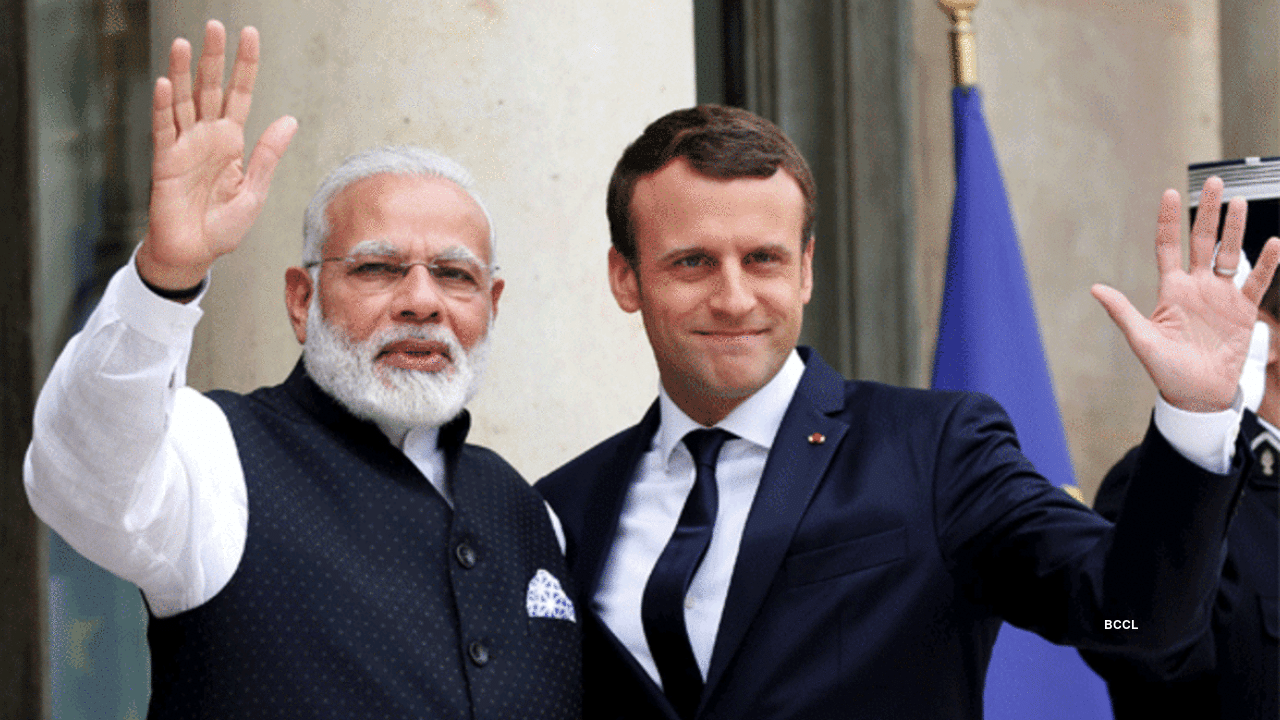
    On Thursday, the European Parliament urged Indian Prime Minister Narendra Modi to end ethnic violence in Manipur, and to do more to protect ethnic and religious minorities in India. Modi is currently on an official visit to France, having been invited to attend the country’s annual Bastille Day national festival as a guest of honour. 

    However, between the ceremony and the diplomatic courting, EU parliamentarians in Strasbourg approved a motion that urged India to end violence in the country’s northeastern Manipur state, and to protect the minorities there. 

    The motion also criticised the ‘national rhetoric’ of the local state government, run by Modi’s right-wing Bharatiya Janata Party (BJP). EU parliamentarian Pierre Larrouturou released a statement on his Twitter, with an accompanying video.

    In his tweet, Larrouturou stated that Modi and Macron can “pretend that everything is going well in India”,however, the EU parliament is recalling facts, and strongly condemns the human rights violations that take place in India.

    “Every day in India, thousands of Muslims, Christians, and members of ethnic minorities see their rights repressed,” the statement read. “To remain silent on the situation would have been a humiliation for all those who fight for their fights and suffer every day from the Hindu nationalism imposed by the Modi government.”

    In May, CNN reported how residents of Manipur say there has been a breakdown of law and order. This was after a spell of violence that left at least 58 dead and tens of thousands more homeless.

    In a speech to the public, Larrouturou went on to point out, “In Manipur, for the past two months, we have seen monstrous violence. Over 120 people have died and 1700 homes have been devastated, 250 churches have been destroyed, 40,000 people have fled for their lives.”

    Despite differences over the war in Ukraine, namely India’s continued support to Russia, as well as tensions over human rights violations in the country, Western democracies are courting Modi and what is currently the world’s most populous country, as a counterweight to China’s influence in Asia.

    India is also one of the largest global buyers of French arms. On Thursday, India approved in principle the purchase of 26 French marine Rafale jets and three Scorpene-class submarines, news agency ANI reported. 

    During Modi’s last visit to Paris in 2015, he announced a landmark deal for 36 Rafale fighter jets worth around €4 billion ($4.48 billion).