Tag: EV

  • Samsung Galaxy S23 to launch with high capacity battery, inspired by electric vehicles

    Samsung Galaxy S23 to launch with high capacity battery, inspired by electric vehicles

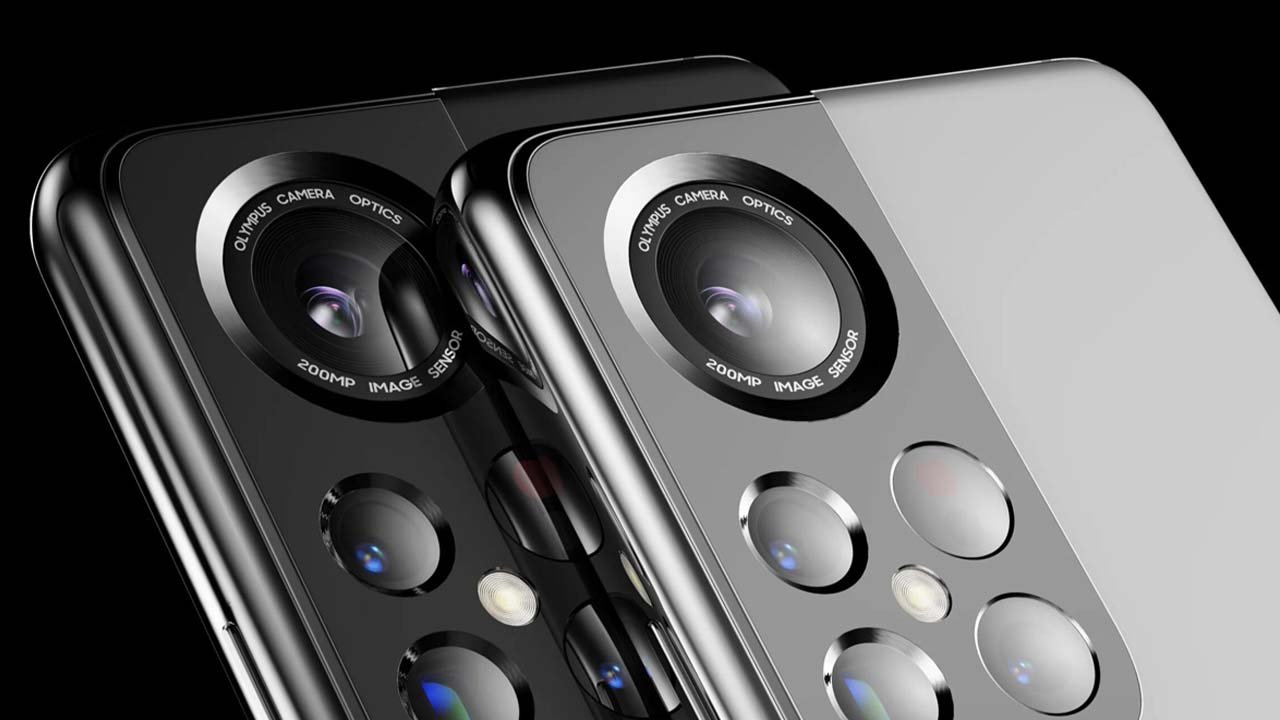
    The Korean tech giant, Samsung will offer the upcoming Galaxy S23 series with larger batteries, presumably in an attempt to rival Apple’s industry-leading battery longevity. These improvements will be made possible by an electric vehicle (EV) inspired battery technology that allows a 10 per cent increase in energy density.

    Apple’s existing smartphones continue to have the best battery life in the industry. Samsung’s next-generation mainstream flagships, the Galaxy S23 series, appear to be set to change things up. The Galaxy S23 series, codenamed ‘Diamond’ is expected to have significantly larger batteries than the Galaxy S22 series, according to new rumours.

    The Galaxy S22, in contrast, has been chastised for reducing from the Galaxy S21’s 4,000 mAh battery to a 3,700 mAh unit. Samsung is expected to address this with the Galaxy S23, which is expected to feature a 4,500 mAh battery. The Galaxy S23 Plus and Galaxy S23 Ultra are expected to receive similar updates, with battery capacities increasing to 5,000 mAh and north of 5,500 mAh, respectively.

    All of this appears to be due to Samsung’s ambitions to incorporate new battery technology into the Galaxy S23 series. Samsung Digital Interface (SDI) will leverage the stacking technology it uses for its EV battery production on future smartphone batteries.

    Read more: Netflix loses 200,000 subscribers in Q1 2022, projects deeper losses in Q2

    This technology will allow smartphone batteries to have a 10 per cent higher energy density. Production is allegedly already underway, with a line at the company’s plant in Tianjin, China. Still, the Samsung Galaxy Z Fold 4 is unlikely to gain from this advancement.
  • Hyundai Pakistan launches another variant of obsolete Elantra

    Hyundai Pakistan launches another variant of obsolete Elantra

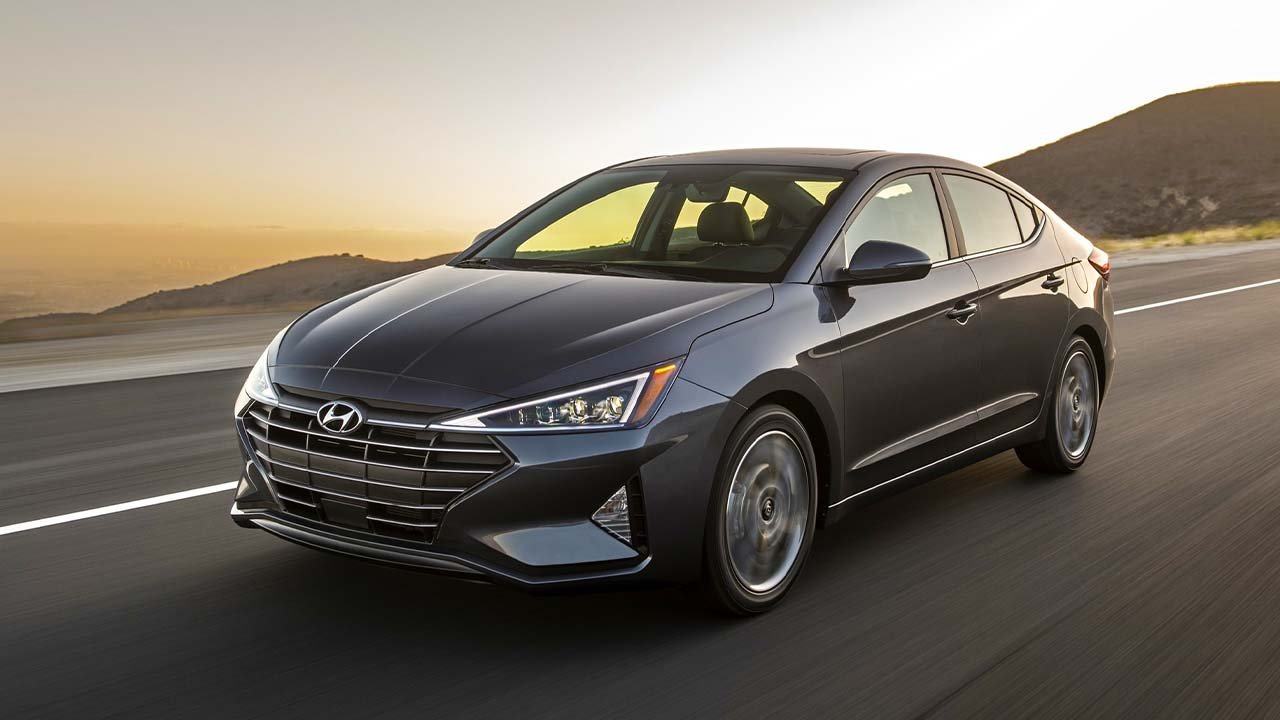
    Hyundai-Nishat has introduced the long-awaited Elantra GL 1.6, with a hefty price tag of Rs4.3 million for the ‘base trim’.

    This model was predicted to compete with the Altis X 1.6, but Rs4.3 million for a base model does not seem to attract much for a car that already existed.

    The ‘latest sedan’ is now available for bookings at Hyundai dealerships for Rs1.2 million. In terms of appearance, the new Elantra GL is identical to the GLS model. The majority of the changes have occurred on the inside.

    GL’s naturally aspirated 1.6-liter 4-cylinder petrol engine produces 127 horsepower (hp) and 155 Newton-meters (Nm) of torque in the new model. It has a 6-speed automatic transmission that drives the front wheels.

    The Toyota Corolla Altis 1.6L, which is priced between Rs3.92 million and Rs4.3 million, will be the Hyundai Elantra GL’s main rival which comes with a 4-year or 100,00 km warranty. Hyundai, as a newcomer to Pakistan’s automarket, appears to be up against a formidable opponent: Toyota Indus, which has been selling automobiles for decades and is known for its sturdiness.

    Read more: Toyota to launch its first electric car with 559 km range next month

    It is too early to comment on its performance at the moment, as its fate will be revealed in the near future when Pakistan Automotive Manufacturer’s Association releases the monthly sales data.

  • Hyundai’s upcoming car can run house appliances

    Hyundai’s upcoming car can run house appliances

    Electric vehicle (EV) makers are always looking for ways to increase the appeal of their potential buyers by increasing the novelty and utility of their cars.

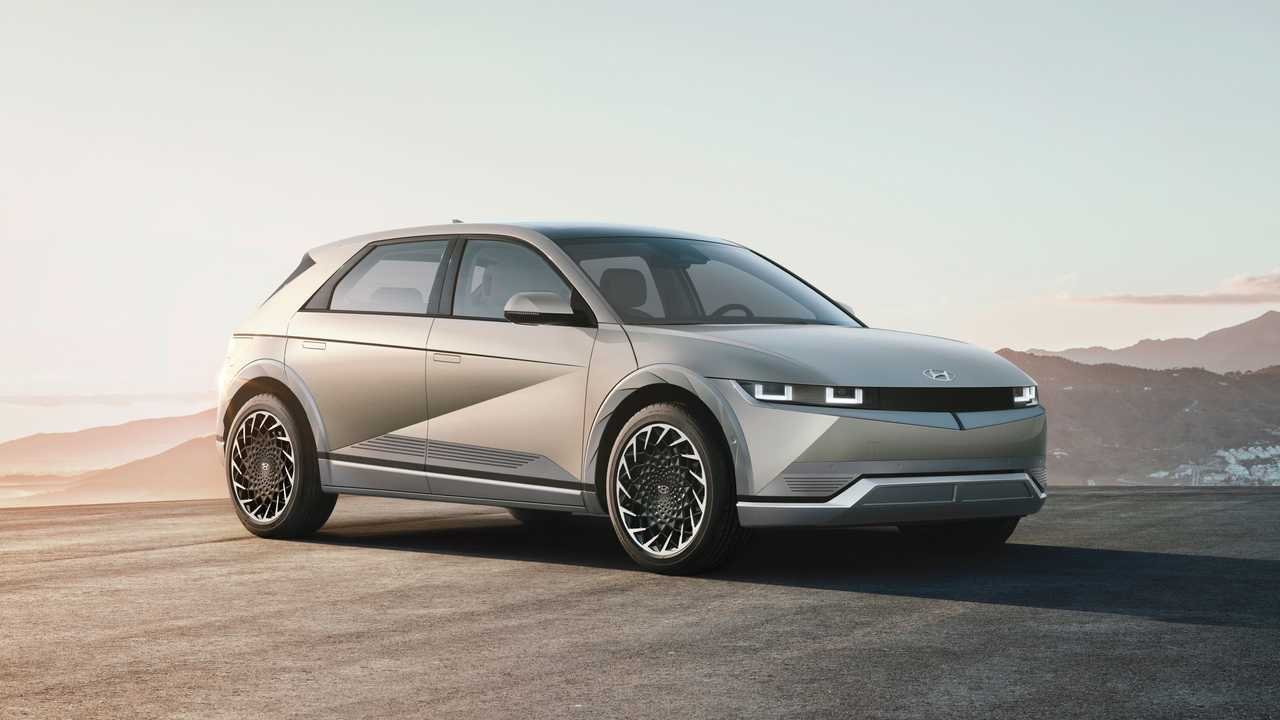
    The latest example is of Hyundai’s Ioniq 5. One of its commercials shows a group of happy and energetic individuals on a camping trip enjoying activities like working out, cooking meals, and watching TV, with all their electronic appliances connected to the Ioniq 5.

    Ioniq 5 can give 3.5 Kilowatt (KW) of power to run appliances like refrigerator, treadmill or run a stove.

    Hyundai aims to seek the attention of young people and they are trying to catch up with the EV pioneers like Tesla and the Volkswagen Audi Group (VAG), among others.

    Hyundai claims to be the first automaker that has developed a car capable of both power consumption and power supply features.

    To meet the competition, General Motor Company (GMC), Tesla and Rivian will also add this feature to their upcoming cars.

    Hyundai has also added the option to add solar power to the car, and it will give an additional 1,300 Kilometer (KM) range to travel.

    Pakistanis often argue that such developments are of no relevance to our market, but bear in mind that the normalisation of EVs across the globe is inevitable, which is why Pakistan’s goal should be to promote EVs in a positive light to facilitate a paradigm shift in Pakistan’s growing automotive market.