Tag: exclusive

  • ‘Over make-up, old, meatball’: Ali Azmat’s derogatory remarks on Noor Jehan

    ‘Over make-up, old, meatball’: Ali Azmat’s derogatory remarks on Noor Jehan

    Pakistan’s pop singer Ali Azmat recently appeared on Ahmad Pansota’s show and talked about Pakistani Music and Arts. He also talked about the veteran singer Noor Jehan, a musical legend who is celebrated transnationally.

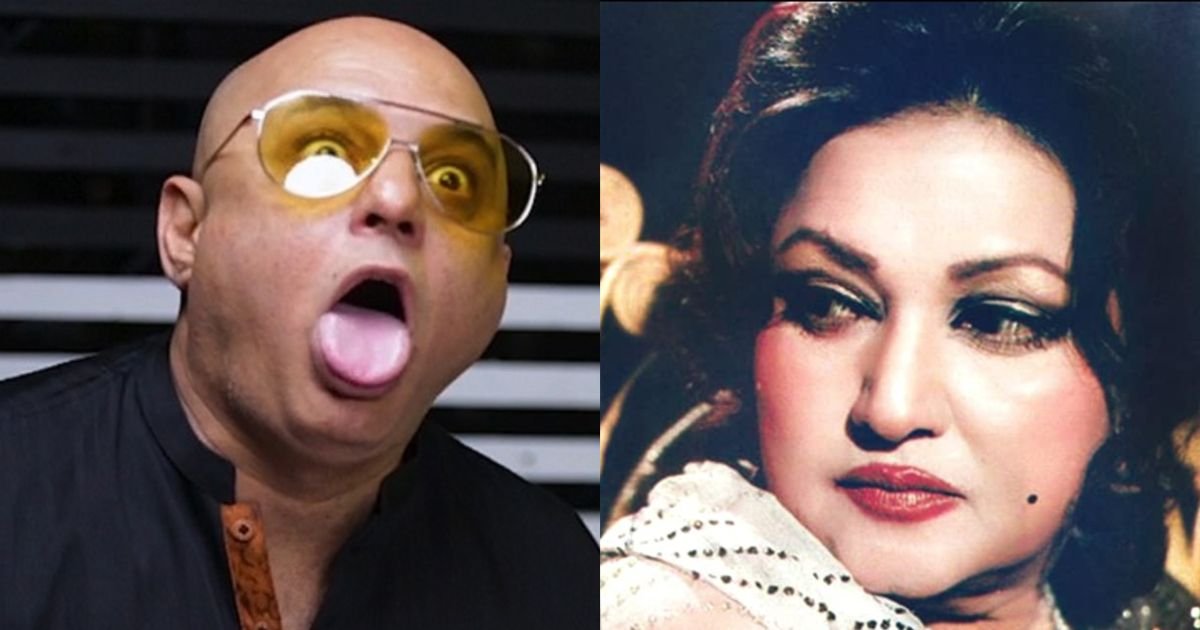
    While Talking about the music industry of Pakistan’s transition over the years, the Jazba Junoon singer mentioned: “In my childhood, Noor Jehan used to sing on a show draped in Saari with big earrings and extra makeup on. We used to hate that woman.”

    Passing ageist comments, he said: “Looked like a meatball, she was an old age woman at that time and we used to think that it’s not necessary for us to watch it.”

    “This was the time when we accepted the other culture and it became a norm later on,” he added.

    While mentioning the American society, he said that they are also not very fond of the sensationalism and forbid their children to do drugs and adopt it.

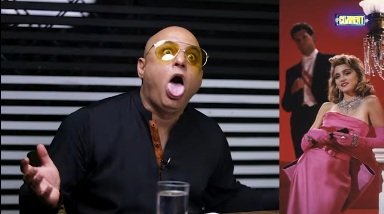
    He also said that he is entitled to reject that. “I’m not a person that if Madonna is appearing on screen and I will stick my tongue out,” said Azmat while sticking his tongue out, adding, “Yes it happened but after few minutes someone said to close it, otherwise a fly will enter in your mouth.”

    Meanwhile, the said remarks were strongly opposed by Ahmad Pansota.

  • Samar Khan accused of faking cycling to K2 base camp, clarifies her stance

    Samar Khan accused of faking cycling to K2 base camp, clarifies her stance

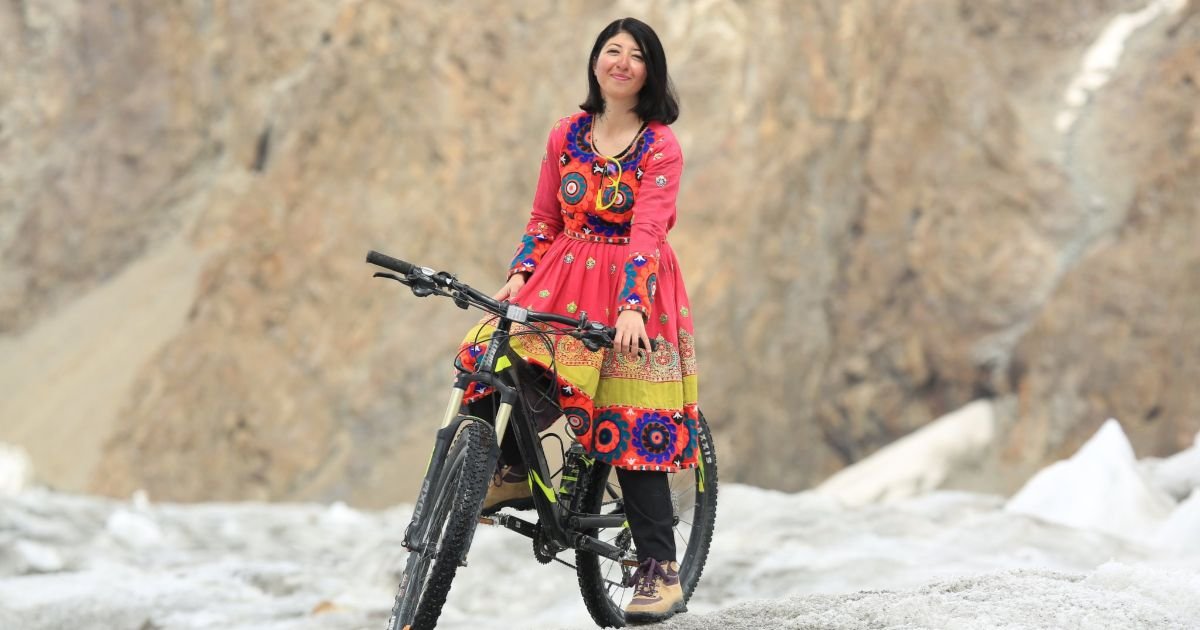
    Samar Khan has clarified her stance after a handful of people tried to dismiss her achievement.

    The Current reached out to Samar after her audio clip was leaked on social media by a journalist Jamil Nagri in which she was allegedly being angry at the journalist and locals of Gilgit-Baltistan for dismissing her feat.

    When we asked her about the area she covered on her bicycle and on foot, she said: “Around 15-20 per cent of the trek is paddled by me, in remaining parts I mostly dragged and lifted my bike, as there was hardly a trek for proper walk.”

    When we questioned her about the leaked audio, she clarified: “It’s a leaked WhatsApp audio, where my response has been uploaded on Twitter by a local Balti Journalist Jamil Nagri, whose abuse on social media I was answering at that time. He, with his few friends, started mocking and abusing me on different platforms and the audio is more than this, but a specific chunk has been leaked to use it against me and to get sympathies by using GB (Gilgit-Baltistan) card and arousing emotions of the locals.”

    “Being an athlete, I just rode my bicycle, which made these weak men insecure enough to play these games against me,” she added.

    “I already released my statement on Twitter with an apology but still receiving life threats and abuse.”

    Taking to Twitter, she wrote: “I take complete responsibility of my words but keep in mind it was a personal voice note intended for a single individual, so all of my F’s goes to him only, because nobody can bring here a single public post of mine which spreads hate between #GB.”

    “I offer my apologies to Balti friends whose sentiments got hurt by my words. I am grateful for all the love I always received from GB. I wish the complete abuse would have been shared here instead of uploading a chunk from my response to manipulate people for personal sympathies,” she said in another tweet.

    https://twitter.com/SKhanAthlete/status/1428982990114213888?s=20

    Khan has become the only female cyclist to reach the base camp of the world’s second tallest peak K2. She holds the title of the first Pakistani to summit Mount Kilimanjaro and the Biafo Glaciers in the Karakoram Range on a bike, has set a unique record by reaching the base camp of the savage mountain via cycle.

    Earlier, Samar gave it back with the same dismissiveness.

  • EXCLUSIVE: The real deal to Shahzeb Khanzada’s six pack

    EXCLUSIVE: The real deal to Shahzeb Khanzada’s six pack

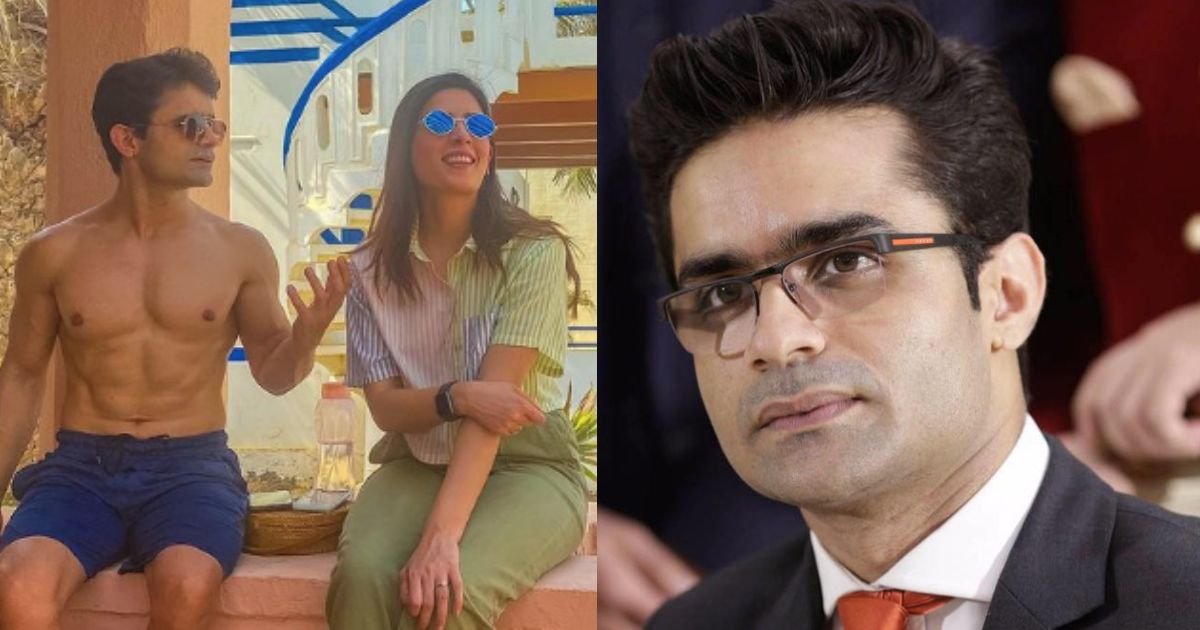
    A picture of Journalist and Anchorperson Shahzeb Khanzada with six-pack abs is circulating on social media and fans are amazed to see a serious anchor person with such a hot physique.

    His wife Rushna Khan took to Instagram to share the picture.

    After the picture went viral on social media, we The Current reached to a very close source to Shahzeb and asked some questions about his fitness and daily eating routine.

    The source revealed that Shahzeb wakes up early in the morning and reads the newspaper while having black coffee. The source further added that Shahzeb usually has fruits and juice in breakfast and his usual lunch is six egg whites.

    When we inquired about his workout routine, it was revealed that he works out two hours daily at home as he stopped going to the gym after Covid-19 had started. He trains by himself, without a trainer.

    When we asked about his dinner routine, the source said that Shahzeb has chicken pieces or dry qeema for dinner. No rice, roti or carbs are included in his diet. While it was also revealed that he cheats once in two weeks, it is limited to four or five spoons of rice/biryani along-with other things.

    Shahzeb hosts a Pakistani television evening current affairs talk show, ‘Aaj Shahzeb Khanzada Kay Sath’ which airs on Geo News every Monday to Friday.

    Also, the hot mug with steam coming out of it on his show contains green tea, the source has confirmed.

  • Action against Jahangir Tareen hurt me like dropping my cousin Majid Khan from cricket team: PM

    Action against Jahangir Tareen hurt me like dropping my cousin Majid Khan from cricket team: PM

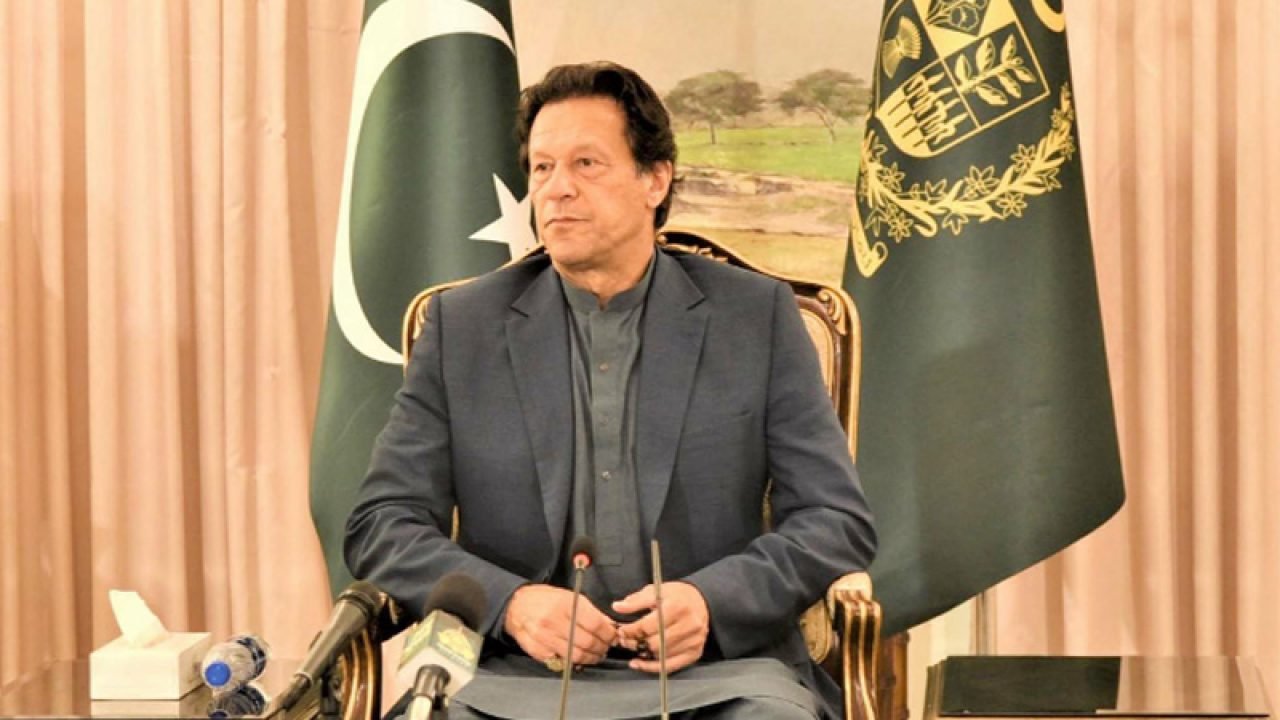
    Prime Minister (PM) Imran Khan has said that taking action against his friend and colleague Jahangir Khan Tareen over the sugar scandal hurt him like dropping his cousin and former Pakistan cricketer Majid Khan from the team.

    “These were two of the hardest decisions I ever had to make in my life,” he said while speaking to senior journalist Kamran Khan during a wide-ranging interview on Dunya News.

    To a question regarding the inquiry into the sugar crisis, the premier said Pakistan Sugar Mills Association (PSMA) had “threatened Wajid Zia, warning him to stop whatever he was doing”. He said that it thought that the government would buckle if the sugar prices rose.

    “I will fight the sugar mafia,” he added.

    The PM noted that sugar sales in Punjab doubled in July but it emerged that it was being sent from Punjab to Sindh.

    “The PTI is not in power in Sindh so they are hoarding sugar there,” he explained. “The Sharifs, the Zardaris, and many other politicians own sugar mills.”

    “They can blackmail me as much as they want but I will not let off the hook unless and until they abide by the law,” the premier said, adding that the public institutions would make a decision on the sugar inquiry report.

    He then mentioned his longtime friend Tareen, saying he “did the most with me in my struggle over the past seven to eight years”.

    PM Imran also categorically denied that Pakistan would recognise Israel — a few days after the UAE established formal relations with Tel Aviv — stating that Islamabad won’t do so until Palestinians are not given their right to a “just settlement”.

    “Whichever country wants to do it [recognise Israel], our stance is very clear. Our stance was cleared by Quaid-e-Azam Muhammad Ali Jinnah in 1947-48,” said PM Imran. “Which was that we will never recognise Israel till the Palestinians do not get their rights.”

    He said that Pakistan will not establish diplomatic relations with Israel till the Palestinians do not get a separate state of their own, which the people of Palestine accept, based on the Two-Nation Theory. 

    The premier said that if Pakistan agreed to recognising Israel and gave up its principled stance then it will have to stop raising the issue of Kashmir as the situation in the disputed area was the same. 

    “Hence, Pakistan cannot recognise Israel,” he stated.

    The premier said Karachi would have progressed if not for the ethnic politics of the 1980s.

    Earlier today, Khawaja Izharul Hassan, a leader of the ruling PTI’s coalition partner, the MQM-P, had said a committee to resolve Karachi’s problems was not a solution.

    It was reported late last week that the federal and Sindh governments had agreed on forming a committee comprising representatives of the city’s three main stakeholders — the ruling PTI, PPP, and the MQM-P — to address the metropolis’ longstanding civic issues.

    In his comments today, the premier said looking at the port city in its current state was painful. “The MQM-P founder spread hatred among people [of Karachi] and divided them; he wreaked havoc in Karachi.”

    “The situation in Karachi is dire,” he added.

    He said he has approached the courts on the issue of local government system in Sindh.

    “I intervene in Punjab and Khyber Pakhtunkhwa because we have the PTI’s government there,” the premier explained, adding that if the Centre intervened in Sindh, the provincial leadership “will make a fuss”.

    “We are going to do whatever we can for Karachi,” he vowed.

    Speaking about his political career, PM Imran said his “whole life had been spent in struggle”. “I was nine years old when I started this struggle,” he added.

    “Those who do not know how to struggle falter,” the PM underlined.

    Referring to the time he was voted into office, he said Pakistan was close to defaulting, the public institutions were destroyed and the rupee weakened.

    “Depreciation of the rupee leads to inflation,” he said, adding that the government was paying instalments for the loans the rulers of the past had obtained.

    He said that while he was attempting to make the country a welfare state, the elites gathered and are trying to overthrow the government.

    With regard to power, the premier said electricity in Pakistan was costlier but sold at a cheaper rate, noting that “we are producing the most expensive electricity in the world”.

    If electricity prices had not been revised upwards, the country would have had to take loans, he noted. 

    A comprehensive power policy is set to be introduced in a couple of weeks, he added.

    Speaking of the ongoing coronavirus pandemic, the prime minister said many people talked about how he did not understand the crisis.

    “Our party and the Opposition leaders kept saying that everything should be shut down during the corona [virus pandemic],” he noted. “A strict lockdown was imposed in Sindh; that was their [provincial government’s] right after the 18th Amendment.”

    “We had to endure a month of criticism during corona,” he said. “I told Bill Gates that we saved our lower class by imposing a smart lockdown,” he added.

    Referring to Pakistan’s anti-graft watchdog, the National Accountability Bureau, he said: “We’re not dictating [NAB’s actions].”

    Speaking of the Opposition parties, the PM said their leaders had only one goal and that was to blackmail him. “Should I have given them NRO,” he asked rhetorically.

    He said the Opposition parties wished to do away with clauses that would eventually bring an end to NAB. They were also blackmailing the government over legislation related to the Financial Action Task Force (FATF), he added.

    Throwing a jibe at the PML-N vice-president, he noted that there was stone-pelting when Maryam Nawaz was going to NAB’s office in Lahore for an appearance.

    “They go to the NAB as if Nelson Mandela is going to NAB.”

    “We are strengthening the FIA [Federal Investigation Agency],” the prime minister said, adding that the accusation against the Punjab chief minister pertaining to alcohol licensing was a “joke”.

    The chief executive of the biggest province, Punjab, was summoned over the alcohol licensing issue but excise department’s officials should have been called, he noted.

    Summoning Punjab Chief Minister Usman Buzdar led to suspicions, he lamented.

    “Attacks are launched at Usman Buzdar and that makes me very sad,” he said. “He has become the chief minister for the first time and he is learning,” he said, adding that Punjab was making rapid progress.
  • Reporter, who ‘exposed’ Bilawal’s train march, ‘murdered’

    Reporter, who ‘exposed’ Bilawal’s train march, ‘murdered’

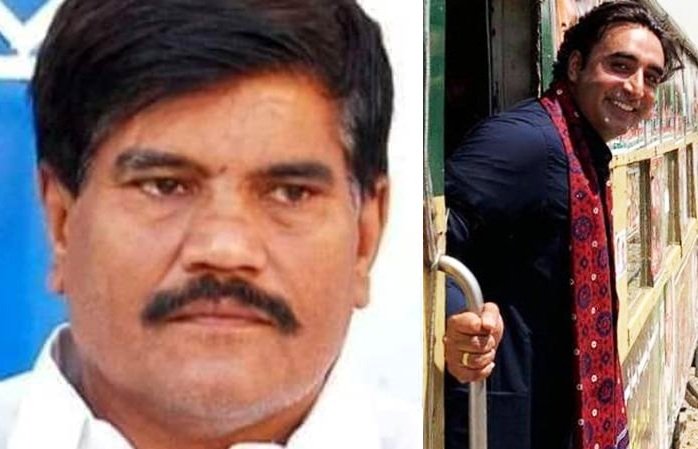
    A private media outlet’s reporter, Aziz Memon, who exposed train march of Pakistan People’s Party (PPP) chief Bilawal Bhutto-Zardari from March 2019, has allegedly been murdered weeks after claiming that his life was at risk amid threats from workers and leaders of Sindh’s ruling party.

    As per the details, Memon, who was a resident of Mehrabpur city and an employee of Kawish Television Network (KTN) as well as Sindhi daily Kawish, was on Sunday found in Gaddo Branch Canal with a wire wrapped around his neck, showing signs of strangulation.

    Family sources said that the deceased had asked his cameraman to drop him at a ceremony in Behlani village, and later, villagers spotted his body floating in the canal. While local police did not rule out foul play, the doctor, who conducted his autopsy, said he could not confirm if Memon was strangled to death.

    With the death drawing strong reactions from the journalist community — Association of Electronic Media Editors and News Directors among other local and national media bodies condemning the alleged murder and continued acts of violence against journalists to silence the voice of ­dissent –, veteran journalist Hamid Mir took to Twitter and revealed one of the recent threats of dire consequences received by Memon.

    “This is Aziz Memon KTN reporter from Mehrabpur Sindh he recorded this video message some time ago and informed that his life was under threat because some PPP leaders were angry with him due to his reporting he was brutally killed 2day near his home [sic],” he tweeted along with a video message by Memon wherein he was heard sharing how he and his loved ones were in danger.

    In a subsequent tweet, Mir said that the “slain” journalist was receiving threats of dire consequences for his report claiming that the PPP had paid women to participate in Bilawal’s train march.

    PPP chief Bilawal had in March 2019 launched the first phase of his party’s anti-government march by train — “Karavan-e-Bhutto” — from Karachi to Larkana.

    On the way, the PPP chairman had addressed party supporters and activists at a number of railway stations, including Landhi in Karachi, Jung Shahi in Thatta, Kotri in Jamshoro, Odero Lal in Matiari, Tando Adam, Shahdadpur and Nawabshah.

    The train had passed Daur, Padidan, Mihrabpur, Bhirya Road, Khairpur Miris, Rohri, Sukkur, Habib Kot, Gosri, Madeji and Sir Shahnawaz Bhutto to finally reach Larkana, with a large number of people — many of whom according to Memon’s report were paid to join — welcoming the caravan at every stop.

    While Sindh Chief Minister (CM) Syed Murad Ali Shah has reportedly taken notice of the alleged murder of the 56-year-old journalist and directed the authorities concerned to ensure immediate arrest of the killers, The Current reached out to Sindh government spokesperson and adviser to CM on law, Barrister Murtaza Wahab, for a comment on claims regarding his party workers or leaders’ alleged involvement in Memon’s death.

    Condemning the death, Murtaza offered his condolences to the bereaved family and rejected the allegations levelled against the PPP leadership. “There is no truth these claims,” he said, adding that a thorough investigation will be launched into Memon’s death and the culprits would be brought to justice at all costs.

  • ‘Ehd-e-Wafa’s latest episode comes with a bucketful of tears

    ‘Ehd-e-Wafa’s latest episode comes with a bucketful of tears

    Ehd-e-Wafa promised to be an emotional rollercoaster but truth be told, I was not prepared to shed a few tears while watching it. The 21st episode of the drama serial aired last Sunday and though it was a bit of a drag and completely disconnected from the last scene of the previous episode (the last episode ended in Waziristan and this one began in Pindi on a happy note), two emotional scenes – Saad (Ahad Raza Mir) and Shahzain’s (Osman Khalid Butt) reunion and Shehryar’s (Ahmed Ali Akbar) effort to help Khursheed (Muhammad Hunbal) – made the entire episode worth a watch.

    All four members of the SSG (Special ‘S’ Gang) have settled into their respective lives. Saad (Ahad Raza Mir) is now Captain Saad, while Malik Shahzain (Osman Khalid Butt) is a well-known politician. Shehryar (Ahmed Ali Akbar) cleared his CSS exams and is currently serving as an Assistant Commissioner, while Shariq (Wahaj Ali) is an established journalist.

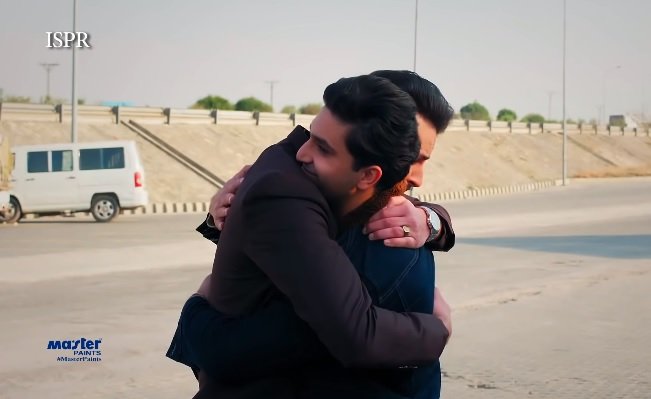
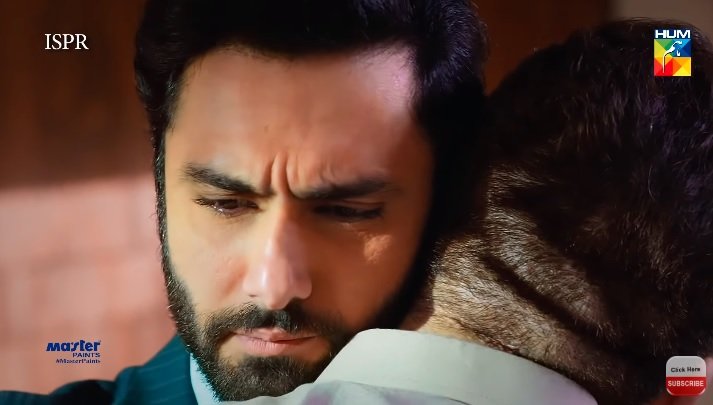
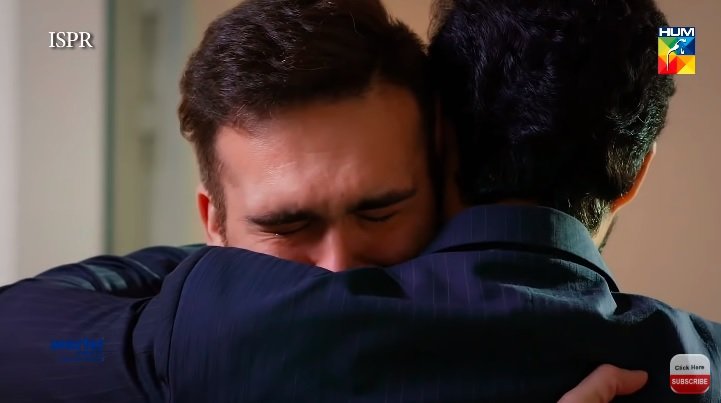
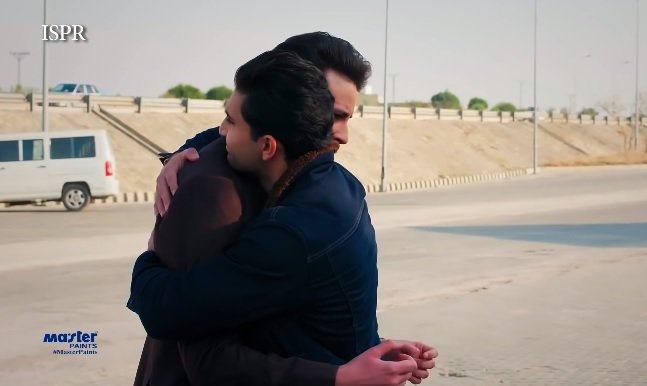
    Shehryar, who is serving as the Assistant Commissioner, comes across his old teacher Firdous Baig, whose son, Khursheed was his class fellow at Lawrence College. In a tear-jerking scene, it is revealed that Khursheed was put behind bars by some powerful land mafia over a dispute. Sheheryar uses his power to release Khursheed from jail and when the two meet and Khursheed throws himself in his friend’s arms. This scene was brilliantly executed and pulls at your heartstrings, leaving you misty-eyed.

    On the other hand, Saad is about to get married to the love of his life, Dua when he happens to run into Shahzain. After exchanging the usual pleasantries, Saad pulls down the barriers between the two and they have an endearing conversation in which they bury their hatchet and promise to start their relationship afresh. If you’ve ever reconnected with an old friend after a long time, you’d feel the scene.

    But everything aside, this episode was without a doubt Ahmed Ali Akbar’s, who owned every scene of his. Ahmed played Shehryar with utmost ease and slipped into the many layers of his character without a hiccup. It was an absolute treat to watch him.

    Read more – ‘Ehd-e-Wafa’ takes a dramatic turn, begins to gather momentum

    And we’re not the only ones who thought this episode was an emotional roller coaster. Osman Khalid Butt also felt sentimental after watching this episode.

    https://www.instagram.com/p/B8ZMYIAJwO2/

    Directed by Saifee Hassan, Ehd-e-Wafa is a joint collaboration between ISPR and Hum TV. In the stream of dramas which are either tackling serious topics such as rape (Ruswai) or are the usual masala fest (Jhooti/Kaheen Deep Jalay), Ehd-e-Wafa is a great entertainer and something you can enjoy watching with your family. It airs every Sunday at 8pm.

  • Bring on the bling, it’s all about the sparkle

    Bring on the bling, it’s all about the sparkle

    Award season means there are plenty of red carpet looks to get inspiration from. The first Pakistan International Screen Awards (PISA) were held on Friday (February 7) in Dubai and our stars made sure to put forward their best fashion front.

    Read more – Pakistan International Screen Awards comes under fire for ‘disrespecting’ nominees

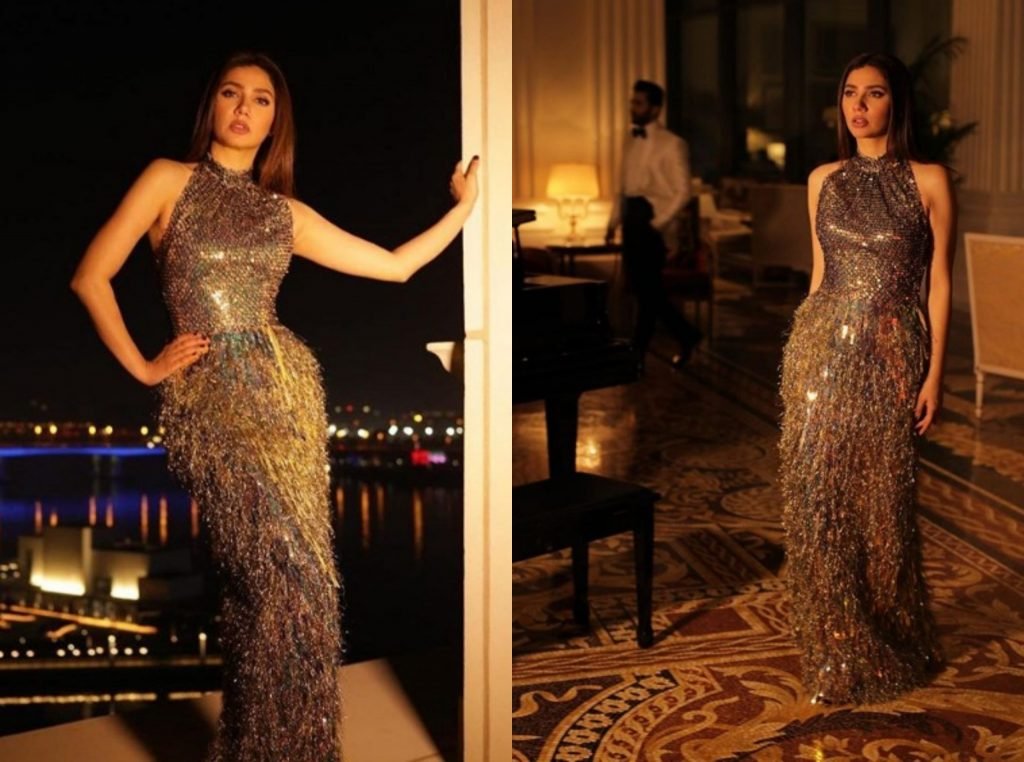
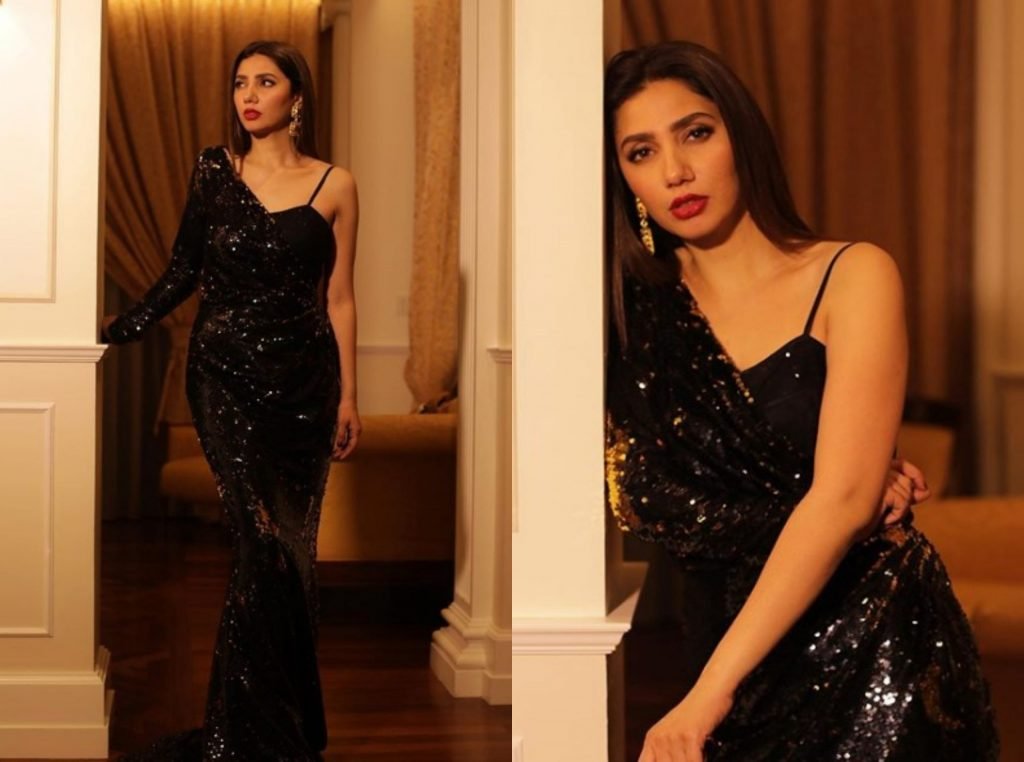
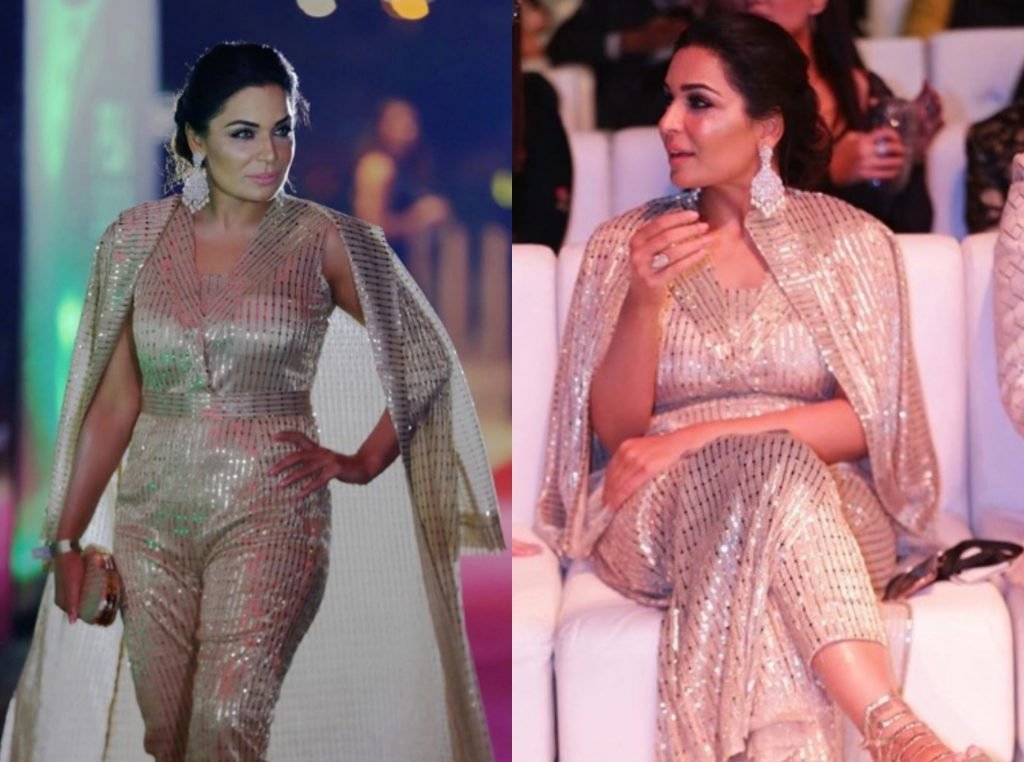
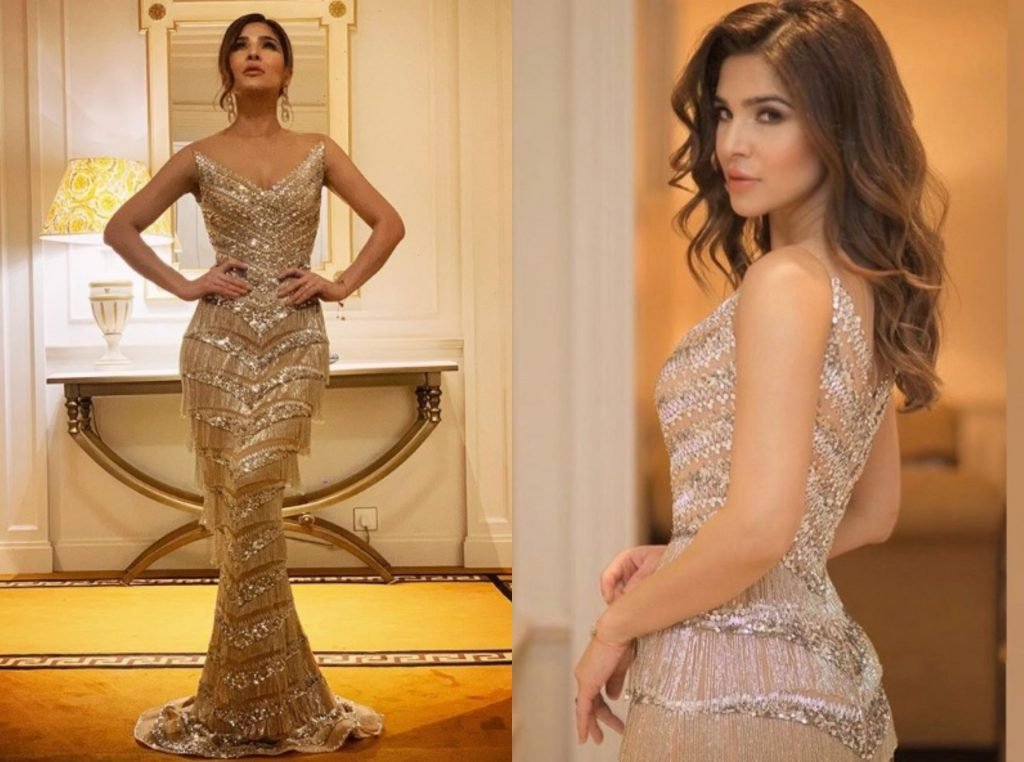
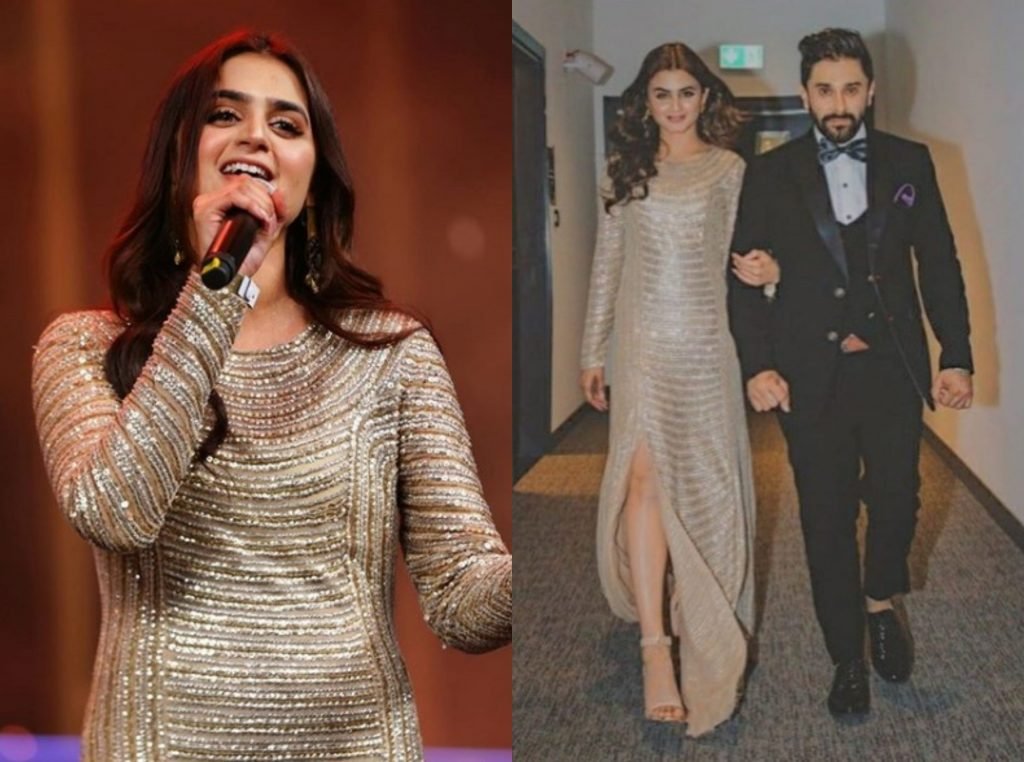
    From Mahira Khan to Meera Jee, everyone dazzled on the red carpet and looked like a million dollars. What was trending on the red carpet this week was sparkles, glitter and bling. Check out the pictures below:

    Mahira Khan

    Mahira cut a svelte figure in a dress by Lebanese-American fashion designer Rami Kadi for the red carpet before changing into a sparkly sari by Élan for the after-party.

    Meera Jee

    Meera Jee is sure bringing her A-game in this blingy power suit.

    Ayesha Omar

    Va-va-voom. Ayesha looks fab-u-lous in this gold outfit by labourjoisie.

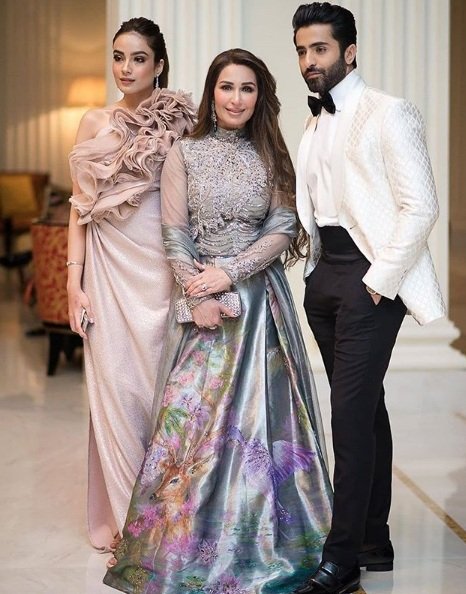
    Reema

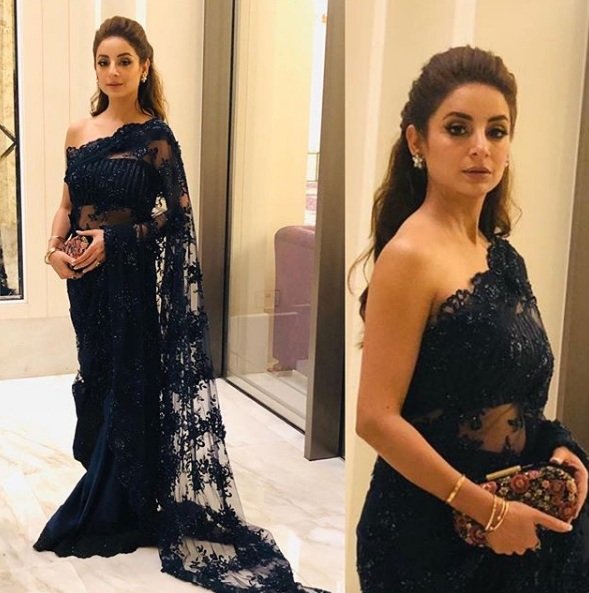
    Sarwat Gilani

    Sarwat dons a midnight blue sari by Soshai.

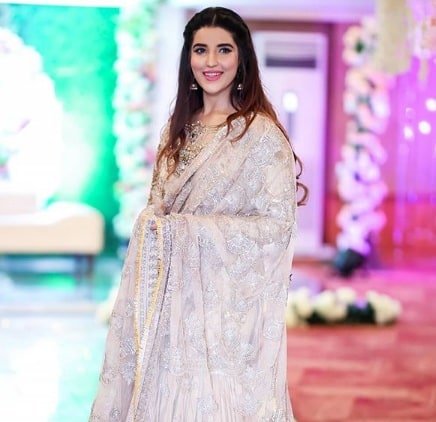
    Hareem Farooq

    Hareem looks like she came straight from the galaxies in this shimmery sari by Élan.

    Aima Baig

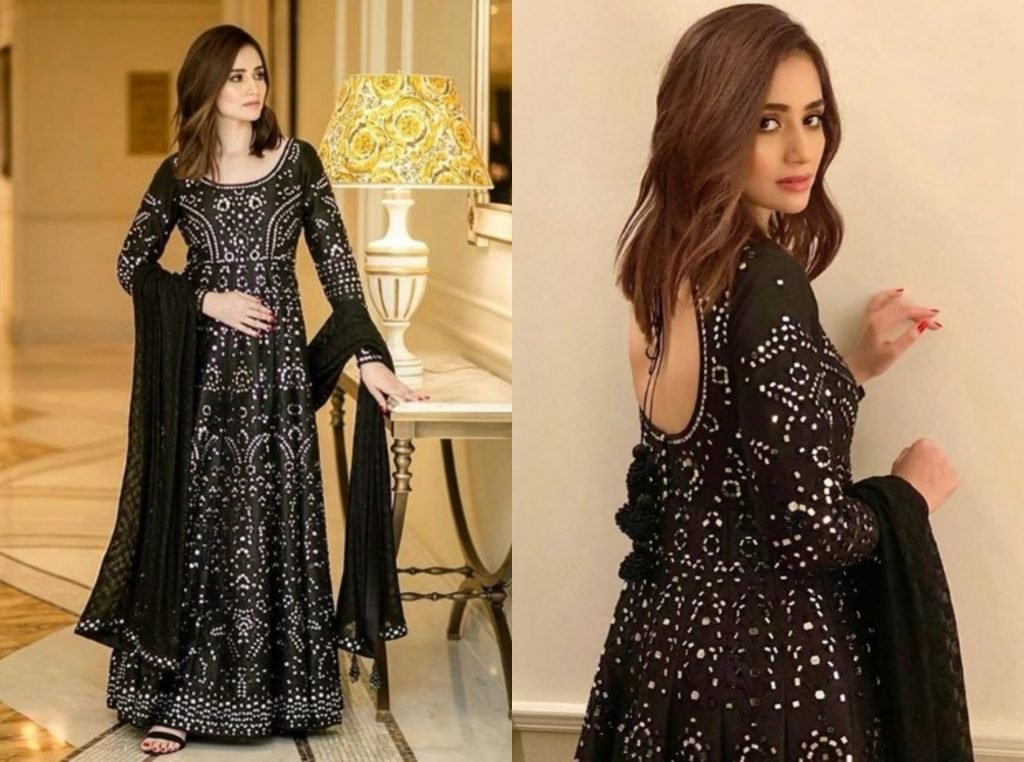
    Sana Javed

    Sana Javed stuns in this anarkali-style dress by Nomi Ansari.

    Hira Mani

    Sadaf Kanwal

  • Quiz: Which Pakistani movie are you?

  • Multicultural casting now bordering on the absurd

    The opposite of blackface is not illogical casting

    A new film adaptation of David Copperfield has the central character played by Dev Patel. So here David is brown but his mother is white while his late father’s sister is a very, very pale white. The character of Agnes is played by a black actor while her father is played by a Chinese actor, Steerforth is played by a white actor while his haughty and snobbish mother is played by a black one. Should all of this matter in this age of political correctness? The answer is that to a film viewer it does matter. It really does.

    Armando Iannucci’s screen version of the Dickens classic challenges all the preconceptions that criticism of the closed nature of the industry have highlighted: its tendency to tell white people’s stories, written by white people, directed by white people and featuring white actors. But the reason it doesn’t work is, essentially, that there is no attempt to be visually convincing.

    Let’s be clear here: when you are casting a classic story you attempt to be true to both the story and to the character. Hence Laurence Olivier playing Othello blacked up his face attempting to look like a Moor as did Al Jolson attempting to look like a black American musician — yet in the Iannucci film nobody bothers to look like anything but themselves. This might work in an independent theatre production but in an ambitious feature film it just doesn’t do the trick: film is a visual medium which is fairly reliant on the intimacy afforded by the camera close-up so it’s not enough to insist on the idea that ‘any actor can play any role.’

    In any case, it’s a false premise that any actor can play any role – every casting director will tell you that. When you are casting you look for acting ability plus a degree of physical resemblance and if the latter is absent, then you try to create resemblance through various means such as make-up etc. For example, you wouldn’t have a fat, heavily built actor playing the part of a slight and undernourished character any more than you’d have an eighty-year-old actor playing a teenager… Does this make the casting either ‘fatist’ or ageist and hence reprehensible? No, it’s all just a bit of common sense.

    For the past few years every time the Oscars and BAFTA award season comes around, we are reminded anew of the issue that mainstream films tend to ignore and sideline non-white talent and that the Hollywood film industry has a bias that favours white professionals. This is a completely valid concern but the superficial way in which some people are choosing to redress the balance is fairly ridiculous. The David Copperfield film is a perfect example of this – just because men used to play female roles in 17th-century productions of Shakespeare or white actors used to play Chinese or non-white roles in early cinema, does not mean that the inverse is okay – indeed such casting defies the very basis that such criticism is based upon i.e. that casting could be more authentic and more convincing if the opportunity was opened up to more people fitting the physical description better.

    At this point, you may disagree and ask “Well, what about Hamilton?”. Hamilton is, of course, the runaway hit musical by Lin-Manuel Miranda that casts non-white actors as America’s founding fathers and other historical figures. But Hamilton works because it is theatre rather than film and the story-telling methods are non-traditional.  What works on stage doesn’t necessarily work on the large screen – and certainly not where kinship is suggested, after all, we tend to look for some sort of resemblance even between non-white actors if they are cast as blood relatives, it’s just something that’s part of our cinematic expectation.

    It’s right and timely that we recognise and deal with the issue of prejudice and marginalisation in mainstream cinema and we attempt to correct conscious and unconscious biases within the industry, but the way to do this is not through random and unconvincing casting. The multicultural nature of the casting of the new Charles Dickens adaptation proves this convincingly. I’m not sure why filmmakers keep remaking perfectly good films but in the case of Copperfield, it marks no improvement on its predecessors. (Unfortunately, it’s difficult to discuss this widely enough because so few people nowadays seem to have read David Copperfield!)

    At any rate, when you see #OscarsSoWhite trending again this year, do think about the whole issue again. Hopefully, you’ll agree that merely ticking boxes and casting without logic does not redress any sort of historical imbalance it just makes for weak cinema.

  • ‘Thank you for being there as we live yet die every day,’ Love, Kashmir

    Dear Pakistan,

    Over six months ago, we woke up like it was yet another day for caged birds that sing to the deaf in a dark and lonely corner of a pet shop. It wasn’t that bad. You get used to never feeling free, able to be outside, go to school, get groceries with soldiers watching your every move. We were used to it but we would always wish to get what we deserve.

    We deserve to live and breathe as freely as you… yes you… dear Pakistan.

    We would like to thank you for standing up for us when we need it the most. And also for not limiting your support to what you call ‘Kashmir Solidarity Day’.

    We pray that you never have to live through the pain of losing a loved one, but do you have any idea how it feels to lose one when you aren’t even sure if they’re gone forever? Do you have an idea what it feels like to lose touch indefinitely?

    We had woken up to a bright August morning. It was just another Monday, and like the rest of the world, Mondays are hard for us too. Little we knew, that this Monday was going to rob us of even the paltry autonomy we had struggled to achieve for decades.

    The government led by fascist Narendra Modi announced abrogating Article 370 of the Indian Constitution, revoking the special status of this troubled heaven, spelling misery for us yet again. We weren’t sure what would follow, some of us had no idea what even it meant, but it wasn’t later that we realised how it was the beginning of the end.

    As protests gripped the valley, Indian forces stooped to a new low. While activists and political leaders were arrested, kids were tortured; communication blackouts were set in place and certain parts of the disputed territory still remain under lockdown.

    Of the 4,000 people, one of the 144 children picked up by Indian occupying forces between August 5 and September 23 last year, was a nine-year-old. His mother had passed away and he was abandoned by his father. He was detained when he went out to get a loaf of bread, and had to spend two days in detention until he was set free by the sweet relief of death.

    In a village in southern Kashmir, a 22-year-old was picked up in a midnight raid and tortured for more than an hour along with a dozen other Kashmiris. He was beaten with sticks, rifle butts and they kept asking him why he went for a protest march. He kept telling them he didn’t, but they didn’t stop. After he fainted, they used electric shocks to revive him.

    While some mothers have lost their children to Indian brutality, others have lost their unborn babies to the lockdown. Besides that, pellet guns being shot in abdomens of pregnant women and eyes of infants, is but the terrible tale of every other Kashmiri family.

    Within minutes of the abrogation, the internet was blocked. People were expecting mobile networks to be shut by the government as well in order to restrict communication in the valley. Our social media accounts have been deactivated due to inactivity, and our loved ones we managed to send out of Kashmir for a better life, don’t even know if we’re dead or alive.

    Don’t take us wrong, dear Pakistan, we’re not scared. We never were. Death, torture or detentions are not new to us. Tens of thousands of us have been killed since the rebellion erupted 30 years ago. But we just want you to know what it means to us when you express your support.

    We just want you to know what it means for us, knowing that you are not forgetting us like many others.

    We have not lost hope, but only because neither of us has lost each other.

    Here’s to a new life… here’s to our love for you and your support for us…

    Here’s to freedom…

    Love,
    Kashmir