Tag: expenses

  • Honda Pakistan reports 90% drop in profits, reflecting struggling state of auto industry

    Honda Pakistan reports 90% drop in profits, reflecting struggling state of auto industry

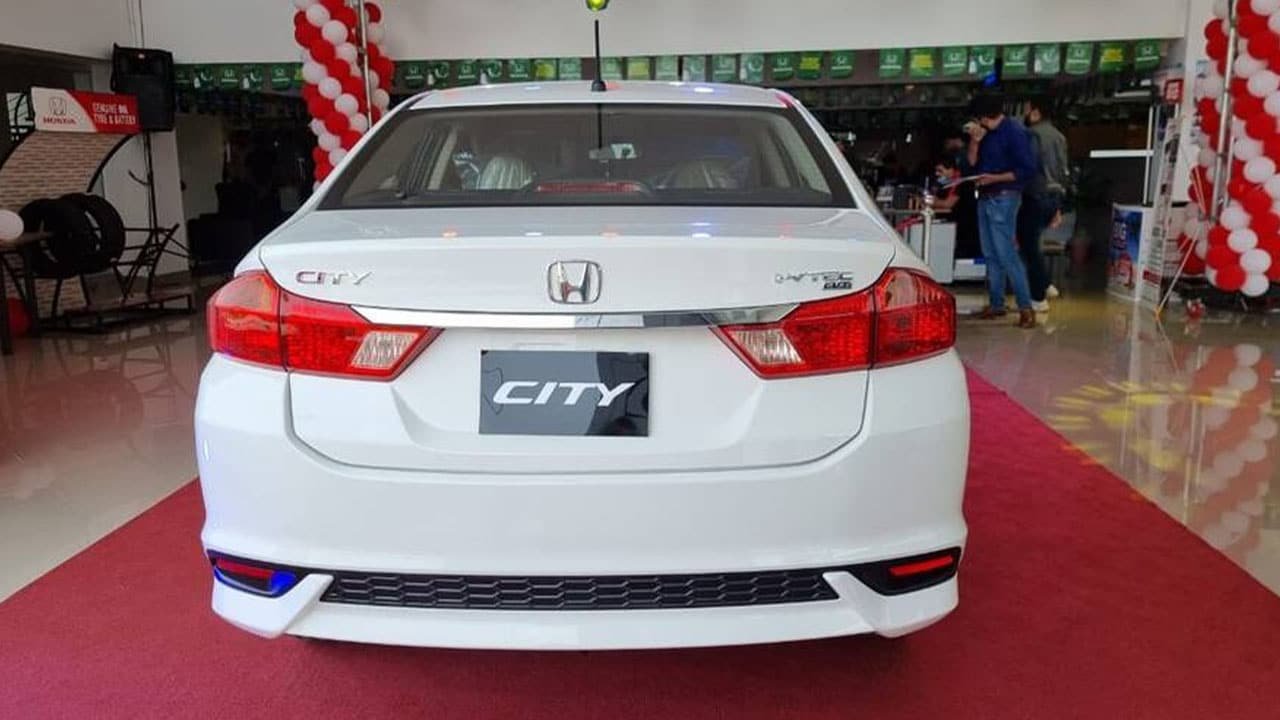
    Honda Atlas Cars Pakistan Limited (HACPL), one of the leading car manufacturers in the country, reported a significant decline of 90 per cent in its annual net profit due to rising expenses, reflecting the struggling state of the auto industry and the country’s economy.

    The company’s net profit for the fiscal year ending on March 31 was reported to be Rs260.141 million, a sharp decrease from Rs2.509 billion in the previous year.

    Consequently, the company did not distribute any dividends for that period. Earnings per share also witnessed a decline, coming in at Rs1.82/share compared to Rs17.58/share in the previous year.

    Honda Atlas Cars stated that its revenue for the year dropped to Rs95.087 billion, down from Rs108.047 billion the previous year. The cost of sales remained relatively stable at Rs87.926 billion compared to Rs102.515 billion during the same period last year. On the other hand, the company’s other income increased to Rs2.321 billion, compared to Rs2.004 billion in the previous year.

    However, the company experienced a surge in other expenses, which rose to Rs4.929 billion from Rs984.045 million, adversely impacting profit margins.

    Arif Habib Ltd, a brokerage firm, attributed the significant decline in profit to lower volumetric sales and increased finance costs, which rose by 6.5 times on a year-on-year basis. The auto industry, which heavily relies on imports, has been severely affected by the country’s economic conditions.

    Honda was among the manufacturers that had announced plant closures. However, on May 16, it was reported that Honda Atlas Cars planned to resume production activities after a months-long halt. The decision was made following an improvement in the accessibility of trade finance facilities for the supply chain.

    The government of Pakistan, facing low foreign exchange reserves, implemented stringent measures, including restrictions on letters of credit (LCs) for the import of completely knocked down (CKD) units and raw materials used by the auto industry.

    According to Geo, Honda stated that with the company’s consistent efforts and the slight improvement in trade finance accessibility, they are now preparing to gradually resume production in the coming weeks.

    Since March 9, the company had suspended its production activities. The auto industry has encountered significant setbacks due to non-production days, reduced consumer affordability resulting from higher interest rates and vehicle prices, currency devaluation, and escalating petrol prices. These plant shutdowns have also led to layoffs in the industry.
  • Monitoring committee takes action against use of luxury cars by officials to cut expenses

    Monitoring committee takes action against use of luxury cars by officials to cut expenses

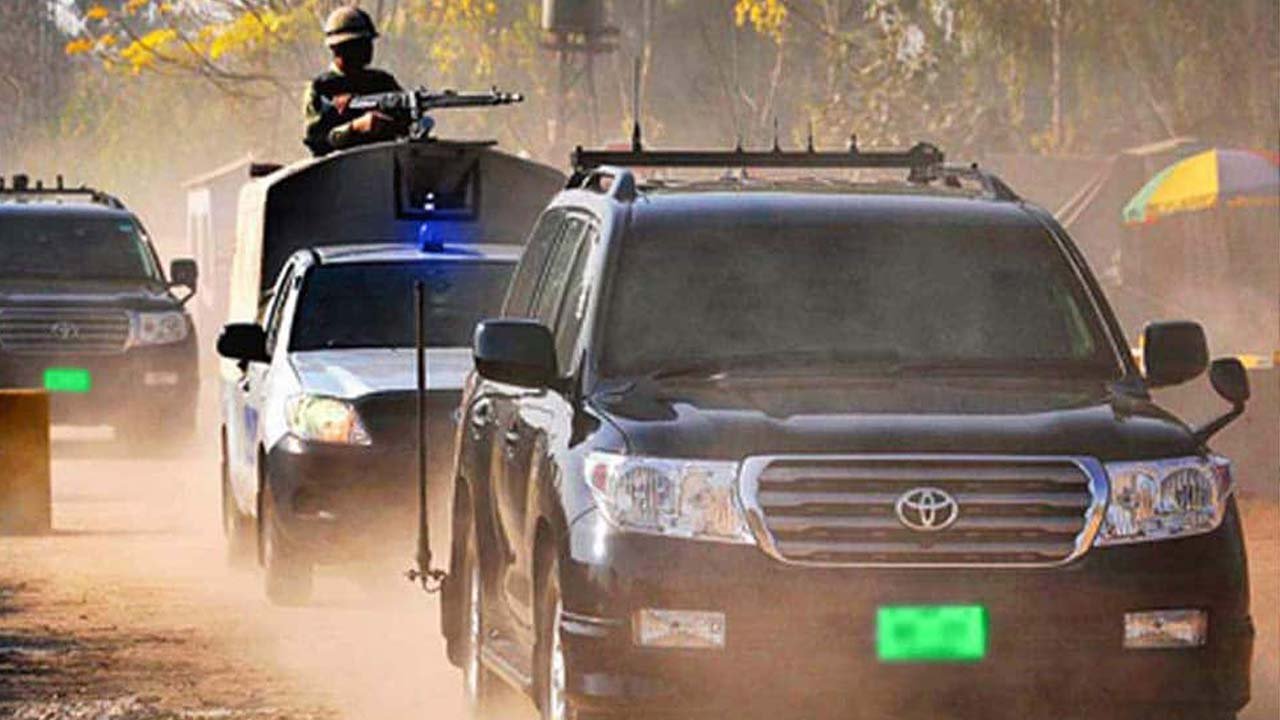
    State-run Radio Pakistan has reported that the monitoring committee responsible for overseeing the implementation of austerity measures has expressed serious concerns about some officers using vehicles above 1,800cc.

    The committee, chaired by Finance Minister Ishaq Dar, met in Islamabad on Monday to review the implementation of the decisions made at its first meeting regarding austerity measures. As part of an austerity drive to save the government Rs200 billion ($766 million) a year, Prime Minister Shehbaz Sharif had asked ministers and advisers to fly economy class and forgo luxury cars and their salaries.

    These cuts were made as Pakistan, facing a balance of payment crisis, negotiates with the International Monetary Fund (IMF) to secure $1 billion in funds that have been pending since late last year over policy issues.

    The meeting today was updated on the status of the use of luxury vehicles and was informed that a majority of the allocated vehicles have been returned by cabinet members. However, the committee expressed concerns over the non-return of the remaining luxury vehicles and directed the Cabinet Division to strictly implement the decision and retrieve the luxury vehicles within three days. The committee also discussed the withdrawal of the use of security vehicles and decided to implement the decision.

    Furthermore, the Ministry of Law and Justice was tasked with suggesting the implementation of austerity measures in the judiciary to the superior judiciary and approaching the Senate chairman and National Assembly speaker to suggest the use of teleconferences for all meetings to save time and expenditure. The Ministry of Inter-Provincial Coordination has also approached provincial governments to suggest the implementation of similar austerity measures.

    The committee also deliberated on working timings and decided that the new timing for office work will be 7:30 am to 2:30 pm, and up to 12:30 pm on Fridays, starting from the first of Ramzan and will be followed in the summer season, as per the cabinet’s decision. A notification will be issued accordingly. The finance minister, speaking at the occasion, directed all to expedite the implementation of austerity measures with sincerity and true spirit without any exception. These cuts are part of an effort to prevent an economic meltdown as Pakistan’s foreign exchange reserves have fallen below a month’s import cover.

  • Pakistani traders threaten to launch nationwide protests if new taxes imposed

    Pakistani traders threaten to launch nationwide protests if new taxes imposed

    Traders in Pakistan have threatened to launch a nationwide protest in response to the government’s potential imposition of new taxes to meet the International Monetary Fund’s (IMF) conditions. The Central Organisation of Traders has called for the government to reduce the salaries of army generals, judges, and parliamentarians instead.

    On Saturday, representatives of the Central Organisation of Traders spoke to the media in Islamabad and announced their plan for a protest movement starting on February 13th if the new taxes are introduced. The leaders of the organization warned the government that the current economic situation in the country cannot withstand further taxation of the general public and the trading community.

    They expressed dismay that the state of the economy of a nuclear country was in dire straits and the situation was worsening with each passing day, and said that the public should not suffer because of the “flaws or crimes committed by the leaders of this country.”

    “Our reaction will be severe if more taxes worth billions of rupees were imposed, as being reported in the media,” Kashif Chaudhry, the organisation’s president, said, asking the stakeholders, including the ruling elites, to make “sane decisions” if they want to improve the economy.

    Mr Chaudhry has proposed that the government reduce the expenses of high-level officials such as the President, Prime Minister, legislators, judges, army officers, and bureaucrats. He believes the government should immediately decrease “non-productive expenditures” by half.

    The trader representatives have also made demands of the government. They have called for the creation of both short-term and long-term economic policies and for more consistent income tax collection across all sectors, instead of imposing billions of dollars in new taxes.

    “I assure the government that the business community was ready to contribute to steering the country out of the current economic crises and we traders are ready to pay fixed taxes,” he said.

    Khawaja Salman Siddiqui, the chairman of the organization, criticized Finance Minister Ishaq Dar. According to Siddiqui, Dar was appointed by the PML-N to stabilize the economy and prevent the depreciation of the rupee, but he failed to deliver on his responsibilities.

    Mr Siddiqui said putting an artificial cap on the dollar’s rate led to a wide gap between the interbank and open market rates, and despite the demand to remove the cap, Mr Dar “remained stubborn and did not listen to anybody.”

    Other speakers called for the implementation of the decision of the Federal Shariat Court to make Pakistan’s economy interest-free to “eradicate exploitation in the system.”

    According to Dawn, the speakers also suggested an amnesty program that would allow wealthy individuals to repatriate their foreign wealth. The government could then borrow money from these individuals and provide them with profits instead of taking loans from the International Monetary Fund (IMF) and World Bank with unfavorable conditions.

  • Energy sector to get a massive portion of the Rs699 billion subsidy

    Energy sector to get a massive portion of the Rs699 billion subsidy

    The government has proposed allocating Rs699 billion to multiple sectors in order to provide relief to the masses during the new fiscal year 2022-23.

    According to budget estimates, the government plans to boost subsidies by Rs17 billion to Rs699 billion for the next fiscal year, up from Rs682 billion in the previous fiscal year.

    The government has reduced power sector subsidies by Rs26 billion to Rs570 billion for the next fiscal year, down from Rs596 billion in the previous fiscal year and proposed increasing the total subsidy for the power sector for PEPCO by Rs18 billion to Rs275 billion. The budget 2022-23 proposed reducing the subsidy amount for K-Electric by Rs5 billion to Rs80 billion.

    Moreover, subsidies for Independent Power Producers (IPPs) are slashed by Rs39 billion to Rs215 billion for the coming fiscal year.

    The amount of petroleum subsidy has been upped from Rs51 billion to Rs71 billion. During the next fiscal year, the Utility Stores Corporation (USC) will receive a Rs17 billion subsidy. PASSCO will also receive Rs7 billion subsidy.

    During the next fiscal year, Rs8 billion has been set aside for wheat subsidies to Gilgit-Baltistan. For the coming fiscal year, the subsidy for the metro bus service has been increased to Rs4 billion. Similarly, the fertiliser plant subsidy has been increased to Rs15 billion.

    Read more: Govt unveils Rs9.5 trillion budget 22-23, focused on sustainable growth

    The new government has reduced the Naya Pakistan Housing and Development Authority (NAPHDA) subsidy amount to Rs500 million for the next fiscal year, down from Rs30 billion in the previous fiscal year. NAPHDA’s markup subsidy has also been reduced, from Rs.3 billion to Rs.500 million for the coming fiscal year.

  • ‘Salary not enough to pay for my expenses’ says PM Imran Khan

    ‘Salary not enough to pay for my expenses’ says PM Imran Khan

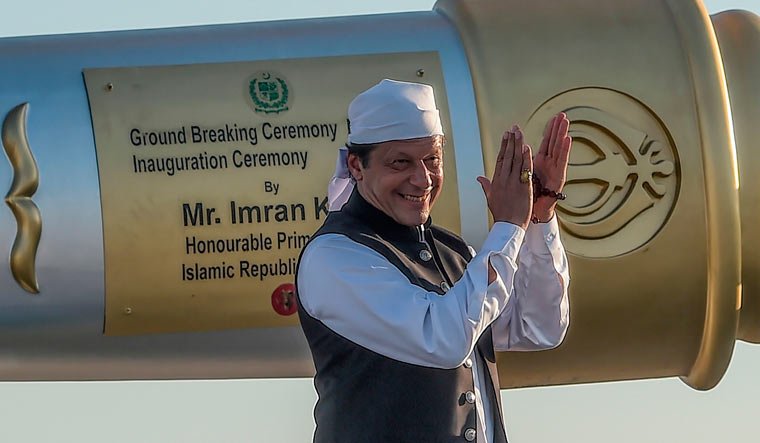
    Addressing the business community in Islamabad, Prime Minister Khan stated that the business community needs to pay taxes if the country is going to get out of the present economic crisis. He urged them to work with the government and help in collecting more taxes.

    He also said that people didn’t want to pay taxes because former rulers had looted the country and lost the trust of the people. “When leaders live lavishly on public expense, who will pay taxes?” he asked.

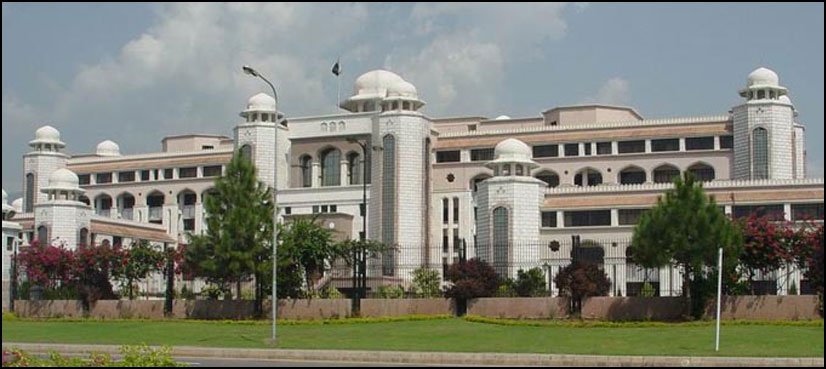
    Prime Minister House in Islamabad

    He said that he had slashed the expenses of the PM house by 40 percent and that he lived in his own home and paid his own expenses. “My salary is not enough to fulfil by own household expenses,” he said, adding that he did not start any business after becoming the Prime Minister and that the expenses of his foreign tours were 10 times less than previous rulers.

    PM Khan is leaving for Davos today where he will be speaking at the World Economic Forum.