Tag: export

  • Honey producers secure a sweet export deal to Malaysia

    Honey producers secure a sweet export deal to Malaysia

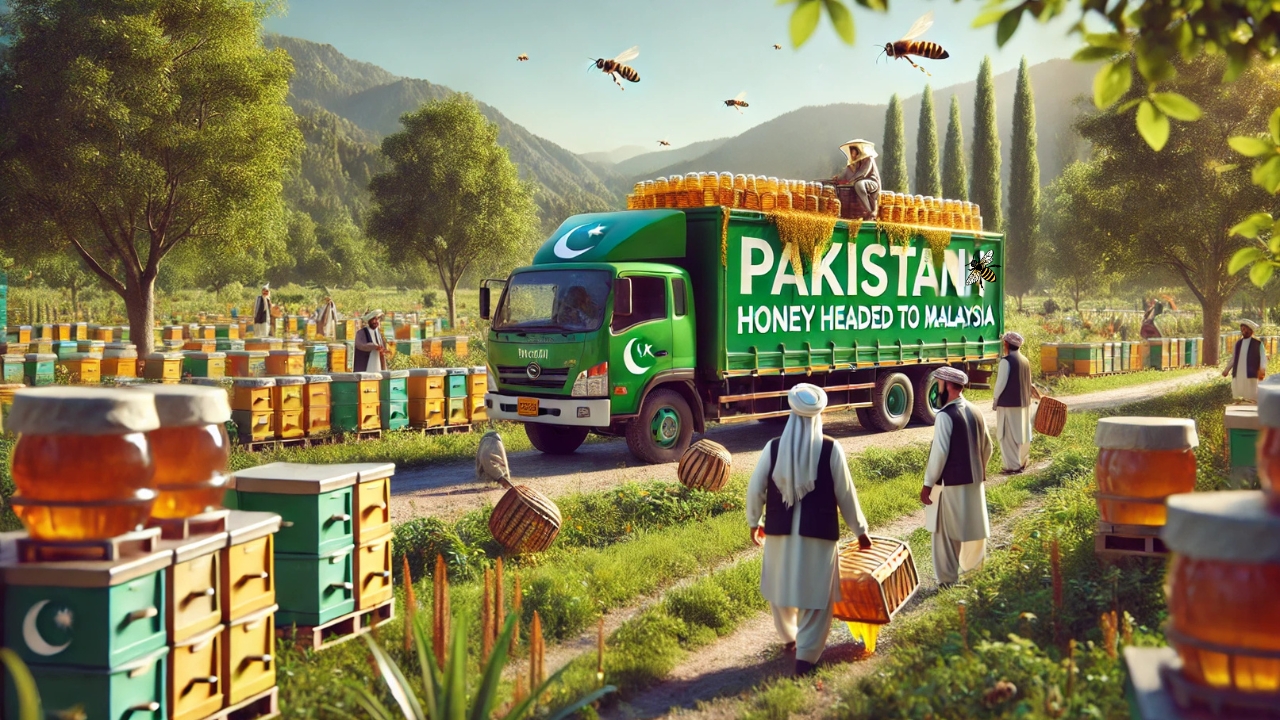
    Producers of honey rejoiced as an export deal saw the first shipment of Pakistani honey heading for Malaysian shores. This sweet deal is expected to open up new destinations for Pakistan’s honey. Any further developments will help Khyber Pakhtunkhwa (KP) the most, as the industry is primarily focused on the province.

    This deal was negotiated and supported by the Pakistani High Commission in Kuala Lumpur, which has made it the second of its kind in recent history. The first one was negotiated by the Pakistani High Commission in Kenya to support tractor sales in East Africa. These activities by the High Commission are a reflection of Commerce Minister Jam Kamal, who has been advocating for the export of commodities such as cotton, sugar, tractors and, most recently, honey.

    As it stands, Pakistan ranks 34th in the export of honey, a position hardly anyone could envy. 

    Historically, Pakistan’s honey has always been destined to be shelved in stores that are primarily located in the Middle East. This expansion into a new market spells great news for the 60,000 honey farms that call KPK home as they expect to boost export levels.

    The value of all traded honey in 2022 sat at $2.69 billion, with China leading the export race at $254.2 million. If Pakistan’s producers manage to secure additional deals, they can expect to scale up the scope of their operations, as there will be a large inflow of foreign reserves.

    These foreign reserves will be critical for businesses involved in the production of honey. This is because the majority of these honey-producing farms are located in rural areas where income tends to be generally low. However, the same jar of honey can fetch a better price in foreign markets, which is especially beneficial to businesses located in economically depressed areas of the country.

    The signing of export deals by foreign importers and Pakistani honey businesses will undoubtedly create employment opportunities, as the increased demand for honey will incentivise farms to scale up production by hiring labour.

    This is especially beneficial for KP, where the farms are predominantly located. This could help reduce the unemployment rate in the province, which rests at an uneasy 8.8 per cent.

    The export to Malaysia is also a great safety net for honey producers in Pakistan because if the Middle East decides to cut back on honey imports, the effect will not be as pronounced. This is just another example of why diversification of trade is always beneficial.

    Transport businesses are also eyeing the deal as a positive step.

    If this batch of exports garners more international customers, the local transport sector could see more activity in the coming months. Likewise, businesses lining the route from KP to Karachi port.

  • Can African imports of Pakistani tractors save the ‘sinking industry’?

    Can African imports of Pakistani tractors save the ‘sinking industry’?

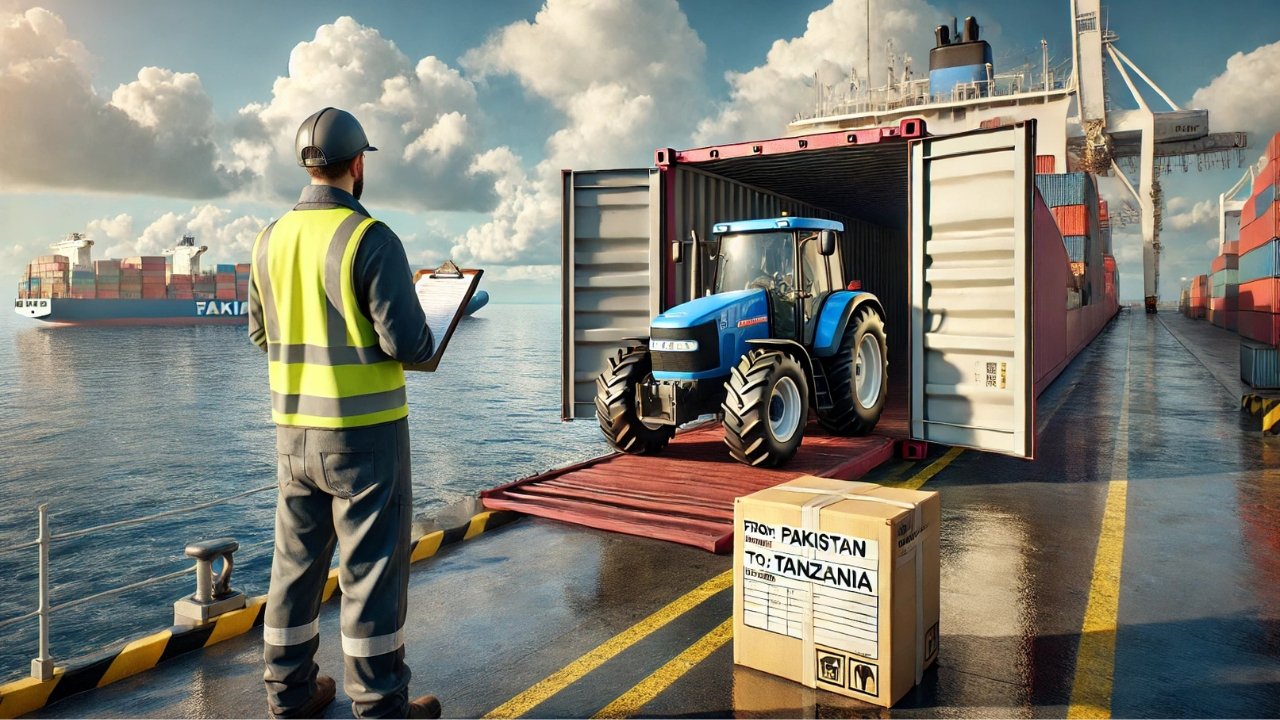
    Farmers and tractor producers watched on as officials in Pakistan’s high commission in Kenya facilitated the export of Pakistani tractors. These tractors are headed to their new home in Tanzania: Masai Trekta Company Ltd’s tractor depot.

    The export deal marks a significant moment for ATS (ATS tractors), which does not operate on the same scale as other tractor giants in the industry, such as Millat and Ghazi tractors, which have a 70 per cent and 29 per cent market share, respectively. Aside from ATS, other tractor manufacturers are likely to benefit too.

    This is because the tractor manufacturing industry has seen a great decline in the recent past, with some plants even shutting down across the country. The situation was so serious that even the Minister for Industry and Production, Rana Tanveer, referred to it as “the sinking tractor manufacturing industry”.

    However, experts predict the demand for tractors will increase, not just from Tanzania but also from other neighbouring African countries. This spells great news for tractor manufacturers as they will be able to increase their profit levels due to the increased sales volumes.

    Additionally, the sale of tractors will also open up further export avenues for Pakistani businesses. This could include – but is not limited to – the export of tractor spare parts by the 400 companies that produce them. Currently, 90 per cent of all parts used in local tractors are sourced internally, which means that Pakistan is capable of providing international customers with service parts for their tractors.

    If these tractors experience problems abroad, Pakistani tractor technicians and mechanics will be paid to fix them. This is bound to create additional skilled labour jobs in Pakistan.

    Moreover, tractor manufacturing plants that were previously shut down are expected to reopen and operate closer to full capacity. The result will be an increase in the hiring of unskilled employees at these plants. This is expected to ease the current unemployment rate, which stands at 5.5 per cent.

    While tractor manufacturers are expected to benefit, the same can’t be said for business owners in the agricultural sector. The fact of the matter is that a rise in international demand for Pakistani tractors will hurt agricultural landowners and farmers in Pakistan. This is because the price of tractors will rise alongside the demand. As a consequence, Pakistani farmers are expected to suffer as the higher price tags will make it tougher to purchase them.

    Lawmakers in Islamabad are undoubtedly elated, though, as tractor exports will help bring in valuable foreign reserves for the cash-strapped country. The export deal is likely to be a cause of relief as just last month alone, the trade deficit rose by 20.4 per cent to an alarming deficit of $1.78 billion.

    While further exports are not guaranteed, experts speculate that new export deals are on the horizon. Only time will tell if tractor exports can save the “sinking industry”.

  • Pakistani rice exports: A booming sector that needs government support

    Pakistani rice exports: A booming sector that needs government support

    Pakistani rice is serving a purpose far greater than tasting good in Biryani: it’s turning into a lifeline for the country’s economy, bringing in nearly $4 billion annually.

    In July and August alone, exporters managed to export a staggering 620,000 metric tons of rice. That’s a huge deal, especially considering they did it without enjoying government perks like minimum support prices or energy subsidies.

    What’s even more impressive is how Pakistani rice is standing out globally. Compared to its counterpart India, Pakistan had 74 alerts, while India had a staggering 264 alerts. The result is that Pakistan is building a reputation for quality rice, especially in Europe.

    And with production ramping up significantly in the past year, Pakistan has been able to beat India in price, too. As such, Pakistan now has a 25 per cent share of Europe’s rice market while India is behind with 17 per cent. However, India isn’t sitting quietly – they’ve come out firing by lifting bans on certain rice varieties to regain their market share.

    Rice exports could be the key to pulling Pakistan out of its economic troubles. At the close of FY 2023, Pakistan’s current account deficit was a worrying $3.275 billion.

    But the Minister of Commerce, Jam Kamal Khan’s new vision might change that.

    He wants to boost rice exports by $3 billion, which could nearly wipe out the deficit and inject much-needed dollars into the economy. Moreover, the minister expressed interest in educating farmers to improve the quality of rice harvests to reduce the chances of getting flagged with a health alert by foreign authorities.

    However, the catch is that to jump from $4 billion in exports to $7 billion, a 75% increase, Pakistan’s rice industry needs help. But what could be the solution here? The solution: Government subsidies to rice exporters.

    While exporters are doing well, they could meet the minister of commerce’s goal with the right support. Access to state-of-the-art rice milling machines and government-improved irrigation systems is necessary. Rice is a water intensive crop, and any disruption in water supply wipes out a year’s worth of yields.

    But even low-cost milling machines can cost small farmers around PKR 3 million – a price many can’t afford on their own.

    If Jam Kamal wants to take rice exports to the next level, the government needs to step in. Supporting farmers and exporters with subsidies could be the difference between a negative and positive balance of trade in the coming years.

    Is rice the new saviour of the economy? Time will tell.

  • Here’s when PayPal and Stripe payment services will be available in Pakistan

    Here’s when PayPal and Stripe payment services will be available in Pakistan

    Dr Umar Saif, Pakistan’s interim Federal Minister for IT and Telecommunications, shared noteworthy developments on Wednesday regarding the imminent availability of PayPal and Stripe payment gateways within the country. Addressing the flourishing freelancing community, he drew attention to the current scarcity of financial tools to facilitate payments within this sector. 

    During these discussions with major industry players, including PayPal, Stripe, and Wise, a compelling case for Pakistan was presented, despite reservations, including those arising from the Financial Action Task Force (FATF). 

    Dr Saif expressed optimism, foreseeing promising updates on PayPal and Stripe services in the coming four to six weeks, heralding positive implications for the freelancer community. 

    Highlighting the substantial size and potential of Pakistan’s IT freelancing workforce, the country ranks as the world’s second-largest online workforce, boasting approximately 1.5 million active IT freelancers. Nonetheless, the sector’s growth has been stymied by infrastructure limitations. 

    To address these challenges, the E-Rozgar programme is set to offer interest-free loans to the private sector, with plans for establishing co-working spaces capable of accommodating 500,000 individuals. Dr Saif also revealed a collaborative initiative with the Higher Education Commission (HEC) to introduce standardised testing for IT graduates. 

    The significance of Pakistan’s IT sector cannot be understated, with around 19,000 companies contributing substantially to both employment and the national economy, boasting official exports worth $2.5 billion. 

    Another pertinent issue discussed by Dr Saif is the reluctance of some IT companies to maintain foreign exchange reserves and revenues abroad due to constraints on repatriating US dollars. Despite conservative estimates placing Pakistan’s IT exports at $4–4.5 billion, the reality is obscured by restrictions on US-dollar spending. 

    Fueled by cooperative efforts between the IT ministry and P@SHA, a positive development has emerged. IT companies can now retain 50 per cent of their revenue in US dollar accounts and receive corporate debit cards from banks, facilitating international payments without hindrance. 

    In addition, the State Bank of Pakistan (SBP) has played a crucial role in assisting IT exporters. The SBP recently increased the permissible retention limit for IT exporters, allowing them to hold 50 per cent of their export proceeds in Exporters’ Specialised Foreign Currency Accounts (ESFCAs) with the aim of bolstering IT and IT-enabled services exports. 

  • Pak Suzuki CEO reveals plan to export upgraded cars meeting WP-29 standards 

    Pak Suzuki CEO reveals plan to export upgraded cars meeting WP-29 standards 

    Hiroshi Kawamura, the Chief Executive of Pak Suzuki Motor Company Ltd. (PSMCL), recently shared insights into the company’s endeavours to enhance the export capabilities of their cars, aligning them with numerous WP-29 standards. This significant development was reported by The News on Friday. 

    During the second round of interactive meetings with key decision-makers, conducted under the Suzuki Motors banner, Kawamura underscored the transient nature of economic challenges. He reaffirmed the company’s unwavering commitment to delivering cost-effective vehicles to the ordinary citizens of Pakistan. Furthermore, he disclosed that the company was actively engaged in the development of hybrid vehicle variants. 

    In attendance at the meeting were prominent part manufacturers, and they unanimously advocated for the promotion of localization within the automotive industry while simultaneously pursuing global market expansion. In a call for collaborative efforts, Kawamura emphasised the vital need for collective action in addressing the mounting crises faced by the automotive sector, stating, “It is imperative to take stock of the escalating crisis collectively for the automotive industry. Nothing can be achieved without local partners.” 

    During the meeting, Usman Aslam Malik, Senior Vice Chairman of the Pakistan Association of Automotive Parts and Accessories Manufacturers (PAAPAM), expressed unwavering support for original equipment manufacturers (OEMs) in their endeavours to export auto components. 

    It is important to note that WP-29 standards represent a distinctive global regulatory forum operating under the auspices of the UNECE Inland Transport Committee. Three UN Agreements, adopted in 1958, 1997, and 1998, provide the legal foundation enabling contracting parties (member countries) participating in WP-29 sessions to establish regulatory frameworks governing motor vehicles and their equipment.

    These encompass UN Regulations, appended to the 1958 Agreement; United Nations Global Technical Regulations (UN GTRs), linked to the 1998 Agreement; and UN Rules, annexed to the 1997 Agreement. 

  • Fungus found: UAE bans fresh meat imports from Pakistan

    Fungus found: UAE bans fresh meat imports from Pakistan

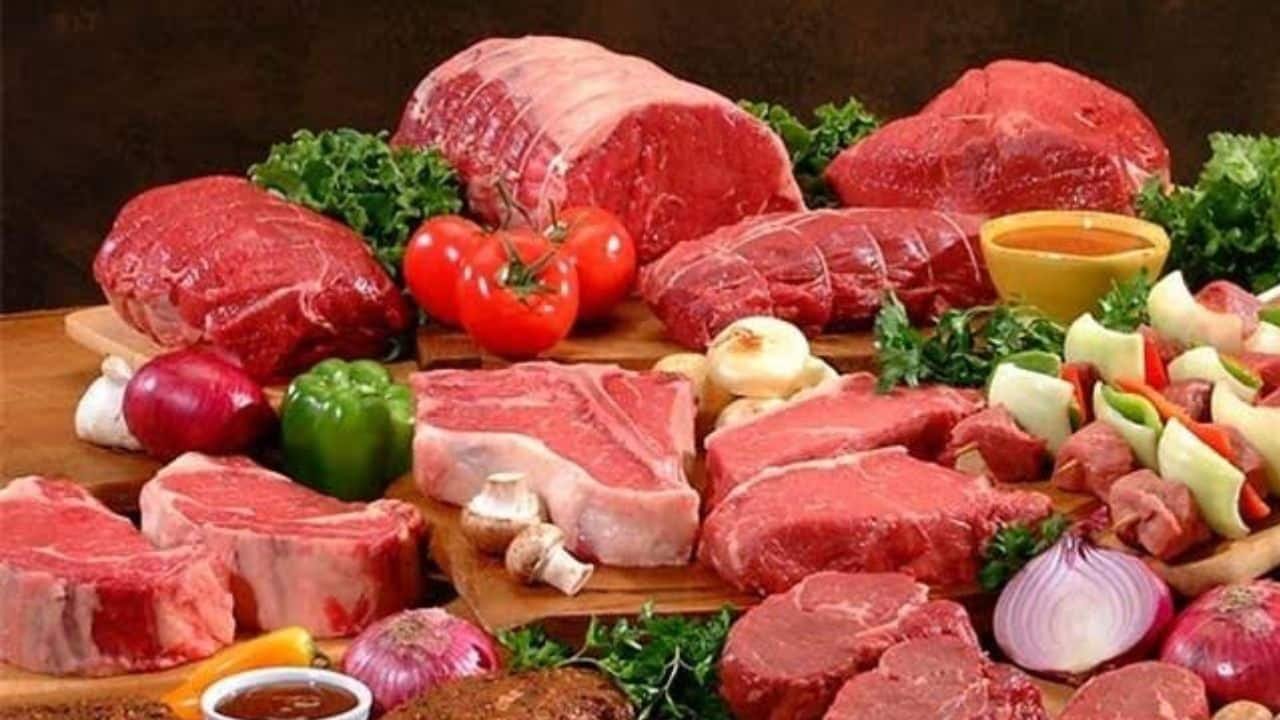
    The United Arab Emirates (UAE) has imposed a ban on the importation of fresh meat from Pakistan.

    This decision stems from the discovery of fungal contamination in frozen meat shipments from Pakistan via the sea route.

    As reported by ARY News, the presence of fungus on meat imported by a Karachi-based company prompted the UAE to enact this ban, which will be in effect until October 10.

    It’s worth noting that Pakistan typically exports fresh meat valued at $12 million monthly to the UAE through maritime channels.

    Pakistan primarily directs a significant portion of its meat exports towards the United Arab Emirates, Saudi Arabia, and Bahrain.

  • UK introduces new trade plan, offering duty-free access to 94% Pakistani products

    UK introduces new trade plan, offering duty-free access to 94% Pakistani products

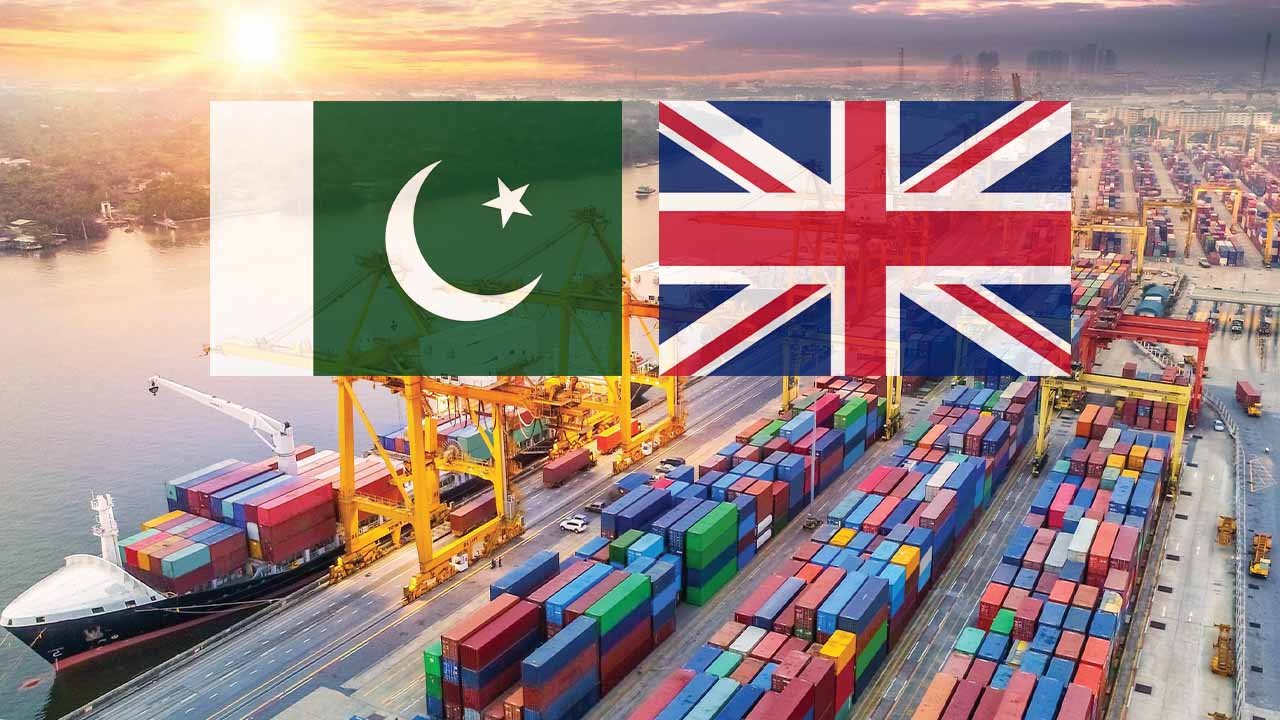
    The United Kingdom has taken a momentous step in strengthening commercial ties with 64 nations, including Pakistan, by launching a new trading plan that offers duty-free access to goods.

    This move is expected to have a significant impact on Pakistani exports, allowing a staggering 94 per cent of goods to enter the British market without any duties, resulting in substantial savings of £120 million for the country.

    With the replacement of the Generalised System of Preferences (GSP), the UK’s new trade system opens up new avenues for trade and promises further tariff reductions for an additional 156 items.

    The implementation of the new trade system marks a significant development for Pakistani exports to the United Kingdom. By providing duty-free access to a vast majority of Pakistani goods, the UK aims to foster a mutually beneficial trade relationship. This move is expected to boost the trading possibilities between the two nations and facilitate an expansion of bilateral trade.

    According to the British High Commission, the current annual trade volume between Pakistan and the UK stands at £4.4 billion, and these figures are expected to rise in the future.

    The new trading plan aims to extend opportunities for free and fair trade to 65 nations, including Pakistan. By facilitating necessary changes and improvements, the UK seeks to enhance the quality of trade and enable these countries to actively participate in the global trading system. The British Trade Centre will play a crucial role in supporting and assisting these nations in their trade endeavors.

    Notably, this new plan also benefits 26 Asian nations and 37 African nations, collectively amounting to an export volume of £21 billion to the UK.

    The new trade system also promises further tariff reductions and increased trading possibilities for participating nations. With this plan in place, the UK aims to promote free and fair trade, strengthen global trading systems, and foster economic growth for all involved parties.

  • Export-quality rice production at risk: Rising theft incidents targeting water pumps, transformers

    Export-quality rice production at risk: Rising theft incidents targeting water pumps, transformers

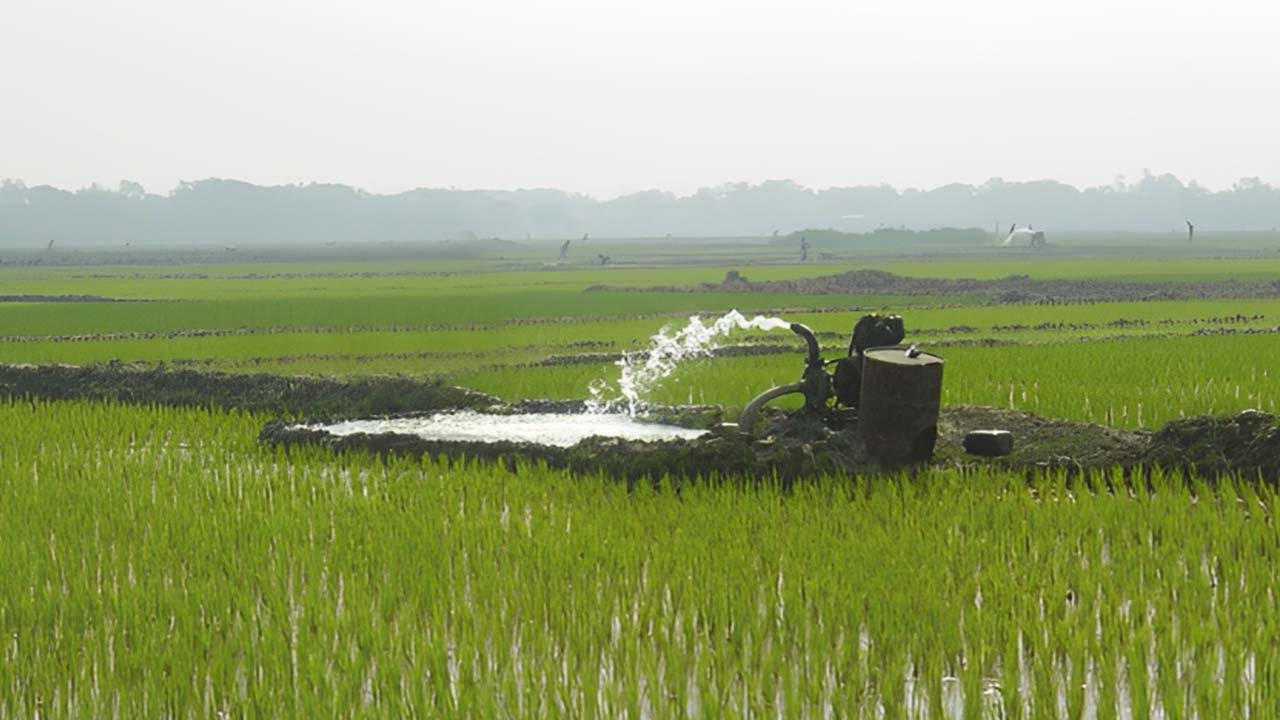
    Pakistan is currently facing a major threat to its export-quality rice production as a result of extensive theft of high-voltage electric wires, transformers, and water pumps. This theft has left vast stretches of rice-producing land along the Lahore to Sheikhupura Motorway without access to tube-well water, precisely during the critical rice sowing season.

    This alarming situation, which has been verified by both farmers and officials from the Water and Power Development Authority (Wapda), demands immediate attention.

    According to The News, the area most severely affected is near village Warran on the Motorway, where farmers are grappling with the challenges of rewiring their tube-wells and procuring replacements for the stolen equipment required for rice cultivation. The thefts of agricultural-related electrical hardware have been escalating precisely when water is in desperate demand for the rice crops.

    Although the rice-growing season began two weeks ago, many farmers are unable to sow their crops due to the thefts, which have deprived them of crucial equipment necessary for water extraction. Agricultural experts caution that any further delays in rewiring tube-wells and replacing stolen equipment could have severe repercussions for this year’s rice production.

    Regrettably, the motorway police’s lack of cooperation, attributed to resource constraints, has further complicated matters. Despite filing First Information Reports (FIRs) for each incident, no thieves have been apprehended thus far. Some Wapda officials suspect that the stolen wires and accessories are being sold at discounted prices to factories for various manufacturing purposes. Additionally, there are allegations that local politicians may be protecting the thieves, impeding the police’s efforts to apprehend them. These circumstances intensify the urgency surrounding this issue.

    Pakistan’s export-quality rice production is currently under a significant threat due to widespread theft of essential electrical equipment. The unavailability of water for irrigation poses a grave challenge to the entire rice crop, placing immense pressure on farmers. Swift action is imperative to address this issue and prevent further harm to the agricultural sector.

  • No special treatment: Russia denies exclusive discounts on oil export deal with Pakistan

    No special treatment: Russia denies exclusive discounts on oil export deal with Pakistan

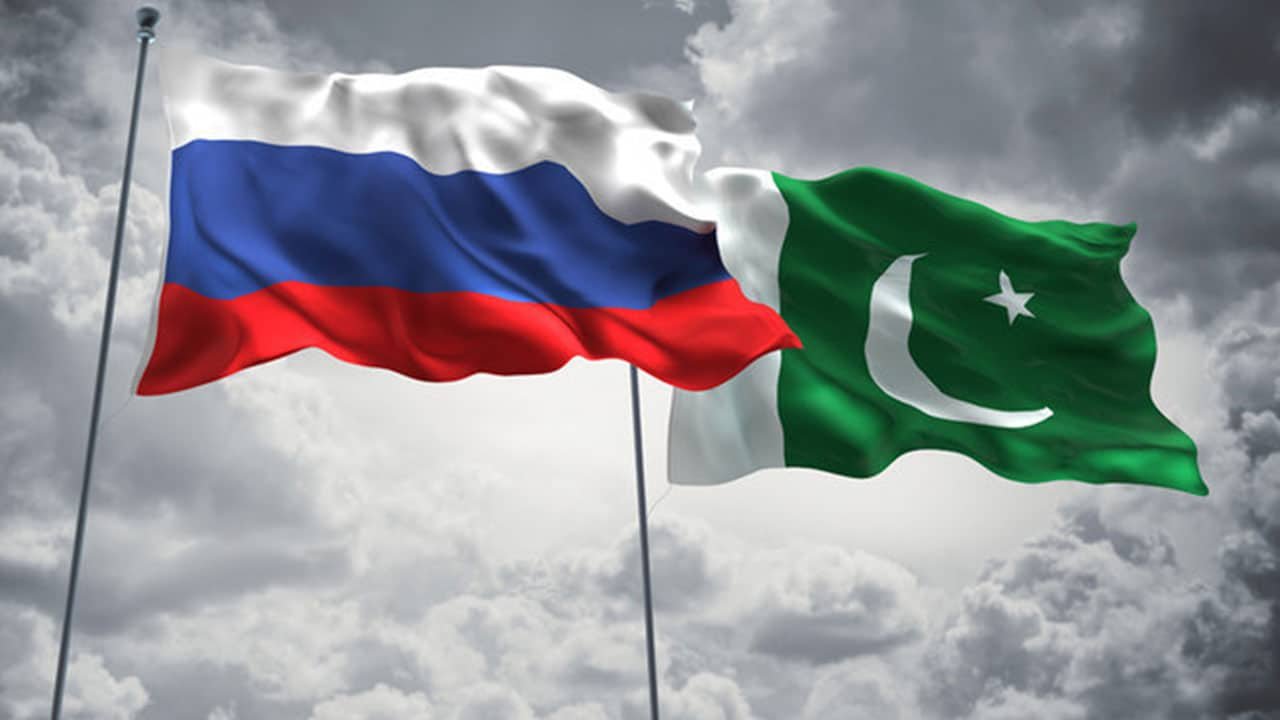
    In a recent statement, Russian Energy Minister Nikolai Shulginov clarified that his country is not providing Pakistan with oil at a special discount. The announcement came during an international economic conference in St Petersburg, where Shulginov confirmed that Russia had begun exporting oil to Pakistan.

    Contrary to earlier reports, the Russian minister emphasised that the oil deliveries to Pakistan were being conducted on standard terms without any exclusive discounts. Citing Russian state media, Voice of America (VoA) reported Shulginov’s remarks, which aimed to dispel speculations about preferential treatment in the oil deal.

    According to Geo, Shulginov further revealed that both countries had agreed to accept Chinese currency as payment, highlighting the importance of conducting transactions in the currencies of friendly nations. However, he denied claims that Pakistan had received any special advantages or discounts within the agreement.

    During the conference, the topic of barter trade between Pakistan, Afghanistan, Iran, and Russia was also addressed. Pakistan had recently passed a special order allowing barter trade for various commodities, including petroleum, liquefied natural gas (LNG), coal, minerals, metals, wheat, pulses, and other food items.

    Regarding this specific trade arrangement, Minister Shulginov clarified that discussions had taken place, but no final decisions had been reached. In particular, the two countries have yet to establish mutually agreeable prices for the export of liquefied natural gas to Pakistan. Shulginov explained that the current focus was on spot supplies, and since spot gas prices were high at the moment, the negotiations were primarily centered around long-term contracts.

    As Russia commences oil deliveries to Pakistan, both nations are working to ensure fair and transparent trade practices while exploring potential opportunities for collaboration in the energy sector. The recent developments underscore the significance of bilateral cooperation and economic ties between Russia and Pakistan.

    While the exact details of the ongoing negotiations remain undisclosed, Minister Shulginov’s statements emphasise the commitment of both countries to maintaining a level playing field in their trade relations. The international community will be closely monitoring future developments in this energy partnership, particularly as Pakistan continues to diversify its energy sources and explore avenues for economic growth.

    As the discussions progress, it is expected that Russia and Pakistan will strive to reach mutually beneficial agreements that foster stability and prosperity in their bilateral trade relations, creating opportunities for sustained cooperation in the energy sector and beyond.

  • Apple CEO Tim Cook to meet India’s PM Modi during store opening

    Apple CEO Tim Cook to meet India’s PM Modi during store opening

    Tim Cook, the CEO of Apple, is scheduled to meet India’s Prime Minister, Narendra Modi, and the country’s deputy IT minister as part of his visit to inaugurate the tech giant’s first retail store in India.

    Cook’s visit to Mumbai and New Delhi to open the first official company-owned outlets in the country highlights Apple’s growing interest in India, despite only having a 3 per cent market share.

    The company has been expanding iPhone assembly through contract manufacturers and increasing its exports. Cook will meet Modi on Wednesday in New Delhi, and he is also expected to meet India’s deputy IT minister, Rajeev Chandrasekhar.

    Apple and the IT ministry did not immediately respond to requests for comment, while Modi’s office declined to comment. Cook’s meetings with Indian officials come as Apple focuses more on India, which is the world’s second-largest smartphone market.

    According to data from the India Cellular and Electronics Association, iPhones accounted for more than 50 per cent of the $9 billion worth of smartphones exported from India between April 2022 and February 2023.

    On Monday, Apple opened its first store in Mumbai, but only for a private event where bloggers and tech analysts reviewed the store layout and design. The Mumbai store is located in the Reliance Jio World Drive mall, which is home to luxury clothing and jewellery brands like Michael Kors, Kate Spade, and Swarovski. It is 20,800 square feet, far larger than the planned Delhi outlet, according to local registration documents.

    Apple has sold its products in India through resellers or e-commerce websites such as Amazon. The Mumbai store will open to the public from Tuesday, while a second store will be inaugurated inside a New Delhi mall on Thursday.

    In India, iPhones are assembled by three of Apple’s contract manufacturers – Foxconn, Wistron Corp, and Pegatron Corp. Apple plans to assemble iPads and AirPods in India as well.