Tag: export

  • Sri Lanka considering exporting 100,000 monkeys to China

    Sri Lanka considering exporting 100,000 monkeys to China

    Sri Lanka’s Agriculture Minister, Mahinda Amaraweera, has instructed officials to examine China’s proposal to import 100,000 toque macaque monkeys, which are native to Sri Lanka and classified as endangered by the International Union for Conservation of Nature (IUCN).

    The monkeys will be displayed in over 1,000 Chinese zoos with the minister suggesting that Sri Lanka might be able to meet the request due to the large macaque population in the country.

    As per a Sri Lankan news portal, a meeting was held on Tuesday to discuss the possibility of sending monkeys to China under the first phase of the programme. Agriculture Minister Mahinda Amaraweera led the meeting, which was attended by officials from the Agriculture Ministry, Department of National Zoological Gardens, and Department of Wildlife Conservation.

    During the meeting, it was revealed that the current monkey population in Sri Lanka has grown to almost 3 million and that the monkeys were causing significant damage to local crops.

    Despite Sri Lanka’s ban on almost all live animal exports, the country is currently considering fulfilling China’s request for macaque monkeys, as the country grapples with its worst economic crisis.
    Sri Lanka is also looking to fulfill China’s request due to the fact that Beijing is one of Sri Lanka’s major bilateral lenders.

  • Cotton production in Pakistan drops to 40-year low due to flood damage

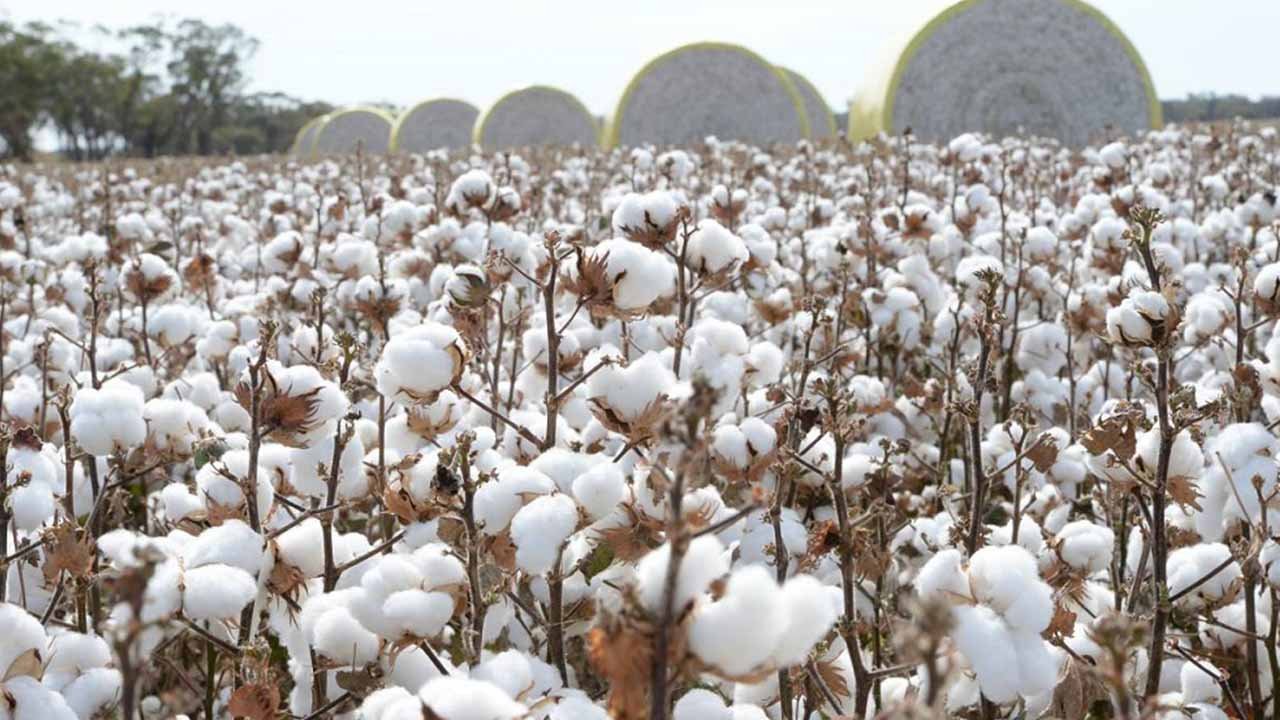
    Cotton production in Pakistan drops to 40-year low due to flood damage

    According to data released by the Pakistan Cotton Ginners Association (PCGA), cotton production in the country has decreased by 34 per cent this year compared to the previous season. The final figures for the crop year 2022-23 show that Pakistan produced 4,912,069 bales, which is the lowest in around four decades, as opposed to 7,441,833 bales produced in the 2021-22 season, resulting in a year-on-year decline of 2,528,764 bales or a 34 per cent loss.

    This drop in production means that the textile industry will have to import around 10 million bales to meet its annual demand of 15 million bales. However, mill consumption in the year 2022-23 has also been reported at 8.8 million bales, the lowest in over 20 years, primarily due to severe import financing issues.

    Market sources state that textile mills have so far signed import agreements for 5.5 million bales, while they have purchased 4,605,449 bales from the local market. Last year, the mills had bought 7,332,000 bales from the domestic market. Ginners report that they are still holding 301,720 bales in their stocks, compared to last year’s inventory of 93,833 bales.

    The massive drop in cotton arrival is blamed on flash floods and heavy rains during last year’s monsoon that devastated large swathes of agricultural land in the country, particularly in Sindh and Balochistan provinces.

    Interestingly, despite strong demand in international markets, only 4,900 bales of white lint were exported this year, compared to the previous year’s figure of 11,000 bales, a fall of over 69 per cent. The main destinations for Pakistan’s raw cotton are the Philippines, Italy, Bangladesh, Greece, and France.

    Province-wise, Punjab registered over a 32 per cent year-on-year decline in output, producing 3,033,050 bales this season against 3,928,690 bales last season. Sindh reported over a 46 per cent year-on-year loss in yield, with the lint production in the province this year standing at 1,879,019 bales against 3,513,143 bales last year.

    Pakistan’s cotton output reached a high of 14.1 million bales in the year 2004-05. But it dropped to 7 million bales in 2020-21 and about 9.45 million bales in 2021-22, as the country’s per acre yield contracted to half of the crop productivity in other countries of the region.

    A recent meeting of the Economic Coordination Committee (ECC) expressed concern over the continuous decline in cotton production and acreage over the years. As a result, the ECC approved Rs8,500 per 40kg as the intervention price on a summary submitted by the Ministry of National Food Security and Research to attract growers towards the crop.

    The ministry informed the ECC that in order to draw up a cotton intervention price proposal, consultations were held with all stakeholders, including the provincial governments, growers, and cotton associations in January and February. Stakeholders, including the All Pakistan Textile Mills Association, called for pegging the cotton intervention price with the import parity price in line with the policy adopted over the past two years.

    To review market prices and propose intervention on a fortnightly basis, the ECC constituted a cotton price review committee with the mandate to review market prices and propose intervention on a fortnightly basis.
  • Pak Suzuki increases motorcycle prices by up to Rs25,000

    Pak Suzuki increases motorcycle prices by up to Rs25,000

    Pak Suzuki Motor Company Ltd. (PSMCL) has increased motorcycle prices by Rs20,000-25,000, effective February 1st.

    The new rate for GD110 S, GS150, GSX125, and GR150 is Rs264,000, Rs286,000, Rs384,000, and Rs410,000.

    However, the company’s communication to authorised dealers lacked any explanation for the price increase.

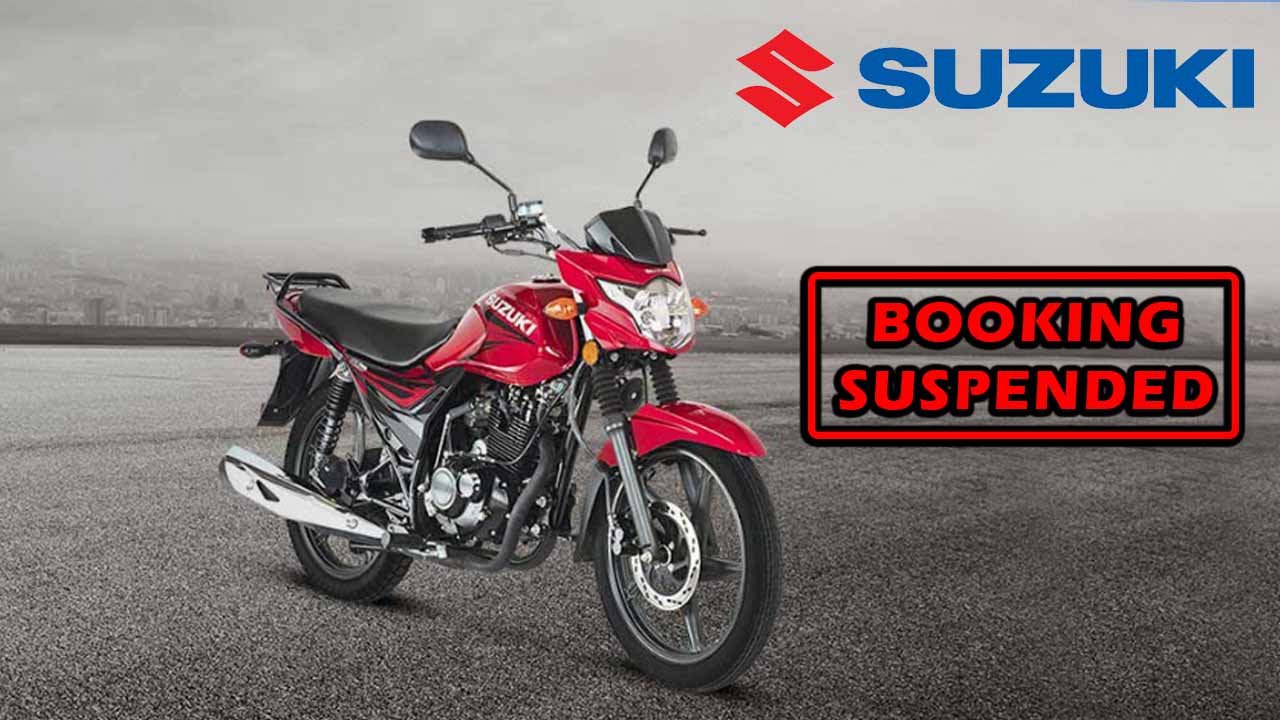
    PSMCL had temporarily ceased taking new bike orders as of January 20 due to supply chain constraints based on imports and unpredictable production capacity in the current economic climate.

    Read more: Latest Suzuki car prices

    Pak Suzuki has been enjoying a smooth journey, recording sales of 20,762 units in FY23 compared to 18,030 at the same time last fiscal year, as sales of all two-wheeler assemblers have remained flat due to rising prices, quality problems, and affordability difficulties.

    The assembler of Hi-Speed motorcycles has also increased the rate by Rs25,000 of 150cc Infinity and 200cc Freedom followed by a Rs2,500-Rs3,500 hike in 70cc-125cc motorcycles.

  • ‘We are unable to serve new customers’: Pak Suzuki announces booking suspension for all motorcycles

    ‘We are unable to serve new customers’: Pak Suzuki announces booking suspension for all motorcycles

    Pak Suzuki Motor Company (PSMC) stated on Thursday that it had halted taking reservations for motorbikes until further notice due to issues with manufacturing and procurement following the consecutive closures of its automobile assembling factories caused by an ongoing inventory crisis.

    “Under the present economic circumstances, import-based supply chain constraints and uncertain production possibilities, we are unable to serve new customers,” the company said in a letter to dealers.

    The suspension of reservations would start today.

    “We will, therefore, stop bookings of our motorcycle products from January 20, 2023, for the time being. However, bookings will resume as the situation becomes favourable to serve fresh customers.”

    With the rupee falling and inflation at decades-high levels, Pakistan’s economy has collapsed along with a simmering political crisis, but disastrous floods and a worldwide energy crisis have added to the strain.

    Almost all industries, including the automotive sector, have been slowed down by a lack of imported components and materials, and an alarmingly large number of businesses have been forced to cease operations.

    As Pakistan struggles with a dire foreign exchange crisis, thousands of containers filled with basic food supplies, raw materials, and medical equipment have been held up at the Karachi port.

    According to Express Tribune, banks are refusing to issue fresh letters of credit for importers due to a shortage of needed dollars, which is hurting an economy already under pressure from high inflation and weak growth.

  • Export industry is one of the highest priorities of govt: Ishaq Dar

    Export industry is one of the highest priorities of govt: Ishaq Dar

    Federal Minister for Finance and Revenue Ishaq Dar on Monday said that the government will make it easier for all exporters to import the raw materials, components, and accessories they need to meet their demands, including five previously zero-rated export-oriented sectors.

    “Export industry is one of the highest priority of our government,” the minister wrote on Twitter.

    “Five (previously) zero-rated export-oriented sectors and all other exporters will be given complete facilitation for import of raw material, parts, and accessories to meet their export requirements,” Dar added.

    The announcement comes as the country battles a dire foreign exchange crisis and industries, notably exporters, struggle to get their Letters of Credit (LC) issued

    At Karachi port, thousands of containers containing raw materials, food items, and medical supplies are stranded due to a shortage of dollars.

    Banks are refusing to grant fresh letters of credit for importers due to a shortage of needed dollars, which is undermining an economy already under pressure from high inflation and weak GDP.

  • Russian delegation will visit Pakistan tomorrow to discuss long-term oil and gas deal

    Russian delegation will visit Pakistan tomorrow to discuss long-term oil and gas deal

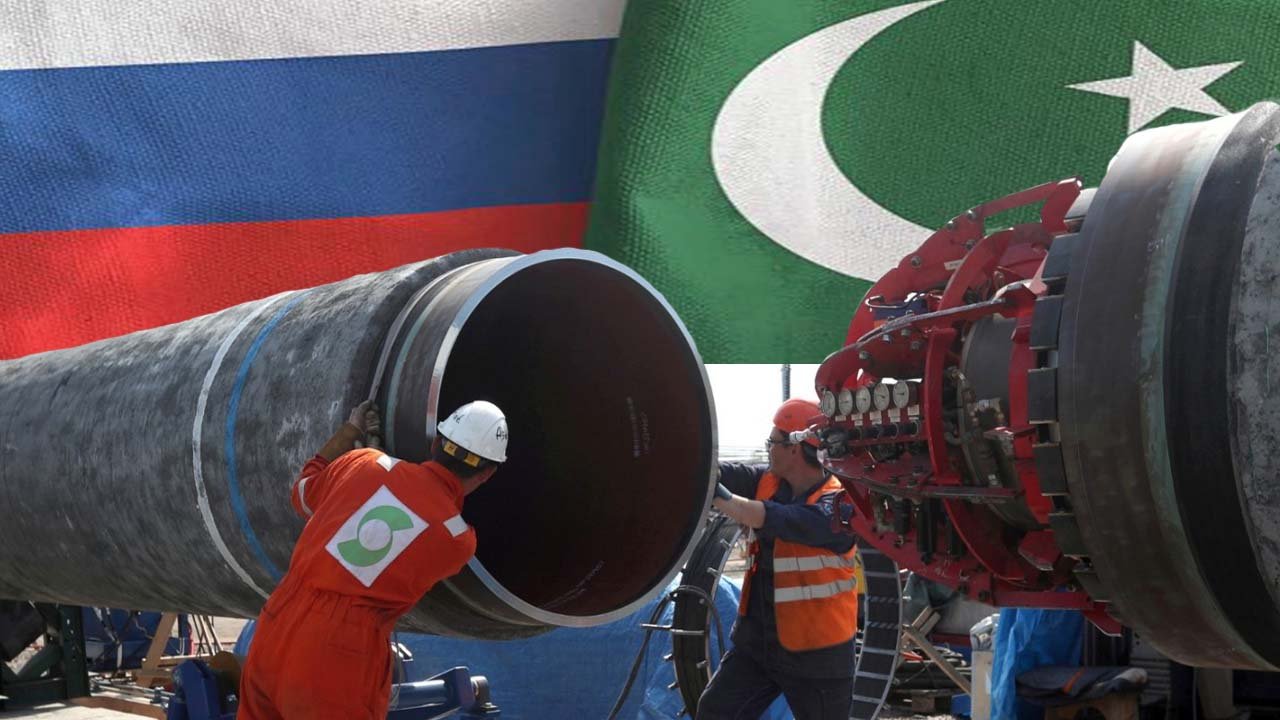
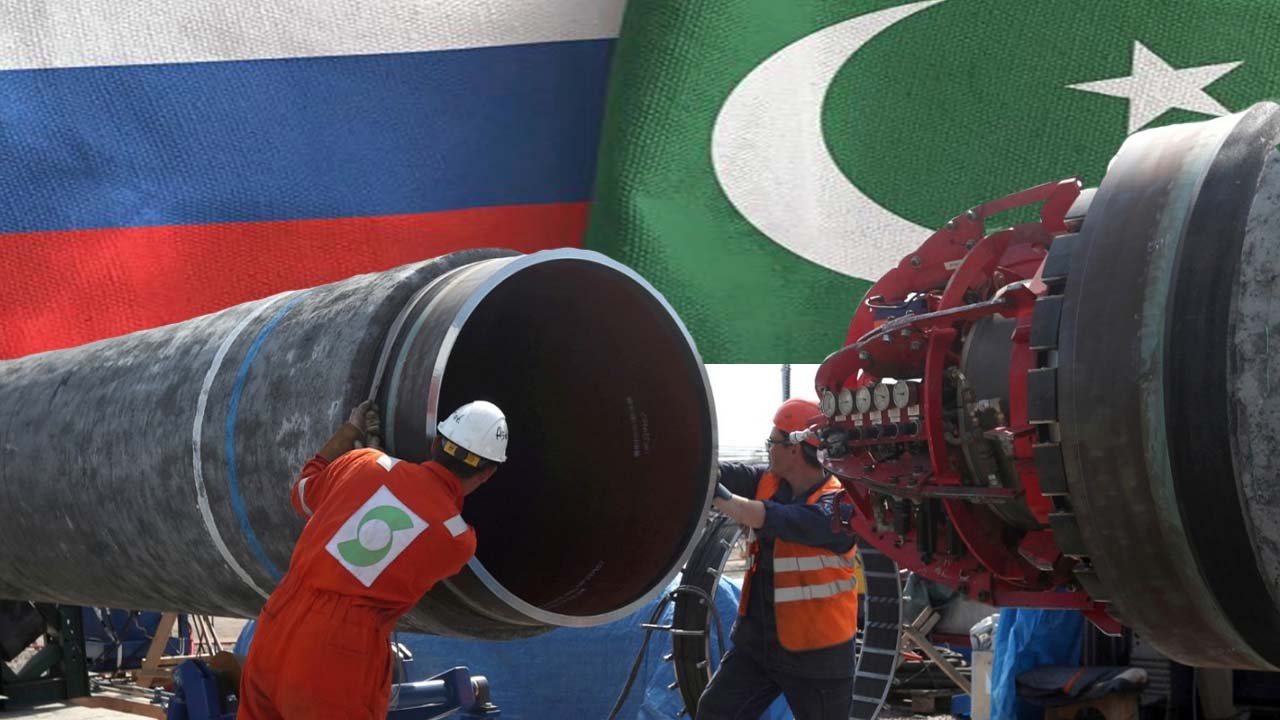
    The much-touted $3 billion Pakistan Stream Gas Pipeline (PSGP) project, as well as a long-term trade agreement for oil and liquefied natural gas (LNG), will be the topics of bilateral negotiations between Pakistan and a Russian delegation that will arrive tomorrow.

    The team, which consists of 80 personnel, will land in Pakistan on Tuesday for three days of bilateral discussions through the Inter-Governmental Commission forum (IGC).

    For the IGC negotiations, the Pakistani delegation will be led by Federal Minister Sardar Ayaz Sadiq. Both states must first negotiate the IGA (inter-governmental agreement), which was finalised and signed in the case of the Pakistan Stream Gas Pipeline Project (PSGP), formerly known as the North-South Gas pipeline project, in order to import Russian oil and LNG on a GtG basis.

    According to The News, the shareholding and facilitation agreement for PSGP was still in draught form on February 24, 2022, when former prime minister Imran Khan travelled to Moscow. Both parties wanted to sign the PSGP agreement during the Imran and Putin meeting, but it was not able to be done since the experts from both sides could not agree on several terms of the shareholding agreement.

    Currently, the G7 nations have capped the price of Russian crude oil at $60 per barrel and forbade the use of Russian ships to carry oil. In exchange, Moscow promised to stop selling oil to nations who agree to a Western price restriction on its petroleum.

    The Pakistani side will talk about the shipment costs, the premium by the shipping trader, the insurance coverage, and the payment options.

    Agribusiness, energy, customs, industry, education, research and technology, information and communication technologies, communication, roads and postal service, railroads, and finance are all included in the IGC’s agenda as areas for cooperation in trade and investments. Additionally, Pakistan’s debt to Russia will be settled and discussed.

    The potential for cooperation in the areas of electric power, hydropower, renewable energy sources, and oil and petrol production will also be discussed by the two sides.

    In their response, the Pakistani team proposed to change the model of the PSGP project. The Russian side said that the model of the project under GtG (government-to-government) arrangement had already been settled, save for some clauses of the shareholding agreement, which would soon be finalized.

  • Pak Suzuki announces second plant closure in less than 10 days due to parts shortage

    Pak Suzuki announces second plant closure in less than 10 days due to parts shortage

    Due to a persistent lack of imported components and accessories, Pak Suzuki Motor Company Ltd (PSMCL) has prolonged the factory shutdown from January 9 to 13 after keeping manufacturing operations paused from January 2 to 6.

    However, the business stated in a stock filing on Friday that the motorbike facility will continue to be in operation.

    The State Bank of Pakistan’s restrictions on obtaining prior approval for imports, including completely knocked-down (CKD) kits, have prevented PSMCL from opening its production facilities for 30 days since August 2022. This has negatively impacted the clearance of shipments from the port and resulted in shortages of parts and accessories.

    On the fate of employees because of persistent plant closure and plummeting sales of vehicles, a PSMCL official claimed that “so far no company’s employees have been terminated.”

    In 5MFY23, Pak Suzuki’s sales decreased by 35 per cent to 37,042 units from 57,200 in the same time the previous fiscal year.

    On Friday, the Lahore Chamber of Commerce and Industry (LCCI) and the Pakistan Association of Automotive Parts and Accessories Manufacturers (PAAPAM) both voiced their concerns regarding Millat Tractors’ decision to cease operations for an indefinite period of time due to declining sales and delayed sales tax refunds.

    In a joint statement, PAAPAM Senior Vice Chairman Usman Aslam Malik and LCCI President Kashif Anwar observed that “we should save Pakistan first, then politics, before we reach the point of no return.”

    Both leaders urged the administration and the opposition parties to get together and talk about how to resolve the nation’s crisis.

    They pointed out localization as the long-term answer to economic issues. The removal of imports must be given first priority, followed by the removal of export.

  • SBP hikes export financing markup rates from 11% to 13%

    The State Bank of Pakistan (SBP) has revised the rates of specialised lending schemes in accordance with its increased monetary policy rate of 16 per cent.

    SBP said it had decided to reduce the gap between its policy rate and the Export Finance Scheme (EFS) and Long-Term Financing Facility (LTFF) rates from the existing 5 per cent to 3 per cent, according to a circular released by the central bank.

    The notification stated that the revised tariffs will be effective from December 30, 2022.

    “Further, as mentioned in above referred circular, in [the] future with any change in the SBP policy rate, markup rates for EFS and LTFF will be revised automatically so that the gap between [the] policy rate and EFS & LTFF rates is maintained at 3 per cent,” the central bank added.

    Exporters and industrialists, who are already feeling the strain of strong inflationary pressures together with record increases in energy costs, are anticipated to see a rise in the cost of doing business as a result of higher financing rates.

  • SBP to lift import restrictions next week

    SBP to lift import restrictions next week

    The government has lifted import restrictions on commodities intended for vehicle manufacturing, mobile production, solar power equipment, and nuclear reactors for power generation projects commencing in 2023, despite Pakistan’s limited foreign exchange reserves.

    Simultaneously, authorised dealers (ADs – largely commercial banks) have been encouraged to prioritise the import of food and energy products. They should consider enabling the import of non-essential and luxury products after first providing for the necessities.

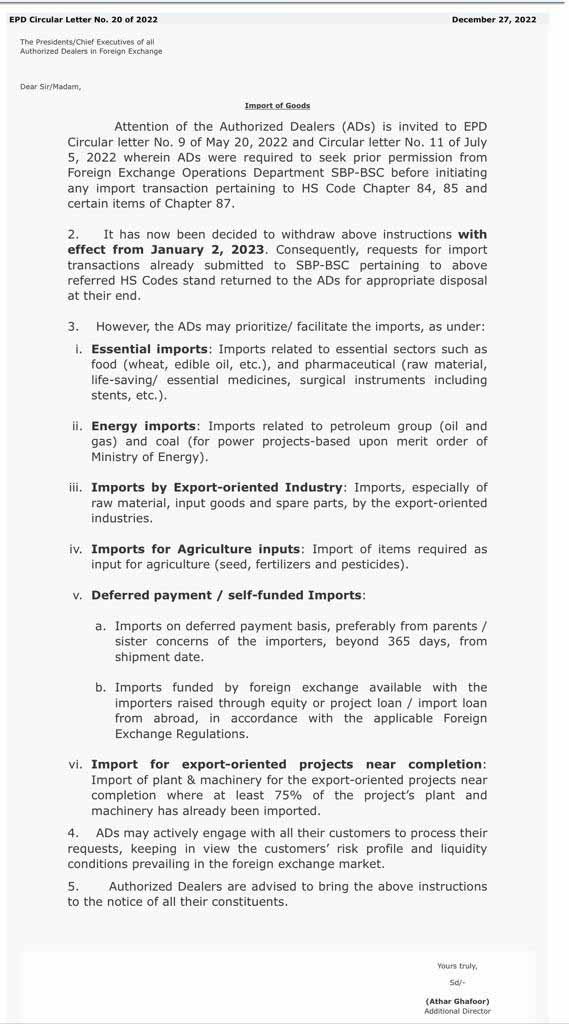
    The State Bank of Pakistan (SBP) reminded ADs on Tuesday that for the past eight months, they had been required to obtain prior permission from the Foreign Exchange Operations Department, SBP-BSC, before initiating any import transaction involving HS Code Chapters 84, 85, and certain items of Chapter 87.

    “It has now been decided to withdraw instructions (of prior permission) with effect from January 2, 2023. Consequently, requests for import transactions already submitted to SBP-BSC pertaining to referred HS codes stand returned to the ADs for appropriate disposal at their end,” the SBP said in the circular.

    Arif Habib Limited (AHL) Head of Research Tahir Abbas said that the import system may “continue to work in its present form. The removal of restrictions will not re-open imports in a full-fledged manner.”

    He stated that due to the country’s short foreign exchange reserves, the government has encouraged banks to first allow the import of necessary items before catering to others.

    The SBP advised ADs (commercial banks) to “prioritise and facilitate the import of essential sectors such as food (wheat and edible oil) and pharmaceuticals (raw material, life-saving or essential medicines, and surgical instruments, including stents).”

    According to Express Tribune, the second priority of ADs is to focus on energy imports “like oil, gas, and coal” (for power projects based on the merit order of the Ministry of Energy).

    Imports for export-oriented businesses should be prioritised as well. They should facilitate “imports, especially of raw materials, input goods, and spare parts, by the export-oriented industries,” stated the SBP. Imports of agri-inputs should be the fourth priority of ADs, as explained by SBP: “import of items required as inputs for agriculture (seed, fertilizers, and pesticides).”

  • Russia may send natural gas supplies to Pakistani markets in long term: Russian Deputy PM

    Russia may send natural gas supplies to Pakistani markets in long term: Russian Deputy PM

    According to Russian Deputy Prime Minister Alexander Novak, Moscow is ready to resume gas supplies to Europe via the Yamal-Europe Pipeline and can also send supplies to Pakistan and Afghanistan in the long term.

    “The European market remains relevant, as the gas shortage persists, and we have every opportunity to resume supplies,” TASS cited Novak as saying in remarks published by the agency on Sunday.

    “For example, the Yamal-Europe Pipeline, which was stopped for political reasons, remains unused.”

    The Yamal-Europe Pipeline normally flows westward, but it has been mostly reversed since December 2021, when Poland chose to draw on stored gas in Germany rather than buy from Russia.

    Warsaw canceled its arrangement with Russia in May, after previously rejecting Moscow’s demand that it pay in roubles.

    Gazprom, Russia’s largest supplier, responded by cutting off supply and announcing that it would no longer be allowed to export gas through Poland after Moscow slapped sanctions on the company that operates the Polish section of the Yamal-Europe pipeline.

    Novak also stated that Moscow is exploring increased gas deliveries via Turkey following the establishment of a hub there.

    He also stated that by 2022, Moscow intends to have exported 21 billion cubic meters (bcm) of liquefied natural gas (LNG) to Europe.

    “This year we were able to significantly increase LNG supplies to Europe,” Novak said. “In the 11 months of 2022, they increased to 19.4 bcm, by the end of the year 21 bcm are expected.”

    Novak also stated, in a wide-ranging interview with the TASS news agency, that in the long run, Russia can provide natural gas to the markets of Afghanistan and Pakistan, either through Central Asian infrastructure or through an exchange from Iranian territory.

    He also stated that Russia and Azerbaijan have agreed to enhance gas supplies for domestic usage.

    “In the future, when they increase gas production, we will be able to discuss swaps,” he said.

    Moscow is also discussing higher supplies of its gas to Kazakhstan and Uzbekistan, he said.