Tag: exports

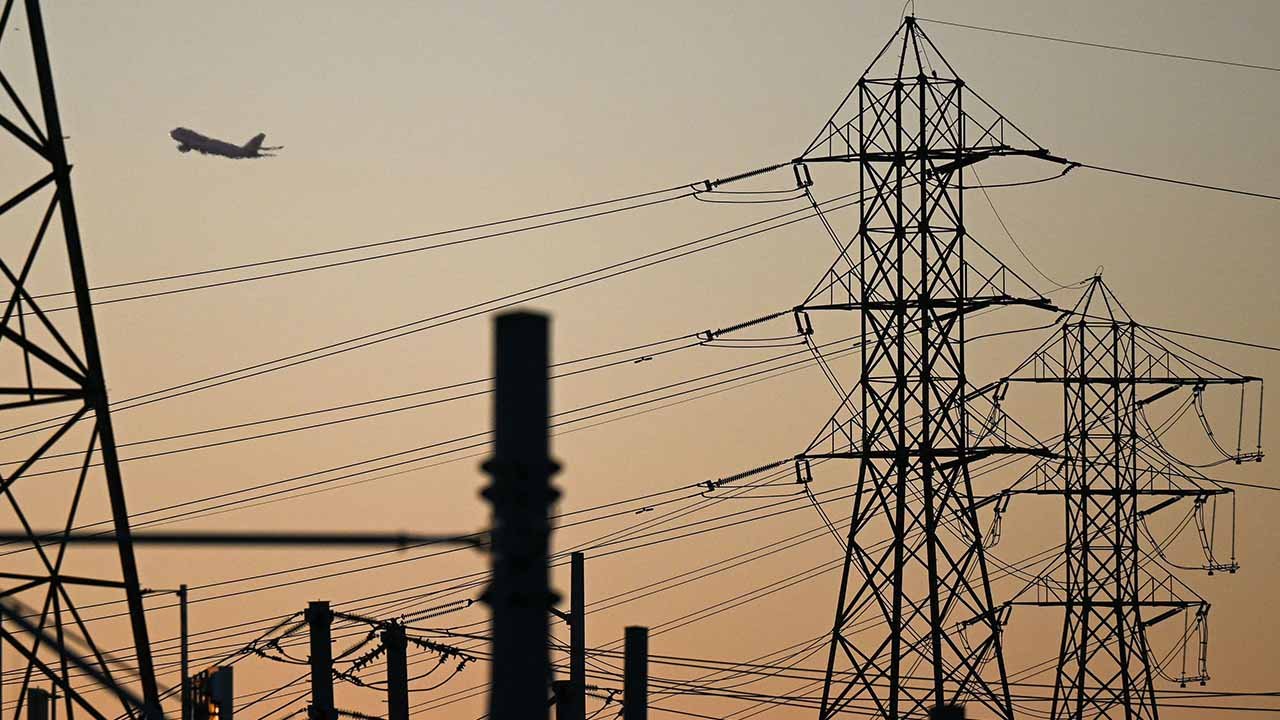
  • Reduced electricity prices to spur industrial activity and improve exports: Power minister

    Reduced electricity prices to spur industrial activity and improve exports: Power minister

    Following a reduction in electricity prices for industries, Power Minister Sardar Awais Leghari stated that the government’s decision aims to boost industrial activity and exports.

    Speaking to the media in Dera Ghazi Khan, Leghari highlighted the government’s revolutionary measures to improve the power distribution system. He underscored the government’s commitment to addressing power sector issues, including combating electricity theft.

    Leghari reiterated the goal of eradicating electricity theft nationwide to provide cheaper electricity to the public.

    He also noted the government’s achievement in reducing electricity rates for industries by Rs10.69, which is expected to stimulate industrial activity and generate more job opportunities.

    The minister assured that the government is aware of the challenges faced by farmers and is actively working to provide maximum relief to the public.

    In a related development, Prime Minister Shehbaz Sharif announced on Saturday that government institutions incurring massive losses would be shut down.

    During his address to the nation, the premier stated, “I have decided to close institutions that have become a burden instead of offering assistance,” and added that a ministerial committee has been formed to oversee this process.

    “I will come to you with a new message in a couple of months,” PM Shehbaz said. “I believe this will be a significant step in reducing expenses and saving funds.”

    The premier also mentioned his recent trips to China and the Middle East, noting that commitments for investment were secured during these visits.
  • Pakistan’s exports surge by 8.93% to Rs22.91 billion

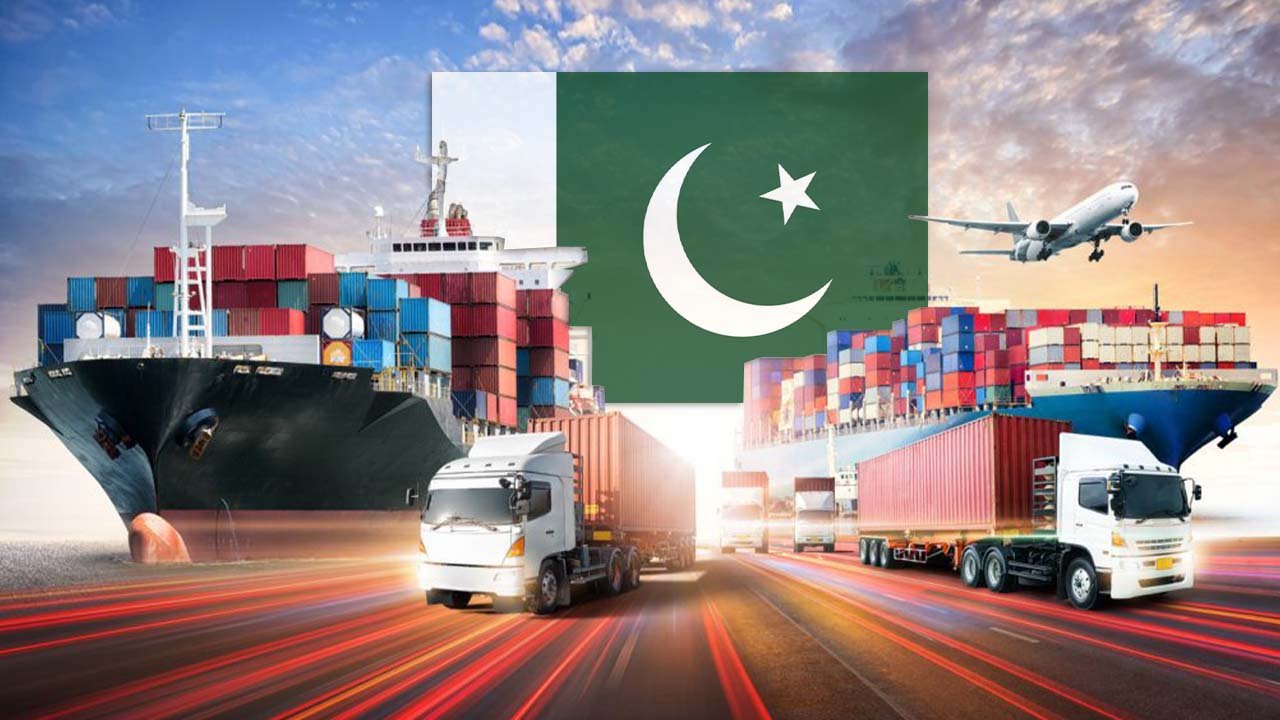
    Pakistan’s exports surge by 8.93% to Rs22.91 billion

    Pakistan’s export sector has shown a notable surge, with an 8.93 per cent increase recorded in the initial nine months of the current fiscal year (2023–24) compared to the corresponding period in the previous year.

    Data released by the Pakistan Bureau of Statistics (PBS) indicates that exports soared to $22.914 billion from July to March (2023–24), marking a significant rise from the $21.036 billion recorded during the same timeframe in 2022–2023.

    Conversely, imports experienced a decline of 8.65 per cent, dropping to $39.944 billion from $43.724 billion in the previous year.

    This resulted in a notable improvement in the trade deficit, which amounted to $17.030 billion for the first nine months of the current fiscal year, showcasing a substantial decrease of 24.94 per cent from the $22.688 billion recorded during the corresponding period last year.

    Analyzing the performance for March 2024 against March 2023, exports registered a notable uptick of 7.99 per cent on an annual basis, climbing from $2.366 billion to $2.555 billion.

    Conversely, imports surged by 25.86 per cent, reaching $4.726 billion compared to $3.755 billion in March 2023.

    In terms of month-to-month performance, while exports in March 2024 experienced a marginal decline of 1.08 per cent from February 2024’s $2.583 billion, imports demonstrated a noteworthy increase of 9.25 per cent from the $4.326 billion recorded in February 2024, as per PBS data.

    Pakistan, exports, trade deficit, fiscal year 2023–24, economic growth, Pakistan Bureau of Statistics, imports, March 2024, global trade, commerce, trade statistics,

  • Export of onions and bananas banned in first meeting of cabinet

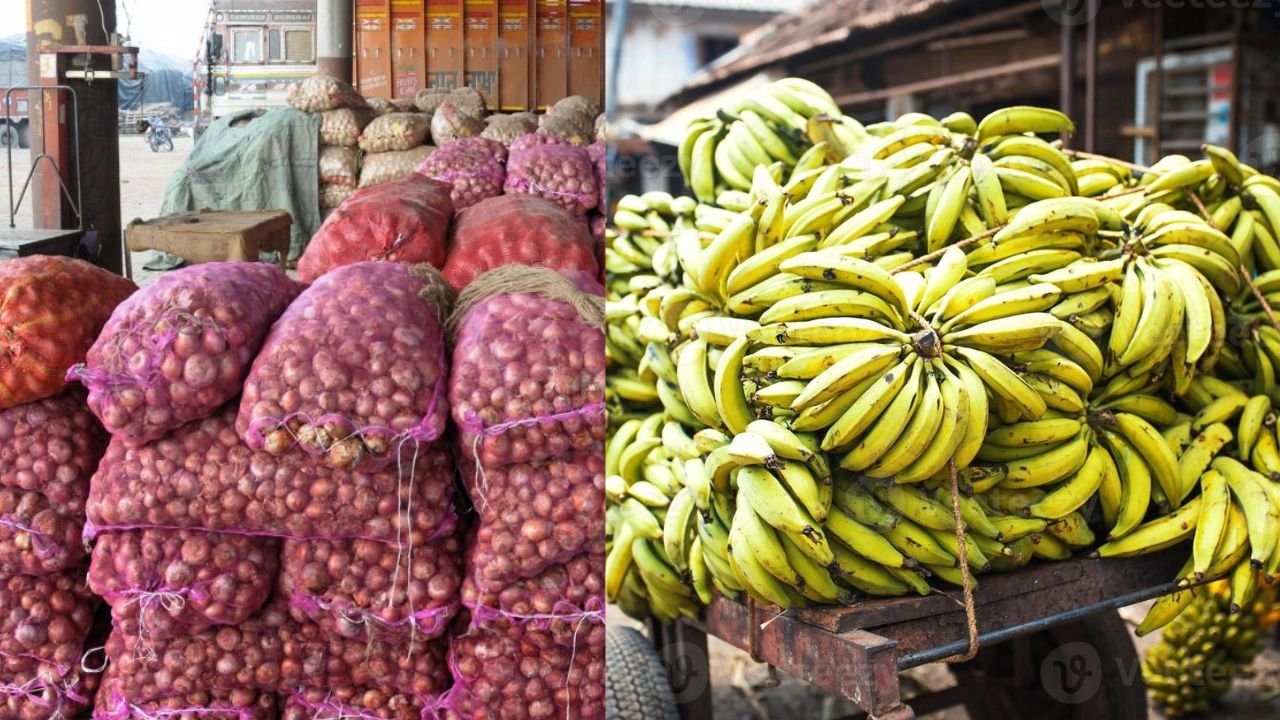
    Export of onions and bananas banned in first meeting of cabinet

    The federal cabinet has approved a ban on the export of bananas and onion till April 15, 2024, a step taken to bring down rates during Ramzan, reporting Geo News.

    The first meeting of the newly elected federal cabinet was held under the chairmanship of Prime Minister Shehbaz Sharif in which the economic situation of the country was deliberated upon and important decisions were taken including the ban on exporting bananas and onions.
    The ban was imposed to ensure ample availability in the market.

    Prime Minister Shehbaz Sharif directed officials to immediately form a committee to control the prices of food items. The cabinet says that the committee will closely monitor the prices of food items in collaboration with the provincial governments.

    The Prime Minister also issued orders to take strict action against unnecessary increase in prices of essential commodities and illegal profiteering.
    Shahbaz Sharif said that no negligence will be tolerated in taking strict action against profiteering.

    With the beginning of Ramzan, onion prices have reached 300 rupees per kg, while the prices of other food items are also very high.

  • Pakistan’s exports surpass Rs4,300 billion, up by 35.33% in six months

    Pakistan’s exports surpass Rs4,300 billion, up by 35.33% in six months

    The Pakistan Bureau of Statistics (PBS) has reported a substantial increase of 35.33 per cent in the country’s exports in rupee terms during the first half of the current fiscal year, as compared to the corresponding period of the previous year.

    According to provisional data released by PBS, exports from July to December 2023 amounted to Rs4,300,752 million, a significant rise from Rs3,177,893 million recorded during the same period last year.

    On a year-on-year basis, exports for December 2023 witnessed a remarkable surge of 54.59 per cent, reaching Rs799,588 million, compared to Rs517,240 million in October 2022.

    Additionally, on a month-on-month basis, exports increased by 8.86 per cent when compared to the figure of Rs734,541 million reported in November 2023.

    The key commodities contributing to this growth in December 2023 were rice other than basmati (Rs124,040 million), knitwear (Rs103,898 million), readymade garments (Rs84,569 million), bedwear (Rs64,119 million), cotton cloth (Rs40,678 million), cotton yarn (Rs26,984 million), towels (Rs24,814 million), rice basmati (Rs22,888 million), articles excluding towels and bedwear (Rs16,991 million), and meat and meat preparations (Rs12,472 million).

    In contrast, imports during July–December 2023–24 amounted to Rs7,533,700 million, showing an increase of 8.20 per cent compared to Rs6,962,865 million during the corresponding period last year.

    On a year-on-year basis, December 2023 imports totaled Rs1,317,463 million, reflecting a 13.94 per cent increase from December 2022. Moreover, on a month-on-month basis, imports increased by 1.66 per cent in December 2023 compared to Rs1,295,968 million in November 2023.

    The main commodities of imports during December 2023 were petroleum crude (Rs158,260 million), petroleum products (Rs150,888 million), natural gas, liquified (Rs109,516 million), electric machinery & apparatus (Rs63,667 million), palm oil (Rs60,316 million), plastic materials (Rs52,218 million), mobile phones (Rs49,887 million), iron & steel (Rs41,654 million), iron and steel scrap (Rs30,426 million), and motor cars (Rs29,543 million).

    This surge in exports, coupled with a measured rise in imports, signifies a positive trend in Pakistan’s trade balance, reflecting the resilience and competitiveness of the country’s export sector.

  • Pakistan’s exports to China surge to $1223.5 million

    Pakistan’s exports to China surge to $1223.5 million

    In a noteworthy development, Pakistan’s export of goods and services to China experienced a substantial increase of 39.44 per cent during the initial five months of the current fiscal year (2023–24), as reported by the State Bank of Pakistan (SBP).

    According to the latest SBP data, the overall exports to China reached $1223.532 million from July to November (2023–24), marking a significant rise compared to the $877.444 million recorded during the same period last fiscal year.

    On a year-to-year basis, the exports to China showed a remarkable growth of 36.29 per cent, rising from $199.058 million in November 2022 to $271.316 million in November 2023.

    However, on a month-on-month basis, there was a slight decline in exports to China during November 2023, registering a decrease of 14.90 per cent compared to the exports of $318.842 million in October 2023, as per the SBP data.

    Meanwhile, Pakistan’s overall exports to other countries exhibited a commendable increase of 4.99 per cent in the first five months, surging from US $11.915 billion to US $12.510 billion, according to the SBP data.

    In contrast, the imports from China into Pakistan during the reviewed months amounted to US $4741.099 million, reflecting a decline of 6.03 per cent compared to the corresponding period last year (2022–23).

    On a year-on-year basis, imports from China saw a notable increase of 10.71 per cent, rising from US $906.128 million in November 2022 to US $1003.248 million in November 2023.

    On a month-on-month basis, the imports from China recorded a marginal uptick of 0.99 per cent in November 2023 compared to the imports of US $993.401 million in October 2023, according to the data.

    The overall imports into Pakistan witnessed a significant decrease of 16.02 per cent, declining from $25.341 billion to US $21.281 billion, as reported by the data.

  • Agricultural boom: Pakistan’s farm exports surge by more than 70%

    Agricultural boom: Pakistan’s farm exports surge by more than 70%

    In October 2023, Pakistan experienced a notable surge in exports, marking a 13.5 per cent increase to reach $2.7 billion, as reported by the Pakistan Business Forum (PBF).  

    Simultaneously, the trade deficit saw a 4.5 per cent reduction during the same period, indicating positive economic developments. 

    Chaudhry Ahmad Jawad, the Vice President of PBF, highlighted the remarkable 73 per cent growth in the agriculture sector for October.  

    Notably, exports of rice and sesame seeds played a pivotal role in this expansion, showcasing a diversification of the country’s export portfolio and underscoring the robustness of the agricultural industry. 

    Jawad emphasised the imperative for Pakistan to boost its service exports, particularly in information and communication technology (ICT), to address the balance of payment deficit.  

    Drawing a comparison with India, he noted India’s remarkable achievement in ICT exports surpassing $140 billion in fiscal year 2022–23, contrasting with Pakistan’s stagnant growth at $2.6 billion in fiscal year 2021–22.  

    The key differentiator, as Jawad pointed out, is the focus on technology and engineering in India over the years, leading to a skilled labour pool. 

    While acknowledging the challenges in the short to medium term, Jawad expressed optimism about Pakistan’s potential for growth in the ICT sector. He suggested addressing the skills gap by offering crash courses to enhance the capabilities of IT graduates. 

    Jawad further underscored concerns raised by IT companies in Pakistan, stating that despite an abundance of talent, the technology sector faces difficulties due to a lack of demand and challenges in remitting money outside Pakistan.  

    He called for government intervention to tackle these issues, pointing to the State Bank of Pakistan’s efforts in 2020 and emphasising the need for ongoing attention to restore confidence. 

    Finally, a PBF official commended the caretaker IT minister’s goal of increasing ICT exports to $10 billion and bringing renowned payment gateways like PayPal and Stripe to Pakistan.  

    However, he raised concerns about existing limitations on exporters’ remittances, urging the finance division to address this critical issue. 

  • Knitwear tops the list: Pakistan’s exports surge by 25.54%

    In the fiscal year 2023–24, Pakistan’s exports, denominated in rupees, experienced a notable 25.54 per cent increase during the first quarter (Q1) compared to the previous year, as per the Pakistan Bureau of Statistics (PBS).

    Between July and September 2023, exports amounted to Rs2,013,533 million, marking a 25.54 per cent boost from the same period in the previous year, according to PBS’s provisional data.

    Looking at year-on-year figures, September 2023’s exports surged by 31.27 per cent, totaling Rs737,295 million, compared to Rs561,643 million in September 2022.

    On a month-to-month basis, exports grew by 6.06 per cent, reaching Rs737,295 million in August 2023.

    Key export categories in August 2023 included knitwear (Rs103,029 million), readymade garments (Rs74,608 million), bed wear (Rs69,234 million), cotton cloth (Rs51,891 million), oil seeds, nuts, and kernels (Rs46,571 million), cotton yarn (Rs33,815 million), rice and others (Rs32,324 million), towels (Rs25,116 million), rice basmati (Rs19,008 million), and miscellaneous articles, excluding towels and bed wear (Rs16,922 million).

    On the other hand, imports during July to September 2023 (FY2023-24) totaled Rs3,560,763 million, showing a decrease of 2.45 per cent compared to the same period in the previous year.

    In a year-on-year comparison, imports into Pakistan during September 2023 amounted to Rs1,189,167 million, a 2.52 per cent decline from September 2022.

    Month-on-month data indicated a 10.62 per cent increase in imports in September 2023 compared to August 2023.

    Key imported commodities in September 2023 included petroleum products (Rs162,087 million), petroleum crude (Rs146,179 million), liquefied natural gas (Rs75,331 million), palm oil (Rs61,388 million), plastic materials (Rs49,628 million), electric machinery and apparatus (Rs44,699 million), iron and steel (Rs44,191 million), mobile phones (Rs37,093 million), iron and steel scrap (Rs27,299 million), and pulses/leguminous vegetables (Rs22,208 million).