Tag: exports

  • Pakistan’s economy to recover, but challenges remain: World Bank

    Pakistan’s economy to recover, but challenges remain: World Bank

    Pakistan’s economic outlook, as per the World Bank’s ‘Pakistan Development Update,’ is challenging. The report projects a gradual recovery in real GDP growth, expecting it to reach 1.7 per cent in FY24 and 2.4 per cent in FY25. However, it warns that this recovery is contingent on implementing IMF measures, securing external financing, and maintaining fiscal discipline.

    The report highlights the dire poverty situation in Pakistan, with an estimated 39.4 per cent of the population living below the Lower-Middle Income Country poverty threshold in FY23, compared to 34.2 per cent in FY22. Factors contributing to this include economic slowdown, floods in 2022, import restrictions, political uncertainty, rising global commodity prices, and reduced investor confidence.

    The fiscal deficit remains a concern. While some easing of import restrictions may widen the current account deficit, a weaker currency and higher domestic energy prices could sustain inflation. The report emphasizes the importance of comprehensive fiscal reforms, including reducing tax exemptions, broadening the tax base, improving public expenditure quality, reforming the energy sector, and managing public debt more effectively.

    The World Bank stresses that addressing these challenges is crucial for long-term recovery and recommends strengthening institutions and systems to achieve fiscal and debt sustainability. The report echoes concerns about external shocks, political instability, and debt servicing challenges, underlining the need for prudent economic management and reforms.

    The Asian Development Bank (ADB) predicts a modest GDP growth recovery to 1.9 per cent in FY24, following a contraction of 0.3 per cent in FY23, with persistent price pressures. Overall, Pakistan faces a complex economic landscape that demands immediate attention to fiscal reform, poverty alleviation, and resilience to external shocks.
  • Pakistan’s imports drop sharply, leading to 42% reduction in trade deficit

    Pakistan’s imports drop sharply, leading to 42% reduction in trade deficit

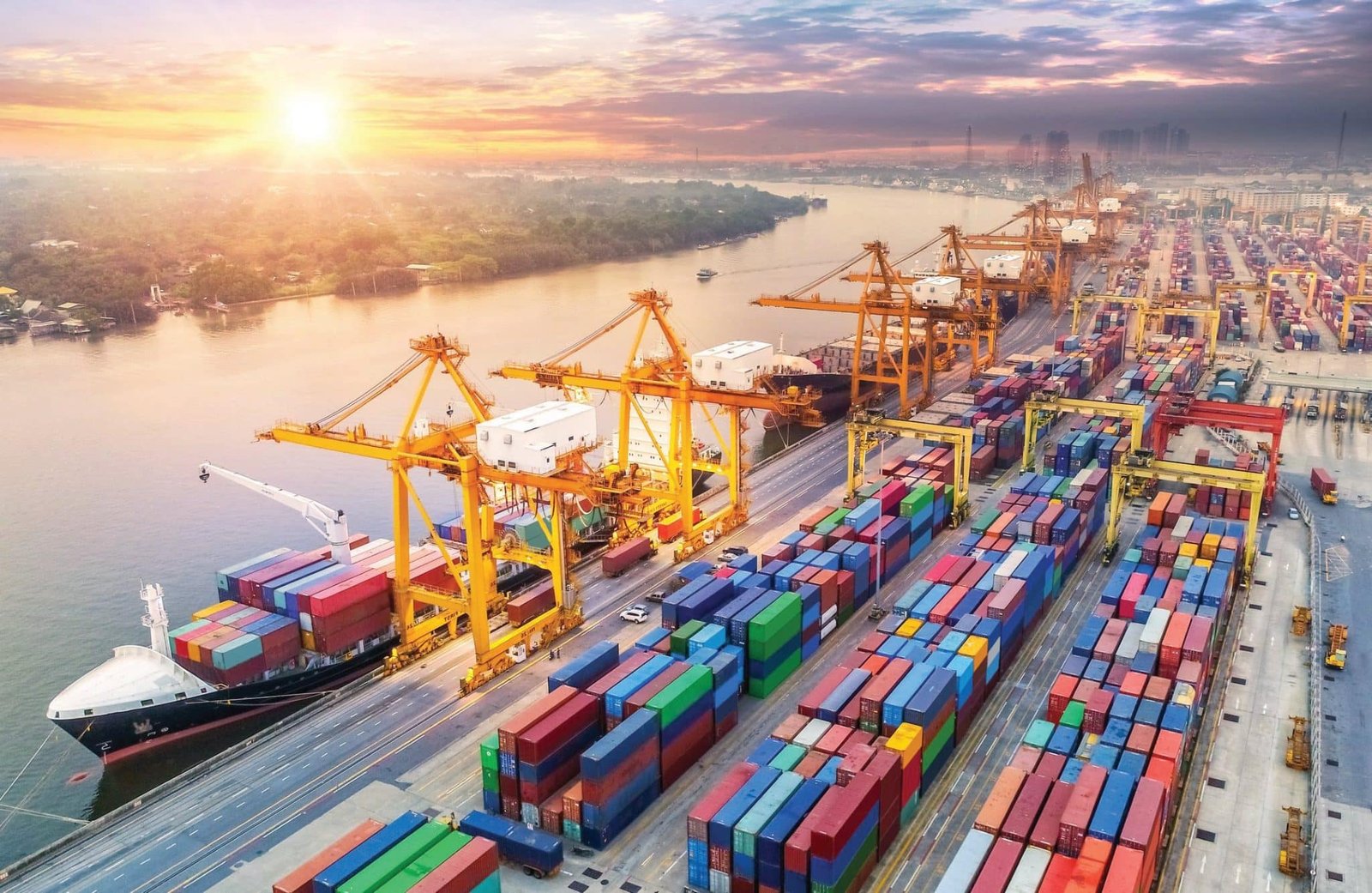
    Pakistan’s trade deficit for the first three months of the fiscal year 2023–24 has notably contracted by 42.25 per cent to reach $5.29 billion. This remarkable reduction is primarily attributed to a significant decrease in imports, a direct consequence of carefully administered measures.

    Data released by the Pakistan Bureau of Statistics (PBS) reveals that the trade balance, which represents the difference between exports and imports, stood at a deficit of $5.29 billion for the period spanning July to September 2023–24. This is in stark contrast to the $9.16 billion deficit recorded during the same period in the preceding year.

    Both exports and imports experienced declines in this timeframe, with imports showing a more substantial decrease compared to exports, effectively narrowing the trade deficit. During these three months of 2023–24, Pakistan’s exports contracted by 3.8 per cent to $6.9 billion, despite facing significant currency depreciation when compared to the corresponding period in the previous year.

    Conversely, imports registered a notable decline of 25.4 per cent, totaling $12.19 billion in the July–September period, down from the $16.33 billion recorded in the same period of the previous fiscal year.

    For a more granular view, the PBS reported that in September 2023, Pakistan’s trade deficit further shrank by nearly 48 per cent to $1.489 billion, compared to $2.856 billion during the same month in the previous year. 

    Exports experienced a slight improvement of 1.1 per cent, reaching $2.47 billion in September 2023 compared to $2.44 billion in the same month the previous year, while imports significantly decreased by 25.5 per cent to $3.95 billion from $5.29 billion in the corresponding month last year.

    From a monthly perspective, the trade deficit contracted by 31.5 per cent compared to August 2023, with exports increasing by 4.2 per cent to $2.47 billion in September from $2.37 billion in the preceding month of August. Simultaneously, imports decreased by 12.9 per cent, amounting to $3.95 billion from $4.53 billion in the last month.

  • Rice exports from Pakistan decline by 17.33% in first two months of current fiscal year 

    Rice exports from Pakistan decline by 17.33% in first two months of current fiscal year 

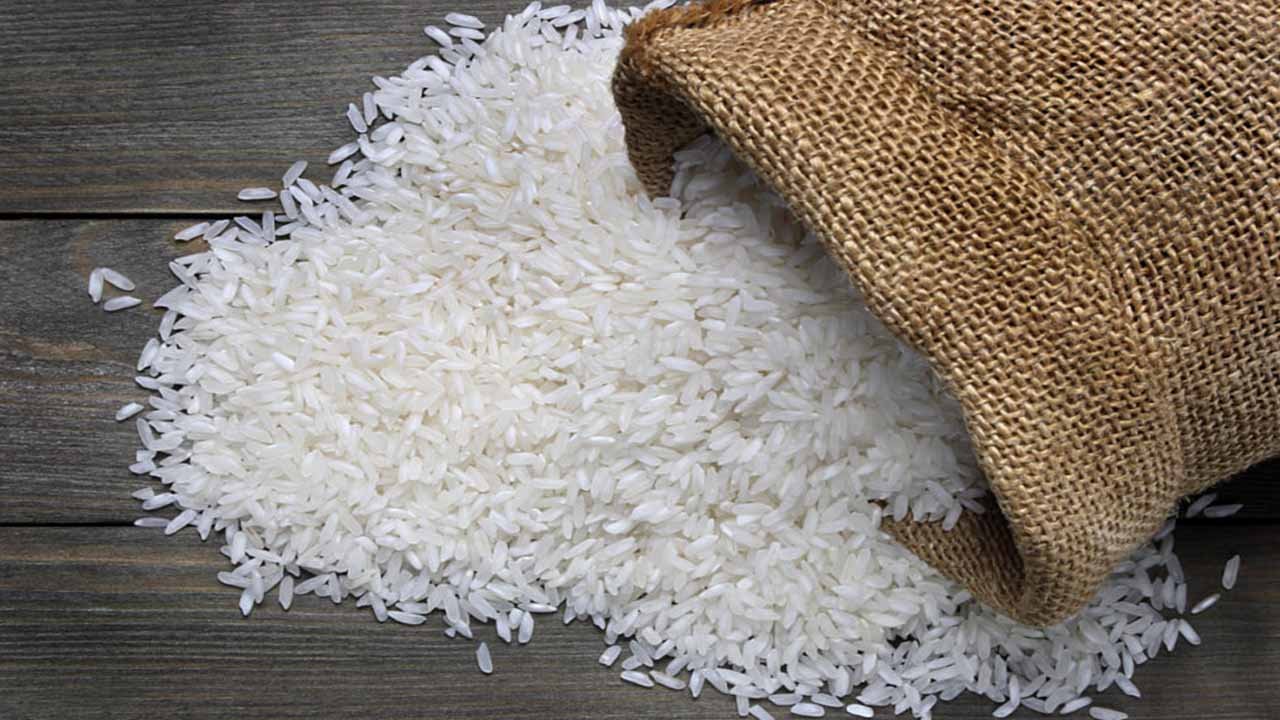
    During the initial two months of the current fiscal year, a total of 340,237 metric tonnes of rice, with a market value of $233.991 million, were exported. This marked a notable contrast with the previous year’s corresponding period, which recorded exports of 507,144 metric tonnes of rice valued at $283.056 million.  

    According to data provided by the Pakistan Bureau of Statistics, rice exports from July to August 2023 witnessed a 17.33 per cent decline in comparison to the same period in the previous year. 

    However, within this timeframe, Basmati rice exports experienced 8.29 per cent growth. Approximately 79,257 metric tonnes of Basmati rice, valued at $94.733 million, were exported, compared to the previous year’s figures of 84,709 metric tonnes at a cost of $87.480 million. 

    Concurrently, the nation achieved earnings of $39.338 million by exporting approximately 20,539 metric tonnes of fish and fish preparations, showing an improvement from the previous year when 15,922 metric tonnes of these products were exported, amounting to $38.086 million. 

    Read more: WhatsApp to introduce animated avatars for video calls soon 

    It is noteworthy that overall food group exports in the first two months of the current fiscal year registered a modest decrease of 1.65 per cent. The total value of food commodities exported during this period amounted to $711.748 million, contrasting with the previous year’s export value of $723.696 million for the same duration. 

    On the other hand, food group imports into the country during the initial two months of the current fiscal year witnessed a substantial decline of 26.91 per cent when compared to the corresponding period of the previous year. From July to August 2023, food imports decreased from $1.783 billion to $1.303 billion. 

  • Pakistan’s exports surge by 22.45% in FY23-24’s first two months, crossing Rs1.27 trillion mark

    Pakistan’s export sector has demonstrated remarkable growth, achieving a substantial 22.45 per cent increase, reaching the noteworthy milestone of Rs1.27 trillion during the initial two months of the fiscal year 2023-24 (FY23-24).

    According to data released by the Pakistan Bureau of Statistics (PBS), exports from July to August 2023 stood at Rs1.27 trillion, marking a remarkable 22.45 per cent surge compared to the Rs1.04 trillion recorded during the corresponding period the previous year.

    In a year-on-year analysis, exports in August 2023 surged by an impressive 26.75 per cent, reaching Rs695.1 billion, as opposed to the Rs548.4 billion recorded in August 2022. Furthermore, on a month-to-month basis, exports surged by 19.62 per cent when juxtaposed with the Rs581.1 billion recorded in July 2023. The textile and knitwear sector emerged as the most substantial export contributor, accounting for an impressive Rs117.8 billion.

    In contrast, imports during July and August of the fiscal year 2023-24 experienced a modest decline of 2.42 per cent, totaling Rs2.3 trillion. This is in contrast to the imports recorded at Rs2.4 trillion during the corresponding period the previous year. Of note, Pakistan’s imports in August 2023 included Rs180.6 billion worth of petroleum products, followed by crude oil and liquefied natural gas (LNG) valued at Rs119.4 billion and Rs89.8 billion, respectively.

    When analyzed on a year-on-year basis, imports into Pakistan in August 2023 displayed a marginal 0.5 per cent decrease when compared to August 2022. On a month-on-month basis, imports into the country saw a significant uptick of 27.79 per cent in August 2023 when compared to the Rs1.04 trillion worth of imports in July 2023.

    According to Geo, this surge in exports is indeed promising as it holds the potential to bolster Pakistan’s diminishing foreign exchange reserves, a much-needed development in light of the challenging economic situation stemming from the depreciation of the Pakistani rupee

  • Pakistan’s textile exports dip 6% in August 2023, posing economic challenges

    Pakistan’s textile exports dip 6% in August 2023, posing economic challenges

    Pakistan’s textile sector has experienced a continued decline in exports, with provisional data released by the All Pakistan Textile Mills Association (APTMA) indicating that in August, exports reached $1.48 billion, down by 6 per cent compared to the same month in the previous year when they stood at $1.58 billion.

    Moreover, the data reveals that Pakistan’s textile exports for the first eight months of the calendar year 2023 have seen a significant drop of 19 per cent, totaling $10.58 billion, as opposed to the $13 billion recorded during the equivalent period in 2022. This year-on-year decline raises concerns for Pakistan’s economy, especially in light of its foreign exchange shortage, which has already led to a depreciation of the rupee by more than 25 per cent in the inter-bank market since the beginning of 2023.

    However, there is a glimmer of optimism as monthly figures indicate a 13 per cent improvement in textile exports, rising to $1.48 billion in August compared to $1.31 billion recorded in July.

  • Pakistan’s inflation forecasted to remain between 25-27% for July, says Finance Ministry

    Pakistan’s inflation forecasted to remain between 25-27% for July, says Finance Ministry

    The Ministry of Finance anticipates a decline in inflation for the month of July compared to the previous month, with expectations of it remaining within the range of 25-27 per cent. The ministry’s ‘Monthly Economic Update & Outlook’ for July attributes this anticipated decrease to the recent reduction in administered prices of petrol and diesel, which is expected to lower domestic prices of essential goods by impacting transportation costs.

    The headline inflation in Pakistan slowed to 29.4 per cent in June, marking the lowest reading since January. The report explains that the recent decline in international commodity prices is likely to counteract the inflationary pressures caused by domestic supply shocks. Notably, the benchmark index of international food commodity prices experienced a downturn in June 2023, primarily driven by price decreases in major cereals and various vegetable oils.

    The government’s timely efforts to boost the agriculture sector through the Kisan Package are expected to result in a better crop outlook and smoother domestic supplies. Additionally, anticipated political stability and a stable exchange rate are deemed as factors that would contribute to achieving price stability.

    Regarding the fiscal outlook, the Ministry of Finance expects both exports and imports to gradually increase in the upcoming months of FY2024. Despite other factors, the report projects that the current account deficit will remain sustainable during this period.

    To enhance revenue collection in FY2024, the government has unveiled a comprehensive strategy for all sectors of the economy, aiming to revive economic growth and foster a higher inclusive and sustainable growth trajectory. Various administrative and policy measures have been introduced to increase tax collection, while the State Bank of Pakistan’s withdrawal of import restrictions is expected to stimulate demand and support revenue improvement.

    The report acknowledges the success of the government in ensuring the sustainability of the external and fiscal sectors during FY2023, achieved through the implementation of tough decisions and stabilisation measures. Looking ahead to FY2024, the government aims to achieve higher economic growth of 3.5 per cent through measures such as the Kisan package, industrial support, export promotion, encouragement of the IT sector, and resource mobilisation.

    In conclusion, the Ministry of Finance emphasises that prudent and effective economic decisions, political and economic certainty, and the continuation of friendly economic policies, along with sufficient foreign exchange financing, will be crucial to attaining higher and sustainable economic growth. The recent approval of the Stand-By Arrangement by the International Monetary Fund and other bilateral and multilateral inflows are expected to further improve the macroeconomic environment and enhance the confidence of economic agents.

  • FBR increases ‘green channel’ clearance to 66% for imports and exports

    In a significant advancement in trade facilitation, the Federal Board of Revenue (FBR) has decided to increase the clearance of imports and exports through the “green channel” facility from 35 per cent to 66 per cent.

    A meeting was convened at the FBR Headquarters on Thursday to assess the progress of the Pakistan Raises Revenue Program during the previous financial year.

    The meeting recognised the significant achievements made in the past four years under the Pakistan Raises Revenue Program, particularly in the areas of sustainable revenue mobilisation, taxpayer facilitation, and cost reduction for businesses. A major milestone was achieved through the harmonisation of Sales Tax laws and procedures among provinces and the federal government, benefiting taxpayers and all revenue authorities.

    Other notable achievements included reducing the cost of doing business by streamlining withholding lines from 58 to 33, elevating the share of imports and exports processed through the green channel from 35 per cent to 66 per cent, and expanding the tax base.

    Emphasising the importance of the next objective, the meeting highlighted the need to launch a Single Portal to facilitate Sales Tax Return filing. It was acknowledged that FBR’s commitment to transparency had led to the publication of detailed tax expenditure reports.

    Both parties agreed to sustain their focus on upgrading the IT infrastructure and automating FBR processes to ensure timely completion of project targets. Mr Asim Ahmad commended the dedication and contributions of both teams involved in the initiative.

    The meeting was attended by Najy Benhassine, Country Director of the World Bank, and Mr Asim Ahmad, Chairman of the Federal Board of Revenue. Also present were members of the World Bank team, including Gailius Draugelis, Operations Manager; Tobias Haque, Lead Country Economist; Lucy Pan, Senior Economist; Irum Touqeer, Public Sector Specialist; and Shabih Ali Mohib, Manager. Additionally, Member Reforms of FBR, Ardesher Tariq, and other project team members participated in the discussion.

    The Country Director of the World Bank expressed appreciation for the progress made and regarded the harmonisation of the Goods and Services Tax (GST) as a flagship achievement of FBR. A mutual commitment to continued cooperation in pursuing the reform agenda under the project was reaffirmed by the FBR and World Bank.

  • Pakistan’s pharma industry exports soar to record-breaking $713 million in FY2022-23

    Pakistan’s pharma industry exports soar to record-breaking $713 million in FY2022-23

    Pakistan’s pharmaceutical industry has experienced an impressive surge in exports, reaching an all-time high of $713 million during the fiscal year 2022-23. The remarkable boost in exports can be attributed to the increased demand for surgical and medical equipment, as well as pharmaceutical products.

    The data reveals that surgical and medical equipment exports accounted for $407 million, while drugs and pharmaceutical products contributed $306 million to the export value. Surgical equipment exports witnessed a notable increase of 6.03 per cent, while there was a substantial growth of 25.16 per cent in pharmaceutical product exports.

    Sources indicate that the volume of pharmaceutical exports witnessed a remarkable rise of 98.6 per cent during the fiscal year 2022-23. Approximately 51,964 metric tons of medicines and medical devices were exported, demonstrating the industry’s expanding reach.

    In terms of specific quantities, Pakistan exported 26,054 metric tons of medicines and medical equipment, contributing significantly to the impressive growth in the pharmaceutical sector’s export value. The notable growth of 25.3 per cent in pharma export value further highlights the industry’s success in the international market.

    Looking ahead, sources report that the pharma industry has set an ambitious export target of $1 billion for the fiscal year 2024-25, indicating the industry’s determination to continue its upward trajectory.

    According to ARY News, industry insiders attribute this substantial increase in exports to the incentives provided to the pharmaceutical sector. The government’s support and facilitation have played a crucial role in boosting the industry’s growth and enabling it to compete effectively on the global stage.

    Furthermore, sources highlight the noteworthy surge in exports of Pakistani medical equipment, particularly during the challenging times of the COVID-19 pandemic. The demand for locally produced ventilators witnessed a significant rise as Pakistan began manufacturing its own ventilators to address critical needs during the health crisis.

    The thriving pharmaceutical industry and its impressive export performance signify Pakistan’s growing influence in the global healthcare market. With continued support from the government and a commitment to innovation and quality, the country’s pharma sector is poised for further growth and success in the years to come.

  • Finance Minister Dar assures no global sanctions for Russian oil purchase

    Finance Minister Dar assures no global sanctions for Russian oil purchase

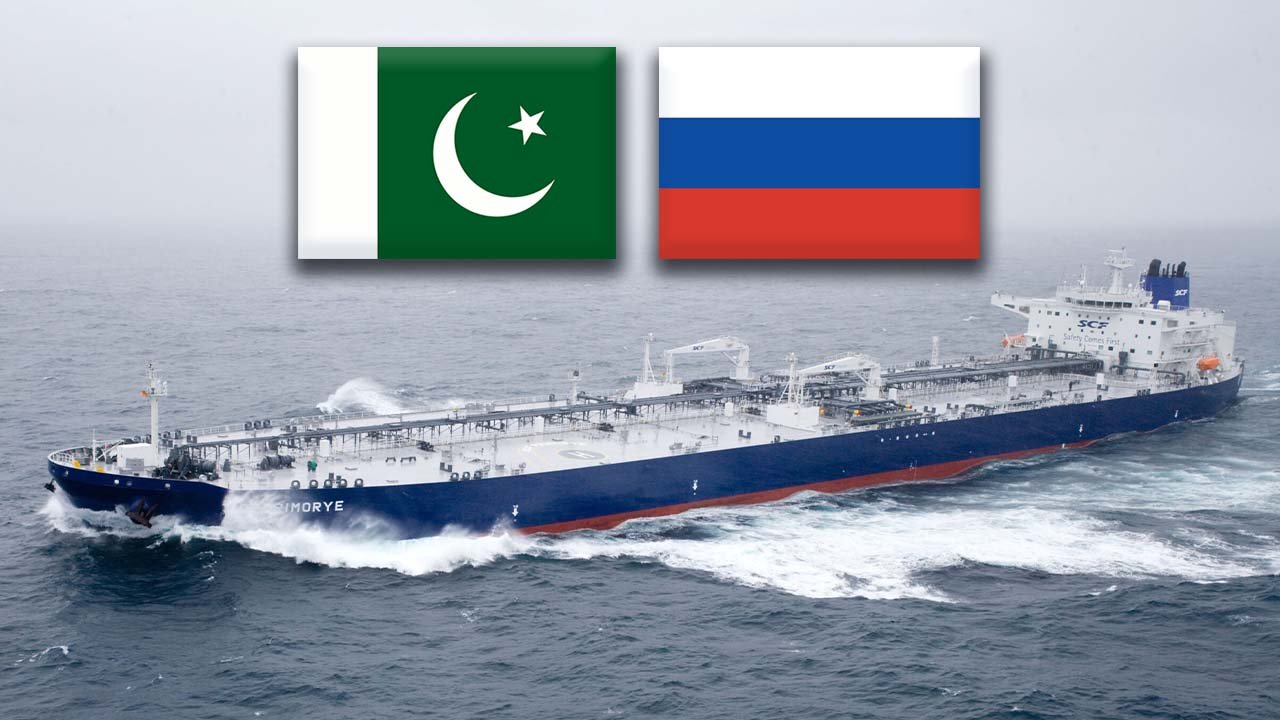
    Pakistan’s Finance Minister, Senator Ishaq Dar, has provided reassurances that Pakistan will not be subjected to global sanctions for its purchase of Russian oil. Dar made these remarks during a briefing to the Senate’s Standing Committee on Finance, highlighting that both India and China continue to purchase crude oil from Russia despite existing global sanctions.

    Dar emphasised that significant progress had been made in November of the previous year regarding the procurement of Russian oil, and the government had diligently completed all necessary preparations before proceeding with the purchase. He further explained that Pakistan adhered to an approved procedure established by a committee comprising G7 countries for oil production from Russia.

    Dar acknowledged the instrumental role played by Foreign Minister Bilawal Bhutto Zardari in consulting and obtaining approval from the G7 countries prior to the procurement of Russian oil.

    In terms of payment, the finance minister disclosed that the Chinese currency Yuan would be used for settling the payment for the Russian crude oil. He expressed Russia’s satisfaction with this arrangement, noting that it would not only reduce shipping costs but also lead to a decline in crude oil prices.

    When questioned about border trade with Iran, Dar confirmed that the government intended to enhance such trade but clarified that petroleum products were not included in these border trade activities.

    On Sunday, Pakistan successfully unloaded over 45,000 metric tons of oil from a Russian vessel that arrived at the Karachi port. Another Russian oil carrier is expected to reach the port of Karachi in the coming week.

    It is worth mentioning that earlier this week, the first ship carrying Russian oil had already docked at the Karachi port.

    During a press briefing on June 15, US State Department spokesperson Matthew Miller highlighted that every country has the right to make decisions based on its energy requirements. He further acknowledged that Russian oil was being sold at significantly lower prices compared to global market rates.

    Miller attributed this decrease in price to the limitations imposed by the US and its allies, resulting in Russia losing an estimated $100 billion in revenue that could have been used in the Ukraine conflict. Miller clarified that the US had not imposed any restrictions on Russian oil exports.