Tag: exports

  • PM Shehbaz directs to eliminate taxes on raw materials used by export industries

    PM Shehbaz directs to eliminate taxes on raw materials used by export industries

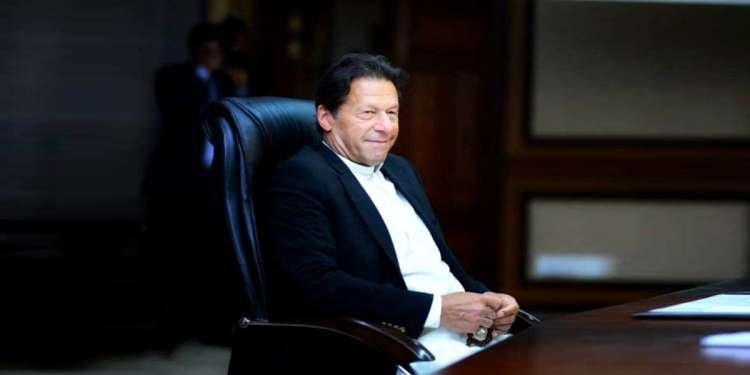
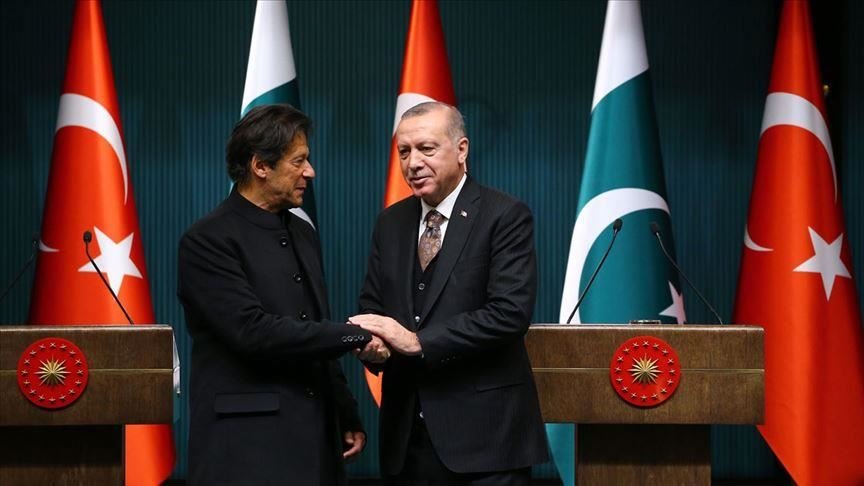
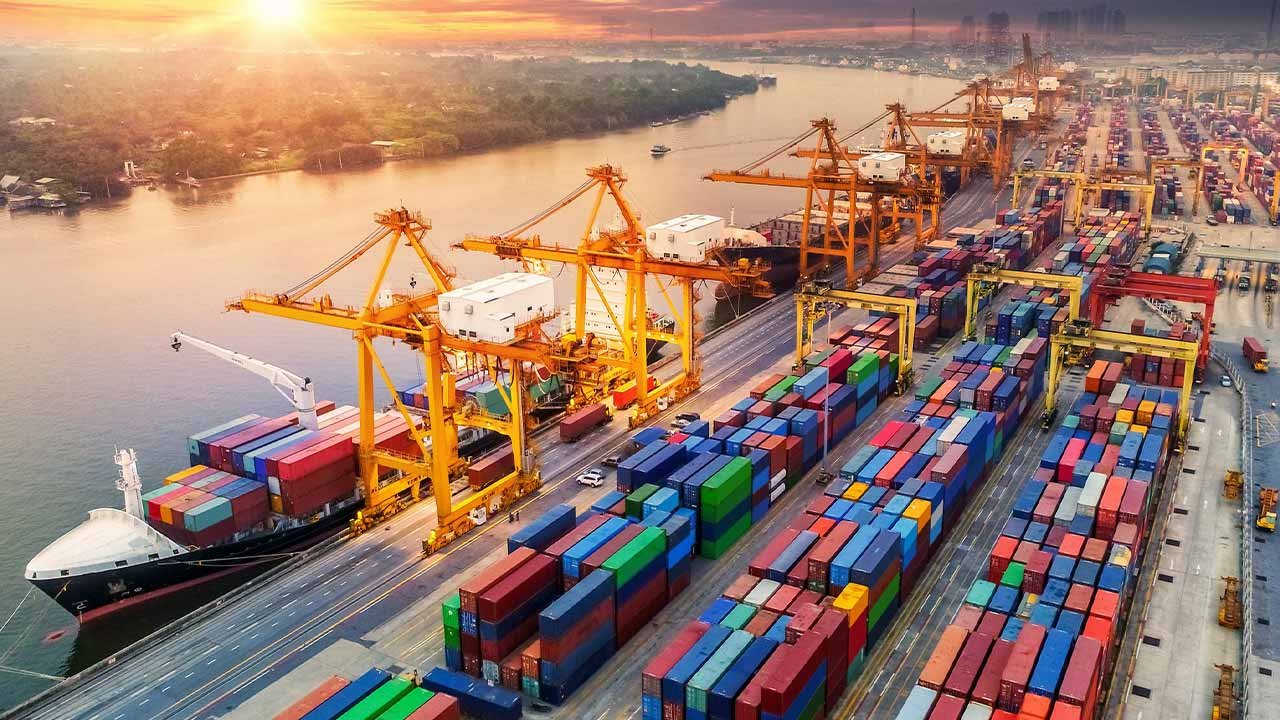
    Prime Minister (PM) Shehbaz Sharif, urged authorities to abolish all taxes on raw materials used in the export industry and to set up task teams to attract investment in a variety of local industries.

    The new government has been attempting to put in place a long-term plan to resuscitate Pakistan’s struggling economy, with the premier reaffirming his plea for increased exports to alleviate the country’s growing cash constraint yesterday.

    The premier met with a team from the American Business Council, which included officials from the pharmaceuticals, food processing, IT, e-commerce, retail, textile, sports, and logistics sectors, according to APP.

    Federal ministers Syed Naveed Qamar, Makhdoom Murtaza Mahmood, and Marriyum Aurangzeb were also present at the meeting.

    Task groups were constituted by the prime minister to solicit investments in a variety of areas. Tourism, pharmaceuticals, information technology, e-commerce, large-scale manufacturing, and agriculture will all have task teams constituted.

    He reminded the team that the government was working hard to guarantee that high-quality agricultural products were produced for export. The government was pushing for policy consistency for the first time, he said, because “subjects of the national economy and public welfare are above politics”.

    Shehbaz Sharif also asked the secretary of trade and the secretary of the Board of Investment to guarantee that the investors’ concerns were addressed immediately, and he requested a compliance report within a week.

    Business representatives, on the other hand, told state media that government initiatives had helped them regain investor confidence, and that the pre-budget dialogue with stakeholders was a “positive step”.

    PM Shehbaz has called all stakeholders to get together on Tuesday, ahead of the budget declaration on June 10, to finalise a long-term plan to rebuild the ailing economy. Top businessmen, agriculturists, and economists attended the day-long pre-budget meeting, where they offered advice on how to lift the country out of its unparalleled economic crisis.

    During the meeting, the premier pledged that their suggestions would be taken into consideration and that separate plans for agricultural, industrial, and financial expansion would be developed.

    PM Shehbaz also stated that political stability cannot be attained without economic stability and that it was past time for the elite class to make sacrifices and for non-productive assets such as real estate to be taxed. He advised businesses to invest in renewable power rather than relying on the country’s vast coal reserves for power generation.

    The prime minister also emphasised the importance of reducing imports while increasing exports, assuring attendees of the government’s full support in expanding local business and eradicating any barriers.
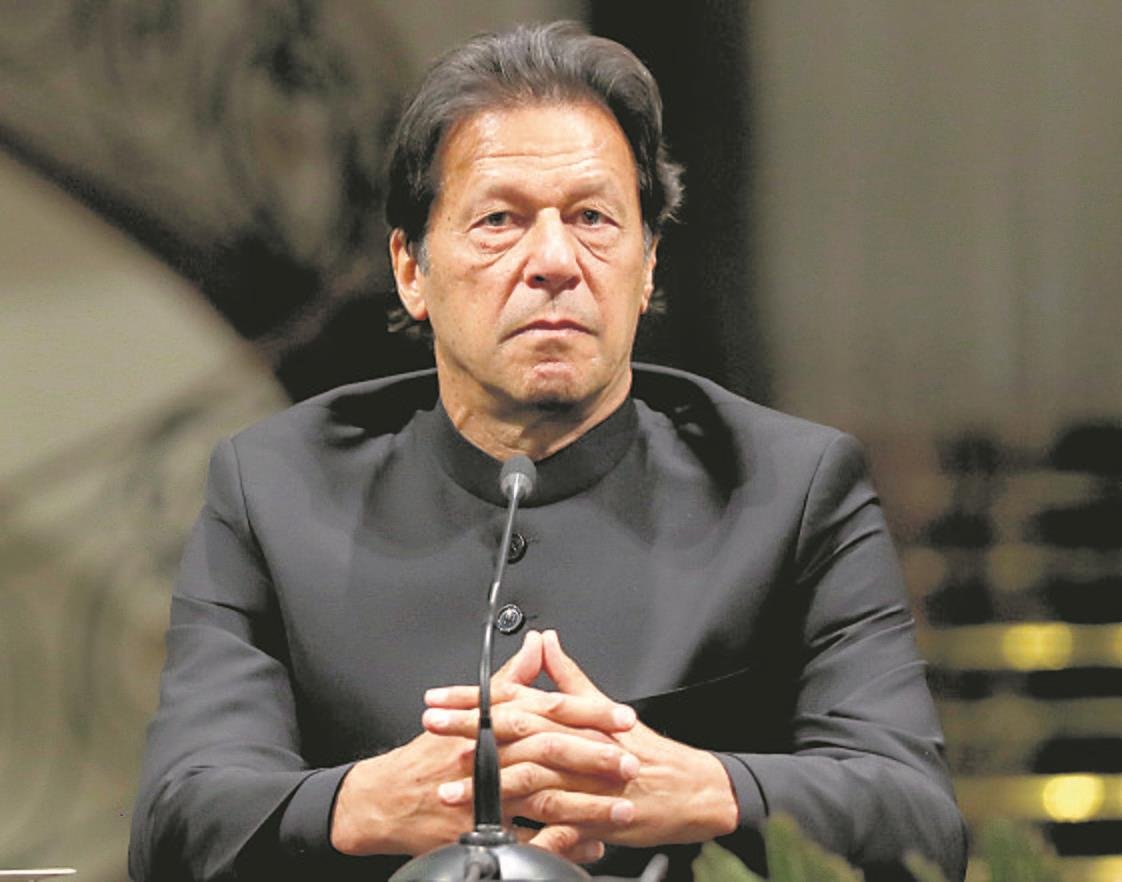
  • State Bank of Pakistan hikes interest rate to 12.25% in an emergency meeting

    State Bank of Pakistan hikes interest rate to 12.25% in an emergency meeting

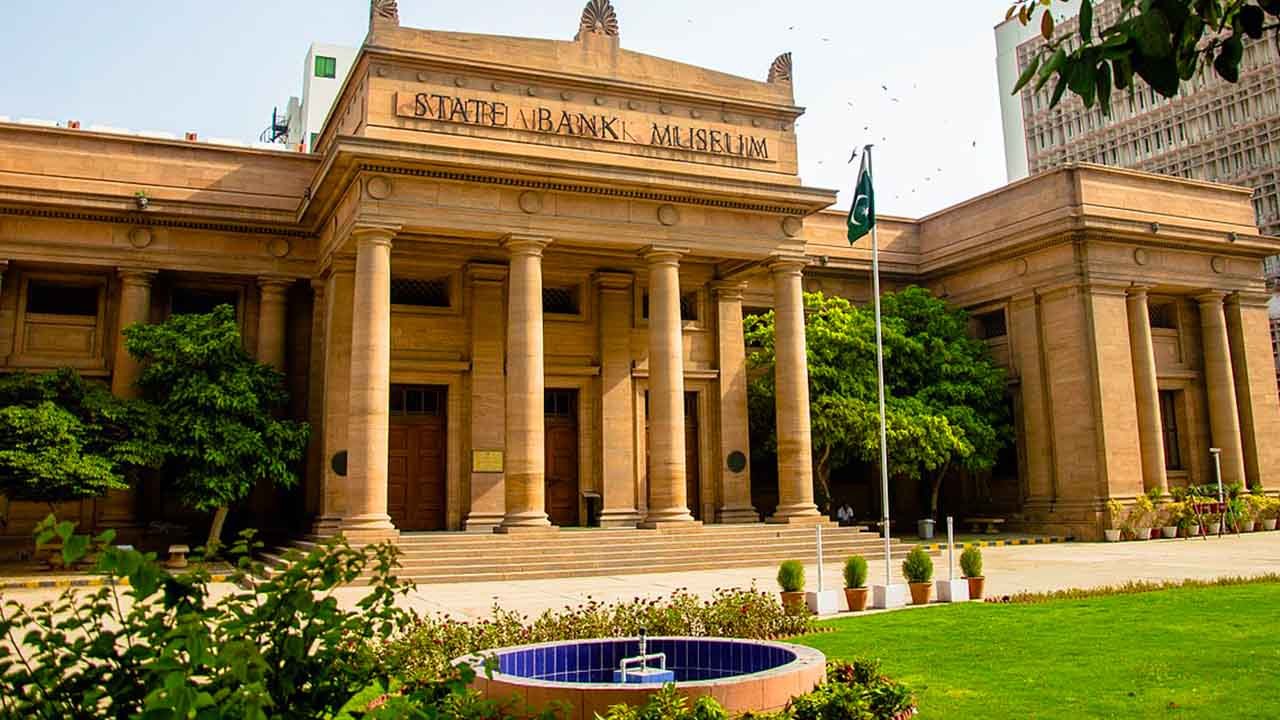
    Following an emergency meeting, the State Bank of Pakistan (SBP) raised interest rates by 250 basis points, as mounting political uncertainty and rising worldwide oil prices threaten to drive the country into a full-fledged economic catastrophe.

    The key rate is now 12.25 per cent, as per the latest statement released by the central bank on Thursday. According to the report, this makes the real rate “mildly positive” and will assist maintain external and price stability.

    The judgment came a few hours before the Supreme Court was due to rule on the constitutionality of Prime Minister Imran Khan’s disputed move to dissolve parliament and hold new elections. Pakistan may find it difficult to persuade the International Monetary Fund (IMF) to grant a much-needed loan tranche due to the political limbo.

    At the recent briefing, SBP governor, Reza Baqir, said, “We thought it’s important to take decisive action”.  He added that the body does not intend to do anything else.

    The central bank claimed that intensified domestic political turmoil contributed to the rupee’s 5 per cent loss and caused a jump in local bond rates, as well as Pakistan’s Eurobond yields and Credit Default Swap (CDS) spreads. Oil prices are likely to remain elevated, and the Federal Reserve of the United States is expected to compress sooner than expected, according to the report.

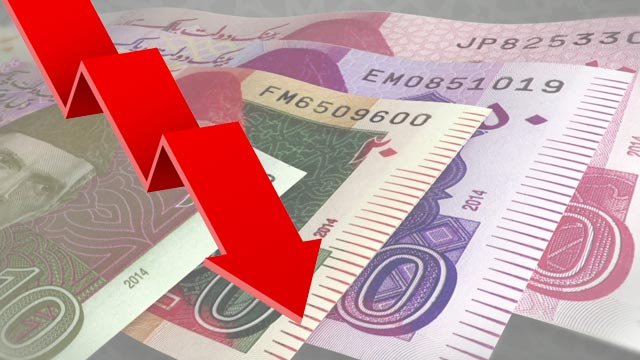
    The PKR broke all records on Thursday, selling at more than Rs189 per dollar in intraday trading in the interbank market, continuing a slump that has witnessed its decline of more than 10 per cent since March 4.

    Read more: Pakistan to import 32.7 million barrels of oil to cover petroleum needs

    Pakistan’s political instability, in addition to money from the IMF, is causing delays in a planned $1 billion green bond offering. A refinancing from China is also expected; the repayment in recent weeks caused Pakistan’s foreign-exchange reserves to plummet to their lowest level since records began in 2010.

    In a meeting last month, SBP cautioned that it might convene earlier than planned to avoid a crisis. It revised its average inflation prediction for the fiscal year ending in June from 9 per cent to little more than 11 per cent.

  • What can the govt do, will have to go to IMF again if exports don’t increase, says PM Khan

    What can the govt do, will have to go to IMF again if exports don’t increase, says PM Khan

    Prime Minister (PM) Imran Khan while addressing the inaugural ceremony of the 14th International Chambers Summit 2022 organised by the Rawalpindi Chamber of Commerce and Industry said that tax collection and exports are the main drivers of boosting the economy.

    Saying that Pakistan has an “improving economy”, PM Khan said that all economic indicators were showing upward trends despite inherited economic crunch and the impact of Covid-19.

    “Will have to go to the International Monetary Fund (IMF) again if we do not enhance our exports,” said PM Khan.

    “In the past, no attention was paid to these sectors of the economy which are vital for wealth creation. The exports sector was stagnant in the past, but the incumbent government is providing all facilitation to the exporters,” he said.

    “We realise that people are worried, there is imported inflation in our country, dollar rate has gone up due to smuggling of dollar to Afghanistan, still Pakistan is a cheap country, US President Joe Biden has also been criticised by Donald Trump on inflation in the country.”

    PM Khan said commodity prices have increased all over the world and Pakistan also imported inflation which hurt its people badly but asked what the government could do in the circumstances.

    Claiming that the steps taken by his government to combat coronavirus and keep businesses open were being followed by United Kingdom’s Prime Minister Boris Johnson. “We did not let people die due to Covid-19 and lockdowns,” he added.

    The prime minister said corruption would assume the role of cancer. “Corruption is a symptom of lack of rule of law in society. Our fight is for the rule of law in Pakistan. It is a difficult one because of different cartels and mafias which do not want the rule of law,” he said, terming it a jihad against the mafias to secure the future of the country.

    Contrary to the claims, Pakistan lost $250m worth of textile exports in December 2021 when the gas supply was suspended for 15 days in the Punjab textile sector. Executive Director of All Pakistan Textile Mills Association (APTMA), Shahid Sattar also confirmed the loss of millions of dollars by saying that it will “never be recovered.”

  • Pakistan exports to neighbouring countries drop by alarming level

    Pakistan exports to neighbouring countries drop by alarming level

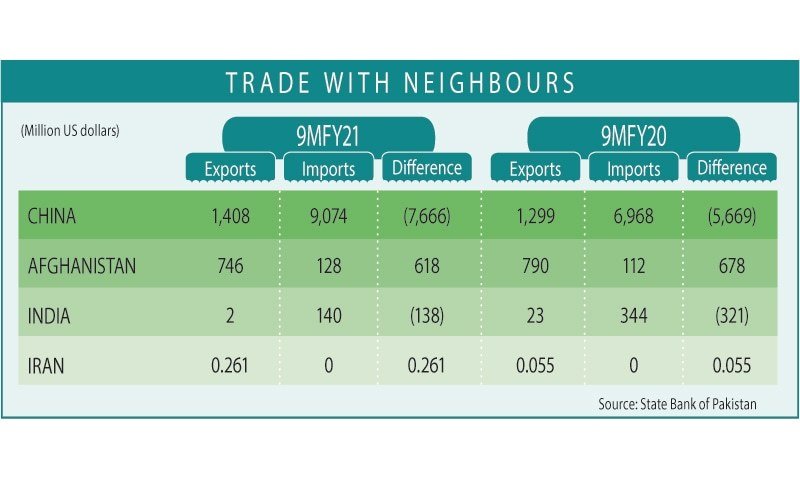
    Due to the COVID-19 crises, Pakistan exports in the region have dropped by 5.7 per cent in the nine months of the current fiscal year, the State Bank of Pakistan (SBP) revealed on Monday.

    Pakistan exported goods and services as little as $2.788 billion to neighbouring countries like Afghanistan, Bangladesh, Bhutan, Maldives, Sri Lanka, India and Iran.

    Data revealed by the State Bank of Pakistan (SBP)

    The figure is just 14.91 per cent of the total global export of Pakistan, which stood at $18.688 billion in the current fiscal year.

    Pakistan largely exported to China; they are at the top of the list, leaving India and Bangladesh behind.

    In terms of percentage, Pakistan exports to China are 50.46 per cent, and the remaining share is for eight other countries.

    Exports to China also experienced a growth of 8.4 per cent, which is $1.407 billion in FY2021 from 1.298 billion in FY2020.

    Unfortunately, the trade ties between Afghanistan and Pakistan have declined and faced political and policy turmoils. The exports to Afghanistan have fallen by 5.57 per cent that is just $746.328 million in FY2021. In FY2020, the exports between Afghanistan and Pakistan stood at $790,377 million.

    Afghanistan has also been removed as the second biggest trade partner of Pakistan, and Afghanistan replaced India as the most important trade partner.

    Trade ties between Pakistan and India are also topsy turvy. The government has suspended trade with India. Earlier, the Economic Corridor Committee (ECC) approved the import of cotton and yarn from India, but then the decision was reversed for political reasons.

    The exports to Iran jumped 374 per cent to $0.261m in 9MFY21 from $0.055m in 9MFY20. Most of the trade with Tehran is carried out through informal channels in border areas of Balochistan.

    Exports to Bangladesh decreas­­ed by 13.56 per cent that is $438.418m in FY2021. Islam­abad has recently reached out to Dhaka to revive talks to facilitate trade between the two countries.

    Similarly, exports to Sri Lanka dipped by 24.2 per cent to $185.883m from $245.131m in the previous year.

    During Prime Minister Imran Khan’s recent visit to Sri Lanka, both countries agreed to exploit the available potential of bilateral trade.

    Exports to Nepal dropped by 82.6 per cent to $3.502m from the previous year while those to the Maldives dipped by 28.96 per cent to $4.044m from $5.693m.

    Exports to Bhutan were recorded at $0.043m as compared to $0.094m over the last year. In March, no exports proceeds were sent to the Maldives.

    On the other hand, the country’s trade deficit with the region narrowed as imports from these countries also dipped.

  • Pakistan exports in November surpass $2bn mark

    Pakistan exports in November surpass $2bn mark

    Prime Minister’s aide on Commerce Razzak Dawood has said that Pakistan’s exports for month of November have passed the $2 billion mark amid a resurgence of economic activity after the coronavirus lockdown. 

    Dawood said exports increased 7.2 per cent year-on-year in November “in these difficult times with resurgence of COVID-19 cases in Pakistan and globally”. However, Pakistan has “once again crossed the $2bn mark per month”, Dawood wrote in a Twitter message.

    In October, Dawood had said that Pakistan’s exports had crossed $2bn mark despite the contraction in our major markets due to COVID-19 and the uncertainty created by recent resurgence of the pandemic.

    Last month, Bloomberg reported that Pakistan’s decision to loosen pandemic restrictions early helped the country’s exports emerge stronger than its South Asian peers.

    The newspaper had reported that outbound shipments had grown at a faster pace than Bangladesh and India as textiles, which account for half of the total export, led the recovery. The country had seen total shipments grow 7 per cent in September, compared with New Delhi’s 6pc and Dhaka’s 3.5pc.

    According to the report, Prime Minister Imran Khan’s administration was the first in the region to ease pandemic restrictions, allowing export units to reopen in April, a month after locking them down to stem the spread of COVID-19. This helped draw companies from the South Asian nation.

  • Pakistan’s decision to lift lockdown early helped boost exports: report

    Pakistan’s decision to lift lockdown early helped boost exports: report

    Pakistan’s decision to loosen pandemic restrictions early has helped the country’s exports emerge stronger than its South Asian peers, Bloomberg reported on Saturday.

    Bloomberg reported that outbound shipments have grown at a faster pace than Bangladesh and India as textiles, which account for half of the total export, led the recovery.

    The country saw total shipments grow 7 per cent in September, compared with New Delhi’s 6pc and Dhaka’s 3.5pc.

    It stated that Prime Minister (PM) Imran Khan’s administration was the first in the region to ease pandemic restrictions, allowing export units to reopen in April, a month after locking them down to stem the spread of Covid-19. This helped draw companies from the South Asian nation.

    “Pakistan has seen orders shifting from multiple nations including China, India and Bangladesh,” the report quoted All Pakistan Textile Mills Association (APTMA) Secretary General Shahid Sattar as having said. “Garment manufacturers are operating near-maximum capacity and many can’t take any orders for the next six months.”

    Even as lockdown curbs disrupted trade in India and Bangladesh for at least two months beginning late March, Pakistan was already making face masks and personal protective gear for export.

    The South Asian nation also gained some orders from companies looking to diversify their supply chains amid the trade war between the U.S. and China, the world’s top textile exporter, despite factories there reopening as early as April.

    “This war between two giants has given us new opportunities in polyester-cotton products,” the report quoted the nation’s largest textile maker, Nishat Mill’s Garment and Home Textile Operations Head Khalid Mehmood having said. “So there is a six-month slot for Pakistan now to capture the maximum number of customers who were China-based.”

    Executives from Nishat Mills and Interloop Ltd, one of the world’s largest manufacturers of socks that counts Nike Inc. and Adidas AG among its clients, said they have seen some orders diverted to them from China.

    Meanwhile, Gadoon Textile Mills Ltd. received orders redirected from Bangladesh, the world’s second-largest apparel exporter, and India, the third-largest textile exporter.

    “The orders we were exporting to Europe and the US have not recovered,” Gadoon Chief Financial Officer (CFO) Muhammad Imran Moten said during an analyst briefing. “But the diversion of orders from China and Bangladesh is the compensating factor.”

  • New heights of friendship: Turkish Airlines to manage Pakistan’s fruit, vegetable exports after PIA ban

    New heights of friendship: Turkish Airlines to manage Pakistan’s fruit, vegetable exports after PIA ban

    As Pakistan International Airlines (PIA) flight operations in Europe remain suspended, Turkish Airlines has offered its services to transport fruit and vegetable exports to other countries, Profit reported.

    According to fruit and vegetable exporters, Turkish Airlines will charge lower freight charges for transport of Pakistani fruits and vegetables to England, Germany and other western countries and has assured that it will facilitate the promotion of the same. 

    Earlier the European Union Air Safety Agency (EASA) imposed a six-month ban on PIA’s flight operations to Europe after reports emerged that several PIA pilots held dubious flying licences

    Among other issues, the ban created problems for the export of Pakistani fruits and vegetables. In this regard,  the Pakistani Embassy in Istanbul Commercial Counselor Bilal Khan Pasha met with Turkish Airlines Chairman Ilker Ayci who assured that Turkish Airlines will resume its flight operation in Pakistan and will help in the export of fruits and vegetables to the European Union (EU).

    Moreover, a delegation of exporters led by Waheed Ahmed, the head of All Pakistan Fruit and Vegetable Exporters, Importers and Merchants Association (PFVA) met with Turkish Airlines General Manager (GM) Gurhan Sozen.

    READ: Embarrassment for aviation minister as Civil Aviation Authority says all licences issued are real

    According to Waheed Ahmed, PIA had recently reduced freight charges in order to assist exporters to reduce cost of export shipments, however, after the six month ban on PIA, exporters will have to use the services of foreign airlines who might charge higher freight charges.

    According to exporters, during the meeting with Turkish Airlines GM the need for reduction in freight charges and provision of special handling facilities for perishable cargo to facilitate the export of Pakistani fruits and vegetables to Europe, the UK and Canada was stressed.

  • Pakistan’s IT exports increase to $1bn

    Pakistan earned $1 billion through information technology (IT) services in various countries during the first eleven months of the fiscal year 2018-19, Associated Press of Pakistan (APP) has reported.

    According to reports, this year’s growth is 4.37% more as compared to $966.240 million earned through the provision of services during the fiscal year 2017-18.

    During the period under review, the computer services increased by 12.21, from $654.170 million last year to $734.020 million during July-May (2018-19).

    Among the computer services, the exports of software consultancy services and repair and maintenance of computers related services increased by 26.87% and 231.93%, respectively.

    In addition, other computer services also saw an increase of 34.77%.

    The exports of call centers services also increased by 7.95%, from $93.039 million to $100.436 million, whereas the exports of other information services increased by 53.28%, from $1.068 million to $1.637 million.