Tag: Facebook

  • ‘It’s not possible’; Reporting in internet-challenged Pakistan

    ‘It’s not possible’; Reporting in internet-challenged Pakistan

    With the primary shift from newspapers to television channels and now to digital media applications, the dissemination of information has become increasingly competitive for newsrooms, with the latest updates just a click away.

    “Delays can be managed with newspapers, but today everything is in your hands—specifically, mobile phones,” says Raees Ansari, Bureau Chief of Geo News in Lahore.

    “Every single second is crucial in reporting now; some footage needs to be sent and put on air instantly. But due to poor network conditions and slow WhatsApp, content is not being sent on time, which is affecting our professional activities,” he reveals.

    Over the past week, internet users across Pakistan have reported network disruptions, with WhatsApp, Facebook, and Instagram experiencing slowdowns, hindering online activities. The Pakistan Telecommunication Authority (PTA) has denied any connection between these issues and the alleged firewall installation.

    Since the ban on X (formerly Twitter) on February 17, 2024, many have turned to Virtual Private Networks (VPNs). The ongoing disturbances, however, have complicated internet usage, which is crucial for a number of professions.

    Sumaira Raja, an investigative reporter, who is mostly found out on the field, complains of encountering issues with not only the internet but also phone signals which often prevents her from conveying news on time.

    “I also experience delays with receiving beepers, as head office frequently reports that the number is not available due to poor signals. This situation makes it very difficult to do my job. I’ve tried using a VPN, but it hasn’t worked,” Raja says.

    Sports journalist Faizan Lakhani recalls when javelin champion Arshad Nadeem returned to Pakistan on August 17 after winning the gold medal at the Paris Olympics, all the visuals sent through WhatsApp by reporters were delayed, and they struggled to download them unless they used a VPN.

    “This situation is very challenging and affects our workflow. When reporters are working on a story or covering an event, they need to stay connected with the desk. We usually rely on voice notes to pass instructions, but since we started encountering this issue, we are struggling with that method too,” he says.

    “We have been told that the network disruption is because of the firewall installation. While things are becoming easier around the world, it has been getting harder for us. Everything is happening with the help of technology and the current situation is a major challenge.” says Ansari.

    What’s happening?

    A highly placed source in the IT industry identifies that filtering of content delivery networks (CDNs) through Firewall is causing content to be routed via internet backbone rather than CDNs.

    “This means that around 4 TBs of internet traffic previously served through CDNs, hosted in Pakistan, is becoming ineffective. When all traffic goes on backbone bypassing CDNs, it’s causing massive slowdown at many western destinations that’s happening now,” he explains.

    Recently, Fiverr, an online marketplace for freelance services, warned clients that Pakistani freelancers may experience delays due to internet issues and the use of VPNs to change their locations.

    “Brace for impact. God save the internet in Pakistan”, says the IT expert.

    Background

    It all started on February 17, 2024, about a week into the new government, when X (formerly Twitter) was banned.

    Initially, amid the uproar, the government remained silent on the matter while the Pakistan Telecommunication Authority (PTA) seemed aloof until the High Courts of Sindh and Islamabad intervened. The PTA eventually admitted that the ban on X was imposed on the orders of the Ministry of Interior based on reports from intelligence agencies.

    The government eventually justified the ban by attributing it to national security concerns, citing ‘digital terrorism‘ and online propaganda as among the threats.

    Earlier in August, Provincial Information Minister Azma Bokhari stated that the government is not against social media but wants to focus on rules and regulations, which, if enforced, could lead to the removal of the ban on X.

    The disruption has now extended beyond X, affecting other widely used apps along with the internet.

    Ironically, since the February 2024 election, the new government has emphasised the need to grow the tech industry in Pakistan.

    In March, Lahore Knowledge Park (a science park) was handed over to the Punjab Central Business District Development Authority with the approval of Chief Minister Punjab Maryam Nawaz, with the goal of establishing Pakistan’s largest IT city.

    In June, Prime Minister Shehbaz Sharif visited Shenzhen— the tech hub in China— in hopes of future collaboration. Ironically, he posted on X (Twitter), expressing how “impressed” he was by the “city’s skyline and development that symbolizes modern-day China.”

    Given the lack of proper infrastructure in the country amid burgeoning surveillance, how will Pakistan evolve in the rapidly transforming digital world? It remains to be seen – but likely we won’t be able to download it.
  • How many Pakistanis use Facebook and Instagram?

    How many Pakistanis use Facebook and Instagram?

    Gallup Pakistan has released a new survey regarding using Meta apps in Pakistan.

    The survey included more than 700 people and was conducted from June 28 to July 10.

    Gallup revealed that 60 percent of Pakistanis are avoiding social networking apps like Facebook, Instagram, and TikTok, saying that they don’t have an account.

    However, 40 percent reported having an account on the apps and using them heavily.

    62 percent of Pakistani youth under the age of 30 are using these apps ardently, while only 30 percent of Pakistanis above the age of 30 are active, according to the survey.

    Pakistani men are ahead of women in using social media apps as the survey tells that 45 percent of men and 35 percent of women say they use Facebook, Instagram and TikTok.

    22 percent of Pakistanis said they have made friends online through apps, while 76 percent said they had not made any online friends.

  • Meta lifts restrictions on Trump’s Facebook and Instagram accounts

    Meta lifts restrictions on Trump’s Facebook and Instagram accounts

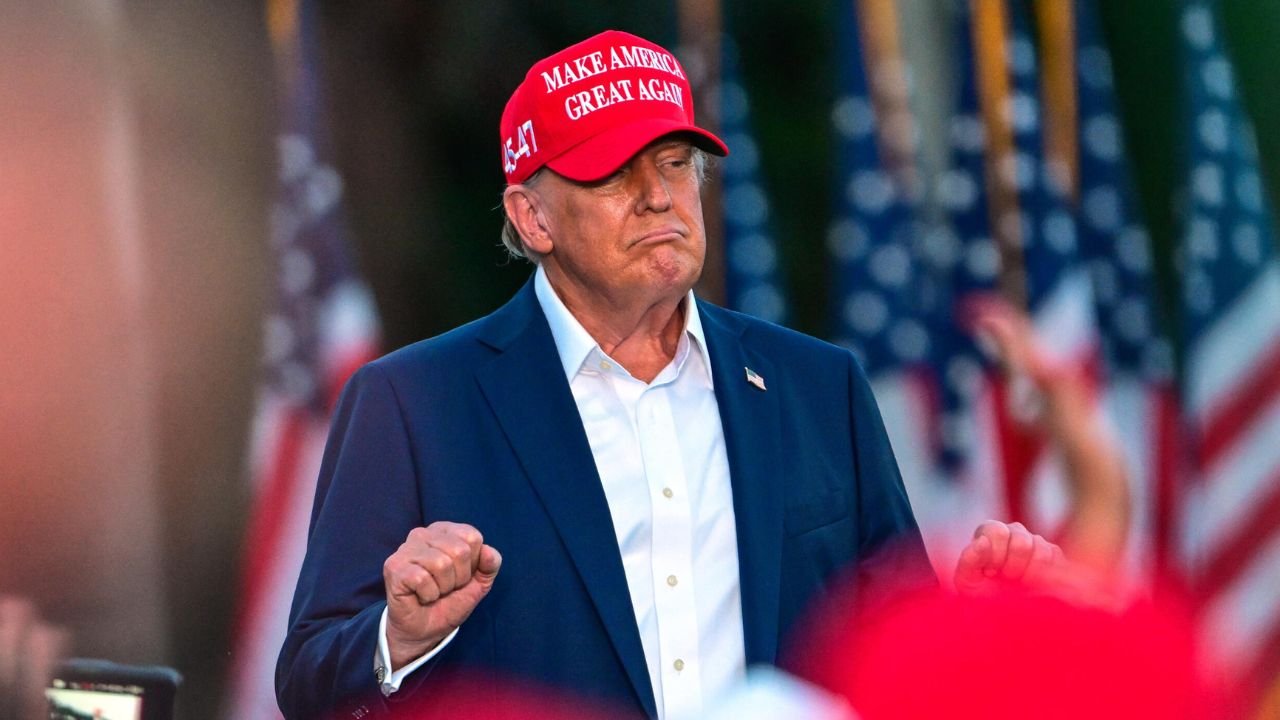
    Meta said Friday it was lifting restrictions on US presidential candidate Donald Trump’s Facebook and Instagram accounts, ending measures put in place after his supporters violently stormed the US Capitol in 2021.

    It said that “former President Trump, as the nominee of the Republican Party, will no longer be subject to the heightened suspension penalties.”

    Trump’s Facebook and Instagram accounts were suspended indefinitely a day after his supporters attacked the US Capitol on January 6, 2021, and it was determined he had praised people engaged in violence on social media.

    His accounts were reinstated in February 2023 but with a threat of penalties for future breaches — an additional restriction that Meta lifted on Friday.

    “In assessing our responsibility to allow political expression, we believe that the American people should be able to hear from the nominees for President on the same basis,” Meta wrote in a blog post.

    It added that US presidential candidates “remain subject to the same Community Standards as all Facebook and Instagram users, including those policies designed to prevent hate speech and incitement to violence.”

    Trump, the first former president to be convicted of a crime, was also banned from Twitter and YouTube.

    While those restrictions were later lifted last year, Trump now mainly communicates on his own social media platform, Truth Social.

    His Facebook profile, which has 34 million users, includes messages originally published on Truth Social as well as invitations to rallies and videos from his campaign.

  • From England to Pakistan: Foreign bhabhi shares her love for this country

    From England to Pakistan: Foreign bhabhi shares her love for this country

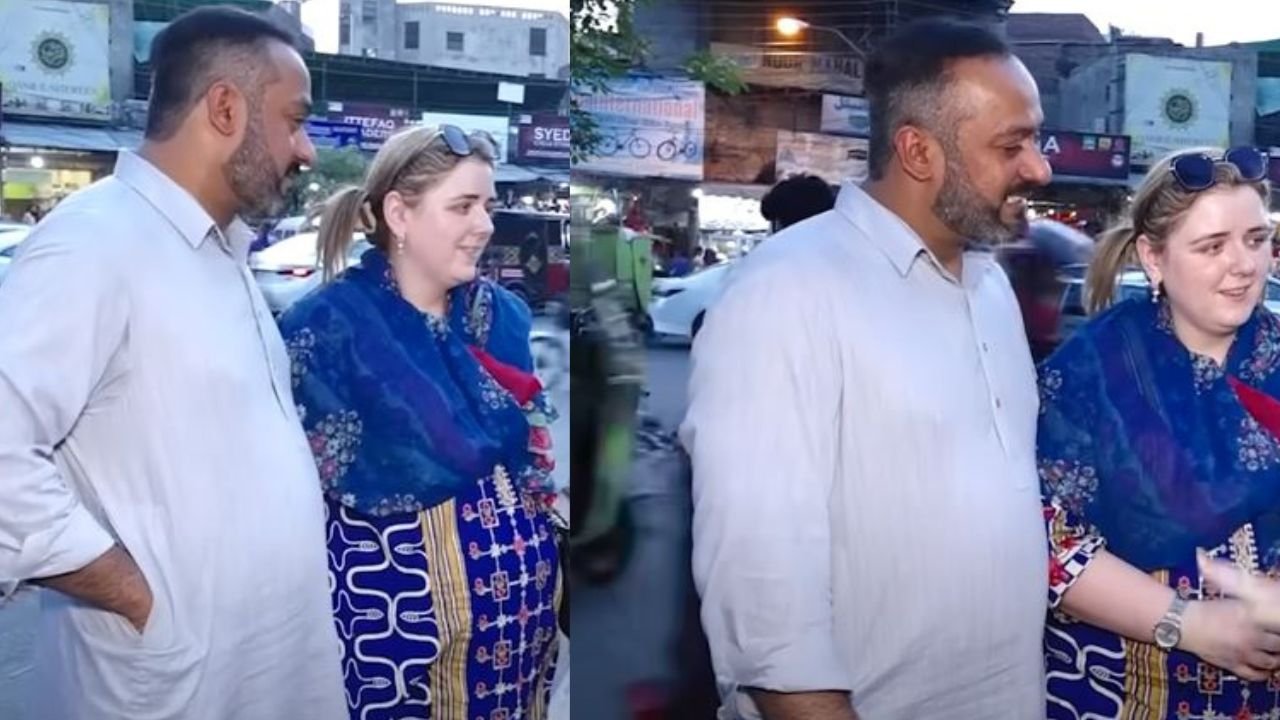
    Many Pakistanis marry foreigners, as do many celebrities. Dil to kissi pay bhee aa sakta hai. We’ve seen foreign bhabhis and foreign behnois adapting to Pakistani society. Recently, there’s been a trend of Pakistani men marrying foreigners, gaining attention on social media as these couples become popular.
    Currently, another Pakistani man is going viral on socal media with his foreigner wife who speaks Urdu fluently and looks desi from her attire.

    A Facebook page called Fatta Fat shared the video. In the video, the husband of the foreign lady explained that he met her in England, and they got married afterwards. They now have two lovely children. His wife expressed her admiration for Pakistani men, citing their pure hearts and personalities as reasons for choosing her husband. She also mentioned her close and caring relationship with her sister-in-law. The foreign sister-in-law shared a message encouraging Pakistanis to live happily.

    She said, “I love everything about Pakistan, especially the Islamic culture, the call to prayer, I also offer prayers, and I also like the closely knit families in Pakistan. I love Pakistan. Tomorrow I will be leaving. I have been here for three months. I will miss Pakistan.”

  • Meta to start labeling AI-generated content in May

    Meta to start labeling AI-generated content in May

    Facebook and Instagram giant Meta on Friday said it will begin labeling AI-generated media beginning in May, as it tries to reassure users and governments over the risks of deepfakes.

    The social media juggernaut added that it will no longer remove manipulated images and audio that don’t otherwise break its rules, relying instead on labeling and contextualization, so as to not infringe on freedom of speech.

    The changes come as a response to criticism from the tech giant’s oversight board, which independently reviews Meta’s content moderation decisions.

    The board in February requested that Meta urgently overhaul its approach to manipulated media given the huge advances in AI and the ease of manipulating media into highly convincing deepfakes.

    The board’s warning came amid fears of rampant misuse of artificial intelligence-powered applications for disinformation on platforms in a pivotal election year not only in the United States but worldwide.

    Meta’s new “Made with AI” labels will identify content created or altered with AI, including video, audio, and images. Additionally, a more prominent label will be used for content deemed at high risk of misleading the public.

    “We agree that providing transparency and additional context is now the better way to address this content,” Monika Bickert, Meta’s Vice President of Content Policy, said in a blog post.

    “The labels will cover a broader range of content in addition to the manipulated content that the Oversight Board recommended labeling,” she added.

    These new labeling techniques are linked to an agreement made in February among major tech giants and AI players to cooperate on ways to crack down on manipulated content intended to deceive voters.

    Meta, Google and OpenAI had already agreed to use a common watermarking standard that would invisibly tag images generated by their AI applications.

    Identifying AI content “is better than nothing, but there are bound to be holes,” Nicolas Gaudemet, AI Director at Onepoint, told AFP.

    He took the example of some open source software, which doesn’t always use this type of watermarking adopted by AI’s big players.

    Meta said its rollout will occur in two phases with AI-generated content labeling beginning in May 2024, while the removal of manipulated media solely based on the old policy will cease in July.

    According to the new standard, content, even if manipulated with AI, will remain on the platform unless it violates other rules, such as those prohibiting hate speech or voter interference.

    Recent examples of convincing AI deepfakes have only heightened worries about the easily accessible technology.

    The board’s list of requests was part of its review of Meta’s decision to leave a manipulated video of US President Joe Biden online last year.

    The video showed Biden voting with his adult granddaughter, but was manipulated to falsely appear that he inappropriately touched her chest.

    In a separate incident not linked to Meta, a robocall impersonation of Biden pushed out to tens of thousands of voters urged people to not cast ballots in the New Hampshire primary.

    In Pakistan, the party of former prime minister Imran Khan has used AI to generate speeches from their jailed leader.

  • Sahir Ali Bagga demands credit from Rahat Fateh Ali Khan for ‘Zaroori Tha’

    Sahir Ali Bagga demands credit from Rahat Fateh Ali Khan for ‘Zaroori Tha’

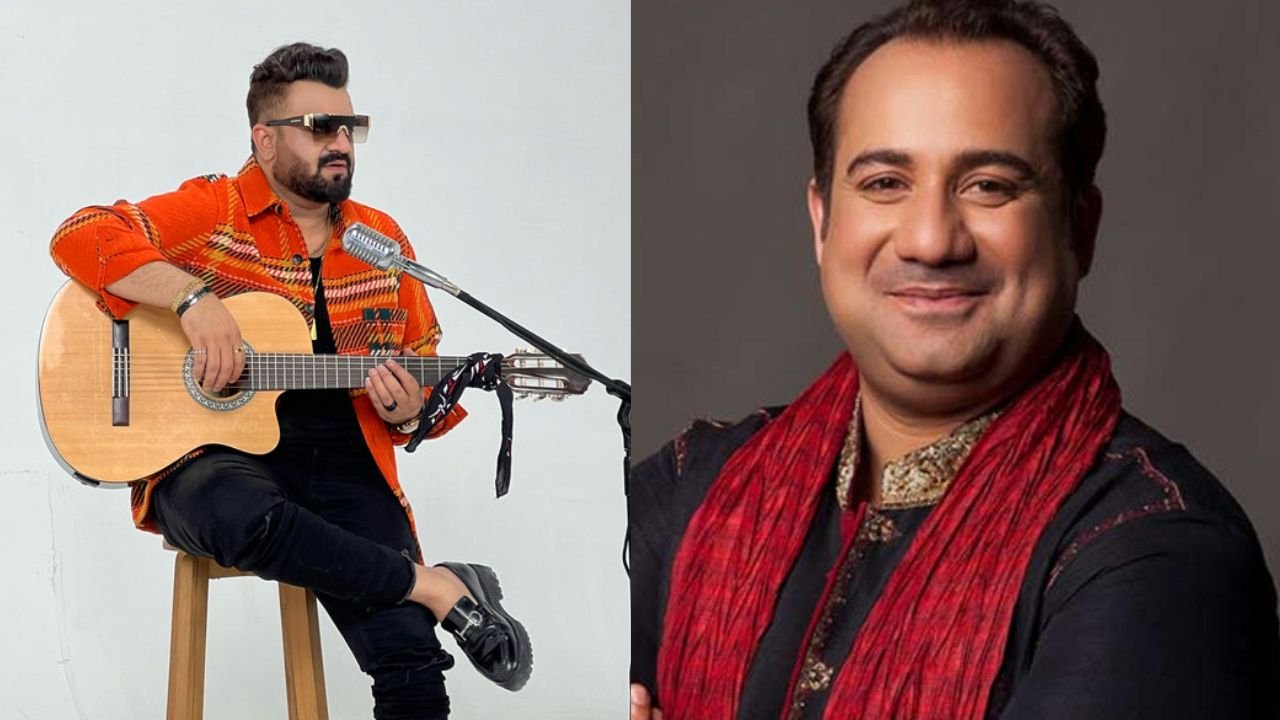
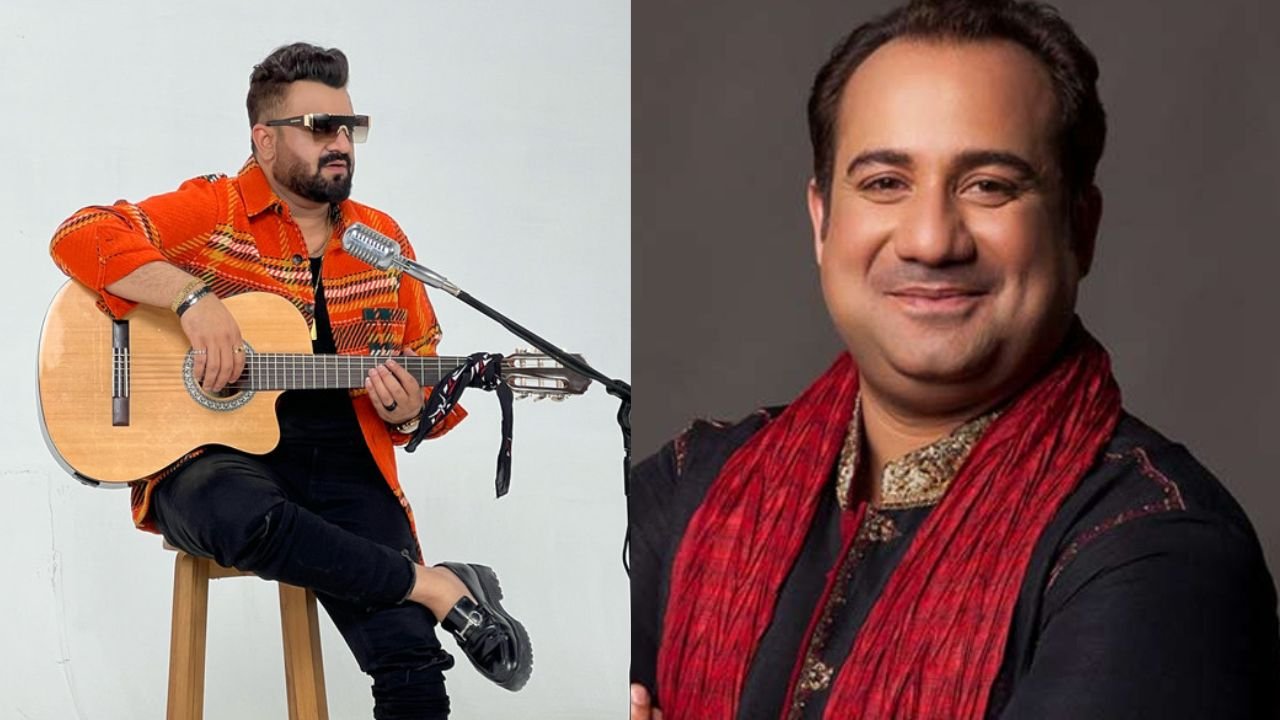
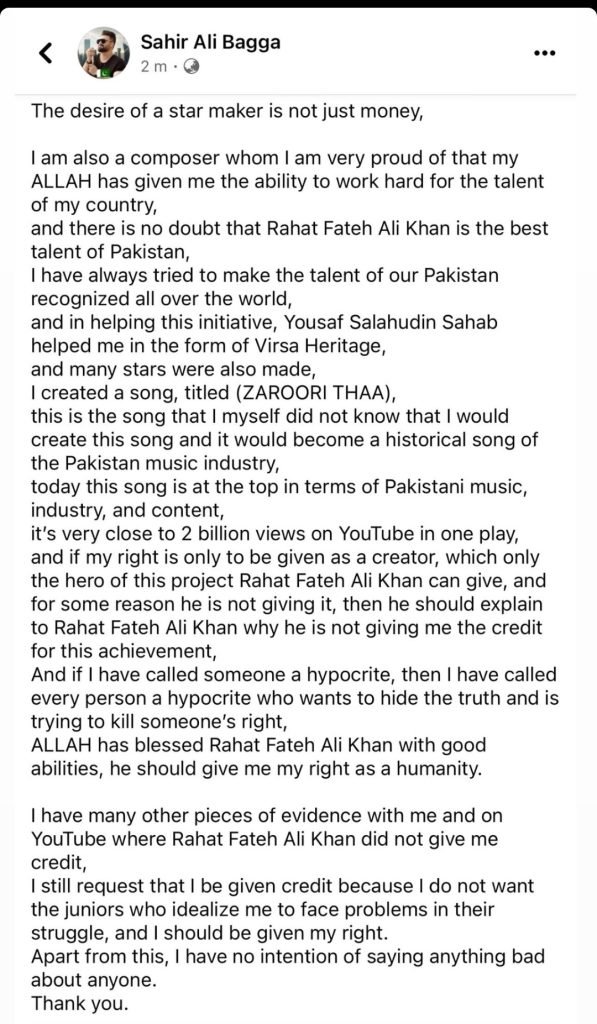
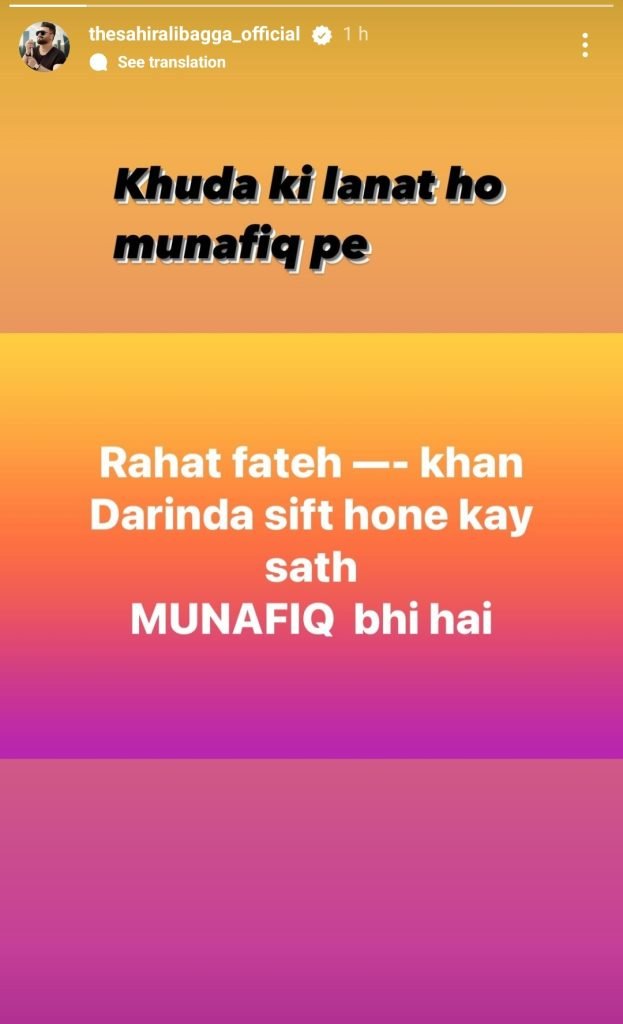
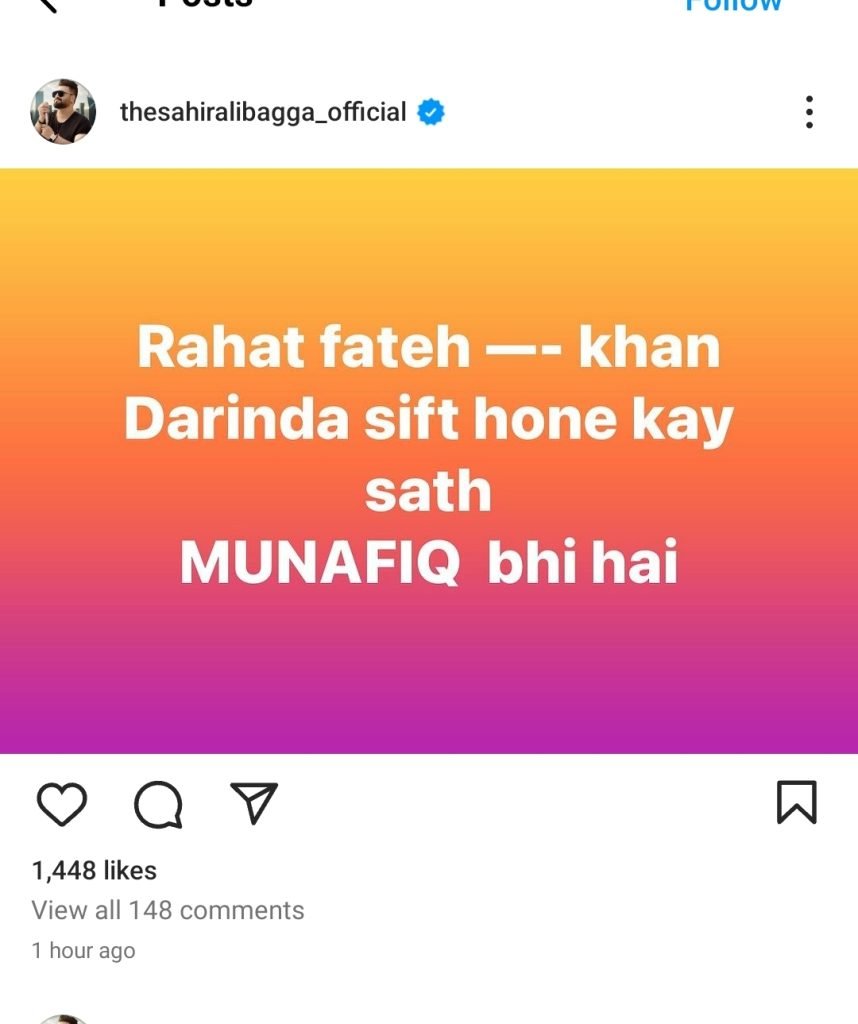
    The ongoing dispute between Sahir Ali Bagga and Rahat Fateh Ali Khan has escalated to new heights. Bagga has now taken to Facebook to express his grievances, asking for proper credit as the composer of the popular song ‘Zaruri Tha’.

    Despite his apology in the end, Bagga remains firm in his stance, urging Khan to acknowledge his contribution to the project. As tensions continue, the ongoing conflict between these two musical giants keeps grabbing attention in the headlines.
    A few days ago, Bagga made headlines after calling out Rahat Fateh Ali Khan blatantly.

    The singer recently explained why he wrote against Rahat Fateh Ali Khan. He stated that as a committed composer, he seeks proper credit for the composition of the hit song ‘Zaruri Tha’, which has achieved significant success on YouTube.

    “The desire of a star maker is not just money. I am also a composer whom I am very proud of that my ALLAH has given me the ability to work hard for the talent of my country, and there is no doubt that Rahat Fateh Ali Khan is the best talent of Pakistan. I have always tried to make the talent of our Pakistan recognized all over the world, and in helping this initiative, Yousaf Salahudin Sahab helped me in the form of Virsa Heritage, and many stars were also made. I created a song, titled (ZAROORI THAA), this is the song that I myself did not know that I would create this song and it would become a historical song of the Pakistan music industry, today, this song is at the top in terms of Pakistani music industry, and content, it’s very close to 2 billion views on YouTube in one play, and if my right is only to be given as a creator, which only the hero of this project Rahat Fateh Ali Khan can give; and for some reason he is not giving it, he should explain why he is not giving me the credit for this achievement. And if I have called someone a hypocrite, then I have called every person a hypocrite who wants to hide the truth and is trying to kill someone’s right, ALLAH has blessed Rahat Fateh Ali Khan with good abilities, he should give me my right as a humanity. I have many other pieces of evidence with me and on YouTube where Rahat Fateh Ali Khan did not give me credit, I still request that I be given credit because I do not want the juniors who idealize me to face problems in their struggle, and I should be given my right. Apart from this, I have no intention of saying anything bad about anyone. Thank you”

  • Sidhu Moose Wala’s parents welcome baby boy

    Sidhu Moose Wala’s parents welcome baby boy

    The parents of late Punjabi Indian rapper Shubhdeep Singh, also known as Sidhu Moosewala, have welcomed a baby boy in the family. Sidhu Moose Wala’s dad, Balkaur Singh, shared the news on Instagram, thanking everyone who has supported the family. He posted a photo of the newborn alongside a picture of Sidhu Moose Wala, showing that even though the famous rapper is gone, his memory lives on.
    “With the blessings of millions of souls who love Shubdeep, the Almighty has put Shubh’s younger brother in our bag.”

    “With the blessings of Waheguru, the family is healthy and thankful to all the well-wishers for their immense love,” he wrote.

    The singer’s mom, Charan Kaur, who is 58-years-old, and his dad, Balkaur Singh, who is 60, had only the one child before the arrival of the younger sibling.

    Last week, Singh wrote in Punjabi on his Facebook, “We are thankful to Sidhu’s well-wishers who are worried about our family. But we want to tell you not to believe the many stories being spread about the family.” The post was put up after Indian media reported about the pregnancy.

    But while they celebrate this moment, they’re still waiting for justice. Sidhu Moose Wala’s killers haven’t been caught yet, despite efforts from the police and other agencies.

  • Senator withdraws resolution to ban Social Media in Pakistan

    Senator withdraws resolution to ban Social Media in Pakistan

    Senator Bahramand Khan Tangi has withdrawn his resolution aimed at imposing a blanket ban on several major social media platforms in the country.

    The resolution, which sparked controversy before its introduction in the house, called for the government to prohibit access to Facebook, TikTok, Instagram, X (formerly Twitter), and YouTube, citing concerns over their perceived negative impact on the younger generation.

    Even before reaching the floor of the house, Tangi’s resolution faced significant criticism from digital rights activists and journalists.

    Critics argued that the proposed ban would further restrict freedom of expression in Pakistan. The timing of the resolution’s emergence added to its contentious nature, coinciding with ongoing disruptions to access X following allegations of electoral rigging during the February 8 polls.

    Senator Brahmand Tangi, who was expelled by the Pakistan Peoples Party (PPP) one month ago, had moved a resolution in the senate asking that all social media platforms including X (formerly Twitter), Facebook, YouTube, and Instagram be banned in Pakistan to protect the next generation from what he has dubbed their “negative and devastating” effects.

    Tangi was expelled by the PPP last month after he went against party policy and remained silent on a resolution asking for delay in Balochistan and KP general elections. However, DAWN has reported that the party has till now not moved a reference against him.
    The resolution has alleged that social media platforms were being used to promote norms “against our culture and religion” and creating hatred among the general populace.

    The document also charges the platforms with being used to run “malicious” campaigns against the army and spreading fake news.
    PPP has said that the senator should not use the party’s name anymore, swiftly distancing itself from the controversial resolution. Nonetheless, it will be on Monday’s agenda.

    Senator Tangi is set to retire on March 11.

  • Election 2024: Meme game going strong

    Election 2024: Meme game going strong

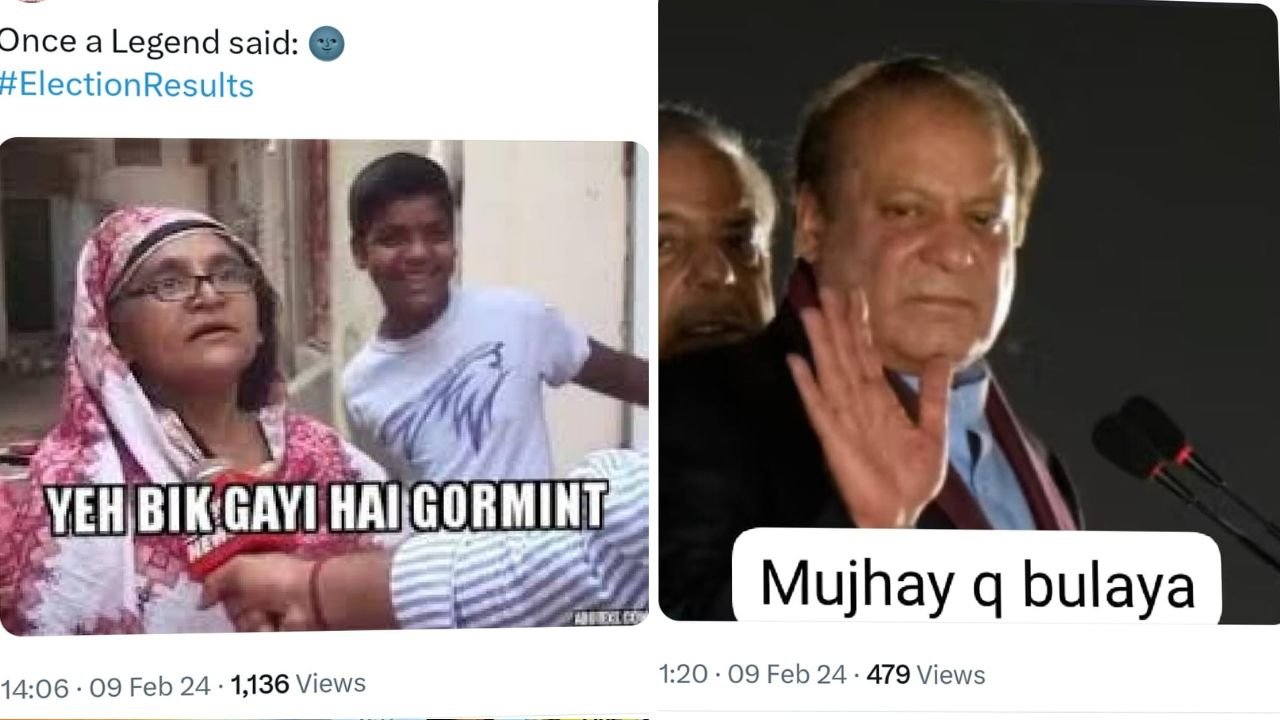
    Polling day is over but the results are STILL not released in full and voters are fed up. They’re dealing with the delay in the best way they know, with memes about politics. The memes are spreading quickly on social media like Facebook and Twitter.
    Check out a few below:

  • Palestinian content leaves Israel miles behind on social media

    Palestinian content leaves Israel miles behind on social media

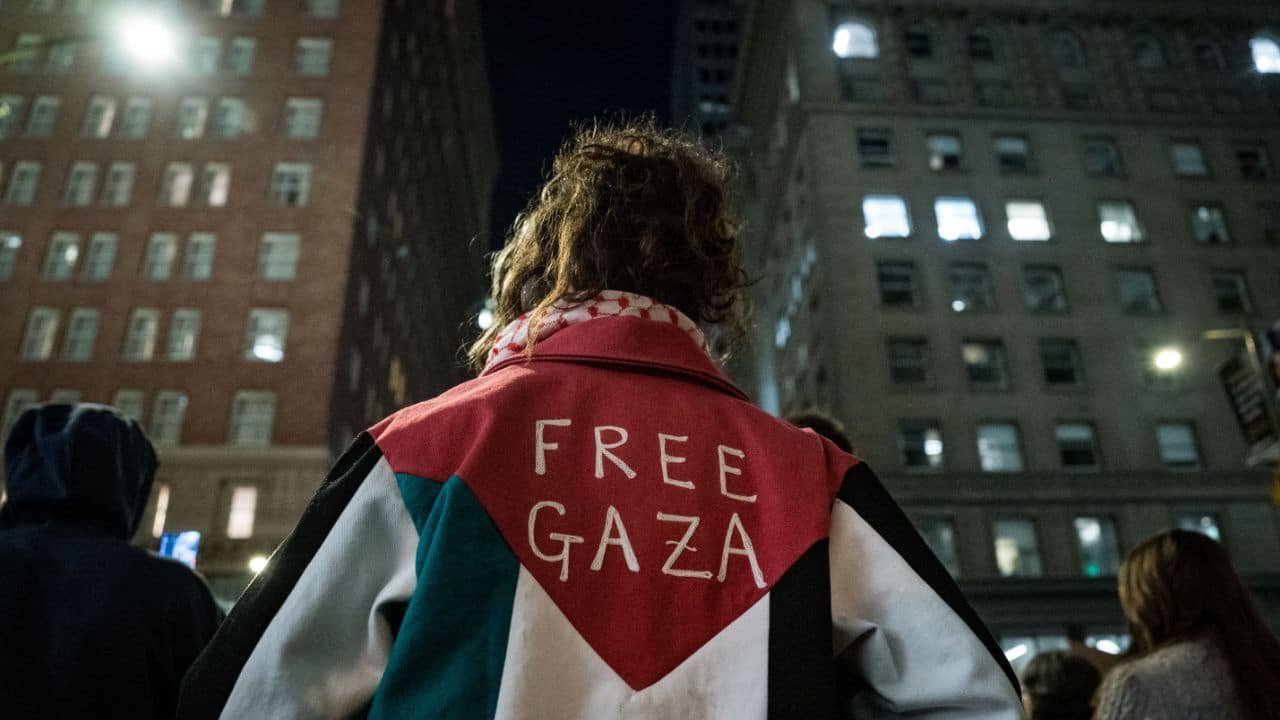
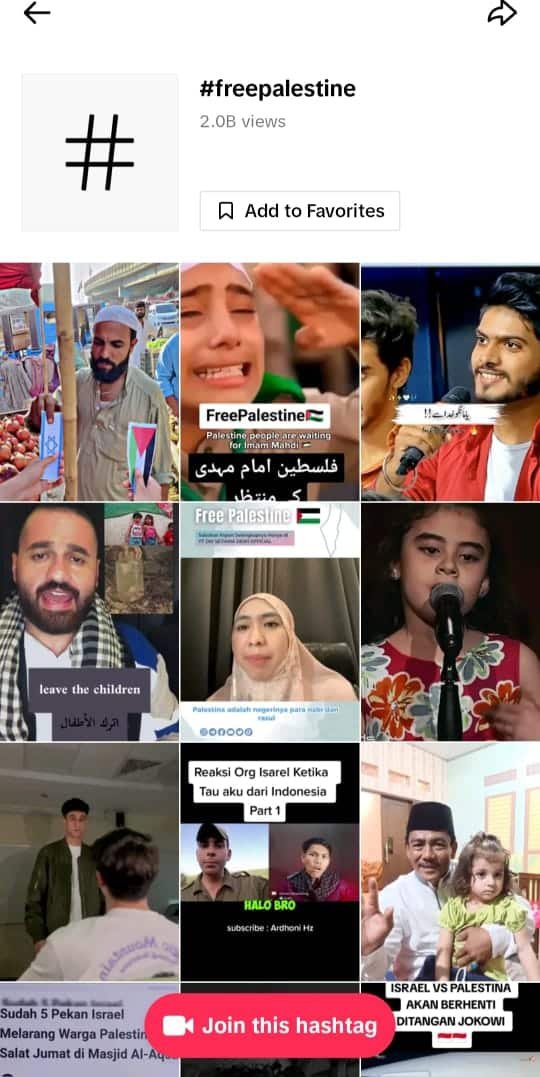
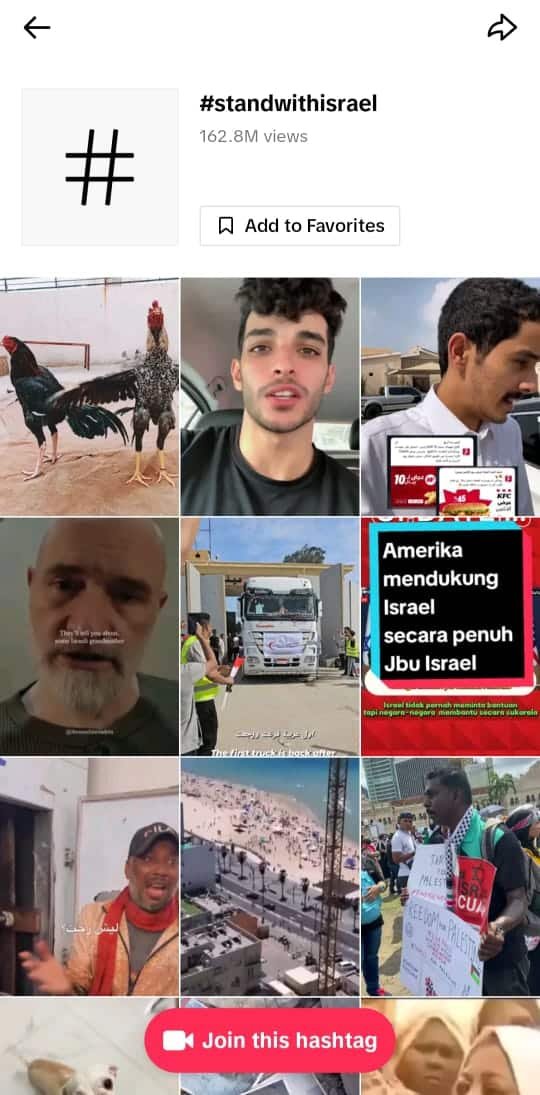
    While activists and civilians flood the streets across the world protesting for Palestine, social media is actively reflecting the changing tides. Currently, the hashtag #FreePalestine has over 2 billion views on TikTok, while in contrast the hashtag #standwithIsrael has over 162.8 million views.

    In a statement posted on Monday, the social media platform responded to US Representative (R) Mike Gallagher’s allegations that TikTok was “controlled by America’s s foremost adversary, one that does not share our interests or our values: the Chinese Communist Party (CCP)”, calling for America to ban the app.

    TikTok said the overwhelming support teens have for Palestine is dominating the app’s algorithm.

    “Support for Israel (as compared to sympathy for Palestine) has been lower among younger Americans for some time. This is evidenced by looking at Gallup polling data of millennials dating as far back as 2010, long before TikTok even existed. A March 2023 Gallup poll, before the war, shows young adults have rapidly shifting attitudes towards the Israeli/Palestinian conflict. While an Echelon poll from October 26, 2023 shows that US TikTok users under 40 are more likely to support Israel (33% vs 28% for Palestine), and the proportions broadly reflect the split in the general under 40 population (32% for Israel, 23% for Palestine).”

    Other social media platforms like Facebook and Instagram show more audiences engage with the pro-Palestinian content than with Israel’s. Instagram shows that the hashtag #FreePalestine has over 6 million views, while in comparison #IstandwithIsrael has gained only 233,000 views.

    Instagram was being taken to task by users for censoring and shadow banning prominent pro-Palestinian voices who were reporting on the ongoing genocide in Gaza. Freelance journalist Plestia Alaqad reported her Instagram account was hacked.

    Furthermore, journalist Ahmed reported he was locked out of his Instagram account and was warned it would be shut down for violating the company’s guideline.

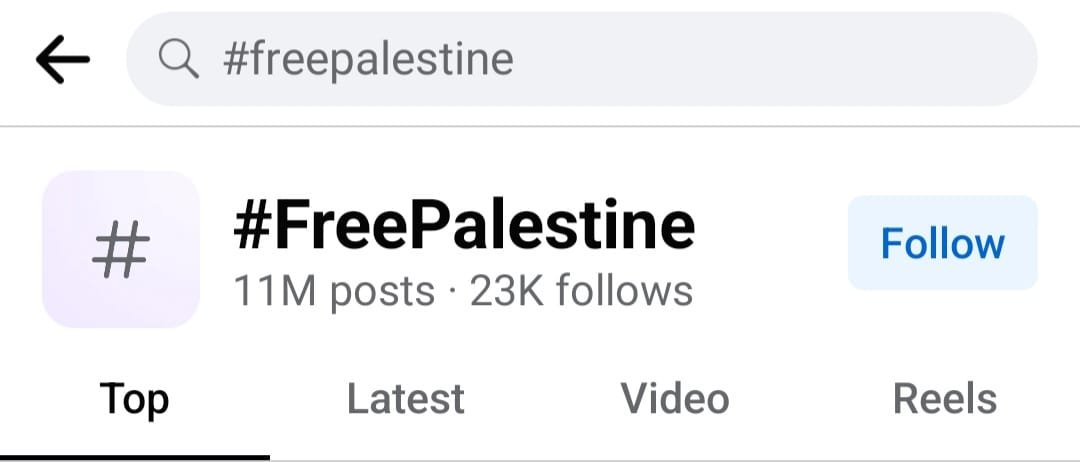
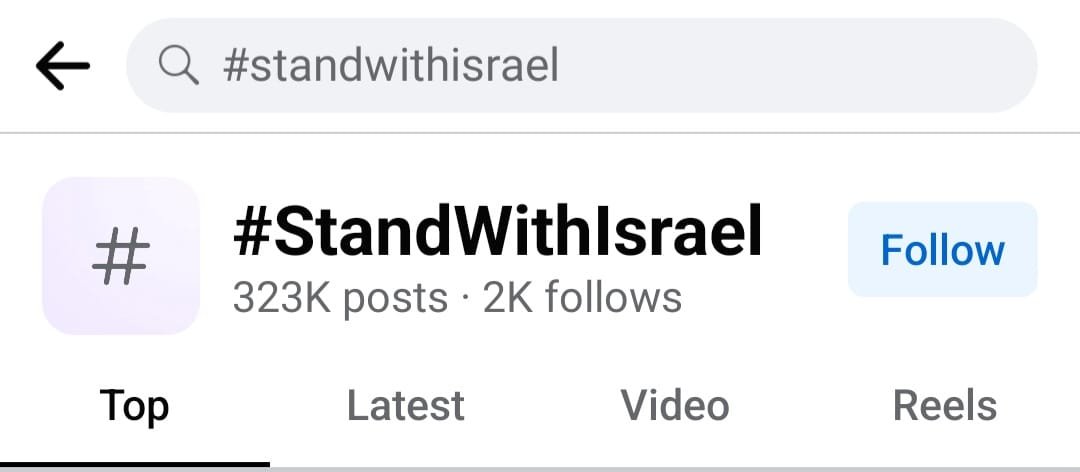
    On Facebook, the #FreePalestine hashtag has over 11 million views while in comparison the #IstandwithIsrael hashtag has over 323,000 views.