Tag: factory

  • Chinese factory shreds wedding photos for fuel

    Chinese factory shreds wedding photos for fuel

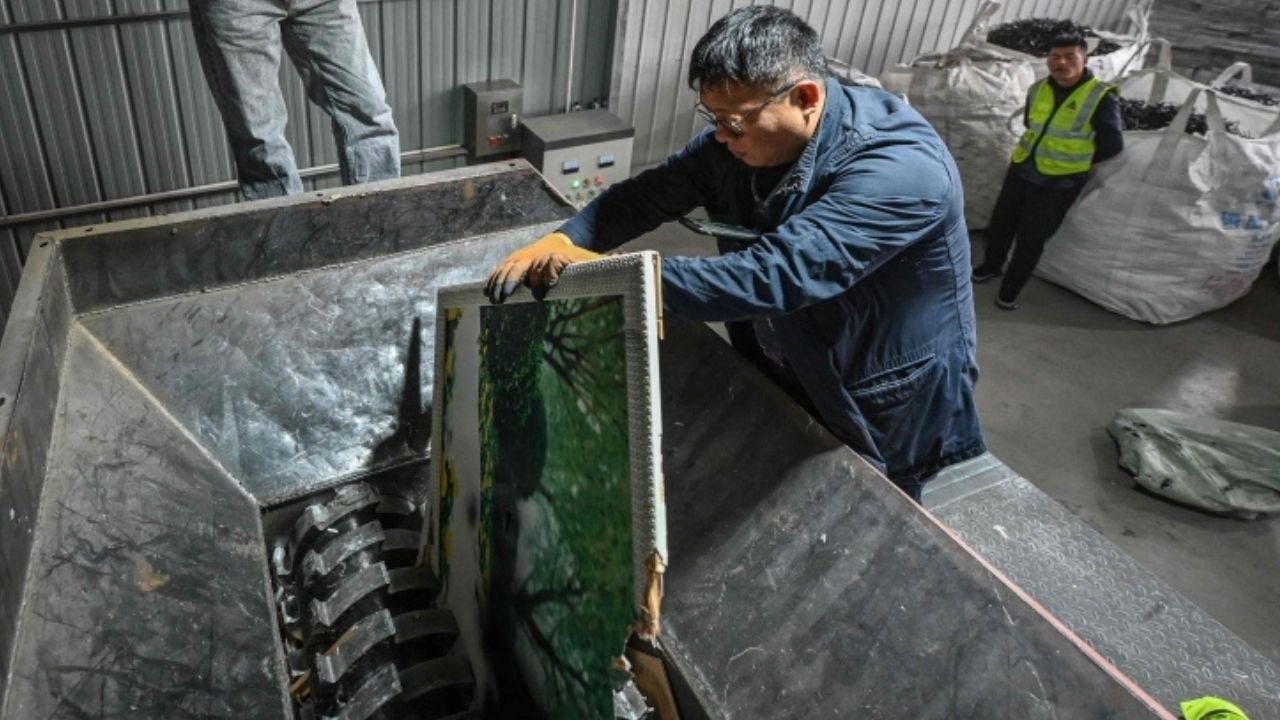
    At a dusty warehouse in northern China, Liu Wei feeds photos of beaming bridal couples into an industrial shredder — turning stories of heartbreak into a source of electricity.

    Wedding photos are big business in China, where parks, temples and historic sites often teem with newlyweds posing for elaborate shots capturing their supposedly unbreakable bond.

    But in a country where millions of divorces take place each year, many marital snaps end up shoved into the attic or tossed into the trash.

    Liu’s company offers an alternative: bereft ex-lovers can have their memories destroyed and recycled into fuel.

    “From our daily business exchanges, we found the destruction of personal belongings is a blank space nationwide,” the 42-year-old told AFP at his factory, 120 kilometres (75 miles) from Beijing.

    “People with less experience in the market probably wouldn’t have spotted this opportunity,” he added.

    Despite cultural taboos around destroying images of living people, Liu’s facility receives an average of five to 10 orders per day from across China.

    They include large wall photos and smaller decorative shots and albums, mostly cast from plastic, acrylic and glass.

    Workers heave the images onto a forklift truck and scatter them onto the warehouse floor for sorting.

    They then obscure every face with dark spray paint to protect client privacy and smash unshreddable glasswork with a sledgehammer.

    “These people are all trying to find closure,” said Liu. “They mainly want to unpick the knots in their hearts.”

    Complex motivations

    Sullied and broken, the pictures give glimpses of broken families in happier times.

    In one, a woman in a white bridal dress reclines on a bed of flowers, while another shows a lovestruck couple gazing into each other’s eyes.

    A sporty pair in matching kits pose with a football, while nearby, a smitten man presses his face tenderly to his pregnant wife’s belly.

    Brandishing his phone, Liu films the defaced photos and sends clips to customers for final confirmation.

    He estimates he has served about 1,100 clients — mostly under the age of 45, and around two-thirds women — since launching the service a year ago.

    They typically speak little about their separations, and several declined interview requests from AFP.

    Liu says the motivations for destroying wedding photos are often complex.

    “Few of them do this out of malice,” he told AFP.

    “It might be that this item brings on certain thoughts or feelings… or be a hurdle hard to overcome.”

    Some clients attend the destructions in person to give a sense of ceremony to a closing chapter in their lives, said Liu.

    Others keep their photos for years and only dispose of them when they remarry or finally come to terms with a former spouse’s death.

    Given the irreversible nature of the process, Liu says he gives clients a final chance to salvage their items in case they live to regret their decision.

    After getting the green light, he films his staff gently pushing the photos into the shredder’s gnashing teeth.

    The debris is taken to a nearby biofuel plant where it is processed with other household waste to generate electricity.

    ‘Respect others’ choices’

    Divorce rates soared in socially conservative China after marriage laws were relaxed in 2003.

    They have fallen dramatically since the government enacted a law in 2021 mandating a month-long “cooling-off” period before couples untie the knot.

    China registered 2.9 million divorces in 2022, down from over 4.3 million two years earlier.

    The number of marriages rose last year for the first time in nearly a decade, giving Beijing some relief as it seeks to reverse a steep fall in births.

    After annihilating the visual evidence of hundreds of unions, Liu says he has become numb to the emotions they stir up.

    “The deepest feeling I have in my heart towards my clients… is that you must respect others’ choices,” he said.

    “You must never persuade people one way or another,” he added. “It does no good.”
  • Robot mistakes man for box, crushes him to death

    Robot mistakes man for box, crushes him to death

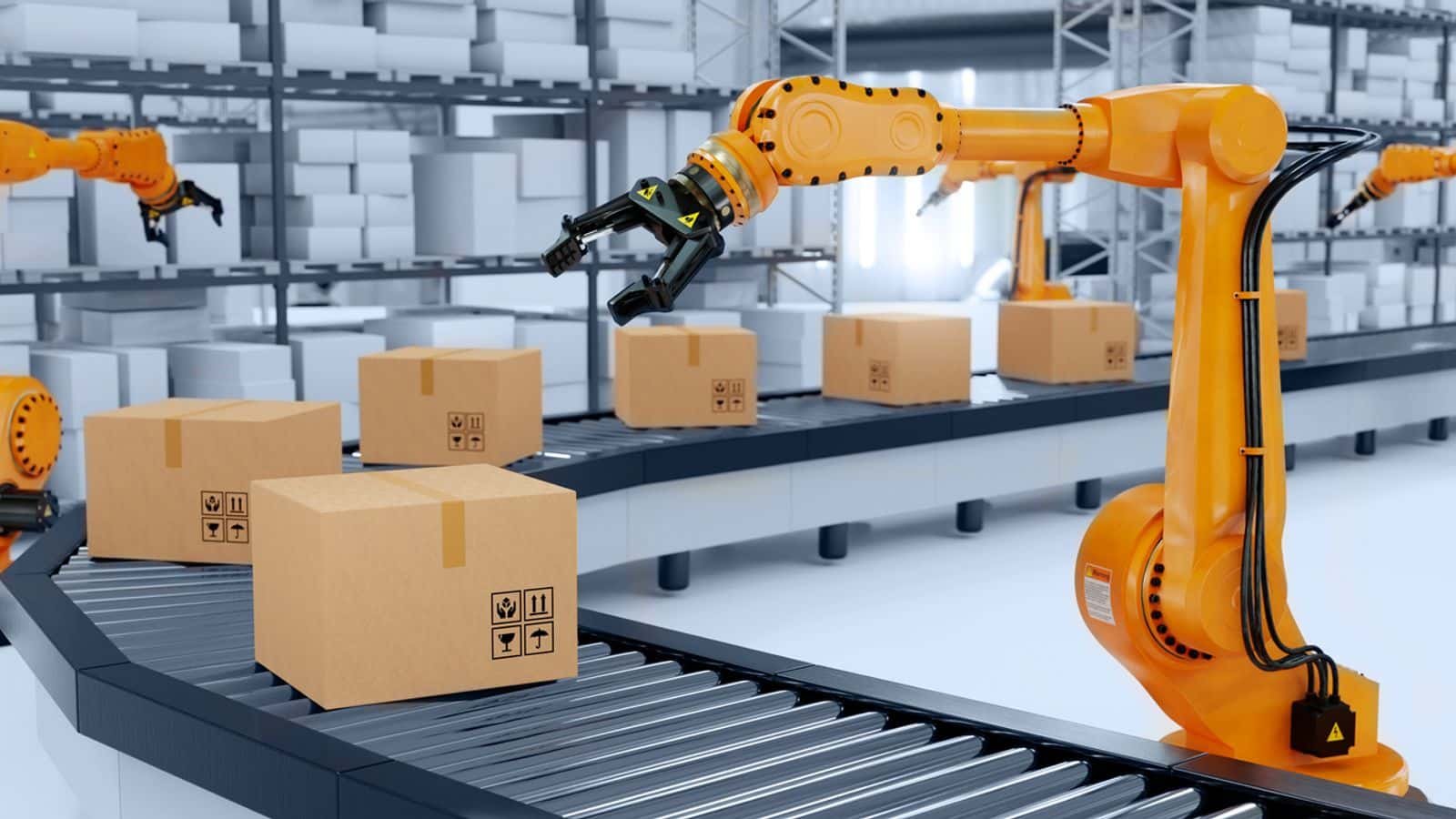
    A South Korean man was misidentified as a box by a robot that crushed him to death, local media has reported.

    The incident took place when the worker, reportedly in his 40s, was inspecting the robot’s sensor at a warehouse for agricultural products.

    Yonhap news agency reports that the robot was lifting boxes of bell peppers when it mistook the man for a receptacle.

    According to police sources, the “Mechanical arm pushed the man’s upper body onto a conveyor belt and crushed his face and chest”.

    The man later died in hospital.

    In an official statement released by the Donggoseong Export Agricultural Complex, the plant owner, called for a “precise and safe” system to be established.

    Sky News reports that in March, another South Korean man in his 50s, endured serious injuries after getting trapped by a robot while working at a vehicle parts manufacturing plant.

  • Two girls kidnapped, gang-raped in a Lahore factory

    Two girls kidnapped, gang-raped in a Lahore factory

    Two girls were allegedly kidnapped and gang-raped in a factory in Lahore, ARY news reported.

    As per details, two girls were abducted from Lahore’s Shahdara area and were moved to Gujjarpura.

    The girls were gang-raped by three men in the Karol Khatti factory in Gujjarpura, the police said and added that the rapists later escaped the crime scene.

    The police claim that they have arrested the factory owner while a search operation is underway to arrest the rapists.

    Community Verified icon
  • ‘Bijli aati hai?’: Twitter reacts to Fawad Chaudhry’s invitation to Tesla’s Elon Musk

    ‘Bijli aati hai?’: Twitter reacts to Fawad Chaudhry’s invitation to Tesla’s Elon Musk

    Twitter has reacted to Federal Minister for Science and Technology Fawad Chaudhry’s invitation to American billionaire and owner of Tesla, Elon Musk, to establish a car factory in Pakistan in a rather amusing way.

    Taking to Twitter and tagging Musk, the minister had on Sunday replied to a news story regarding an announcement by the United States (US) automaker to build half a million electric vehicles a year at its future factory outside Berlin.

    “Dear Elon Musk your next destination may be Pakistan where 68 per cent of world population lives within 3.5 hours flight radius from Islamabad,” tweeted Fawad.

    “We offer ten years zero tax facility and custom free import for factory setup, no other country may offer, plus we are the world’s 3rd biggest freelance software exporters,” he added.

    It wasn’t later that Fawad’s proposal attracted trolls, especially from India.

    https://twitter.com/DH2078/status/1214044887177285633
    https://twitter.com/TrulyMonica/status/1213827796524359680
    https://twitter.com/jaybeeaar/status/1214063106583777281
    https://twitter.com/Bilal84509893/status/1213707711214432256

    https://twitter.com/Agneevasircar/status/1213840061231296512

    According to reports, Tesla is planning to build half a million electric vehicles a year at its future factory outside Berlin.

    Planning documents posted online Friday reveal that the US automaker wants to construct Model 3 and Model Y vehicles at the site in Gruenheide, as well as “future models.”

    The so-called Gigafactory – Tesla’s fourth – will include facilities to assemble entire electric vehicles, including the production of batteries.

    The plans will have to undergo an environmental impact review and public consultation.

    Tesla aims to start operating the plant in July 2021, an optimistic time frame by German standards.

    Construction of a nearby airport for Berlin began in 2006 and the opening has been delayed for eight years.

  • Singapore sets a mosquito factory to curb dengue cases

    Singapore sets a mosquito factory to curb dengue cases

    Every year dengue fever comes and makes us all worried even though the government is trying to control the deadly virus with initiative like fumigation, surveys to check larvae, public awareness campaigns on television and radio etc. However, the mosquito-borne disease is far from being under control.

    But what Singapore has done to fight against dengue is surprising as well as interesting.

    Instead of killing mosquitoes, Singapore has set up mosquito factories which produces a new type of mosquito. What happens is when this ‘new kind’ of mosquito goes out and ‘falls in love’ with other mosquitoes, the outside world mosquito will no longer be able to reproduce which means that the mosquito population decreases.

    And what’s even more interesting is that this new mosquito does not bite.

    https://www.youtube.com/watch?v=PJfBmHgSxBA