Tag: FDI

  • Prime Minister Shehbaz Sharif secures $3 billion investment package in Qatar visit

    Prime Minister Shehbaz Sharif secures $3 billion investment package in Qatar visit

    Prime Minister Shehbaz Sharif returned to Islamabad but was not empty-handed. In addition to a $600 million investment package from Saudi Arabia, Mr Sharif also managed to get Qatar to pledge three billion dollars across various sectors in Pakistan.

    This investment from Qatar is vastly different from the ones received by Saudi Arabia. This is largely due to the fact that the Saudi investment plans were focused primarily on the upgrade and construction of refineries in Pakistan. However, Doha’s vision is to hold a more diverse set of investments.

    This is likely to spell great news for Pakistani businesses, especially those involved in the provision of airport services, renewable energy and hospitality. The inflow of Qatari Riyals will benefit businesses as these foreign funds will allow for the expansion of the scope of current projects.

    Lawmakers in Islamabad have been especially successful in attracting foreign direct investments (FDI) in the past few months. In the first quarter of FY 24-25 alone, FDI had jumped up by 48 per cent. With the Qatari deal secured, experts predict the FDI levels will continue to stay at a respectable level in the second quarter.

    Qatar’s investment in Pakistan’s economy and, ultimately, businesses shows the great level of faith they have in the economy. The government has been making great efforts to made great strides to revive the economy, as all economic indicators seem to be moving in a positive direction.

    As per the IMF’s (International Monetary Fund) forecasts, the annual inflation rate is expected to sit at around 9.5 per cent – a stark improvement from the 30.77 per cent rate recorded in 2023. Moreover, the government has gained significant credibility with international investors and lenders, having a fiscal surplus for the first time in 24 years. These statistics have undoubtedly made Pakistan a better destination for investments than last year and investors have taken note of this too.

    As such, Qatari investors might consider Mr Sharif’s request in the meetings where he urged them to invest in businesses in Pakistan. The resulting collaboration will likely continue Riyal bankrolling business projects in Pakistan. Moreover, Qatar’s confidence in Pakistan is likely to be shared by other international investors.

    Qatar’s latest investment pledge adds to the long line of investments that Islamabad has managed to garner. Can Pakistan, backed by foreign investments, finally claw out and recover from the economic quagmire that it found itself in last year? Time shall tell.

  • PIA’s privatisation plan gets nod from Cabinet Committee

    PIA’s privatisation plan gets nod from Cabinet Committee

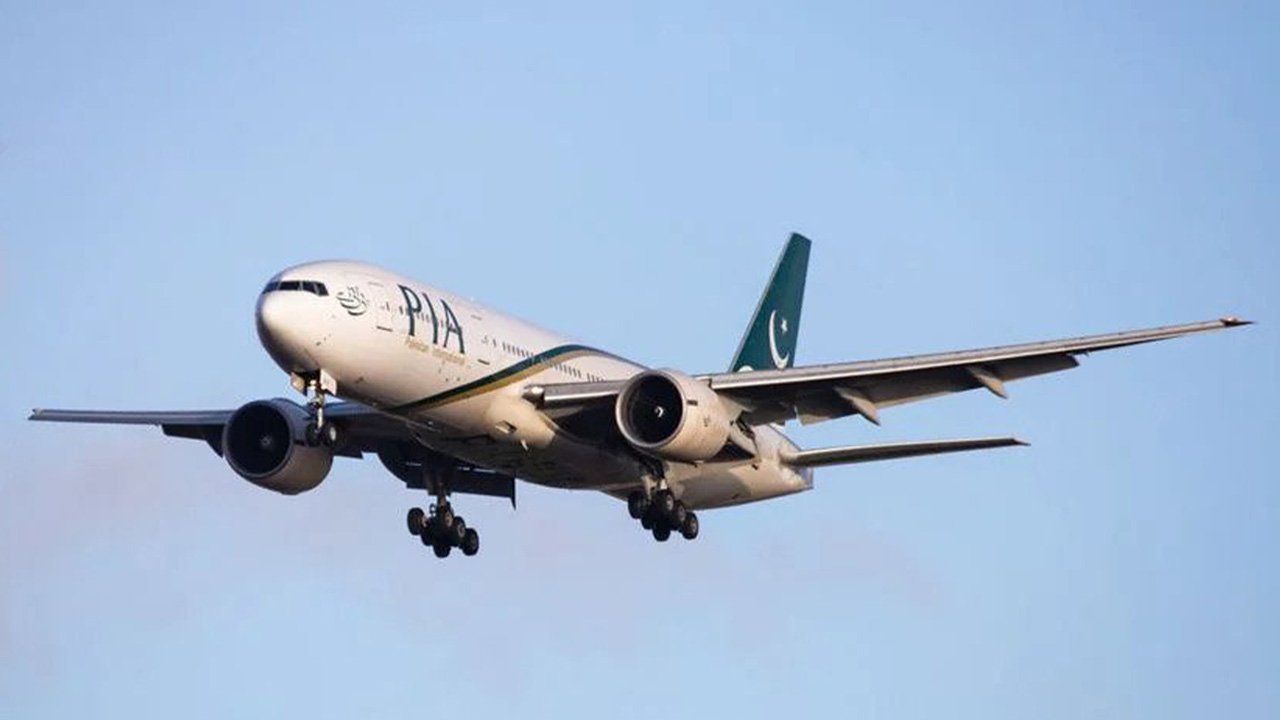
    In a significant development aimed at reviving the fortunes of Pakistan International Airlines (PIA), the Cabinet Committee on Privatisation (CCoP) has given its unanimous approval for the privatisation of the national carrier. The decision was reached during a recent session of the Cabinet Committee on Privatisation, chaired by Finance Minister Senator Ishaq Dar.

    The meeting deliberated on a proposal presented by the Privatisation Commission, advocating for the inclusion of Pakistan International Airlines Co. Ltd. (PIACL) in the ongoing privatisation programme. After thorough consideration and following a crucial amendment in the parliamentary law, the CCoP decided to formally incorporate Pakistan International Airlines Co. Ltd. (PIA) into the list of active privatisation projects.

    A significant aspect of the meeting’s agenda was the Privatisation Division’s detailed presentation on the progress of the Roosevelt Hotel’s privatisation. The Cabinet Committee on Privatisation engaged in an extensive discussion and subsequently granted its consent to the Privatisation Commission’s plan to appoint a Financial Adviser. This Financial Adviser will play a pivotal role in structuring and facilitating transactions related to the Roosevelt Hotel in New York, an asset owned by PIA Investment Limited (PIA-IL).

    Highlighting the urgent need for corrective action, Aviation Minister Khawaja Saad Rafique had previously issued a stark warning regarding PIA’s financial trajectory. If immediate measures were not undertaken, the airline could potentially incur staggering losses amounting to Rs259 billion by the year 2030. Minister Rafique stressed that the transfer of administrative control to the private sector, along with the injection of Foreign Direct Investment (FDI), was essential to mitigate these looming financial challenges.

    In pursuit of this objective, Minister Rafique tabled “The Pakistan International Airlines Corporation (Conversion) (Amendment) Bill, 2023” before the Senate. The proposed amendment to Section 3 of the bill seeks to redefine the ownership and privileges of the company’s shareholders. Additionally, the bill empowers the Federal Government to issue fresh shares or cancel existing ones, further facilitating the necessary structural changes.

    Despite the bold vision presented by Minister Rafique, the bill encountered resistance within the Senate. While emphasising the potential benefits of FDI and private sector involvement, the bill’s proponents faced opposition from certain Senators. In light of these differing perspectives, the Senate Chairman has referred the matter to the relevant standing committee for further deliberation.

    As Pakistan International Airlines embarks on this transformative journey towards privatisation, the nation awaits the outcome of these critical discussions, cognizant of the substantial implications for both the airline industry and the country’s economic landscape.

  • Pakistan to receive $2 billion deposit from Saudi Arabia in State Bank within next few days

    Pakistan to receive $2 billion deposit from Saudi Arabia in State Bank within next few days

    Muhammad Jawad Sohrab Malik, the Special Assistant to the Prime Minister, had a meeting with Nawaf bin Said Al-Malki, the Ambassador of the Kingdom of Saudi Arabia to Pakistan, in Islamabad. The objective of the meeting was to discuss the ways to enhance bilateral collaboration between the two countries.

    During the meeting, Jawad expressed gratitude for Saudi Arabia’s consistent support for Pakistan. He thanked the ambassador for confirming that the $2 billion pledged by the Kingdom would be deposited within the next seven working days in the SBP account. Both parties showed a commitment to strengthening bilateral ties between Pakistan and Saudi Arabia.

    The SAPM highlighted the significance of Saudi Arabia’s assistance and stated that the $2 billion loan would help Pakistan overcome the current financial crisis. He further explained that this would pave the way for securing similar assurances not only from the IMF but also from other friendly countries such as the United Arab Emirates, Qatar, and others, which would lead to the much-awaited staff-level agreement (SLA) with the IMF and unlock multilateral disbursements.

    Nawaf bin Said Al-Malki emphasized the Kingdom’s commitment to building long-term, sustainable investment transactions between Saudi Arabia and Pakistan. He reiterated Saudi Crown Prince Mohammed bin Salman’s pledge to increase Saudi Arabian investments in Pakistan’s energy and IT sectors to $10 billion within the next few years.

    The Saudi envoy expressed keen interest on behalf of the Saudi government in recruiting more manpower from Pakistan during the current and next year for various sectors of the kingdom. He stated that the Saudi labor market is continuing to expand, mainly due to the launch of several mega projects under Saudi Vision 2030.

    While highlighting the diverse business landscape in Pakistan, the SAPM expressed that Pakistan has a lot to offer in both the goods and services sectors. He commended the Kingdom’s commitment to providing enhanced employment opportunities for the Pakistani workforce in its future development ventures, as well as the valuable contributions of Saudi FDI in boosting the country’s economic outlook.

    During the meeting, both dignitaries engaged in fruitful discussions on the further strengthening of bilateral business relations, recruitment of more workforce from Pakistan, and enhancing FDI in potential sectors of the economy. Both the Saudi Ambassador and SAPM Jawad Sohrab Malik expressed confidence that their discussions would pave the way for a new era of deeper and more meaningful collaboration between Pakistan and Saudi Arabia.

  • Business confidence in Pakistan drops to negative 4%

    Business confidence in Pakistan drops to negative 4%

    Major multinational companies with operations across a variety of sectors in Pakistan have lost faith in the country’s economy. In the previous six months, the Business Confidence Score (BCS) as a whole decreased by 21 percentage points to a negative 4 per cent.

    In the earlier survey, which was conducted in March–April 2022, the score (BCS) was positive 17 per cent. In general, more than half of respondents (56 per cent vs. 19 per cent in the prior study) had a “poor” opinion of the business environment in the previous six months.

     “Going forward, only a net 2 per cent (versus 18 per cent in the previous survey) were ‘positive’ for the next six months and 35 per cent of respondents cited no plans to invest,” according to the “Business Confidence Index Survey Wave 22” of the Overseas Investors Chamber of Commerce and Industry (OICCI), which was held from September to November 2022.

    According to Express Tribune, political unrest, currency depreciation, and rising fuel prices were the top three factors contributing to the recent drop in business confidence. The other two top-five factors contributing to the recent drop in company confidence were the current energy crisis (high power costs) and inadequate commercial and trade policies.

    The services industry experienced a confidence decline of 24 per cent, followed by the retail and wholesale trade sectors (22 per cent), and the industrial sector (20 per cent). 25 per cent of respondents were from the retail and wholesale trade, 33 per cent from the services industry, and 42 per cent from the manufacturing sector.

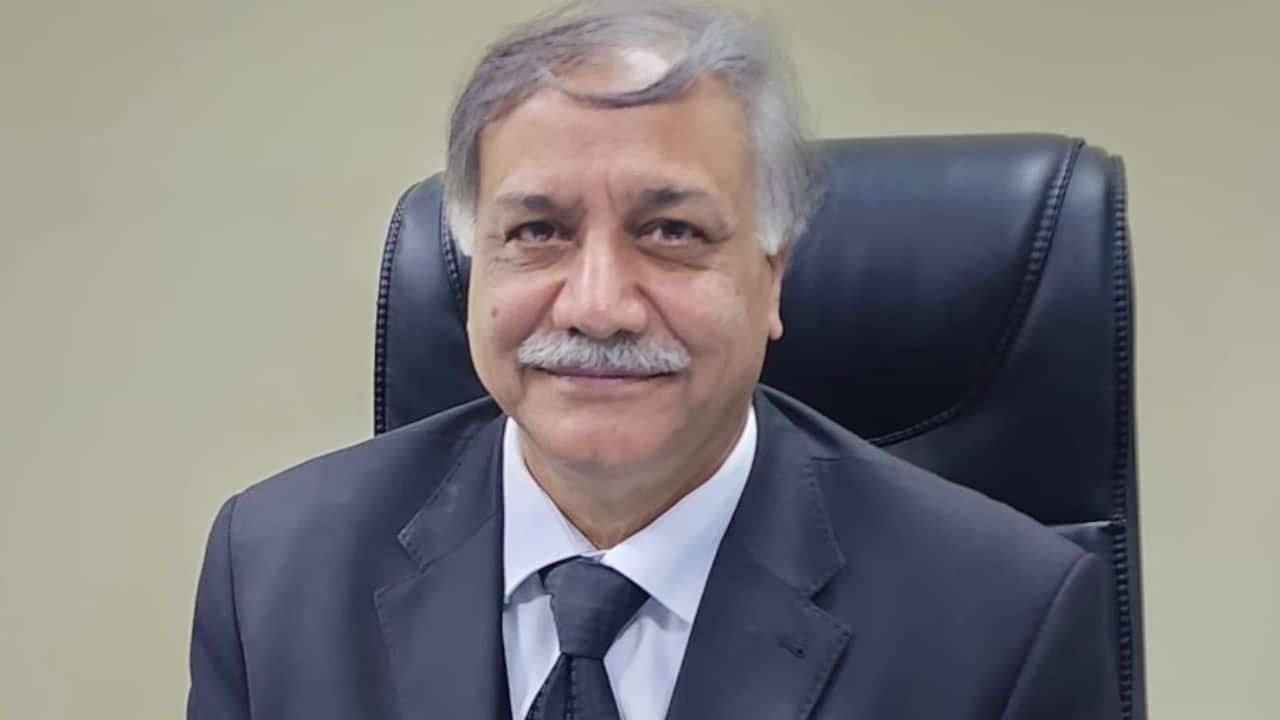
    Commenting on the survey results, OICCI President, Ghias Khan said in a statement that “The substantial decline in the overall business confidence to negative 4 per cent is regrettable but not surprising considering the highly challenging political and economic situation witnessed during the past six months.”

    “The record level of rains during August leading to severe flooding in Sindh and other parts of the country further restricted business activities,” he added.

    “Foreign investors’ feedback could have been more positive but for serious concerns on a few critical issues like the undue delay in revising the pharma pricing and the extreme delays in overseas (outward) remittances for goods, services and dividends. Such actions are seriously counter-productive when trying to attract FDI (foreign direct investment) into the country,” Khan expounded.

    The main factors affecting business confidence in the country are anticipated to remain political unrest, rising fuel prices, and rupee depreciation.

    OICCI Vice President, Amir Paracha noted that “These are challenging times. Authorities are doing all they can to navigate the situation, including controlling inflation, managing the economy with restricted availability of foreign exchange and other resource constraints.”

    “The key stakeholders, especially foreign investors, will continue to support the authorities in taking long-term policy measures to streamline the economic fundamentals, including fair taxation for all, and facilitate business and investment into the country,” he added.

    According to the most recent survey results, the confidence index for business expansion (extra investment) plans over the next six months has decreased to 18 per cent from 34 per cent in the previous survey/W21.

    Similarly, capital investment (new) plans for the following six months fell sharply to 2 per cent (from 21 per cent in the previous wave).

    Compared to Wave 21, just 7 per cent of respondents in Wave 22 reported an increase in overall employment. A drop in overall employment over the previous six months was mentioned by almost 11 per cent of respondents.

    According to the trade body, “OICCI is the collective voice of major foreign investors. Over 200 members, from 31 different countries, have a presence in 14 sectors of the domestic economy and contribute over one-third of Pakistan’s total tax revenue.”

    In the meantime, on Wednesday, the interbank market saw the rupee fall 0.02 per cent (or Rs0.05), falling to a two-month low of Rs224.16 against the US dollar.

  • Dubai retains its position as top FDI tourism destination in the world

    Dubai retains its position as top FDI tourism destination in the world

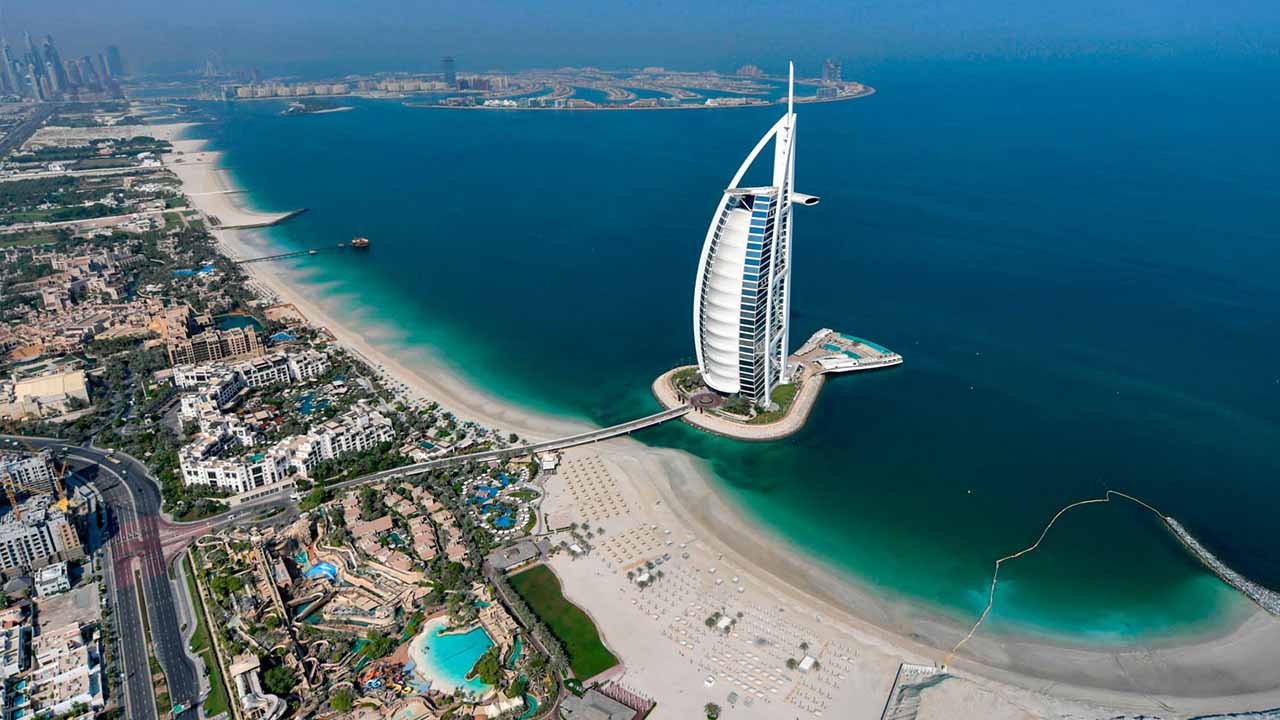
    Dubai has continued to lead the world in luring foreign direct investment (FDI) into the tourism industry in 2021.

    The emirate attracted Dh6.4 billion ($1.7 billion) in foreign direct investment (FDI) over 30 projects in the last year, placing it at the top of the list for FDI capital, projects, and job creation in the tourism sector, according to The Financial Times’ FDI Markets data.

    The Dubai FDI Monitor report, released by the Dubai Investment Development Agency, states that these new projects and investments resulted in the creation of 5,545 new jobs over the course of the year.

    “Dubai’s rank as the top FDI destination for tourism is a testament to the sector’s resilience and stability. It reaffirms the sector’s role as a key economic driver that offers international investors confidence and an exceptional opportunity for stable and sustainable returns,” Sheikh Hamdan bin Mohammed, Crown Prince of Dubai and Chairman of The Executive Council of Dubai, said on Twitter.

    As the city strives to become the most popular travel destination in the world, Dubai attracted more than 7.28 million foreign overnight visitors in 2021, an increase of 32% from the previous year.

    The goal of Dubai’s Department of Economy and Tourism, which will be created with the merger of the tourism and economy departments, is to attract 25 million visitors to the city by the year 2025.

    To streamline government organisations, keep up with quick changes, and maintain Dubai’s business and tourism sectors’ competitiveness, the merger was achieved.

    “The newly-formed department seeks to support the economic and tourism transformations taking place in the emirate. It will adopt the same competitiveness and efficiency of the private sector and work together with it on various development projects,” said Sheikh Hamdan.

    In spite of the inflationary environment, business activity in the private sector grew steadily in June, expanding at the quickest rate in three years.

    Its highest reading since June 2019, the headline seasonally adjusted S&P Global Dubai Purchasing Managers’ Index increased to 56.1 in June from 55.7 in May.

    The main engine of growth in the emirate continued to be the travel and tourism industry.

    As travel restrictions around the world continued to loosen, businesses in Dubai, the commercial and touristic centre of the Middle East, reported a noticeable increase in tourism-related business activity. This solidified Dubai’s position as a major travel hub.

    Prior to that, Dubai became the first Middle Eastern location to receive the coveted Michelin star, further solidifying its position as a top culinary and travel destination. Eleven restaurants in total received awards for outstanding dining.

  • Punjab begins digital mapping of all cities including Lahore

    Punjab begins digital mapping of all cities including Lahore

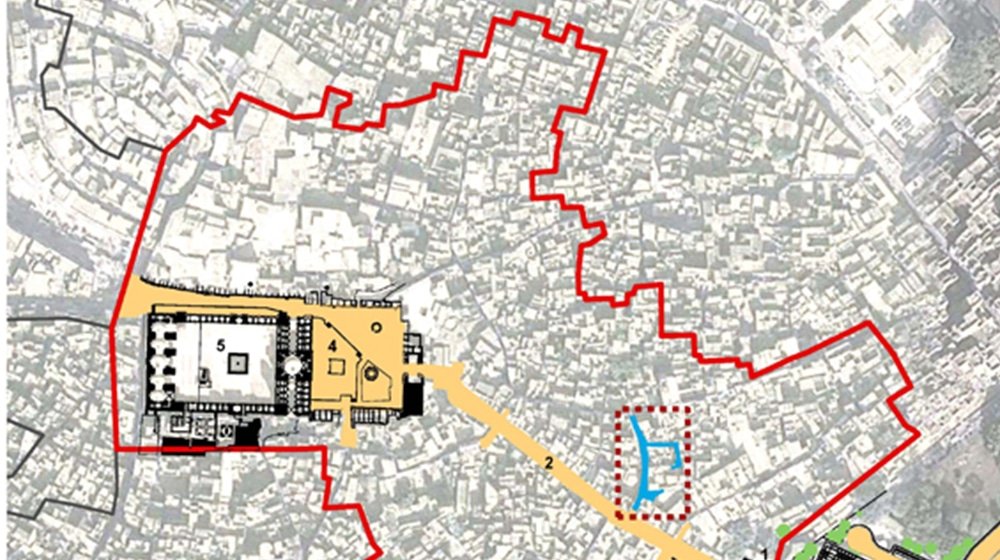
    Punjab Board of Revenue has started a new project called Cadaster of Punjab. Under this project, the provincial government will create a digital map of urban centres all across the province.

    Through this project, the government intends to remove Khasra (the legal Revenue Department document) number linked to real estate assets. The Khasra number has impeded the real estate sector due to several unsolicited factors.

    The project is divided into two phases. In the first phase, the digital maps of all the buildings will be created. In the second phase, unique numbers will be assigned to buildings all across the provinces.

    The urban blueprint of Lahore has also been drafted under the same filing in coordination with the Survey of Pakistan.

    Specifics such as area, value, and ownership details will be made digital to maintain proper records.

    The project has secured foreign investments worth $150 million, which will help in the formation of the digital records within the next few months.

    Before this development, the Punjab Board of Revenue has approved legislations. Under its regulatory framework, the offices of private housing societies will be declared public.

    The new law has also levied strict legal action against the housing societies that regularly evade scheduled audits.