Tag: Federal Board of Revenue

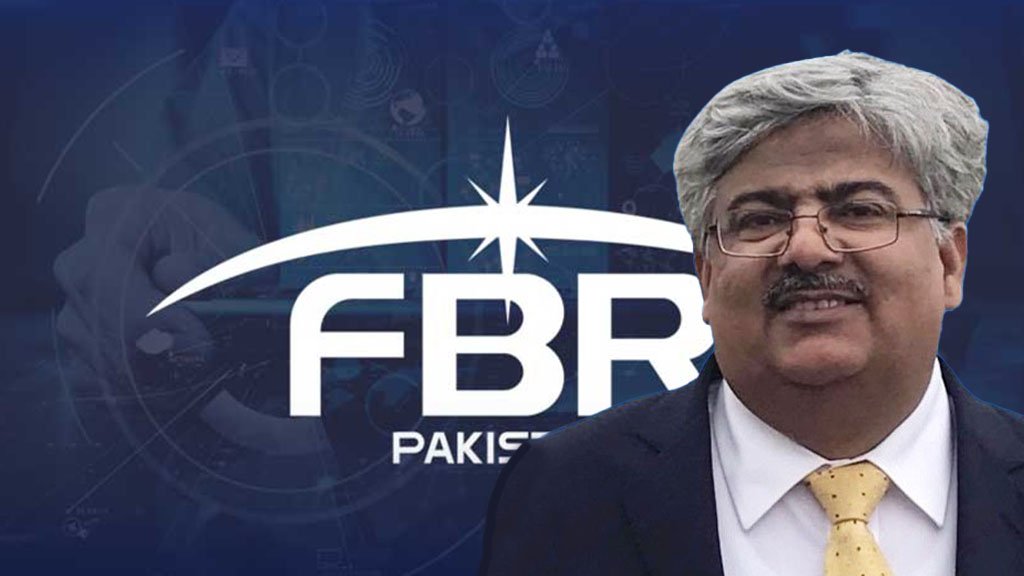
  • Rashid Mahmood’s appointment as FBR chairman sparks controversy over overlooked senior officers

    Rashid Mahmood’s appointment as FBR chairman sparks controversy over overlooked senior officers

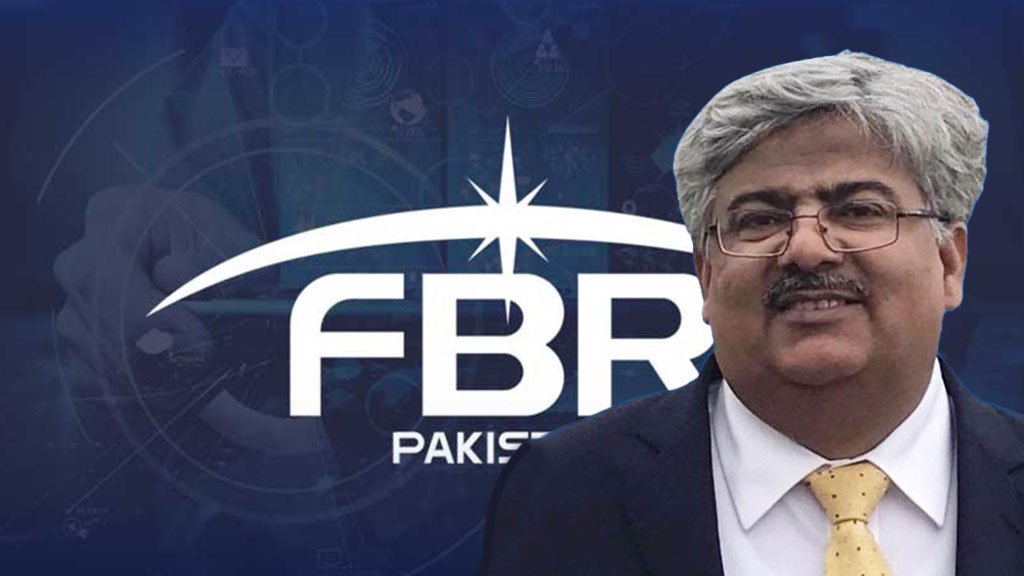
    The recent appointment of Rashid Mahmood as Chairman of the Federal Board of Revenue (FBR) has ignited debate, as it appears that a number of senior FBR officers were bypassed for the role.

    According to sources, Mahmood’s appointment has overlooked 24 senior officers in the field and 6 at the FBR headquarters, highlighting concerns over the lack of a seniority-based appointment process at the FBR—a stark contrast to other key institutions.

    Further sources reveal that Members of Customs Operations are currently on extended leave, and many senior officers are absent, which points to potential inefficiencies within the department

    Notably, Mahmood’s predecessors, including Amjad Zubair Tawana, Asim Ahmed, and Muhammad Ashfaq Ahmed, were also appointed despite more senior officers being available, raising questions about the appointment criteria.

    The timing of this appointment is particularly critical as the government faces a daunting tax target of Rs12.31 trillion for the coming 11 months. According to Mettis Global, if revenue collection falls short, even by a month or two, achieving this goal will be increasingly difficult.

    In addition to these challenges, the new chairman will need to navigate ambitious revenue collection targets and oversee essential system digitisation efforts.

  • IMF wants FBR to bring over 20 million Pakistanis into tax net in five years

    IMF wants FBR to bring over 20 million Pakistanis into tax net in five years

    To broaden the tax base, the Federal Board of Revenue (FBR) has outlined its five-year objectives to the International Monetary Fund (IMF), sources reveal.

    The FBR aims to include over 20 million individuals in the tax net over the next five years, as per the IMF’s requirements.

    To meet this goal, the FBR plans to register 3.72 million people and 23,500 associations of persons within the current year. Additionally, more than 9,500 companies will be incorporated into the tax system during this financial year.

    For the following fiscal year, the FBR’s target is to add 3.91 million individuals, associations, and companies to its records. By FY27, the board aims to enrol 4.1 million non-filers, with a further increase to 4.31 million individuals by FY28.

    The goal for the 2028-29 financial year is to incorporate 4.525 million people into the tax net.

    Sources indicate that the IMF has insisted on the strict implementation of this plan, starting from the current financial year.

  • Rashid Mahmood Langrial appointed as chairman of FBR

    Rashid Mahmood Langrial appointed as chairman of FBR

    The government has appointed Rashid Mahmood Langrial, currently Secretary of the Power Division, as the new Chairman of the Federal Board of Revenue (FBR). This announcement was made through a notice from the Cabinet Secretariat Establishment Division.

    According to the notice, “Rashid Mahmood, a BS-21 officer of the Pakistan Administrative Service and presently serving as Secretary of the Power Division, is transferred and appointed as Chairman of the Federal Board of Revenue, with immediate effect, in accordance with Section 10 of the Civil Servants Act, 1973.”

    Langrial, who entered the civil service in 1995, boasts a diverse career across various sectors.

    His previous roles include Chief Secretary of Gilgit-Baltistan, Commissioner of Lahore Division, Secretary of Agriculture in Punjab, Chief Executive Officer of the National Power Parks Management Company (NPPMCL), Chairperson of the Lahore Ring Road Authority, and Secretary of Tourism in Khyber Pakhtunkhwa.

    Earlier in his career, he also served as Assistant Commissioner in Sindh and as Deputy Secretary in the Punjab Secretariat.

  • Reducing financial burden on low-income groups remains top priority for govt: Aurangzeb

    Reducing financial burden on low-income groups remains top priority for govt: Aurangzeb

    Finance Minister Muhammad Aurangzeb said Sunday that the government is taking robust measures to improve the country’s economy.

    Addressing a press conference in Islamabad, he said reforms are being done in the Federal Board of Revenue (FBR) to increase revenue collection.

    He said weekly meetings are being held under the chair of Prime Minister Shehbaz Sharif. He said that putting less burden on the lower-income class is the government’s top priority.

    Expressing gratitude to the Chief Ministers of all four provinces for supporting the government’s tax reforms agenda, he expressed hope that they will introduce tax legislation for the inclusion of the Agricultural sector in the taxation regime.

    He said without including the untaxed and under-taxed community in the tax regime, we cannot achieve certainty and ease of collection which is vital for economic stability.

    Regarding facilitation to the business community, Aurangzeb said claims worth 68 billion rupees have so far been now refunded.

    The Minister said notices will be sent through a centralized system, while field formations will be authorized to collect taxes accordingly.

    Mentioning the details of tax evasions and frauds, he said we have identified a tax potential worth 600 billion rupees that was not collected, out of which one billion rupees has been recovered so far.

    In customs, through misclassification, tax worth around 50 to 200 billion rupees has been identified.

    He urged the media to start a campaign against the under-tax and un-taxed community.

    The Minister said the government is also working on the simplification of the tax processes to facilitate the business and salaried persons.

    Through this simplified process, they will be able to respond to our system in a very simple and easy manner without the involvement of any tax consultant.

    Stressing the importance of rightsizing, the Minister said five ministries, including Kashmir and Gilgit Baltistan, SAFRON, Industries and Production, IT and Telecom, and Health have been short-listed in this regard.

    He said Prime Minister Shehbaz Sharif will take the final decision to this effect, he said.

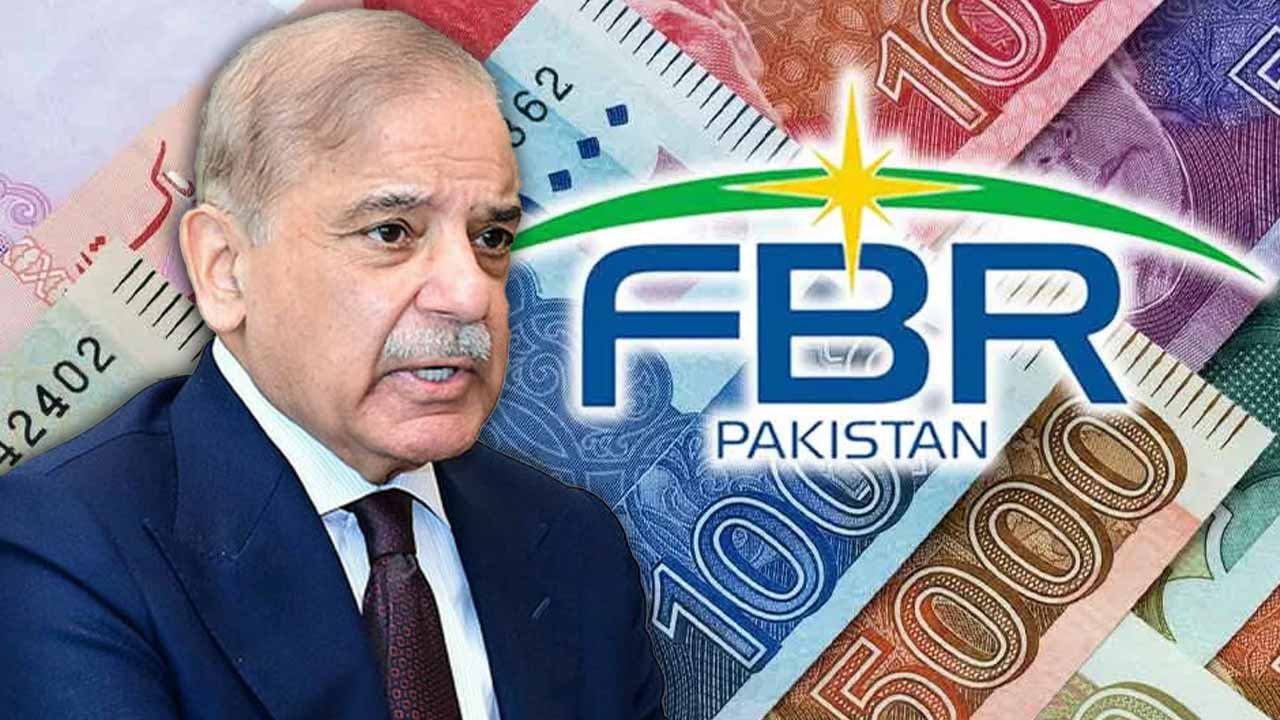
  • PM Shehbaz urges FBR to modernise tax system without burdening honest taxpayers

    PM Shehbaz urges FBR to modernise tax system without burdening honest taxpayers

    Prime Minister Muhammad Shehbaz Sharif has directed the Federal Board of Revenue (FBR) to implement a strategy using the latest technology to expand the tax base without imposing additional burdens on honest taxpayers.

    During his visit to the FBR Headquarters, the Prime Minister underscored the government’s commitment to steering Pakistan towards economic progress and stability.

    Prime Minister Sharif highlighted the necessity of collective and individual efforts, sincerity, and sacrifices to prioritise national interests over personal gains.

    He described the recent staff-level agreement with the International Monetary Fund (IMF) as a positive development for the country’s economy and expressed optimism that the IMF board would endorse it.

    He urged the FBR to work diligently to ensure this IMF programme is the last one needed, paving the way for a prosperous future.

    Sharif emphasised the importance of taxing those who evade payments to alleviate the repeated financial strain on honest taxpayers, including government employees. He advocated for leveraging modern technologies, such as artificial intelligence, to digitise FBR operations, which he viewed as crucial for broadening revenue sources without unfairly burdening compliant taxpayers.

    The Prime Minister criticised the reliance on foreign debts, stressing that sustainable nation-building requires self-reliance and effective tax collection. He insisted that current FBR reforms be conducted objectively and transparently, prioritising national interests. Sharif also instructed FBR Chairman Malik Amjad Zubair Tiwana to bring any departmental issues to light promptly.

    Acknowledging FBR’s success in collecting 30% more revenue compared to the previous year, Sharif insisted that tax enforcement should focus on achieving set targets without causing undue difficulties for compliant businesses and industrialists.

    He recalled the introduction of agricultural tax in Punjab 27 years ago, which was subsequently adopted by other provinces, highlighting the need to address general sales tax collection issues.

    Upon his arrival at FBR Headquarters, Sharif was welcomed by key government officials, including Finance Minister Muhammad Aurangzeb and Minister of State for Finance Ali Pervaiz Malik. The Prime Minister paid homage to the FBR’s fallen heroes by laying a wreath and offering Fateha. He reiterated that the automation and digitisation of FBR are government priorities and authorised the immediate release of Rs2 billion to enhance the Web-Based One Customs System (WeBOC).

    The meeting, attended by several ministers and senior officials, included a briefing on ongoing FBR reforms and the progress of the digitisation strategy.

    The Prime Minister was informed of the completion of the first phase of the FBR Tajir Dost Mobile application, which simplifies tax return processes. Additionally, the use of advanced technology has identified approximately 4.9 million potential taxpayers.

    Sharif instructed the FBR to expand the tax net to include these identified individuals and to address the legitimate demands of flour mill owners through direct engagement.

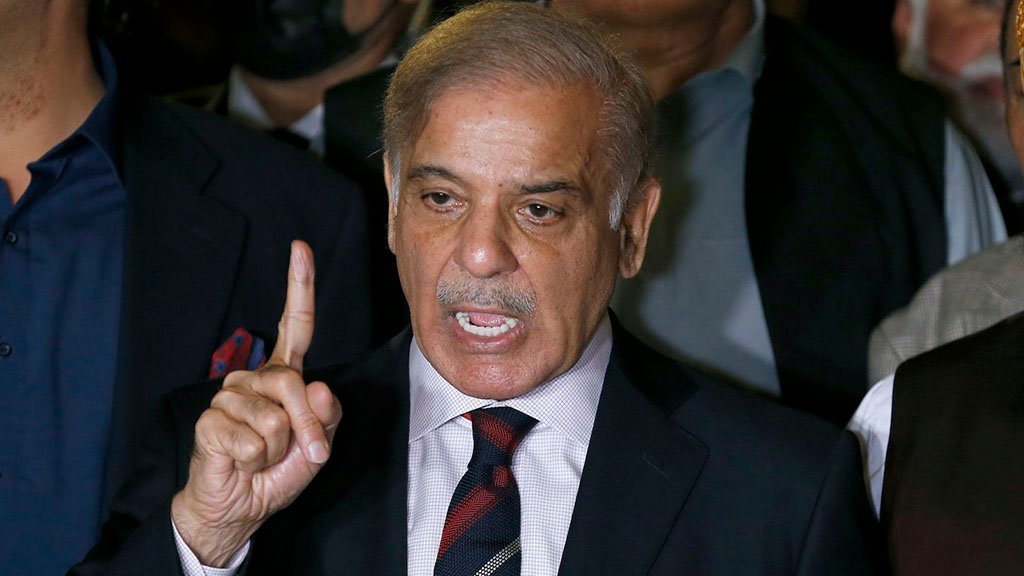
  • PM Shehbaz orders immediate action to tax 4.5 million non-filers

    PM Shehbaz orders immediate action to tax 4.5 million non-filers

    Prime Minister Shehbaz Sharif has mandated immediate action to bring 4.5 million identified non-filers into the tax net.

    Chairing a review meeting on Federal Board of Revenue (FBR) reforms, he stressed the need for swift implementation of measures to ensure these potential taxpayers are registered and contributing their due share.

    During the meeting, officials updated the prime minister on the ongoing reforms and digitisation efforts within the FBR. The implementation of Sharif’s directives is progressing rapidly, with a comprehensive review of the FBR’s existing systems and manpower nearing completion.

    Initial steps have already led to the identification and cessation of fraudulent sales tax refund claims by approximately 4,000 companies.

    The prime minister underscored the importance of ending discretionary powers of customs appraisers, instructing the FBR chairman to ensure compliance and report back within 24 hours. He highlighted that more than 300,000 new taxpayers have submitted their returns in recent weeks, a testament to the government’s initiatives.

    PM Shehbaz also called for strict action against individuals and officials involved in tax evasion, emphasising that those who facilitate such crimes will be punished. Conversely, taxpayers who comply with their obligations will be acknowledged.

    To enhance transparency and reduce corruption, the prime minister directed the installation of modern, international-quality scanners at ports. He reiterated that the digitisation of the tax system is a top government priority to prevent billions in tax evasion.

    PM Shehbaz also recommended the creation of a dashboard to monitor the progress of digitisation and reforms.

  • Budget 2024-25: Pakistan Stock Exchange proposes tax reforms for economic growth

    Budget 2024-25: Pakistan Stock Exchange proposes tax reforms for economic growth

    Pakistan Stock Exchange (PSX) has forwarded a series of significant tax proposals to both the Ministry of Finance (MoF) and the Federal Board of Revenue (FBR) for potential inclusion in the upcoming federal budget for the fiscal year 2024-25.

    These proposed measures are designed to not only bolster revenue but also to incentivise the allocation of resources towards sectors of the economy that are both productive and officially documented. This move is deemed critical for fostering economic growth and generating employment opportunities across Pakistan.

    Notably, PSX has experienced a marked upswing in its performance, largely attributed to recent stability measures implemented within the broader macroeconomic landscape. In the outgoing year alone, the market capitalisation has surged by nearly Rs4 trillion, signifying a substantial boost to economic prosperity.

    Furthermore, foreign investments totaling approximately $132 million have flowed into the country through the stock market since July 2023, underscoring the significance of the stock market in attracting foreign capital.

    It is imperative that both the Ministry of Finance and the FBR carefully evaluate the proposals put forth by PSX to ensure that the stock market remains a vital contributor to economic growth, tax revenues, foreign investment inflows, and the formalisation of the economy. This strategic move is crucial for sustaining the positive momentum witnessed in both the capital market and broader economic recovery efforts.

    PSX stresses the importance of prioritising comprehensive documentation of all economic activities, with capital markets representing one of the most meticulously documented sectors within the economy. A robust capital market ecosystem not only aligns with key economic and social objectives but also serves as a catalyst for expanding the taxpayer base, augmenting savings and investment rates, and mitigating wealth disparities.

    To realise these overarching objectives, investors necessitate a conducive and predictable tax regime. As such, Pakistan Stock Exchange has articulated a range of proposals to the Ministry of Finance and the Federal Board of Revenue, all aimed at fostering a favorable environment for investment and economic growth in the fiscal year 2024-25.

  • FBR surpasses May revenue target with Rs760 billion collection

    FBR surpasses May revenue target with Rs760 billion collection

    The Federal Board of Revenue (FBR) has exceeded its revenue target for May in the fiscal year 2023-24 by collecting Rs760 billion in tax revenues, surpassing the target of Rs745 billion.

    This achievement, announced in a statement by the FBR today, signifies a remarkable 33 per cent growth compared to May 2023.

    In addition to the overall revenue increase, domestic taxes also experienced a significant 33 per cent growth during May.

    “The FBR is poised to achieve the assigned target for the final month of the current financial year, June 2024,” the statement added.

    This positive trend has contributed to an overall revenue growth of 31 per cent for the first eleven months of the current fiscal year, compared to the same period last year.

  • Telecom companies block 9,000 SIMs of non-filers under FBR directive

    Telecom companies block 9,000 SIMs of non-filers under FBR directive

    Telecom operators have taken action by blocking the mobile SIMs of approximately 9,000 individuals who have not filed their taxes, following directives from the Federal Board of Revenue (FBR).

    According to a spokesperson from the FBR, this measure has been expedited, with telecom companies receiving updated data daily for the purpose of blocking SIMs.

    It has been revealed that the FBR has already provided data for around 30,000 individuals whose SIMs are earmarked for blocking.

    However, the spokesperson acknowledged that there is still a substantial number of approximately 506,671 individuals who have not filed their Income Tax Return for Tax Year 2023 but are obligated to do so.

    Initially, telecom operators were hesitant to execute this directive, citing various legal concerns. Nevertheless, they eventually consented to manually block SIMs in smaller batches.

    The FBR had issued an Income Tax General Order (ITGO) in late April, instructing the disabling of mobile phone SIMs belonging to over half a million individuals not appearing on the active taxpayer list.

    At the time of issuance, telecom companies were directed to furnish a compliance report by May 15 regarding this matter.

  • IMF urges Pakistan to expand capital gains tax scope to include cryptocurrencies

    IMF urges Pakistan to expand capital gains tax scope to include cryptocurrencies

    The International Monetary Fund (IMF) has advised the Federal Board of Revenue (FBR) to broaden the scope of capital gains tax (CGT) by incorporating cryptocurrencies into the tax regime.

    This recommendation arises amidst ongoing discussions between the Fund and Pakistani authorities regarding the $3 billion stand-by arrangement (SBA).

    The four-day review, which commenced on Thursday, aims to unlock the final tranche of approximately $1.1 billion secured by Islamabad under a last-minute rescue package last summer, thus averting a sovereign debt default.

    During these deliberations, the IMF proposed a reassessment of tax slabs for real estate and listed securities to ensure comprehensive taxation of all gains, irrespective of asset holding periods.

    Moreover, the IMF urged the FBR to mandate property developers to monitor and report all pre-completion property transfers, with penalties for non-compliance. This move aims to bring under the tax umbrella the prevalent practice of trading property plot files within housing schemes.

    These recommendations are anticipated to be incorporated into the forthcoming bailout package under the Extended Fund Facility (EFF), potentially becoming integral to the FY2024–25 budget through the finance bill.

    The IMF’s technical assistance report highlights the challenges faced by Pakistani authorities in assessing and collecting taxes on capital gains from real estate transactions, particularly those occurring before formal property registration.

    To address this issue, the IMF suggests obligating property developers to track and report all pre-completion property transfers, with penalties for non-compliance, thereby shifting tax liabilities to developers if they are not recoverable from the initial transferor.

    Furthermore, the IMF advocates for the expansion of assets subject to capital gains tax to include emerging investment avenues such as cryptocurrencies alongside real estate and listed securities. 

    It also proposes revising tax slabs to ensure equitable taxation of capital gains, irrespective of asset holding durations.

    Overall, these IMF recommendations seek to fortify the taxation framework, ensuring a more inclusive and equitable approach to capital gains taxation in Pakistan.