Tag: Federal Board of Revenue

  • FBR freezes PIA’s bank accounts for not paying Rs2.8 billion in taxes

    FBR freezes PIA’s bank accounts for not paying Rs2.8 billion in taxes

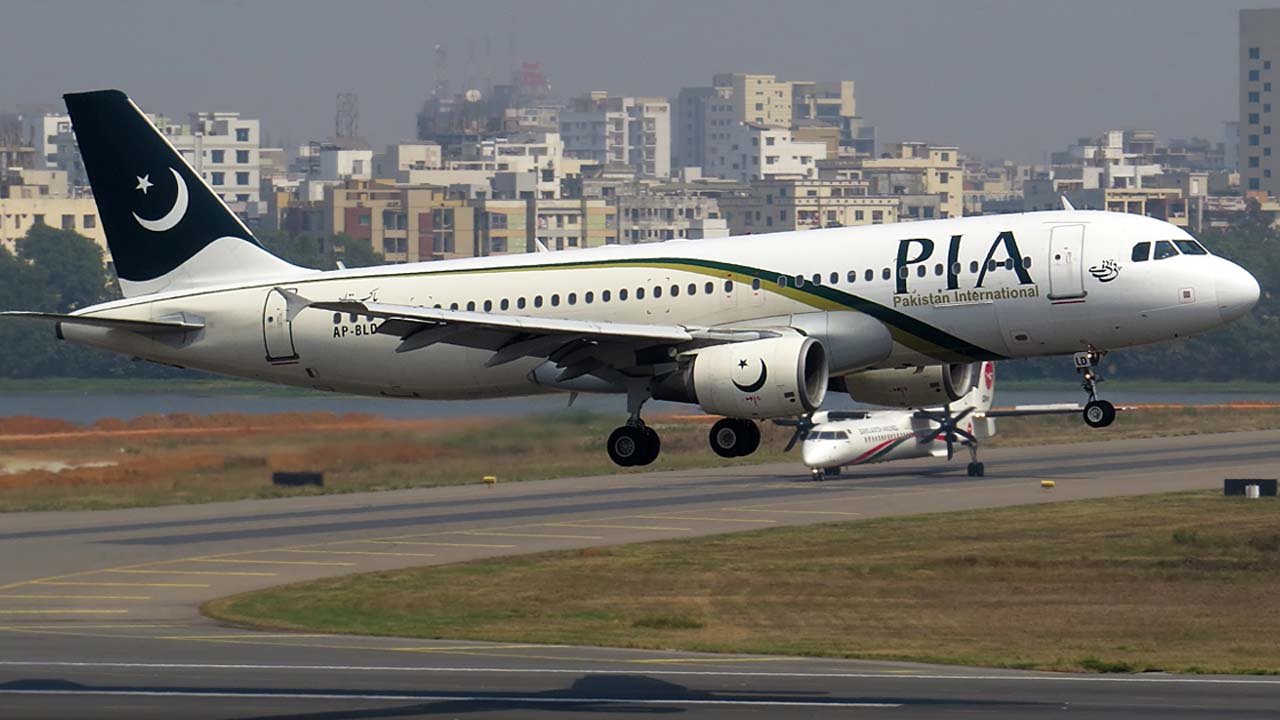
    Pakistan International Airlines (PIA), the national flag carrier, has found itself embroiled in a tax dispute as the Federal Board of Revenue (FBR) took the drastic step of freezing the airline’s bank accounts. This move comes at a critical time when the government has shifted the burden of revenue generation onto the general public, leading to growing concerns about the fairness of the taxation system.

    According to the FBR, PIA owes approximately Rs2.8 billion in taxes. However, the airline disputes this figure, claiming that the amount owed stands around Rs1.3 billion. A PIA spokesperson confirmed the ongoing communication between the airline’s management and the FBR, expressing hope that the bank accounts would be unblocked in the near future.

    Despite the harsh measure taken by the FBR, the PIA spokesperson reassured the public that the airline’s flight operations and other activities were continuing to function smoothly.

    The situation with PIA not paying taxes raises questions about the government’s tax collection policies. A recent report from the Finance Division revealed that government expenditure was on the rise in FY23, largely due to increased revenue collection through non-tax measures and indirect taxes. This indicates a failure to effectively broaden the tax base and implement direct taxation for various sectors.

    Critics argue that the government’s approach seems to focus on imposing indirect taxes on the masses, while offering some protection to the wealthier classes, even amid the current financial crunch. The freezing of PIA’s bank accounts further reinforces this perception, leaving the public questioning the fairness of the taxation system.

    Meanwhile, the report also highlighted that the government’s interest rate hikes policy is facing opposition, particularly from the business community. The State Bank of Pakistan has been unwilling to reverse the rate hikes, despite continuous protests and grave consequences faced by the public.

    As the PIA tax dispute continues, the government is under pressure to address the broader issues surrounding taxation and revenue generation to create a more equitable and sustainable financial framework.

  • FBR hikes motor vehicle tax by 200% for non-filers

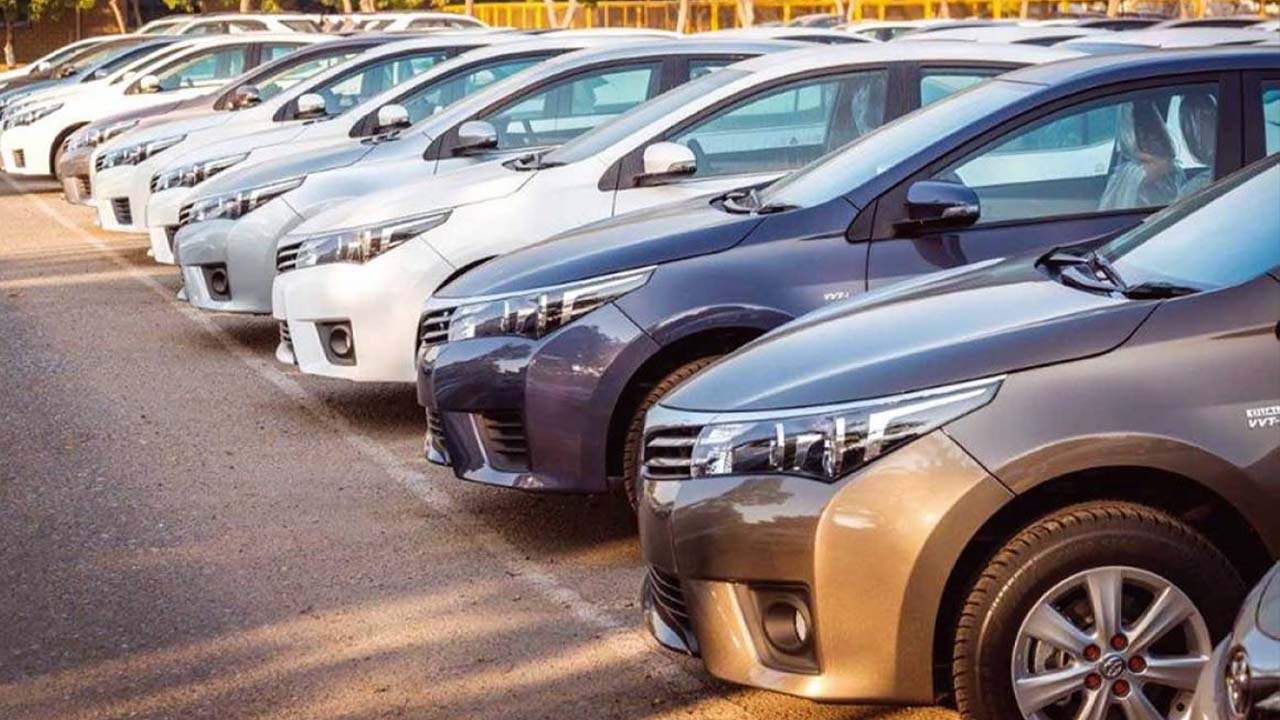
    FBR hikes motor vehicle tax by 200% for non-filers

    The Federal Board of Revenue (FBR) has implemented significant changes to the tax structure for motor vehicles in an effort to boost government revenue and encourage tax compliance. The new regulations apply to both Active Taxpayers List (ATL) filers and non-filers.

    For individuals not on the ATL, the tax rates on motor vehicles have been increased by a substantial 200 per cent. This means that non-filers will now be subject to fixed tax rates of 18 per cent, 24 per cent, and 30 per cent, based on the engine capacity of their vehicles, specifically 2001cc to 2500cc, 2501cc to 3000cc, and above 3000cc, respectively.

    On the other hand, ATL filers will experience a different taxation structure. Instead of fixed tax amounts, they will be required to pay tax at a rate of 6 per cent, 8 per cent, and 10 per cent, depending on the engine capacity of their motor vehicles, namely 2001cc to 2500cc, 2501cc to 3000cc, and above 3000cc, respectively.

    In cases where the engine capacity is not applicable, and the value of the vehicle exceeds Rs5,000,000, the tax rate will be 3 per cent of the import value (including customs duty, sales tax, and federal excise duty for imported vehicles, and invoice value for locally manufactured or assembled vehicles).

    It is worth noting that certain exemptions have been made. Pakistan’s government agencies and foreign diplomats will not be subject to these revised tax rates.

    Furthermore, the circular introduced tax implications for bank withdrawals based on the withdrawn amount. Non-ATL filers will be taxed Rs303 for withdrawals of Rs50,500 and taxed Rs450 for withdrawals ranging from Rs55,000 to Rs75,000.

    Additionally, to curb unnecessary foreign exchange outflows via credit/debit card transactions, the withholding tax rates for ATL persons have been increased from 1 per cent to 5 per cent, while non-ATL persons will face a higher rate of 10 per cent, up from the previous 2 per cent.

    These adjustments in the tax policy aim to strengthen the country’s revenue generation while encouraging citizens to become active taxpayers.

  • FBR increases ‘green channel’ clearance to 66% for imports and exports

    In a significant advancement in trade facilitation, the Federal Board of Revenue (FBR) has decided to increase the clearance of imports and exports through the “green channel” facility from 35 per cent to 66 per cent.

    A meeting was convened at the FBR Headquarters on Thursday to assess the progress of the Pakistan Raises Revenue Program during the previous financial year.

    The meeting recognised the significant achievements made in the past four years under the Pakistan Raises Revenue Program, particularly in the areas of sustainable revenue mobilisation, taxpayer facilitation, and cost reduction for businesses. A major milestone was achieved through the harmonisation of Sales Tax laws and procedures among provinces and the federal government, benefiting taxpayers and all revenue authorities.

    Other notable achievements included reducing the cost of doing business by streamlining withholding lines from 58 to 33, elevating the share of imports and exports processed through the green channel from 35 per cent to 66 per cent, and expanding the tax base.

    Emphasising the importance of the next objective, the meeting highlighted the need to launch a Single Portal to facilitate Sales Tax Return filing. It was acknowledged that FBR’s commitment to transparency had led to the publication of detailed tax expenditure reports.

    Both parties agreed to sustain their focus on upgrading the IT infrastructure and automating FBR processes to ensure timely completion of project targets. Mr Asim Ahmad commended the dedication and contributions of both teams involved in the initiative.

    The meeting was attended by Najy Benhassine, Country Director of the World Bank, and Mr Asim Ahmad, Chairman of the Federal Board of Revenue. Also present were members of the World Bank team, including Gailius Draugelis, Operations Manager; Tobias Haque, Lead Country Economist; Lucy Pan, Senior Economist; Irum Touqeer, Public Sector Specialist; and Shabih Ali Mohib, Manager. Additionally, Member Reforms of FBR, Ardesher Tariq, and other project team members participated in the discussion.

    The Country Director of the World Bank expressed appreciation for the progress made and regarded the harmonisation of the Goods and Services Tax (GST) as a flagship achievement of FBR. A mutual commitment to continued cooperation in pursuing the reform agenda under the project was reaffirmed by the FBR and World Bank.

  • FBR to increase property valuation rates by 13-15% in accordance with World Bank loan conditions

    FBR to increase property valuation rates by 13-15% in accordance with World Bank loan conditions

    In accordance with the loan conditions set by the World Bank, the Federal Board of Revenue (FBR) has made the decision to increase property valuation rates in various urban centers across the country. This increase will range from 13 per cent to 15 per cent on average.

    As part of this ongoing exercise, the FBR has also expanded the number of cities covered from 42 to 51. The revised property valuation rates will be officially announced for these cities.

    High-ranking sources within the FBR have confirmed that consultations with provincial authorities are underway to determine the adjusted property valuation rates, which are scheduled to take effect from August 1, 2023.

    Presently, the FBR’s property valuation rates are applicable in over 40 cities and towns, including Abbottabad, Attock, Bahawalnagar, Bahawalpur, Chakwal, Dera Ismail Khan, Dera Ghazi Khan, Faisalabad, Ghotki, Gujranwala, Gujrat, Gwadar, Hafizabad, Haripur, Hyderabad, Islamabad, Jhang, Jhelum, Karachi, Kasur, Khushab, Lahore, Larkana, Lasbela, Lodhran, Mandi Bahauddin, Mansehra, Mardan, Mirpurkhas, Multan, Nankana Sahib, Narowal, Peshawar, Quetta, Rahimyar Khan, Rawalpindi, Sahiwal, Sargodha, Sheikhupura, Sialkot, Sukkur, and Toba Tek Singh.

    Under the revised valuation tables, all of these cities will experience an increase of 13 per cent to 15 per cent. Additionally, starting from August 1, 2023, nine more cities and towns will be added to the list of covered areas.

    The Punjab Board of Revenue recently communicated to all deputy commissioners and district collectors, informing them of a meeting held under the chairmanship of a senior member of the Board of Revenue, Punjab. The purpose of the meeting was to discuss the progress in preparing the DC Valuation Tables in consultation with FBR representatives.

    During the meeting, the senior member requested that instructions be issued to all Punjab district collectors regarding the preparation of valuation tables for the fiscal year 2023-24.

    To ensure consistency and alignment between the DC valuation tables and the FBR valuation tables, district collectors have been advised to include FBR representatives as members of the committee, as previously stipulated in the Punjab Stamp (Valuation Tables in respect of Immovable Property) Rules of 1999.

    It is recommended that the specified timelines for completing the valuation tables be adhered to. Furthermore, the valuation tables should include the name of the housing society or scheme, as well as the Khasra numbers corresponding to the developed housing society or scheme.

    In determining the rates, consideration should also be given to the brochure value advertised by the housing societies or schemes. This task should be given top priority, as per the order.

    The FBR’s higher authorities are currently reviewing the work conducted by field formations in consultation with the respective provincial authorities.

    According to Geo, the upcoming exercise will result in an average increase of 15 per cent in the valuation tables, effective from August 1, 2023. The aim is to establish the updating of valuation tables as an annual practice, as there is still a disparity between the FBR’s notified rates and the current market rates.

    The revision of property valuation tables is a condition attached to the $400 million World Bank loan known as the ‘Pakistan Raises Revenues (PRR) and RISE-II program’. The adjusted valuation rates will contribute to increased tax collection from immovable properties. However, it is important to note that the FBR’s notified rates still remain lower than the prevailing fair market value.

  • FBR faces Rs75 billion shortfall in annual tax collection target

    FBR faces Rs75 billion shortfall in annual tax collection target

    The Federal Board of Revenue (FBR) is currently confronted with a shortfall of Rs75 billion in attaining the revised annual tax collection target of Rs7,200 billion for the fiscal year.

    Despite collecting Rs7,125 billion, which falls short of the revised target, the FBR faces a net revenue shortfall of Rs75 billion for the fiscal year 2022-2023.

    Originally, the FBR’s annual tax collection target was established at Rs7,640 billion for the outgoing fiscal year, subsequent to the unveiling of the mini-budget in February 2023.

    To generate additional revenue, the government implemented various measures, including an increase in the Goods and Services Tax (GST) rate from 17 per cent to 18 per cent, the application of a higher GST rate of 25 per cent on luxury goods, and a 154 per cent rise in the Federal Excise Duty (FED) on cigarettes.

    However, over the past four months, the FBR failed to generate the anticipated additional revenue, leading to a downward revision of the revenue collection target from Rs7,640 billion to Rs7,200 billion by the end of June 2023.

    Notably, Minister for Finance and Revenues, Ishaq Dar, took to Twitter to highlight the achievement of the highest-ever tax collection for the outgoing fiscal year.

    He stated, FBR has collected Rs7,000 billion in taxes for the first time in the country’s history as of June 26, 2023, and expressed optimism that the revenue collection would further increase by June 30, 2023.

    It is expected that the FBR will issue a formal statement regarding the revenue collection in due course.

  • Budget 2023-24: FBR considers decreasing duty on mobile phones

    Budget 2023-24: FBR considers decreasing duty on mobile phones

    The Federal Board of Revenue (FBR) is considering options to decrease the duty on mobile phones in the forthcoming federal budget for the fiscal year 2023-24. The budget is expected to be disclosed on June 9. The FBR is taking into account the suggestions put forward by mobile phone traders.

    Previously, the government was obligated to raise the duty on mobile phones by 100 per cent to 150 per cent, resulting in a deposit of only Rs5 billion to Rs10 billion in the national exchequer, instead of the anticipated Rs85 billion.

    According to The News, the number of mobile phone users in Pakistan has surpassed 186.9 million. To address the financial crisis of the current fiscal year, the new budget is contemplating a significant reduction in the rates of duties on cellular phones. Currently, the duties on small and big mobile phones stand at approximately 100 per cent to 150 per cent.

    The mobile industry is teetering on the verge of collapse due to the increased taxes. This not only affects traders but also poses difficulties for millions of people who rely on earning a livelihood through this sector.

    It has been reported that a delegation from the Mobile Phones Traders Association has submitted recommendations to Finance Minister Ishaq Dar and other senior officials. The delegation has assured that efforts will be made to incorporate these recommendations into the budget. The proposals and recommendations are currently under review for potential inclusion in the new budget.

    It has come to light that a 75 per cent duty is imposed on cellular phones in Pakistan, in contrast to other countries in the region such as Singapore, Bangladesh, and Turkey, where the duty is not as high. Consequently, people have been using smartphones without paying duties in collusion with the FBR.

    The additional 100 per cent to 150 per cent duty on cell phones has made them unaffordable for the poor, laborers, daily wage earners, students, professionals, the legal community, and civil society.

    Munir Beg Mirza, the General Secretary of the All Pakistan Mobile Phones Traders Association, stated that the ban on importing used mobile phones has led to an increase in smuggling to favor a few companies. Additionally, people are illegally using smartphones without paying substantial taxes, thus causing a loss to the national treasury.

    He further noted that if an appropriate duty is imposed in the new financial year, not only will every consumer pay tax, but the government will also receive Rs100 billion instead of Rs5 billion in revenue from phones.

  • Proposed increase in advance tax on vehicle registration to impact expensive car buyers

    Proposed increase in advance tax on vehicle registration to impact expensive car buyers

    With the upcoming budget just days away, the Federal Board of Revenue (FBR) is deliberating on measures to increase the advance tax on motor vehicle registration, particularly targeting non-filers. The proposed plan suggests raising the tax rate by 10 to 35 per cent based on the value of vehicles.

    Currently, the advance tax is determined by engine capacity, but significant changes are being considered for the forthcoming budget, set to be revealed in the first week of June. The Resource and Revenue Mobilisation Commission (RRMC) has recommended imposing the advance tax based on the value of the vehicle.

    As per the proposed rates, the RRMC has advised the government to impose a 2 per cent advance tax on the corporate sector and 3 per cent on the non-corporate sector for individuals listed in the active taxpayers list (ATL) for the past three years. These rates would apply to motor vehicles valued up to Rs10 million.

    For individuals, the proposed tax rate stands at 10 per cent. As for motor vehicles valued between Rs10 million and Rs30 million, the recommended tax rates are 4 per cent and 5 per cent for the corporate and non-corporate sectors, respectively, provided they are part of the ATL for the past three years.

    Moving up the value scale, vehicles valued between Rs30 million and Rs100 million would face tax rates of 6-7 per cent for the corporate and non-corporate sectors. The proposed tax rate for individuals would be increased significantly to 30 per cent.

    For vehicles valued up to Rs100 million, the proposed tax rates are 8 per cent and 10 per cent for the corporate and non-corporate sectors, respectively, for individuals present in the ATL for the past three years. Individuals falling under this category would face a tax rate of 35 per cent.

    The RRMC has also recommended subjecting the transport sector to a minimum tax regime of 3 per cent of the gross turnover, applicable to transport services provided to withholding agents. Additionally, a tax rate of 3.5 per cent would be levied on the gross amount received for the provision of carriage services by transport contractors, while oil tanker contractors would face a tax rate of 2.5 per cent.

    These proposed changes in the tax structure aim to generate increased revenue for the government and incentivize compliance with tax regulations. By targeting motor vehicle registration, the FBR hopes to enhance revenue collection and promote a fair tax system.

    It is essential to note that these proposed changes are subject to approval and implementation during the budget announcement. The FBR and RRMC are carefully evaluating the potential impact of these adjustments on various sectors and taxpayers, striving to strike a balance between revenue generation and taxpayer convenience.

  • Govt to maintain 18% GST rate in upcoming budget 2023-24

    Govt to maintain 18% GST rate in upcoming budget 2023-24

    In the forthcoming budget for 2023-24, it is anticipated that the government will maintain the current standard rate of General Sales Tax (GST) at 18 per cent. Additionally, efforts are being made by the government to increase the rates of withholding taxes, where applicable, with the aim of augmenting tax revenues.

    Another aspect being considered is the implementation of amendments for retailers, with the objective of including a larger number of businesses within the tax bracket. It is worth noting that previous schemes designed to entice retailers into the tax system have proved unsuccessful over the past few decades.

    According to The News, various proposals are currently being deliberated upon for the imposition of Minimum Asset Tax (MAT) on both movable and immovable assets. However, the Federal Board of Revenue (FBR) has been advised to seek constitutional validation for these proposed taxation measures in order to avoid potential legal disputes.

    Moreover, the government is exploring options to enhance documentation within the property sector, as part of its ambitious goal to achieve a tax collection target ranging between Rs9 and Rs9.2 trillion for the upcoming budget.

    These proposals were thoroughly discussed in a meeting chaired by Finance Minister Senator Ishaq Dar, which focused on budgetary considerations within the Finance Division. Present at the meeting were State Minister for Finance Dr Ayesha Ghous Pasha, Special Assistant to the Prime Minister (SAPM) on Finance Tariq Bajwa, SAPM on Revenue Tariq Mehmood Pasha, Chairman of the Reforms and Resource Mobilization Commission (RRMC) Ashfaq Yousuf Tola, the finance secretary, FBR chairman, and other senior officials from the Finance Division and FBR.

    During the meeting, FBR Chairman Asim Ahmad provided a comprehensive presentation on the budgetary proposals for the Federal Budget 2023-24.

  • Pakistan reaffirms commitment to $6.5 billion IMF bailout, dismissing rumors of retraction

    Pakistan reaffirms commitment to $6.5 billion IMF bailout, dismissing rumors of retraction

    On Wednesday, Minister of State for Finance and Revenue, Dr Aisha Ghaus Pasha, dismissed rumours of Pakistan retracting from the anticipated $6.5 billion bailout programme with the International Monetary Fund (IMF).

    According to Geo, Pasha clarified that discussions were ongoing between the Federal Board of Revenue (FBR) and the Finance Division, emphasising that Pakistan remained engaged with the IMF. Speculation arose when reports suggested that Pakistan had taken a firm stance against the IMF and refused to share details of the upcoming budget.

    This led to concerns that the financially strained nation was reneging on the deal originally agreed upon by the Imran Khan-led Pakistan Tehreek-e-Insaf (PTI) government.

    Pasha expressed the government’s commitment to continuing the IMF programme, acknowledging the political sacrifices made by the coalition government to meet the Fund’s conditions. Negotiations with the IMF have been aimed at restarting the $6.5 billion bailout programme, which is crucial for Pakistan to avert default.

    During a meeting with journalists after the Senate Standing Committee on Finance, Pasha revealed that the coalition government would present its second budget in the first week of June, marking the second year since assuming power in April. The Finance Bill 2023-24 is scheduled to be presented in the National Assembly on June 9, while the Economic Survey 2022-23 will be released on June 8, according to sources.

    Assuring the public during the briefing, Pasha affirmed that the government would strive to alleviate the burden on the masses amidst these challenging times, as the budget figures were being finalized. However, she cautioned that the situation would remain difficult until the tax-to-GDP ratio reached double digits, emphasizing the necessity of expanding the tax base.

    The state minister disclosed the Ministry of Finance’s plan to transition from indirect taxes to direct taxes, stating that such a shift would reduce the burden on the general population. She reiterated the government’s intention to introduce direct taxes in the upcoming budget for the fiscal year 2023-24, expressing concern over the negative impact of tax concessions on the economy.

    Meanwhile, FBR Chairman Asim Ahmed briefed the committee on the capital value tax, disclosing that the revenue generated from this tax during the current financial year amounted to Rs9 billion.

    Addressing the concerns of senators regarding the implementation of capital valuation tax on domestic and foreign assets, Ahmed clarified that this measure aimed to include the wealthier individuals in the tax net. He also noted that the revenue board was registering new individuals with foreign assets while maintaining records of those already registered.

  • FBR officers request leave until June to protest against low salary amid soaring inflation

    The Federal Board of Revenue (FBR) is in the midst of a predicament as its officers have apparently requested leave until June in order to protest against the rising inflation that is affecting their ability to make ends meet.

    In a letter addressed to the FBR Chairman Asim Ahmed, 117 Income Tax officers ranging from grades 17 to 19 have expressed their discontent with a meagre pay scale.

    “Due to low pay, we are unable to meet the expenses of coming to the office in this era of skyrocketing inflation,” the letter stated.

    This issue is extremely worrisome as the absence of these officers during the crucial budgeting process could have grave consequences for the country’s economy since the FBR is accountable for collecting taxes and revenue for the government.

    According to ARY News, the FBR Chairman has promised to raise the matter of the officers’ salary scale with Prime Minister Shehbaz Sharif. Additionally, he mentioned that the tax officers’ performance allowance has been withheld since 2015.

    It’s worth noting that an FBR officer made a peculiar request in a separate incident. In a letter addressed to Prime Minister Shehbaz Sharif, the officer requested permission to engage in corrupt activities in order to cover domestic expenses in the face of soaring inflation.