Tag: Federal Reserve

  • US Federal Reserve holds interest rates steady for sixth consecutive meeting

    US Federal Reserve holds interest rates steady for sixth consecutive meeting

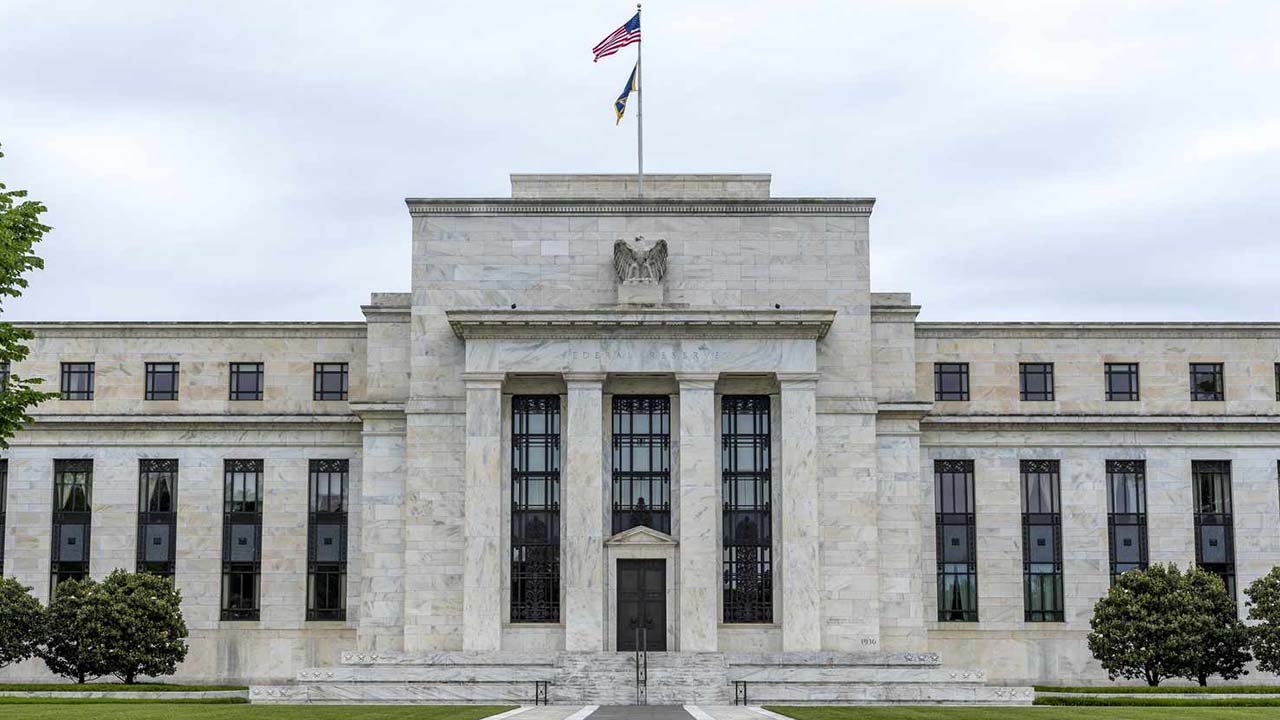
    The US Federal Reserve has once again left interest rates unchanged, maintaining its current rate at 5.25 per cent to 5.5 per cent.

    This marks the sixth consecutive meeting where the central bank has opted to hold steady, reflecting a cautious approach amid persistent inflation concerns.

    In a statement released by the Federal Open Market Committee (FOMC) on Wednesday, the central bank acknowledged that while inflation has eased over the past year, it remains elevated.

    “In recent months, there has been a lack of further progress towards the Committee’s 2 per cent inflation objective,” the FOMC noted.

    The Committee indicated that it does not plan to reduce the target range until it has greater confidence that inflation is consistently trending towards the 2 per cent goal.

    This stance has kept interest rates at a 23-year high since July last year, suggesting the Federal Reserve’s focus on managing inflation risks.

    The decision to leave rates unchanged aligned with market expectations, which had largely anticipated a rate pause.

    In a related development, the Federal Reserve announced that it would slow its pace of quantitative tightening starting June 1.

    The Fed will reduce the cap on Treasury securities rolling off its balance sheet to $25 billion per month, down from the previous cap of $60 billion. However, the pace of runoff for mortgage-backed securities will remain at $35 billion per month.

    The FOMC’s decision did not significantly alter market expectations for the trajectory of interest rates in 2024.

    The market remains divided on whether a rate cut will occur by September, with about 50/50 odds. As of now, only one rate cut is fully priced in for the entire year.

    It’s worth noting that at the beginning of 2024, the market had priced in an 80 per cent chance of a rate cut starting in March, with a total of six cuts projected throughout the year.

    This shift in expectations underscores the uncertainty surrounding the Federal Reserve’s future policy decisions as it navigates the ongoing challenges of inflation and economic stability.
  • Gold prices reverse previous day’s gains with Rs4,200 per tola drop

    Gold prices reverse previous day’s gains with Rs4,200 per tola drop

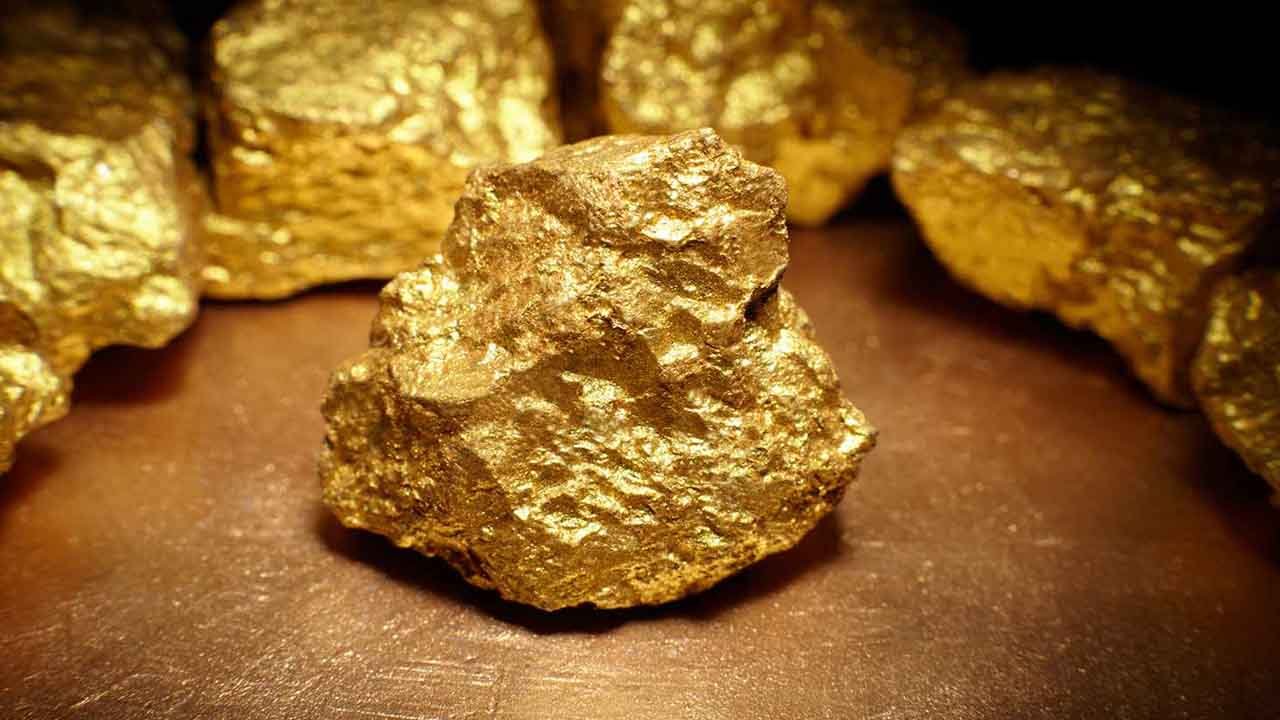
    Gold prices experienced a downturn in the domestic market on Friday, aligning with the global trend.

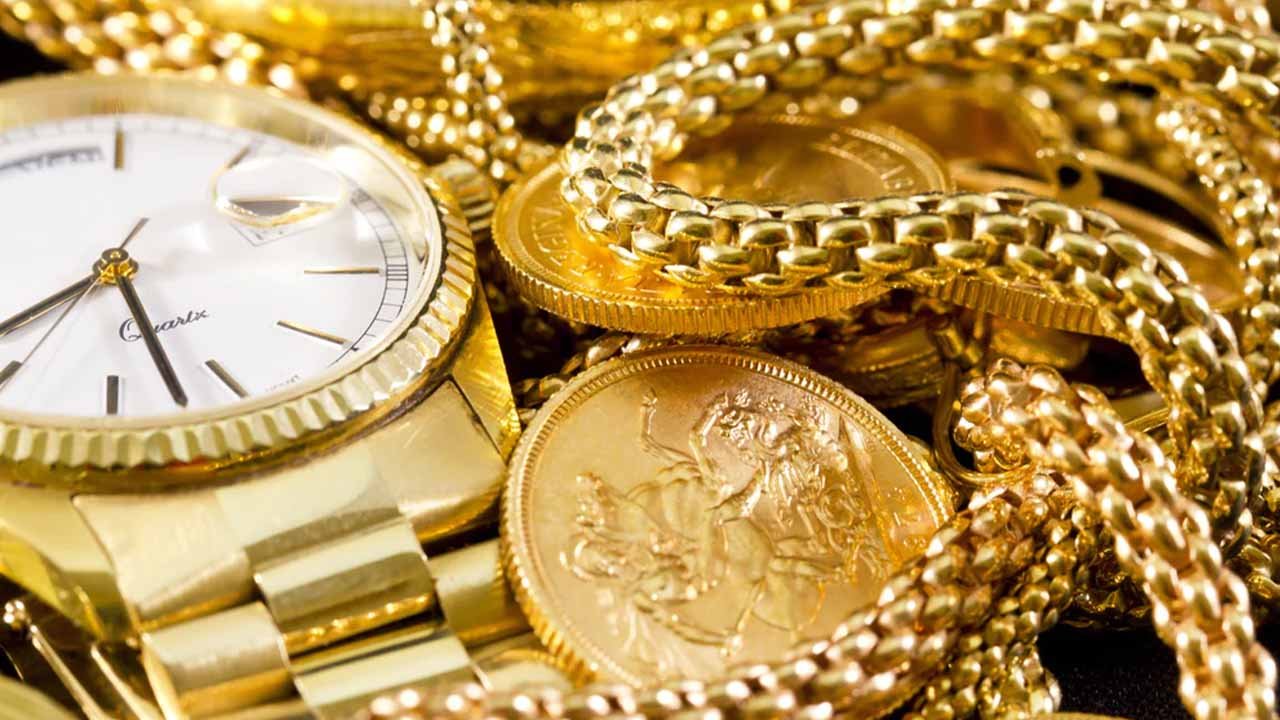
    The price of 24-karat gold dropped by Rs4,200 to reach Rs228,200 per tola, reflecting fluctuations in international gold prices.

    Notably, the previous day saw a significant increase of Rs4,600 per tola in gold prices in Pakistan.

    According to the Karachi Sarafa Association, the price of 24-karat gold per 10 grammes fell to Rs195,645, marking a decrease of Rs3,600.

    Similarly, the price of 22-karat gold also saw a decline, reaching Rs179,341 per 10 grammes.

    In addition to gold, silver prices also saw a decrease. 24-karat silver was sold at Rs2,580 per tola and Rs2,211.93 per 10 grammes, indicating a decrease of Rs20 per tola and Rs17.15 per 10 grammes, respectively.

    Internationally, spot gold prices retreated after reaching a milestone of over $2,200 an ounce for the first time.

    This drop followed the Federal Reserve’s indication of maintaining its trajectory for three interest-rate cuts this year. Spot gold traded near $2,166.81, showing a decrease of $14.65 or 0.68 per cent for the day.

    The correction in gold prices was influenced by the strengthening of the dollar, which rose by 0.8 per cent after hitting a one-week low.

  • PKR sustains positive momentum, gains 0.04% against US dollar in ninth consecutive session

    PKR sustains positive momentum, gains 0.04% against US dollar in ninth consecutive session

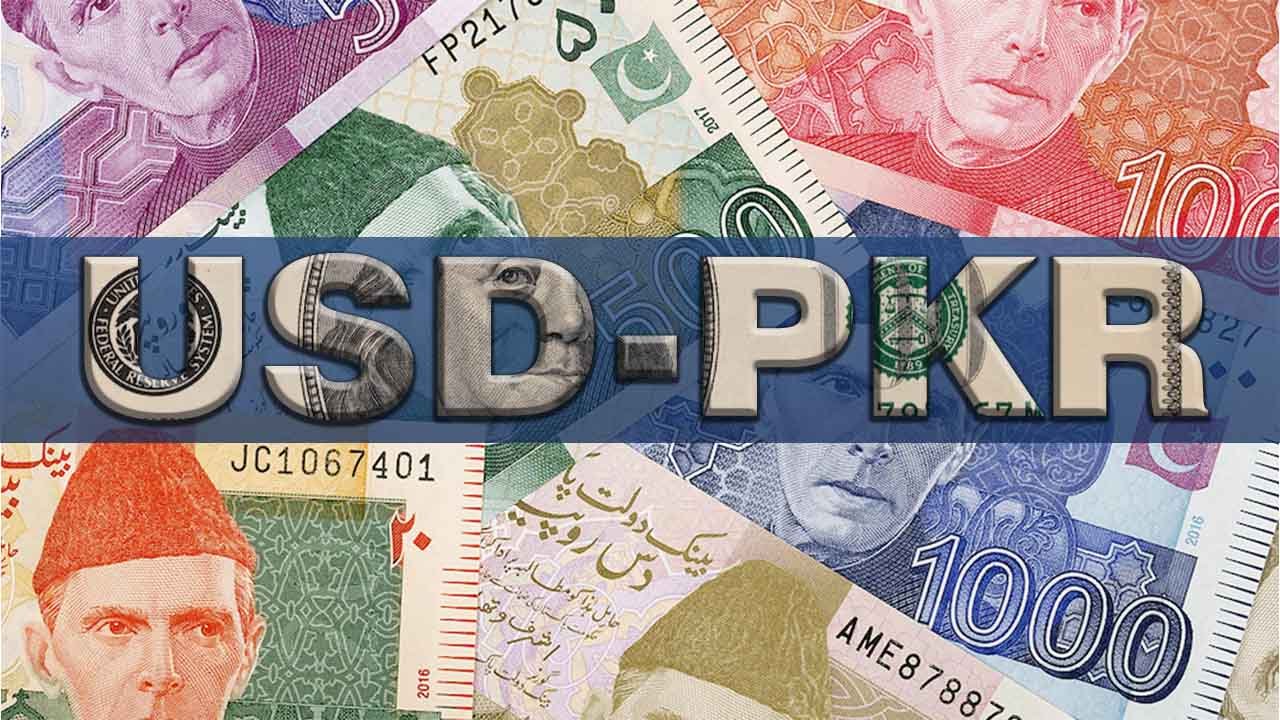
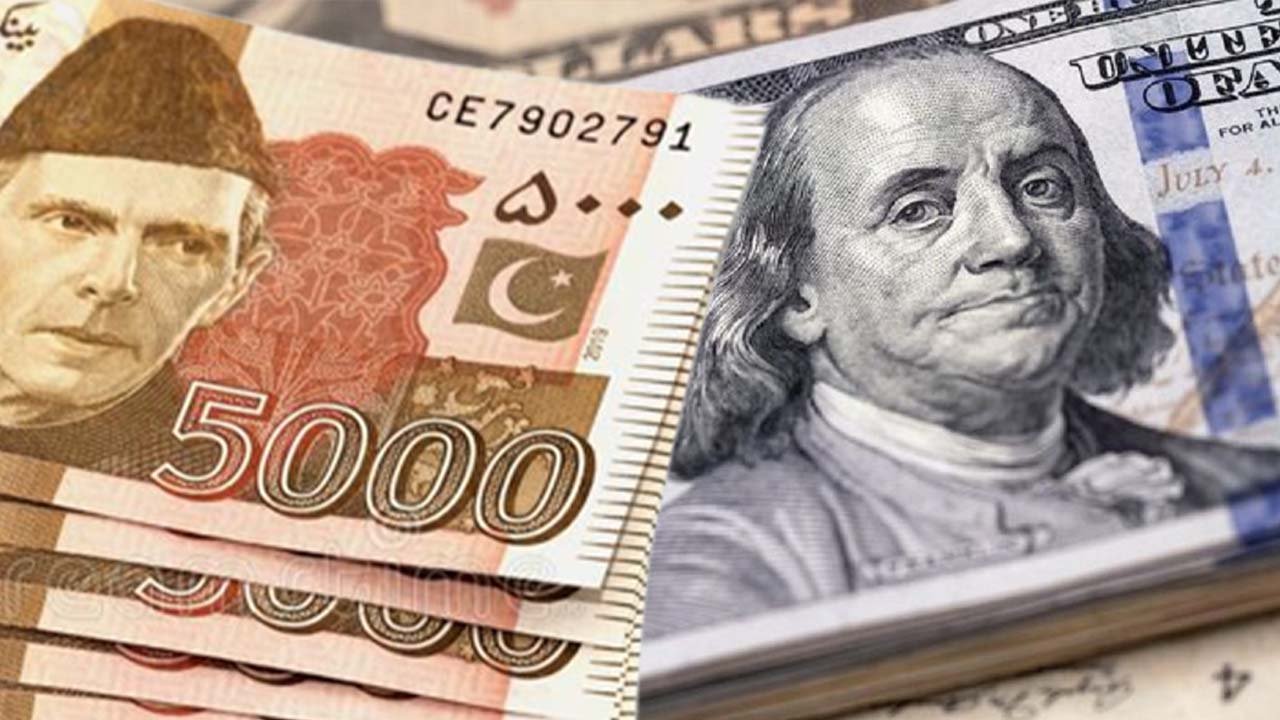
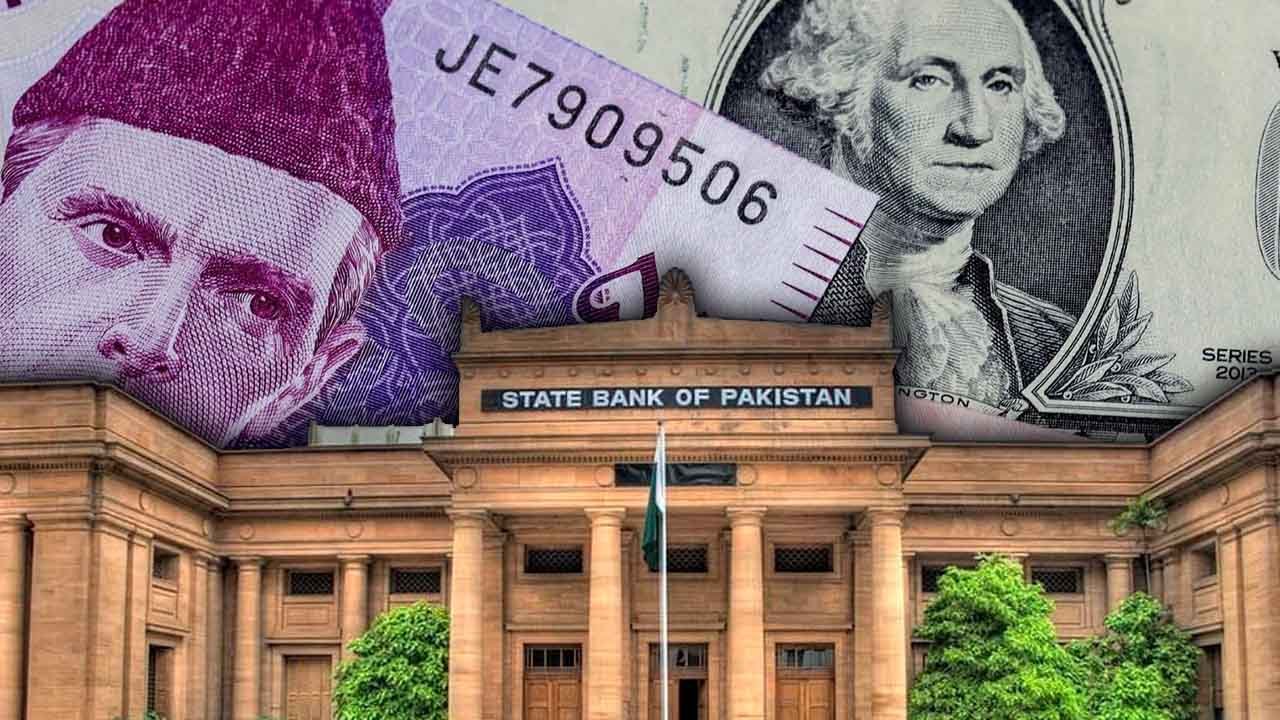
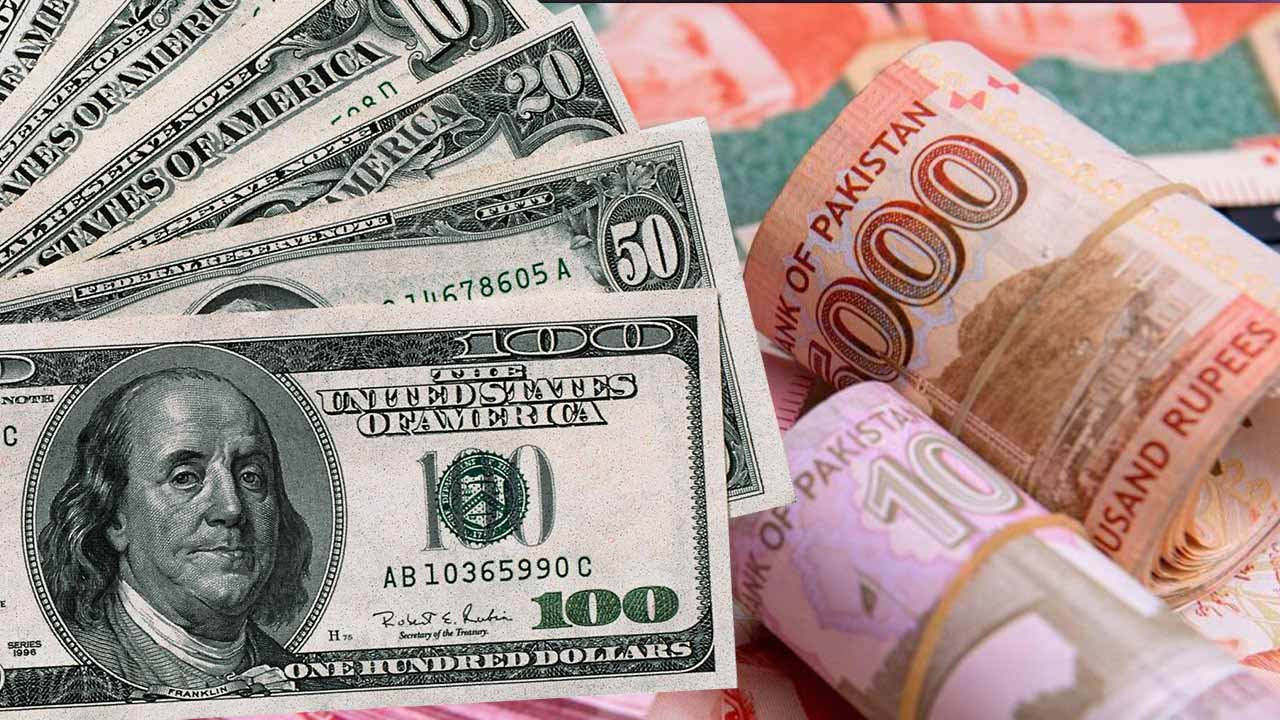
    In the inter-bank market, the Pakistani rupee continued its positive trend against the US dollar for the ninth consecutive session on Monday, appreciating by 0.04 per cent to settle at Rs280.24, reflecting a gain of Re0.12, according to the State Bank of Pakistan (SBP).

    During the preceding week, the Pakistani rupee sustained its upward movement, appreciating by Rs1.04 or 0.37 per cent against the US dollar, settling at 280.36 in the inter-bank market.

    This surge in value is attributed to the recent announcement of a staff-level agreement (SLA) between Pakistan and the International Monetary Fund (IMF) on the first review of the $3 billion Stand-by Arrangement (SBA). Consequently, the approval of the second tranche of the package ensued.

    The IMF Executive Board completed the first review of the SBA last week, facilitating an immediate disbursement of $700 million.

    As of January 5, the foreign exchange reserves held by the State Bank of Pakistan amount to $8.15 billion, with expectations of further augmentation through IMF inflows.

    On the global front, the US dollar experienced a decline on Monday amid renewed anticipations of a Federal Reserve rate cut in March.

    Simultaneously, the Chinese yuan faced challenges, hovering near a one-month low ahead of forthcoming economic data releases.

    The likelihood of a Fed cut in March gained traction following unexpected December data indicating a decline in US producer prices, prompting a slide in US Treasury yields. The US dollar index remained stable at 102.50, exhibiting minimal fluctuations in recent sessions.

    In the realm of oil prices, a significant indicator of currency parity, a slight uptick was observed on Monday. This movement was influenced by concerns over potential supply disruptions in the Middle East, following strikes by US and British forces aimed at preventing Houthi militia in Yemen from attacking ships in the Red Sea.

  • Pakistan’s gold prices slide amidst strengthened rupee and international rate hike

    Pakistan’s gold prices slide amidst strengthened rupee and international rate hike

    In Pakistan, the domestic gold price continued its decline for the second consecutive week, with the cost of 24-karat gold dropping by Rs550 per tola to Rs217,450. 

    The Karachi Sarafa Association noted that 24-karat gold concluded the week’s last trading session with a gain of Rs950 per tola. 

    The 10-gramme 24-karat gold settled at Rs186,428, reflecting a gain of Rs814, while the 10-gramme 22-karat gold closed at Rs170,146.

    The international spot rate, used for calculating local rates, closed at $2,068, marking a $3 increase compared to last week. 

    Escalating concerns over the Middle East conflict led to a rise in the safe-haven asset, but gains were limited due to hawkish remarks from Federal Reserve officials.

    Despite the international rate showing an uptick, domestic bullion faced a downside this week due to the strengthened value of the Pakistani rupee against the US dollar. 

    The PKR marked its ninth consecutive weekly gain against the USD, driven by positive developments as the Executive Board of the IMF concluded the first review of Pakistan’s economic reform programme under the Stand-by Arrangement. 

    This successful review further boosted investor confidence, contributing significantly to the PKR’s upward trend against the dollar.

    The interplay between the domestic gold price and the local rupee is evident, as gold, denominated in US dollars, tends to decrease in value when the home currency appreciates against the greenback.

  • Reversal trend: Gold price settles at Rs216,100 per tola, erasing recent upsurge

    Reversal trend: Gold price settles at Rs216,100 per tola, erasing recent upsurge

    In Wednesday’s trading session, the domestic gold market witnessed a reversal, wiping out gains from the previous day. 

    The price of 24-karat gold in Pakistan experienced a notable decline, dropping by Rs300 per tola to reach Rs216,100. 

    The Karachi Sarafa Association reported that the price of 10-gramme 24-karat gold also reflected this downturn, standing at Rs185,271 with a decline of Rs257. 

    Similarly, the price of 10-gramme 22-karat gold experienced a decrease, reaching Rs169,832, down by Rs235.

    Silver prices followed suit, with 24-karat silver selling at Rs 2,650 per tola and Rs 2,271.94 per 10-gram. 

    The decline in the domestic market is attributed to a slight dip in international prices and the persistent strengthening of the home currency.

    The international spot gold market observed a $3 drop when the Karachi Sarafa Association released the local gold rates. 

    This decrease is attributed to a stronger US dollar and elevated Treasury yields. Market participants are eagerly awaiting the US inflation report scheduled for Thursday, anticipating insights into the US Federal Reserve’s stance on a potential policy shift.

    Furthermore, the ongoing appreciation of the Pakistani rupee (PKR) against the greenback continues to exert additional pressure on the domestic gold market. 

    In the preceding session, the PKR secured its fifth consecutive victory against the US dollar, breaking a 13-day upside streak. 

    The dynamics of international and domestic factors are shaping the trajectory of the gold market, making it a focal point for investors and analysts alike.

  • Interbank closing: PKR continues winning streak, settles at Rs281.22

    Interbank closing: PKR continues winning streak, settles at Rs281.22

    The Pakistani rupee (PKR) extended its upward trend against the US dollar for the fifth consecutive session, gaining 0.02 per cent in the inter-bank market on Tuesday.

    The State Bank of Pakistan (SBP) reported that the rupee concluded at Rs281.22 after a rise of Re0.06. In the preceding session on Monday, the rupee had experienced a slight increase, settling at Rs281.28 against the US dollar.

    On a global scale, the US dollar took a pause in its rally on Tuesday, with traders expressing confidence in multiple Federal Reserve rate cuts this year.

    This optimism is based on the belief that the slowdown in US inflation is significant.

    Meanwhile, in the cryptocurrency realm, bitcoin maintained its position near the highest level since April 2022, driven by growing expectations of the imminent approval of spot bitcoin exchange-traded funds (ETF).

    These market movements were influenced, in part, by the New York Fed’s recent Survey of Consumer Expectations, revealing that US consumers’ short-term inflation expectations in December reached the lowest level in almost three years.

    A key reading on US inflation is scheduled later in the week, offering additional insights into the Federal Reserve’s potential room for interest rate adjustments this year.

    Futures currently indicate the pricing in of nearly 140 basis points worth of easing by the Fed in the coming year.

    Against a basket of currencies, the US dollar experienced a slight decline of 0.08 per cent, settling at 102.22, following a 1 per cent increase in the previous week.

  • Winning streak: Pakistani rupee appreciates 0.04% in fourth consecutive session

    Winning streak: Pakistani rupee appreciates 0.04% in fourth consecutive session

    In a resilient display, the Pakistani rupee continued its upward trajectory against the US dollar, marking gains for the fourth consecutive session in the interbank market on Monday. 

    The State Bank of Pakistan (SBP) reported a noteworthy appreciation of 0.04 per cent, with the rupee settling at Rs281.28 after a rise of Re0.12.

    This positive trend extends the rupee’s recent performance, as it achieved a 0.16 per cent appreciation during the preceding week, settling at Rs281.40 against the US dollar in the inter-bank market. 

    Impressively, this marks the eighth consecutive week of the local currency advancing against the greenback.

    The momentum driving the rupee’s strength can be attributed to the recent announcement of a staff-level agreement (SLA) between Pakistan and the International Monetary Fund (IMF). 

    This agreement pertains to the first review of the $3 billion standby arrangement (SBA), reinforcing investor confidence in Pakistan’s economic stability.

    A significant development contributing to this positive outlook is the notable increase in foreign exchange reserves held by the State Bank of Pakistan. 

    According to SBP data from the previous week, the central bank’s reserves surged by $464 million on a weekly basis, reaching $8.2 billion as of December 29.

    Internationally, the US dollar maintained stability on Monday, with investors eagerly awaiting a crucial US inflation report later in the week. This report is expected to provide clarity on the Federal Reserve’s monetary policy outlook. 

    The greenback’s recent rally was supported by a rebound in US Treasury yields as traders adjusted their expectations regarding the pace and scale of potential Fed cuts this year. 

    This cautious optimism globally has complemented Pakistan’s positive economic indicators, contributing to the sustained strength of the Pakistani rupee against the US dollar.

  • Pakistani rupee ends 2023 with marginal gain versus US dollar

    Pakistani rupee ends 2023 with marginal gain versus US dollar

    Pakistani rupee demonstrated a slight appreciation against the US dollar for the 13th consecutive session, marking a gain of 0.02 per cent in the inter-bank market on Friday.

    According to the State Bank of Pakistan (SBP), the day concluded with the rupee settling at Rs281.86, reflecting an increase of Rs0.07.

    Remarkably, this signifies a closure of 2023 with the rupee undergoing a depreciation of 19.7 per cent, originating from its starting point at Rs226.43 against the US dollar in the inter-bank market at the beginning of the year. 

    Notably, on the preceding Thursday, the rupee experienced a marginal upturn, settling at Rs281.93 against the US dollar.

    A significant development unfolded as the foreign exchange reserves held by the State Bank of Pakistan observed a substantial weekly upswing, surging by $852 million to reach $7.75 billion as of December 22, according to data released on Thursday. 

    The overall liquid foreign reserves for the country tallied at $12.85 billion, with commercial banks holding net foreign reserves amounting to $5.1 billion. The SBP attributed this surge in reserves to official government inflows.

    On the global stage, the US dollar appeared poised to conclude 2023 with a loss, reversing a two-year trend of gains. This shift was influenced by market expectations that the US Federal Reserve might initiate rate easing as early as March of the following year. 

    The greenback remained generally subdued on the last trading day of the year, hovering near a five-month low against a basket of currencies, falling 0.02 per cent to 101.18, following a recent dip to 100.61. 

    This trend underscored the impact of the Federal Reserve’s aggressive rate-hike cycle initiated in early 2022 on the dollar’s trajectory over the past two years.

  • Pakistani rupee extends winning streak against US dollar for 12th straight session

    Pakistani rupee extends winning streak against US dollar for 12th straight session

    The Pakistani rupee continued its upward trend against the US dollar for the 12th consecutive session, appreciating by 0.1 per cent in the inter-bank market on Thursday. 

    The State Bank of Pakistan reported that the rupee settled at Rs281.93, marking an increase of Re0.27. A day earlier, the rupee had experienced a slight gain, closing at Rs282.20 against the US dollar.

    In a related development, the Ministry of Finance acknowledged the persistent challenge of higher markup payments. The ministry stressed the importance of both revenue enhancement and prudent expenditure control.

    Internationally, the US dollar faced substantial losses on Thursday, poised for a yearly decline after two years of robust gains. 

    Anticipation of interest rate cuts from the Federal Reserve in the coming year influenced market sentiments. As the year concludes, limited market activity is expected until the New Year due to thin liquidity.

    The dollar index, measuring the US currency against six rivals, reached a five-month low of 100.81. It declined by 0.5 per cent on Wednesday and is on track for a 2.6 per cent decrease this year, breaking a two-year trend of strong gains. I

    Investors are closely monitoring the timing of potential interest rate cuts from the Fed, with markets indicating an 89 per cent chance of a cut in March 2024, according to the CME FedWatch tool. Futures suggest up to 158 basis points of Fed easing in the coming year.

    Oil prices, a significant indicator of currency parity, stabilised on Thursday following a previous sharp decline. 

    Concerns about shipping disruptions along the Red Sea route eased, despite escalating tensions in the Middle East. 

    Brent crude futures rose by 2 cents to $79.75 a barrel, while US WTI crude futures traded 3 cents lower at $74.08 a barrel, rebounding from a nearly 2 per cent drop on Wednesday as major shipping firms resumed operations in the Red Sea.

  • Pakistani rupee gains ground against US dollar for 11th consecutive session

    Pakistani rupee gains ground against US dollar for 11th consecutive session

    The Pakistani rupee sustained its upward trajectory against the US dollar for the 11th consecutive session, exhibiting a 0.06 per cent appreciation in the interbank market on Wednesday. 

    According to the State Bank of Pakistan (SBP), the rupee concluded at Rs282.20, reflecting an increment of Re0.17.

    In the preceding session on Tuesday, the rupee had achieved a marginal gain, settling at Rs282.37 in relation to the US dollar. 

    Concurrently, there has been a notable surge of 200 per cent in the cumulative borrowing by the federal and provincial governments for budgetary support from the domestic banking system in the current fiscal year (FY24).

    Internationally, the US dollar encountered continued pressure on Wednesday, while the euro flirted with a four-month pinnacle. 

    This trend emerged as market expectations of an imminent interest rate cut by the Federal Reserve gained traction. The restrained week, marked by global holiday absences until the New Year, is anticipated to witness subdued trading volumes.

    The dollar index, gauging the US currency against six counterparts, stood at 101.54, just below the five-month low of 101.42 recorded last week. 

    The index is poised for a 1.9 per cent decline in 2023, following two consecutive years of robust gains driven by the Fed’s rate hikes to combat inflation. 

    The recent weakening of the dollar is attributed to market anticipation of forthcoming rate cuts by the Fed in the coming year, diminishing the allure of the greenback.