Tag: feminism

  • Short cut to feminism: How an assault changed Korean woman’s outlook

    Short cut to feminism: How an assault changed Korean woman’s outlook

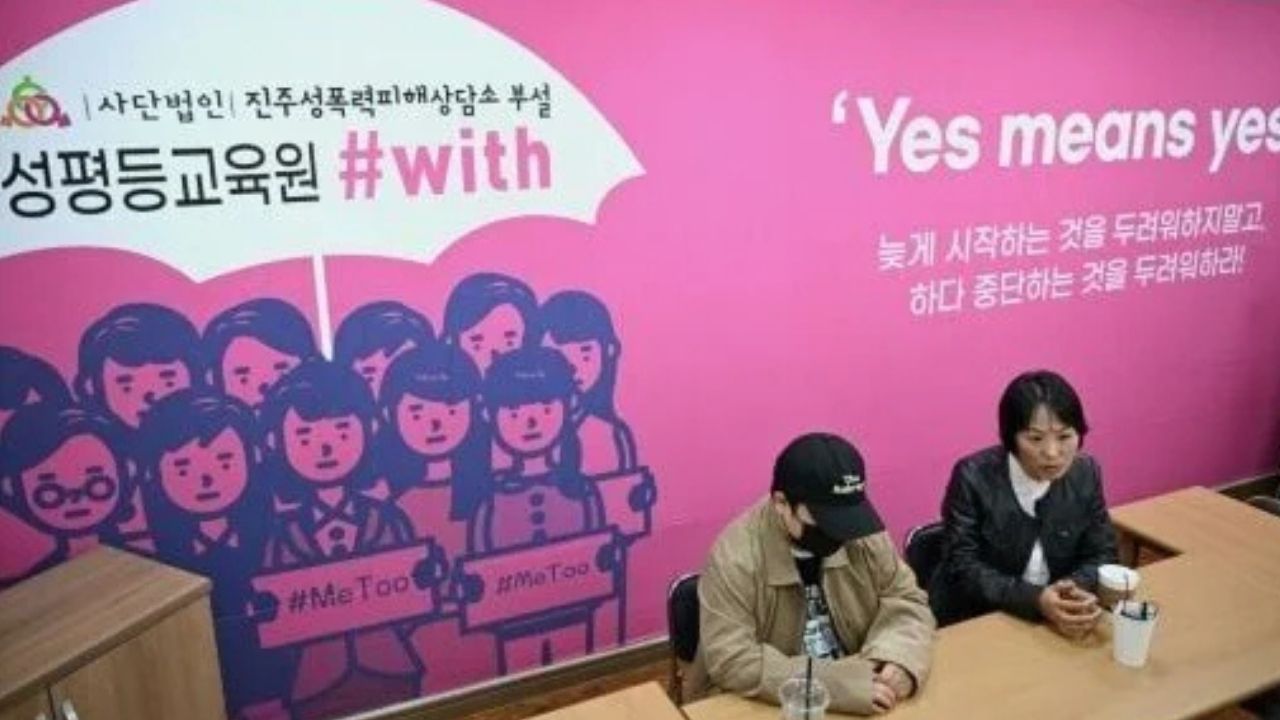
    Aspiring South Korean writer On Ji-goo never considered herself a feminist but changed her mind after being physically attacked by a man for having short hair.

    “I know you are a feminist,” her attacker yelled as he beat her up at the convenience store where she worked part-time.

    Her assailant, in his 20s, also severely assaulted an older man who tried to intervene, telling him: “Why aren’t you supporting a fellow man?”

    On was left with hearing loss and severe trauma but insisted on pressing charges—resulting in a landmark ruling last month where, for the first time in South Korea, a court recognised misogyny as a motive for a hate crime.

    “I now think I’m a feminist,” On, who wanted to use her pen name for security reasons, told AFP in an interview.

    The Changwon District Court ruling “has historical significance, but it seems to hold even greater meaning for me personally”, she said.

    The attack generated outrage in South Korea, and On became an inadvertent heroine for the country’s women’s rights movements.

    Short hair has been very loosely associated with feminism in South Korea, which remains socially conservative despite its booming economy and the global popularity of its K-pop and K-drama content.

    Same-sex marriage is not recognised, and among advanced economies it has relatively low rates of female workforce participation and one of the worst gender pay gaps.

    Militant moments

    As part of the global #MeToo movement that emerged around 2017, South Korean women held enormous rights demonstrations and won victories on issues from abortion access to harsher punishment for spycam crimes.

    In their most militant moments, some campaigners went viral by destroying makeup products or cutting their hair short on camera to protest against the country’s demanding beauty standards.

    It also saw the emergence of the extreme 4B movement, which rejects dating, sex, marriage, or childbearing with men.

    The movement, which means “Four Nos” in Korean, has been trending since Donald Trump won the US presidential election.

    But South Korea has also seen a recent anti-feminism backlash, with President Yoon Suk Yeol courting young men on the campaign trail with denials of institutional discrimination against women and promises to abolish the Ministry of Gender Equality, which his supporters claimed was “outdated”.

    The backlash previously ensnared unsuspecting victims such as triple Olympic archery champion An San, who was bullied online during the 2021 Tokyo Games for her short hair.

    Writer On said she followed the furore at the time, even reporting online abuse she saw.

    “When I first heard that having short hair meant you were a feminist, I found it absurd,” On said.

    “Athletes often find it more convenient to have short hair when they are training,” she added, noting she had cut her own hair short before being assaulted last year because of the hot weather.

    Archer An never officially commented on the online abuse, and her “pride and confidence, along with her ability to simply ignore negativity, were truly impressive,” said On.

    “Over time, I found myself (inspired by) her sense of dignity and confidence… thinking: ‘Is there really anything that I should be ashamed of?’”

    Getting worse?

    A spate of high-profile deepfake pornography cases were uncovered this summer, targeting female students and staff at the country’s schools and universities.

    A Seoul court jailed one perpetrator for 10 years last month for assaulting women who attended the nation’s top Seoul National University, saying his actions stemmed from “hatred toward socially successful women”.

    One victim, whose campaign name is Ruma, told AFP that her assailant “wanted to emphasise that no matter how accomplished a woman is, she can be trampled on and treated like a prank by men.”

    Activists such as Jung Yun-jung, who supported On through her trial, say the situation could worsen as inequality and competition for jobs increase.

    South Korea has one of the world’s lowest birthrates as well as a falling marriage rate, with experts pointing to intense competition over jobs and housing a factor, leaving young people despondent for their futures.

    On is still on medication to treat the mental and physical wounds of her attack, but she has found purpose in supporting other women who may find themselves victimised in similar circumstances.

    Feminism, in the end, is about believing that “women’s rights are equally as important”, she said.

    “In that sense, I had indeed been a feminist even before the incident.”
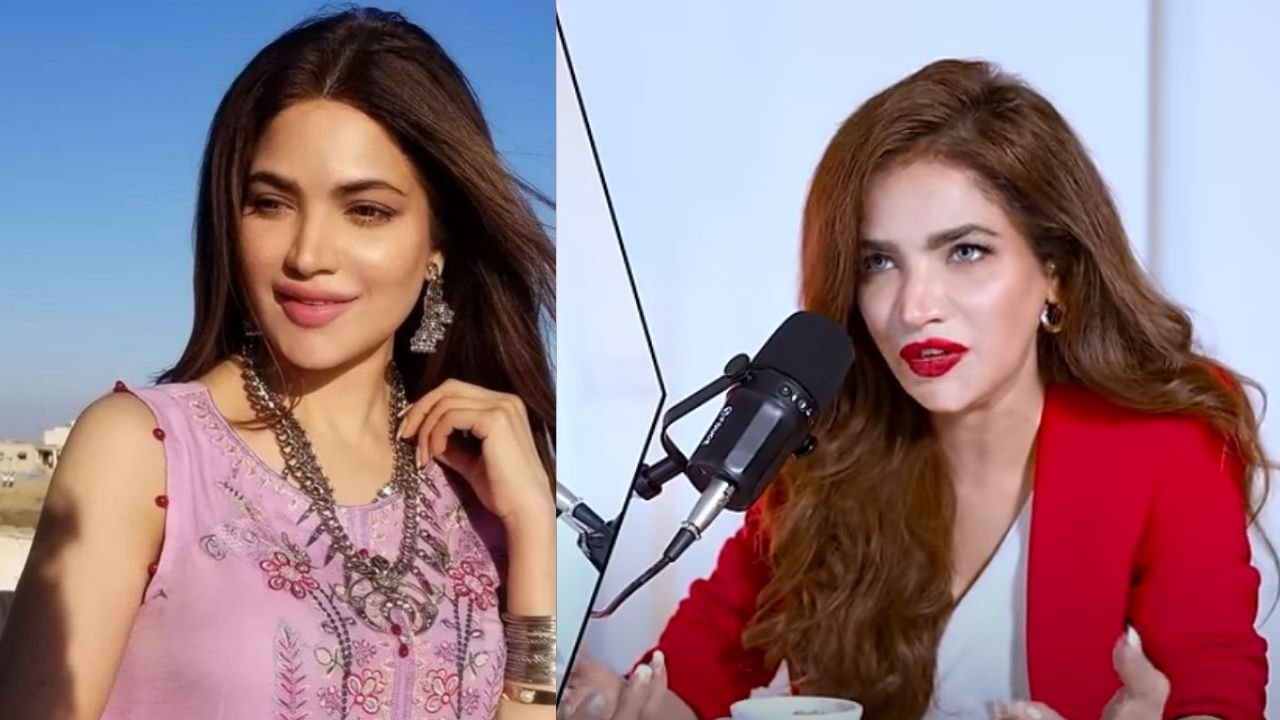
  • Modernism is not the same as vulgarity: Humaira Ali on feminism

    Modernism is not the same as vulgarity: Humaira Ali on feminism

    Renowned actor and model Humaira Ali thinks the true idea of feminism has been misunderstood.

    In a recent interview on Ahmad Ali Butt’s podcast ‘Excuse Me’, Humaira Ali, known for ‘Tamasha’, talked about feminism and women’s empowerment.

    “For me, feminism means respecting both men and women. No gender should dominate the other. Celebrating femininity is true feminism,” she said.

    “Women should stand up for their rights and be strong. Men and women are different physically, and that’s beautiful. Don’t blur those lines,” added the ‘Ehsaan Faramosh’ actor.

    Ali also shared her thoughts on how feminism is misunderstood today. “I believe the true idea of feminism has been distorted. It’s not about harsh words or vulgarity. There must be a difference between modernism and vulgarity,” she said.

    “It’s not about religion, country, or civilization. A woman should not be depicted badly under feminism,” she concluded.

  • Nora Fatehi criticizes feminism, calls it a threat to society

    Nora Fatehi criticizes feminism, calls it a threat to society

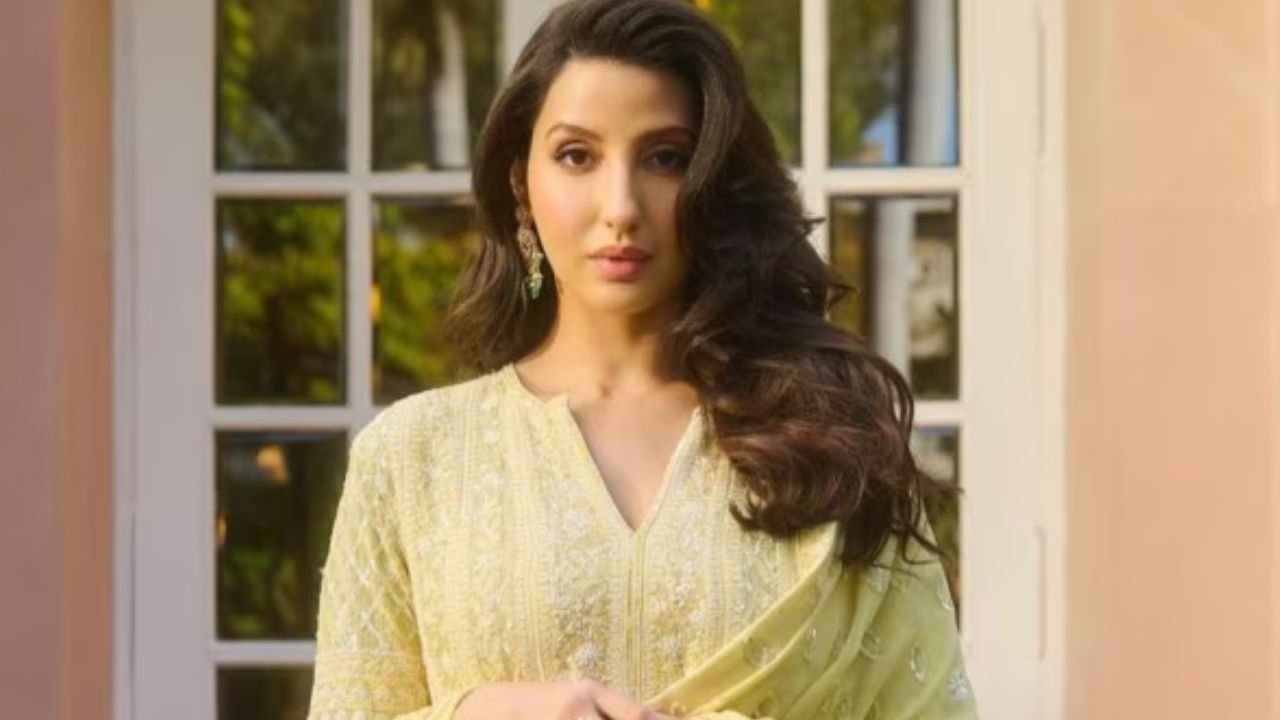
    Canadian actor and dancer Nora Fatehi, known for her item song performances in Bollywood, recently stirred controversy on the microblogging platform X ,(formerly Twitter) by criticising feminism during an appearance on The Ranveer Show. Fatehi stated that feminism has “negatively impacted society,” expressing her preference for traditional gender roles where men provide and women nurture.

    Nora’s baffling views continued when she alleged that feminism harms the family system by pushing for women’s freedom, while she believes a woman’s main role is to care for her family and home, another outrageous statement that she piped out without any evidence. She stressed that women can pursue their dreams within their boundaries.

    “Feminism initially aimed to secure women’s basic rights, like education for girls. However, when it went against the natural order, it became harmful to society,” she said. Then she stressed that she believes in equality between men and women, but acknowledges their different roles in society.

    We would like Nora to get educated about feminism before spreading harmful tropes in countries where violence against women is rampant.

  • Celebrating Inspirational Women: The Impactful Legacy of Urdu Poets

    Celebrating Inspirational Women: The Impactful Legacy of Urdu Poets

    Today, on International Women’s Day, we pay homage to the remarkable women who have left an indelible mark on Urdu poetry, inspired by Rekhta’s post shared on Instagram. Among these extraordinary poets are Ada Jafarey, Zehra Nigah, Fahmida Riaz, Parveen Shakir, Meena Kumari, and Aziz Bano Darab Wafa. Their powerful words and unwavering spirits have inspired countless individuals, and their contributions to literature are truly remarkable. Let’s explore the amazing contributions of these talented women.

    As we honor these talented women, let’s also take a moment to appreciate and recognize the countless women in our lives who inspire us every day. Women’s Day serves as a reminder of the progress made towards gender equality and the ongoing efforts needed to achieve true inclusivity and empowerment for all women. It’s a day to celebrate the resilience, strength, and achievements of women from all walks of life. So, let’s come together to appreciate and uplift women, today and every day.
    Ada Jafarey’s poetic expressions of love and longing have touched the hearts of many. Her poem “Main Saaz Dhoodati Rahi” resonates deeply with audiences, capturing the essence of human emotions.

    Zehra Nigah’s verses provide a poignant portrayal of women’s lives, their struggles, and their triumphs. Hailing from a family with a deep literary heritage, her work reflects a rich cultural tapestry and offers profound insights into the female experience.
    Fahmida Riaz used her poetry to advocate for important societal issues, particularly women’s rights. Her books “Godavari” and “Patthar Ki Zabaan” have empowered countless women to speak up and demand equality.
    Parveen Shakir, celebrated not only for her poetic prowess but also for her roles as a teacher and civil servant, has left an enduring legacy with her bold and evocative poems. Works like “Khushbu” and “Sadrang” delve into the complexities of love and life, resonating with audiences from all walks of life.

    Meena Kumari, writing under the pen name Naaz, crafted deeply emotional poems inspired by her personal struggles. Dubbed “The Tragedy Queen” for her touching verses, she has left an indelible mark on Urdu poetry with her raw and heartfelt expressions.
    Aziz Bano Darab Wafa, ahead of her time, addressed pressing societal issues through her poetry, earning admiration from figures like Indira Gandhi. Her work serves as a powerful testament to the enduring impact of literature on social change.
    On Women’s Day, let’s celebrate these amazing poets whose words inspire us. They remind us how important literature is in shaping our view of the world. Happy International Women’s Day!

  • ‘Meri Age, Meri Marzi’; Iffat Omar has had enough

    ‘Meri Age, Meri Marzi’; Iffat Omar has had enough

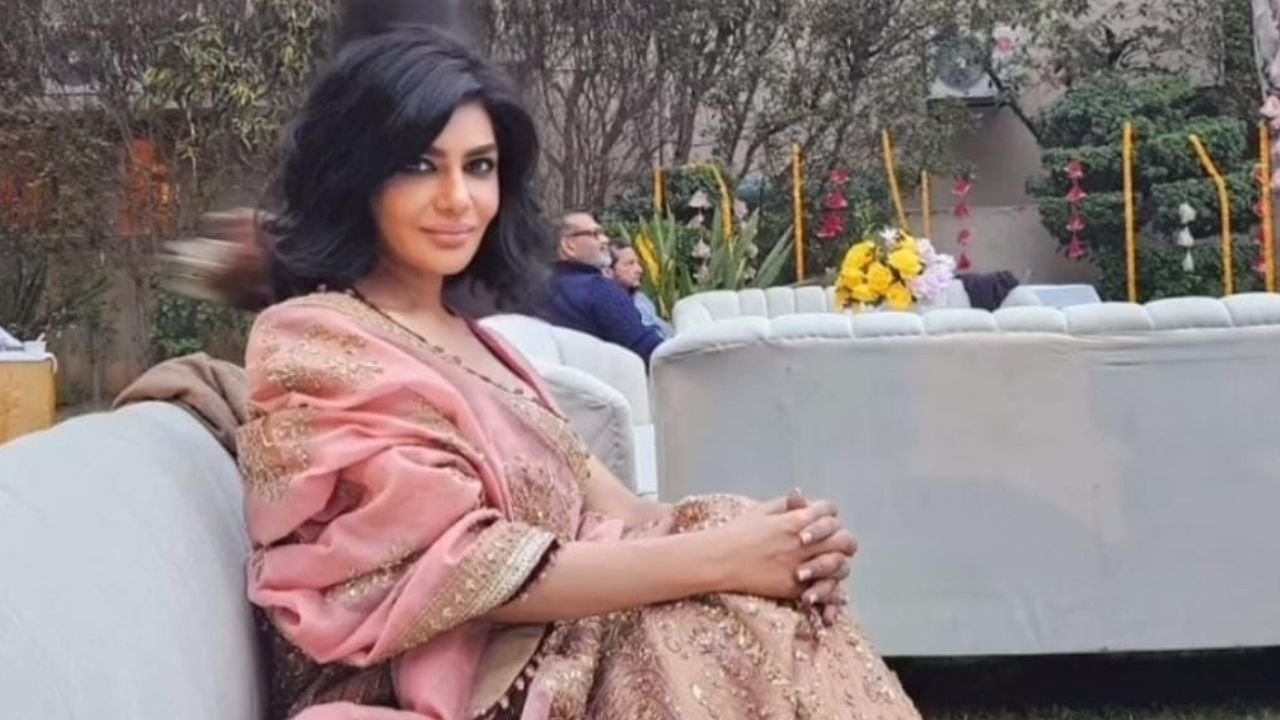
    In the entertainment world, women often get treated unfairly because of their age. Now, model Iffat Omar is speaking out against ageism, posting a video on Instagram wearing a lovely pink saree.
    In the caption, she wrote, “I’ll do what I want at my age, so you do your thing and stop telling me how to behave.” Known for her independence, she’s showing that it’s perfectly fine to be yourself, no matter your age.

    Iffat has also shared her views on feminism and politics in Pakistan, as well as her experiences in the media industry.
    She has also talked about the culture surrounding Urdu dramas in Pakistan. The ‘Berukhi’ actor mentioned facing criticism in Karachi for her Punjabi accent, limited Urdu skills, and not being fluent in English.

  • In a first, man sentenced to three years in jail for marital rape

    In a first, man sentenced to three years in jail for marital rape

    In a legal first, a man has been sentenced to three years in jail after he was found guilty of having non-consensual sex with his wife, a punishable act under Section 377 (unnatural offences) of the Pakistan Penal Code, The News has reported.

    Additional Sessions Judge (South) Ashraf Hussain Khowaja announced the reserved judgment in Karachi after recording evidence and final arguments from both the defence and prosecution sides.

    He sentenced the convict named Javed to three-year rigorous imprisonment and ordered him to pay a Rs30,000 fine. If he fails to pay the fine, he would have to undergo an additional one month of simple imprisonment.

    “From a perusal of evidence brought at the trial by the prosecution, it appears that the victim has fully established a commission of sodomy with her by the accused being her husband,” the judge observed.

    “Though the victim/complainant contradicted some facts relating to the period of her stay with the accused, putting her signature on the memo of site inspection at PS, suffering from disease of piles and her age which are immaterial facts which would not be fatal to the prosecution case,” he added.
    The judge noted the medical evidence supported this version. On the other hand, he said the accused failed to establish “enmity” that her wife loved somebody else and therefore she implicated him falsely. The convict’s sisters who appeared as defence witnesses failed even to disclose the name of the alleged affair of the victim, he added.

    The victim testified that her husband would commit sodomy with her despite her attempts to stop him. About two months after their marriage, she informed her mother-in-law, who didn’t say anything to him, she said, adding that then she disclosed her ordeal to her sister and brother, after which she lodged an FIR against her husband on November 23, 2022.

    Advocate Bahzad Akbar of the Legal Aid Society, who represented the complainant, contended that sodomy falls within the definition of rape and marital rape in this case after an amendment brought to Section 375 of the Pakistan Penal Code in 2021.

    He said that the woman’s testimony and medical evidence corroborated the charges against the accused, requesting the judge to punish Javed as per the law.
    “I am not sure about other provinces but this is certainly the first such conviction over marital rape in Sindh following the amendment,” he told The News.
    He added there are no known convictions on charges of marital rape in the country. An FIR had been lodged under Section 377 of the PPC at the Chakiwara police station on the woman’s complaint.

  • ‘Anti hero’ Taylor Swift sparks outrage for befriending  allegedassaulter Jackson Mahomes

    ‘Anti hero’ Taylor Swift sparks outrage for befriending allegedassaulter Jackson Mahomes

    ‘It must be exhausting always rooting for the Anti Hero’? Not for Taylor Swift it seems so.

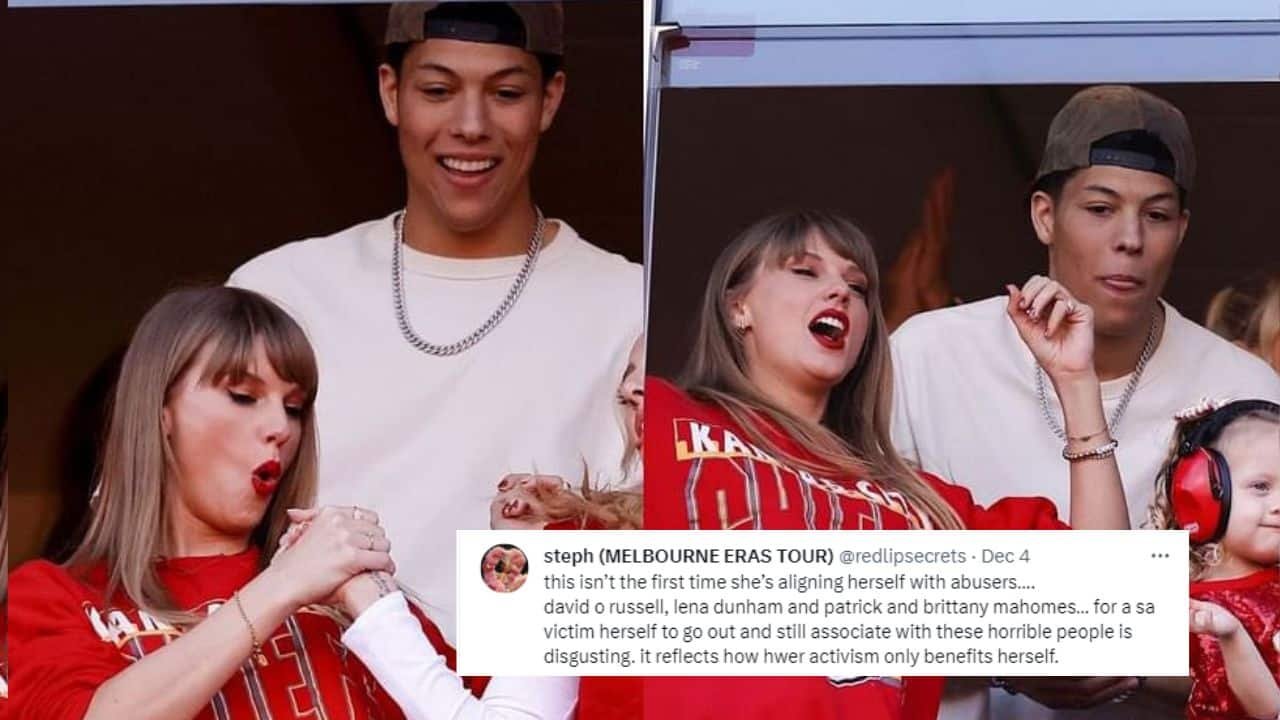
    Taylor Swift has garnered backlash from fans because of the singer’s silence on the ongoing genocide of Gaza, and several videos showed Israeli fans dancing to the screening of ‘Eras tour’ movie. Now, fans are outraged after the singer who wrote ‘Mad Woman’ was spotted laughing along side the younger brother of NFL player Patrick Mahomes, Jackson Mahomes, who is accused of sexual assault.

    A twitter thread by a Swiftie, detailing the charges filed against Jackson, who was seen in a video grabbing a woman and forcibly kissing her, is going viral. Jackson was arrested and charged with three counts of sexual battery and misdemeanour. But he was released on $100,000 bail.

    The thread further revealed reports that alleged Jackson had tried to bribe the victim to force her to withdraw the case, which had attracted further outrage.

    Taylor Swift attended a football game where her boyfriend Travis Kelce was playing, and several videos showed her high fiving Jackson, attracting intense backlash. Many criticised the singer as a hypocrite, for speaking up against sexual assault and rape but refusing to defend others who do the same thing.

    Swifties were also taken aback when Taylor’s best friend and wife to Patrick, Brittany Mahomes, defended her brother-in-law in an Instagram story by writing “He’s just a human trying to live his own life”, when a fan asked her about the sexual assault allegations.

    Many slammed Taylor Swift for failing to live up to her political beliefs and the feminist stance she had reaffirmed with songs like ‘Dear John’, ‘All Too Well’ or ‘Would’ve Could’ve Should’ve’ where Taylor has publicly discussed surviving abusive relationships and sexual harassment.

    Others were shocked that Taylor continued to remain silent about her friendship with Brittany Mahomes, when she was named as Time Magazine’s Silence Breakers in the 2017 issue, when the singer had gone to court after her abuser sued her.

    The Boycott, Divest Sanctions Movement (BDS) also called out Taylor Swift and Beyonce for allowing their films to play in an apartheid state where the genocide of Gaza is still going on. On their official Instagram account, the movement acknowledged that the two singers had refused multiple offers to play in Israel, but urged them to pull their films and music from playing in the country.

  • Pakistani shepherdess, midwife make it to BBC’s top 100 women list

    Pakistani shepherdess, midwife make it to BBC’s top 100 women list

    Two Pakistani women have been included into the BBC’s list of this year’s top 100 inspiring and influential women. The list highlights women who became trailblazers in their field and worked to spread awareness about issues like climate change, political instability and natural disasters. Among the list are famous Muslim figures like lawyer Amal Clooney, Pakistani Nobel Prize winner Malala Yousafzai, Iraqi-American beauty mogul Huda Kattan.

    The first Pakistani woman included in the list is Afroze-Numa, one of the last Wakkhi shepherdess who has taken care of goats, yack and sheep for over three decades.

    “Having learnt the trade from her mother and grandmothers,” the BBC description reads, “she is part of a centuries-old tradition that is now dying out in Pakistan’s Shimla valley.”

    “Every year these shepherdesses take their flocks to pastures 4,800m (16,000ft) above sea level, where they prepare dairy products to barter, while their animals feed.

    Their income has brought the village prosperity and allowed them to provide an education for their children. Afroze-Numa still fondly remembers being the first woman in the valley to own a pair of shoes.”

    The second Pakistani woman included in the list is Neha Mankani, a midwife who travelled to flood-affected areas in order to provide life-saving birthing kits and midwifery care to mothers and their babies.

    “Her typical practice focuses on low-resourced settings, emergency response and climate-affected communities,” the BBC said, adding that Mama Baby Fund has now raised enough money to launch a boat ambulance that will transport pregnant women living in coastal communities to nearby hospitals and clinics for urgent treatment.

    Taking to Instagram to share the post, Mankani wrote she was honoured to receive the acknowledgement from BBC.

    “Really honoured to be on the @bbc100women list this year as a climate hero, celebrating the important role of midwives in climate emergencies and highlighting my work with @mamababyfund in last year’s floods and in the climate affected island communities of Karachi. Head over to @bbc100women to read about all the really amazing women highlighted this year”

  • Misogyny rears its head once more with Mohib Mirza’s sexist comments

    Misogyny rears its head once more with Mohib Mirza’s sexist comments

    What is this, misogyny month?

    Another male actor has decided to raise the misogyny flag with a gross comment and this time, its Mohib Mirza. The actor was featured in a podcast for FHM Pakistan where he talked at length about his career and the controversy surrounding the actor’s marriage to Sanam Saeed. Everything was going well, and we were quite proud of how Mohib shut down allegations of cheating against his first wife Amina Sheikh.

    But this was all shot down when Mohib was asked about whether it was him or Sanam who controlled the house.

    To which Mohib responded:

    “If you’re a man you cannot be shareef. No one should remain in this delusion that a man can be innocent. A woman can be innocent but not a man. It can’t be possible because of genetics. The way it was made it’s not possible for that reason. Do you know how many cells you generate in THAT specific area? Billions! You are made like a machine so you are a machine.”

    Where do I even begin with this nonsense. Why do women need to deal with this?

    Sab say pehlay tou Mohib sir, equating manliness with strength and femininity with weakness is a relic of the past. If such a thing were real, then men wouldn’t be throwing around chairs and breaking television sets every time their favourite team lost a cricket match. And women wouldn’t be quietly toiling while suffering intense period pain. Have you ever had a chance, Mr Mohib, to read up on our history? Or even perhaps spoken with the women of this country? Sit down with an ordinary Pakistani woman who is not only working at a job, but also taking care of her children, cleaning her house and then dealing with her in-laws. While men in this country, who were apparently born with superior genes, can’t provide proper financial support for the family. The gender you’re calling weak by associating it with femininity is the one holding families together.

    And also sir, this is not the first time you and Sanam went viral with your sexist comments. Earlier this year, both Mohib and Sanam were guests on Fahad Mustafa’s show. Sanam was asked whether men need to be dealt with like babies, to which she responded: “You need to take care of men like they are children.” The statement reeks of entitlement and ignorance, and as a couple with a lot of power and social status, you need to be mindful of the kind of words you say publicly.

    But you’re lucky Mr Mohib, you’re not the only celebrity who made us want to slam our heads on the wall this week. Javed Sheikh decided it was super cool to publicly announce that he refuses to believe in the slogan ‘Mera Jism Meri Marzi’. He emphasised that a woman is beautiful when she is covered.

    Please tell us when and where did any woman ask you for your opinion? Did Haseena Moin ask you for reference when she cast you in her critically acclaimed drama ‘Ankahi’ where you acted opposite a head-strong, opinionated woman who didn’t need to cover up to demand respect from a man? Exactly, sit down.

    Why are we still addressing this topic? There’s a war in the Middle East. India is making more progressive movies like ‘Rocky and Rani’ centring around consent and holding men accountable for misogyny, and we’re still debating whether femininity makes a woman weak?

    All we will say is these are distractions from real issues, and we are done lecturing men on the basic elements of feminism. Which is why I didn’t bother to go into any details in this piece. Google is free, and at this point celebrities need to realise we can see through their PR attempts. We know what you’re doing when you bring up sexism because it will bring along another month’s easy coverage. Women don’t owe any man an explanation for why they deserve to be respected, and we’re done doing so as well.

  • ‘Importance of finding someone who accepts you for who you are’: Sarah Majeed talks about Fairytale

    ‘Importance of finding someone who accepts you for who you are’: Sarah Majeed talks about Fairytale

    We’ve seen several romance dramas in Pakistan make a splash and then fade away. But this year ‘Fairy Tale’ emerged out of the blue and shifted the Pakistani entertainment scene like nothing else before. It was composed of new actors, and was given a terrible time slot, but a few weeks later it became a stand out drama, and made the writer Sarah Majeed a star overnight.

    Pakistani women would never recommend Pakistani dramas to others, but suddenly ‘Fairy Tale’ is the sole drama that created a female fan cult no other drama has developed. There are groups dedicated to fan girling on Hamza Sohail, the internet’s new boyfriend, and fan-fics written online about Umeed and Farjaad, but most importantly Sarah Majeed was hailed by modern women for making a progressive drama at a time there seemed to be a dearth of them.

    The Current had a chat with Sarah Majeed about how she formulated the idea of the drama, it’s gorgeous and feisty female lead Umeed and how she created a feminist drama in an entertainment industry known for championing misogynist tropes.

    Q. First of all, what inspired you to write a drama like ‘Fairy Tale’? Did you get any inspiration that made you want to write this rom-com?

    Sarah: Fantasy always sparks my imagination and inspires me to create a magical world where happiness, pure friendship, family bonds and unconditional love can be found.
    I aim to bring laughter and warmth to viewers, reminding them of the beauty of love and the humorous moments that come with it.

    Q. Did you have a personal preference for who you wanted to pick to play Umeed and Farjaad? Or did you go with Sehar and Hamza Sohail after their auditions?

    Sarah: No, all credit goes to Mahesh Waswani and Saira Ghulam Nabi. But I was very happy to know that Hamza Sohail and Sehar Khan are playing the role of Farjad and Umeed.

    Q. No one was expecting ‘Fairy Tale’ to become an overnight success the way it did- because it featured unknown actors and was given a bad time slot- but it exceeded expectations to get international praise. How did you feel about all of that?

    Sarah: This is an amazing and incredible success and proof that content is everything and we can gain popularity by creating progressive content too.
    I also would like to appreciate the entire team of Fairytale, because of all of them, this journey of success was possible.

    Q What is more endearing about Fairy Tale is how it has established a cult following on Twitter- which is not something a lot of Pakistani dramas are remembered for. A lot of young women have fan accounts, group chats and even fan fictions dedicated to Umeed and Farjaad! Why do you think this drama has established such a strong following of women online?

    Sarah: The charm of a fairy tale is that it is an ordinary story written and acted in a very special way. I focus on relevant and relatable content and incorporate modern storytelling techniques.
    I am grateful to my fans for their amazing support. I am overwhelmed by all the love and support! Thank you, fans, for making our drama trend!

    Your support fuels my passion. Sending you all my love and thanks.

    Q. When we come to Umeed, what fans love about her most- and the thing she is criticised for- is that she’s super loud and makes mistakes all the time. But every time in interviews this critique is brought up after Season one, you’ve been quick to shut it down. This is quite a shift in how female leads are treated, seeing how another critically acclaimed drama with a loud and bold female lead, but the writer consistently approved the idea that she should be slapped by the male lead.

    Sarah: As a writer, I have immense love for all my characters, not just Umeed. Because I spend so much time making and preparing them, they become like my dear friends. I invest in their stories, their growth and their journey. I think that’s the sign of a passionate writer who really cares about his/her craft. I embrace my characters with love and they guide me in making them authentic and compelling characters. My viewers can feel this love too.

    Q. Farjaad embodied the literal opposite of what we typically see male leads on screen do, which is that he is a powerful and successful man but he never overshadows Umeed and uplifts her more often. Could you tell us why you chose to craft him in this way?

    Sarah: Men like Farjad are rarely seen be it on screen or in real life. That is why I created Farjad. Farjad is a powerful and successful male character who promotes and supports the heroine. By making sure he doesn’t overshadow her, I’ve tried to create a balanced dynamic that celebrates the strengths of both characters.

    Farjad allows Umeed to shine and grow, while still showing the positive qualities of the male character.

    It’s all about creating a story that empowers and inspires.

    Q. ‘Fairy Tale’ can be seen as a feminist rom-com, but it’s made in an entertainment industry where mostly viewer ratings demand screenplays include miserable women rather than happy ones. Writer Syed Mohammad Ahmed made this intelligent insight how entertainment producers- and audiences to an extent- aren’t mostly fond of seeing women happy and independent on screens, and which is why most progressive dramas have a hard time establishing a popular following. Would you agree with him on this?

    Sarah: Oh, I understand what you’re saying. It’s true that usually happy female leads on screen may not get as much attention as other types of characters. However, it’s important to remember that representation is key. By showcasing happy and positive female characters,we can inspire and uplift audiences.

    Yes, it can be a challenge for progressive dramas to gain popularity initially. Sometimes, it takes time for the audience to tell a new and innovative story. But remember, quality and authenticity always prevail in the long run. I believe in creating thought-provoking content, staying true to my vision, and engaging with my target audience. In time, my progressive drama will find its dedicated fans and make a positive impact.

    Q. A lot of drama writers we see achieve fame in Pakistan have written shows that were based on misogynist tropes like Khalil ul Rehman Qamar, which is the anti-thesis of the message surrounding ‘Fairy Tale’. Does this put any kind of pressure on you regarding the kind of dramas you want to write, but also balancing the expectations of what the entertainment industry wants?

    Sarah: Yes, I understand exactly what you mean. Misogynist tropes can be harmful and perpetuate negative stereotypes about women. It is very difficult to challenge and avoid such tropes in storytelling. Let’s strive for more inclusive and positive representation on screen!

    Q. Among a lot of the secondary characters we’ve seen fleshed out in Season Two, Haya is a beloved one among fans because she steps out of the Sati savitri trope a lot of fans felt she was boxed in during Season One.

    Sarah: Of course! Haya has learned from her past experiences and overcome her flaws and has tried to change from a sati savitri girl to a balanced character.

    I know watching Haya’s character grow is incredibly satisfying and inspiring for the audience. So, I did not forget to give opportunities to all my characters be it Haya, Pasha Sahab, Umeed, Farjad, Sameer, Niggo, Zeenat Chachi, Hilal Pasha and Aago Jaan all to grow and develop.

    Q. A lot of writers talk about using music to get into their characters. Do you do the same thing, or do you do something else to get into the minds of your characters?

    Sarah: Not any specific thing I do, it all depends on my mood.

    Q. After the success of your drama, what message do you wish the entertainment industry would take from the love story of Farjaad and Umeed?

    Sarah: The message from the love story of Farjad and Umeed is that stories can be written and created without evil characters and evil deeds and still be appreciated. Love can be found in unexpected places and is worth taking risks for. Fairytale reminds that relationships can be messy, but they can also bring joy, growth, and connection. This story emphasises the importance of communication, vulnerability, and finding someone who accepts you for who you are.

    Q. Will we see you writing more rom-coms in the future?

    Sarah: InshAllah