Tag: feminism

  • ‘Domestic violence is not a personal issue’: Social media slams Ushna Shah for justifying support for Feroze Khan

    Actor Ushna Shah has been in hot waters in the past few days after she shared a picture of herself with controversial actor Feroze Khan at a gym on Instagram. She quoted a hadith that called for Ramzan to be a month of mercy and forgiveness. In her next post, she recalled the death of controversial televangelist Amir Liaqat, and asked her followers not to pass quick judgement that could lead to people committing irreversible acts.

    Feroze Khan has been accused of domestic violence and neglect by his former wife Aliza Sultan. The two divorced in 2022, after multiple celebrities including Oscar winning filmmaker Sharmeen Obaid-Chinoy, and actor Sarwat Gilani rallied behind her.

    In November, Feroze Khan was criticized for leaking the personal phone numbers and home addresses of ten celebrities -including Mira Sethi, Osman Khalid Butt and Yasir Hussain- who had declared that they would take action by suing Khan for emotional and mental trauma.

    On Saturday, Shah once more defended her stance by sharing a detailed statement on Twitter, where she called herself a “human sympathizer” rather than an “abuser sympathizer”.

    Shah went on to reveal that as someone who became the target of unfair bullying, like the backlash to her Indian lehnga that Shah wore on her Mehndi, she didn’t think that social media users should abuse a person and their families for something they “allegedly did”.

    “The backlash at my choice to wear the supposed ‘Indian style lehnga’ and dance at my own wedding, was prime example. So when hundreds and thousands of people abuse a person for whatever they allegedly did and abuse their families relentlessly, day and night, non-stop, I know what that can do and it isn’t fair punishment.”

    https://twitter.com/ushnashah/status/1644702178458710017?s=20

    Shah’s statement has received extensive backlash on social media for refusing to recognize how problematic her stance to support Khan is, and for being an abuse apologist.

    One Twitter user wrote:

    “Sympathizing with a human who is an alleged abuser/involved in domestic violence is basically being an abuser apologist. “even if the alleged criminal was found guilty” so u r telling me that a guilty criminal shouldnt have to face the consequences. also what even’s w the lehnaga.”

    “Pakistani celebrities are hypocrites,” another user wrote.

    https://twitter.com/peesho444/status/1644992794442993665?s=20

    “Why is it always ”let’s forgive abuser Muslim m3n because it’s Ramzan”, that man has literally brutalized his wife, you are not only a domestic violence apologist but a traitor to your own women class, using your privilege to disregard the voices of numerous DV women victims,” another user wrote.
    https://twitter.com/auratsoch/status/1644970742549819393?s=20
  • Yashma Gill debunks the ‘gold digger stereotype’, encourages women to be financially independent

    Yashma Gill debunks the ‘gold digger stereotype’, encourages women to be financially independent

    Yashma Gill was a guest on the Nadir Ali podcast, a clip of which has gone viral, where she passionately spoke out against the misogynist stereotype that women are gold-diggers.

    Ali said that in our society today, a man’s ugliness is considered his empty pocket:

    “Regardless of whether he is good-looking or not, he looks awful without having money. He is told to go and earn money.”

    Gill corrected this statement by pointing out that that many women in successful, happy marriages are earning more than their husbands so this stereotype that women are only in love with money isn’t true:

    “I will not give any names, but around us there are a lot of examples where a woman is more successful than her husband, and they had love marriages…Regardless of these people belonging to my field or not..I don’t like the stigma attached to women that we are gold diggers.”

    Ali brought up a sexist stereotype about women gaining financial independence and abandoning men:

    “When a man earns, he hands over everything he has to the woman. Whereas when a woman begins earning she decides to abandon her man.”

    Gill counteracted this statement by pointing out that financial independence only helps women become more confident within themselves, and doesn’t translate into not wanting a companion anymore.

    “People are confusing this with when a woman becomes financially independent, she is no longer helpless,” stressed the ‘Pyaar Kay Sadqay’ actor. “She can stand up for herself. She can remind her parents that she is no longer a burden on them so doesn’t need to be married off. She can even provide for her children…So I think that independence for women and girls can give them strength and power, not the fact that they don’t need a man. Everyone needs companionship.”

    Gill then gave the example of Hazrat Adam (S.A.W) and Hazrat Havva (S.A.W), to prove that every human being was meant to have a companion:

    “Take the example of Hazrat Adam (S.A.W) and Hazrat Havva (S.A.W), this is a natural thing that evcryone needs companionship. But there must be compatibility, respect and a lot of other things.”

    Listen to her complete interview here:

    Gill shared the viral clip on her Instagram stories to address the misunderstanding that might rise in case audience is assuming that Ali was being sexist, to which the actor had written that the host was respectful and well mannered:

    “So just to clear the air, the respectable host only meant to ask my opinion on what is a common misconception in society. Nowhere did he agree with it himself or said that it is something that he believes in. It was just one of the many things that he discussed with me – “discussed” not imposed, argued or debated. Therefore let’s not get him wrong and frame him in ways he doesn’t deserve because he was nothing but extremely kind and respectful towards me that I was honestly in awe of his nature. A true gentleman.”

  • ‘Mera Jism Meri Marzi is more than just being about clothes’: Amna Ilyas

    Actor Amna Ilyas was a guest on “The Talk Talk Show’ where she opened up about being a feminist, and clarified the misinformation around the Aurat March slogan ‘Mera Jism Meri Marzi’.

    When the placcard was raised at the 2018 Aurat March, it caused outrage after many right-wing critics said that the chant supports promiscuity and challenges family values in Pakistan. Many religious clerics had used the placard as justification to call ‘Aurat March’ un-Islamic and accused it of promoting a Western agenda in Pakistan.

    Many feminist activists have defended the slogan for protecting women’s bodily autonomy, and now Ilyas has also done the same, as she explained that the slogan ‘Mera Jism Meri Marzi’ was more than about clothes, it’s about protecting the rights of women:

    “It’s about having body autonomy rights and consent. It’s about harassment, domestic violence, and concepts like, ‘No one has the right to touch me without my consent, even if I’m married to you’.”

    Ilyas went on to debunk the stereotype associated with feminism that women who support this ideology are promoting vulgarity, when in reality the ideology supports the rights of women to have the same opportunities as men:

    “Whenever I talk about feminism, people always object by saying ‘Oh, Amna is bold, of course, she will spread vulgarity as she’s from the industry, she wants all our daughters to be like her’. No, I don’t want that, I only do what I want to for myself.”

    “When we speak of equal rights, it’s about having the same opportunities to thrive in my career as the man beside me. If you’re a father of four children who excel in your profession, why can’t I do the same? Honestly, it’s not about whether you’re getting permission to wear jeans or not. What we truly need, is the space to work in a cerebral capacity,” she explained.

    Watch the complete interview here:

  • Malala’s hilarious response to Tik Tok user has the internet in fits

    Malala’s hilarious response to Tik Tok user has the internet in fits

    Malala is an icon for her bravery but she is also the absolute Queen savage comebacks to put down her haters.

    What’s hilarious is how much people keep underestimating her wicked sense of humor, but Malala has time and time again proven that she knows how to get the last word on her enemies.

    Like remember the time when the entire country was clutching their pearls because the Noble Prize activist said she prefers not to get married, she trolled her haters with this gif.

    Or when a boy tried to impress her with his thirst traps, the activist turned him down with the coldest rejection.

    This time, users are once more in fits because of Yousafzai’s hilarious response to a TikTok user who was celebrating the fact that she skipped her classes in school.

    Malala Fund responded to the tweet saying: “Boo”

    Twitter users have found the entire exchange hilarious because imagine getting caught like this, we could never!

  • In spirit of Aurat March, watch these five dramas that champion powerful women

    In spirit of Aurat March, watch these five dramas that champion powerful women

    Azadi Mubarak, saheliyon.
    Today is Aurat March, the day when women march in the streets to champion social, economic and political issues for females across Pakistan. It’s an important day to celebrate the struggles of the feminist movement that called for equal rights for women everywhere in Pakistan.

    However, the struggles of women weren’t just present on the roads but have been recorded and displayed on our television screens for decades. Pakistani films and dramas are powerful tools to spread awareness on social issues, and have consistently given voice to the demands of women for years. Thanks to powerful women working in the entertainment industry like Bee Gul, Sania Saeed and Haseena Moin, there are several dramas that have spoken about feminist issues and also championed powerful women. So to set up your feminist-themed movie night, here are some dramas you should definitely give a watch!

    1 Dobara

    Pakistani dramas OST

    Penned by Sarwat Nazir and starring the multi-talented Hadiqa Kiana, the drama explores the life of a middle-aged woman who gets a second chance at life after the death of her husband. Forced into marriage when she was only 16 years old, Mehru Nisa decides to take a stand and do everything she was restricted from such as taking tennis classes, jogging in the park and even dancing at her son’s wedding, despite the backlash she faces from her in-laws. This drama was lauded by fans for centering around the life of a middle-aged woman at a time when they are pushed to be relevant only as mothers or grandmothers.

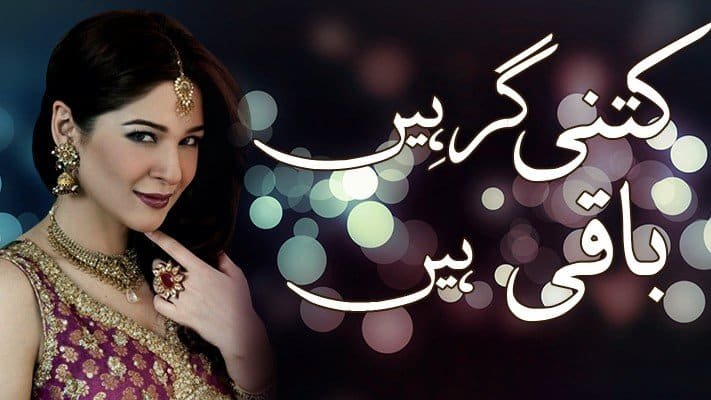
    2 Kitni Girhain Baqi Hain

    Bee Gul has been celebrated by Pakistani women for championing the issues women face in her dramas, being upfront about bringing stories told by women to the screen and dismantling misogyny. The anthology series which debuted on Hum TV was a collection of short stories about women and the struggles they faced in Pakistani society, discussing issues like sexual assault, relationships and even homosexuality, which had gotten earned it a notice from PEMRA.

    3 Kuch Ankahi

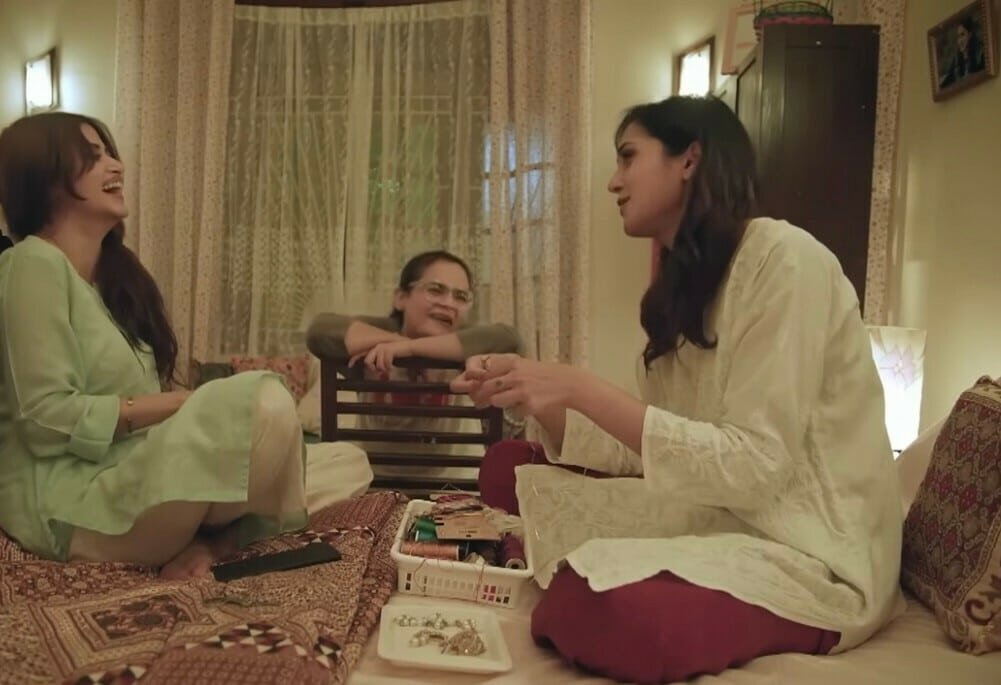
    The powerful drama has been dominating conversations since its release because of how it completely changed how women’s stories are told in the entertainment industry. Focusing on a family living in Karachi, the series doesn’t shy away from discussing issues like forced marriages, child sexual assault, property rights of women and even body shaming.

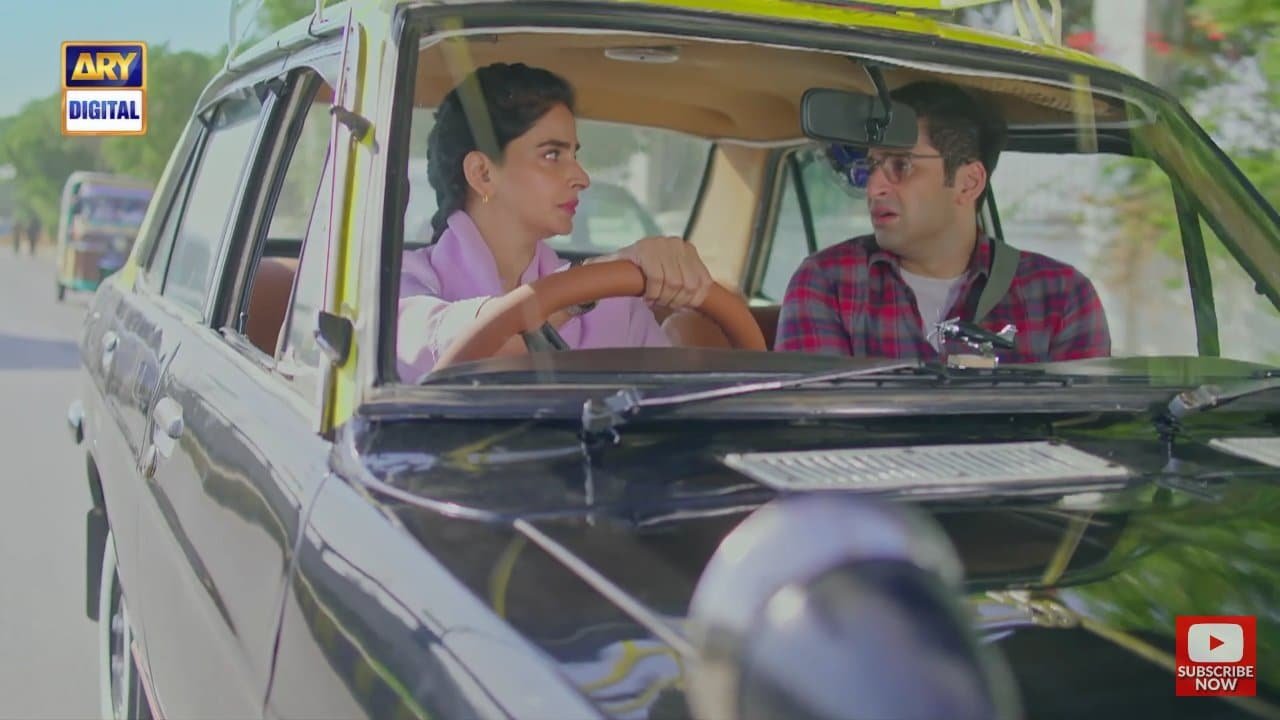
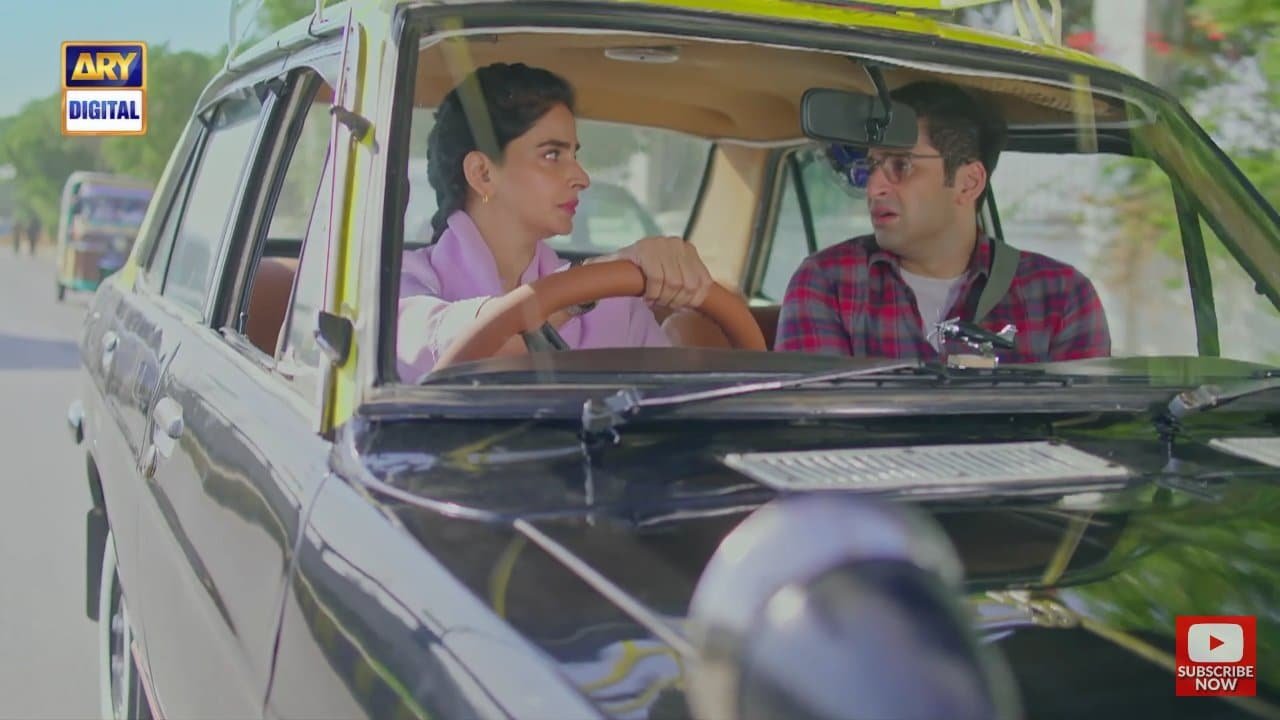
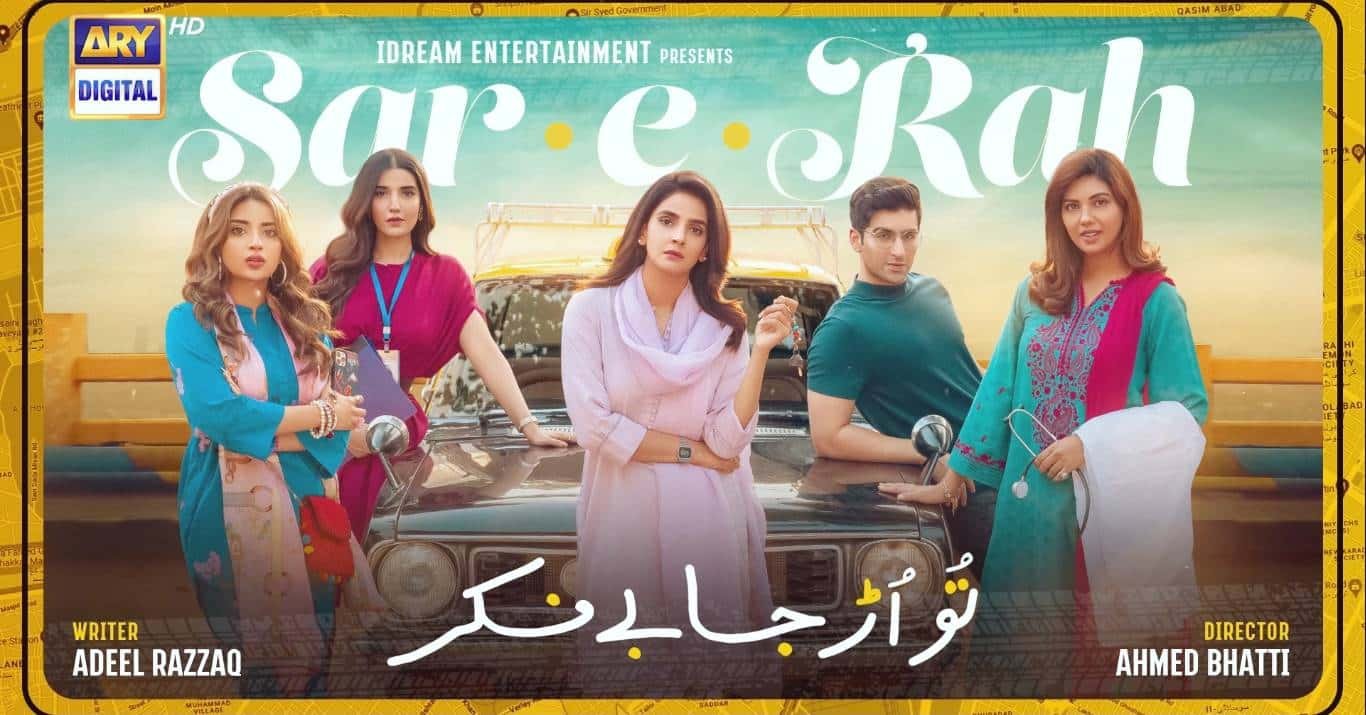
    4 Sar-e-Rah

    Sar-e-Rah

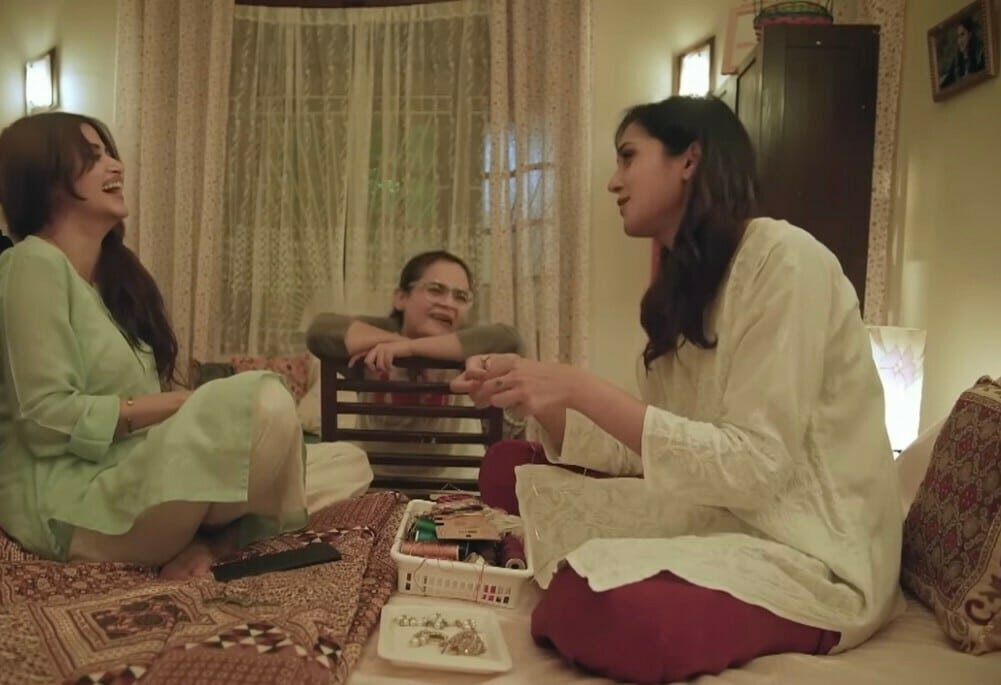
    Another drama that has been lauded by women for championing female friendships and showcasing how powerful women can become once they learn to be independent and make their own living. The limited series follows the life of Rabia, who decides to become the breadwinner of the family after her father suffers from a heart attack, and persists through despite being criticized by her family. With her journey, she comes across women from different backgrounds who face issues like infertility, social media trolling or harassment at the workplace, but Sar-e-Rah demonstrates how women can overcome anything with the help of another powerful woman.

    5 Tanhaiyaan

    Haseena Moin will always be remembered in history as a champion for women-centered stories. She did it fearlessly in the era of dictatorship of General Zia. Her drama ‘Tanhaiyaan’ is still celebrated as one of the finest feminist dramas that championed original, independent women on screen who didn’t just obsess around the men in their lives. It explores the lives of two sisters Sanya and Zara, who move in with their aunt after the death of their parents, and lose their house due to their father’s debt.

  • Economy is a feminist issue, Aurat March releases its manifesto (and we couldn’t agree more)

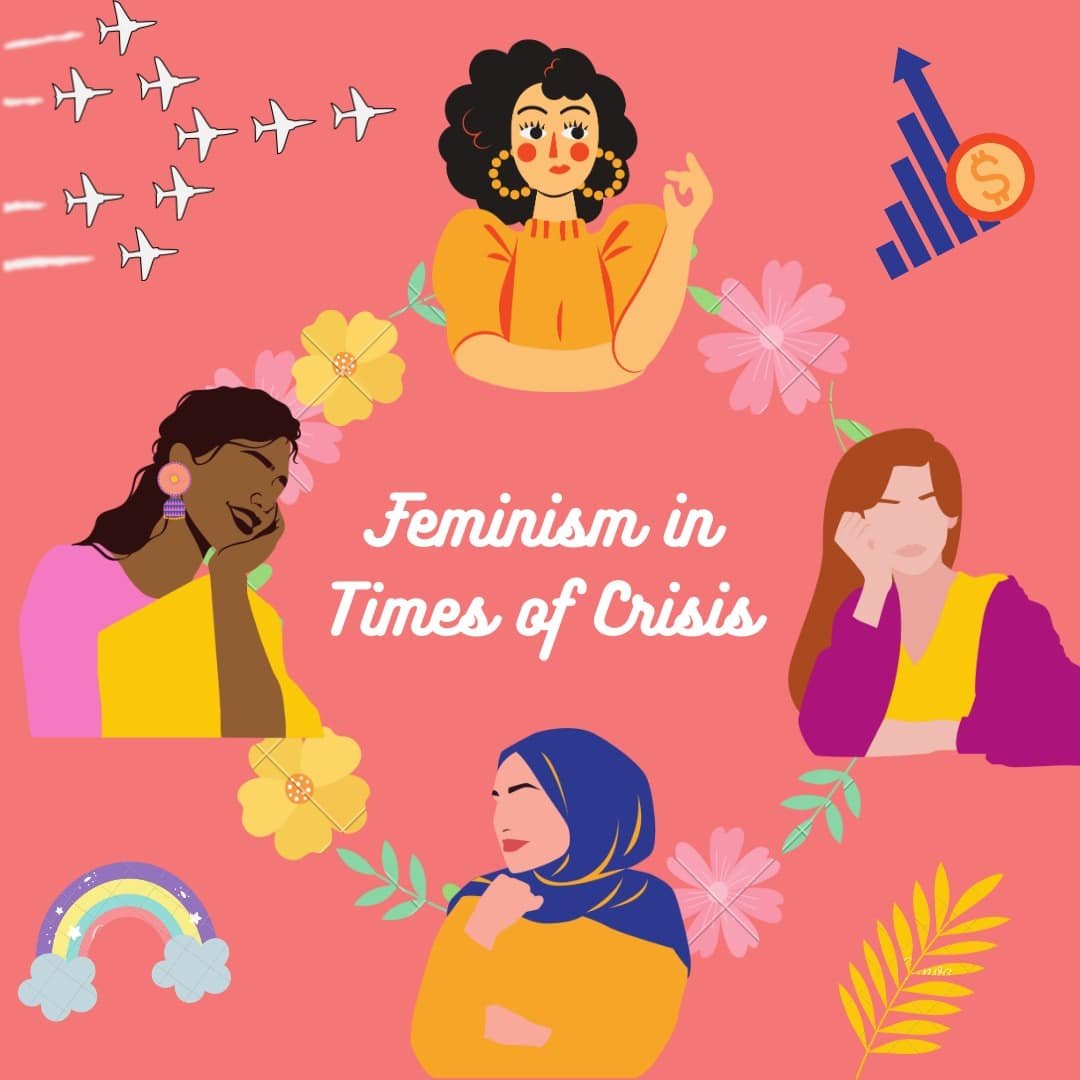
    Aurat March has selected it’s theme for this year: Feminism in the Times of Crisis, and the social movement has released a statement on their Instagram page detailing their demands from the government to improve the economic conditions of the country.
    “The economic crisis in Pakistan is not just a financial problem, it is a humanitarian crisis that affects the most vulnerable people in our society. The government’s reliance on Western lenders is a short-term solution that will have long-term consequences for the poor and marginalized. The current economic policies of the government are exacerbating inequality and perpetuating the cycle of poverty. We must prioritize pro-poor growth and invest in the well-being of its most marginalized citizens,” the statement reads.

    The manifesto went on to address current talks between the Pakistani government and the International Monetary Fund (IMF), stating how the measures implemented due to these loans will impact women, working class and the rural poor directly:
    “The government is relying on bailout loans from Western lenders like IMF to starve off an impending economic collapse. These loans come with conditions like privaitization of public institutions and services, removal of electricity and fuel subsidies, increase in indirect taxes, and cuts in social expenditures. These measures will impact those who are already marginalized. Women, working-class people, and rural poor are already caught up in the crushing cycles of poverty, struggling to survive amidst structural issues like mounting debt, and situational economic blows like COVID-19, the Russia-Ukraine conflict, and unprecedented destruction in the wake of the 2022 floods.”
    The movement went on to reveal that global rankings show Pakistan ranks the lowest regarding per capita income, health, and education in South Asia, and needs to introduce economic policies that prioritize the poor and marginalized of the country:
    “Global rankings increasingly evidence the need for Pakistan to prioritize pro-poor growth that ensures the wellbring of its most marginalized. The country has the lowest HDI rankings for per capita income, health, and education in South Asia. Even Bangladesh and Nepal, two of the least developed countries in the region, have better rankings. Pakistan’s expenditure on defense is higher than the combined expenditure on health and education.”
    The note ended with the movement demanding that the government introduce economic policies that prioritized the well being of the working class and poor of Pakistan:
    “We demand decent work and living wages for all residents, including regularization of temporary work and the expansion of social protection coverage. Secondly, IMF-driven policies that benefit polices that benefit global capitalism at the expense of all the poor and marginalized should be stopped. Finally, we demand rollback of budget cuts in public institutions, the reinstallment of HEC scholarships, and the implementation of survivor-centric welfare systemsn as well as quality education and healthcare for all.”

    Read their complete statement here:

  • Aurat March 2023: Feminism in the time of crisis

    Aurat March 2023: Feminism in the time of crisis

    Feminist social movement Aurat March has unveiled their theme for this year: Feminism in the time of crisis.

    The movement elaborated on the significance behind this theme on Twitter, revealing that it will address the ongoing security, climate and economic issues currently plaguing the country.

    “We demand a feminist response to these crisis: one that centers the voices and experiences of one of the most affected and prioritizes justice and equity for all.

    These responses must be democratic and equitable. A Pakistan plagued by regional, ethnic and class inequity is unacceptable. We cannot afford to ignore the intersectional impacts of these crises any longer.

    Pakistan is plagued with challenges on multiple fronts including security and safety crisis, economic crisis, climate crisis and a relentless crisis of gendered violence. We know that these issues are deeply rooted in the patriarchal system that prioritize masculine politics and ignores the needs and rights of gender minorities and marginalized communities.

    It’s time to demand a better future for all.

    Join us on 8th March.”

  • Six Pakistani dramas that revolve around female friendship

    Six Pakistani dramas that revolve around female friendship

    Pakistani dramas aren’t the first option one would think of when looking for strong female representation and well written, complex characters. Pakistani screenwriters and drama creators have for long refused to acknowledge the power of storytelling. They refuse to believe it is necessary to have positive depictions of women on screen rather than relying on the same age-old mantra ‘aurat he aurat ke sabse bari dushman hoti hai.’

    Our television screens are littered with tropes that demonize women who actually seek their own independence rather than being obsessed men. Characters like the gold digger, the career-obsessed heartless woman, or fighting saas/ bahu are the norm. It seems like most dramas are obsessed with getting the right amount of misogynist and sexist content in order to get better ratings.

    However, there are a few dramas that were able to get representation right and give the viewers depictions of what wholesome friendships can do to a woman’s life. In the spirit of the upcoming Aurat March, here is our selection of Pakistani shows that have gotten female friendships represented properly.

    1 Akhri Station (2018)

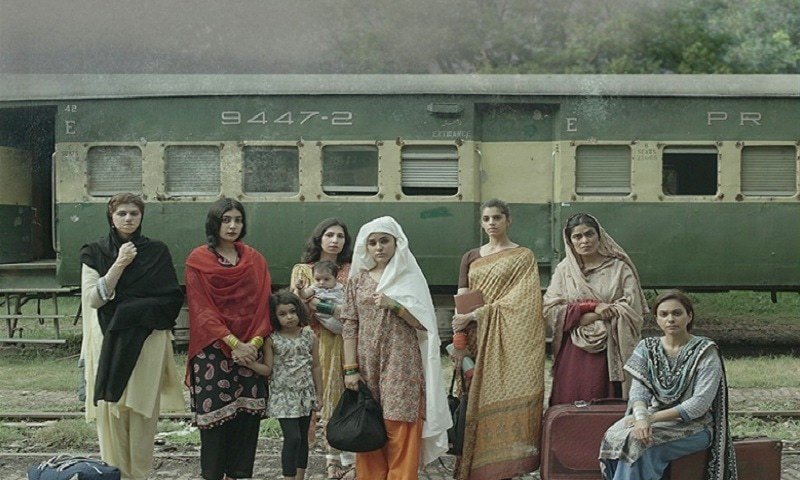
    Written by Amna Mufti and directed by Sarmad Khosat, the series is a wonderful depiction of how women suffering from abuse and trauma can come together to revel in their pain and find their catharsis together. At a train station in Lahore, a group of women meet up and begin opening up to each other about the kind of suffering they had undergone. Produced by Kashf Foundation, the mini series didn’t shy away from exploring tabooed topics like sexual abuse, mental illness, HIV/ AIDS and acid attacks.

    2 Churails (2020)

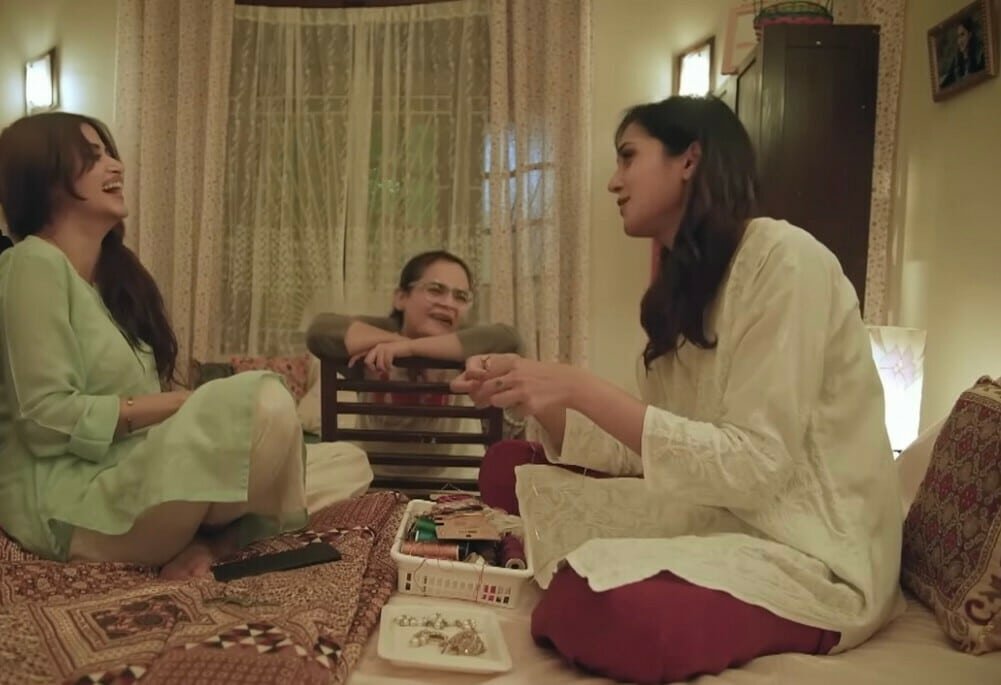
    Written and directed by Asim Abbassi, the drama made waves across Pakistan when it was released in 2020. It is now regarded as a powerful feminist drama that centers around women coming together to take revenge on their abusers. When stay-at-home mother Sara Khan finds out that her husband, Jameel, has been cheating on her with several women, she vows to get back at him. After blackmailing him to send her money, she and a group of close friends open a secret agency, disguised as a boutique, where they help other women who are suffering from abuse or are unhappy in their marriages.

    3 Sar-e-Rah (2022- on going)

    One of the most well-rated dramas currently playing on ARY, it accurately captures how one woman who breaks away the shackles of patriarchy can help other women do the same, regardless of being from different backgrounds. When Rania’s father suffers a heart attack, his family loses their source of income. She decides to step up and follow his footsteps to become a taxi driver. At first, Rania faces immense difficulties because of harassment and backlash from strangers, as well as from family members who keep taunting her with ‘log kya kahenge’, but she refuses to let harsh criticism keep her from becoming the breadwinner. Soon, Rania is able to use her power and knowledge to help other women suffering from the same issues.

    4 Tanhiyaan (1985)

    When it comes to powerful dramas, Tanhaiyaan will always remain part of the discussion for being one of the earliest dramas depicting women living their lives to the fullest, and refusing to obsess about a man’s approval. The legendary Haseena Moin had written powerful, complex female characters and championed social issues in her dramas. The show revolves around two sisters, Zara and Saniya, who are visiting their aunt in Karachi when they find out that their parents have passed away in a car accident. Because of their father’s debts, the sister’s lose their home and have to adjust to their new life in Karachi, while Zara fixates on becoming rich and regaining the house and furniture she had lost.

    5 Raqeeb Se (2021)

    Penned by the powerful Bee Gul, the drama revolves around the issue of domestic violence and women finding solace in each other’s company to escape their abuse. Sakina escapes her abusive husband’s home by arriving at her former lover Maqsood’s home with her daughter, where she meets his wife. Seeking shelter and rejected by Maqsood, it’s his wife, Hania who helps Sakina find ground in their new home.

    6 Kuch Ankahi (2022- on going)

    If you’re reminiscing about the days of PTV dramas that had not held back from addressing social issues, then this drama is the perfect blend of comedy and social awareness. The plot revolves around the three elder sisters and their home in Karachi, where their father is facing pressure from his siblings on the ownership of their home. The eldest sister, Samiya is being pressurized by her mother to marry someone and facing taunts about her age, and her siblings, as well as phupoo, help her find her own voice.

  • Iffat Omar, others slam Pakistan Literature Festival for appointing alleged harasser as panelist

    Celebrity Iffat Omar and other Pakistani feminists have called out Pakistan Literature Festival for appointing Ali Zafar as a panelist for a conversation with actor Yasir Hussain.
    Activist and makeup artist Leena Ghani shared the announcement by Alhamra on her social media page, and revealed that the organization had previously refused to allow Aurat March to use their grounds for an event on the grounds that the march ‘was too controversial and had a negative image’.
    “In 2020 Alhamara declined Aurat March’s request to let them use the Alhamara grounds for their event because Aurat March was “too controversial and had a negative image”. Yet they have no issues when a sexual harasser is invited? Is he not controversial with a negative image?!” she asked.

    “What makes him an expert and what contribution does he have for the youth? He’s neither youthful nor did he ever support the young emerging talent. Even if we keep the harassment aside, there is nothing about him that fits the topic. So many other relevant people to choose from,” Ghani had further written.

    Other women on Twitter have also called out Hussain for sharing a platform with an alleged harasser, when he had previously applauded his wife, Iqra Aziz, for refusing to act in a drama with one.

    Actor and model Iffat Omar also took to Twitter to protest, by revealing that she had been excited to give a talk at the event, however chose to back out when she learned about the alleged harasser’s panel.

    “Pakistan Literature Festival, Lahore, thank you for inviting me as a moderator for a discussion today. I was excited, but then I learned that #PLF made an alleged harasser a part of the event. I cannot share the platform with an Alleged Harasser, so I am boycotting. @ACPKHI#harassment#Boycott.”

    Women have also criticized the event for not including female authors for panels this year. Editor and writer Mehr Husayn criticized the PLF organizers in a Twitter thread, where she shared that there were no recent authors included in the lineup.

    “I cannot help but marvel at the staggering disconnect the old guard has with modern Pakistan. Case in point. Not ONE recent author in this. Do better @ACPKHI I expected @thebankofpunjab to do their research. Where are the new authors?? Fresh female writers??”

    Husain shared a list of female authors who had released books last year, and went on tag the main organizer of the event and called him out for refusing to include the voices of female authors who were new to the publishing industry but were not included in the event.

    @zafar_masud Zafar sahib I request you to consider the above female authors. How can you not have them be part of such a festival when you have members associated with controversy? How can you ignore female roles in furthering publishing when EVERYTHING goes against us?”

  • Women on Twitter roast man who claims feminists destroy marriages

    Women on Twitter roast man who claims feminists destroy marriages

    It seems like hell hath no fury like an incel scorned.
    What scares an alpha male is not soaring prices or climate change or even dictatorships, but a woman asserting her independence and saying she’s a feminist.
    This was demonstrated today when a man on Twitter openly claimed that men should not marry women who are feminists. Because obviously, a woman who refuses to recognize her humanity and independence is what a man-child like Abu Hafsa needs to clean up after him.

    But Muslim women were quick to roast the man in the comments, and remind him that no woman needs to give up herself to cater to the men around her. And definitely women can survive perfectly well without man childs like him.

    https://twitter.com/CM69851/status/1618196382720090118?s=20&t=ibLHURS1mhnVKx0NPGhpbw
    https://twitter.com/truthisrain/status/1618038388602597376?s=20&t=ibLHURS1mhnVKx0NPGhpbw

    To the ladies reading this, please remember:

    Any man threatened by your ambition or independence is not worth thinking twice about. Never worry about catering to a man’s needs when it involves dimming your own light or self worth.