Tag: feminist

  • Misogyny rears its head once more with Mohib Mirza’s sexist comments

    Misogyny rears its head once more with Mohib Mirza’s sexist comments

    What is this, misogyny month?

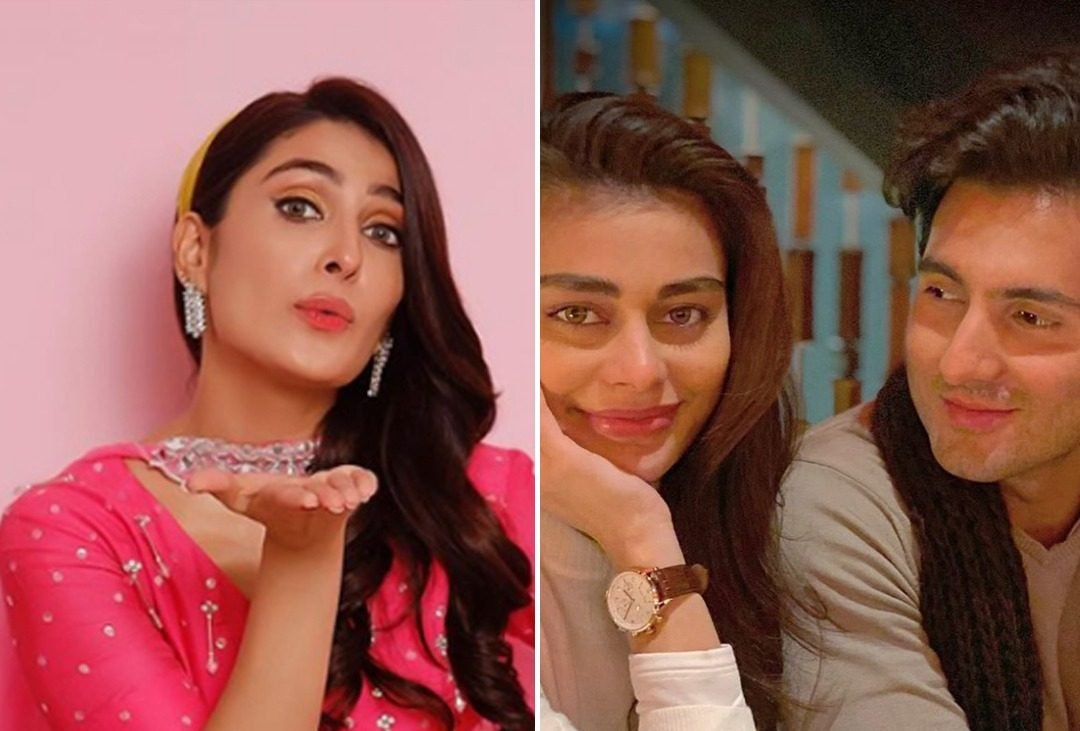
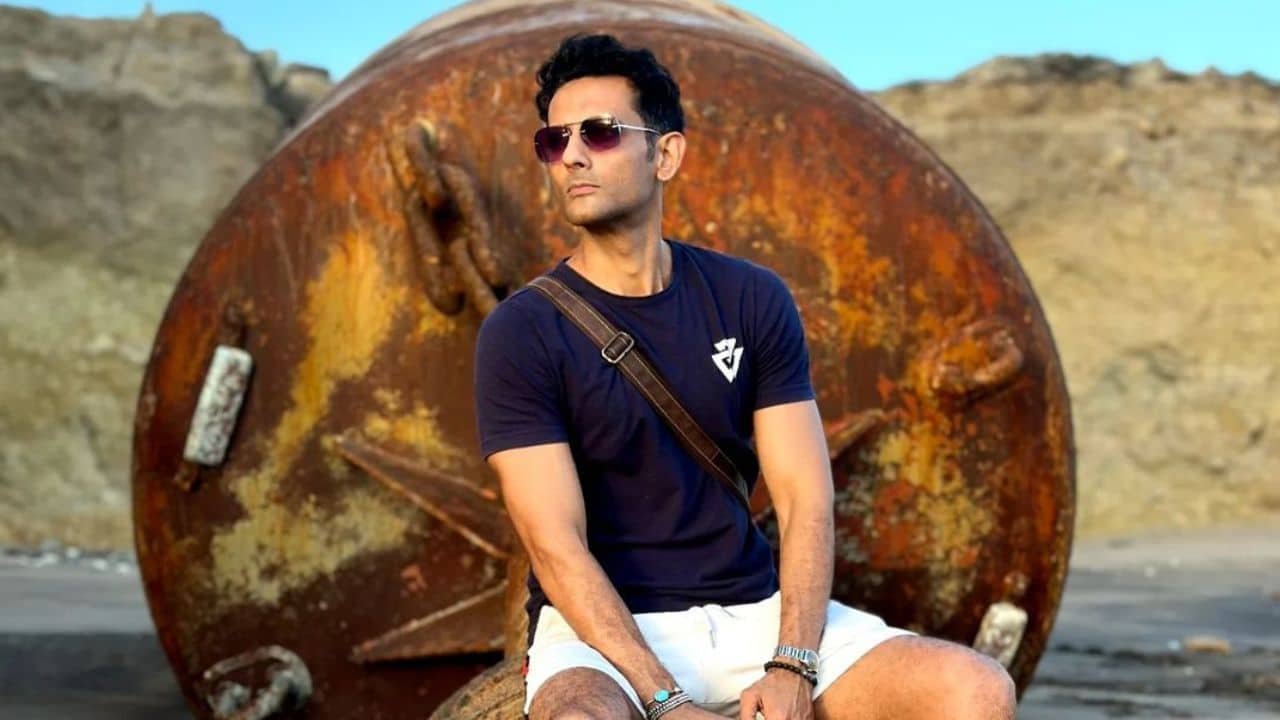
    Another male actor has decided to raise the misogyny flag with a gross comment and this time, its Mohib Mirza. The actor was featured in a podcast for FHM Pakistan where he talked at length about his career and the controversy surrounding the actor’s marriage to Sanam Saeed. Everything was going well, and we were quite proud of how Mohib shut down allegations of cheating against his first wife Amina Sheikh.

    But this was all shot down when Mohib was asked about whether it was him or Sanam who controlled the house.

    To which Mohib responded:

    “If you’re a man you cannot be shareef. No one should remain in this delusion that a man can be innocent. A woman can be innocent but not a man. It can’t be possible because of genetics. The way it was made it’s not possible for that reason. Do you know how many cells you generate in THAT specific area? Billions! You are made like a machine so you are a machine.”

    Where do I even begin with this nonsense. Why do women need to deal with this?

    Sab say pehlay tou Mohib sir, equating manliness with strength and femininity with weakness is a relic of the past. If such a thing were real, then men wouldn’t be throwing around chairs and breaking television sets every time their favourite team lost a cricket match. And women wouldn’t be quietly toiling while suffering intense period pain. Have you ever had a chance, Mr Mohib, to read up on our history? Or even perhaps spoken with the women of this country? Sit down with an ordinary Pakistani woman who is not only working at a job, but also taking care of her children, cleaning her house and then dealing with her in-laws. While men in this country, who were apparently born with superior genes, can’t provide proper financial support for the family. The gender you’re calling weak by associating it with femininity is the one holding families together.

    And also sir, this is not the first time you and Sanam went viral with your sexist comments. Earlier this year, both Mohib and Sanam were guests on Fahad Mustafa’s show. Sanam was asked whether men need to be dealt with like babies, to which she responded: “You need to take care of men like they are children.” The statement reeks of entitlement and ignorance, and as a couple with a lot of power and social status, you need to be mindful of the kind of words you say publicly.

    But you’re lucky Mr Mohib, you’re not the only celebrity who made us want to slam our heads on the wall this week. Javed Sheikh decided it was super cool to publicly announce that he refuses to believe in the slogan ‘Mera Jism Meri Marzi’. He emphasised that a woman is beautiful when she is covered.

    Please tell us when and where did any woman ask you for your opinion? Did Haseena Moin ask you for reference when she cast you in her critically acclaimed drama ‘Ankahi’ where you acted opposite a head-strong, opinionated woman who didn’t need to cover up to demand respect from a man? Exactly, sit down.

    Why are we still addressing this topic? There’s a war in the Middle East. India is making more progressive movies like ‘Rocky and Rani’ centring around consent and holding men accountable for misogyny, and we’re still debating whether femininity makes a woman weak?

    All we will say is these are distractions from real issues, and we are done lecturing men on the basic elements of feminism. Which is why I didn’t bother to go into any details in this piece. Google is free, and at this point celebrities need to realise we can see through their PR attempts. We know what you’re doing when you bring up sexism because it will bring along another month’s easy coverage. Women don’t owe any man an explanation for why they deserve to be respected, and we’re done doing so as well.
  • Fairytale, Tanhaiyaan, Hum Tum: Here are some of our favourite men written by women

    Fairytale, Tanhaiyaan, Hum Tum: Here are some of our favourite men written by women

    If you’re chronically online like us, then you’ve heard the phrase floating around on this internet a lot – “written by a woman”.

    This phrase is used to describe a male character from a book or a drama who is not toxic or misogynistic. He does not pass degrading remarks about women; instead, he is kind and supportive towards them. Which means he was written by a woman.

    There are a lot of beloved characters from our television screens that could fit this description, like the Hot Priest from ‘Fleabag’, Otis from ‘Sex Education’ and King George from ‘Queen Charlotte’. But in Pakistan, can we say that male characters written by women are non-problematic and wholesome?

    There are female screenwriters like Nooran Makhdoom and Umera Ahmed who seem to be in a competition to see who can horrify their audience the most with the most unbearable male character.

    However, very rarely, women screenwriters in Pakistan have written some of our favorite, wholesome and well-rounded male characters who won audiences with charm and attention to female characters.

    Farjaad Bahadur from ‘Fairytale’

    Farjaad starts off as a warning flag in ‘Fairytale’ as a grumpy businessman who is dismissive of people unimportant to him, sticks to a strict routine. That means when he and Umeed meet, he comes of as a jerk who dismisses her as ‘spoilt’ and not capable of meeting his standards. However, when he starts falling in love with Umeed, we come to see how much Farjaad is a green flag because of the way he immediately reforms to help empower and never wants to tame or control her. Mr I-can’t-come-to-my-own-birthday-because-I’m-working to following the love of his life around and giving her flowers. He drives to a police station in the middle of the night because Umeed is stuck there, then successfully gets her out of there without complaining? Settles arguments without gaslighting or demeaning Umeed, but instead takes her on a chai date?

    Who were we before Sarah Majeed introduced this absolutely wholesome character in our lives? We’re glad we don’t know either.

    2 Zain from ‘Tanhaiyaan’

    No one can talk about the phrase ‘written by a woman’ without mentioning the beloved writer Haseena Moin, who set high standards for men with her beloved dramas like ‘Tanhaiyaan’ and ‘Ankahi’. A key token of her dramas were the strong, empowered women who took destiny in their own hands, refused to sit around and wail to be saved, and the men in their lives respected their power rather than shunning them. Zain from ‘Tanhaiyaan’ was a beloved male character because he respected Zara’s ambition, was caring and considerate to her sister Suniya, and chose not to impose his love on her but respectfully walk away until she was ready to love him back.

    3 Maahir from ‘Doobara’

    There is a settled notion within Pakistani dramas that a romance must take place between some balding dude who is a self-declared bad boy and some sheltered, naive girl who is barely in her twenties, who must shift between being a full-time therapist, punch bag and mommy to her lover. But rarely do we see this toxic trope switched and audiences are given a beautiful love story like Mehrunnisa and Mahir’s in ‘Dobara’.

    Although he is younger than her, Maahir works hard to prove that despite the setback he receives from Mehrunnisa’s family, he is worthy to be her husband. He works hard to get a job, empowers Mehru to start taking life in her own hands and do the things she was always restricted from doing, never standing in the way of her dreams. Kudos to Sarwat Nazir for giving us this absolute gem of a character

    4 Adam from ‘Hum Tum’

    Saima Akram Chaudhry already won hearts with ‘Suno Chanda’, but we feel that it was ‘Hum Tum’ that was one of her best works and also her most feminist drama because of how it introduced us to empowered female characters, and men who are more ‘female-centric’. We have women who have impressive careers like working in psychology, chemistry and computer science, but it is the men like Adam (played by Ahad Raza Mir) who take care of the chores around the house, is attentive and kind to his little sister and his elder brother Sarmad is a successful chef, a trait mostly associated with women.

  • Hurried ‘Fairy Tale’ finale misses opportunity for feminist ending

    HUM’s drama ‘Fairy Tale’ cemented itself as a household name with a hilarious storyline, stellar performances by actors and a compelling love story. The series had audiences, especially young women, applauding the growing change in how drama’s are abandoning sexist tropes to make empowering stories where for once, the women are smart and men aren’t chauvinists.

    For a lot of women, ‘Fairy Tale’ provided relief that somewhere, some one was listening to them about what they wanted: a feminist rom-com where the male lead respected, cherished and catered to the woman he loves. Farjaad (played by the talented Hamza Sohail) was described by many as a benchmark in how women wanted men in dramas to be: supportive, caring and completely the anti-thesis of what typical male leads in Pakistani dramas are like. In some of the viral clips from the drama that were garnering applaud on social media, Farjaad was considerate of Umeed’s independence, empowering her and stepping up to help her rather than shoving her inside the four walls.

    Which is why discussing the finale is important because rather than following through with the expectations and ending with a bang, with Umeed finally accomplishing her dream by opening a chai cafe and being married to Farjaad, it took a U-turn.

    The drama followed Umeed’s desire to break her father’s restrictions, a feat she manages to accomplish by participating in a game show through which she wins Rs2 crore and becomes the breadwinner of the family. Through Umeed, a lot of Pakistani women found catharsis because finally, a female lead who is financially independent? One, who empowers the women in her life, and doesn’t think twice before schooling a man who tries to lecture her? Is passionate about making her own path and establishing her own business, when currently one of the leading dramas in Pakistan involves slaps and suicide attempts *cough cough Tere Bin*? Umeed was an anomaly, reminiscent of the kind of characters who led the dramas of the 90’s when Haseena Moin was alive, and she was quick to win the audiences over.

    However, these accomplishments were for naught when by the finale, Umeed decides immediately that she isn’t interested in making more money, and gives a speech about how she would rather become an obedient daughter and get married to Farjaad. Like, why bother taking us all for a ride? Why would you explore 30 episodes about a young woman discussing business initiatives, ending with her choosing to give up all of it, and settle to marry?

    Through Farjaad especially, it was rare to see a man in a Pakistani drama own up to his actions, and empower the women in his life (READ: extremely rare), but that finale was a double-take for many audience members because in the first part he threatens to break up with Umeed if she chooses to go on and participate in the game show, something that was unexpected from a guy who told his love interest that he would keep supporting her. Then, when Umeed arrives at his office to apologise to him (why?) he taunts her for being in love with AK (played by Ali Safina). Even though he does apologise for this as well and admits that he isn’t perfect, shouldn’t the finale have ended with Farjaad owning up to his promises by helping Umeed setting up her business?

    These lose threads dangling from the plot will keep fans of the drama anxious about whether asking for a feminist rom-com was too good to be true, or maybe since Season 2 has been announced, some hope is left.

    But had the show kept true to its promise and given women what they wanted, a drama about a woman rejecting patriarchal norms and her father’s strictness to make her own dreams come true, it would have been much nicer.

  • ‘Domestic violence is not a personal issue’: Social media slams Ushna Shah for justifying support for Feroze Khan

    Actor Ushna Shah has been in hot waters in the past few days after she shared a picture of herself with controversial actor Feroze Khan at a gym on Instagram. She quoted a hadith that called for Ramzan to be a month of mercy and forgiveness. In her next post, she recalled the death of controversial televangelist Amir Liaqat, and asked her followers not to pass quick judgement that could lead to people committing irreversible acts.

    Feroze Khan has been accused of domestic violence and neglect by his former wife Aliza Sultan. The two divorced in 2022, after multiple celebrities including Oscar winning filmmaker Sharmeen Obaid-Chinoy, and actor Sarwat Gilani rallied behind her.

    In November, Feroze Khan was criticized for leaking the personal phone numbers and home addresses of ten celebrities -including Mira Sethi, Osman Khalid Butt and Yasir Hussain- who had declared that they would take action by suing Khan for emotional and mental trauma.

    On Saturday, Shah once more defended her stance by sharing a detailed statement on Twitter, where she called herself a “human sympathizer” rather than an “abuser sympathizer”.

    Shah went on to reveal that as someone who became the target of unfair bullying, like the backlash to her Indian lehnga that Shah wore on her Mehndi, she didn’t think that social media users should abuse a person and their families for something they “allegedly did”.

    “The backlash at my choice to wear the supposed ‘Indian style lehnga’ and dance at my own wedding, was prime example. So when hundreds and thousands of people abuse a person for whatever they allegedly did and abuse their families relentlessly, day and night, non-stop, I know what that can do and it isn’t fair punishment.”

    https://twitter.com/ushnashah/status/1644702178458710017?s=20

    Shah’s statement has received extensive backlash on social media for refusing to recognize how problematic her stance to support Khan is, and for being an abuse apologist.

    One Twitter user wrote:

    “Sympathizing with a human who is an alleged abuser/involved in domestic violence is basically being an abuser apologist. “even if the alleged criminal was found guilty” so u r telling me that a guilty criminal shouldnt have to face the consequences. also what even’s w the lehnaga.”

    “Pakistani celebrities are hypocrites,” another user wrote.

    https://twitter.com/peesho444/status/1644992794442993665?s=20

    “Why is it always ”let’s forgive abuser Muslim m3n because it’s Ramzan”, that man has literally brutalized his wife, you are not only a domestic violence apologist but a traitor to your own women class, using your privilege to disregard the voices of numerous DV women victims,” another user wrote.

    https://twitter.com/auratsoch/status/1644970742549819393?s=20
  • Irresponsible celebrity remarks should be held accountable

    Irresponsible celebrity remarks should be held accountable

    Our celebrities have a large fan following and their words have an impact. When they use their celebrity status and clout to spout inanities, it is important to call them out. Recently, a clip of an interview of celebrity couple Shahroz Sabzwari and Sadaf Kanwal went viral where Sadaf made some problematic comments. “Our culture is our husband. I married him, which means I have to pick up his shoes and iron his clothes. I know where all of Shahroz’s things are and what and when he has to eat. I need to know these things because I am his wife and I am a woman. He doesn’t have to know the same about me.”

    First of all, a woman’s life does not have to revolve around her marriage and her husband. She has her own agency, her own life. Secondly, what kind of marriage is Ms Kanwal propagating where a woman is the one doing everything for the husband while the husband does not need to know anything about his wife’s likes or dislikes and does not have to do anything for her? Marriage is about an equal partnership, marriage is about giving and take, marriage is about sharing responsibilities, marriage is about companionship, marriage is about compatibility. Marriage is not some one-sided relationship where the woman has to keep making compromises or do everything in accordance with her husband’s whims and fancies.

    In a patriarchal society, a lot of women are told these things because women are only seen as mere objects instead of equal human beings. We are living in the 21st century now; we should really be challenging such archaic notions every second, every minute, every hour of our lives. Ms Kanwal also said that feminism has become a part of our lives now because liberals have ‘increased’ in society. We think that Ms Kanwal does not know the meaning of feminism. A feminist asks for equal rights for women, equal opportunities, an end to the oppression of women, an end to violence against women, and much more.

    Also, why are words like ‘feminists’ and ‘liberals’ used in a negative and derogatory way? Just because they call a spade a spade? Our celebrities really need to educate themselves on these issues. Ms Kanwal has a budding career as a model, she has financial independence too and yet she is dishing out such irresponsible comments, not even thinking about countless women in this country who are stuck in bad marriages because they were told to do what all she is propagating.

    As if Ms Kanwal’s comments were not enough, this week we saw a clip from the drama serial Laapata starring Ayeza Khan in which the issue of sexual harassment was shown as some sort of a blackmailing tool. Sexual harassment and sexual violence are serious issues and most of the underreported ones as well.

    When drama serials start trivialising harassment and project it as some sort of tool used by women to falsely accuse men and/or to blackmail men, it is a disservice to those countless women who are the victims and survivors of this crime. It is a shame that in this day and age, we have to explain these things to TV networks or writers or actors. Let’s hope better sense prevails in the entertainment industry regarding such sensitive and highly important issues.

  • Non-farter, non-burper, Indian rishta hunt advertisement goes viral for its absurd demands

    Non-farter, non-burper, Indian rishta hunt advertisement goes viral for its absurd demands

    An Indian rishta advertisement has gone viral for its absurd demands. The ad was posted by an “opinionated feminist” and has left several people in fits of laughter.

    According to BBC, many speculated about the identity of those behind the ad and whether it was “authentic”.

    It turns out that it was a prank between a brother, a sister, and her best friend. Using the e-mail address posted on the ad, the “opinionated feminist” — Sakshi — and her brother Srijan and her best friend Damyanti, are the ones who came up with the idea.

    All the names are pseudonyms — they didn’t want their identities revealed. Sakshi said, “We are all professionals with steady careers, and (hopefully) promising lives ahead of us” and don’t want to attract “bloodthirsty” social media trolls.

    The ad, Srijan said, was “a small prank we played for Sakshi’s 30th birthday”.

    “Turning 30 is a milestone, especially because of all the conversation in our society around marriage. As you turn 30, your family and society start putting pressure on you to get married and settle down,” he said.

    Sakshi said she does have short hair and piercings, works in the social sector, is opinionated, and that the burper-farter thing is a family joke.The ad appeared in a dozen northern Indian cities and cost about 13,000 Indian rupees ($175; £126) – “an amount we would have spent on presents and celebrations if there was no Covid lockdown,” Srijan said.Sakshi said she does have short hair and piercings, works in the social sector, is opinionated, and that the burper-farter thing is a family joke.

    Sakshi said the ad “seemed to have hurt a lot of egos”.

    “You can’t say such things out loud. Men ask for tall, slim beautiful brides all the time, they brag about their wealth, but when the tables are turned, they can’t stomach it. How could a woman set such criteria?”

    The ad, she added, “was a satirical statement on this narrative and I assume that the people getting triggered are the same as those who put out these kinds of ‘slim, fair, beautiful bride wanted’ type of ads in the first place”.

    And for those “triggered by obvious satire”, she had a question: “Do you send such triggered emails to all the sexist, casteist ‘bride wanted’ adverts that appear in the papers everyday? If not, then you need to curb your patriarchy.”