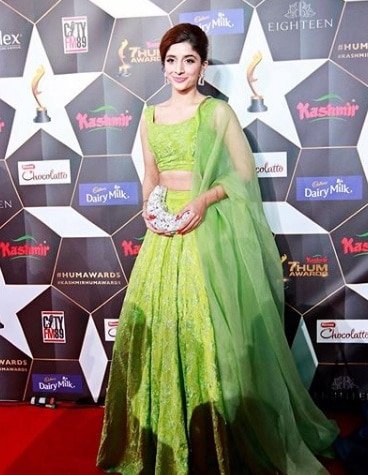
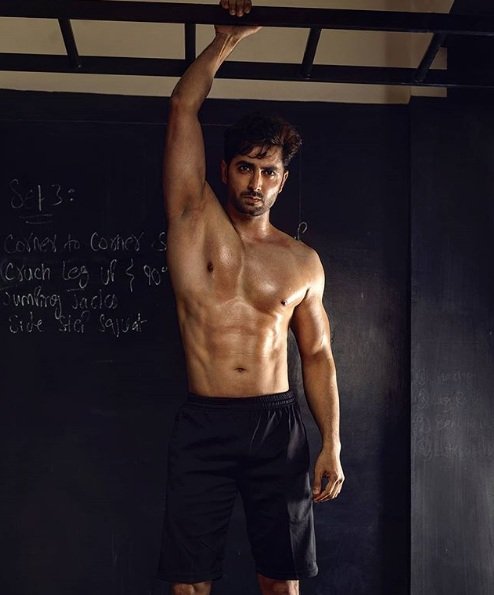
While scrolling through Instagram, we often wonder how celebrities look good in every single picture they post on social media. There is no denying that they have personal stylists, makeup artists, and hairstylists to help them look good, but they also know how to pose to get their best pictures.
This year, The Current has listed a few tips and tricks you can follow to get some gorgeous Instagrammable photographs in your Eid jora and tyaari.
Stand in the centre
If you are posing for a picture in front of a wall or building, try balancing equal spaces on both sides. It will make your picture aesthetically pleasing.
Follow the rule of third
The rule of third is not that technical as it sounds. It means you divide your image into the third both horizontally and vertically, and place your subject where the lines intersect.
Smile
Happy pictures are the best. Smiling for the camera will naturally make you look better on the camera and brighten up your image.
Use Natural Night
You do not need artificial lighting to get the best photos, go out in the sun and take pictures in natural light. The sun adds richness and warmth. If you don’t want to step out in this hot weather, use a window to your advantage and take a picture there.
Don’t use too many filters
Last but not least, don’t use too many filters as they can make your pictures look artificial and distort your features. Keep pictures as natural as possible.
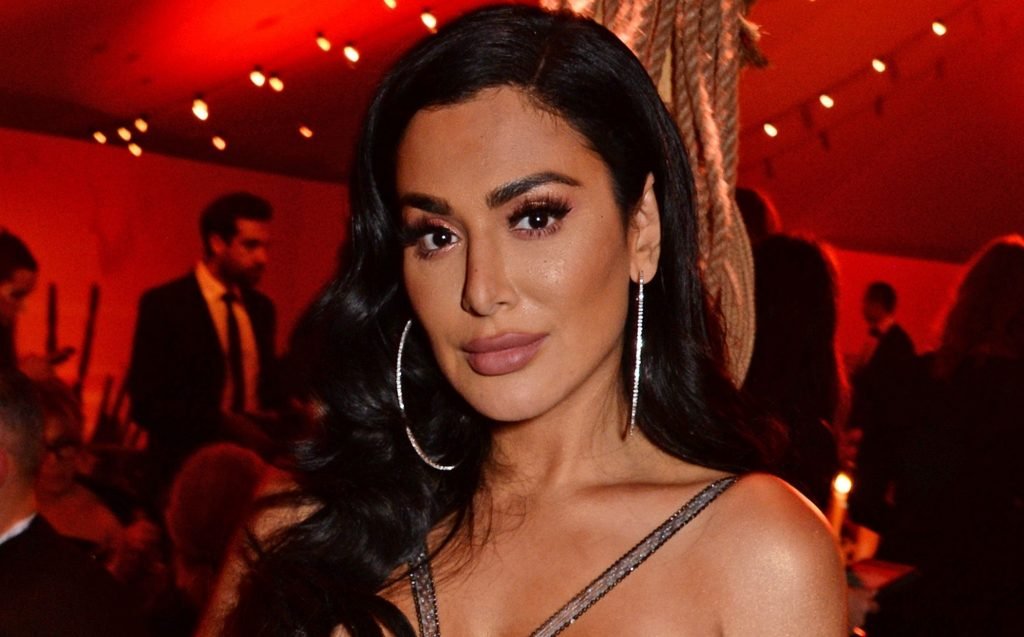
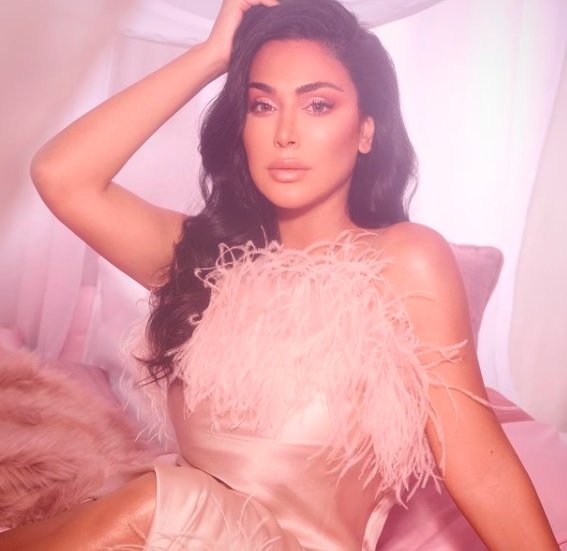
Billionaire make-up mogul Huda Kattan has said that she has “had enough” of filters and photo editing, as they have warped modern beauty standards into something “unrealistic”.
Kattan – popularly referred to as Huda Beauty – is calling for greater transparency when photos have been manipulated through editing and filters.
The 37-year-old make-up blogger wants the public, influencers and beauty brands to highlight when pictures have been enhanced – through a hashtag or disclaimer that makes it clear when a photo has been digitally altered, saying that without this people are being sold “lies”, which can have the detrimental effect of damaging their self-confidence and self-esteem.
According to a survey by Girlguiding, more than a third of girls and young women refuse to post pictures of themselves unless they’ve changed aspects of their appearance – typically with editing and filters.
Speaking to Sky News, Huda said: “I look at my daughter – she’s nine – she thinks it’s normal to use filters and I don’t like that. Is she going to grow up in a world where people are honest? Could that possibly happen? Is that too much to ask?”
“I’ve had enough,” added the makeup mogul. “When are we going to start being real? If I was scrolling through social media and I saw [a disclaimer], I would feel better about myself… because I would know there were experts involved to make this photo/person look the best they can.”
Huda clarified that she does not have a problem with the use of filters, saying that they are problematic only when you fail to “recognise the person”.
She says that is when they create “unrealistic, unhealthy standards” that need to be challenged.
Kattan further said that she has personally committed to not using any filters on her skincare social media account.
A household name in the world of makeup, Huda started her cosmetics line Huda Beauty in 2013. As her online presence grew, so did her company – which Forbes valued at over $1bn (£800m) in 2018.
The make-up artist and entrepreneur left the finance world for make-up eight years ago because she felt “ugly”. Transforming her face, she says, was her way of fitting in. But in the ’90s – this was through make-up, not technology.
“When I first got into make-up, I felt ugly. It was a tool that made me feel complete, worthy,” said Huda. “I felt there was something lacking in me that lacked beauty… and if I put concealer on, foundation, changed my brows, put tonnes of mascara on that somehow I would look and feel better… but I was wearing a mask.”
Fast forwards a few years and the rise of filters on apps like FaceTune, Snapchat and Instagram have radically changed the game. Now, within the press of a button, users can take pictures that create the effect of physical make-up. This form of augmented reality allows users to radically change the appearance of their face – with typical options allowing users to achieve a contoured face, tanned and flawless skin, plumper lips, voluminous eyelashes and brightly coloured eyes.
“Airbrushing, Photoshop and filters have morphed beauty standards into something that is so unrealistic,” said the makeup artist, adding: “[These levels of] beauty are never really attainable. You will always need to use something else – that’s the danger.
Acknowledging her role in the problem, Huda said: “Some people say I’m part of the problem – fair. There was a time I had too much Botox, too much fillers… I am a part of a big problem, and I admit that. I’m also stuck in this revolving door, stuck in this never-ending game.”
Kattan said that she now wants to be part of the solution – and claims she is speaking out as it is time to “break that habit” of overthinking how we look in pictures.
She wants all people – men and women alike – to move towards the “powerful” place of “self-acceptance”.
She admits it is a “long journey” – but one she will keep fighting.
“I’m in contact with a lot of founders (of beauty brands) and have asked them to join me… and I haven’t got any response from them,” said Huda. “I’m hoping to put more pressure on them. I haven’t got a response just yet.”
“I don’t know what everyone is so afraid of,” added the makeup artist.
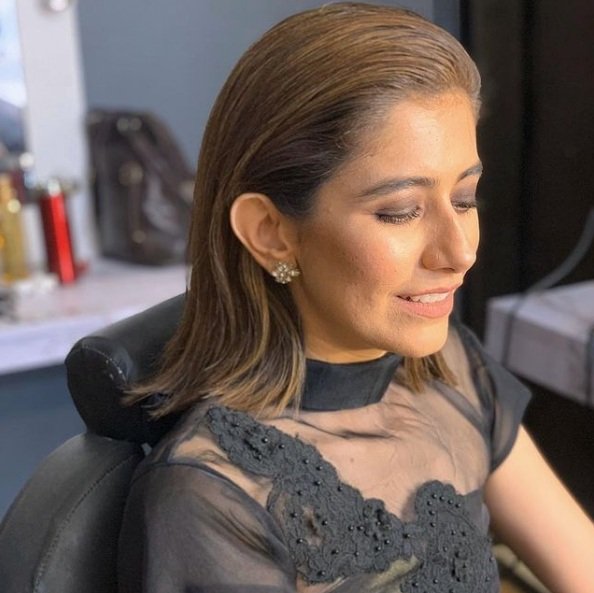
Syra Yousuf has responded and hit back at those who posted negative comments about her skin after her sister Palwasha Yousuf, a stylist, posted an unfiltered picture of the actor on social media. While many, especially women, lauded Syra for embracing her skin and putting down unrealistic beauty standards, others mocked her skin for being textured and not smooth.
Responding to the backlash on social media over her skin, Syra posted a natural selfie of herself, writing: “I really like my skin.” She also used the hashtag “No Filter” to further get her point across.
In a similar incident, Dubai-based beauty influencer Huda Kattan also opened up and discussed how edits make a person appear perfect, setting unrealistic beauty standards for the rest.
Meanwhile, earlier in 2019, Hania Aamir in a social media post had opened up about her struggle with acne and talked about unrealistic beauty standards.
Instagram is removing all filters that represent or promote cosmetic surgery. It believes these filters are harmful to people’s mental health.
These filters include ones that make your lips bigger, contour your face or make your wrinkles or fine lines disappear. The company says the ban is being applied to promote wellbeing.
A spokesperson for Instagram said “We’re re-evaluating our policies—we want our filters to be a positive experience for people. While we’re reevaluating our policies, we will remove all effects from the gallery associated with plastic surgery, stop further approval of new effects like this and remove current effects if they’re reported to us.”
The move comes after an update to the app that allowed users to create their virtual effects that can be superimposed on images and videos. Some popular filters copied the effects of cosmetic surgery.