Zainab*, 25, has been working as a domestic servant for as long as she can remember. Her father died when she was young and her mother remarried, leaving Zainab and her sister at the mercy of extended family. Every month, she would send her salary back home for safekeeping but when she would ask for it back, it would always be less than what she had handed over. Once she even bought a buffalo with her savings, thinking it would be a safe way to invest her income, but she ended up losing money when she sold the animal. When her current employer suggested she open a bank account to keep her earnings safe, Zainab was intrigued. After jumping through many bureaucratic hoops, she finally managed to open her account. Using her savings, she has built a small house for herself and her sister.
Unfortunately, Zainab’s story is a unique one in Pakistan. As per the latest Karandaaz Financial Inclusion Survey, only 13 per cent of women in Pakistan have an account with a traditional bank or a mobile money company. In comparison, 47 per cent of men are financially included.
To open an account with a traditional bank, you have to provide documentation that proves you have a source of income. If you are financially dependent on someone else, then you must provide their documentation instead. This requirement exists regardless of gender but in a country where 75 per cent of women are out of the workforce, we can infer that it puts women at a disadvantage and makes banking less accessible for them.
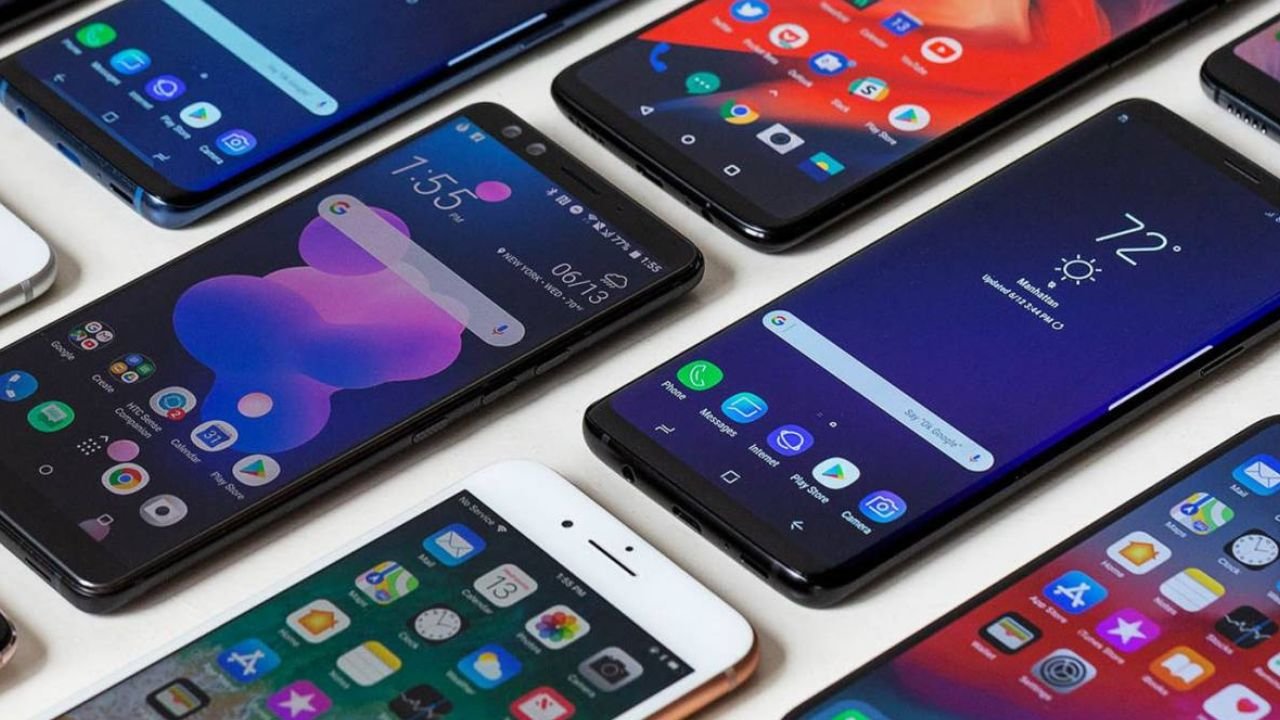
Contrastingly, mobile money banking is much more accessible. If you have a mobile phone and an ID card, you can easily open your account. But women’s mobile ownership is also low. In its survey, Karandaaz found that only 38 per cent of women own a mobile phone, compared to 83 per cent of men. In the same survey, they found that 43 per cent of women without access to a phone said that they do not have permission from their spouse or family to own or use one.
Sabahat Bokhari is the head of diversity and inclusion at Jazz, one of Pakistan’s largest mobile network providers. Jazz also owns JazzCash, which is a leading mobile money banking service in Pakistan and counts women as 29 per cent of its users.
Bokhari cites the matter of permissions as a major roadblock to meeting their internal inclusion targets. “‘We don’t allow women to have their own sims, we don’t allow women to have phones’ is what we hear on our visits to rural areas,” she said.
This suggests that the reason for the gender gap in financial and digital inclusion is not just accessibility, but also the deeply unequal power dynamics inside Pakistani homes.
“One thing that we miss from these conversations — be it digital inclusion, be it financial inclusion, or just generally any kind of gendered inclusion in public spaces — is the fact that Pakistan is a supremely patriarchal country, where most of the women in the country depend on men in the household to ‘allow’ them to have access,” Hija Kamran, a digital rights advocate, said.
Kamran argues that most women in Pakistan are actually eager to be a part of the digital and financial ecosystems. However, they are not allowed to do so by the men in their households. So when someone from, for example Jazz, visits and offers them a SIM card, they have to refuse for the sake of their own safety.
This issue of male permissions is pervasive. Non-profits that are working to close the gender gap in financial and digital inclusion confirm that they also face these challenges.
Circle is a non-profit organisation that has trained more than 7000 low-income Pakistani women in digital and financial literacy this year. During these trainings, women learn how to monetise their existing skills, how to start businesses through social media and how to use digital banking.
Currently, 1500 of their trainees’ businesses are active but many other trainees lack the motivation to start or continue businesses. Laiba Saleem, a community building coordinator at Circle, says this is often a result of family restrictions, including men of the house “not allowing” women to work or be online.
“One woman who was enrolled in our training didn’t come the next day because her father beat her and interrogated her about why she was trying to learn how to use a phone,” Saleem said. “Another one had set up her business as a henna artist on Instagram but as soon as her brother found out, he forced her to take down her account.”
The World Economic Forum’s Global Gender Gap Report 2023 ranked Pakistan as 142nd out of 146 countries in terms of gender parity, with economic participation getting a particularly low score. Despite governments, corporations and non-profits making efforts to include women financially and digitally, gendered power dynamics in Pakistan appear stubborn and slow to change.
Fiza Farhan is a global development advisor and serves on the United Nations’ high level panel on women’s economic empowerment. In 2018, she worked with the Australian High Commission in Pakistan to launch “Male Champions of Change,” a coalition of male CEOs working on gender parity in their companies.
“Since decades, its always been women working on women empowerment issues in rooms full of women — whereas 98 per cent of your leadership is men,” she said. “Without involving the male leaders, who have made the system, how are you even trying to change the system?”
Farhan argues that by bringing influential men on board, including community leaders and mosque imams, significant progress can be made. These influential people will be able to make the business case for women’s inclusion to ordinary men.
Hija Kamran agrees that involving community leaders has been an effective strategy for reshaping societal beliefs.
“That has been sort of efficient, in the sense that men have listened to it,” she said. “Because somebody who they trust is talking to them rather than someone who is outside the community and is coming in and telling them how to deal with their own issues.”
However, she is vocal about the limitations of such interventions. Men may understand the economic benefits to the household of “allowing” women to work, but that doesn’t mean they will permit women to have other freedoms, like opening a bank account or buying a phone.
“Who is being helped at the end of the day? When women go into the labour force, they are doing the labour, they are putting in the work but who’s getting the fruit,” Kamran asked. “What will happen is that at the end of the month, when the salary comes in, somebody else will be enjoying the independence that comes with women’s labour.”
Zainab’s story is a practical example of these concerns. She worked hard for her salary but it wasn’t only hers at the end of the month — until she opened a bank account. When she used her savings to build a small house for herself, she was mocked for wasting money. Her relatives questioned why she wasn’t saving it for her dowry instead. What was the point of building your own house when you will inevitably get married off and have to move in to your husband’s house, they asked.
But perhaps the house she built, and the fragile protection it provides to her from patriarchy, is the only reason Zainab has some semblance of independence, unlike most women in Pakistan.
*Name has been changed to protect identity.