Tag: finance bill

  • Govt increases excise duty on registration of cars over 2000cc

    Govt increases excise duty on registration of cars over 2000cc

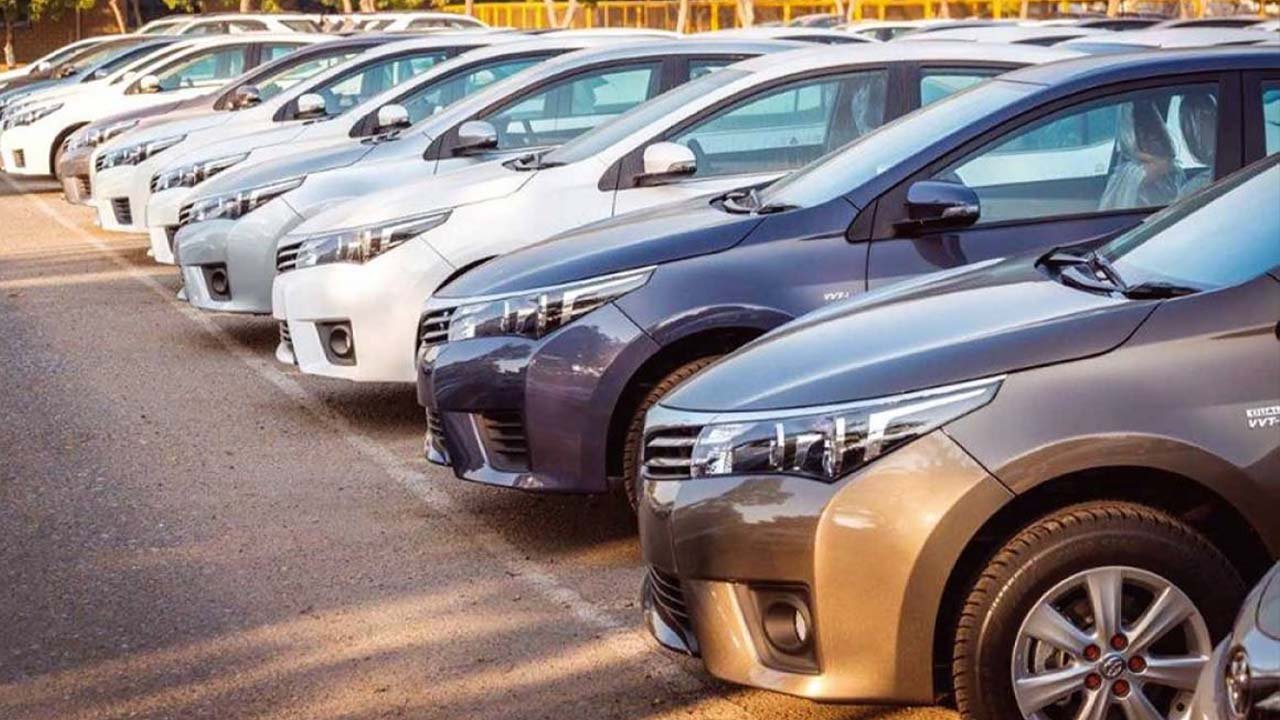
    The federal government has implemented a considerable increase in excise duty on vehicle registration for vehicles with engine capacities exceeding 2000cc in the Finance Bill for the fiscal year 2023-2024.

    Under the new regulations, a fixed tax rate of six per cent has been imposed on vehicles ranging from 2001cc to 2500cc. Individuals who file their taxes will be subject to a tax payment of Rs0.25 million for vehicles falling within this range.

    For vehicles with engine capacities between 2501cc and 3000cc, the government has introduced an eight per cent fixed tax rate. Previously, filers were required to pay Rs0.2 million, while non-filers were subjected to a higher tax amount of Rs 0.4 million. Furthermore, a substantial ten per cent fixed tax has been imposed on the registration of vehicles with a capacity of 3000cc.

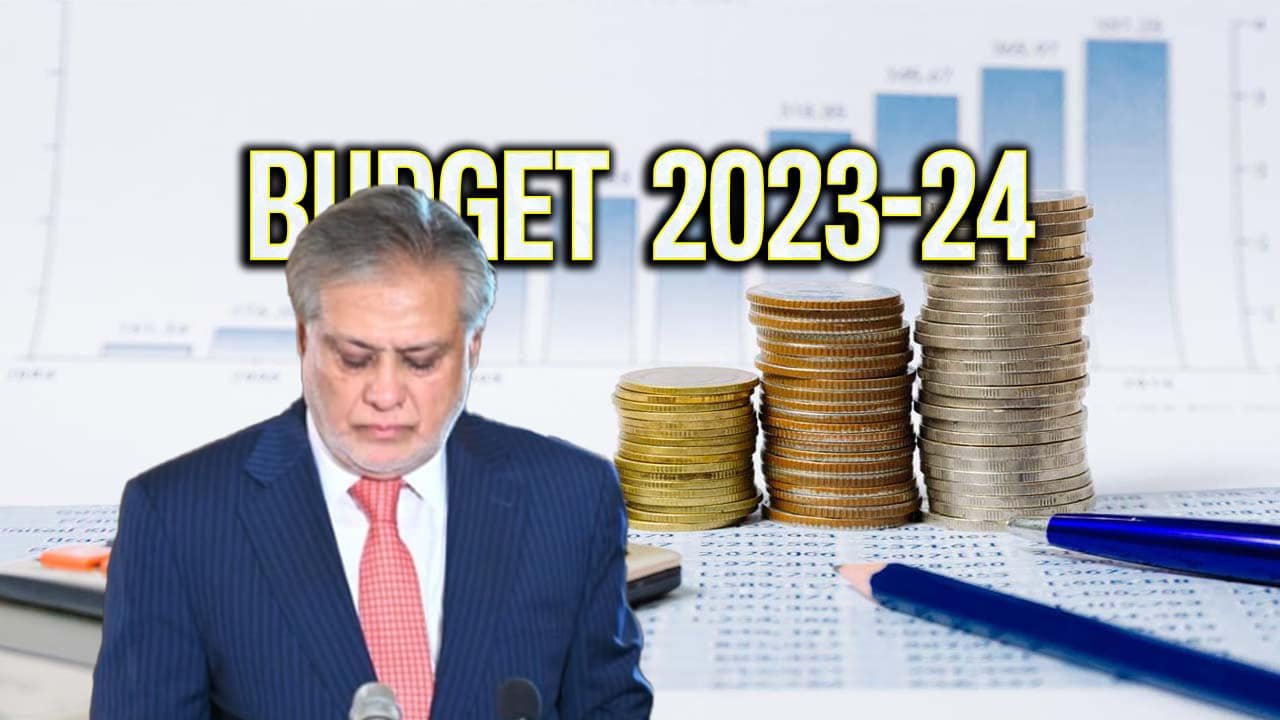
    The National Assembly has already approved the Finance Bill for the upcoming fiscal year, incorporating vital budgetary proposals. Finance Minister Ishaq Dar presented the bill to the House, outlining a total outlay of Rs14,480 billion.

    The passage of the federal budget in the House was a crucial step taken to address the concerns of the International Monetary Fund (IMF) and secure the revival of a suspended loan program. In light of these developments, revisions were made to the tax collection target, raising it from Rs9,200 billion to Rs9,415 billion.

    To accommodate increased pension payments, an allocation of Rs801 billion has been designated, reflecting a significant rise from the previously allocated amount of Rs761 billion. These measures demonstrate the government’s commitment to addressing pressing fiscal matters and ensuring financial stability.

  • Ishaq Dar to present Rs14.7 trillion budget for FY2023-24 today

    Ishaq Dar to present Rs14.7 trillion budget for FY2023-24 today

    Finance Minister Ishaq Dar is set to reveal the federal budget for the fiscal year 2023-24 today, with a proposed outlay of Rs14.7 trillion. The budget carries a higher consolidated budget deficit, exceeding 6 per cent of the GDP, and includes allocations for various targeted schemes aimed at attracting voters in the upcoming general elections.

    The government has established targets for tax collection by the Federal Board of Revenue (FBR) at Rs9.2 trillion, along with a non-tax revenue target of Rs2.7 trillion. To achieve the non-tax revenue target, the government plans to amend the finance bill, raising the petroleum development levy (PDL) from Rs50 per litre to Rs55-60 per litre. This adjustment aims to collect Rs870 billion in the next budget, as opposed to the revised estimate of Rs550 billion for the outgoing fiscal year.

    The credibility of the budgetary figures remains a concern as they are subject to change throughout the financial year. If a new government assumes power after the general elections, it will likely need to introduce a mini-budget to align economic realities with the International Monetary Fund (IMF) and secure a fresh bailout package.

    The government’s ability to satisfy the IMF on the revival of the stalled programme is yet to be seen. The continuing stalemate may endanger the diminishing foreign exchange reserves, with the State Bank of Pakistan’s reserves falling below $3.9 billion.

    Without establishing a comprehensive budgetary framework with the IMF, signing the staff-level agreement will be impossible. Fulfilling three conditions becomes crucial: securing external financing of $6 billion, presenting the next budget in accordance with IMF guidelines, and ensuring a market-based exchange rate.

    The IMF programme is scheduled to conclude on June 30, making any further extension unlikely, as stated by the finance minister during the launch of the Economic Survey for 2022-23. The need for a realistic budget for the next financial year is evident due to the lack of credibility surrounding the budgetary figures, which frequently undergo changes.

    The tenure of the Pakistan Democratic Movement (PDM)-led government is set to expire on August 12. However, the government has approved an allocation of Rs90 billion for the implementation of the SDGs Achievement Programme (SAP) in the next budget, compared to the revised allocation of Rs116 billion for the current financial year.

    Ensuring external debt servicing, which requires $25 billion, is the primary priority of the government in the next budget. How the government plans to generate such a substantial amount, considering it obtained just under $8.1 billion in the first ten months of the current fiscal year out of the total budgeted figure of $22.8 billion for external loans and grants, remains to be seen.

    The fiscal constraints present significant challenges, as the total net revenue receipts of the federal government are insufficient to meet debt servicing requirements. After transferring resources to provinces and accounting for non-tax revenue, the total net receipts of the federal government are expected to amount to Rs6.5 trillion.

    Meanwhile, total debt servicing will consume Rs7.5 trillion, resulting in a deficit of Rs1,000 billion for the federal government. Therefore, other expenditure categories, such as defense, salaries, pensions, civil government operations, subsidies, and grants to public sector enterprises, will have to be funded through borrowing.

    During the survey launch, the finance minister pledged the government’s commitment to increase salaries, pensions, and minimum wages for workers in the FY24 budget. To finance the substantial budget deficit in the next financial year, Pakistan will need to acquire domestic and foreign loans amounting to Rs7,000 to Rs7,500 billion.

    The challenges ahead do not have easy solutions, and addressing them will require profound structural reforms to navigate the economy out of its crisis mode.
  • Pakistani rupee’s three-day winning streak ends due to delayed IMF deal

    Pakistani rupee’s three-day winning streak ends due to delayed IMF deal

    The value of the Pakistani rupee (PKR) decreased 0.45 per cent against the US dollar following a three-day period of gains due to prolonged delays in critical funding from the International Monetary Fund (IMF).

    During the interbank session held today, the PKR depreciated by Rs1.3 to settle at Rs279.12 per USD, compared to yesterday’s closing of Rs277.87 against USD.

    Throughout the session, the local unit traded within a range of Rs1.75, reaching a high bid of Rs278.75 and a low offer of Rs277.5. In the open market, the PKR was traded at Rs277/Rs280.5 versus USD.

    On the other hand, the local unit gained Rs5.1 against the Pound Sterling, with the day’s closing quote at Rs329.98 versus GBP, while the previous session closed at Rs335.11 per GBP.

    Furthermore, the PKR’s value also strengthened by Rs2.9 against the EUR, which closed at Rs294.19 at the interbank today.

  • National Assembly passes mini-budget to meet IMF targets

    National Assembly passes mini-budget to meet IMF targets

    The National Assembly of Pakistan passed the Finance (Supplementary) Bill, 2023, aimed at amending certain laws relating to taxes and duties. The bill is intended to generate an additional Rs170 billion within the next four and a half months, to fulfill the last prior actions agreed upon with the International Monetary Fund (IMF).

    Pakistan’s reserves have fallen to a critically low level of $2.9 billion, which experts believe is sufficient for only 16 to 17 days of imports. The completion of the ninth review of a $7 billion loan programme with the IMF would lead to a disbursement of $1.2 billion, as well as unlock inflows from friendly countries.

    The Finance Minister, Ishaq Dar, introduced the bill to the National Assembly on February 15, and the formal debate started on it after moving a motion by Commerce Minister Syed Naveed Qamar on February 17. In his concluding speech during the NA session, Dar said the new taxes proposed in the bill would not affect the poor segments of society, as most of the new taxes are being imposed on luxury items that they don’t use.

    The government has also proposed an increase of Rs40 billion in the budget of the Benazir Income Support Programme (BISP) to help the poor cope with rising inflation.

    The Finance Bill aims to increase the general sales tax (GST) rate from 17 per cent to 18 per cent, with an increase to 25 per cent on luxury items. The bill proposes to raise the federal excise duty (FED) on cigarettes, and aerated and sugary drinks. GST on 33 categories of goods covering 860 tariff lines, including high-end mobile phones, imported food, decoration items, and other luxury goods, will increase from 17 per cent to 25 per cent, however, the raise will be notified through another notification.

    The excise duty on cement has been raised from Rs1.5 to Rs2 per kilogram, a measure expected to generate an additional Rs6 billion. An excise tax of 10 per cent has been proposed on non-aerated drinks like juices, including mango and orange, to raise an additional tax of Rs4 billion.

    The finance bill also proposed a 10 per cent withholding tax on functions and gatherings held in marriage halls, marquees, hotels, restaurants, commercial lawns, clubs, community places, or other places, expected to raise Rs1 billion to Rs2 billion from this tax. The excise duty on carbonated or aerated drinks has been raised to 20 per cent from 13 per cent to generate an additional Rs10 billion for the government.

    The proposed increase in excise duty on business, first, and club-class air tickets will raise an additional Rs10 billion for the government, with a tax rate of 20 per cent (or Rs50,000, whichever is higher) proposed on the value of air tickets.

  • Pakistan impresses IMF with speedy implementation of agreed measures

    Pakistan impresses IMF with speedy implementation of agreed measures

    During a press conference at the Parliament House on Thursday, Aisha Ghaus Pasha, the Minister of State for Finance and Revenue, announced that the International Monetary Fund (IMF) is not only satisfied with the Pakistani government’s measures to generate an additional Rs170 billion in revenue through the supplementary finance bill, but is also surprised by the speedy implementation of the agreed measures.

    The revenue measures, which were agreed upon with the IMF, have already been put in place. Pasha added that the IMF is also engaged with Pakistan’s friendly countries, including Saudi Arabia, the UAE, and China, with respect to the country’s external financing needs and will update the Executive Board accordingly.

    The minister further stated that discussions with friendly countries on external financing are ongoing, and progress is being made. Virtual talks with the IMF are expected to be held late Thursday night to discuss the Memorandum of Economic and Financial Policies (MEFP), and the government has submitted further clarification to the draft of the MEFP. Pasha noted that the finalization of the MEFP would not take a long time.

    Pasha had earlier briefed the Senate Standing Committee on Finance and shared that the culture of giving subsidies in Pakistan is an old one that needs to end.

    Senator Mohsin Aziz suggested that instead of increasing taxes on luxury items, a ban should be imposed on their import to prevent smuggling. Pasha explained that the government had first considered a total ban on luxury item imports, but the WTO, the IMF, and other international agencies were against it.

    While agriculture income tax is a provincial matter, Pasha emphasized that the sector needs to contribute to the economy. She also stated that, as part of the austerity measures, a scheme is under consideration to enforce the manufacturing of electric vehicles, and the government is deliberating on the financing mode to bridge the gap. Overall, the government has worked quickly on implementing prior actions and commitments to the IMF program.

  • Saying ‘qabool hai’ just got more expensive: Mini-budget proposes increased tax rates on weddings, related events

    Saying ‘qabool hai’ just got more expensive: Mini-budget proposes increased tax rates on weddings, related events

    The Finance (Supplementary) Bill, 2023 proposes to reintroduce advance tax on functions and gatherings, requiring a tax withholding of 10 per cent for filers and 20 per cent for non-filers.

    The tax rate will be applied to the total amount of the bill from the individual or entity hosting the function, whether it is in a marriage hall, marquee, hotel, restaurant, commercial lawn, club, community place, or any other location used for such purposes.

    If the food, service, or any other facility is provided by another person, the host must also collect advance tax on the payment for such items at a rate of 10 per cent for filers and 20 per cent for non-filers. This tax will be adjustable against income subject to the normal tax regime and refundable if it cannot be adjusted.

    The proposed supplementary finance bill has introduced advanced tax on air tickets, marriage halls, hotels, commercial lawns, marquees, and clubs. Additionally, a 10 per cent advance tax will be levied on wedding ceremonies. Duty on business and first-class air travel has also been increased.

    The bill also suggests a 10 per cent hike in the tax on the retail price of beverages. Furthermore, the FED on cement will increase from Rs1.5 to Rs2 per kg after a proposed rise of 50 paisas per kg.

    The supplementary finance bill has also proposed an increase in the FED on cigarettes.

    • The proposed supplementary finance bill suggests a tax of Rs16,500 per 1,000 cigarettes for the tier 1 category, and Rs5,050 per 1,000 cigarettes for the tier 2 category.
    • The bill proposes a 10 per cent tax on sugary juices, syrups, squashes, and artificial sweeteners, and an 18 per cent GST on the retail prices of all items.
    • Imported mobile phones worth more than $500 will see an increase in GST from 17 per cent to 25 per cent.
    • The same 25 per cent rate will be applicable to all luxury goods.
    • The bill proposes a levy of 20 per cent or Rs50,000 FED for air tickets.
    • No additional tax will be applied to wheat, rice, milk, pulses, vegetables, fruits, fish, eggs, meat, or poultry.
    • Real estate or property will not be subject to any tax in the mini budget.
    • The document proposes an increase in the monthly stipend for beneficiaries of the Benazir Income Support Program, with the program’s budget increased by 40 per cent.
  • Govt increases petrol price by Rs14.85 to Rs248.74 per liter

    Govt increases petrol price by Rs14.85 to Rs248.74 per liter

    The price of petroleum products has been increased by the federal government on Thursday for the upcoming two weeks, costing the general public nearly Rs15–18 per liter.

    Finance Minister Miftah Ismail said that he was “not supposed” to appear on national television to announce an increase in the cost of petroleum products, but that he did so in response to a directive from Prime Minister Shehbaz Sharif.

    According to the Finance Division’s formal notice, the government has concluded to partially adopt a petroleum levy and revise the current prices of petroleum products “as agreed with the development partners” due to the price fluctuation of oil on the global market and changes in exchange rates.

    As of today (July 1), the cost of gasoline will be Rs248.74 per liter, diesel will be Rs276.54 per liter, kerosene will cost Rs230.26 per liter, and light diesel oil will cost Rs226.15 per liter.

    Starting from July 1, 2022, the new prices will be in effect.

    Product Old prices New prices Increase
    Petrol  Rs233.89 Rs248.74 Rs14.85
    Diesel  Rs263.31 Rs276.54 Rs13.23
    Kerosene oil Rs211.43 Rs230.26 Rs18.83
    Light diesel oil Rs207.47 Rs226.15 Rs18.68
    Latest prices
  • Punjab cabinet approves annual budget 2022-23

    Punjab cabinet approves annual budget 2022-23

    On Monday, the provincial cabinet adopted the annual budget for the fiscal year 2022-23, as well as yearly development funds.

    The cabinet passed a Rs 3.226 trillion budget bill for 2022-23 with approval of amended estimates for 2021-22 at a meeting chaired by Punjab Chief Minister Hamza Shehbaz.

    In addition to raising pensions, the meeting approved an increase in salary for provincial employees. Employees were also approved for a 15 per cent special allowance.

    A memorandum of understanding (MoU) for delivering free drugs to cancer patients across the province was approved at the session.

    The meeting also ratified the decisions made at the Punjab cabinet’s previous meeting.

    The chief minister praised the work of provincial ministers, the chairman of the planning and development committee, the secretary of finance, and other authorities in creating the best budget documents.

    He stated that the budget included concrete steps to provide true relief to the public.

    The cabinet has approved a Rs164.26 billion budget for infrastructure development projects. A total of 177 billion rupees has been set allocated for the development of roads.

    In the meantime, the cabinet authorised a planned allocation of Rs164.26 billion for infrastructure development projects. One hundred and seventy-seven billion rupees has been set aside for road construction.

    According to the records, Rs27.63 billion has been put aside for irrigation, Rs5 billion has been set aside for energy, and Rs41.4 billion has been set away for production.

    The provincial finance ministry has proposed allocating Rs29.5 billion for public buildings, as well as more than Rs21 billion for urban development.

    The government of Punjab has set aside Rs14.77 billion for agriculture, Rs4.5 billion for forests, approximately Rs1 billion each for wildlife and fisheries, and nearly Rs4 billion for the livestock and dairy sectors. While Rs6.2 billion has been set aside for governance and information technology (IT).

  • Federal government to present mini-budget of Rs350 billion today

    The federal government will present the mini-budget worth Rs350 billion today.

    Prime Minister (PM) Imran Khan summoned a meeting of the federal cabinet that will approve the mini-budget at noon today. The federal cabinet, with PM Khan in the chair, will give a go-ahead to the Finance (Supplementary) Bill 2021.

    The Finance Amendment Bill 2021 will directly be presented in the National Assembly (NA) as part of the government’s effort to get the IMF package worth $6 billion.

    Finance Minister Shaukat Tarin will introduce the bill in the house to amend certain laws relating to taxes and duties.

    The Opposition has already vowed to block the passage of the bill during the NA session. The opposition has claimed that the bill will further increase inflation and add to people’s misery.

  • FY22 Budget passes: Did the Opposition lie?

    FY22 Budget passes: Did the Opposition lie?

    The National Assembly (NA) on Tuesday passed the budget for the new fiscal year with majority vote amidst the Opposition’s hollow claims of giving the government a tough time.

    Prime Minister Imran Khan was present for today’s session, while former president Asif Ali Zardari and Pakistan People’s Party (PPP) Chairman Bilawal Bhutto-Zardari were also in attendance.

    The Finance Bill 2021-22 was discussed clause by clause in the House. Amendments proposed by treasury members were accepted while those proposed by the Opposition members were rejected.

    After the clause by clause reading was completed, a voice vote was conducted by the NA Speaker and the budget was passed.

    The Opposition did not challenge the voice vote since they did not have the required numbers.

    There were 172 votes in favour of the Finance Bill while 138 votes were against it. Meanwhile, senior Journalist, Hamid Mir claims that the total strength of the Opposition members in NA is 163 members. 25 opposition members were not present in the NA today,12 were from Pakistan Muslim League-Nawaz (PML-N) and13 from other opposition parties.

    Earlier this month, Leader of the Opposition in the National Assembly Shehbaz Sharif and Bilawal Bhutto had rejected the budget and vowed to give a tough time to the government inside the parliament.