Tag: finance division

  • Pakistan’s inflation expected to drop to as low as 9% by September 2024: Finance Ministry

    Pakistan’s inflation expected to drop to as low as 9% by September 2024: Finance Ministry

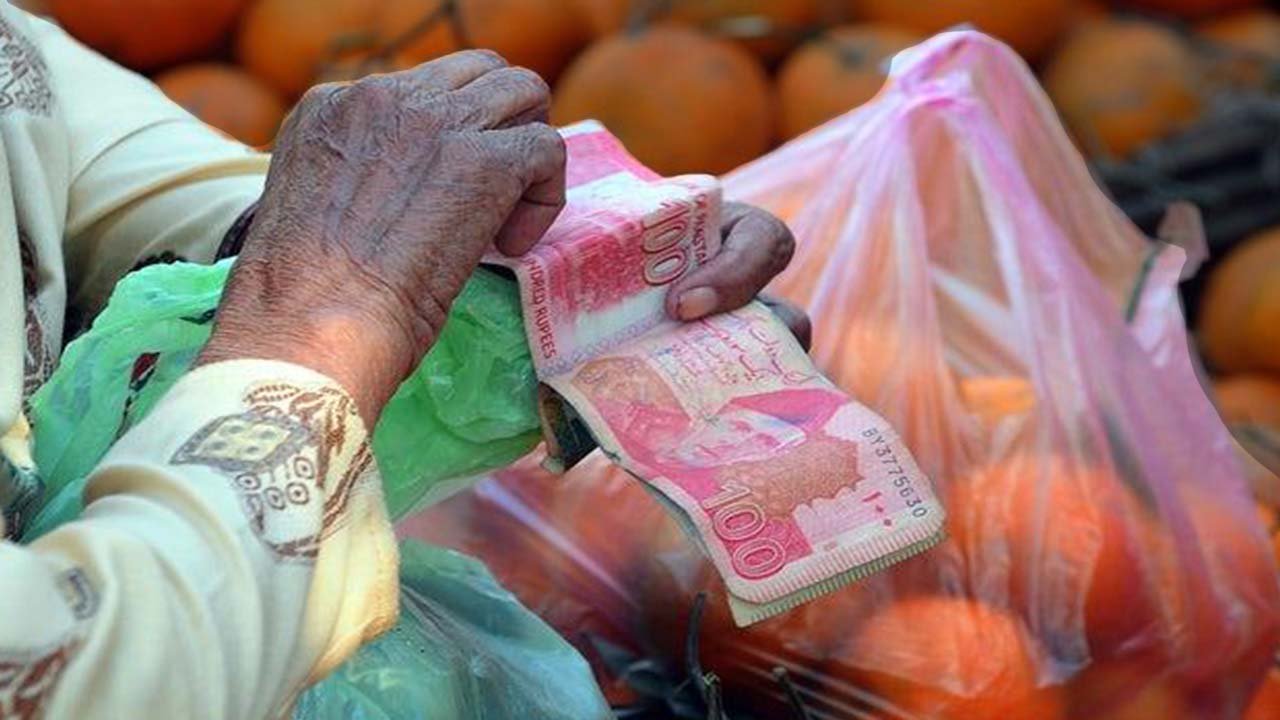
    Pakistan’s headline inflation is expected to ease further in August 2024, settling between 9.5 per cent and 10.5 per cent, with a continued downward trend anticipated in the coming months, according to the Finance Division’s statement on Friday.

    The Ministry of Finance, in its ‘Monthly Economic Update and Outlook’, highlighted that the inflation rate could drop even further to between 9 per cent and 10 per cent by September 2024, attributed to the stabilisation of key economic indicators.

    July 2024 saw headline inflation at 11.1 per cent year-on-year, a decrease from 12.6 per cent in June 2024. This marks the lowest Consumer Price Index (CPI) figure since November 2021, when inflation was recorded at 11.5 per cent, as per data from the Pakistan Bureau of Statistics (PBS).

    The Finance Ministry’s report also pointed to positive trends in external indicators such as exports, imports, and workers’ remittances, which are on an upward trajectory.

    A brokerage house noted that August’s inflation figure is expected to dip into single digits for the first time in nearly three years.

    Read more: Exchange rates: PKR up by over 10 paisa against dollar

    Looking ahead, the report projects that exports will range between $2.5 billion and $3.2 billion, imports between $4.5 billion and $5 billion, and remittances between $2.6 billion and $3.3 billion in August 2024.

    The stable outlook for the external sector is contingent upon factors including a stable exchange rate, revived domestic economic activities, improved agricultural output, lower domestic and global commodity prices, and increased foreign demand.

    In the industrial sector, the Ministry of Finance anticipates that the Large Scale Manufacturing (LSM) sector will maintain its positive growth trajectory in FY2025, driven by improved external demand, a stable exchange rate, declining inflation, and a more accommodating monetary policy.
  • Govt reduces petrol price by Rs8 to Rs259.34 per litre for next fortnight

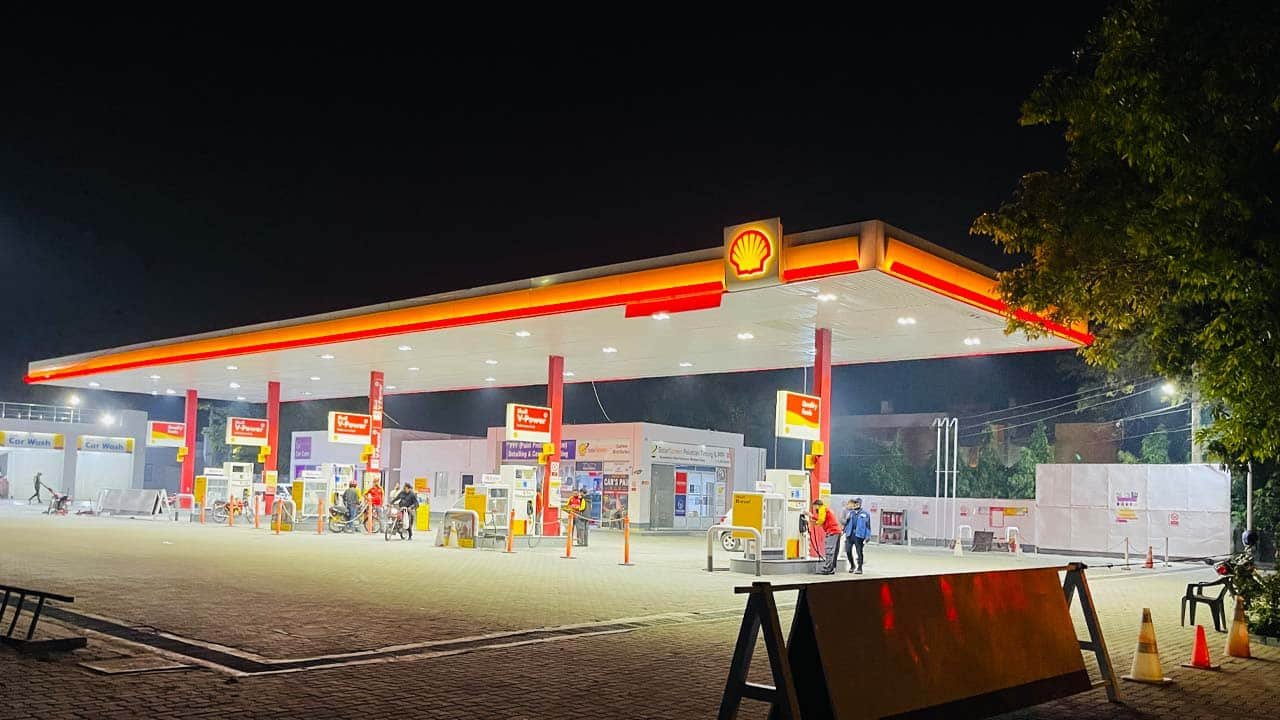
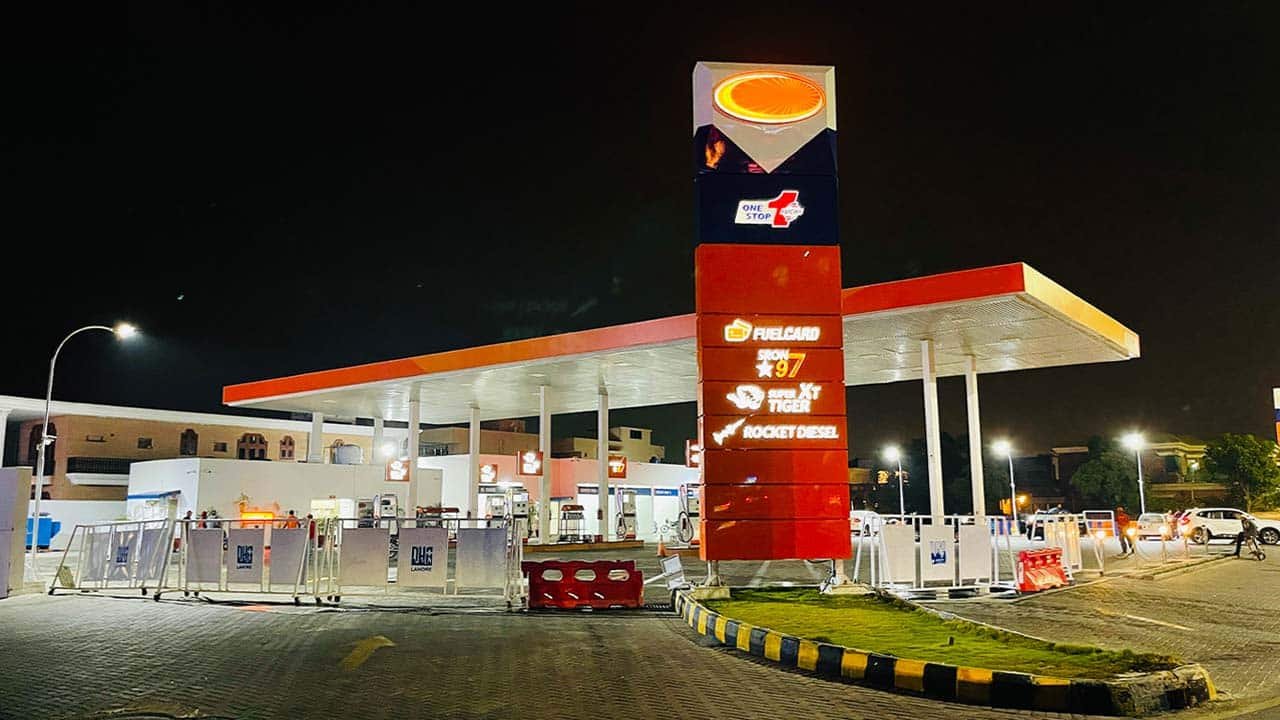
    Govt reduces petrol price by Rs8 to Rs259.34 per litre for next fortnight

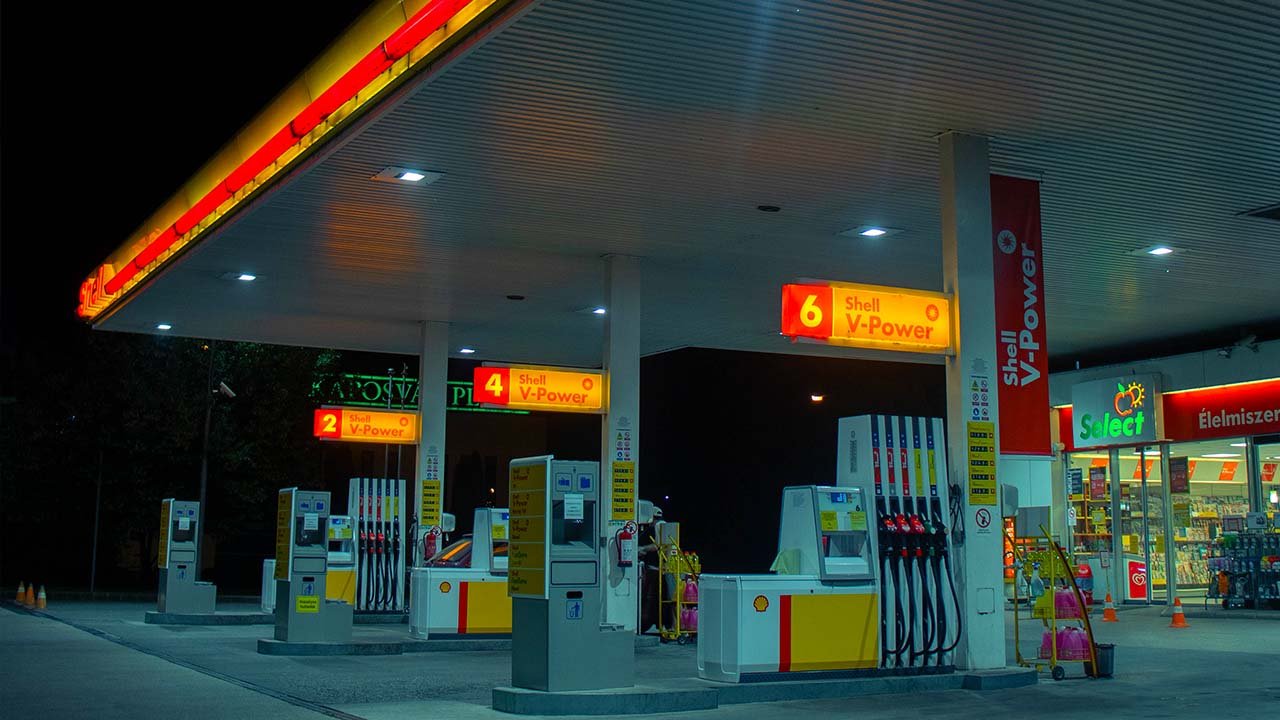
    In a significant move, the caretaker government announced a substantial reduction in the price of petrol by Rs8 per litre for the upcoming fortnight, effective January 16.

    This decision, as conveyed in a notification issued today by the Finance Division, aligns with the recommendations put forth by the Oil and Gas Regulatory Authority (OGRA).

    The adjusted ex-depot price of petrol now stands at Rs259.34 per litre, reflecting a notable decrease from the previous rate of Rs267.34 per litre.

    However, it is important to note that there have been no alterations in the prices of high-speed diesel, light-diesel oil, or kerosene oil.

    The government has already reached the maximum permissible limit under the law, with a Rs60 per litre petroleum levy imposed on both petrol and high-speed diesel (HSD).

    This levy is in line with the commitments made to the International Monetary Fund (IMF), aiming to collect Rs869 billion during the current fiscal year.

    Optimistically, the government anticipates surpassing this target, with the collection expected to exceed Rs950 billion by the end of June.

    Petroleum and electricity prices have been identified as key contributors to inflation, which surged to 29.7 per cent in December, as indicated by the Consumer Price Index.

    Presently, the government imposes a tax of approximately Rs82 per litre on both petrol and HSD.

    This adjustment in petrol prices not only provides relief to consumers but also marks a strategic step by the caretaker government to manage fiscal targets while considering the economic impact on the general population.

    The move is anticipated to have ripple effects on inflation rates, offering a temporary respite from the cost of living for the common citizen.

  • Petrol price slashed by Rs14 per litre, providing relief amidst inflation

    Petrol price slashed by Rs14 per litre, providing relief amidst inflation

    As announced in an official notification by the Finance Division, the revised prices for petroleum products, applicable from December 16 to December 31, have been endorsed by the Oil and Gas Regulatory Authority (OGRA).

    The recalibrated rates indicate a decline in petrol prices to Rs267.34 per litre, while the diesel rate has seen a reduction of Rs13.50 per litre, now standing at Rs276.21 per litre, according to the Finance Division’s official statement.

    Furthermore, the cost of kerosene oil has been curtailed by Rs10.14 per litre, settling at Rs191.02, and light diesel oil is now priced at Rs164.64 per litre following a reduction of Rs11.29.

    This adjustment comes in response to the notable decrease in global oil prices over the past two weeks, a factor contributing to the anticipation of a downward trend in fuel prices during the fortnightly review.

    It’s imperative to note that the government undertakes a bi-weekly reassessment of petroleum product prices, aligning them with international market dynamics and the exchange rate of the rupee. This latest revision reflects a proactive approach by the authorities to mitigate the economic impact on the general populace.

  • ‘Special allowance’ announced to assist workers earning below Rs32,000

    ‘Special allowance’ announced to assist workers earning below Rs32,000

    The federal government, in accordance with a notification issued by the finance division, has officially implemented a minimum monthly wage of Rs32,000. 

    The prescribed minimum wage, which is set at Rs32,000, applies to all civil employees of the federal government. 

    This also encompasses civilians who receive their remuneration from Defence estimates, including contingent paid staff and contract employees engaged for civil posts within the basic pay scales, under standard terms and conditions of contract employment.  

    Individuals whose gross monthly salary falls below the newly established minimum wage of Rs32,000 will be entitled to receive the difference as a “special allowance.” 

    It is worth noting that the government had previously announced an increase in financial compensation for individuals hired from the private sector for MP1, MP2, and MP3 positions within the bureaucracy earlier in the same month. 

    The revised minimum wage regulations will be in effect from July 1, 2023. 

  • Pakistan reaffirms commitment to $6.5 billion IMF bailout, dismissing rumors of retraction

    Pakistan reaffirms commitment to $6.5 billion IMF bailout, dismissing rumors of retraction

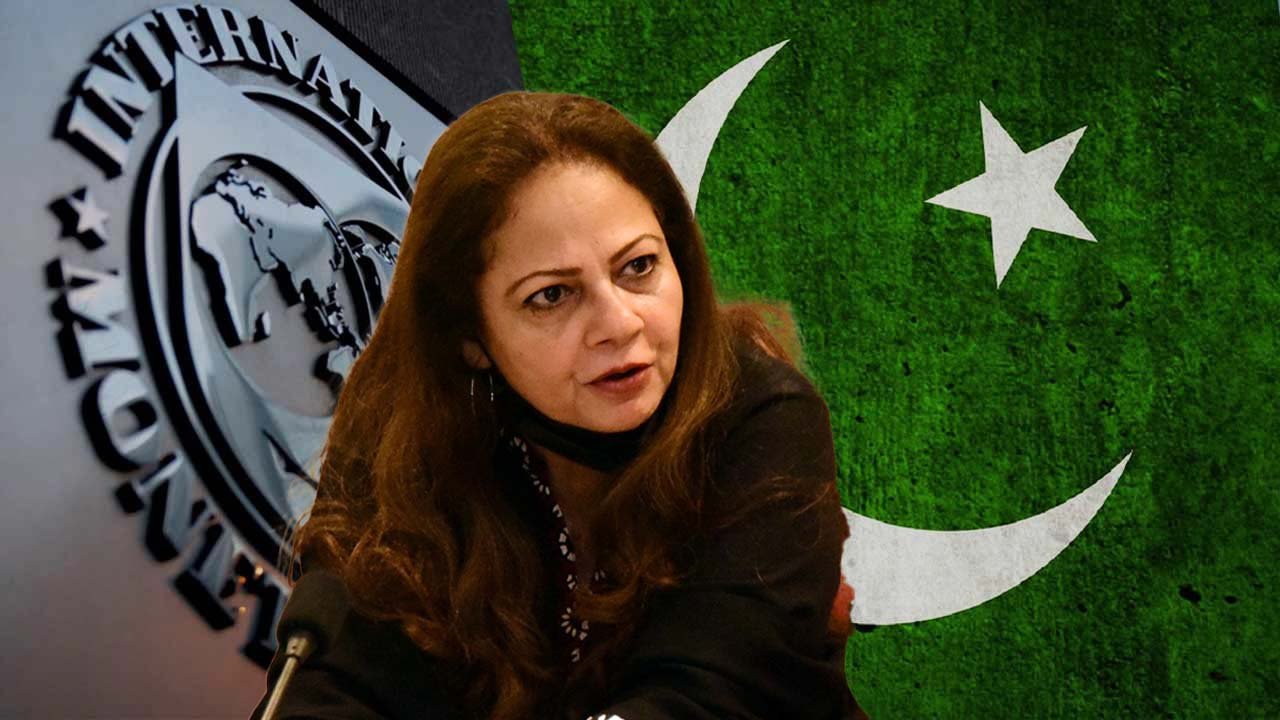
    On Wednesday, Minister of State for Finance and Revenue, Dr Aisha Ghaus Pasha, dismissed rumours of Pakistan retracting from the anticipated $6.5 billion bailout programme with the International Monetary Fund (IMF).

    According to Geo, Pasha clarified that discussions were ongoing between the Federal Board of Revenue (FBR) and the Finance Division, emphasising that Pakistan remained engaged with the IMF. Speculation arose when reports suggested that Pakistan had taken a firm stance against the IMF and refused to share details of the upcoming budget.

    This led to concerns that the financially strained nation was reneging on the deal originally agreed upon by the Imran Khan-led Pakistan Tehreek-e-Insaf (PTI) government.

    Pasha expressed the government’s commitment to continuing the IMF programme, acknowledging the political sacrifices made by the coalition government to meet the Fund’s conditions. Negotiations with the IMF have been aimed at restarting the $6.5 billion bailout programme, which is crucial for Pakistan to avert default.

    During a meeting with journalists after the Senate Standing Committee on Finance, Pasha revealed that the coalition government would present its second budget in the first week of June, marking the second year since assuming power in April. The Finance Bill 2023-24 is scheduled to be presented in the National Assembly on June 9, while the Economic Survey 2022-23 will be released on June 8, according to sources.

    Assuring the public during the briefing, Pasha affirmed that the government would strive to alleviate the burden on the masses amidst these challenging times, as the budget figures were being finalized. However, she cautioned that the situation would remain difficult until the tax-to-GDP ratio reached double digits, emphasizing the necessity of expanding the tax base.

    The state minister disclosed the Ministry of Finance’s plan to transition from indirect taxes to direct taxes, stating that such a shift would reduce the burden on the general population. She reiterated the government’s intention to introduce direct taxes in the upcoming budget for the fiscal year 2023-24, expressing concern over the negative impact of tax concessions on the economy.

    Meanwhile, FBR Chairman Asim Ahmed briefed the committee on the capital value tax, disclosing that the revenue generated from this tax during the current financial year amounted to Rs9 billion.

    Addressing the concerns of senators regarding the implementation of capital valuation tax on domestic and foreign assets, Ahmed clarified that this measure aimed to include the wealthier individuals in the tax net. He also noted that the revenue board was registering new individuals with foreign assets while maintaining records of those already registered.

  • Govt increases profit rates on national saving schemes following record policy rate hike

    Govt increases profit rates on national saving schemes following record policy rate hike

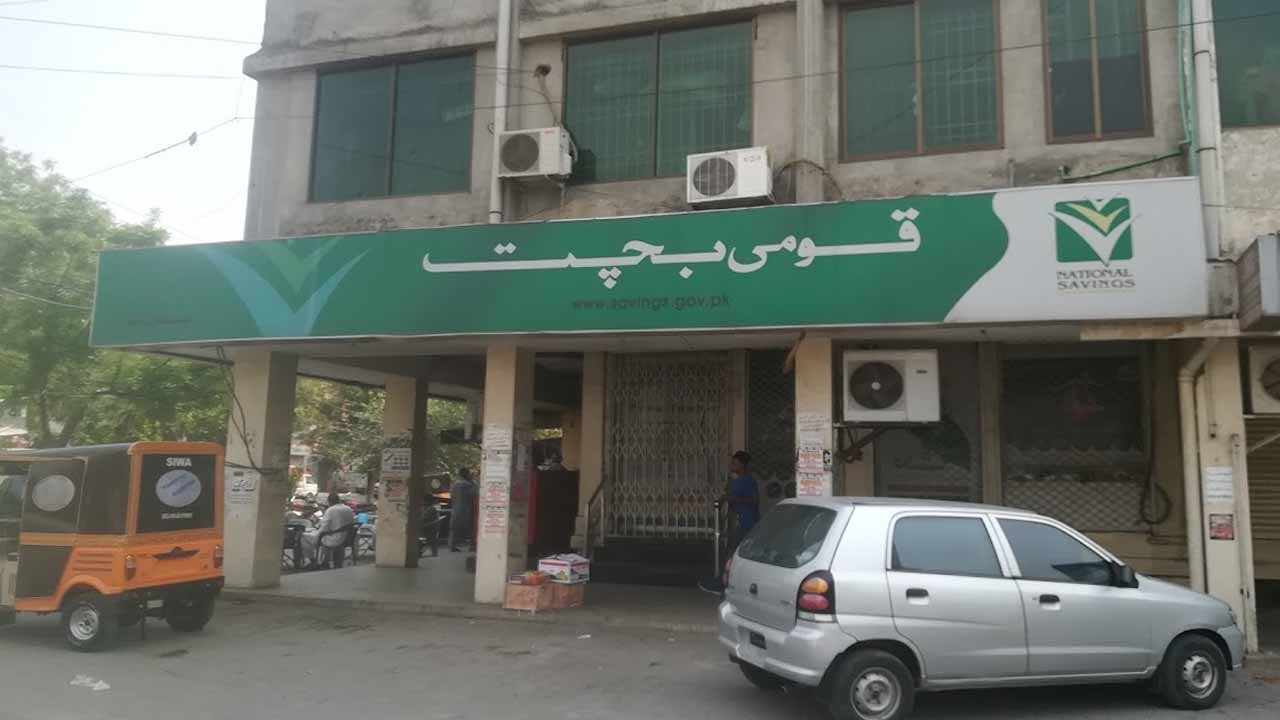
    In response to increasing policy rates, the Pakistani government has announced significant raises in profit rates for all national savings schemes (NSS) from April 10, 2023. This decision follows the State Bank of Pakistan’s (SBP) considerable increase in the policy rate to a record 21 per cent in its recent Monetary Policy Committee meeting to combat inflation.

    The Finance Division announced on Friday, through a notification issued under Rule-II of the Pensioners’ Benefit Accounts Rules, 2003, that the rate of profit on deposits made in Pensioners’ Benefit Accounts and Behbood Savings Certificates will be 16.56 per cent per annum from April 10, 2023, until further notice.

    Additionally, the rate of profit on deposits made in Shuhada’s Family Welfare Account will be 16.56 per cent per annum from April 10, 2023, until further notice.

    The Central Directorate of National Savings (CDNS) has also increased the profit rate on Defence Saving Certificates from 9.29 per cent to 14.87 per cent. The profit rate on Regular Income Certificates has been raised to 12.84 per cent of the total investment.

    Similarly, the profit margin on the three-year Special Saving Certificates and Special Savings Account has been increased to 17 per cent for the first five profits and to 17.8 per cent for the sixth profit. Furthermore, the return on Saving Accounts (running accounts) has been raised to 18.5 per cent. However, it’s worth noting that there will be a deduction of Withholding Tax and Zakat as per the rules.

  • Petrol, diesel prices expected to decrease following decline in global crude oil prices

    Petrol, diesel prices expected to decrease following decline in global crude oil prices

    Petroleum product prices in Pakistan are expected to reduce from April 1st following a decline in international crude oil prices. The oil marketing companies (OMCs) estimated that the price of diesel could go down by Rs15-20 per litre, while the price of petrol is expected to decline by Rs4-5 per litre.

    However, industry sources suggest that the Finance Division may keep the prices unchanged.

    In its last fortnight review, the federal government had increased the price of petrol to Rs272 per litre, attributing the hike to the depreciation of the Pakistani rupee against the US dollar and an increase in the prices registered by Platts Singapore.

    The government raised the price of MS (petrol) by Rs5 per litre and hi-speed diesel by Rs13 per litre. The price of kerosene oil saw an increase of Rs2.56 by reducing the government’s dues, while the price of light diesel oil remained constant by adjusting the government dues.

    The new prices came into effect on March 16 and will remain in place until March 31. The Finance Division is expected to announce the new rates late on March 31, which will remain in place for the next 15 days.

  • Pakistan nears finalisation of IMF loan agreement: Power Minister announces positive progress

    Pakistan nears finalisation of IMF loan agreement: Power Minister announces positive progress

    Power Minister of Pakistan, Khurram Dastgir, announced that the country is close to sealing a deal with the International Monetary Fund (IMF) and that the agreement has been achieved on almost all the issues between the two sides.

    With a $350 billion economy, Pakistan is in need of a crucial installment of $1.1 billion from the IMF to avoid default. However, the IMF has identified a significant gap of approximately Rs900 billion, equivalent to 1 per cent of the country’s Gross Domestic Product (GDP), which has been a hindrance in reaching a staff-level agreement.

    Minister Dastgir reassured that the IMF has not demanded the government to cut its defense budget during his appearance on the Geo News program “Capital Talk” on Monday.

    The Minister stated that instead of cutting the defense budget, the IMF has asked the Energy Division to reduce its losses. The Fund has also emphasized the need for the government to reduce line losses in the northern, southern, and western regions of the country. The Minister emphasized that the IMF has made it clear to Pakistan that the country must establish its financial stability by increasing its tax revenues and reducing losses.

    He also mentioned that the international community is not displaying leniency towards Pakistan since the US withdrawal from Afghanistan. The Minister indicated that the country must take the necessary measures to align its financial position and meet the expectations of the IMF and the international community.

  • Govt appoints Jameel Ahmad as Governor SBP for 5 years

    Govt appoints Jameel Ahmad as Governor SBP for 5 years

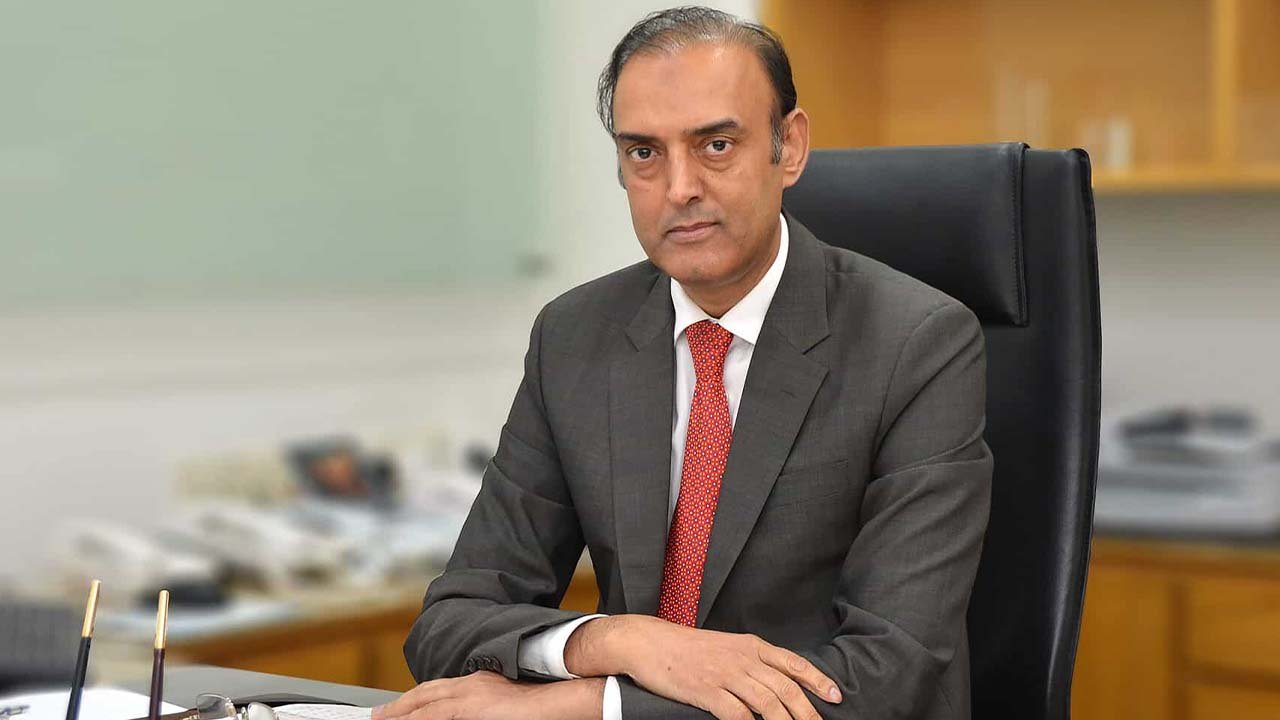
    According to a Finance Division announcement on Friday, the government has appointed Jameel Ahmad as Governor of the State Bank of Pakistan (SBP) for a tenure of five years, effective immediately.

    “In exercise of powers conferred under Section 11A (1) read with Section 14(1) of the State Bank of Pakistan (SBP) Act 1956 (Amended 2022), Jameel Ahmad is appointed as Governor State Bank of Pakistan for a term of five (5) years with the approval of the President of Pakistan, upon the recommendation of Federal Government, with immediate effect,” read the notification.

    Jameel Ahmad was the deputy governor of the central bank and was reappointed by the government on October 25, 2018, for a three-year term. From April 11, 2017, to October 15, 2018, he also held the position of Deputy Governor (Banking & FMRM).

    “Jameel Ahmad has an illustrious career as an accomplished central banker span over 30 years at various senior positions at the State Bank of Pakistan and the Saudi Central Bank (SAMA),” read information available on the SBP website.

    Mr Jameel Ahmad did his MBA from University of Punjab at Lahore and is a Fellow Member of the Institute of Cost & Management Accountants of Pakistan (FCMA), an Associate Member of the Institute of Bankers Pakistan and a Fellow Member of the Institute of Corporate Secretaries of Pakistan (FCIS).

  • Govt slashes petrol price by Rs3.05,  raises diesel by Rs8.95 per litre

    Govt slashes petrol price by Rs3.05, raises diesel by Rs8.95 per litre

    Due to changes in oil prices on the global market, the government announced a revision in petroleum prices on Sunday.

    According to a statement released by the Finance Division, the cost of petrol has been reduced by Rs3.05 a litre for the first half of August 2022.

    Petrol will now be sold for Rs227.19 per litre as a result of the pricing revisions. Previously, the price of petrolin the country per litre was Rs230.34.

    The price of high-speed diesel has been upped by Rs8.95, the new price per litre is now Rs244.95.

    The depreciation of the rupee against US dollar has raised the cost of purchasing petroleum products, the Ministry of Energy notified the Economic Coordination Committee (ECC) of the cabinet today.