Tag: Finance Minister

  • UK job market: Rise in unemployment, but paychecks soar to new heights

    UK job market: Rise in unemployment, but paychecks soar to new heights

    The United Kingdom’s unemployment rate saw a slight increase to 4.3 per cent during the three months leading up to the end of July, as confirmed by official data released on Tuesday. This marks a marginal rise from the previous quarter’s 4.2 per cent unemployment rate, as reported by the Office for National Statistics (ONS).

    In the same period, average regular earnings, excluding bonuses, exhibited a remarkable annual growth rate of 7.8 per cent, a historic high since comparable records began in 2001, according to the ONS.

    In response to these figures, Finance Minister Jeremy Hunt emphasised the persistence of elevated wage growth, partly attributed to one-time payments to public sector employees. He stressed the importance of adhering to their plan to combat inflation to ensure sustainable real wage growth.

    Prime Minister Rishi Sunak had earlier expressed his intention to halve UK annual inflation, especially when it exceeded 10 per cent, as reported by AFP. However, the current inflation rate remains at 6.8 per cent, surpassing that of other G7 nations.

    The Capital Economics research group’s UK economist, Ashley Webb, observed a gradual relaxation in the labour market’s tightness during July. Nevertheless, the substantial wage growth noted is expected to raise concerns at the Bank of England, potentially leading to an anticipated interest rate hike from the current 5.25 per cent to a peak of 5.5 per cent at the upcoming regular policy meeting.

  • Economic situation worse than expected, subsidies not feasible: Finance Minister

    Economic situation worse than expected, subsidies not feasible: Finance Minister

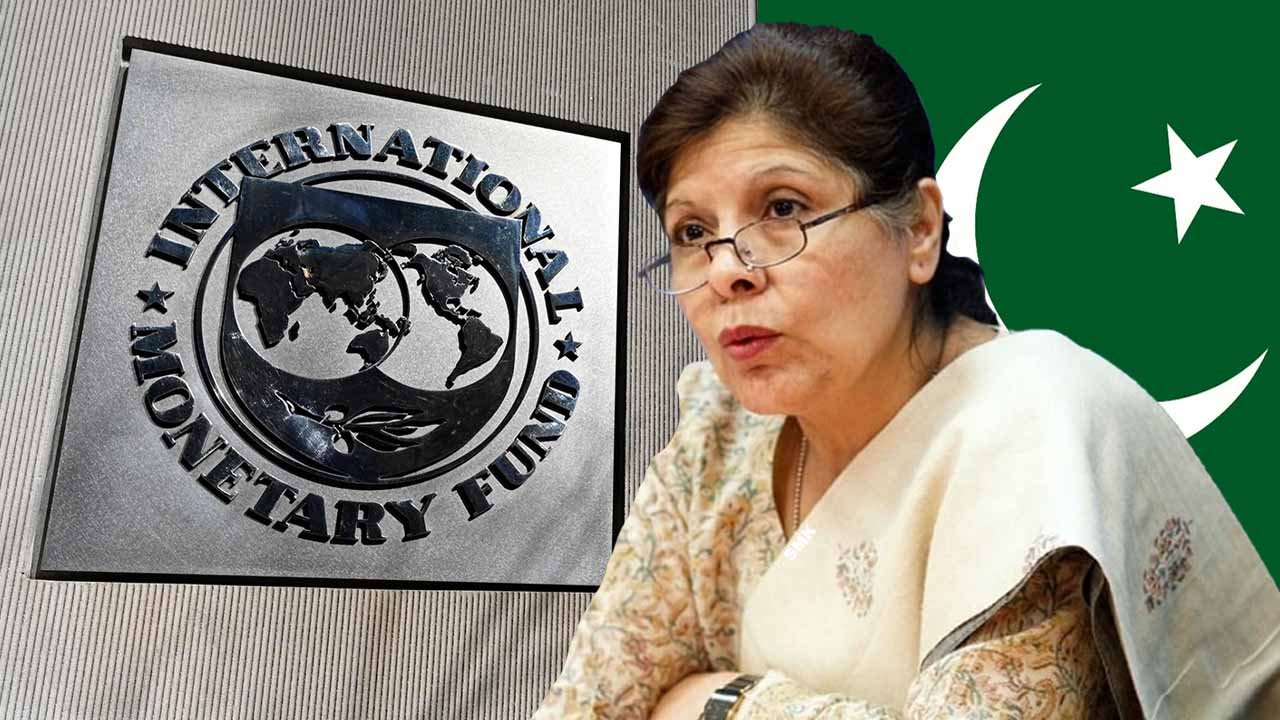
    In the midst of Pakistan’s ongoing battle with rising prices, the country’s interim Finance Minister, Shamshad Akhtar, issued a strong warning on Wednesday. She pointed out that Pakistan’s economic situation is even “worse” than expected, and the government can’t afford to provide subsidies to the public due to financial constraints.

    According to DAWN, Akhtar made these comments during a meeting of the Senate’s Standing Committee on Finance. She explained that the current government had inherited a programme from the International Monetary Fund (IMF) that couldn’t be changed.

    This announcement comes at a time when Pakistan is facing high living costs, especially expensive electricity bills that have led to protests across the country.

    The government has struggled to find ways to help while also maintaining good relations with the IMF. The caretaker government, which is temporarily in charge, hasn’t been able to come up with clear solutions to ease the situation.

    In a recent meeting chaired by Caretaker Prime Minister Anwaar ul Haq Kakar, the government expressed that it’s not sure how to solve the issue. They even discussed the possibility of letting people pay their electricity bills in smaller portions over time, but this would need permission from the IMF.

    Interim Information Minister Murtaza Solangi mentioned that discussions are ongoing with the IMF to find relief measures for people struggling with high electricity bills. An official announcement about this is expected soon.

    However, it’s important to note that even if the option of paying bills in smaller portions is pursued, it still needs approval from the IMF. This underscores the IMF’s influence on Pakistan’s economic decisions.

    Minister Akhtar, while speaking to the Senate’s Standing Committee on Finance, highlighted the substantial losses faced by government institutions. She stressed the need to sell off some government-owned assets to alleviate financial pressure. Currently, a large portion of Pakistan’s tax earnings goes toward repaying debt. Moreover, the Pakistani rupee is facing challenges due to a shortage of dollars coming in and a high amount going out of the country.

    Akhtar also expressed concern that if Pakistan doesn’t follow the IMF’s agreement, the country might stop receiving dollars, leading to an even worse economic situation. She admitted that the government has taken actions that weakened the economy. She mentioned that the Federal Board of Revenue is not collecting as much as it should while expenses remain high.

    The finance minister clarified that the caretaker government doesn’t have unlimited power. They are restricted in their actions and must work within those limits.

    She also pointed out that any changes to the existing IMF agreement, made by the previous government, are not possible for the current administration. She mentioned that the government is considering reducing benefits for the wealthy, and a detailed update on the economy will be provided to the committee within a week.

    Before the finance minister’s comprehensive briefing, several committee members expressed concerns about the rising value of the dollar and the high electricity bills. Senator Kamil Ali Agha insisted that taxes added to electricity bills should be removed immediately, arguing that the entire country shouldn’t suffer due to a few people’s actions.

  • Govt hikes petrol and diesel prices by nearly Rs20 per litre

    Govt hikes petrol and diesel prices by nearly Rs20 per litre

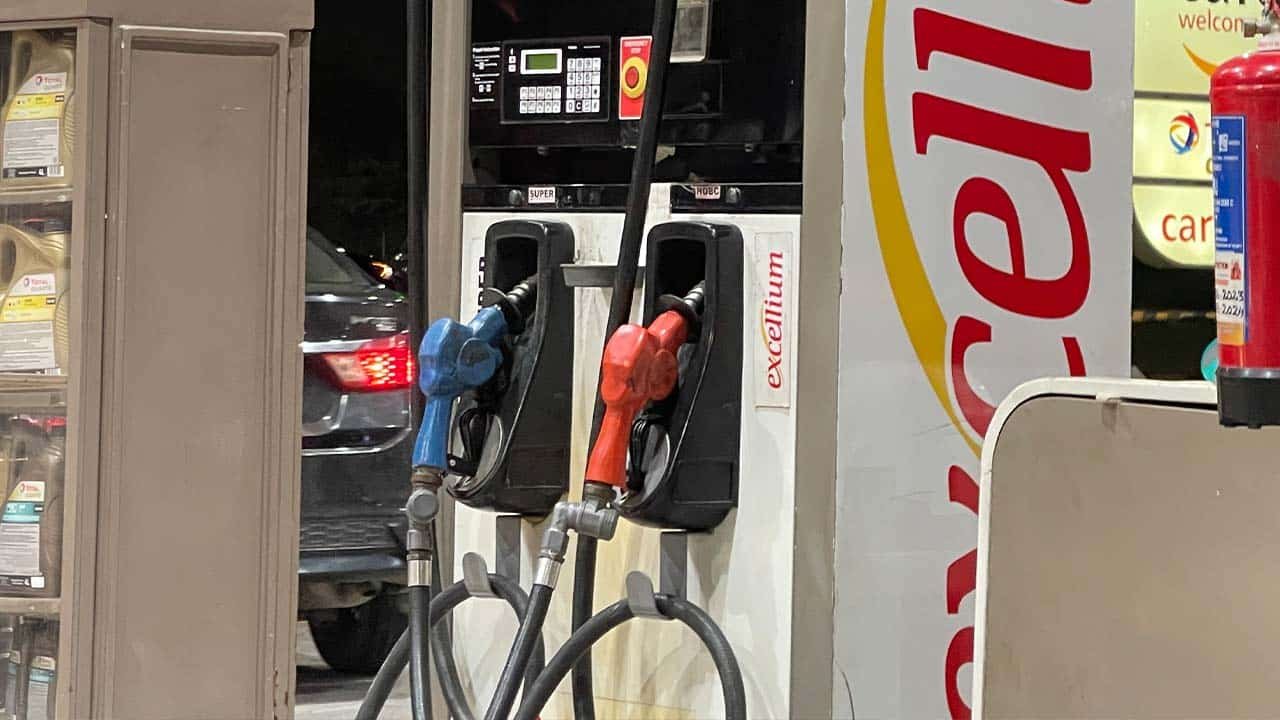
    In a move to fulfill its commitment with the International Monetary Fund (IMF), Pakistan’s Finance Minister Ishaq Dar has announced a substantial increase in petrol and diesel prices. The revision has taken effect immediately today (August 1st), with petrol price rising by Rs19.95 per litre and diesel price climbing by Rs19.90 per litre.

    Here are the new petrol and diesel prices:

    Product Old prices New prices Increase
    Petrol Rs253 Rs272.95 Rs19.95
    Diesel Rs253.50 Rs273.40 Rs19.90

    Minister Dar stated that the price hike was necessary to comply with the IMF’s requirement to impose a petroleum development levy (PDL) on the rates. He mentioned that despite attempts to mitigate the impact on inflation-weary citizens, the government had little room to maneuver due to the binding agreement with the IMF.

    The announcement was originally scheduled for July 31, but the government delayed the decision as officials sought ways to minimise the impact on the general public. The Finance Minister, making this announcement for the last time before his government’s term ends on August 12, emphasised that the decision was taken in the “national interest.”

    Dar clarified that if it were not for the IMF agreement, the government would have attempted to reduce the PDL to provide relief to the masses. He referred to the measures taken by the previous government that decreased petrol prices but resulted in a breach of commitments with the IMF.

    Explaining the reasons behind the price hike, the finance minister highlighted the surge in international market prices of high-speed diesel, which necessitated adjustments in local rates. He stressed that it was crucial to pass on the minimum amount to the consumers, considering the nation’s interests.

    The sudden increase in fuel prices is likely to have significant implications on the overall economy, including its impact on inflation rates and the cost of living for ordinary citizens. With the government’s term ending soon, the incoming administration will face the challenge of managing economic stability and addressing public concerns over rising fuel costs.

  • Islamabad High Court deems super-tax on high-income businesses unconstitutional

    Islamabad High Court deems super-tax on high-income businesses unconstitutional

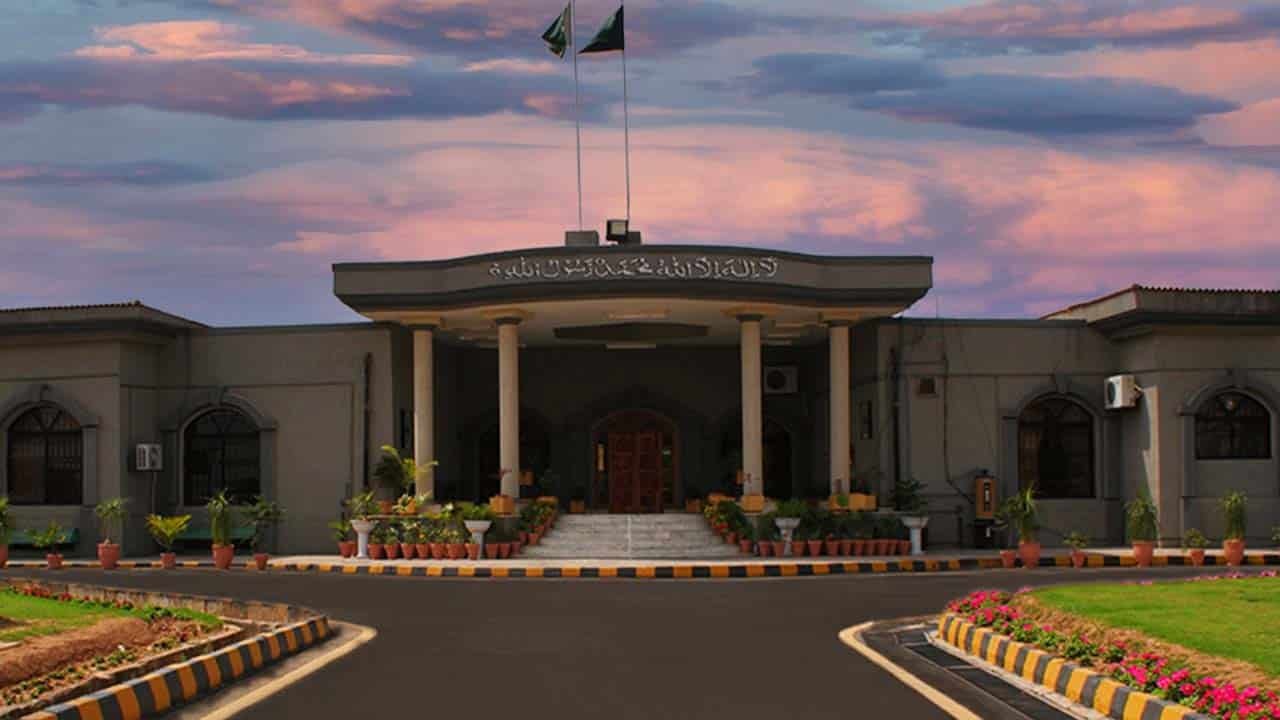
    The Islamabad High Court (IHC) has invalidated the imposition of a super-tax on high-income businesses, ruling it as unconstitutional. Justice Sardar Ejaz Ishaq Khan delivered the verdict on Thursday after a reserved decision. The court declared all notices of demand and recovery associated with the controversial tax null and void, providing relief to the affected businesses.

    Furthermore, the court struck down Section 4C of the Income Tax Ordinance, effectively negating the legal basis for the super-tax. The petitioners, who challenged the validity of this tax, were represented by prominent legal counsel, including Salman Akram Raja and Adnan Haider Randhawa, among others. They argued that the imposition of such a tax was unjust and detrimental to the growth of high-income businesses.

    The origin of this tax can be traced back to the budget speech of Finance Minister Ishaq Dar, wherein he announced the implementation of the super tax last month. Initially, the tax was proposed to be levied on individuals earning Rs500 million annually or more, but the conditions were later relaxed from the original proposal, which targeted those earning Rs300 million per annum.

    It is worth noting that the Supreme Court had previously approved the imposition of the super-tax, setting it at 4 per cent for all industries in February. The government had initially imposed a 10 per cent rate for some industries and 4 per cent for others.

    While the Lahore High Court also approved the tax, it added a caveat that the rules did not allow a tax rate higher than 4 per cent. However, the recent ruling by the Islamabad High Court has effectively struck down the super-tax altogether, providing significant relief to high-income businesses affected by the proposed tax.

  • Pakistan commits to boost foreign exchange reserves to $11.7 billion by 2024

    Pakistan commits to boost foreign exchange reserves to $11.7 billion by 2024

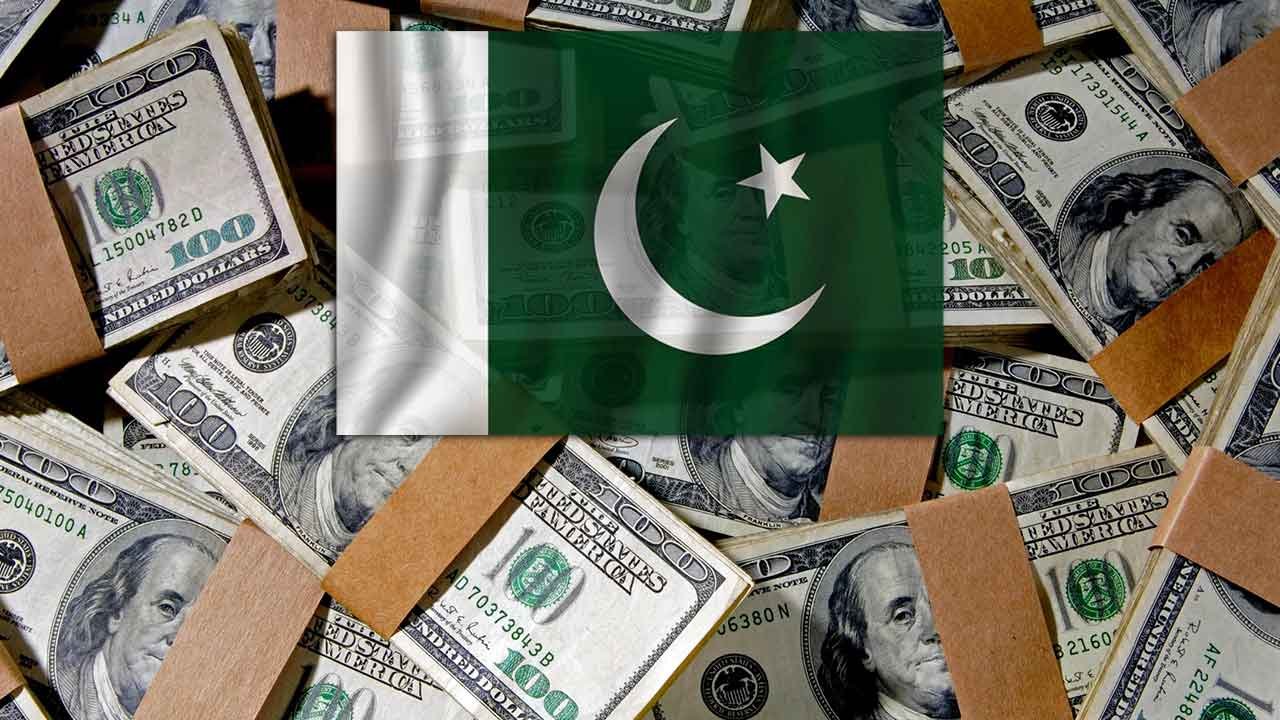
    Pakistan has made a commitment to the International Monetary Fund (IMF) to significantly increase its gross foreign exchange reserves by $7.65 billion. The goal is to raise the reserves to $11.7 billion by the end of the financial year 2024, up from the current level of $4.056 billion in the financial year 2023. This move is aimed at building a buffer of foreign exchange reserves to protect the national economy from external shocks.

    The assurance was given through a Letter of Intent (LoI) signed by Finance Minister Ishaq Dar and State Bank of Pakistan (SBP) Governor Jameel Ahmed. Under a $3 billion stand-by arrangement (SBA) for nine months, Pakistan assured the IMF and its executive board of its commitment to bolster its foreign exchange reserves.

    If the gross foreign exchange reserves reach $11.7 billion by the end of June 2024, they will be sufficient to meet the country’s import requirements for goods and services for approximately 1.8 months.

    The balance of payment (BoP) chart, agreed upon by the IMF and Pakistan, indicates that projected disbursements of foreign loans during the current financial year 2023-24 are expected to amount to $15.01 billion from multilateral and bilateral creditors. This financial year started on July 1, 2023, and will end on June 30, 2024.

    The analysis of the BoP data suggests that Pakistan needs to secure external financing from multilateral and bilateral creditors during the current fiscal year. Additionally, Pakistan is seeking an additional deposit of $2 billion from the Kingdom of Saudi Arabia and $1 billion from the United Arab Emirates (UAE). The Islamic Development Bank (IsDB) has agreed to provide a $1 billion loan program.

    Furthermore, Pakistan is actively working on program loans and project financing from the World Bank, Asian Development Bank, and Asian Infrastructure Investment Bank (AIIB) to secure a total disbursement of $15 billion from all multilateral and bilateral sources.

    To further strengthen its reserves, Pakistan intends to engage with bilateral partners, especially China, Saudi Arabia, and the UAE, to extend the maturity of their existing deposits, which amount to $2 billion, $3 billion, and approximately $2 billion, respectively, in the current financial year.

    The IMF executive board is scheduled to convene on July 12, 2023, in Washington DC, to review and consider Pakistan’s request for approval of a $3 billion short-term bailout package, including a $1 billion tranche release. Upon approval by the executive board, the $1 billion tranche will be disbursed within a few days.

    The IMF staff has already circulated copies of the Letter of Intent among the executive board members. In this document, Finance Minister Ishaq Dar and the SBP governor have provided assurances regarding the implementation of crucial fiscal and energy reforms to address fiscal challenges. Islamabad has also committed to tackling issues in the energy sector, including measures to control the circular debt problem.

    To address energy sector concerns, the government plans to raise power and gas tariffs in line with the determinations made by the regulators. The National Electric Power Regulatory Authority (NEPRA) will finalise the power tariff, while the facts regarding gas tariffs are being ascertained by relevant officials.

    The Oil and Gas Regulatory Authority (OGRA) has already recommended increasing gas tariffs by 45 per cent and 50 per cent for two major gas utilities. The government has a 40-day timeframe to make a decision on this matter, after which the recommendations will be notified in the second week of July 2023.

    Under the nine-month SBA program, it is anticipated that there will be two reviews conducted by the IMF mission in September and December 2023. Each review is expected to lead to the disbursement of a $1 billion installment.

    Overall, Pakistan is taking significant measures to strengthen its foreign exchange reserves, seek external financing, and implement necessary reforms in order to address its economic challenges and ensure stability.

  • Govt increases levy on petrol to Rs55 per litre, maintains Rs50 levy on diesel

    Govt increases levy on petrol to Rs55 per litre, maintains Rs50 levy on diesel

    In a recent development, the government has decided to raise the petroleum development levy (PDL) on petrol in accordance with a staff-level agreement worth $3 billion signed with the International Monetary Fund (IMF).

    Starting from today, the PDL on petrol will be increased from Rs50 to Rs55 per litre, while there will be no change in the development levy on high-speed diesel (HSD), which remains at Rs50 per litre.

    The announcement was made by Finance Minister Ishaq Dar, who clarified that petrol prices would not be affected by this decision. However, diesel prices will see an increase of Rs7.50 for the next two weeks, with the new price becoming effective from July 1.

    Minister Dar emphasised this during a late-night press conference, ensuring that there would be no change in the price of petrol.

    To enable this adjustment, the government sought the power to amend the Petroleum Products (Petroleum Levy) Ordinance, 1961 (XXV of 1961) through the Finance Act 2023-24. This amendment grants the government the authority to increase the petroleum levy, eliminating the requirement for parliamentary approval to determine the maximum limit of the levy.

    According to The News, the Ministry of Finance shared with the Senate Standing Committee on Finance that the PDL has been set at Rs60 per litre, aiming to generate revenue of Rs879 billion in the upcoming fiscal year. This target surpasses the revised target of Rs542 billion for the previous financial year, which concluded on June 30, 2023.

  • Govt keeps petrol price unchanged, implements Rs7.50 hike in diesel rate

    Govt keeps petrol price unchanged, implements Rs7.50 hike in diesel rate

    The Finance Minister, Ishaq Dar, announced that the price of petrol will remain unchanged while the price of diesel will see an increase of Rs7.50 per litre for the next fortnight. 

    During a late-night press conference, Minister Dar clarified that there would be no adjustments made to the price of petrol, but the price of diesel would experience a rise of Rs7.50 per litre. The revised price for diesel will take effect from 12:00 am on July 1.

    As per the government’s announcement, the existing price of petrol, as of June 30, 2023, will be maintained at Rs262 per litre. There will be no change in the petrol price. 

    On the other hand, the existing price of diesel, also as of June 30, 2023, stands at Rs253 per litre. However, starting from July 1, 2023, the new price for diesel will be Rs260.50 per litre, reflecting an increase of Rs7.50 per litre.

    It is worth noting that earlier reports had indicated a potential increase of Rs5 in the Petroleum Development Levy (PDL) for both petrol and diesel, scheduled to be implemented on July 1. 

    The government had been considering raising the petroleum levy from Rs50 to Rs55 per litre for both fuels. The adjustment in the PDL is set to commence at the start of the next fiscal year.

    To enable this change, the government has sought the authority to amend the Petroleum Products (Petroleum Levy) Ordinance, 1961 (XXV of 1961), specifically in the Fifth Schedule, column (1), through the Finance Act 2023-24. This amendment grants the government the power to adjust the petroleum levy as required.

  • Finance Minister Dar assures no global sanctions for Russian oil purchase

    Finance Minister Dar assures no global sanctions for Russian oil purchase

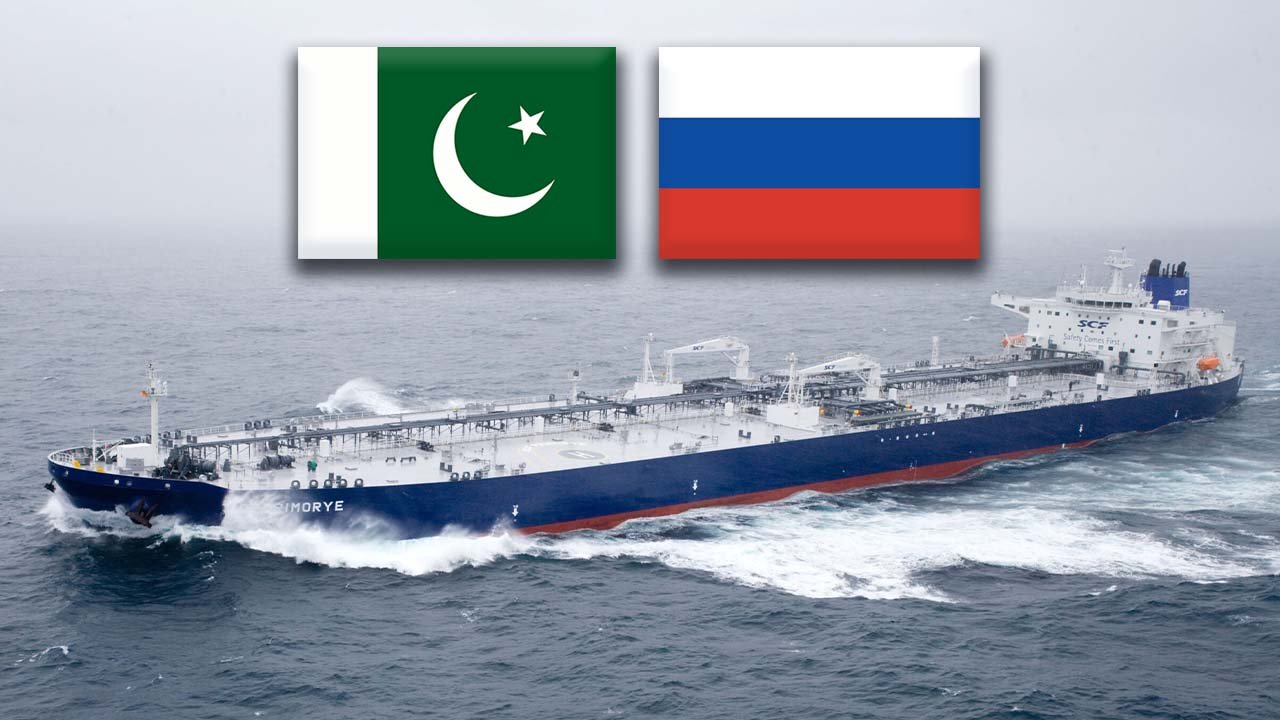
    Pakistan’s Finance Minister, Senator Ishaq Dar, has provided reassurances that Pakistan will not be subjected to global sanctions for its purchase of Russian oil. Dar made these remarks during a briefing to the Senate’s Standing Committee on Finance, highlighting that both India and China continue to purchase crude oil from Russia despite existing global sanctions.

    Dar emphasised that significant progress had been made in November of the previous year regarding the procurement of Russian oil, and the government had diligently completed all necessary preparations before proceeding with the purchase. He further explained that Pakistan adhered to an approved procedure established by a committee comprising G7 countries for oil production from Russia.

    Dar acknowledged the instrumental role played by Foreign Minister Bilawal Bhutto Zardari in consulting and obtaining approval from the G7 countries prior to the procurement of Russian oil.

    In terms of payment, the finance minister disclosed that the Chinese currency Yuan would be used for settling the payment for the Russian crude oil. He expressed Russia’s satisfaction with this arrangement, noting that it would not only reduce shipping costs but also lead to a decline in crude oil prices.

    When questioned about border trade with Iran, Dar confirmed that the government intended to enhance such trade but clarified that petroleum products were not included in these border trade activities.

    On Sunday, Pakistan successfully unloaded over 45,000 metric tons of oil from a Russian vessel that arrived at the Karachi port. Another Russian oil carrier is expected to reach the port of Karachi in the coming week.

    It is worth mentioning that earlier this week, the first ship carrying Russian oil had already docked at the Karachi port.

    During a press briefing on June 15, US State Department spokesperson Matthew Miller highlighted that every country has the right to make decisions based on its energy requirements. He further acknowledged that Russian oil was being sold at significantly lower prices compared to global market rates.

    Miller attributed this decrease in price to the limitations imposed by the US and its allies, resulting in Russia losing an estimated $100 billion in revenue that could have been used in the Ukraine conflict. Miller clarified that the US had not imposed any restrictions on Russian oil exports.

  • Budget 2023-24: How much tax will you pay on your salary?

    Budget 2023-24: How much tax will you pay on your salary?

    Finance Minister Ishaq Dar presented a comprehensive budget proposal of Rs14.46 trillion for the fiscal year 2023-24, emphasising an expansionary approach. One of the key highlights of the proposal was a substantial increase in the salaries of government employees, aimed at providing much-needed relief.

    In order to ensure that the burden on the salaried class remained unchanged, the coalition government decided not to make any alterations to the existing tax slabs, which were approved in the previous year’s Finance Bill of 2022.

    Outlined below are the tax slabs for different income brackets:

    1. Income below Rs600,000 per year (Rs50,000 per month):

       – No tax will be deducted.

    2. Income between Rs600,000 to Rs1.2 million per year (Rs50,000 to Rs100,000 per month):

       – Tax will be levied at a rate of 2.5 per cent on the amount exceeding Rs600,000.

    3. Income between Rs1.2 million to Rs2.4 million per year (Rs100,000 to Rs200,000 per month):

       – Tax will be levied at a rate of Rs15,000 plus 12.5 per cent on the amount exceeding Rs1.2 million.

    4. Income between Rs2.4 million to Rs3.6 million per year (Rs200,000 to Rs300,000 per month):

       – Tax will be levied at a rate of Rs165,000 plus 20 per cent on the amount exceeding Rs2.4 million.

    5. Income between Rs3.6 million to Rs6 million per year (Rs300,000 to Rs500,000 per month):

       – Tax will be levied at a rate of Rs405,000 plus 25 per cent on the amount exceeding Rs3.6 million.

    6. Income between Rs6 million to Rs12 million per year (Rs500,000 to 1,000,000 per month):

       – Tax will be levied at a rate of Rs1.005 million plus 32.5 per cent on the amount exceeding Rs6 million.

    7. Income exceeding Rs12 million per year (exceeding Rs1,000,000 per month):

       – Tax will be levied at a rate of Rs2.955 million plus 35 per cent on the amount exceeding Rs12 million.

    These tax slabs have been carefully designed to ensure a fair and balanced approach to income taxation, considering various income brackets. By maintaining consistency with the previous year’s tax slabs, the government aims to alleviate the burden on the salaried class while still generating the necessary revenue for public welfare and development initiatives.

    Overall, the budget proposal presented by Finance Minister Ishaq Dar reflects the government’s commitment to supporting government employees and maintaining a progressive tax system that promotes economic growth and fairness.

    Tax slabs Annual income Monthly income Tax rate
    Slab 1 Below Rs600,000 Below Rs50,000 No tax deducted
    Slab 2 Rs600,000 – Rs1.2 million Rs50,000 – Rs100,000 2.5 per cent of the amount exceeding Rs600,000
    Slab 3 Rs1.2 million – Rs2.4 million Rs100,000 – Rs200,000 Rs15,000 + 12.5 per cent of the amount exceeding Rs1.2 million
    Slab 4 Rs2.4 million – Rs3.6 million Rs200,000 – Rs300,000 Rs165,000 + 20 per cent of the amount exceeding Rs2.4 million
    Slab 5 Rs3.6 million – Rs6 million Rs300,000 – Rs500,000 Rs405,000 + 25 per cent of the amount exceeding Rs3.6 million
    Slab 6 Rs6 million – Rs12 million Rs500,000 – Rs1,000,000 Rs1.005 million + 32.5 per cent of the amount exceeding Rs6 million
    Slab 7 Above Rs12 million Above Rs1,000,000 Rs2.955 million + 35 per cent of the amount exceeding Rs12 million
  • Budget 2023-24 prioritises promoting economic growth, says Ishaq Dar

    Budget 2023-24 prioritises promoting economic growth, says Ishaq Dar

    Federal Minister for Finance and Revenue, Ishaq Dar, delivered a comprehensive assessment of the FY2023-24 budget during a post-budget press conference in Islamabad. He highlighted the distinctive nature of this budget compared to previous traditional budgets, emphasising its focus on fostering economic growth.

    Dar shared that the coalition government is committed to addressing the concerns of traders before finalising the federal budget in parliament. In order to accomplish this, he announced the formation of two committees to address business-related issues and technical matters.

    These committees, customary within the Federal Board of Revenue (FBR), will be established by the FBR chairman by Monday. Their purpose is to ensure comprehensive consideration of any overlooked aspects and provide a platform for individuals to voice genuine reservations.

    The finance minister refuted claims of introducing new taxes this year and emphasised the government’s efforts to provide substantial relief. He defended the allocation of Rs950 billion and Rs200 billion from the Public and Private Partnership mode, considering it a notable achievement. Dar reiterated the budget’s departure from traditional approaches, with a strong emphasis on fostering progress and economic growth.

    Dar expressed the government’s determination to rectify past economic losses by promoting employment opportunities, curbing inflation, and generating more jobs. Consequently, he anticipated a decrease in the policy interest rate.

    Read more: Govt allocates only Rs97 billion for education in budget 2023-24

    The minister projected inflation to be around 21 per cent in the upcoming fiscal year (2023-24), while estimating government expenditure at Rs14,040 billion.

    Addressing the power sector, Dar allocated over Rs1900 billion exclusively for its development. He stressed the importance of implementing necessary reforms to improve this sector. He also clarified that no new subsidies would be introduced in the renewable energy sector, despite its prominence in the budget.

    Furthermore, the minister addressed rumors regarding the withdrawal of edible oil, refuting such claims and affirming that no such action had been taken.