Tag: Finance Minister

  • Finance Minister rejects idea of coalition govt entering fresh IMF programme

    Finance Minister rejects idea of coalition govt entering fresh IMF programme

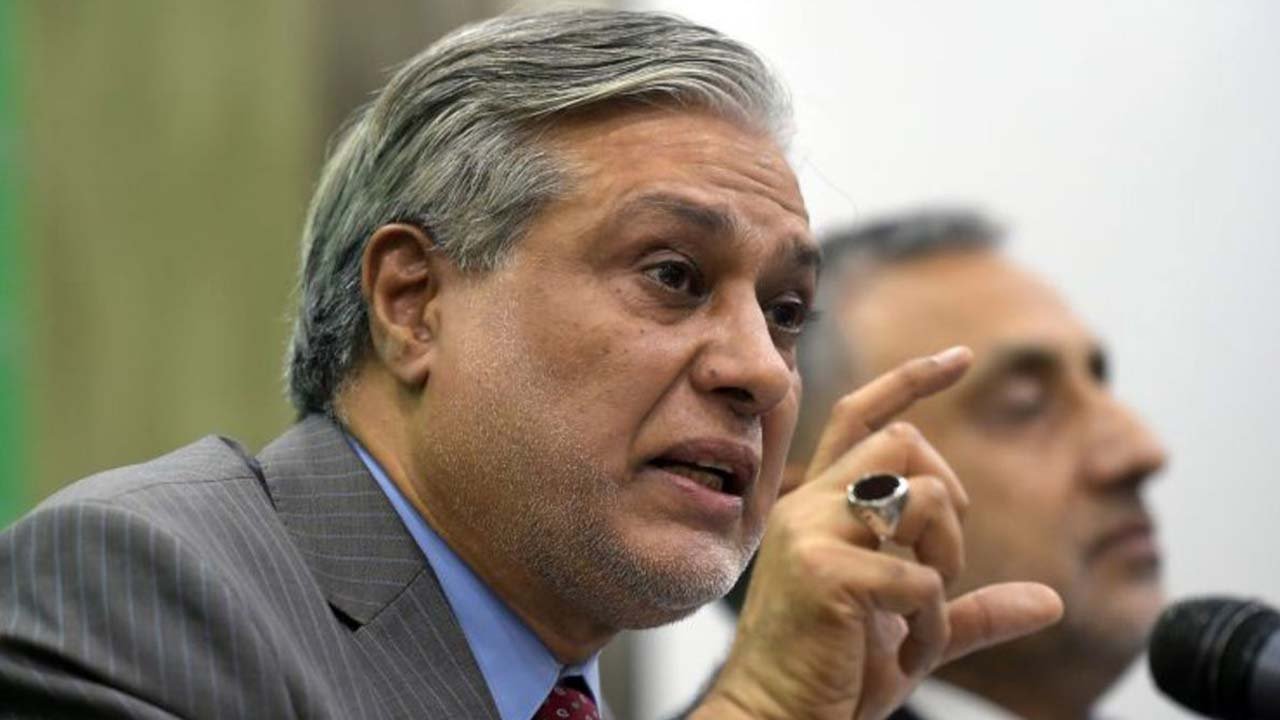
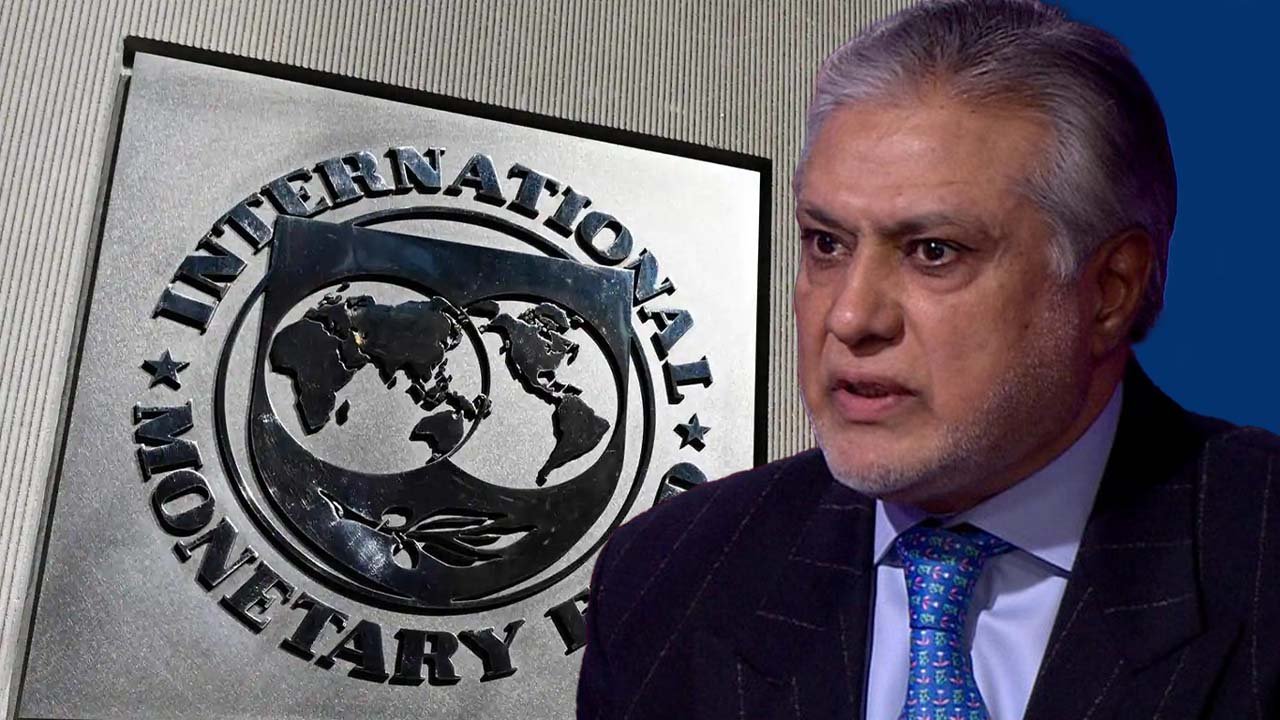
    Pakistan’s Finance Minister, Ishaq Dar, has voiced his opposition to the idea of entering into a new International Monetary Fund (IMF) bailout programme without the consent of the incoming government.

    Speaking at a press conference, Dar emphasised the need for democratic fairness and stated that any future IMF agreement should be the prerogative of the government elected after the ongoing programme concludes on June 30.

    The minister also highlighted Pakistan’s efforts in meeting IMF requirements and expressed hope for the successful completion of the ninth review before the programme’s conclusion.

    Government’s efforts and budget transparency

    During the press conference, Minister Dar reassured journalists that the coalition government had provided the IMF with budgetary information and expressed confidence that the budget numbers shared were without objection.

    He revealed that Prime Minister Shehbaz Sharif had agreed to share the numbers, and there were no issues concerning the figures presented. This transparency is a crucial step in unlocking the ninth review and securing the remaining funds from the IMF’s Extended Fund Facility.

    IMF’s conditions and economic challenges

    Under the current IMF programme, Pakistan has been required to implement several challenging measures, including the removal of energy subsidies, allowing the rupee to float against the US dollar, raising taxes and duties, and restricting imports.

    These measures aim to address Pakistan’s balance-of-payments crisis and reduce its external debt burden. However, the country’s economic challenges, combined with political uncertainty and a decline in foreign investment, have made the task more difficult.

    Esther Perez Ruiz, the IMF’s resident representative for Pakistan, stated that there is only enough time for one final board review before the scheduled end of the $6.5 billion Extended Fund Facility.

    Ruiz emphasised the need for Pakistan to restore the proper functioning of the foreign exchange market, present a budget for FY24 aligned with programme objectives, and secure credible financing commitments to close the $6 billion funding gap. These actions will pave the way for the final review and release of remaining funds.

    The call for ‘democratic’ decision-making

    Finance Minister Ishaq Dar emphasised the importance of democratic principles in determining Pakistan’s involvement in any future IMF programmes. He stressed that the decision to enter into a new programme should rest with the government elected after the ongoing programme concludes, rather than being imposed on a new administration.

    Dar’s stance reflects the need to ensure that any commitments made align with the vision and policies of the elected government, fostering a fair and democratic approach.

    Pakistan’s Finance Minister Ishaq Dar has voiced his opposition to the undemocratic imposition of a new IMF bailout programme. He said that any future agreement should be the prerogative of the incoming government, allowing them to shape policies and commitments in alignment with their mandate.

    As Pakistan works towards meeting the IMF’s requirements and unlocking the remaining funds, it is crucial to balance economic stability with democratic decision-making to ensure sustainable growth and development.
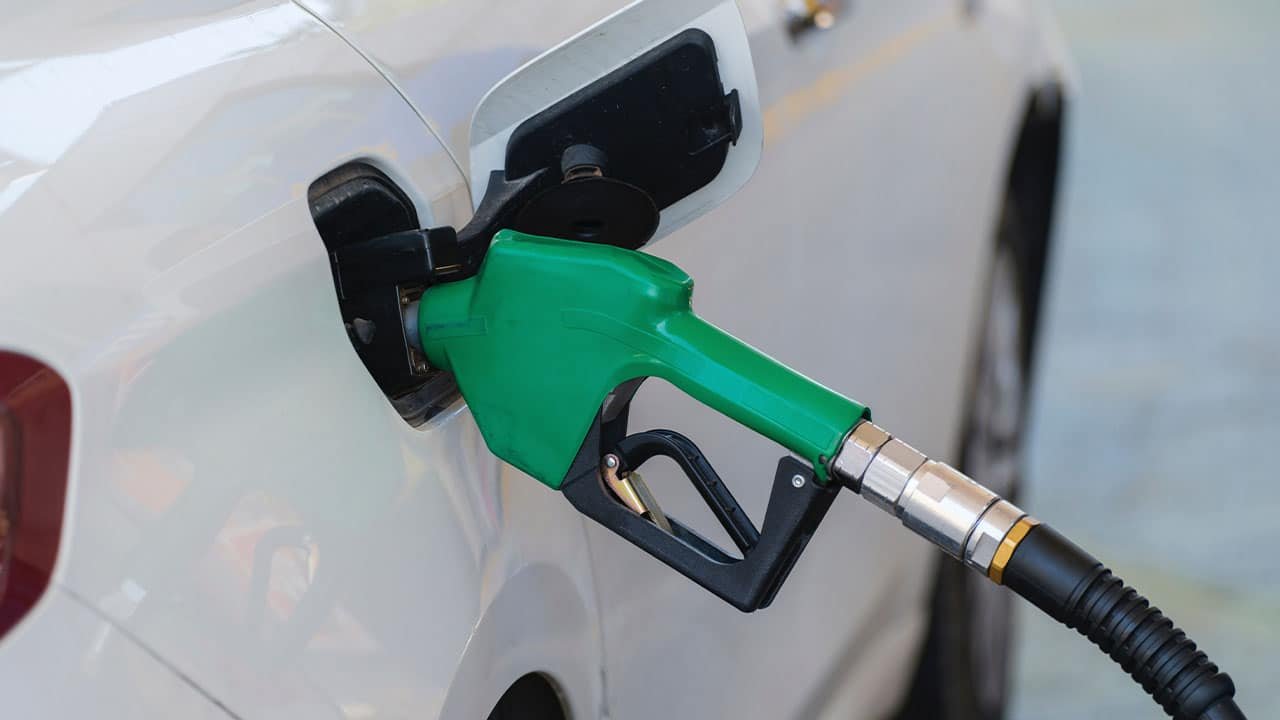
  • Petrol price slashed by Rs8 to Rs262 per litre for next fortnight

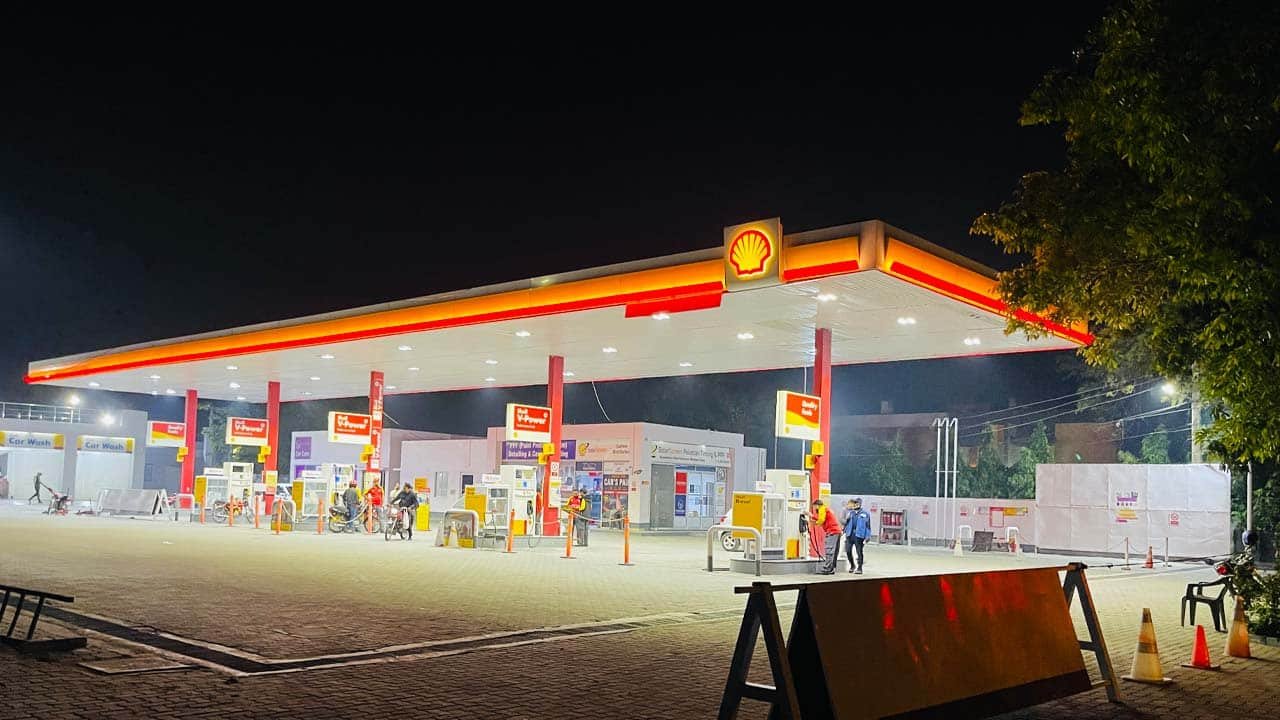
    Petrol price slashed by Rs8 to Rs262 per litre for next fortnight

    In a televised address on Wednesday, Finance Minister Ishaq Dar announced a significant reduction in the prices of petroleum products by the federal government.

    Effective from 12 am tonight, the price of petrol will be lowered by Rs8 per litre, bringing it down to Rs262 per litre. Similarly, the price of diesel will be reduced by Rs5 per litre, making it Rs253 per litre.

    Minister Dar said that these revised prices would remain unchanged for the next fortnight, providing stability and predictability for consumers. He further stated that this reduction in prices is part of a cumulative effort, as the government has already decreased the prices of petrol and diesel by Rs20 and Rs35 per litre respectively throughout the month of May.

  • Petrol price expected to decrease by Rs10 per litre for the next fortnight

    Petrol price expected to decrease by Rs10 per litre for the next fortnight

    The prices of petroleum products are expected to decrease starting from May 16, as the coalition government intends to provide some relief to the distressed public amidst the severe economic crisis and record inflation.

    According to reports in local media, petrol price will see a reduction of Rs10 per litre for the rest of May.

    It has been reported that the Oil and Gas Regulatory Authority (OGRA) has recommended a decrease in the prices of petroleum products. Based on these reports, the price of petrol may be reduced by Rs10 per litre, while the price of diesel is anticipated to decrease by Rs8 per litre.

    OGRA has submitted a summary to the government, and Finance Minister Ishaq Dar and other officials will seek the input of Prime Minister Shehbaz Sharif on the recommendations. The final decision will be announced today.

    The revised prices of petroleum products for the upcoming two weeks will be implemented after midnight on May 15.

    Earlier this month, the federal government announced a reduction of Rs5 per litre in the price of diesel, while the price of petrol remained unchanged. Presently, petrol is being sold at Rs282, HSD at Rs288, kerosene oil at Rs176.07, and light diesel oil at Rs164.68 per litre.

  • Pakistani rupee bounces back strongly after hitting all-time low of Rs300 against dollar

    Pakistani rupee bounces back strongly after hitting all-time low of Rs300 against dollar

    On Friday, the Pakistani rupee saw a significant recovery after hitting an all-time low of Rs300 against the US dollar the previous day. The local currency gained Rs12.43 per US dollar in the interbank market to trade at Rs286.50.

    This recovery can be attributed to two major developments that occurred over the last few hours. Firstly, the currency gained strength as demand from importers decreased, following the release of oil payments a day earlier.

    Secondly, the Supreme Court declared the arrest of Imran Khan, the Chairman of the Pakistan Tehreek-e-Insaf (PTI), illegal and ordered his immediate release. These two developments, combined with an improved political situation, resulted in the sharp recovery of the rupee.

    The demand for US dollars was high the previous day when the rupee hit an all-time low because imports had to retire their payments. However, the demand was relatively less on Friday, coupled with the improved political situation, which led to the sharp recovery.

    Despite the uncertainties surrounding the International Monetary Fund (IMF) programme sparking default concerns, the currency market did not react negatively to Finance Minister Ishaq Dar’s press conference, where he claimed that Pakistan would not default even if there was no IMF programme.

  • US expresses confidence in Pakistan’s economic policies and offers support for bilateral relations

    US expresses confidence in Pakistan’s economic policies and offers support for bilateral relations

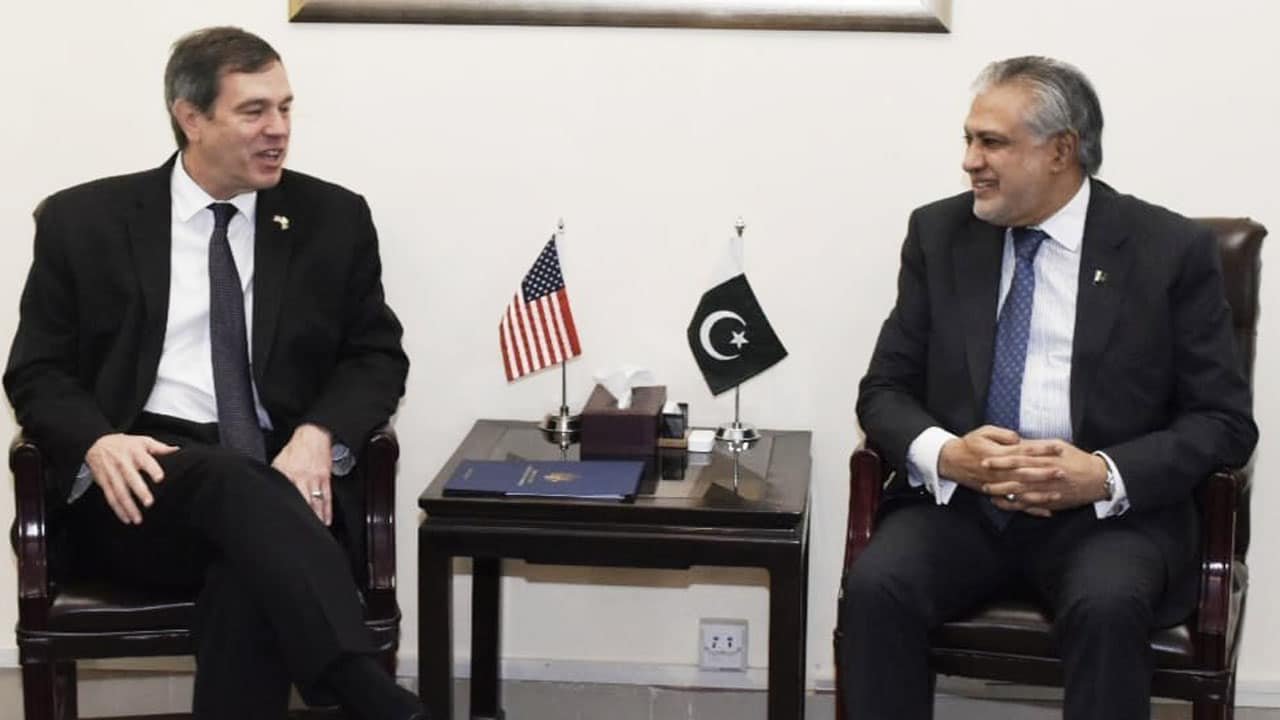
    On Wednesday, Finance Minister Senator Ishaq Dar reaffirmed the federal government’s commitment to the International Monetary Fund (IMF) programme during a meeting with US Embassy Charge’d Affaires Andrew Schofer at the Finance Division.

    Dar informed Schofer about the ongoing programme and assured him that the government was dedicated to completing it. Schofer expressed his confidence in Pakistan’s economic policies and programs and offered his support to strengthen economic and trade relations between the two nations.

    The finance minister also discussed the current economic challenges and policy decisions taken by the government to stabilize and promote sustainable and inclusive growth. Both parties exchanged their views on the notable bilateral relations between the US and Pakistan.

    Dar thanked the US Charge’d Affaires and reiterated the government’s desire to expand bilateral trade and investment ties. The meeting followed a report published by The News that stated the IMF and Pakistani authorities were holding each other responsible for the delay in reviving the stalled programme.

    It is still uncertain how Pakistan will proceed to accomplish the current IMF programme, which expires on June 30, 2023.

  • Pakistan sees increase in LPG prices following petrol price hike

    Pakistan sees increase in LPG prices following petrol price hike

    The Oil and Gas Regulatory Authority (OGRA) has announced an increase in the price of Liquefied Petroleum Gas (LPG) in Pakistan, following the recent hike in petrol prices. As per the notification, the price of LPG has been increased by Rs10 per kilogramme, with the new price per kilogramme set at Rs229.

    Moreover, the price of domestic and commercial cylinders of LPG has also been raised. The price of a domestic cylinder has been increased by Rs120, whereas a commercial cylinder will now cost Rs450 more than the previous rate.

    In addition, the federal government recently increased the petrol price by Rs10 per litre for the next two weeks. During a televised speech, the finance minister explained that the hike was due to the rise in international petroleum prices and exchange rate fluctuations.

    As a result, the new petrol price has been fixed at Rs282 per litre, while the rates for high-speed diesel (HSD) and light diesel oil have remained unchanged at Rs293 per litre and Rs174.68 per litre, respectively.

    Furthermore, the government has also raised the price of kerosene oil by Rs5.78 per litre, pushing it up from Rs180.28 per litre to Rs186.07 per litre.

  • Pakistan’s sustainable policy framework crucial to avoid default risk, says IMF

    Pakistan’s sustainable policy framework crucial to avoid default risk, says IMF

    Whilst serving as Finance Minister, Ishaq Dar has repeatedly assured the public that Pakistan has not defaulted and will not do so in the future. Kristalina Georgieva, Managing Director of the International Monetary Fund (IMF), has endorsed Dar’s views and stated that Pakistan has not yet reached the level of default.

    Speaking at a news conference during the spring meeting of Breton Wood Institutions at the Fund’s headquarters in Washington, Georgieva said that the Fund was seeking confirmation from international partners to meet Pakistan’s financing gap requirements. Responding to a question about Pakistan’s looming default risk, she stated that the country had not yet reached that level, but required a sustainable policy framework to avert such risks.

    Georgieva emphasized that the lender has been working closely with the authorities in Pakistan, within the context of the current programme, to ensure that the country has the policy framework in place to prevent reaching the point of unsustainable debt. Pakistan has less than a month’s worth of foreign exchange reserves and is awaiting a $1.1 billion bailout package from the IMF that has been delayed since November due to issues related to fiscal policy adjustments.

    Georgieva expressed hope that, with the goodwill of all parties involved and the implementation of what has already been agreed upon by the Pakistan authorities, the current programme can be completed successfully. Islamabad is required to provide assurance that its balance of payments deficit is fully financed for the fiscal year ending in June in order to unlock the next tranche of IMF funding.

    During the IMF-World Bank spring meetings, Dar attended via Zoom from Islamabad with IMF Deputy Managing Director Antoinette Moniso Sayeh. Sources report that Sayeh stated that Pakistan has yet to meet its external financing gap of $6 billion, of which $3 billion would need to be financed before striking a staff-level agreement.

    At this point, the State Bank of Pakistan’s Jameel Ahmed, who is presently in Washington, reportedly told participants that the United Arab Emirates (UAE) had shared a draft agreement for the provision of an additional $1 billion deposit to meet the requirement for signing the staff-level agreement. A top official expressed hope that the UAE deposit would be confirmed shortly and suggested that it may be confirmed as early as next week.

    Regarding the cross-fuel subsidy, the IMF was informed that it was only an idea floated by a relevant ministry and would be implemented only after an agreement on the salient features of the scheme. The Pakistani authorities agreed with the IMF that the scheme appeared good on paper but its transparent implementation would be challenging.

  • Govt announces relief for employees with early salary and pension release ahead of Eid-ul-Fitr

    Govt announces relief for employees with early salary and pension release ahead of Eid-ul-Fitr

    To ease the burden of inflation on the public, the federal government has decided to release salaries to employees of public sector departments before Eid-ul-Fitr. This decision was made after consultations between Prime Minister Shehbaz Sharif and Finance Minister Ishaq Dar.

    Pakistan is currently facing historic levels of inflation which resulted in many individuals being unable to afford basic necessities. In addition, the country is struggling to secure external financing, with the threat of default looming over it.

    Information Minister Marriyum Aurangzeb has confirmed that the government will also be releasing monthly pensions before the festival. As a result of this decision, Finance Secretary Hamed Yaqoob Sheikh has been directed to make the necessary arrangements.

    In a similar move, the Government of Sindh had previously announced the early release of salaries for Muslim government employees ahead of Eid-ul-Fitr. According to a notification from the finance department, full pay and allowances will be paid in advance to all Muslim employees and pensioners of the Provincial Government of Sindh, including work-charged and contingent paid establishment.

    The salaries and pensions will be released on April 17, instead of May 2, as Eid is expected to fall on either April 21 or April 22, according to Geo.

  • Ishaq Dar cancels trip to the US for IMF and World Bank spring meetings

    Ishaq Dar cancels trip to the US for IMF and World Bank spring meetings

    Finance Minister, Ishaq Dar, has cancelled his scheduled trip to the United States next week to meet with the International Monetary Fund (IMF) and World Bank. The reason cited for the pull-out is the “domestic state of affairs” in the country, as the deepening political uncertainty has made it difficult for Dar to attend the World Bank-IMF spring meetings that were supposed to take place in Washington from April 10 to 16.

    Dar’s original plan was to address concerns about the government’s continuity, future economic plans, and bridging the trust deficit with multilateral lenders. However, with his withdrawal, the Minister of Economic Affairs, Sardar Ayaz Sadiq, will also not travel to the United States. The government will now be represented by Finance Secretary Hamed Yaqoob Sheikh and Economic Affairs Secretary Kazim Niaz at the WB-IMF spring meetings.

    The decision by the finance minister to withdraw may also result in the cancellation of meetings with his Saudi Arabian counterpart and the UK state minister for development. Dar was supposed to begin his trip on Monday with a meeting with Nathan Porter, the IMF’s Mission Chief in Pakistan, which was critical as Pakistan and the IMF were no longer actively negotiating following the government’s decision to announce petrol subsidies.

    Besides the IMF and WB, Dar was scheduled to meet with representatives from the three international credit rating agencies that had downgraded Pakistan. The finance ministry had also scheduled meetings with foreign commercial banks to persuade them to release loans.

    However, the Pakistan delegation may still get to meet with IMF’s deputy managing director Antoinette Sayeh, who follows Pakistan closely. It is uncertain whether a meeting with Managing Director Kristalina Georgieva would take place or not. Some reports have cited diplomatic protocol issues that prevent low-ranking dignitaries from meeting presidents/directors/leaders of various multilateral institutions and finance ministers from various countries.

  • US Ambassador assures Pakistan of continued assistance for IMF bailout programme

    On Thursday, US Ambassador to Pakistan Donald Blome reassured Finance Minister Ishaq Dar that Washington would continue to assist Islamabad in unlocking a long-stalled International Monetary Fund (IMF) bailout. This bailout is intended to help the liquidity-challenged country’s economy avoid imminent default. The assurance was given during a meeting between the finance minister and the ambassador in the federal capital.

    According to details, the envoy was briefed on the progress of the Washington-based lender’s programme. During the meeting, FinMin Dar requested the US ambassador’s assistance in unlocking the bailout programme. He also informed him about a $2 billion commitment from Saudi Arabia and ongoing talks with the United Arab Emirates for financing $1 billion. The minister expressed the need for additional resources and financing, to which Blome promised cooperation from the United States.

    According to an official statement from the Ministry of Finance, Dar briefed the envoy on the country’s economic outlook and the challenges faced by the nation. He also shared the government’s pragmatic policy decisions aimed at stabilising and growing the economy.

    The statement noted that Blome expressed confidence in the government’s policies and programmes, supporting them for the economic sustainability of the country and the socio-economic upliftment of the masses. He extended his support to promote bilateral economic, investment, and trade relations between both countries.

    The two sides discussed matters of common interest and showed an interest in enhancing the existing bilateral relations between both countries. They also talked about various economic avenues through which both countries can strengthen their ties. This meeting with Blome took place days after FinMin Dar met with UAE’s ambassador to Pakistan, Hamad Obaid Ibrahim Salim Al-Zaabi, to discuss economic relations.

    Since early February, Islamabad has been hosting an IMF mission to negotiate a series of policy measures aimed at securing $1.1 billion in funding for the cash-strapped economy, which is on the verge of collapse.

    The IMF has requested Pakistan to secure assurances on external financing from friendly countries and multilateral partners to fund its balance of payment gap for this fiscal year, ending in June. The funds are part of a $6.5 billion bailout package the IMF approved in 2019, which analysts say is critical for Pakistan to avert defaulting on external payment obligations.