Tag: Finance Minister

  • Ishaq Dar to attend IMF, World Bank meetings in US

    Ishaq Dar to attend IMF, World Bank meetings in US

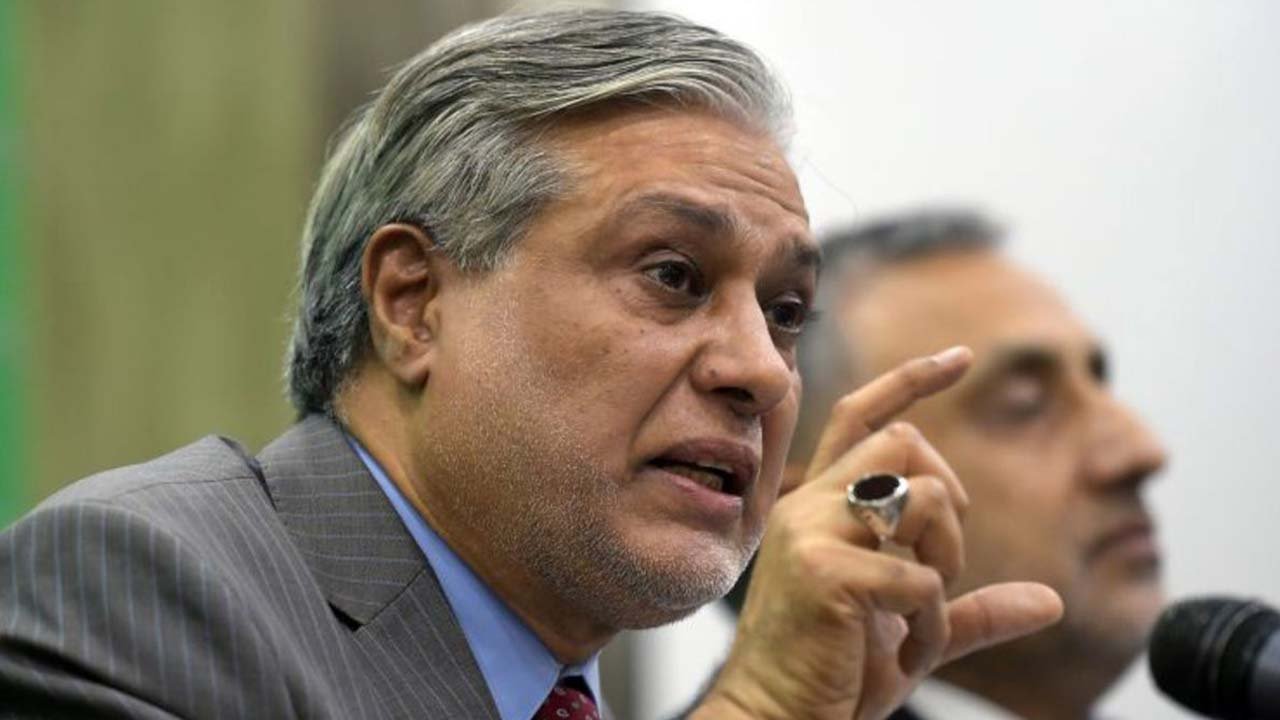
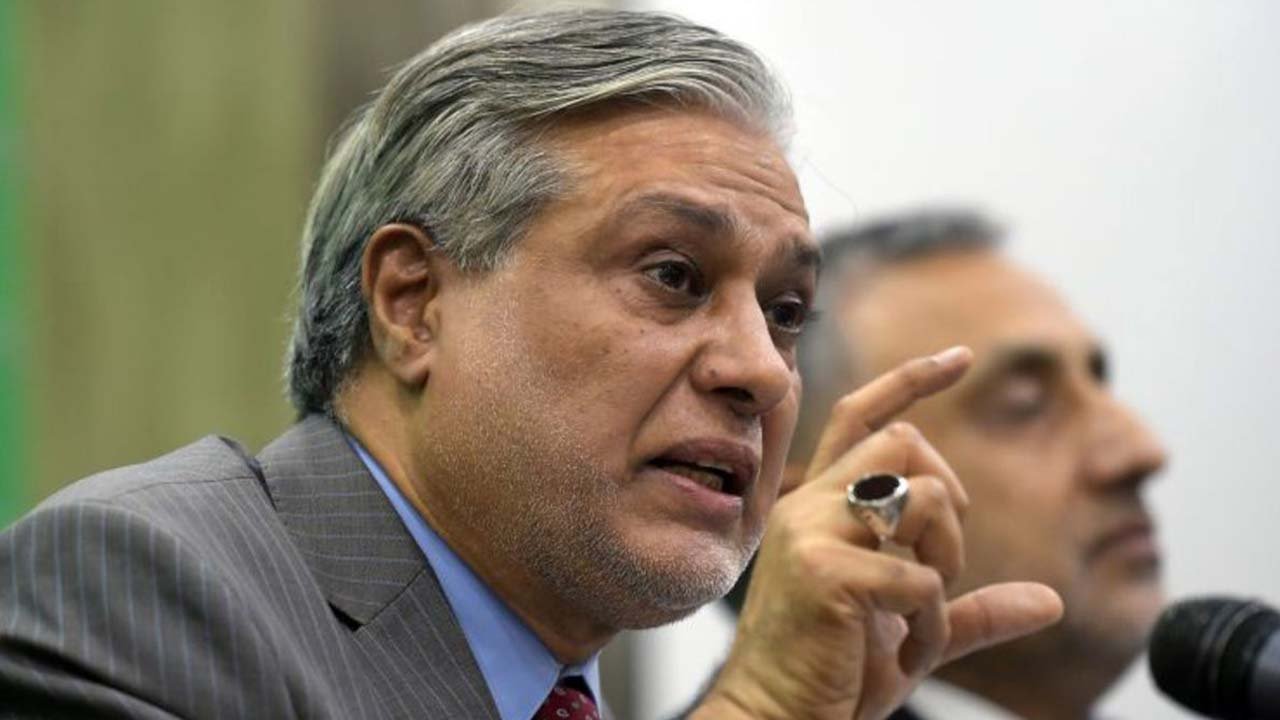
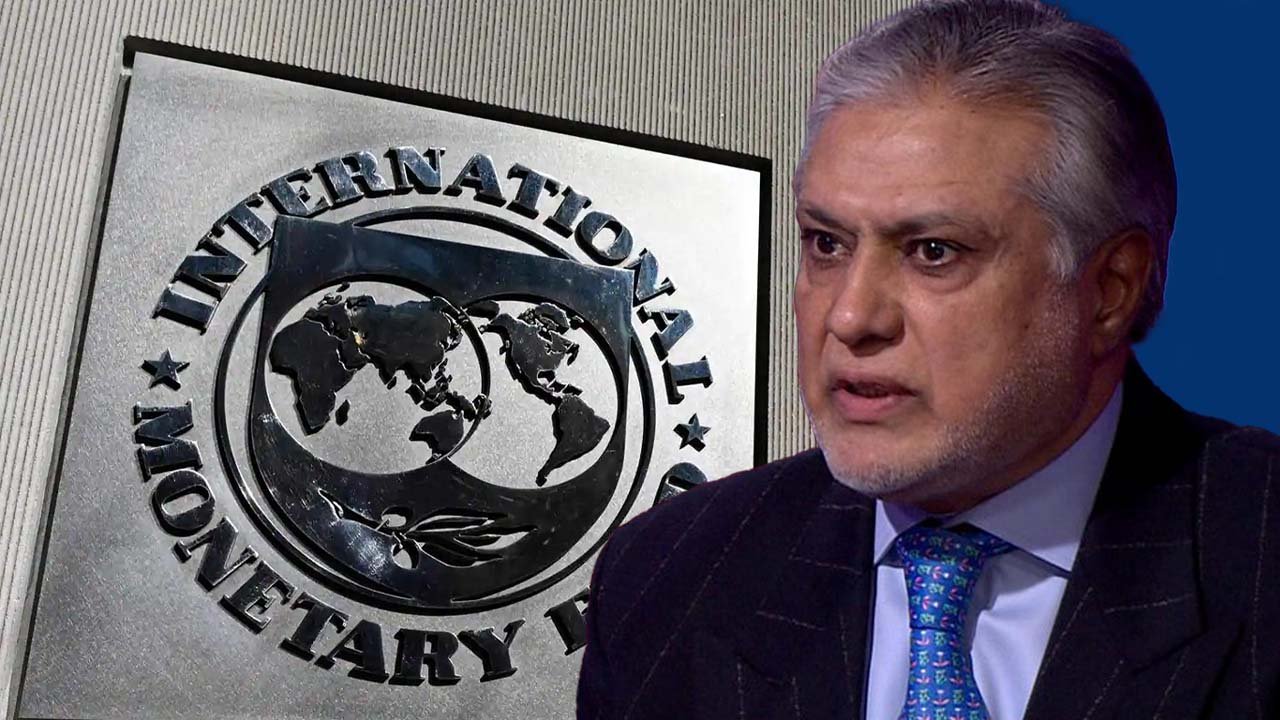
    Finance Minister of Pakistan, Ishaq Dar, will lead a delegation to the United States to attend the annual spring meeting of the Breton Wood Institutions (BWIs), comprising the International Monetary Fund (IMF) and World Bank, from April 10 to 16.

    The delegation includes officials from the Finance and Economic Affairs Division and the State Bank of Pakistan (SBP) governor. The delegation is expected to present new proposals to the IMF and World Bank for the provision of dollar inflows.

    IMF and Pakistan will also discuss the possibility of combining the remaining 10th and 11th reviews under the Extended Fund Facility (EFF) program, worth $6.5 billion, if the pending 9th review is completed. The EFF program, signed in 2019, is set to expire on June 30, 2023, and cannot be extended beyond the deadline.

    The delay in the 9th Review’s completion, scheduled for December 2022, has resulted in the delay of the 10th Review, which was to start in February 2023. The 11th Review was scheduled to begin on May 3. The delay in the 9th Review will increase the cost of correcting the situation.

    The government of Pakistan has taken difficult decisions to revive the IMF program, but there is no easy solution to the country’s ailing economy. The IMF is seeking verification from Pakistan’s bilateral friends, including Saudi Arabia, the UAE, and Qatar, to provide additional assistance of $6 billion until the end of June 2023.

    SBP’s foreign exchange reserves currently stand at $4.2 billion, which is insufficient to meet obligations related to foreign debt servicing, including principal and markup. It remains to be seen how the completion of the bailout program will proceed, given the delay in the 10th Review.
  • Pakistan awaits financial support confirmation from Saudi Arabia and UAE to sign IMF agreement

    Pakistan awaits financial support confirmation from Saudi Arabia and UAE to sign IMF agreement

    The signing of the staff-level agreement (SLA) between Pakistan and the International Monetary Fund (IMF) is dependent on confirmation of financial support from the Kingdom of Saudi Arabia (KSA) and the United Arab Emirates (UAE). Once support confirmation is received from KSA and UAE, the SLA will be signed with the IMF.

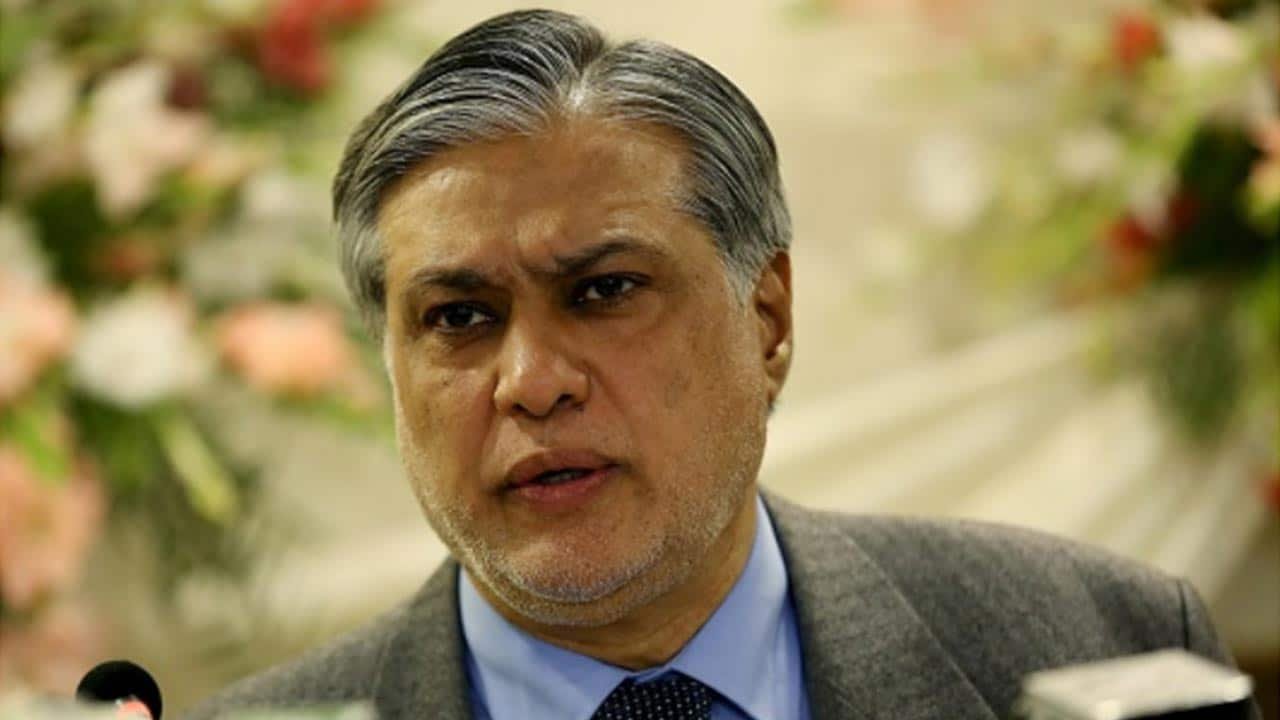
    Finance Minister Ishaq Dar reportedly informed diplomats in Islamabad at an Iftar dinner on Sunday that the issues with the IMF will be settled soon. However, it has been 46 days since the IMF and Pakistan concluded review talks in Islamabad on February 9, and the staff-level agreement is yet to be secured.

    There have also been dissenting views within the Finance Ministry on the issue of cross-fuel subsidy. While some bureaucrats from the ministry have opposed the scheme, the government went public with it, which has caused concern.

    Officials who spoke on the condition of anonymity told The News, that such schemes would jeopardize the revival of the IMF program, and it remains to be seen how the ministry will satisfy the global lender on the subsidy. The status of the 10th and 11th reviews, which were due on February 3 and May 3, respectively, is also unknown at this time, even if the IMF program is revived.

    The situation highlights the importance of financial support from KSA and UAE to Pakistan, as well as the potential impact of domestic policy decisions on the country’s relationship with the IMF. Despite Finance Minister Dar’s assurances, it is unclear when the SLA will be signed, and how the subsidy issue will be resolved.

    As the reviews remain in question, the situation underscores the need for Pakistan to address economic challenges and seek support from its allies to maintain its financial stability.

  • Ishaq Dar assures govt is taking all possible measures to overcome economic challenges

    Ishaq Dar assures govt is taking all possible measures to overcome economic challenges

    The Finance Minister of Pakistan, Ishaq Dar, has stated that the federal government is working diligently to steer the country out of its current economic challenges and towards sustainable growth.

    Speaking at an Iftar dinner hosted by the Islamabad Chamber of Commerce and Industry (ICCI) in honor of foreign diplomats, Dar urged friendly countries to fulfill their commitments to Pakistan to pave the way for a deal with the International Monetary Fund (IMF) and the revival of the economy.

    Dar highlighted that Pakistan was expected to become the world’s 18th-strongest economy in 2016 but is now facing serious economic challenges. He reassured attendees that Pakistan would not default and that the government is doing everything in its power to overcome the difficulties.

    The President of ICC, Ahsan Zafar Bakhtawari, called on the government to ensure consistency in economic policies to boost investor confidence. He encouraged diplomats to invest in Pakistan, emphasizing the country’s large market with over 220 million consumers and opportunities in various sectors of its economy.

    Bakhtawari expressed hope that a deal with the IMF would soon be concluded and urged the government to work towards ending the country’s reliance on foreign loans and becoming self-sufficient. He assured attendees that the business community would fully support the government in achieving this goal.

    According to APP, the Iftar dinner was attended by diplomats from various countries, including Turkmenistan, Kazakhstan, Azerbaijan, Kyrgyzstan, Turkey, Indonesia, Syria, Saudi Arabia, Australia, Malaysia, Poland, Sri Lanka, Nepal, and the Republic of Turkish Northern Cyprus, who commended the ICCI for hosting the event.

  • Dar says assurance of funding from friendly countries is the final hurdle in securing IMF deal

    Dar says assurance of funding from friendly countries is the final hurdle in securing IMF deal

    On Thursday, Finance Minister Ishaq Dar announced that the assurance of funding from “friendly countries” was the final obstacle to securing an IMF deal that would provide critical support to Pakistan’s struggling economy and prevent an economic crisis.

    During a session of the country’s upper house of parliament, Dar revealed that several countries had previously made commitments to support Pakistan during IMF reviews, and the IMF was now requesting that these commitments be fulfilled.

    The delay in securing the deal, which involves a $1.1 billion bailout package from the IMF, has been ongoing since November due to issues surrounding fiscal policy adjustments. The package is part of a larger $6.5 billion bailout approved by the IMF in 2019, which is crucial for Pakistan to avoid defaulting on external payment obligations.

    The deal would also allow Pakistan to access other financing avenues to bolster its foreign exchange reserves, which currently only cover four weeks’ worth of imports.

    The IMF has asked Pakistan to secure assurance of up to $7 billion to cover this year’s balance of payments gap, while Dar believes that $5 billion would suffice.

    An IMF mission has been present in Islamabad since February to negotiate a set of policy measures for Pakistan’s struggling economy, ahead of the annual budget due in June.

    Prime Minister Shehbaz Sharif stated that all of the IMF’s conditions had been met, and expressed hope that a staff level agreement would be reached soon.

  • Who would be Shahid Khaqan Abbasi’s pick for Finance Minister? Not Ishaq Dar

    Former Prime Minister (PM) Shahid Khaqan Abbasi has said that if he had been the premier of the country, his finance minister would have been Miftah Ismail and not Ishaq Dar.

    In an interview with a web channel, Abbasi said that Miftah Ismail had fulfilled the responsibility given to him by Prime Minister Shehbaz Sharif after the coalition government took charge.

    Abbasi was asked if the current Finance Minister, Ishaq Dar, was running the country’s economy satisfactorily. Abbasi responded by saying that history will decide the success of Ishaq Dar.

    “Whatever responsibility the Prime Minister gave to Miftah Ismail, he did it. Ministers work on the authority of the Prime Minister. He decided that Ishaq Dar should be the one to lead the finance ministry, so he brought him in. Now it is the responsibility of the Premier and the Finance Minister to play their part in fixing the country’s economy. Only history will tell how far they will succeed,” said Abbasi.

    It is pertinent to mention that Miftah resigned from the position of finance minister in September last year after Ishaq Dar returned from London and took over.

  • State Bank of Pakistan’s foreign exchange reserves rise to $4.3 billion after Chinese loan

    State Bank of Pakistan’s foreign exchange reserves rise to $4.3 billion after Chinese loan

    Pakistan’s foreign exchange reserves held by the State Bank of Pakistan (SBP) have exceeded $4 billion after the country received a $500 million loan from the Industrial and Commercial Bank of China (ICBC).

    In a weekly bulletin, the SBP reported a rise in foreign exchange reserves by $487 million, boosting the total to $4,301 million as of 3 March, providing an import cover of around a month. This was part of the ICBC’s $1.3 billion facility, which followed another loan of $700 million from the China Development Bank.

    These loans were essential as Pakistan has not received funds from any other country, except China, while the $350 billion economy struggles to revive its stalled International Monetary Fund (IMF) program.

    There are $7 billion of repayments due in the coming months, including a Chinese loan of $2 billion due in March. According to Geo, experts believe that the Pakistan rupee, which has fallen to a historic low of Rs282.30 against the dollar in the interbank market, can only recover to Rs265 if the situation improves.

    Meanwhile, the government has imposed restrictions on imports due to a shortage of dollars, which has resulted in the partial closure of textile and automobile manufacturers, raising fears of unemployment.

  • All economic indicators moving in right direction: Dar dismisses rumors of Pakistan’s default

    All economic indicators moving in right direction: Dar dismisses rumors of Pakistan’s default

    According to the announcement by Pakistan’s Federal Finance Minister Ishaq Dar, negotiations between Pakistan and the International Monetary Fund (IMF) are about to conclude, and a staff-level agreement is expected to be signed soon.

    The minister also dismissed rumours of Pakistan defaulting as completely false and stated that all economic indicators are moving in the right direction. He highlighted that the State Bank of Pakistan’s foreign exchange reserves have increased and that foreign commercial banks have started extending facilities to Pakistan.

    However, the Pakistani rupee has plunged to a new all-time low of Rs290.18 against the US dollar in the interbank market, which is causing concern among importers who are panic buying dollars while exporters are reportedly withholding selling the greenback in anticipation of a higher exchange rate.

    It is reported that the IMF wants the value of the rupee in the interbank market to match its value in the black currency market.

  • ‘How dare you’: Miftah Ismail gets furious at public event when asked about getting a BMW

    Former Finance Minister Miftah Ismail lost his cool and got furious at Karachi Literature Festival on Sunday when asked about allegedly obtaining a BMW when he was the minister a few months back.

    Responding to a question, the former minister responded by saying: “How can you say I had a BMW and accuse somebody like this? How dare you talk to me that I had a BMW?”

    Miftah noted that these “false” accusations led to people in jail.

    “I was in jail for five months without being guilty of anything so I don’t appreciate people telling me that I have done something wrong,” said the former finance czar.

    “My sister, wife and daughter cried when I was in jail so you should take it back,” Miftah told the person.

    Setting the record straight, the Pakistan Muslim League-Nawaz leader also said he used to drive his personal car and bear fuel expense when he served as the finance minister.

    Miftah Ismail held the post of finance minister when the incumbent coalition government took charge in April. However, he was replaced by Nawaz’s close aide Ishaq Dar in September last year. Since then, it’s been speculated that some factions within the party are not happy with Miftah.

  • Big power consumers to face increased tariff due to IMF conditions

    Big power consumers to face increased tariff due to IMF conditions

    The Economic Coordination Committee (ECC) of the Cabinet approved the removal of subsidies in electricity tariffs for the export-oriented sector and the Kissan package in order to meet one of the International Monetary Fund’s (IMF) preconditions for reaching a staff-level agreement.

    Federal Minister for Finance and Revenue Senator Ishaq Dar presided over the meeting, where the revenue and fiscal measures were discussed to fulfill the IMF’s demands.

    The recently concluded 10-day IMF mission in Islamabad had energy sector reforms and reducing the circular debt as the main focus of the talks. However, the IMF team left without signing an agreement and requested that Pakistan take corrective measures. The ECC meeting was convened to evaluate the situation and implement necessary steps.

    The government approved a revised Circular Debt Management Plan (CDMP) that includes quarterly tariff adjustments, a deferred fuel price adjustment, and a surcharge of Re1 per unit for large power consumers. The approved tariff hike ranges from Rs7-8 per unit until August 2023, with the consumer base tariff expected to increase from Rs15.28 per unit in June 2022 to Rs23.39 per unit by June 2023.

    According to sources, the IMF had requested the government to raise the base tariff by Rs4.06 per unit, but this request was not approved under the revised CDMP. It is yet to be determined how the IMF’s demand was incorporated into the Memorandum of Economic and Financial Policies (MEFP) that was presented to Pakistan on February 10, 2023.

    If the IMF continues to insist on a higher base tariff, it is estimated that the Pakistani authorities will have to raise the tariff by a range of Rs9 to 11 per unit.

    The government has so far protected electricity users consuming 300 units or less from a planned tariff increase. However, the revised Circular Debt Management Plan (CDMP) does not address the IMF’s demand for a higher base tariff in order to reduce the need for an additional subsidy of Rs335 billion.

    In accordance with IMF directives, the additional subsidy requirement has been reduced from Rs675 billion to Rs335 billion, and the government has indicated that it will be included as part of the circular debt management plan.