Tag: Finance Ministry

  • Pakistan expects positive outcome in talks with IMF, eyes $700 million disbursement

    Pakistan expects positive outcome in talks with IMF, eyes $700 million disbursement

    Pakistan is optimistic about the successful completion of the initial review under the $3 billion standby arrangement (SBA) with the International Monetary Fund (IMF). 

    According to reports, the ongoing negotiations, now in their final phase, are anticipated to culminate positively, marking a crucial milestone. 

    Commencing on Monday, policy-level discussions between Pakistani authorities and the IMF are scheduled to persist until November 15, spearheaded by Finance Minister Shamshad Akhtar.  

    The Pakistani delegation, including key figures such as State Bank of Pakistan Governor Jameel Ahmad and Federal Board of Revenue Chairman Malik Amjed Zubair Tiwan, along with representatives from the finance and energy ministries, has been actively engaged in the deliberations. Nathan Porter leads the IMF team in this dialogue. 

    During the latest session, the IMF delegation articulated their recommendations and requirements, while technical-level talks involved the sharing of pertinent economic data with the international lender’s team, according to The News.  

    Sources within the finance ministry assert that Pakistan has diligently fulfilled all stipulated conditions set forth by the IMF. 

    It is anticipated that the staff-level agreement will be finalised during the ongoing policy-level talks, paving the way for the disbursement of approximately $700 million to Pakistan upon the successful completion of the first review. 

    Earlier this month, the IMF review mission commended the Pakistani government for its commendable progress towards economic recovery, as stated by the finance ministry.  

    The IMF’s $3 billion loan programme, sanctioned in July, played a pivotal role in averting a sovereign debt default. The initial tranche of $1.2 billion was disbursed in July, with the remaining amount contingent on subsequent reviews. 

    Finance Minister Shamshad Akhtar has unequivocally ruled out any requests to the IMF for an extension of the SBA programme’s timeframe or an increase in its size. 
  • Pakistan’s October inflation eases to 26.9%

    Pakistan’s October inflation eases to 26.9%

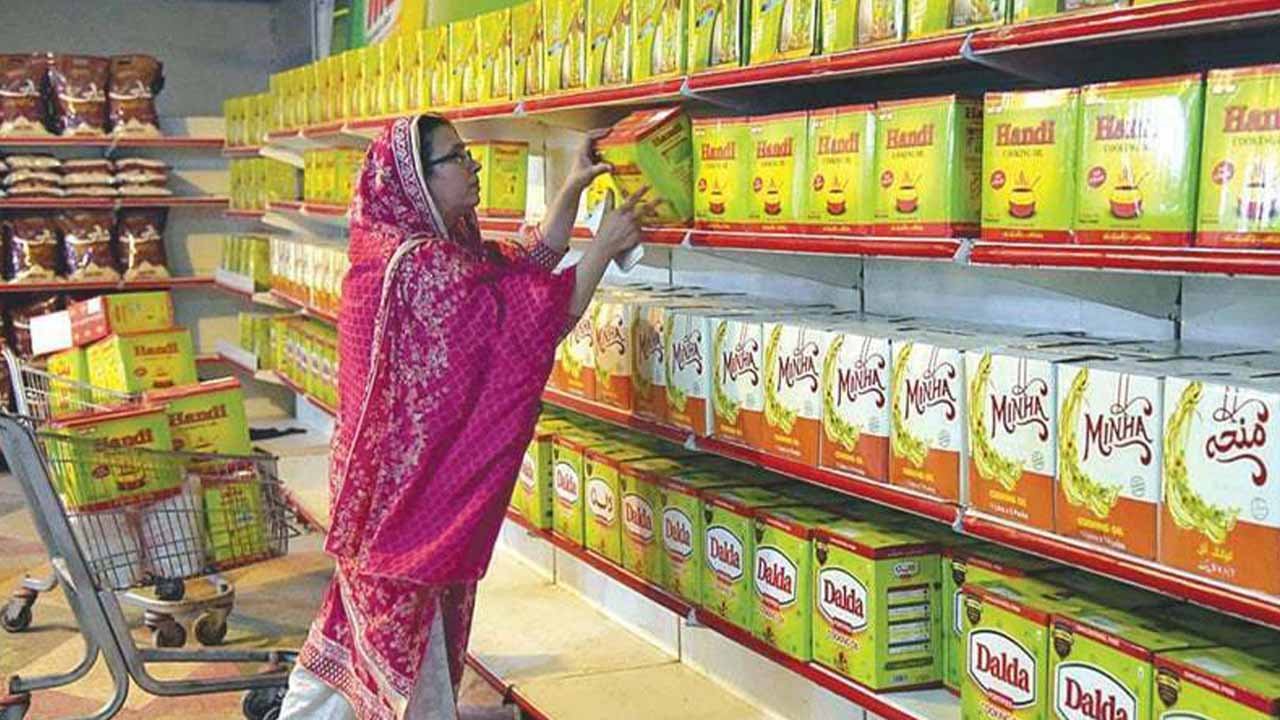
    In October, Pakistan witnessed a year-on-year headline inflation rate of 26.9 per cent, as reported by the Pakistan Bureau of Statistics (PBS) on Wednesday.  

    This figure represents a notable decrease from the previous month’s reading of 31.4 per cent in September. Additionally, the month-on-month inflation rate for October showed a 1.1 per cent increase. 

    When considering the average inflation from July to October, it amounted to 28.48 per cent, a contrast to the 25.48 per cent recorded during the same period the previous year. 

    In its most recent ‘Monthly Economic Update and Outlook’ report, the Ministry of Finance projected that consumer price index (CPI)-based inflation in Pakistan for October would fall within the range of 27 per cent to 29 per cent.  

    The ministry anticipated that inflation would exhibit a more contained trend compared to the elevated levels observed during the first quarter of fiscal year 2024. 

    The Pakistan Bureau of Statistics further distinguished between urban and rural inflation rates. In urban areas, the year-on-year CPI inflation increased to 25.5 per cent in October 2023, marking a decline from the 29.7 per cent observed in the previous month and the 24.6 per cent recorded in October 2022.  

    On a month-on-month basis, urban inflation experienced a 1.1 per cent increase in October 2023, compared to a 1.7 per cent increase in the previous month and a 4.5 per cent increase in October 2022. 

    Similarly, in rural areas, the year-on-year CPI inflation rose to 28.9 per cent in October 2023, which represented a decrease from the 33.9 per cent recorded in the previous month and the 29.5 per cent in October 2022.  

    On a month-on-month basis, rural inflation increased by 1.1 per cent in October 2023, in contrast to a 2.5 per cent increase in the previous month and a 5.0 per cent increase in October 2022. 

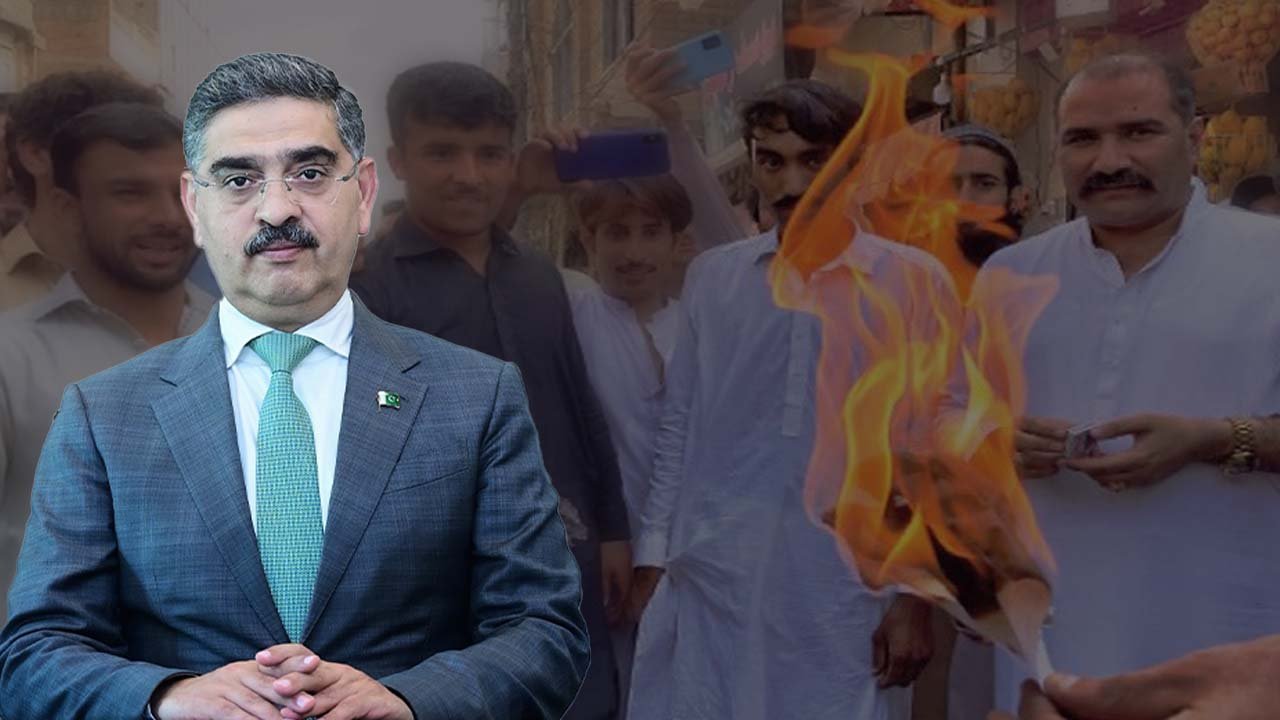
  • PM Kakar sets 48-hour deadline for relief plan amid electricity bill protests

    PM Kakar sets 48-hour deadline for relief plan amid electricity bill protests

    Amid escalating protests across the nation demanding relief from inflated power bills, Caretaker Prime Minister Anwaar ul Haq Kakar has taken proactive steps to address the pressing issue. In response to the ongoing unrest, Prime Minister Kakar convened a high-level meeting yesterday to strategise and formulate a comprehensive relief plan within the next 48 hours.

    The focal point of the meeting was an informative briefing provided by the Power Division, shedding light on the notable increase in power bills during the month of July. Attended by esteemed members of the interim cabinet, including Dr Shamsad Akhtar, Dr Gohar Ijaz, and the PM’s advisor, Dr Waqar Masood, the meeting aimed to address the mounting concerns over the substantially high electricity bills. There are growing fears that if swift action is not taken, the situation could spiral into widespread public protests and potentially even riots.

    In the aftermath of the meeting, PM Kakar took to social media to communicate the intended course of action. “The Ministry of Energy and the Ministry of Finance have been tasked with collaboratively devising an action plan aimed at providing relief to the public with regard to their electricity bills,” announced the Prime Minister, reiterating the government’s commitment to addressing the pressing issue.

    Beyond seeking immediate measures to curtail electricity consumption on government premises, Prime Minister Kakar emphasised that consultations would be initiated with all provincial representatives. He further assured the public that the caretaker government was resolute in its commitment to providing the maximum possible relief while remaining within its designated mandate.

    The Caretaker Minister for Information and Broadcasting, Murtaza Solangi, echoed the Prime Minister’s sentiments by sharing the key outcomes of the meeting via social media. He conveyed that PM Kakar had stressed the urgency of devising an action plan within the next 48 hours to alleviate the mounting financial burden caused by excessive charges on electricity bills. The Prime Minister’s emphasis was on implementing measures that wouldn’t have a detrimental impact on the national exchequer yet would genuinely alleviate the financial strain on consumers.

    The meeting concluded with a comprehensive commitment to tackle electricity theft, roll out energy-efficient initiatives, and initiate dialogue with provincial chief ministers regarding the substantial charges incurred in July. The meeting also included detailed briefings on pertinent issues within the electricity sector and strategies to counteract electricity theft.

    Against the backdrop of sustained protests, political parties from diverse backgrounds have voiced their concerns and demands. Jamaat-e-Islami has taken a decisive step by announcing a nationwide strike on September 2 as a means of voicing their discontent with the drastic surge in electricity bills. The party’s leader, Siraj-ul-Haq, articulated his intention to mobilise people across the country to participate in these protests, lamenting the financial hardship faced by salaried individuals due to soaring living costs.

    According to Brecorder, adding to the chorus of concerns, MQM-P leaders have issued a stern warning that the ongoing protests could rapidly escalate into violent riots if prompt relief measures are not taken. Farooq Sattar, Senior Deputy Convener of MQM-P, highlighted the burden of multiple taxes contributing to the high electricity bills, underscoring the palpable frustration among the populace.

    As the nation anticipates the proposed relief plan within the stipulated 48-hour timeframe, the government’s actions in response to the mounting crisis will significantly shape the trajectory of the ongoing protests and public sentiment at large.

  • Punjab govt set to spend Rs2.3 billion on new cars for officials

    Punjab govt set to spend Rs2.3 billion on new cars for officials

    In a recent development, the caretaker government of Punjab has taken a decision to acquire 200 new vehicles at a total cost of Rs2.3 billion, raising concerns about the use of taxpayer money on luxury vehicles for bureaucrats.

    According to reliable sources, the financing for this purchase will be drawn from the tax revenue contributed by the public, prompting scrutiny over the allocation of such a substantial amount for the benefit of government officials.

    A letter has been issued requesting the release of advance funds from the finance ministry to facilitate the acquisition process. The Assistant Commissioners throughout Punjab are slated to get Toyota Corolla Altis 1600cc vehicles, while Deputy Commissioners in each district will be given Toyota Yaris. At the Tehsil level, Assistant Commissioners will be provided with Double Cabin vehicles, as per an official notification.

    However, amidst this decision, a concerned citizen has taken legal action by filing a petition in the Lahore High Court (LHC), seeking the removal of Punjab’s caretaker Chief Minister, Mohsin Naqvi, and his cabinet members from office. The petitioner argues that the caretaker government’s term has exceeded its constitutional mandate.

    The petitioner contends that although the Supreme Court has extended the election date in the province, it has not extended the tenure of the caretaker government. Consequently, the continued occupation of office by Caretaker CM Mohsin Naqvi and his cabinet is perceived as a breach of the constitution and raises questions about its constitutional legitimacy.

    As the situation unfolds, public attention remains focused on the utilisation of public funds for bureaucratic privileges, while the legal challenge adds further complexity to the already contentious political landscape in Punjab.

  • Govt adds new radio fee and increases TV charges in electricity bills

    Govt adds new radio fee and increases TV charges in electricity bills

    The government has recently made a decision to introduce additional charges for the public in their electricity bills. These charges will include a fee for both television and radio services. This resolution was reached during a meeting of the Senate Standing Committee on Finance, with Salim Mandviwala as the chair.

    Finance Ministry officials presented a briefing, outlining that the electricity bills will now include a fee of Rs50 for television and radio services combined. Specifically, Rs35 will be allocated for the Pakistan Television (PTV) fee, while Rs15 will be directed towards the radio fee. The Ministry of Information has prepared a summary in support of this initiative, and the funds collected from users will be utilised to cover the salaries of radio employees.

    The motivation behind this decision stems from the federal government’s efforts to address the financial crisis faced by Radio Pakistan. To support the struggling Pakistan Broadcasting Corporation (PBC), commonly known as Radio Pakistan, additional charges will be imposed on electricity consumers. The Ministry of Information has proposed an extra Rs15 levy on consumers’ electricity bills, with Rs35 allocated to the state TV fee and the remaining Rs15 to assist Radio Pakistan.

    The Senate Standing Committee’s recommendation for this course of action was based on the urgent need to alleviate the financial difficulties experienced by current and retired PBC employees.

    This issue has been a longstanding challenge for over a decade. In fact, an earlier proposal in February sought a separate “radio fee” of Rs500 for all vehicles (excluding motorcycles) during their registration, with the intention of generating an annual additional revenue of Rs15 billion to support Radio Pakistan financially. The proposal was discussed during a sub-committee meeting led by Irfan Siddiqui from the ruling PML-N.

  • Finance Ministry responds to IMF’s concerns on budget, pledges commitment to programme

    Finance Ministry responds to IMF’s concerns on budget, pledges commitment to programme

    The International Monetary Fund (IMF) has publicly raised reservations regarding Pakistan’s budget, prompting a response from the Finance Ministry. The ministry clarified that the budget is not part of the pending ninth review, which has been delayed since November of last year. However, it emphasised its commitment to finding an amicable solution through ongoing engagement with the IMF.

    In a statement addressing the IMF’s concerns, the ministry highlighted the completion of the ninth review in early February 2023, with all technical issues promptly addressed. The only outstanding matter was external financing, which was resolved after discussions between Prime Minister Shehbaz Sharif and the IMF managing director.

    The ministry clarified that although the FY24 budget was not part of the ninth review, it shared the budget numbers with the IMF mission in line with the prime minister’s commitment. Continuous engagement with the IMF, including discussions on the budget, is ongoing.

    Addressing the IMF’s concerns about broadening the tax base, the ministry noted the addition of 1,161,000 new taxpayers by the Federal Board of Revenue (FBR) over the past 11 months. It emphasised that efforts to expand the tax base will continue, highlighting the introduction of a 0.6 per cent advance adjustable withholding tax on cash withdrawals over Rs50,000 as a significant step.

    The ministry defended the tax exemptions announced in the budget, describing them as catalysts for growth in the real sectors of the economy. It assured that the budget provides targeted subsidies for families with a PMT scorecard of up to 40, not limited to the Benazir Income Support Programme (BISP) beneficiaries.

    Regarding the amnesty measures, the ministry explained that the only change made was to “dollarize” the value of an existing provision in the IT Ordinance. It clarified that this facility has always been available and that the cap of Rs10 million ($100,000 approximately) introduced in FY2016 is being resolved based on the rupee equivalent of $100,000.

    The ministry reiterated its full commitment to the IMF programme and eagerness to at least complete the ninth review. It emphasised the government’s willingness to make difficult decisions and engage with the IMF to find an amicable solution.

  • PM Shehbaz urges Finance Ministry to ensure strict adherence to IMF guidelines in upcoming budget

    PM Shehbaz urges Finance Ministry to ensure strict adherence to IMF guidelines in upcoming budget

    In a meeting held between Prime Minister (PM) Shehbaz Sharif and Finance Minister Ishaq Dar on Tuesday, it was emphasized that the upcoming budget, scheduled to be presented on June 9, should strictly adhere to the parameters set by the International Monetary Fund (IMF).

    PM Shehbaz Sharif has expressed his optimism about reaching an agreement with the IMF, dispelling media reports suggesting a populist budget typically seen in election years.

    An informed source, who was present during the meeting, highlighted that Pakistan cannot afford to deviate from the IMF’s prescribed principles in the budget. The PM’s resolve to adhere to these guidelines was reinforced after his recent telephonic conversation with IMF Managing Director Kristalina Georgieva. It was during this conversation that PM Shehbaz Sharif personally appealed to Georgieva to revive the stalled $6.5 billion bailout package.

    The discussion between the PM and the IMF Managing Director took place due to the finance ministry’s inability to break the deadlock over loan talks in the past four months. However, the source disclosed that PM Shehbaz Sharif expressed satisfaction after his conversation with Georgieva, leading to an agreement to share the budget details with the IMF.

    Furthermore, the IMF Managing Director indicated the possibility of a revival of the programme. This positive development prompted PM Shehbaz Sharif to inform the Turkish media during his visit to Ankara that Pakistan remains hopeful of finalising a deal with the IMF this month. He assured that Pakistan had met all the required conditions and that the upcoming budget would align with the terms and conditions set forth by the IMF.

    “We are still very hopeful that the IMF programme will materialise. Our ninth review by the IMF will match all terms and conditions, and hopefully, we’ll have some good news this month,” PM Shehbaz Sharif stated during an interview with Anadolu in Ankara, where he was present for President Recep Tayyip Erdogan’s inauguration ceremony.

    According to Geo, the PM further clarified that while some actions are typically met after the board’s approval, this time, the IMF insisted on meeting those actions before granting approval. He affirmed that Pakistan has fulfilled these requirements as specified by the IMF.

    As the budget presentation approaches, all eyes are now on the Ministry of Finance, which has been tasked with ensuring strict compliance with IMF parameters. With the PM’s renewed optimism and the positive signals received from the IMF, there is a growing sense of hope that Pakistan will be able to secure the much-needed financial support to address its economic challenges.

    It remains to be seen how the upcoming budget will reflect the government’s commitment to IMF compliance and whether it will lead to a successful conclusion of negotiations with the international financial institution.

  • Pakistan moves forward with budget planning despite delayed IMF programme

    Pakistan moves forward with budget planning despite delayed IMF programme

    The government is expected to present an overall budget deficit of 5.1 per cent of the GDP for the fiscal year 2023-24, as stated in the delayed Budget Strategy Paper (BSP) to be presented before the federal cabinet. A recent report by The News highlighted that the paper will be tabled amid the government’s failure to revive the stalled International Monetary Fund (IMF) programme.

    The budget-making process has already been affected by uncertainty on both the IMF and political fronts. Nonetheless, the government has decided to present the next budget on June 9. Despite failing to reach a staff-level agreement with the IMF, the government will present the BSP for a medium-term period of three years. The proposed federal government budget deficit stands at 6.4 per cent of the GDP, while the overall deficit of the country is estimated to be lowered to 5.1 per cent of the GDP for the next financial year.

    In addition, the BSP for the upcoming fiscal year has proposed an allocation of Rs1.7 trillion for the defence budget compared to Rs1.56 trillion in the outgoing fiscal year. The overall primary surplus of budget deficit is estimated to be 0.3 per cent of the GDP for the next fiscal year, up from the previous projection of 0.2 per cent for the outgoing year.

    The Federal Board of Revenue (FBR) has been set a target of Rs9.2 trillion for the next budget, and the finance ministry suggests this is on the higher side. The FBR estimates that it could collect Rs7.2 trillion in the outgoing fiscal year against the targeted Rs7.64 trillion. In the next budget, the FBR could collect up to Rs8.6 trillion, subject to import restrictions being lifted, which could boost revenue collection. The government is projecting a GDP growth rate of 3.4 per cent for the next fiscal year, while inflation is expected to hover around 21 per cent.

    According to the IMF’s latest press briefing, the country may experience stagflation, which means low growth and higher inflation rates. If stagflation continues, it could lead to rising poverty and unemployment in Pakistan. The current account deficit is estimated to be approximately $8 billion for the next budget, and there is hope that import restrictions will be gradually lifted during the next financial year.

    The BSP has to be approved by the federal government under the Public Finance Management Act, which states that the paper must contain quantified macroeconomic and fiscal projections for the medium-term, be approved by April 15 of each year, and published on the Finance Division’s official website. Upon approval, the Finance Division will issue indicative budget ceilings to ministries and divisions.

    The minister for finance will also discuss the budget strategy paper with the Standing Committees for Finance and Revenue in the Senate and the National Assembly. The government may extend the deadline mentioned in Sub-section (1) of the PFM Act in case of an extreme requirement.

  • Pakistan’s inflation rate surges to an all-time high, reaching 38.9% in rural areas

    Pakistan’s inflation rate surges to an all-time high, reaching 38.9% in rural areas

    According to recent reports, the finance ministry’s expectations of high inflation were met due to market frictions caused by the relative demand and supply gap of essential items, exchange rate depreciation, and recent upward adjustment of administered prices of petrol and diesel. However, there was a monthly decline in the inflation rate, which dropped to 3.7 per cent in March compared to February.

    Despite this, the inflation situation has worsened significantly over the months, causing mass distress due to the high prices of almost every edible item. The core inflation rate, which excludes volatile energy and food prices, increased in March to 18.6 per cent in urban areas and 23.1 per cent in rural areas. Experts believe that Pakistan is now heading towards hyperinflation, where prices are out of control and expected to surge by 50 per cent.

    The Pakistan Bureau of Statistics (PBS) reported that the inflation rate in rural areas reached 38.9 per cent, while it surged to 33 per cent in the cities. Food inflation rose sharply to 50.2 per cent in rural areas and increased to 47.1 per cent in urban areas last month. Supply chain disruptions and weak checks have led to a substantial rise in the food inflation rate.

    Unfortunately, both the federal and provincial governments are unable to provide steady essential food supplies, and the prices of most consumer goods remain out of reach for the people. This surge in prices coincides with a significant economic slowdown, and poverty and unemployment levels are rising.

    A majority of the surge in prices was seen in rural areas where income levels were already low. The food group prices rose by 47.15 per cent in March compared to the same month last year. Both perishable and non-perishable food items witnessed unprecedented increases in prices.

    The Wholesale Price Index (WPI), which monitors prices in the wholesale market, also rose sharply to 37.5 per cent in March compared to 23.8 per cent in the same month last year. The inflation rate has remained above 20 per cent since June after the coalition government curtailed imports.

    The overall inflation rate recorded an increase in both urban and rural areas, with urban areas surging to 33 per cent in March, while rural areas soared to 38.9 per cent over the same month last year. In March last year, the inflation rate in urban areas was 11.9 per cent, while in rural areas, it stood at 13.9 per cent.

    The non-food inflation rate increased to 24.1 per cent in urban areas and 28.5 per cent in rural areas compared to 10.4 per cent and 12.5 per cent in the same month last year. Prices of non-perishable food items surged by 46.44 per cent on an annualized basis, and the prices of perishable goods surged by 51.81 per cent year-on-year.

  • Pakistan’s inflation expected to rise due to policy decisions and economic uncertainty, warns Finance Ministry

    Pakistan’s inflation expected to rise due to policy decisions and economic uncertainty, warns Finance Ministry

    Finance Ministry has warned that inflation in Pakistan is set to rise further due to a second-round effect of policy decisions made earlier this year to raise energy and fuel prices, the central bank’s policy rate, and the depreciation of the rupee to secure IMF funding.

    The recent political and economic uncertainties in the country are causing inflationary expectations to rise. The short-term rate of inflation measured by the Sensitive Price Indicator (SPI) hit a record 46.65 per cent last week, while monthly inflation recorded by the Consumer Price Index (CPI) reached 31.6 per cent in February – the highest in six decades.

    The ministry expects inflation to stay at an elevated level due to market frictions caused by the relative demand and supply gap of essential items, exchange rate depreciation, and recent upward adjustments of administered prices of petrol and diesel. Production losses due to floods have not yet been fully recovered, especially those of major agricultural crops. The shortage of essential items has persisted due to these factors.

    Moreover, the delay of stabilisation program has exacerbated economic uncertainty, due to which inflationary expectations have remained strong. The Economic Adviser’s Wing of the finance ministry has also conceded ineffective policy measures and the haplessness of the authorities in containing the inflationary spiral.

    A report from ministry warns that bulk buying during Ramzan might cause the demand-supply gap and result in escalation of essential items prices, although the government is taking steps to ensure a smooth supply of essential items. The report also warned that being largely dependent on prevailing climatic conditions, as witnessed last year, the delay in rains and early heatwave forecast by the Pakistan Met Office in April and May could adversely impact wheat production.

    On a positive note, the report said that despite challenges and uncertainties, the economy was showing continuous signs of resilience as depicted through contained fiscal and current account deficits during the current fiscal year.