Tag: financial burden

  • Pakistan grapples with massive Rs63.4 trillion debt

    Pakistan grapples with massive Rs63.4 trillion debt

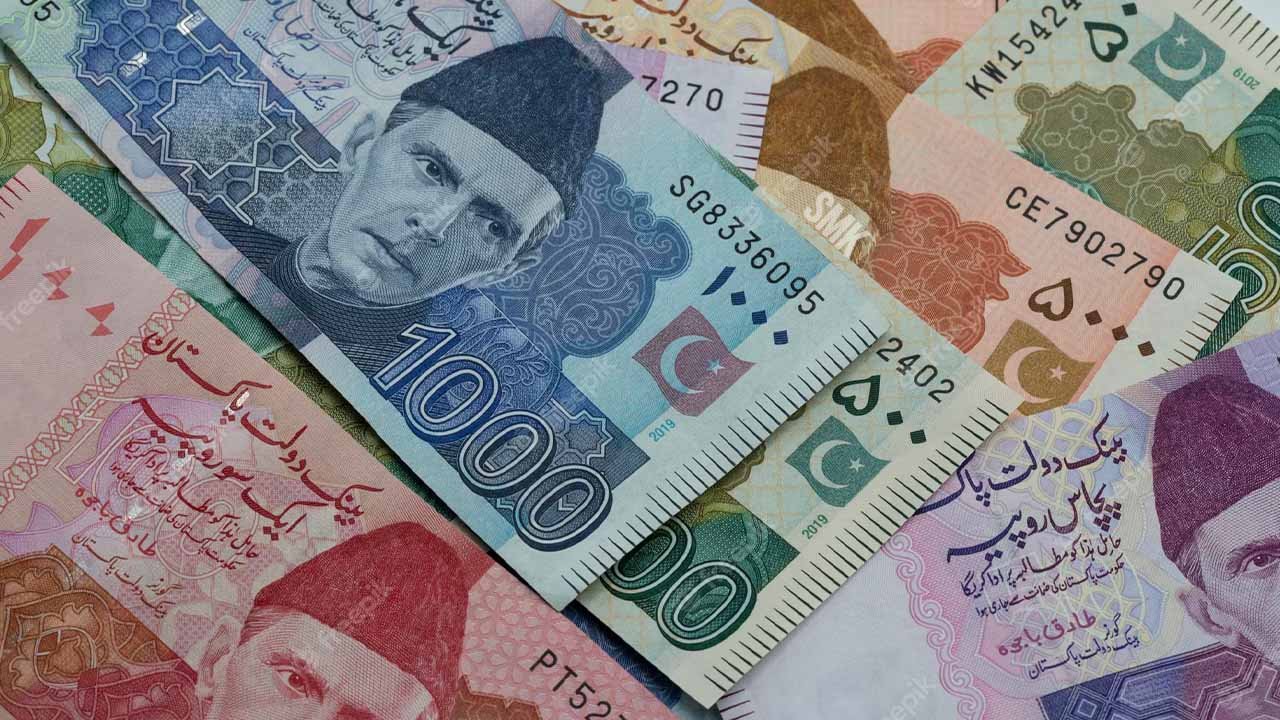
    In November 2023, Pakistan’s total debt soared to an alarming Rs63.399 trillion, marking a significant increase from Rs50.959 trillion in the same month of the previous year. 

    According to details, this surge comprises Rs40.956 trillion in domestic loans and Rs22.434 trillion in international loans.

    The recent development follows Pakistan’s commitment to the International Monetary Fund (IMF) for a new loan programme. 

    As outlined in the Memorandum of Economic and Financial Table, Pakistan has pledged to boost foreign reserves to $13.6 billion in FY2024–25, facilitating access to the IMF’s financial assistance.

    To support its financial strategy, Pakistan is planning to roll over a $6.34 billion loan in the upcoming fiscal year, coupled with a targeted increase of $1.31 billion in foreign investments, as highlighted by the MEFPT. 

    These measures aim to navigate the country through its evolving economic landscape.

  • OGRA notifies major gas price hike for November

    OGRA notifies major gas price hike for November

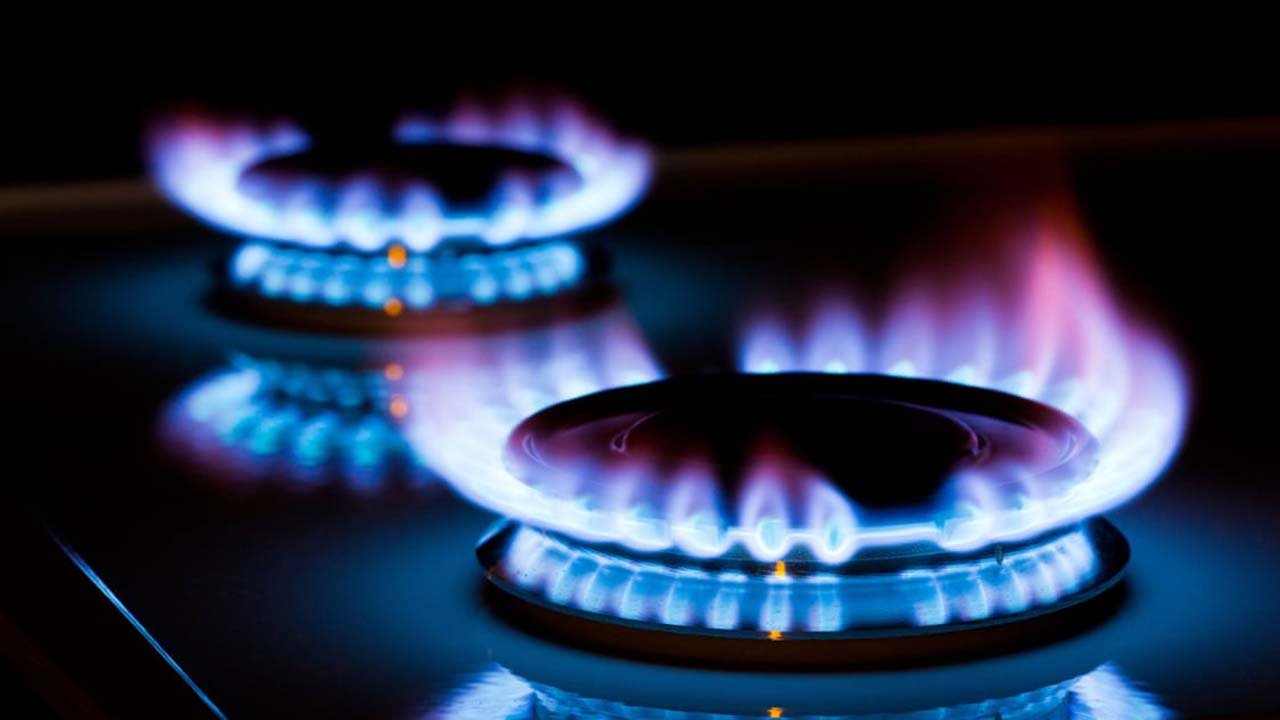
    The caretaker government’s decision to implement a gas price increase of over 172 per cent for non-protected domestic consumers has left many shocked and outraged.  

    Starting on November 1, the revised prices are set to impose a significant financial burden on households already grappling with financial difficulties. 

    According to the notification released by the Oil and Gas Regulatory Authority (OGRA), the new gas prices represent a substantial hike across various consumption levels.  

    For instance, customers consuming 100 cubic metres of gas per month will now be charged Rs1,000, up from the previous rate of Rs400. Those using 150 cubic metres will see their monthly costs rise from Rs600 to Rs1,200. 

    On the other hand, the price for a monthly consumption of 200 mmbtu has increased to Rs1,600 from the previous Rs800, and for users consuming 300 mmbtu monthly, the cost has risen to Rs3,000 from Rs1,100. 

    Moreover, the charge for consuming 400 mmbtu of gas per month has gone up from Rs2,000 to Rs3,500. For those using more than 400 mmbtu per month, the new rate is Rs4,000, up from the earlier Rs3,100. 

    This significant and unexpected price surge is anticipated to have a severe impact on household budgets, especially for low-income families who heavily depend on natural gas for cooking and heating. 

  • IMF’s ‘yes or no’ decision nears on relief for electricity bills

    IMF’s ‘yes or no’ decision nears on relief for electricity bills

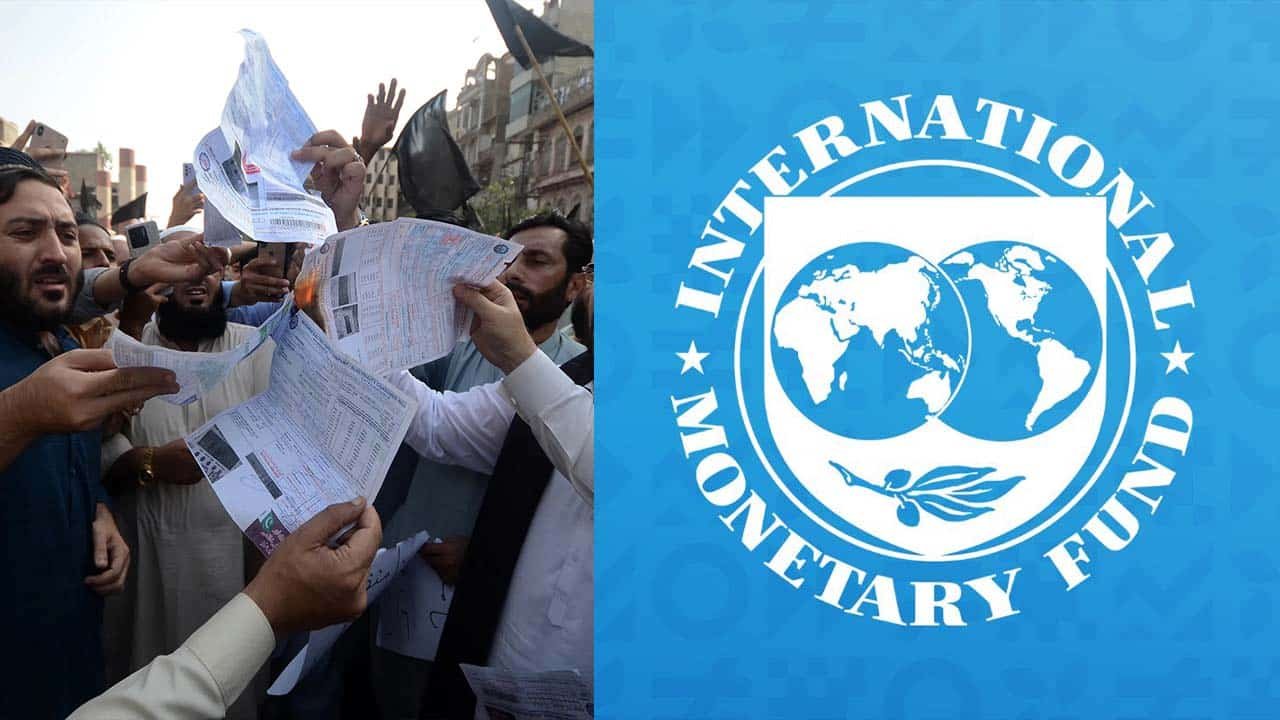
    In the midst of extensive protests regarding soaring electricity charges, the interim government has reportedly devised a strategy aimed at alleviating the financial burden on electricity consumers in the country.  

    According to Geo News, the interim government is preparing a relief package that will grant up to Rs3,000 in relief to customers who use up to 300 units of electricity in their October bills. Furthermore, those facing electricity bills between Rs60,000 and Rs70,000 stand to benefit from a significant reduction of Rs13,000. 

    Simultaneously, discussions between the International Monetary Fund (IMF) and the interim government are ongoing, focusing on providing relief to electricity consumers. 

    In a separate report by The News, it’s revealed that the IMF, headquartered in Washington, has requested additional data from the Power Division to inform its decision regarding various proposals to address the impact of high bills in August and September. 

    “We have shared the required data with the Fund people hoping that IMF may today (Monday) come up with its response with a yes or no to the assertions of the Finance and Power Divisions, seeking permission for relief to inflation-stricken people in electricity bills,” shared sources involved in discussions with the IMF. 

    Currently, officials from both the Power and Finance divisions are engaged in intensive discussions with IMF representatives, considering the data associated with proposed measures to alleviate power tariffs and their potential effects on circular debt, cash flow, and potential delays in Independent Power Producers (IPPs) payments, ensuring the stability of the power sector. 

    In response to continuous protests by citizens and traders against soaring power bills and added taxes, the government is actively seeking to convince the global lender to grant immediate relief to electricity consumers in a nation already grappling with severe inflation. 

  • Installment plans introduced for power consumers struggling with full bill payments

    Installment plans introduced for power consumers struggling with full bill payments

    In a strategic move aimed at addressing the protests triggered by soaring electricity bills and alleviating the burden on citizens, Dr Muhammad Amjad Khan, Chief Executive of the Islamabad Electric Supply Company (IESCO), has issued a comprehensive directive. This directive mandates all IESCO offices to introduce installment plans tailored to assist customers who are facing challenges in paying their electricity bills in full.

    Against the backdrop of mounting public outcry, Dr Khan’s proactive step aims to alleviate the financial burden on power consumers. These installment plans are envisioned to provide customers with a respite, allowing them to manage their electricity bill payments more effectively while maintaining their financial stability.

    To further enhance customer convenience, IESCO has also taken the initiative to extend the due dates for electricity bill payments. This calculated move underscores the company’s commitment to accommodating the unique challenges faced by its customers.

    Dr Amjad Khan underscored the importance of open communication, urging IESCO’s patrons to engage with the relevant Sub-Divisional Offices, Revenue Offices, or Customer Service Centers for any concerns related to their bills. This approach underscores IESCO’s dedication to ensuring customer satisfaction and resolving any uncertainties promptly.

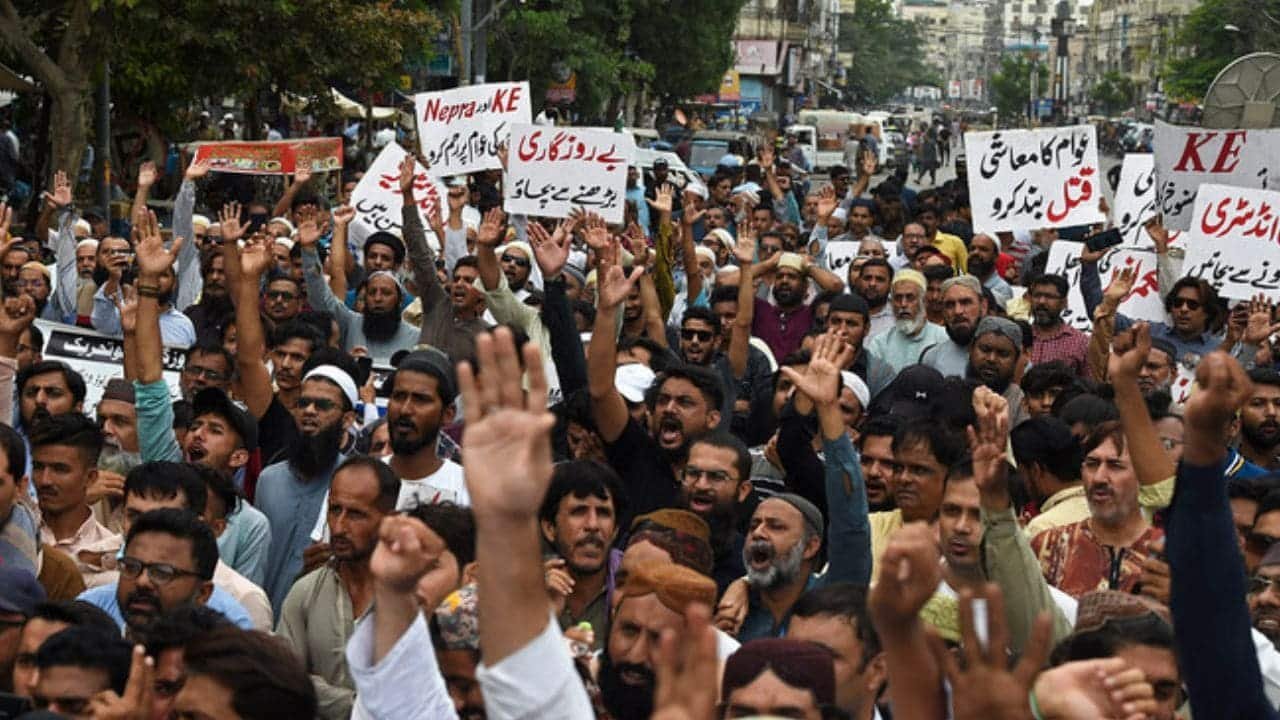
    Nevertheless, this considerate move coincides with ongoing protests across the nation, ignited by grievances against inflated electricity bills. Demonstrators, who have congregated outside the IESCO office in Rawalpindi for the past four days, have now rallied in various cities, including Sargodha, Hafizabad, Vehari, and Hyderabad.

    In response to the heightened tensions, IESCO officials have taken precautions by involving the local police to bolster security measures. This step is aimed at safeguarding the well-being of both the demonstrators and IESCO’s employees.

    The protestors have been resolute in their demands, seeking a reduction in the substantial charges or even pledging to withhold bill payments until their concerns are heard. These demonstrations, set against a backdrop of broader economic challenges and escalating inflation, reflect the mounting frustrations of citizens grappling with financial hardships.

    The protestors hail from diverse backgrounds, encompassing members of civil society, men and women alike, traders, farmers, and representatives from legal and business sectors. This broad participation underscores the pervasive concern and unified front against economic difficulties and price hikes.

    As electricity prices continue their upward trajectory and taxes weigh heavily on citizens, these widespread demonstrations emphasise the pressing need to address economic grievances.

  • NEPRA approves Rs5.40 per unit power tariff increase for quarterly adjustment

    NEPRA approves Rs5.40 per unit power tariff increase for quarterly adjustment

    The National Electric Power Regulatory Authority (NEPRA) has given its approval for a quarterly adjustment, resulting in an increase of Rs5.40 per unit in the power tariff.

    This adjustment comes as NEPRA recognises the limitations of the current structure of electricity distribution companies in providing relief to consumers. However, it’s important to note that this revised tariff won’t apply to Lifeline and K-Electric consumers.

    According to Samaa, NEPRA’s decision to revise the tariff comes after a thorough review of requests from distribution companies to raise the tariff by Rs5 per unit for the fourth quarter of the fiscal year 2022–23. Among these requests, FESCO, GEPCO, HESCO, and IESCO sought increases of Rs23.49 billion, Rs16.13 billion, Rs9 billion, and Rs9 billion, respectively.

    Additionally, LESCO requested a substantial increment exceeding Rs31 billion, while MEPCO, PESCO, QESCO, SEPCO, and TESCO collectively proposed tariff hikes totaling Rs27 billion, Rs9 billion, Rs7 billion, Rs5 billion, and Rs4 billion.

    Consumers should be aware that this tariff adjustment will be gradually recovered during September, October, and November, resulting in an added financial burden of Rs5.40 per unit.

    Distribution companies, in their submissions, highlighted revenue challenges stemming from decreased industrial demand. Particularly, LESCO faced a deficit of three billion units of electricity due to climate-related issues and industrial shutdowns. Both LESCO and HESCO faced higher capacity charges due to industry closures and reduced demand.

    Presently, there’s a backlog of approximately 350,000 pending connections with distribution companies. To recover revenue and address declining demand, the Central Power Purchasing Agency imposed surcharges amounting to Rs7.91.

  • Goods transporters implement 20% fare hike in response to soaring diesel prices

    Goods transporters implement 20% fare hike in response to soaring diesel prices

    Goods transporters raised their fares by 20 per cent in response to a recent surge in diesel prices on Thursday. The announcement came as the goods transporters association revealed their decision to implement a fare increase of 20 per cent, citing a substantial rise in diesel prices of up to Rs40 per litre over the span of 15 days.

    Rana Shoaib, the General Secretary of the Goods Transporters Association, conveyed in an official statement that their operational expenses had been significantly impacted by the substantial surge in diesel prices.

    He further elaborated that the provision of goods transportation services between major cities such as Karachi, Multan, Lahore, Faisalabad, Islamabad, and Peshawar has been sustained. However, the transporters are finding it increasingly challenging to bear the escalating financial burdens associated with fuel costs and spare parts.

    According to ARY News, Shoaib said that the decision to raise fares was a necessary step due to the considerable escalation in government-imposed fuel prices. Notably, earlier in the same month, local transporters independently elevated fares by as much as 20 per cent in response to a previous hike in fuel prices without any intervention or oversight from relevant authorities.

    Details indicate that local transporters unilaterally implemented fare increases ranging from Rs15 to Rs20 for stop-to-stop journeys, despite the absence of formal notifications regarding fare adjustments by the district administration.

    Furthermore, the fare hikes extended to transportation services between Karachi and other destinations like Hyderabad, Larkana, and Sukkur. This trend of fare increases also extended to buses and coaches operating within the city limits.

  • Govt expected to reduce petrol price by Rs10 per litre in a pre-budget relief move

    Ahead of the much-anticipated federal budget for 2023-24, set to be announced on June 9, the government is planning to alleviate the burden of inflation by reducing the prices of petroleum products, according to industry officials.

    Starting from June 1, it is expected that the price of petrol will decrease by Rs10 per litre due to a decline in the ex-refinery price. Industry insiders have revealed that the ex-refinery price of petrol is projected to decrease by Rs10-12 over the next two weeks. However, due to exchange rate adjustments, the government will likely pass on relief of up to Rs10 per litre to consumers.

    Furthermore, industry officials have indicated that the ex-refinery price of diesel is showing a decline of Rs4-5 per litre in the next review. The government may incorporate this decrease during the upcoming fortnightly review, offering relief to diesel consumers.

    According to The News, in the previous price review, the government implemented a substantial reduction of Rs30 in the price of diesel. This resulted in a decrease from Rs288 to Rs258 per litre. Similarly, the price of petrol was slashed by Rs12, dropping from Rs282 to Rs270 per litre.

    These measures are aimed at mitigating the impact of rising prices on the general public and easing the financial burden faced by individuals as the government prepares to present the federal budget for the upcoming fiscal year.

  • Majority of Pakistanis can’t make ends meet on current income, survey finds

    Majority of Pakistanis can’t make ends meet on current income, survey finds

    In a recent consumer-based study conducted by Pulse Consultant in Pakistan, concerning findings have emerged regarding the financial state of individuals across the country. The study, which encompassed 1,180+ respondents from the top 10 cities of Pakistan, aimed to understand the ability of individuals to meet their monthly expenses in relation to their current income. The results shed light on the economic challenges faced by a significant portion of the population.

    The study revealed that a staggering 60 per cent of respondents reported an inability to fulfill their monthly expenses with their existing income. This indicates a considerable strain on individuals’ finances, leading them to struggle to cover their essential needs. Among these respondents, both male and female participants voiced similar concerns, with 59 per cent of males and 68 per cent of females expressing difficulties in meeting their expenses.

    On the other hand, 40 per cent of the respondents claimed that their current income adequately covered their expenses. However, further analysis of this group revealed some noteworthy insights. Of those who reported their expenses were being met, only 28 per cent claimed to save money from their current income, while the remaining 72 per cent stated that they were unable to save any funds. Interestingly, female respondents seemed to face greater challenges in saving money, with 82 per cent of them reporting an inability to do so, compared to 71 per cent of their male counterparts.

    Among the 60 per cent of respondents who struggled to meet their expenses, several coping mechanisms emerged. For 37 per cent of them, borrowing money became a necessity to bridge the financial gap. Notably, a higher proportion of males (39 per cent) resorted to borrowing, compared to females (29 per cent).

    Additionally, 22 per cent of those facing financial difficulties reported engaging in additional part-time employment to supplement their income. This was more prevalent among males (39 per cent) who often bore the responsibility of supporting their families financially, compared to females (29 per cent).

    Moreover, 40 per cent of respondents stated that reducing expenditures became their only viable option. Nearly half of the women (46 per cent) reported resorting to this measure, while 38 per cent of men followed suit.

    The study’s findings paint a concerning picture of the financial landscape in Pakistan, with a significant portion of the population struggling to make ends meet. The inability to meet monthly expenses can lead to increased financial stress, limited access to basic necessities, and hindered economic growth for individuals and the nation as a whole.

    Addressing these challenges will require comprehensive efforts from both the government and private sector. Policymakers should focus on initiatives that promote economic growth, job creation, and income equality. Additionally, there is a need for financial literacy programs to empower individuals with the knowledge and skills necessary to manage their finances effectively and make informed decisions.

    Furthermore, it is crucial for employers to offer fair wages and employment opportunities that align with the needs of the population. By providing stable jobs and suitable remuneration, individuals can have a better chance of meeting their expenses and improving their overall financial well-being.

    Ultimately, the findings of this consumer-based study highlight the pressing need to address the financial struggles faced by a significant portion of the Pakistani population. Through concerted efforts and targeted interventions, it is possible to alleviate the burden of financial hardship and foster a more financially inclusive and prosperous society for all.