Tag: financial challenges

  • OGRA approves massive gas tariff hike for SNGPL, SSGC consumers

    OGRA approves massive gas tariff hike for SNGPL, SSGC consumers

    In a move to address the fiscal challenges faced by Sui Northern Gas Pipelines Limited (SNGPL) and Sui Southern Gas Company Limited (SSGC), the Oil and Gas Regulatory Authority (OGRA) has granted approval for a noteworthy increase in gas tariffs.

    Effective January 1, 2024, consumers of SNGPL will experience a 35.13 per cent surge, while SSGC customers will witness an 8.57 per cent rise.

    This marks the second adjustment in gas prices within the current fiscal year, following a substantial 193 per cent increase announced by OGRA, effective November 1, 2023. The decision to implement these changes is aimed at bridging the Rs98 billion shortfall collectively faced by both gas companies.

    The interim government’s initial projections aimed to collect Rs980 billion, intending to cover the estimated revenue requirements of Rs700 billion for both SNGPL and SSGC.

    The recommended average increase in the prescribed gas price is set at 23 per cent, reaching Rs1,590 per mmbtu, compared to the previous average of Rs1,291 per mmbtu determined on June 2, 2023.

    Specifically, OGRA has outlined a 50 per cent increase (Rs415.11 per mmbtu) for SNGPL, elevating the gas price to Rs1,238.68 per mmbtu, effective July 1, 2023.

    Simultaneously, the gas price for SSGC has been raised by 45 per cent (Rs417.23 per mmbtu) to reach Rs1,350.68 per mmbtu.

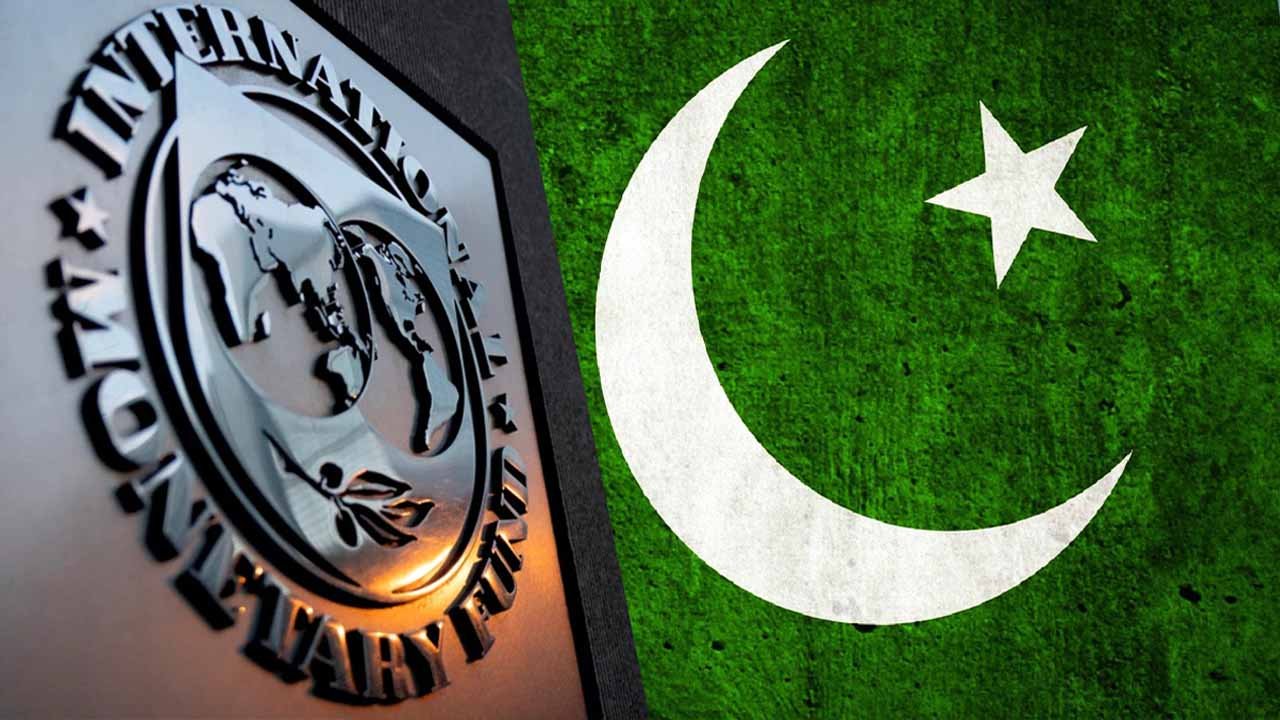
    The decision to increase gas prices aligns with the interim government’s commitment to the International Monetary Fund (IMF), with an agreement to announce a raise in gas sale prices by February 18, 2024.

    However, the OGRA Ordinance stipulates that if the government remains unresponsive to OGRA’s notification within 40 days, the determined tariff by the regulator will be automatically enforced.

    The recent approval underscores the ongoing efforts to address financial challenges and ensure the sustainability of the gas sector in Pakistan.
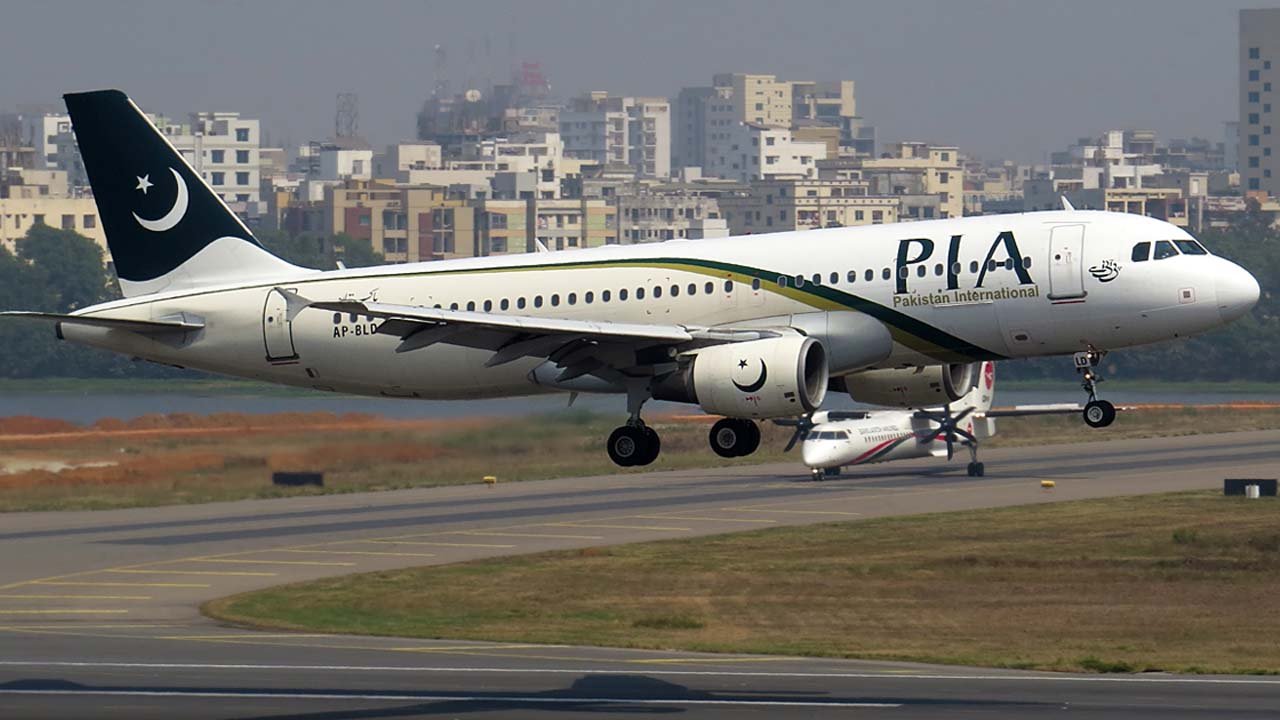

  • PIA set for transformation: Federal cabinet approves privatisation, restructuring

    PIA set for transformation: Federal cabinet approves privatisation, restructuring

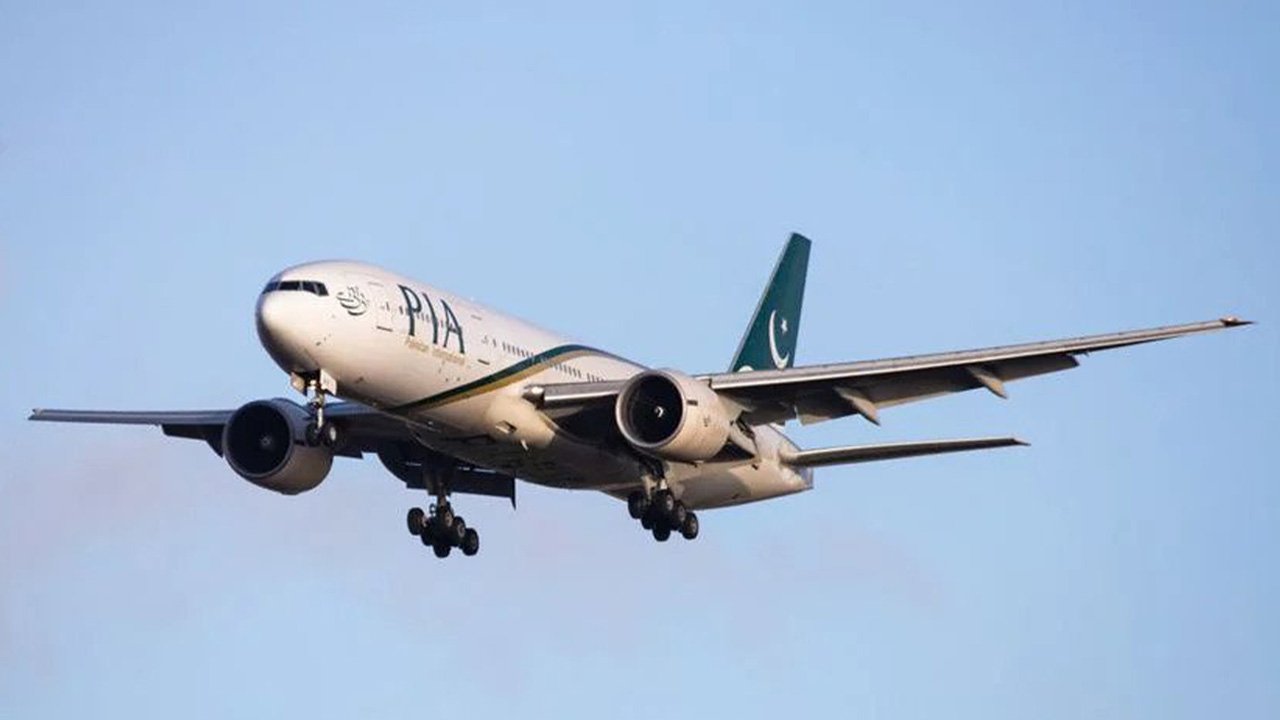
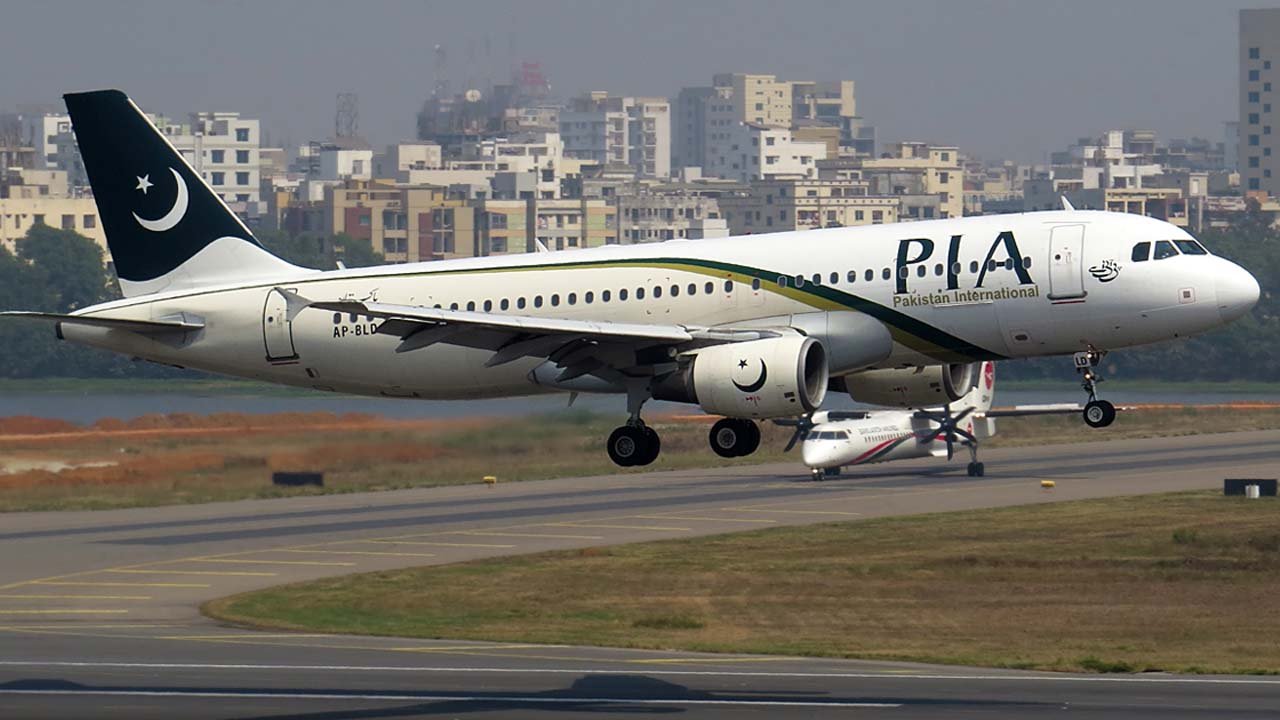
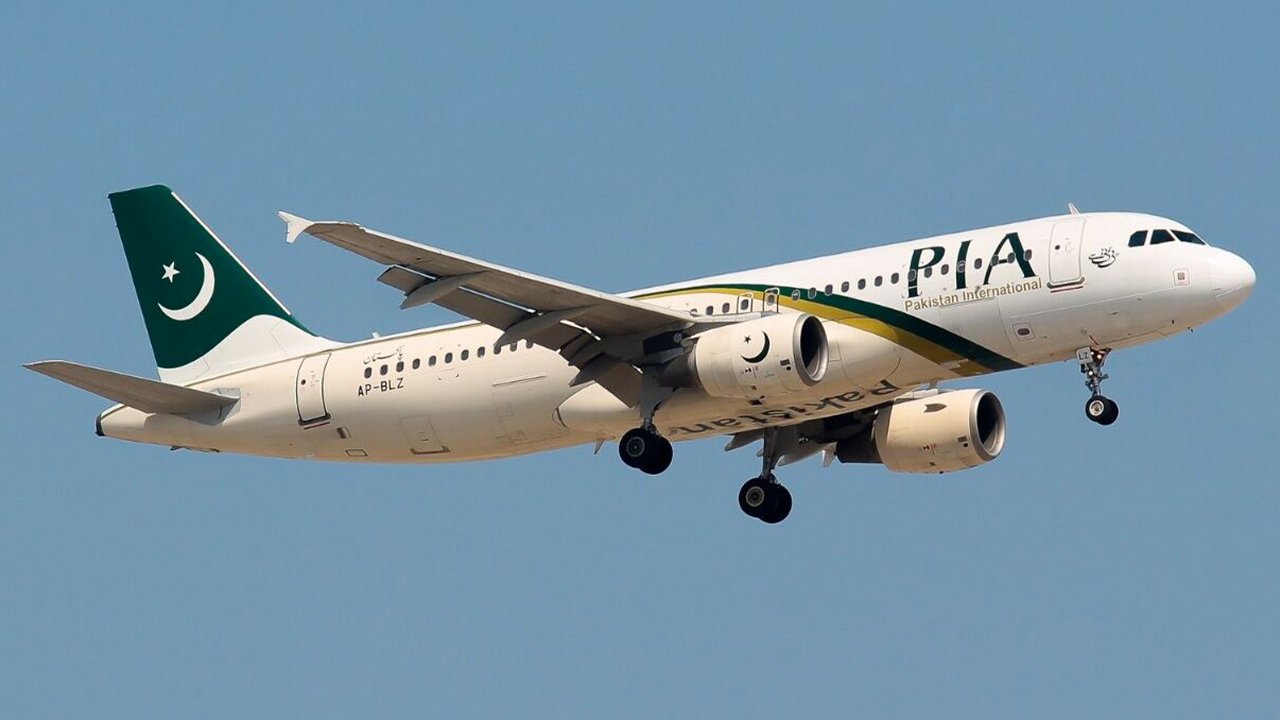
    In a significant development, the caretaker federal cabinet has granted approval for the restructuring of Pakistan International Airlines (PIA) and the privatisation of First Women Bank Limited.

    This decision, based on recommendations put forth by the Privatisation Division, aims to address the financial challenges faced by PIA in recent years.

    The pivotal meeting of the federal cabinet, presided over by Caretaker Prime Minister Anwaar ul Haq Kakar, saw the submission of restructuring recommendations by the Privatisation Division.

    It was highlighted during the session that PIA has been grappling with financial losses over an extended period.

    Previous cabinet meetings had already endorsed the appointment of a financial advisor, whose role is integral to the financial and administrative restructuring of PIA.

    The cabinet was briefed on the progress, indicating that the financial advisor has devised a comprehensive financial restructuring plan aligned with international norms.

    Under this plan, PIA is set to undergo a division into two distinct entities: Top-Co and Hold-Co. The core operations of PIA, including engineering, ground handling, cargo, flight kitchen, and training, will be consolidated under Top-Co.

    On the other hand, entities such as Precision Engineering Complex, PIA Investment Limited, properties, and other subsidiaries will find their place within Hold-Co.

    This strategic restructuring aims not only to address the financial challenges faced by PIA but also to attract potential investors.

    The cabinet has been briefed on the measures undertaken to enhance the attractiveness of PIA for investment, laying the groundwork for a positive trajectory in the airline’s future.

  • Pakistan sees 18th straight month of decline in auto financing

    Pakistan sees 18th straight month of decline in auto financing

    In December 2023, automobile financing in Pakistan recorded a significant decline, reaching Rs251.25 billion, marking a 25.55 per cent year-on-year drop and a 2.26 per cent month-on-month decrease. 

    This contrasts with Rs333.747 billion in December 2022 and Rs257.06 billion in November 2023, as revealed by the latest central bank data.

    Notably, this marks the eighteenth consecutive monthly decrease in automobile financing, attributed to factors such as elevated interest rates, a surge in car prices, regulatory constraints on loan acquisition, and increased taxes on automobile imports and components.

    According to data from the State Bank of Pakistan (SBP), consumer financing for house building reached Rs208.15 billion by the end of December 2023, reflecting a 3.17 per cent year-on-year decrease. 

    On a monthly basis, house building financing showed a marginal increase compared to the previous month’s Rs206.92 billion.

    Simultaneously, financing for personal use amounted to Rs244.41 billion, experiencing a 3.84 per cent year-on-year decline and a 0.64 per cent month-on-month decrease, indicating a challenging trend in the lending landscape for various purposes.

  • IMF recommends gas price hike, subsidy cuts for Pakistan

    IMF recommends gas price hike, subsidy cuts for Pakistan

    The International Monetary Fund (IMF) has reportedly urged Pakistan to address the growing concerns surrounding the power sector’s circular debt, which now stands at 4 per cent of the gross domestic product (GDP).

    Despite initial targets for debt reduction not being met, the IMF has not yet made a final decision on its recommendations.

    Sources suggest that the IMF is advocating for an additional hike in gas prices and a reduction in energy sector subsidies, aligning with its persistent calls for such measures.

    It’s noteworthy that no official decision has been reached on these proposals. Simultaneously, Pakistan and the IMF have collaborated on a comprehensive privatisation plan, focusing on state-owned entities (SOEs) that have incurred significant losses.

    This strategic move aims to address the financial challenges faced by these institutions. The Central Monitoring Unit will meticulously evaluate the extent of losses, with findings submitted to the IMF.

    A crucial aspect of the privatization plan involves transferring control of power distribution companies to the private sector. This shift is expected to mitigate losses and improve efficiency in the power sector, aligning with the IMF’s overarching demand for comprehensive reforms in the energy sector.

  • PIA receives assurances of govt support during privatisation 

    PIA receives assurances of govt support during privatisation 

    Following a dire fuel crisis that significantly impacted Pakistan International Airlines (PIA) flight operations, the interim Prime Minister, Anwaar-ul-Haq Kakar, took decisive action on Monday.  

    He instructed the relevant authorities to expedite the privatisation process of the nation’s flag carrier. 

    Over recent weeks, PIA’s flight schedule has faced severe disruption, with numerous cancellations attributed to fuel shortages, exacerbated by the airline’s precarious financial situation.  

    Notably, on the preceding day, Pakistan State Oil (PSO) curtailed its fuel supply to PIA, resulting in the cancellation of 26 flights originating from various cities, including Karachi, Lahore, Islamabad, Quetta, Bahawalpur, Multan, Gwadar, and others. 

    Chairing a comprehensive review meeting concerning PIA’s financial challenges, Prime Minister Kakar highlighted the urgency of finalising the privatisation process within the stipulated timeframe. He further insisted on the submission of regular compliance reports on this matter. 

    The Prime Minister assured that the government remains committed to supporting PIA until the privatisation process is successfully completed. He said that state-owned enterprises (SOEs) facing financial losses will be privatised to safeguard the national treasury. 

    During this meeting, the Prime Minister received a detailed briefing on PIA’s current financial status. 

    In August 2023, the Cabinet Committee on Privatisation (CCoP) approved the inclusion of PIA in the active list of entities slated for privatisation following parliamentary amendments.  

    Additionally, the CCoP consented to engage a financial advisor for the transaction concerning PIA’s Roosevelt Hotel in New York. 

    According to credible sources, a significant transformation occurred when PIA transitioned from a corporation to a public limited company registered under the Companies Ordinance, 1984.  

    This transition commenced in 2016 through a joint parliamentary session that resulted in the enactment of the PIAC (Conversion) Act, 2016.  

    This legislation gave rise to Pakistan International Airlines Corporation Limited (PIACL), a public limited company.  

    Notably, a substantial amendment was introduced, known as the ‘Explanation’ in Sub-section 4 of Section 4, which restricted the federal government from relinquishing management control in the airline business of PIACL while maintaining a minimum ownership stake of 51% in the entity. 

  • Private airlines seize opportunity to charge high fares amid PIA flight disruptions

    Private airlines seize opportunity to charge high fares amid PIA flight disruptions

    Pakistan International Airlines (PIA), the nation’s flagship carrier, is grappling with operational challenges caused by a shortage of fuel. 

    Concurrently, private airlines are capitalising on this situation for their own advantage.

    In light of the disruption in PIA’s flight operations, private airlines have swiftly increased their fares. Domestic flights are now priced at a range of Rs40,000 to Rs70,000, with Lahore-Karachi routes reaching as high as Rs49,000 per seat. 

    Meanwhile, one-way fares from Karachi to Islamabad are commanding prices between Rs55,000 and Rs61,000.

    This development follows a week of disruptions in PIA’s domestic flight schedule, resulting in a surge of intending passengers. A spokesperson for a private airline attributed the disparity in demand and supply to this sudden influx of travellers.

    Simultaneously, PIA’s financial predicament is deepening, with the cancellation of 35 domestic and foreign flights. The interruption in fuel supply has also caused significant delays for both domestic and international flights across the country. Airline administrations have scrambled to create new departure schedules for these affected flights.

    Regarding outstanding dues, the Pakistan State Oil (PSO) revealed that PIA owed Rs3.45 billion for fuel supplied between October 1 and 18, with an additional Rs195 million provided on the mentioned Thursday. 

    The total liabilities for the current month have reached Rs2.11 billion, compounding PIA’s existing debt of Rs26 billion accumulated over the years. A provisional agreement between PSO and PIA for daily fuel supply in exchange for daily payments has been established.

    The current turmoil in PIA’s flight operations is primarily attributable to the suspension of fuel supply by the Pakistan State Oil due to non-payment of dues. 

    According to Samaa, the suspension has impacted Karachi, Lahore, Islamabad, and Peshawar, although international flights remain unaffected. PIA’s financial woes have already led to flight cancellations and delays, making the fuel supply suspension a significant setback for the struggling airline.

  • Pakistan faces worsening financial woes as state-owned enterprises suffer losses

    Pakistan faces worsening financial woes as state-owned enterprises suffer losses

    Interim Prime Minister (PM) Anwaar-ul-Haq Kakar conveyed on Wednesday that Pakistan is grappling with financial challenges, exacerbated by the continuous losses incurred by state-owned enterprises (SOEs).

    The PM presided over a high-level meeting specifically addressing the issues plaguing Pakistan International Airlines (PIA). 

    During this meeting, comprehensive briefings were presented on various aspects of PIA’s operations.

    Key figures, including Caretaker Minister for Privatisation Fawad Hassan Fawad, Adviser to the Prime Minister Ahad Cheema, and other relevant authorities, were in attendance.

    PM Kakar articulated his concerns regarding the protracted decision-making process concerning PIA’s issues.

    He highlighted the urgency of expediting the privatisation of PIA and other state-owned enterprises that are incurring losses, highlighting that these financial setbacks should not be shouldered by the public through tax money.

    PM Kakar underscored that reforming the aviation sector could lead to improved services for the public.

    Furthermore, he stressed the importance of transparency in the privatisation process and the need to assign responsibility for the losses to facilitate corrective actions and prevent further financial setbacks.

    The meeting received updates on PIA’s financial situation and the progress of its privatisation process.

    The PM directed that the privatisation of the national flag carrier be expedited to relieve the burden on the national treasury.

  • PIA’s Boeing 777 planes encounter more technical issues due to lack of maintenance 

    PIA’s Boeing 777 planes encounter more technical issues due to lack of maintenance 

    Due to a serious lack of maintenance and repair work, numerous Boeing 777 aircraft operated by Pakistan International Airlines (PIA), the country’s national flag carrier, have experienced technical problems during international flights, according to reliable sources. 

    These technical issues within PIA’s aircraft have been steadily increasing due to the neglect of essential maintenance and repair tasks by the airline’s engineering department, as disclosed by insiders interviewed by ARY News. This unfortunate trend not only puts the safety of PIA flights at risk but also causes significant inconveniences for passengers and financial difficulties for the airline. 

    Sources have revealed that several Boeing 777 aircraft faced technical problems during flights to Saudi Arabia, resulting in substantial expenses for their repair and upkeep. In a recent incident, during the boarding process for Jeddah-Lahore flight PK-760, the auxiliary power unit (APU) exhaust malfunctioned, requiring the pilot to activate an emergency brake and initiate a fire control procedure. 

    The consequences of this incident were significant, leading to a delay of over a day for the affected flight as the aircraft had to be grounded due to the fault. Interestingly, this was the second such incident reported in a single day. Prior to this incident, another PIA plane flying from Sialkot to Jeddah experienced smog warnings within the cockpit. 

    In response to these events, the PIA spokesperson issued a statement reassuring passengers aboard the grounded plane that arrangements were being made for their prompt departure from Lahore to Jeddah. 

  • Power sector’s circular debt surpasses Rs2 trillion despite massive tariff increase 

    Power sector’s circular debt surpasses Rs2 trillion despite massive tariff increase 

    Despite raising tariffs significantly, Pakistan’s power sector debt grew to Rs2.31 trillion by June 2023, up from Rs2.25 trillion in the previous fiscal year (FY22). This increase of Rs57 billion (about 3 per cent) over 12 months is quite different from FY22 when the debt actually decreased by Rs27 billion. 

    Here’s a breakdown of the key points: 

    1. In FY22, the debt was Rs2.25 trillion, but by June 2023, it had risen to Rs2.31 trillion. 

    2. In FY22, power producers were owed Rs1,351 billion, generation companies owed Rs101 billion to fuel suppliers, and Rs800 billion was held in Pakistan Holding Limited (PHL).  

    3. In FY22-23, the debt to power producers increased to Rs1,434 billion, while the debt to PHL decreased to Rs765 billion in FY23. 

    4. In FY22, some subsidies were reduced by Rs12 billion, but in FY23, there were no subsidies left. 

    5. The interest charges on delayed payments by independent power producers (IPPs) increased to Rs105 billion in FY22 but dropped to Rs100 billion by the end of FY23. 

    6. The markup paid on IPPs’ claims by PHL increased from Rs29 billion in FY22 to Rs43 billion in FY23. 

    7. The pending generation cost, including tariff adjustments and fuel charges, decreased from Rs414 billion in FY22 to Rs250 billion in FY23. 

    8. K-Electric’s outstanding dues went from Rs107 billion in FY22 to an excess payment of Rs53 billion in FY23. 

    9. However, power distribution companies (Discos) saw their losses due to inefficiency rise from Rs133 billion to Rs160 billion in FY23. 

    Read more: Pakistan to launch digital rupee to reduce printing and distribution costs 

    In simple terms, even though the government raised tariffs to collect more money for the power sector, the debt continued to increase. This debt is owed to various power-related entities, and some subsidies and charges also changed over the years. Additionally, while some costs went down, the losses due to inefficiencies in power distribution increased. 

  • Nepra approves Rs1.46 per unit fuel charge adjustment

    Nepra approves Rs1.46 per unit fuel charge adjustment

    In the midst of widespread protests over surging electricity bills in Pakistan, the National Electric Power Regulatory Authority (Nepra) has taken a significant step.

    They have given the green light for power distribution companies to impose an additional charge of Rs1.46 per unit on consumers in the form of a fuel charge adjustment (FCA) for the month of July.

    This decision, rooted in the Regulation of Generation, Transmission, and Distribution of Electric Power Act of 1997, comes as an attempt to address financial challenges in the power sector.

    The FCA, however, excludes electric vehicle charging stations (EVCS) and lifeline consumers. This means that this adjustment will be itemised separately on consumers’ bills based on their electricity usage in July 2023. The billing for this adjustment is scheduled for September 2023.

    The background to this move involves costly imported coal inventory held by coal-based power plants, particularly the Sahiwal coal power plant, and limitations in the power transmission system. The latter includes issues such as the HVDC transmission line’s inability to efficiently transport cost-effective power from southern generators. These factors have placed a considerable financial burden on power consumers.

    This tariff increase compounds the woes of consumers, who are already grappling with record inflation, high fuel prices, and elevated electricity rates. As a result, consumers are expected to bear a cumulative burden of Rs24.76 billion in their September 2023 bills due to over 14 billion units sold in July.

    In response to public protests and growing dissatisfaction, the interim government, led by Prime Minister Anwaar-ul-Haq Kakar, has sought assistance from the International Monetary Fund (IMF) to provide immediate relief to electricity consumers.

    According to Geo News, Pakistan is under an IMF programme, making any relief or subsidy contingent upon IMF approval. Negotiations between the government and the IMF have been intense, resulting in some relief for consumers using up to 200 units, allowing them to pay electricity bills in installments.

    However, the IMF rejected the government’s plan to provide relief to those consuming up to 400 units of electricity per month, which could have benefited 32 million consumers. Instead, the IMF stressed the need to address electricity and gas theft and improve revenue collection.

    Furthermore, the IMF has proposed a 45 to 50 per cent increase in gas tariffs starting July 1, pending approval by the federal cabinet. These developments reflect a challenging situation in Pakistan’s energy sector as the government grapples with the need for reform amid rising consumer discontent.