In a recent consumer-based study conducted by Pulse Consultant in Pakistan, concerning findings have emerged regarding the financial state of individuals across the country. The study, which encompassed 1,180+ respondents from the top 10 cities of Pakistan, aimed to understand the ability of individuals to meet their monthly expenses in relation to their current income. The results shed light on the economic challenges faced by a significant portion of the population.
The study revealed that a staggering 60 per cent of respondents reported an inability to fulfill their monthly expenses with their existing income. This indicates a considerable strain on individuals’ finances, leading them to struggle to cover their essential needs. Among these respondents, both male and female participants voiced similar concerns, with 59 per cent of males and 68 per cent of females expressing difficulties in meeting their expenses.
On the other hand, 40 per cent of the respondents claimed that their current income adequately covered their expenses. However, further analysis of this group revealed some noteworthy insights. Of those who reported their expenses were being met, only 28 per cent claimed to save money from their current income, while the remaining 72 per cent stated that they were unable to save any funds. Interestingly, female respondents seemed to face greater challenges in saving money, with 82 per cent of them reporting an inability to do so, compared to 71 per cent of their male counterparts.
Among the 60 per cent of respondents who struggled to meet their expenses, several coping mechanisms emerged. For 37 per cent of them, borrowing money became a necessity to bridge the financial gap. Notably, a higher proportion of males (39 per cent) resorted to borrowing, compared to females (29 per cent).
Additionally, 22 per cent of those facing financial difficulties reported engaging in additional part-time employment to supplement their income. This was more prevalent among males (39 per cent) who often bore the responsibility of supporting their families financially, compared to females (29 per cent).
Moreover, 40 per cent of respondents stated that reducing expenditures became their only viable option. Nearly half of the women (46 per cent) reported resorting to this measure, while 38 per cent of men followed suit.
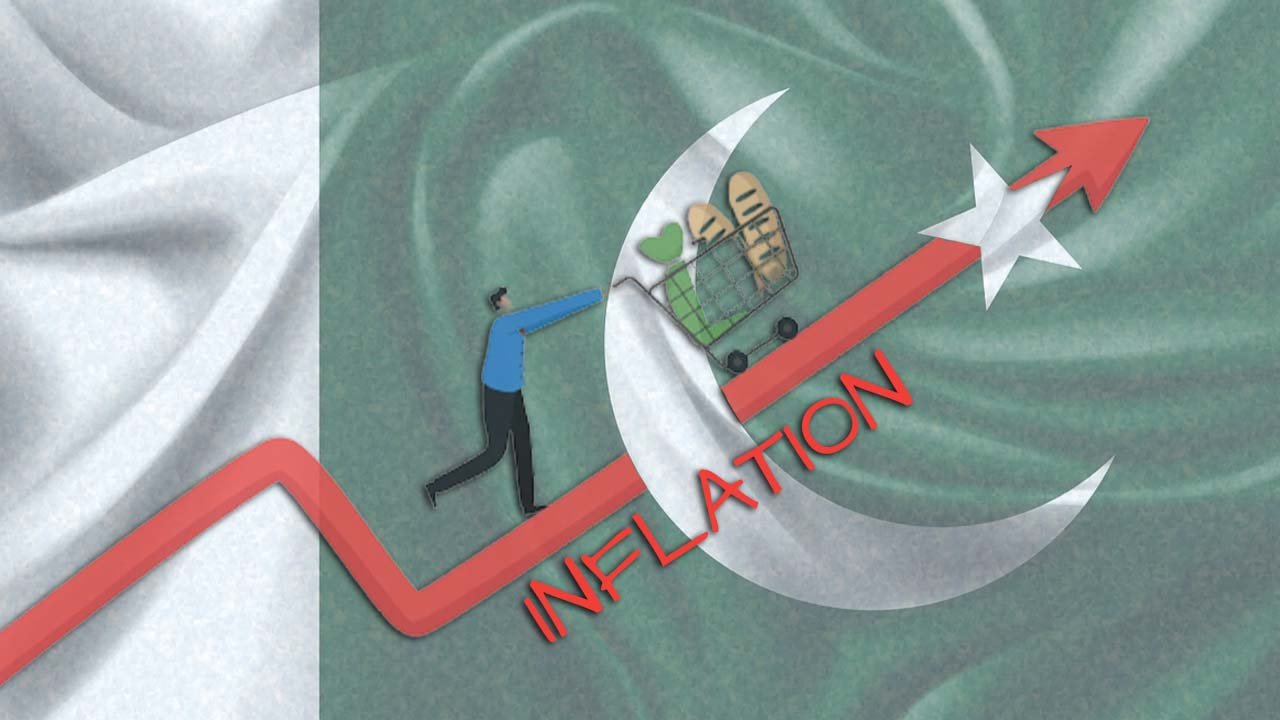
The study’s findings paint a concerning picture of the financial landscape in Pakistan, with a significant portion of the population struggling to make ends meet. The inability to meet monthly expenses can lead to increased financial stress, limited access to basic necessities, and hindered economic growth for individuals and the nation as a whole.
Addressing these challenges will require comprehensive efforts from both the government and private sector. Policymakers should focus on initiatives that promote economic growth, job creation, and income equality. Additionally, there is a need for financial literacy programs to empower individuals with the knowledge and skills necessary to manage their finances effectively and make informed decisions.
Furthermore, it is crucial for employers to offer fair wages and employment opportunities that align with the needs of the population. By providing stable jobs and suitable remuneration, individuals can have a better chance of meeting their expenses and improving their overall financial well-being.
Ultimately, the findings of this consumer-based study highlight the pressing need to address the financial struggles faced by a significant portion of the Pakistani population. Through concerted efforts and targeted interventions, it is possible to alleviate the burden of financial hardship and foster a more financially inclusive and prosperous society for all.