Tag: Financial Crisis

  • Economic challenges await next govt as Pakistan votes

    Economic challenges await next govt as Pakistan votes

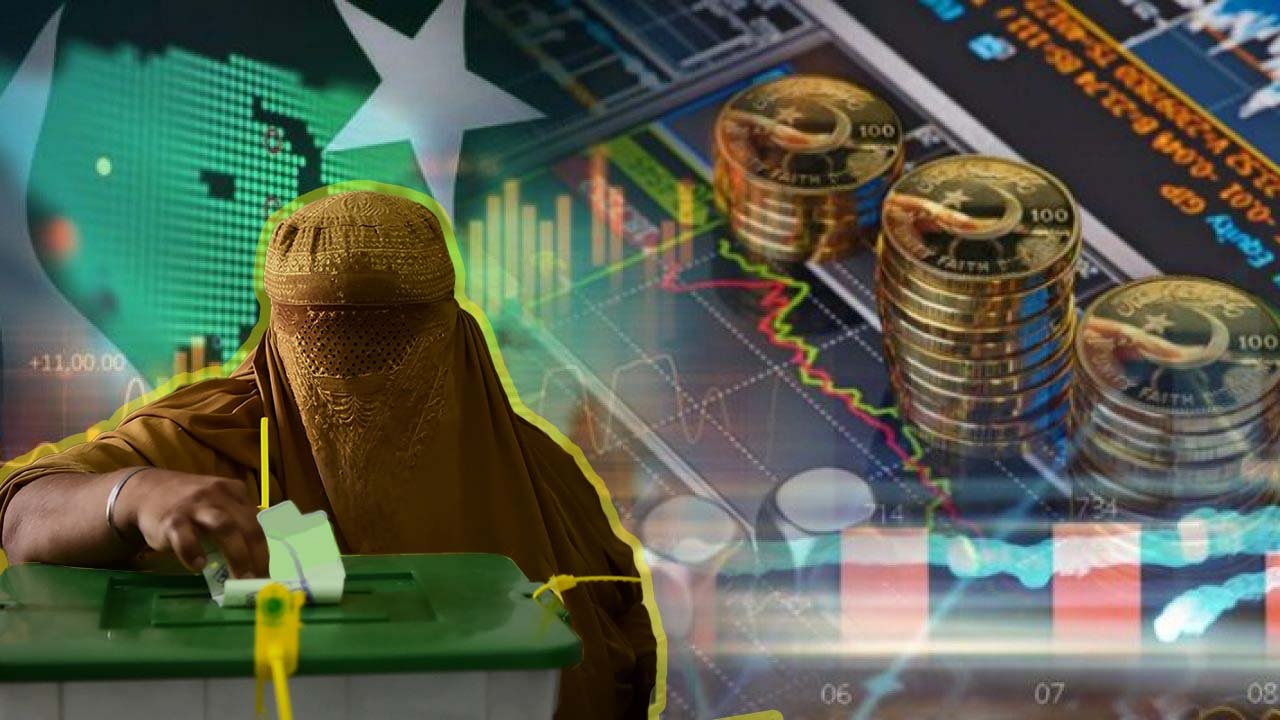
    Pakistan is set to hold its national elections on Thursday, a crucial event for the country grappling with multiple crises.

    As the new government prepares to take charge, it faces daunting challenges in stabilising the economy.

    Last summer, Pakistan narrowly avoided a sovereign default through a last-minute $3 billion bailout from the International Monetary Fund (IMF).

    However, this lifeline is set to end in March, and officials anticipate the need for a new, extended programme.

    Negotiating this program swiftly is imperative for the incoming government, as the economy is burdened by record-high inflation and slow growth resulting from stringent reforms.

    The country’s headline inflation stood at 28.3 per cent year-on-year in January, slightly lower than December’s 29.7 per cent. Despite government expectations, citizens are anxious for the new administration to address the soaring inflation that has significantly impacted their daily lives.

    Moreover, recent increases in gas prices, with a 35.13 per cent hike for Sui Northern Gas Pipelines Limited (SNGPL) and 8.57 per cent for Sui Southern Gas Company Limited (SSGC), add to the economic challenges. The move, effective from January 1, 2024, is the second increase in gas prices this fiscal year.

    In addition to rising gas prices, the cost of petrol and diesel has surged, with a notable increase of Rs13.55 per litre announced on February 1, 2024. This hike is attributed to the ongoing tensions in the Middle East, including Israel’s conflict with Gaza and Houthi attacks in the Red Sea.

    Amid these economic hardships, the National Electric Power Regulatory Authority (NEPRA) has approved an increase in electricity tariffs for distribution companies (Discos) by Rs4.57 per unit for December 2023. This adjustment addresses the escalating fuel costs impacting the power sector.

    The new government is also expected to address the exchange rate concerns as the Pakistani rupee struggles against the US dollar, currently standing at around Rs279.

    The disparity has led to increased prices for essential commodities, further straining the population.

    Adding to the complexity of the upcoming elections is the high political tension, with former prime minister Imran Khan describing a crackdown on him and his party.

    Khan, who has been in jail since August, faces pending cases, including accusations of ordering violent attacks on military installations.

    Despite his imprisonment, Khan maintains substantial popular support, and continued political unrest could jeopardise the stability needed for economic recovery and foreign investment.

    As Pakistan stands at a critical juncture, the incoming government’s ability to navigate these challenges will determine the nation’s economic trajectory in the coming years.

  • Pakistan navigates economic turbulence in 2023: A year of challenges and resilience 

    Pakistan navigates economic turbulence in 2023: A year of challenges and resilience 

    2023 posed significant challenges for Pakistan’s economy, characterised by a sharp slowdown, escalating inflation, and a near-default situation. However, amidst the turbulence, glimpses of progress emerged, suggesting a potential path towards recovery. 

    To meet International Monetary Fund (IMF) conditions, the government undertook stringent fiscal reforms, such as raising taxes and cutting subsidies. Despite being unpopular, these measures were deemed necessary to control the budget deficit and rein in inflation. 

    The latter part of the year witnessed positive indicators. Inflation, though still elevated, began to exhibit a downward trend. The agricultural sector experienced a robust comeback, particularly in cotton and rice production, while large-scale manufacturing showed a modest improvement. 

    Despite these positive developments, Pakistan’s economic recovery remains precarious. The global economic slowdown and geopolitical tensions continue to pose external challenges. Internal factors, such as political uncertainty and ongoing security issues, further contribute to the risks. 

    Throughout 2023, Pakistan consistently made headlines, grappling with economic crises, food shortages, mass protests, political arrests, and election-related upheavals. Here’s a recap of the key events in Pakistan during the year: 

    In 2023, Pakistan faced new lows, with the Pakistani rupee hitting an all-time low, surpassing the PKR 300 mark against the US dollar in August. Foreign reserves with the State Bank of Pakistan (SBP) dwindled to a concerning $3.1 billion in January 2023. 

    The country struggled to secure funding from the IMF, leading the SBP to raise interest rates by 300 basis points to 20 per cent, the highest since October 1996. Additional taxes were introduced, accompanied by increases in gas and electricity prices. Despite occasional reductions, petrol prices remained above Rs250 per litre. 

    The Consumer Price Index (CPI) reached an unprecedented 38.0 per cent YoY in May 2023, as per the CEIC database. Although it moderated to 26.9 per cent YoY in October, essential items like milk and onions became prohibitively expensive. 

    To combat inflation, Pakistan launched a free flour scheme, particularly in Punjab, under the Ramzan package. However, a tragic stampede in Karachi in April-March resulted in over 10 casualties at a free food distribution centre. 

    In a significant development, Pakistan secured a staff-level agreement with the IMF for a $3 billion, nine-month standby arrangement (SBA). The IMF executive board is set to convene on January 11, 2024, to consider final approval for the next $700 million tranche. 

    Summing up 2023 for Pakistan, the year was marked by elevated bank credit costs, volatile energy supplies, import restrictions, political instability, and weakened law and order. While some sectors, such as sugar, fertilisers, cement, and IT services, performed relatively well, others, like textiles, automotive, and pharmaceuticals, faced considerable distress. 

    Entrepreneurs faced unprecedented challenges, with a myriad of crises affecting the business landscape. Experts described the first six months as particularly challenging, citing uncertainty, a balance of payments crisis, and a shortage of foreign exchange. 

    The latter half of the year saw some alignment of factors, but challenges persisted, including inflation, unemployment, and continued monetary policy tightening. Despite these, there was improvement in donor relationships, credit rollovers, and foreign exchange inflows. 

    The automotive industry faced an extremely challenging year with import restrictions and demand suppression contracting the market. Despite absorbing the impact, optimism prevails for long-term gains from the envisioned economic restructuring. 

    For sustainable economic growth, Pakistan must commit to fiscal prudence, structural reforms, and export diversification. Investments in human capital, especially in education and healthcare, are crucial for long-term success. 

    In the backdrop of Pakistan’s economic challenges, its relations with neighbouring countries, particularly Afghanistan and India, continue to play a pivotal role in shaping the economic landscape.

    Islamabad’s interactions with Kabul and New Delhi remain tense, adding another layer of complexity to the existing economic challenges.

    Pakistan faces persistent challenges in its relationship with Afghanistan, characterized by sporadic skirmishes along the Afghanistan-Pakistan border.

    These clashes, involving Pakistani and Taliban forces, result in temporary cross-border closures and gunfire exchanges.

    In September 2023, a key closure led to an estimated $1 million loss over one week. Diplomatic efforts to curb cross-border attacks and pressure the Taliban demonstrate the evolving nature of these regional ties.

    Furthermore, Pakistan’s implementation of the Illegal Foreigners Repatriation Plan in late 2023 triggered widespread public unrest, particularly impacting nearly 2 million undocumented Afghan refugees.

    The policy raised concerns about its implications for cross-border trade and travel, leading to protest campaigns along the Chaman-Spin Boldak border.

    Unlike the Russia-Ukraine war, the ongoing Israel-Palestine conflict has had a limited economic impact on Pakistan. The main consequence is an increased cost, which, fortunately, has remained around six per cent thus far.

    Officials in the planning ministry and the State Bank closely monitor Middle East developments, formulating strategies to mitigate potential adverse impacts on the economy.

    While the likelihood of an Arab oil embargo is low, vigilance is crucial, especially for a country with a fragile economy. Contingency plans should be in place to address various possible scenarios, considering the potential for disruptions in global markets and supply chains.

    Global conflicts and economic stability

    Conflicts worldwide, including the Russia-Ukraine war, have demonstrated the potential for disruptions in fuel and food prices. Middle East nations, as key global oil suppliers, significantly influence Pakistan’s economy.

    The intensifying Middle East conflict poses challenges, impacting oil prices, currency fragility, and potential cost escalations in goods and services.

    Given Pakistan’s historical ties with Western countries, including FDI, the conflict raises concerns about the stability of the economy. The textile industry emphasises the necessity for early elections and a stable elected government to effectively address challenges arising from the conflict.

    Business organisations, such as the Federation of Pakistan Chamber of Commerce and Industry (FPCCI), view the situation as evolving and refrain from taking a stance at this point.

    The president of Pakistan’s textile industry advocates for early elections and a stable government to address challenges effectively.

    Economists highlight Pakistan’s susceptibility to oil price fluctuations and the potential impact of the Gulf crisis on remittance inflows.

    While some businesses anticipate no major shift in consumer preferences regarding Western brands, concerns linger about negative sentiments affecting certain brands. Calls to boycott Western brands may arise, although consistent follow-through remains uncertain.

    In the midst of these regional and global challenges, Pakistan’s economic resilience is being tested. Successful navigation through these complexities requires strategic planning, continued reforms, and a steadfast commitment to stability and prosperity.
  • Administrative oversights, thefts lead to millions in losses for Pakistan Steel Mills

    Administrative oversights, thefts lead to millions in losses for Pakistan Steel Mills

    In the fiscal year 2020–21, Pakistan Steel Mills (PSM), under state ownership, faced a significant financial setback, recording a staggering loss of Rs164.4 million.  

    The Auditor General of Pakistan (AGP) brought attention to the root causes behind this substantial financial downturn in its recently issued financial report for PSM. 

    Administrative negligence emerged as a primary factor contributing to the massive loss, with Rs164.4 million attributed to this oversight.  

    Furthermore, instances of theft exacerbated the financial strain, with stolen copper, brass, electric instruments, and cable resulting in a cumulative loss exceeding Rs6.49 million for the steel mills. 

    According to ARY News, the AGP’s report highlighted additional incidents of theft, including the disappearance of electricity poles, three high-tension (HT) wires of considerable value, a 132-KV transmission line, and tracks designated for freight trains.  

    The lapses in security arrangements by the PSM administration were underscored as a critical failure contributing to these losses. 

    Compounding the financial challenges, the report revealed that the PSM incurred a Rs5.62 million loss due to the unauthorised hiring of services from retired officers.  

    This improper utilisation of funds further strained the already precarious financial position of the state-owned entity. 

    Moreover, the PSM faced an additional financial setback of Rs4.33 million in terms of insurance services provided by a private company.  

    This multi-faceted financial downturn highlighted various areas where the PSM faced challenges, ranging from administrative oversights to security lapses and questionable financial decisions. 

  • Pakistan’s debt burden surges by Rs14,506 billion in one year

    Pakistan’s debt burden surges by Rs14,506 billion in one year

    Pakistan’s international debt burden has continued its ascent, soaring to a staggering Rs63,966 billion as of the conclusion of August 2023.

    In a recent briefing session focused on the nation’s debt situation, it was disclosed that foreign debt had surged to $24,174 billion by the end of August, while local debt had concurrently reached Rs39,791 billion.

    The data presented during the briefing demonstrated a substantial increase of Rs14,506 billion in total loans over the past year. 

    It’s worth noting that in August 2022, the loan volume was a more modest Rs49,571 billion. During that period, the foreign debt stood at $18 trillion, and the local debt was at Rs32,152 billion.

    Prior to this development, the International Monetary Fund (IMF) had demanded a tax collection plan of Rs6,670 billion from Pakistan by June 2024. 

    An IMF review mission arrived in Pakistan to assess the country’s economic performance during the initial three months of the current fiscal year, spanning from July to September.

    The IMF has insisted on a comprehensive tax collection report from all sectors as part of its projection report. 

    Negotiations for the next $700 million tranche commenced on Thursday.

    According to ARY News, reports indicate that the IMF team has emphasised the importance of the Federal Board of Revenue (FBR) achieving its tax collection revenue targets without any shortfall.

     Furthermore, the IMF team has called for a report from the FBR on the progress of tax cases pending in court.

    The FBR has shared details of one million new taxpayers added to the tax net with the IMF team, and the IMF has requested specific data on tax collection from various sectors. 

  • Shell Pakistan’s domestic operations set for sale to Saudi company 

    Shell Pakistan’s domestic operations set for sale to Saudi company 

    On Wednesday, Shell Pakistan (SHEL.PSX) announced that its parent company’s subsidiary, Shell Petroleum Company, has entered into an agreement with Wafi Energy for the sale of its domestic operations. 

    The international branch of Shell (SHEL.L), known as Shell Petroleum Company, anticipates the completion of this sale by the fourth quarter of 2024, pending regulatory approvals. 

    Back in June, Shell Petroleum Company declared its intention to divest its 77 per cent ownership stake in Pakistan.  

    This decision follows a series of global operational updates by Shell and significant losses incurred by Shell Pakistan (SPL) in 2022.  

    These losses were primarily attributed to fluctuating exchange rates, the devaluation of the Pakistani rupee, delayed receivables, and the backdrop of a financial crisis and economic slowdown in the country. 

    According to Reuters, Wafi Energy, an entirely owned affiliate of Asyad Holding Group, a fuel retailer based in Saudi Arabia, is the acquiring party. 

    Shell Pakistan’s operations encompass more than 600 mobility sites, 10 fuel terminals, a lubricant oil blending plant, and a 26 per cent ownership interest in Pak-Arab Pipeline Company Limited. 

  • Pakistan faces worsening financial woes as state-owned enterprises suffer losses

    Pakistan faces worsening financial woes as state-owned enterprises suffer losses

    Interim Prime Minister (PM) Anwaar-ul-Haq Kakar conveyed on Wednesday that Pakistan is grappling with financial challenges, exacerbated by the continuous losses incurred by state-owned enterprises (SOEs).

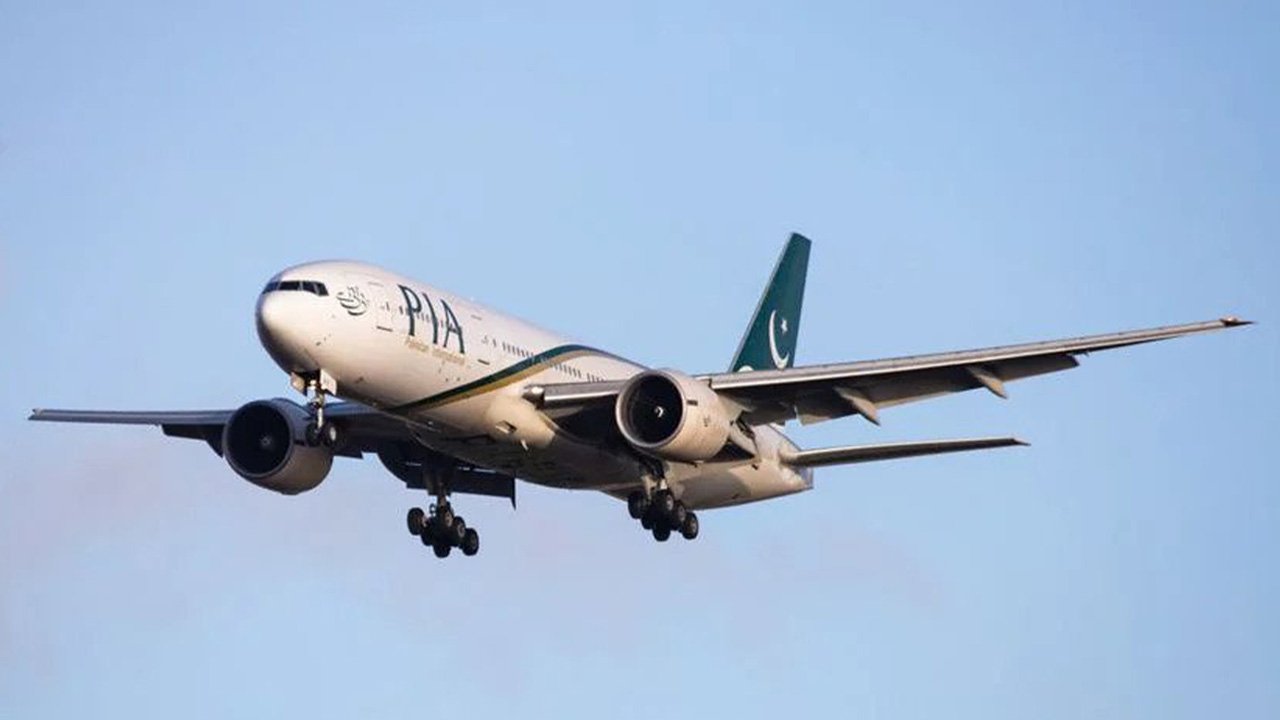
    The PM presided over a high-level meeting specifically addressing the issues plaguing Pakistan International Airlines (PIA). 

    During this meeting, comprehensive briefings were presented on various aspects of PIA’s operations.

    Key figures, including Caretaker Minister for Privatisation Fawad Hassan Fawad, Adviser to the Prime Minister Ahad Cheema, and other relevant authorities, were in attendance.

    PM Kakar articulated his concerns regarding the protracted decision-making process concerning PIA’s issues.

    He highlighted the urgency of expediting the privatisation of PIA and other state-owned enterprises that are incurring losses, highlighting that these financial setbacks should not be shouldered by the public through tax money.

    PM Kakar underscored that reforming the aviation sector could lead to improved services for the public.

    Furthermore, he stressed the importance of transparency in the privatisation process and the need to assign responsibility for the losses to facilitate corrective actions and prevent further financial setbacks.

    The meeting received updates on PIA’s financial situation and the progress of its privatisation process.

    The PM directed that the privatisation of the national flag carrier be expedited to relieve the burden on the national treasury.

  • World Bank urges urgent economic reforms in Pakistan to tackle rising poverty

    World Bank urges urgent economic reforms in Pakistan to tackle rising poverty

    The World Bank has issued a grave warning regarding Pakistan’s economic state, urging the nation to take swift action. They propose taxing key sectors like agriculture and real estate while reducing wasteful expenditures to stabilise the economy. This endeavour aims for a significant fiscal adjustment, equivalent to over 7 percent of Pakistan’s economic size.

    The World Bank also revealed alarming statistics, with poverty levels surging to 39.4 percent in the last fiscal year, pushing an additional 12.5 million people below the poverty line. Currently, nearly 95 million Pakistanis live in poverty.

    To address these challenges, the World Bank has drafted a set of policy recommendations in collaboration with stakeholders, focusing on low human development, unsustainable fiscal practices, overregulation in the private sector, and issues in the agriculture and energy sectors.

    Immediate measures include raising the tax-to-GDP ratio by 5 percent and reducing expenditures by about 2.7 percent of GDP, primarily targeting previously protected sectors.

    Tobias Haque, the lead country economist at the World Bank, underscores the need for substantial policy changes, given Pakistan’s economic and human development crises.

    According to Express Tribune, the World Bank’s recommendations encompass a range of fiscal reforms, including the removal of tax exemptions, increased taxation on real estate and agriculture, and mandatory use of CNIC for transactions.

    Furthermore, the institution advises cutting energy and commodity subsidies, implementing a single Treasury account, and adopting temporary austerity measures for short-term savings. Medium-term savings entail streamlining federal spending and enhancing the quality of development expenditures.

    Najy Benhassine, the country director for Pakistan at the World Bank, emphasises the importance of political consensus and domestic solutions to address Pakistan’s challenges.

    The World Bank highlights the need to address the human capital crisis, reduce energy subsidies, and promote inclusive, sustainable, and climate-resilient development in Pakistan. These measures are imperative to stabilise the nation’s precarious economic situation and alleviate the growing poverty crisis.

  • CAA’s timely intervention saves PIA from defaulting on IATA payments

    CAA’s timely intervention saves PIA from defaulting on IATA payments

    The Civil Aviation Authority (CAA) stepped in to rescue Pakistan International Airlines (PIA) from a potential financial crisis with the International Air Transport Association (IATA).

    According to ARY News, the CAA provided PIA with one billion Pakistani rupees to settle its outstanding dues with IATA. This timely payment prevented IATA from declaring PIA in default, a situation that could have led to the suspension of PIA’s global ticket sales.

    It’s important to note that PIA was facing a severe financial crisis and couldn’t meet its service charges to IATA. The Director General of CAA confirmed that, following the Ministry of Finance’s directive, one billion rupees were allocated to PIA for a week to support the national airline during these challenging times.

    In addition, it has come to light that PIA also owes a substantial amount to CAA, totaling several billion rupees.

  • Only over our dead bodies: PIA HR chief refutes closure rumours

    Only over our dead bodies: PIA HR chief refutes closure rumours

    The Head of Human Resource (HR) at Pakistan International Airlines (PIA) dismissed media reports about the airline’s poor financial condition and potential closure. He stated, “It will happen only over our dead bodies.” 

    These comments came during a meeting with the Chairman of the Senate Standing Committee on Aviation, Hidayatullah, who had noticed a senior PIA director’s statement about possible closure within 15 days.

    Hidayatullah initiated an investigation and mandated that only the airline’s spokesperson or PR department should communicate with the media.

    A private TV channel had reported concerns about flight operations being suspended by September 15 without emergency funds.

    During the meeting, the HR chief presented an overview of PIA employees, including qualifications, experience, and positions, with a focus on Group IV and above.

    According to Dawn, the committee members stressed their preference for hiring native Pakistanis for overseas roles. The HR chief highlighted the predominance of Pakistani-origin staff in such positions. 

    Performance evaluations for UK-based employees were discussed to ensure fair assessments.

    Furthermore, the HR chief disclosed the dismissal of two employees in Saudi Arabia due to fake degrees, with another under scrutiny. He assured me that all cases were being closely monitored.

  • PIA faces flight cancellations and delays as financial crisis intensifies

    PIA faces flight cancellations and delays as financial crisis intensifies

    Pakistan International Airlines (PIA), currently grappling with severe financial challenges, has been compelled to cancel multiple domestic and international flights.

    An authoritative representative of the national flag carrier conveyed to Geo News that there’s a looming risk of suspending flight operations by September 15, today, unless urgent financial support is extended.

    This predicament initially materialised on August 12, when numerous domestic flights, both departing from and arriving in Karachi, had to be abruptly canceled. This unfortunate situation was attributed to a combination of financial constraints and the inability to settle outstanding dues owed to Pakistan State Oil (PSO) for fuel supply.

    An examination of today’s schedule at Jinnah International Airport reveals a series of disruptions in PIA’s services. Notably, flights from Karachi to Bahawalpur (PK588 and PK589) and Karachi to Lahore (PK302 and PK303) have been canceled.

    Furthermore, the Karachi to Islamabad flight (PK368) faces a three-hour delay, while the Karachi to Lahore flight (PK304) encounters an extensive delay of eight and a half hours.

    Additional disruptions include the cancellation of PIA flights between Karachi and Rahim Yar Khan (PK582 and PK583), along with delays for Karachi to Multan (PK330) and Dubai (PK213), both postponed by two hours.

    Moreover, the Islamabad to Karachi flight (PK301) has been cancelled; Islamabad to Riyadh (PK753) is running three hours behind schedule; and Lahore to Karachi (PK305) faces a delay of two and a half hours.

    PIA’s financial struggles have been escalating, with the airline revealing on September 7 that it had grounded five of its 13 leased aircraft, potentially grounding an additional four due to the ongoing financial strain. 

    A plea for an urgent bailout of Rs22.9 billion was met with rejection by the Economic Coordination Committee (ECC). The ECC also declined the request to defer payments, including Rs1.3 billion per month to the Federal Board of Revenue (FBR) for Federal Excise Duty (FED) and Rs0.7 billion per month to the Civil Aviation Authority (CAA) for embarking charges.

    Adding to the airline’s woes, PIA cautioned of possible suspensions in the supply of spare parts by Boeing and Airbus come mid-September. In the previous month, the Federal Board of Revenue of Pakistan (FBR) took the drastic step of freezing 13 PIA bank accounts due to non-payment of Rs8 billion in FED.