Tag: Financial Crisis

  • Financial turmoil threatens PIA: Flight cancellations surge, salaries delayed

    Financial turmoil threatens PIA: Flight cancellations surge, salaries delayed

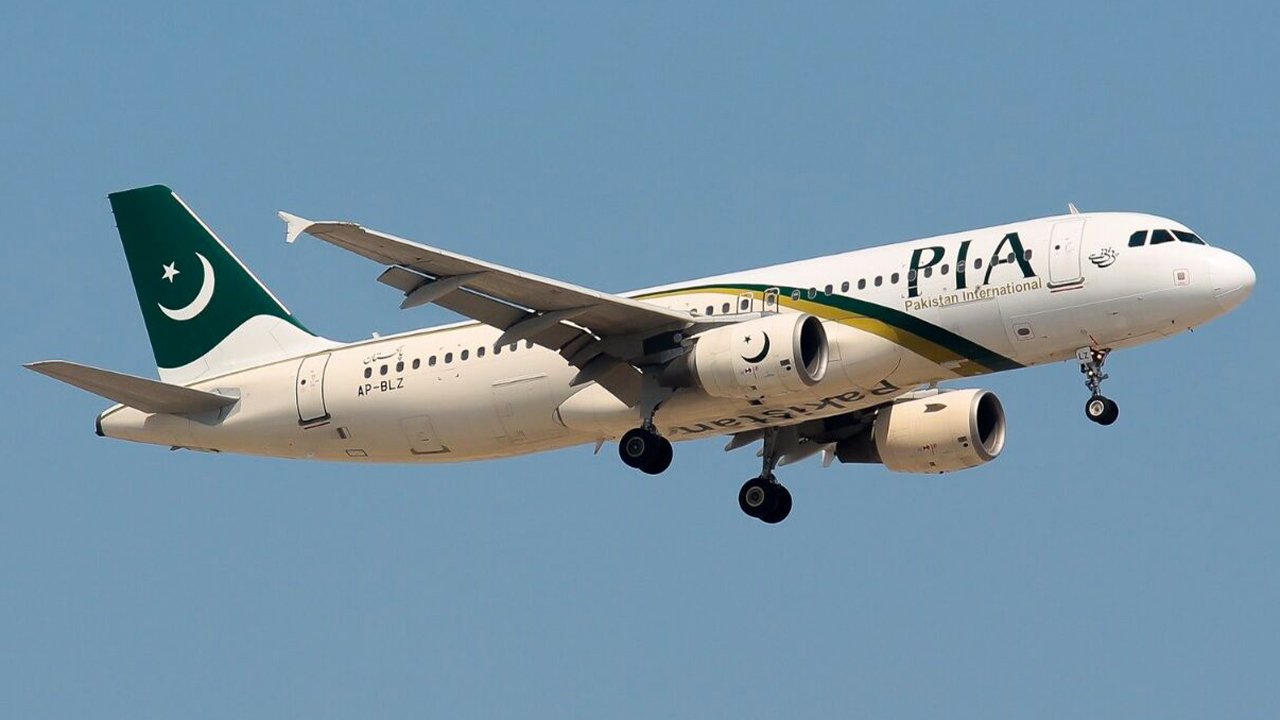
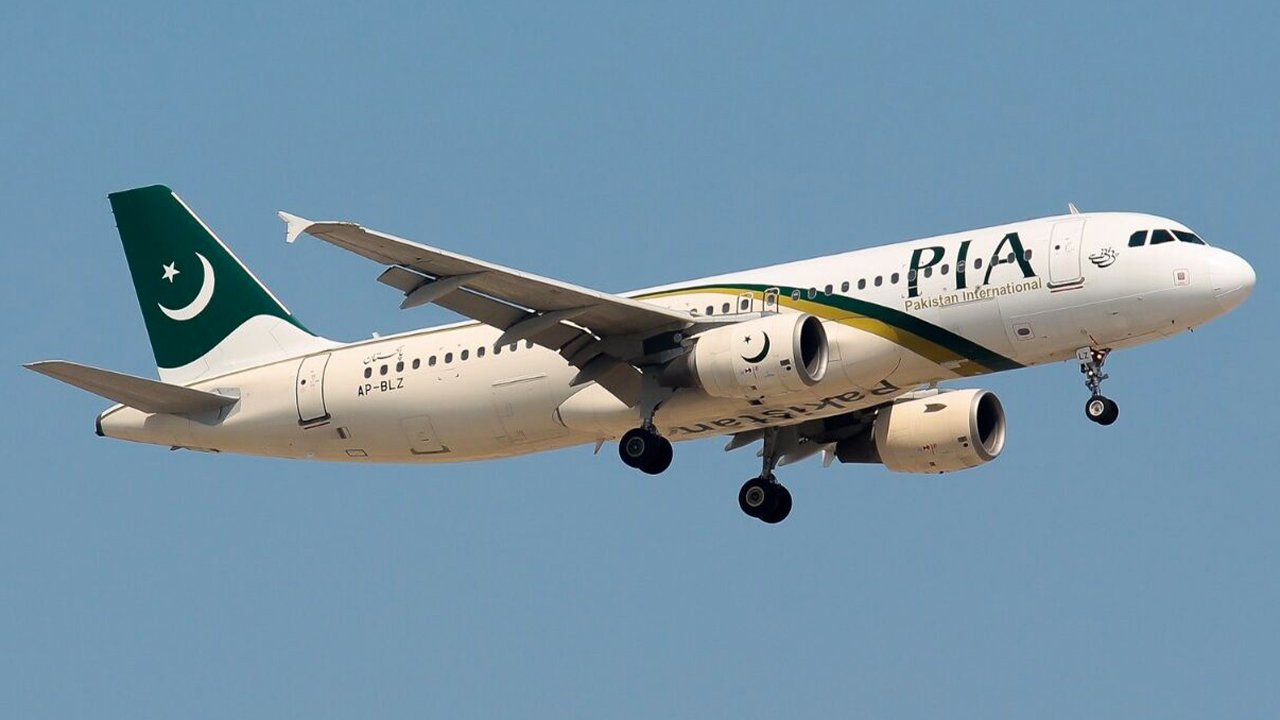
    The Pakistan International Airline (PIA) faces an imminent crisis, as a high-ranking official from the national carrier has issued a warning that flight operations may be suspended by September 15th if emergency funding is not promptly secured. This concerning development, as reported by Geo News, underscores the severity of the situation.

    In a statement to Geo News on Wednesday, a senior director at PIA highlighted that the operational fleet has dwindled from 23 to just 16 aircraft, resulting in the unfortunate cancellation of numerous flights. The dire financial straits of the airline have led to significant disruptions.

    Furthermore, the official revealed that renowned aircraft manufacturers, Boeing and Airbus, have halted the supply of crucial spare parts to PIA due to outstanding payments. This disruption, coupled with reduced flight operations, has incurred substantial daily losses running into millions of rupees for the national airline.

    In a distressing incident, one PIA aircraft was temporarily detained at Dammam airport, while four others faced a similar situation at Dubai airport, all due to unpaid fuel bills. These aircraft were eventually permitted to depart based on written assurances from PIA, with the International Air Transport Association (IATA) reinstating PIA services following an emergency payment of $3.5 million.

    The official’s somber warning emphasized that without an injection of Rs23 billion in emergency funds, flight operations may face suspension by September 15th.

    In response to this critical situation, a PIA spokesperson, in a statement, assured that exhaustive efforts were underway to avert the suspension of flight operations.

    Earlier reports had indicated that PIA’s financial challenges had severely impacted its flight schedule, resulting in the cancellation of both domestic and international flights. The airline had urgently requested government intervention to provide the necessary funds, and there were also reports of unpaid salaries to PIA employees.

    This financial turmoil for PIA had previously prompted the grounding of five leased aircraft, with the possibility of grounding four more due to ongoing financial constraints. The airline had sought an emergency bailout of Rs22.9 billion, which was unfortunately rejected by the Economic Coordination Committee (ECC). Additionally, the ECC declined requests for the deferment of monthly payments to the Federal Board of Revenue (FBR) and the Civil Aviation Authority (CAA).

    In another setback, last month, the FBR had frozen 13 PIA bank accounts due to non-payment of Rs8 billion in Federal Excise Duty (FED), further compounding the airline’s financial woes.
  • From ‘great people to fly with’ to ‘great debt to deal with’: PIA expected to ground several aircraft

    From ‘great people to fly with’ to ‘great debt to deal with’: PIA expected to ground several aircraft

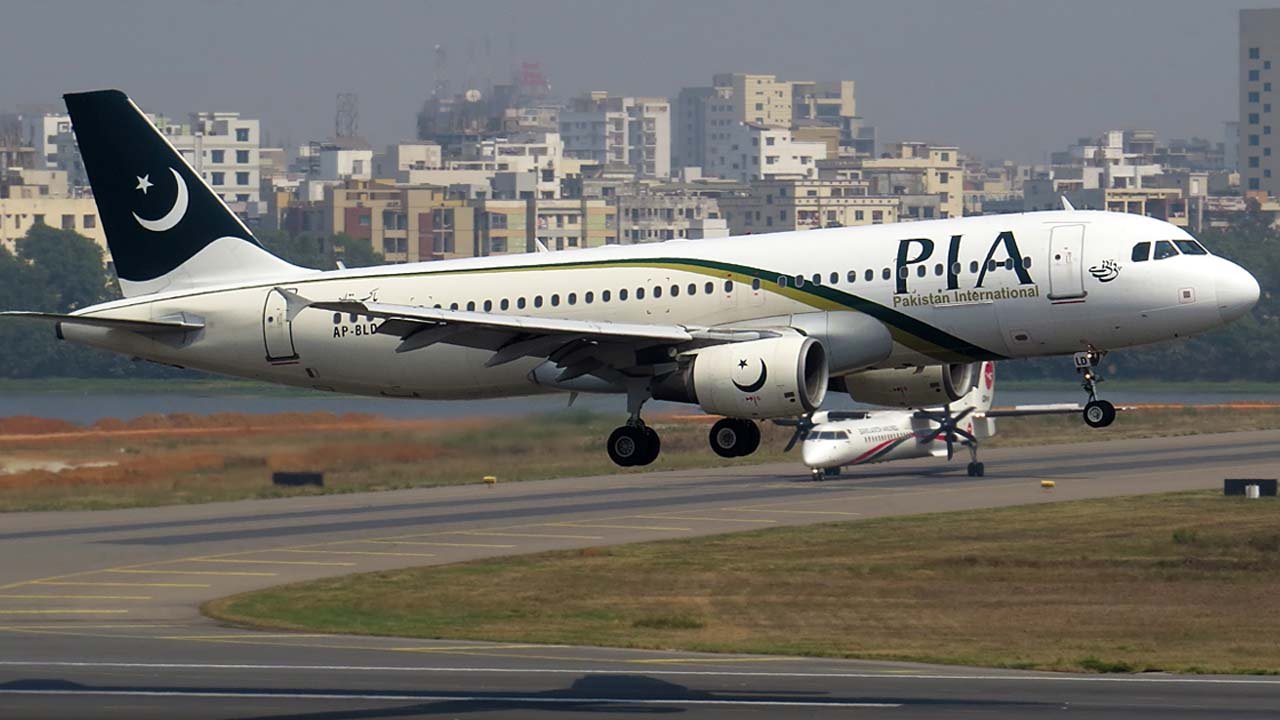
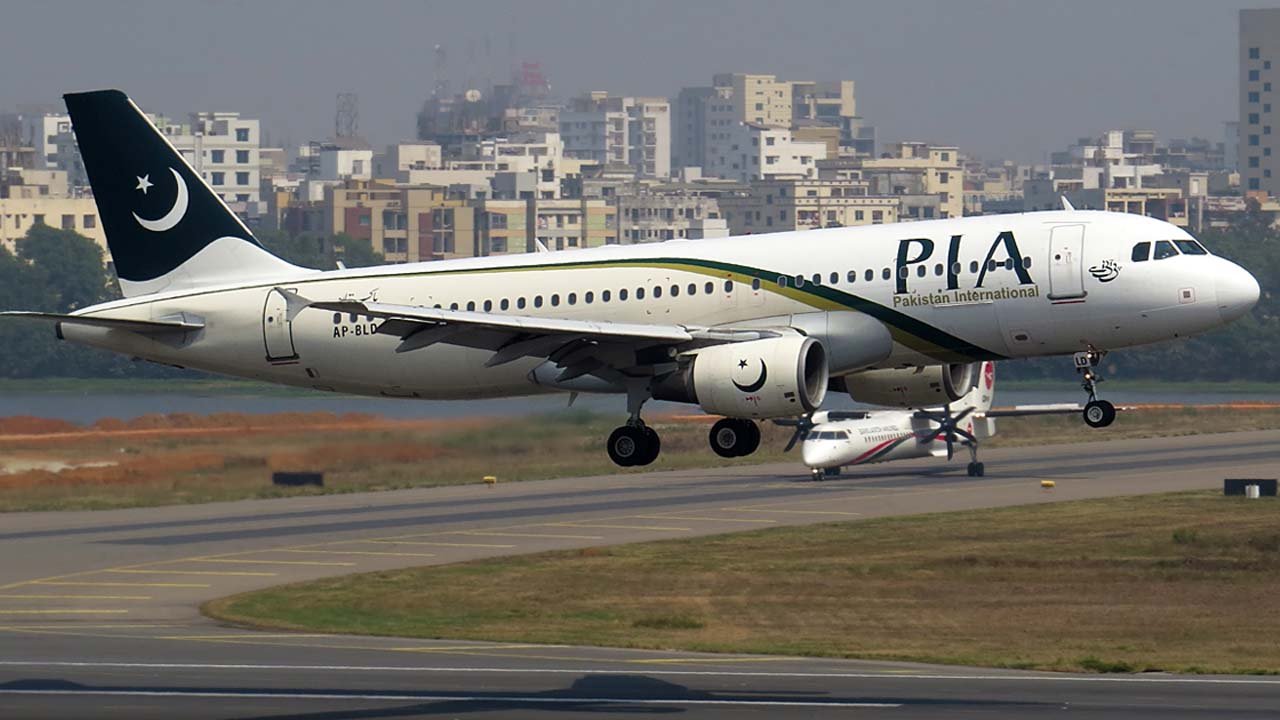
    Pakistan International Airlines (PIA) is facing a critical financial crisis, prompting the grounding of several aircraft due to difficulties in securing funds. This crisis has resulted in arrears with various stakeholders, including creditors, aircraft lessors, fuel suppliers, insurers, and airport operators. Boeing and Airbus are also on the verge of discontinuing spare parts supply by mid-September.

    The Ministry of Aviation has urgently requested a cash injection of Rs23 billion and the suspension of duties, taxes, and service charges, although no concrete business plan has been presented. The restructuring of PIA is expected to be a complex eight-month process, and the airline must remain operational during this period for divestment to yield a fair value.

    Regrettably, PIA serves only a small fraction of Pakistan’s population while consuming significant public funds. The government, holding a 92 per cent share in PIA, faces mounting losses attributed to competition, mismanagement, and inadequate funding for fleet expansion.

    As of December 31, 2022, PIA’s debt and liabilities stood at Rs743 billion, five times more than its assets’ total value. The airline’s annual losses reached Rs86.5 billion for the last financial year, with projections indicating debt and losses could further rise.

    According to Dawn, previous attempts to make PIA sustainable through cost-cutting and fleet expansion have failed. Alternately, efforts focused on financial, legal, and operational restructuring to attract private investment have been explored but not implemented.

    In June 2023, a decision was made to restructure PIA based on the Dubai Islamic Bank Consortium Report. This involves creating a new holding company to retain legacy loans and non-aviation assets while keeping PIACL subsidiaries intact. Recent legal restrictions hindering private investment have been lifted.

    However, the restructuring plan is pending government approval. The Aviation Division has requested Rs23 billion in funds and relief from various financial obligations. A separate panel has been formed to assess the restructuring plan, with support from the finance ministry and the State Bank of Pakistan expected once the plan is fully finalised.

  • PIA’s controversial decision: UK staff appointments on high salaries amid financial crisis

    PIA’s controversial decision: UK staff appointments on high salaries amid financial crisis

    In a recent development, Pakistan International Airlines (PIA) has come under scrutiny for making new staff appointments in the United Kingdom (UK) despite grappling with a severe financial crisis and a three-year ban on direct flights to the United Kingdom (UK).

    According to ARY News, the national flag carrier, PIA, has faced mounting challenges in recent years, with the ban on direct flights to the UK being a significant blow to its operations. Despite these challenges, the airline has proceeded to appoint officers and staff members with substantial salaries.

    Notably, the PIA country manager has been appointed with an annual salary of £70,000, while the passenger sales manager and finance manager will each receive £55,000 annually. Furthermore, a manager has been assigned to the Manchester station with a yearly compensation package of £55,000, coupled with other perks.

    Responding to these appointments and the ongoing financial crisis, a PIA spokesperson explained that the airline has continued its flight operations in the UK by collaborating through code-sharing agreements with Turkish Airlines, which generates an annual revenue of £14 million. The spokesperson emphasised that a mere 1.8% of these earnings are allocated to PIA staff in the UK.

    The PIA spokesperson also expressed optimism about the resumption of direct flight operations between Pakistan and the UK, citing this as a reason for the recent appointments of the country manager and sales manager.

    However, the controversy surrounding PIA deepened when the Federal Board of Revenue (FBR) froze the airline’s bank accounts due to non-payment of more than Rs8 billion in taxes. A total of 26 bank accounts belonging to the national carrier have been locked by the FBR.

    The FBR revealed that PIA had pledged to settle Rs2 billion in dues under Federal Excise Duty in August, but it failed to honour this commitment, leading to the account freeze.

    Despite this financial setback, the PIA spokesperson reassured the public that the closure of bank accounts would not disrupt Pakistan International Airlines’ flight operations. The airline remains committed to maintaining its services in the UK while navigating this challenging period.

    As the situation unfolds, stakeholders and industry observers continue to monitor PIA’s financial stability and the progress towards the resumption of direct flights between Pakistan and the UK.

  • Pakistan International Airlines faces potential Rs259 billion loss by 2030

    Pakistan International Airlines faces potential Rs259 billion loss by 2030

    Pakistan’s Aviation Minister, Khawaja Saad Rafique, delivered a grave warning on Friday about the precarious financial state of Pakistan International Airlines (PIA). He highlighted that without swift corrective action, the airline could incur staggering losses of up to Rs259 billion by 2030. To salvage the national carrier from its mounting debts, Minister Rafique urgently called for essential measures, including the transfer of administrative control to the private sector.

    Minister Rafique’s concerns were voiced during his address on the Senate floor, where he presented “The Pakistan International Airlines Corporation (Conversion) (Amendment) Bill, 2023.” He stressed the critical need for foreign direct investment (FDI) and the involvement of private entities to ensure the long-term sustainability of PIA, which currently grapples with an overwhelming debt burden of Rs742 billion.

    However, the proposal faced strong opposition from several senators during the proceedings. As a result, the Senate chairman referred the matter to the relevant standing committee for further evaluation, acknowledging the significance of FDI and private sector participation in transforming PIA into a profitable entity.

    The deliberations also witnessed PTI lawmakers raising concerns about the quorum, prompting a fifteen-minute bell ringing to meet the attendance requirement. Once the quorum was restored, House proceedings resumed to discuss the fate of PIA.

    The key provision of the bill proposes an amendment to Section 3, which specifies that the company’s shareholders would retain the same number of fully paid shares while preserving their existing rights and privileges. Additionally, the federal government could, through an official gazette notification, issue fresh shares or cancel existing ones as needed during the validity period.

    The destiny of Pakistan International Airlines now lies in the hands of the standing committee, tasked with thoroughly scrutinising the bill and its proposed amendments. The committee’s decision will significantly impact the future of the struggling airline and determine whether privatisation and foreign investment can pave the way for PIA’s financial recovery.

  • Govt adds new radio fee and increases TV charges in electricity bills

    Govt adds new radio fee and increases TV charges in electricity bills

    The government has recently made a decision to introduce additional charges for the public in their electricity bills. These charges will include a fee for both television and radio services. This resolution was reached during a meeting of the Senate Standing Committee on Finance, with Salim Mandviwala as the chair.

    Finance Ministry officials presented a briefing, outlining that the electricity bills will now include a fee of Rs50 for television and radio services combined. Specifically, Rs35 will be allocated for the Pakistan Television (PTV) fee, while Rs15 will be directed towards the radio fee. The Ministry of Information has prepared a summary in support of this initiative, and the funds collected from users will be utilised to cover the salaries of radio employees.

    The motivation behind this decision stems from the federal government’s efforts to address the financial crisis faced by Radio Pakistan. To support the struggling Pakistan Broadcasting Corporation (PBC), commonly known as Radio Pakistan, additional charges will be imposed on electricity consumers. The Ministry of Information has proposed an extra Rs15 levy on consumers’ electricity bills, with Rs35 allocated to the state TV fee and the remaining Rs15 to assist Radio Pakistan.

    The Senate Standing Committee’s recommendation for this course of action was based on the urgent need to alleviate the financial difficulties experienced by current and retired PBC employees.

    This issue has been a longstanding challenge for over a decade. In fact, an earlier proposal in February sought a separate “radio fee” of Rs500 for all vehicles (excluding motorcycles) during their registration, with the intention of generating an annual additional revenue of Rs15 billion to support Radio Pakistan financially. The proposal was discussed during a sub-committee meeting led by Irfan Siddiqui from the ruling PML-N.

  • Majority of Pakistanis can’t make ends meet on current income, survey finds

    Majority of Pakistanis can’t make ends meet on current income, survey finds

    In a recent consumer-based study conducted by Pulse Consultant in Pakistan, concerning findings have emerged regarding the financial state of individuals across the country. The study, which encompassed 1,180+ respondents from the top 10 cities of Pakistan, aimed to understand the ability of individuals to meet their monthly expenses in relation to their current income. The results shed light on the economic challenges faced by a significant portion of the population.

    The study revealed that a staggering 60 per cent of respondents reported an inability to fulfill their monthly expenses with their existing income. This indicates a considerable strain on individuals’ finances, leading them to struggle to cover their essential needs. Among these respondents, both male and female participants voiced similar concerns, with 59 per cent of males and 68 per cent of females expressing difficulties in meeting their expenses.

    On the other hand, 40 per cent of the respondents claimed that their current income adequately covered their expenses. However, further analysis of this group revealed some noteworthy insights. Of those who reported their expenses were being met, only 28 per cent claimed to save money from their current income, while the remaining 72 per cent stated that they were unable to save any funds. Interestingly, female respondents seemed to face greater challenges in saving money, with 82 per cent of them reporting an inability to do so, compared to 71 per cent of their male counterparts.

    Among the 60 per cent of respondents who struggled to meet their expenses, several coping mechanisms emerged. For 37 per cent of them, borrowing money became a necessity to bridge the financial gap. Notably, a higher proportion of males (39 per cent) resorted to borrowing, compared to females (29 per cent).

    Additionally, 22 per cent of those facing financial difficulties reported engaging in additional part-time employment to supplement their income. This was more prevalent among males (39 per cent) who often bore the responsibility of supporting their families financially, compared to females (29 per cent).

    Moreover, 40 per cent of respondents stated that reducing expenditures became their only viable option. Nearly half of the women (46 per cent) reported resorting to this measure, while 38 per cent of men followed suit.

    The study’s findings paint a concerning picture of the financial landscape in Pakistan, with a significant portion of the population struggling to make ends meet. The inability to meet monthly expenses can lead to increased financial stress, limited access to basic necessities, and hindered economic growth for individuals and the nation as a whole.

    Addressing these challenges will require comprehensive efforts from both the government and private sector. Policymakers should focus on initiatives that promote economic growth, job creation, and income equality. Additionally, there is a need for financial literacy programs to empower individuals with the knowledge and skills necessary to manage their finances effectively and make informed decisions.

    Furthermore, it is crucial for employers to offer fair wages and employment opportunities that align with the needs of the population. By providing stable jobs and suitable remuneration, individuals can have a better chance of meeting their expenses and improving their overall financial well-being.

    Ultimately, the findings of this consumer-based study highlight the pressing need to address the financial struggles faced by a significant portion of the Pakistani population. Through concerted efforts and targeted interventions, it is possible to alleviate the burden of financial hardship and foster a more financially inclusive and prosperous society for all.

  • Turkey: Food prices surged by 89 per cent, transportation costs increased by 106 per cent

    Turkey: Food prices surged by 89 per cent, transportation costs increased by 106 per cent

    Turkey’s inflation rate skyrocketed to almost 70 per cent last month, creating a substantial challenge for President Recep Tayyip Erdogan, whose unusual economic strategies are frequently blamed for the country’s economic woes.

    Erdogan, defying economic conventional wisdom, insists that major interest rate cuts are essential to reduce spiralling consumer costs.

    Turkey’s consumer price index (CPI) climbed by 69.97 per cent on a year-on-year (YoY) basis in April 2022, compared to 61.14 per cent in March 2022, according to the national statistics agency, indicating a massive increase.

    The transportation industry saw the largest price rises in April, up 105.9 per cent, while food and non-alcoholic drinks cost increased by 89.1 per cent.

    Likewise, lira’s depreciation has quadrupled the cost of energy imports, and international investors are progressively fleeing the formerly emerging economy. Energy price hikes and production constraints have been worsened by Russia’s invasion of Ukraine and the coronavirus outbreak.

    According to economists, Turkey’s yearly inflation rate – the highest since Erdogan’s ruling AKP party took office in 2002 – is entirely due to Erdogan’s unusual economic thinking.

    Read more: Transporters continue to overcharge ahead of Eid-ul-Fitr

    Erdogan has pushed the supposedly independent central bank to reduce interest rates. Despite strong inflation, the bank maintained its benchmark interest rate for the fourth month in a row in April, yielding to criticism.

  • SriLankan Airlines plan to lease 21 aircraft draws criticism

    SriLankan Airlines plan to lease 21 aircraft draws criticism

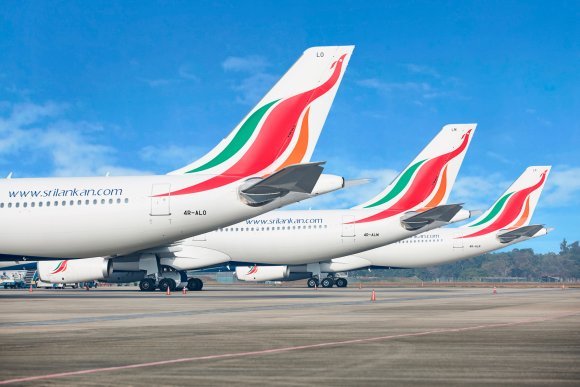
    A plan by Sri Lanka’s state-owned national airline to lease nearly two dozen aircraft has sparked public criticism and opposition condemnation as the country struggles with its worst financial crisis in decades.

    Sri Lanka is struggling with low reserves that have declined more than 70% over the past two years to $1.93 billion at the end of March.

    The dollar crunch has caused acute shortages of fuel, food and medicines, with rolling power cuts for hours a day for more than a month.

    On Tuesday, Sri Lanka suspended some external debt repayments and said it would instead use meagre dollar cache to focus on essential imports.

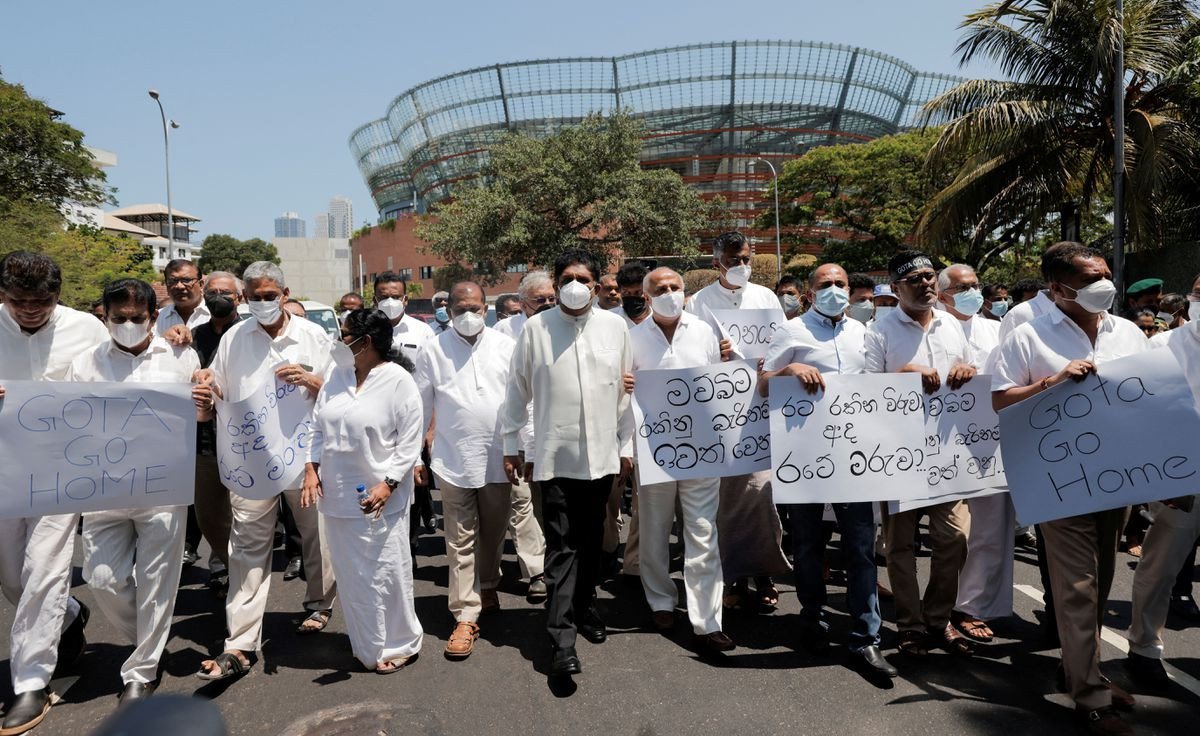
    Protesters demanding President Gotabaya Rajapaksa resignation have been staging daily sit-ins outside his office.

    Tender notices for the lease of 42 aircraft were published on the airline’s website on Thursday.

    SriLankan Airlines has been struggling with a fall in tourism because of the COVID-19 pandemic and the economic crisis.

    In 2019/20, SriLankan Airlines reported a loss of 44.14 billion Sri Lankan rupees ($140.90 million) against 41.70 billion Sri Lankan rupees in the previous year.

    “This must be a joke?!,” a member of parliament from the main opposition Samagi Jana Balawegaya (SJB) alliance, Harsha de Silva, said in a post on Twitter.

    “Sri Lanka is bankrupt; no fuel, gas or medicine. Where the hell is money for this nonsense?! Better immediately clarify.”

    Another opposition party, the United National Party (UNP), demanded that the carrier cancel the proposal while numerous Sri Lankans expressed their disapproval online.

    “What good is new aircraft when you won’t have fuel to fly,” said Twitter user Shiv Theyagamurti.

    The airline’s chairman, Asoka Pathirage, said the carrier was looking for 21 planes to lease in an initial round as part of its 2022-2025 business plan to replace aircraft that would be phased out of its existing fleet.

    “We are only looking at availability in the market. SriLankan Airlines will finance these leases and we will not depend on funds from the government,” he told Reuters.

    “The airline has been making profits. We do have debt but we have to make money to repay them.”

    The government will begin talks with the International Monetary Fund for a loan programme on Monday.

  • Amid spiralling out crisis: Sri Lankan opp threatens govt of no-confidence motion

    Amid spiralling out crisis: Sri Lankan opp threatens govt of no-confidence motion

    The main Opposition party in Sri Lankan parliament on Friday asked the government to resolve the raging economic crisis or face a no-confidence motion, as leaders of businesses from garments to tea and other industries warned that exports could fall up to 30% this year.

    The heavily indebted country has little money left to pay for imports, which has led to crippling shortages of fuel, power, food, and increasingly, medicine. Street protests have gone on nearly non-stop for more than a month, despite a five-day state of emergency and a two-day curfew.

    Timeline of a crisis

    President Gotabaya Rajapaksa is running his administration with only a handful of ministers after his entire cabinet resigned this week, while the opposition and even some coalition partners rejected calls for a unity government to deal with the worst crisis in decades.

    At least 41 lawmakers have walked out of the ruling coalition to become independents, though the government says it still has a majority in parliament.

    “The government needs to address the financial crisis and work to improve governance, or we will move a no-confidence motion,” Sajith Premadasa, leader of Samagi Jana Balawegaya Opposition group, said in parliament.

    “It is imperative that Sri Lanka must avoid a disorderly debt default. The government must work to suspend debt and appoint financial advisers to start off the process of restructuring debt.”

    Parliament proceedings were suspended twice in the morning as rivals heckled each other, with two members temporarily removed from the chamber on the orders of the speaker.

    Nearly two dozen associations, representing industries that collectively employ a fifth of the country’s 22 million people, together urged the government to quickly seek financial help from the International Monetary Fund (IMF), the World Bank and the Asian Development Bank (ADB).

    “We need a solution within weeks or the country will fall off the precipice,” Rohan Masakorala, director-general of the Sri Lanka Association of Manufacturers And Exporters of Rubber Products, told a news conference.

    RESERVES PLUNGE

    Rajapaksa is struggling to find a new finance minister to hold talks this month with the IMF for emergency loans, after Ali Sabry submitted his resignation having spent just a day in office. A ruling party lawmaker said Rajapaksa had yet to accept Sabry’s resignation.

    “We are pushing the government and opposition to establish political stability as soon as possible and give us a way forward,” Masakorala said. “IMF should have happened yesterday.”

  • State Bank of Pakistan hikes interest rate to 12.25% in an emergency meeting

    State Bank of Pakistan hikes interest rate to 12.25% in an emergency meeting

    Following an emergency meeting, the State Bank of Pakistan (SBP) raised interest rates by 250 basis points, as mounting political uncertainty and rising worldwide oil prices threaten to drive the country into a full-fledged economic catastrophe.

    The key rate is now 12.25 per cent, as per the latest statement released by the central bank on Thursday. According to the report, this makes the real rate “mildly positive” and will assist maintain external and price stability.

    The judgment came a few hours before the Supreme Court was due to rule on the constitutionality of Prime Minister Imran Khan’s disputed move to dissolve parliament and hold new elections. Pakistan may find it difficult to persuade the International Monetary Fund (IMF) to grant a much-needed loan tranche due to the political limbo.

    At the recent briefing, SBP governor, Reza Baqir, said, “We thought it’s important to take decisive action”.  He added that the body does not intend to do anything else.

    The central bank claimed that intensified domestic political turmoil contributed to the rupee’s 5 per cent loss and caused a jump in local bond rates, as well as Pakistan’s Eurobond yields and Credit Default Swap (CDS) spreads. Oil prices are likely to remain elevated, and the Federal Reserve of the United States is expected to compress sooner than expected, according to the report.

    The PKR broke all records on Thursday, selling at more than Rs189 per dollar in intraday trading in the interbank market, continuing a slump that has witnessed its decline of more than 10 per cent since March 4.

    Read more: Pakistan to import 32.7 million barrels of oil to cover petroleum needs

    Pakistan’s political instability, in addition to money from the IMF, is causing delays in a planned $1 billion green bond offering. A refinancing from China is also expected; the repayment in recent weeks caused Pakistan’s foreign-exchange reserves to plummet to their lowest level since records began in 2010.

    In a meeting last month, SBP cautioned that it might convene earlier than planned to avoid a crisis. It revised its average inflation prediction for the fiscal year ending in June from 9 per cent to little more than 11 per cent.