Tag: Financial Markets

  • Pakistani rupee finally ends 28-day winning streak, loses against US dollar

    Pakistani rupee finally ends 28-day winning streak, loses against US dollar

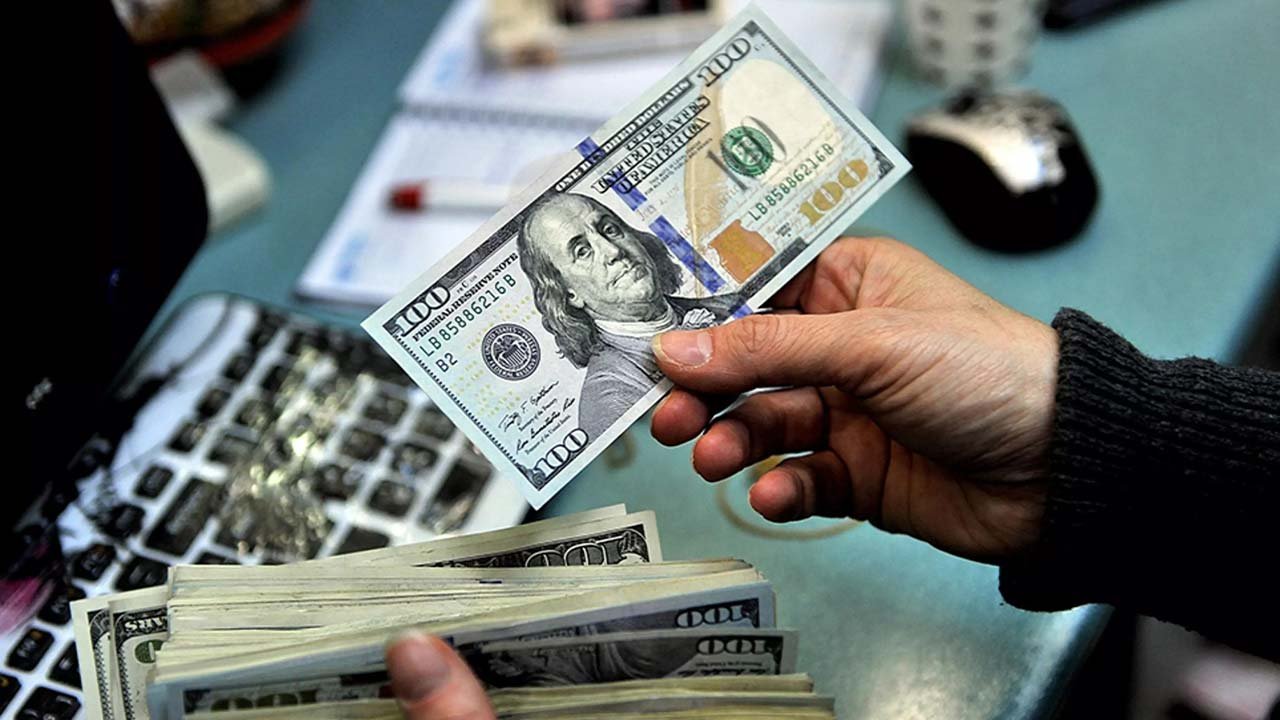
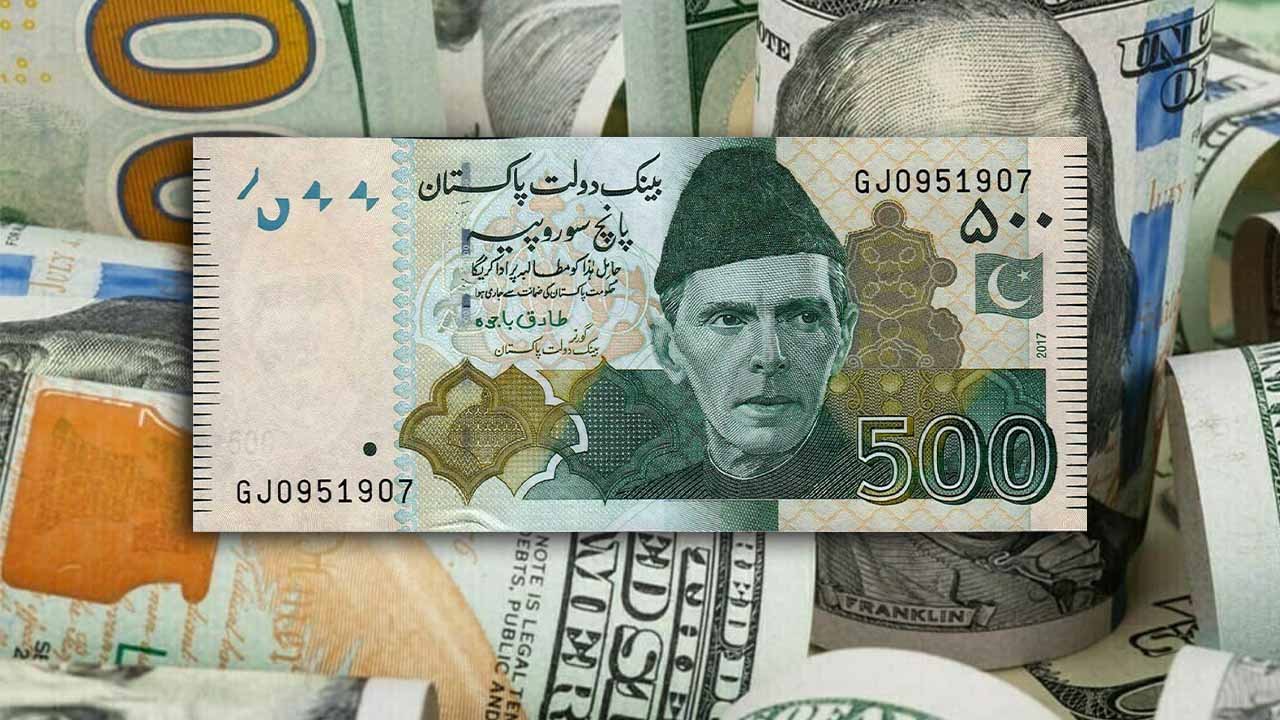
    The Pakistani rupee’s remarkable 28-day winning streak against the US dollar came to an end today, as it recorded losses following an initial trade opening at Rs278.5 in the interbank market.

    In the morning, the rupee had steadied, maintaining a level of Rs276 against the greenback. Subsequently, between 1:00 PM and 2:35 PM, the interbank rate dipped to Rs278 before settling at Rs277 for the rest of the day. 

    Open market rates, observed across various currency exchange counters, ranged from Rs277 to Rs279 throughout the day.

    At the close of the trading day, the PKR experienced a depreciation of 0.07 per cent, concluding at Rs277.03 after losing 20 paisas against the US dollar.

    Despite today’s setback, it is noteworthy that the disparity between interbank and open market rates has significantly decreased by Rs60 since September 4th. The rates have fluctuated between as low as Rs277 and sporadic spikes up to Rs280 today.

  • Gold price surges by Rs4,900 in a single day, reaches Rs202,000 per tola 

    Gold price surges by Rs4,900 in a single day, reaches Rs202,000 per tola 

    The price of gold in Pakistan has experienced a significant surge following an increase in the global market.  

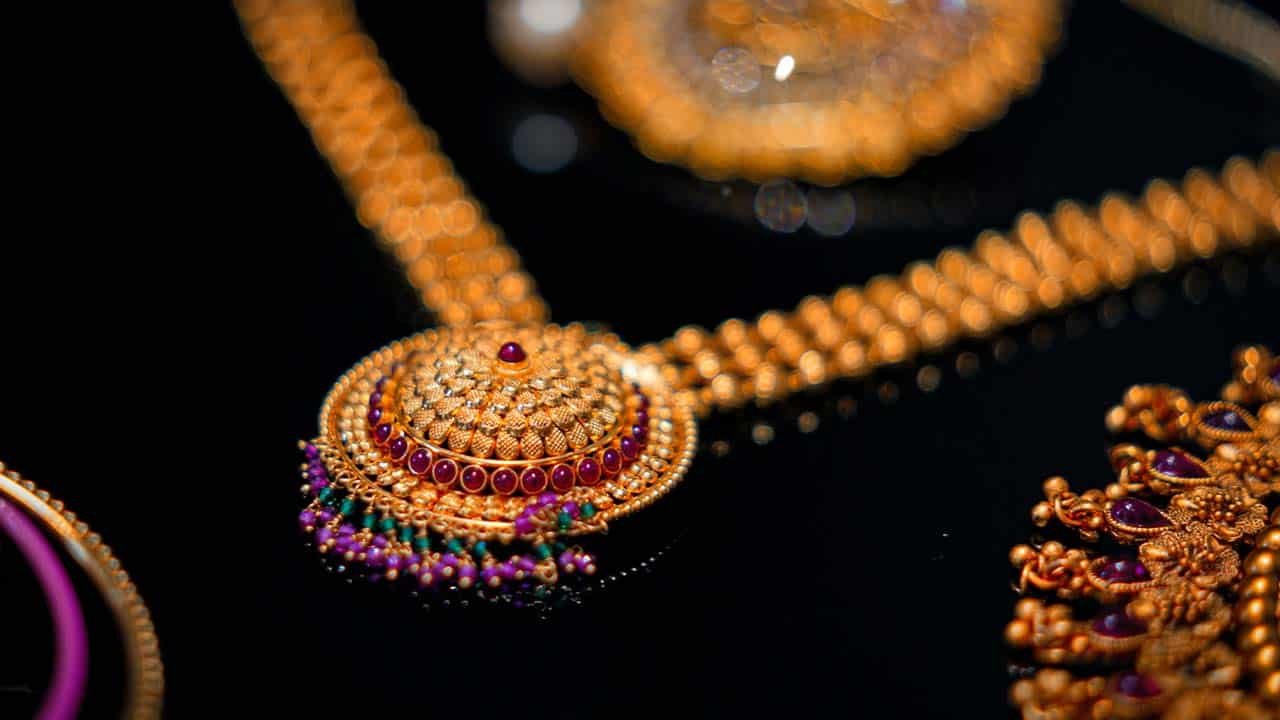
    According to the All-Pakistan Sarafa Gems and Jewellers Association (APSGJA), the cost of 24-carat gold has risen by Rs4,900, reaching Rs202,000 per tola.  

    Meanwhile, the price of 10-gramme gold has also seen a substantial increase, going up by Rs4,201 to settle at Rs173,182. 

    In the international market, the price of gold saw a notable uptick, with a $46 increase, bringing it to $1,938 per ounce.  

    Concurrently, the US dollar (USD) weakened by Rs5.07 against the Pakistani rupee in the interbank market over the course of this week’s trading. In interbank trading, the USD declined from Rs282.69 to Rs277.62 this week. 

    Furthermore, the American currency witnessed a decrease of Rs4.50 in the open market at the end of the week, closing at Rs277, down from Rs281.50. 

  • State Bank of Pakistan reports $21 million decline in forex reserves

    State Bank of Pakistan reports $21 million decline in forex reserves

    Pakistan’s total liquid foreign reserves reached a sum of $13,030.8 million, with the central bank holding reserves amounting to $7,615.4 million, as reported by the State Bank of Pakistan (SBP). 

    According to a statement released by the State Bank of Pakistan on Thursday, during the week ending on September 28, 2023, SBP’s reserves experienced a decrease of $21 million, resulting in a total of US$ 7,615.4 million. Concurrently, commercial banks held net foreign reserves totaling $5,415.4 million. 

    In the preceding week, ending on September 22, 2023, the country’s total liquid foreign reserves were reported at US$ 13.162 billion. Among these, the central bank held foreign reserves amounting to $7.636 billion, while commercial banks held net foreign reserves of $5.525 billion. 

    As of September 29, the total liquid foreign reserves of Pakistan stood at US$ 13.18 billion, with the central bank’s reserves totaling $7,636.7 million. The State Bank of Pakistan (SBP) spokesperson attributed the decrease in SBP’s reserves by $59 million to debt repayments during the week ending on September 22, 2023. Net foreign reserves held by commercial banks amounted to $5,525.1 million. 

    In the week ending on September 15, 2023, the country’s total liquid foreign reserves were recorded at $13.186 billion. Among these, the central bank held foreign reserves amounting to $7.695 billion, while commercial banks held net foreign reserves totaling $5.491 billion. 

  • Chinese company shows interest in buying K-Electric for $1.77 billion

    Chinese company shows interest in buying K-Electric for $1.77 billion

    In a recent development, China’s state-owned Shanghai Electric Power (SEP) has reiterated its interest in acquiring the shares of Karachi’s sole power company, K-Electric, with a renewed offer of $1.77 billion.

    According to Shan Abbas Ashari, the investment advisor of the Saudi group Al-Jomaih Power Limited, a major shareholder of K-Electric, the Saudi group has indicated the possibility of selling its shares at a price of $2 billion.

    Ashari stated that a deal with Shanghai Electric, involving the acquisition of K-Electric shares, is set to be rekindled. He mentioned that SEP had initially proposed the $1.77 billion offer to acquire K-Electric several years ago, and this offer would now be revisited.

    Ashari highlighted the growing electricity demand in Karachi, which should have already reached 5,000 MW. He emphasised that this demand could further increase if all industries were integrated into the company’s grid.

    Moreover, Ashari emphasised that Pakistan stands as an ideal investment destination for Saudi Arabia and other Gulf countries due to its rapidly expanding population, distinguishing it from Europe.

    However, he acknowledged that investors from Saudi Arabia and Kuwait faced challenges following the K-Electric deal. Stay tuned for further updates on this significant investment development.

  • Afghani emerges as top-performing currency against US dollar 

    Afghani emerges as top-performing currency against US dollar 

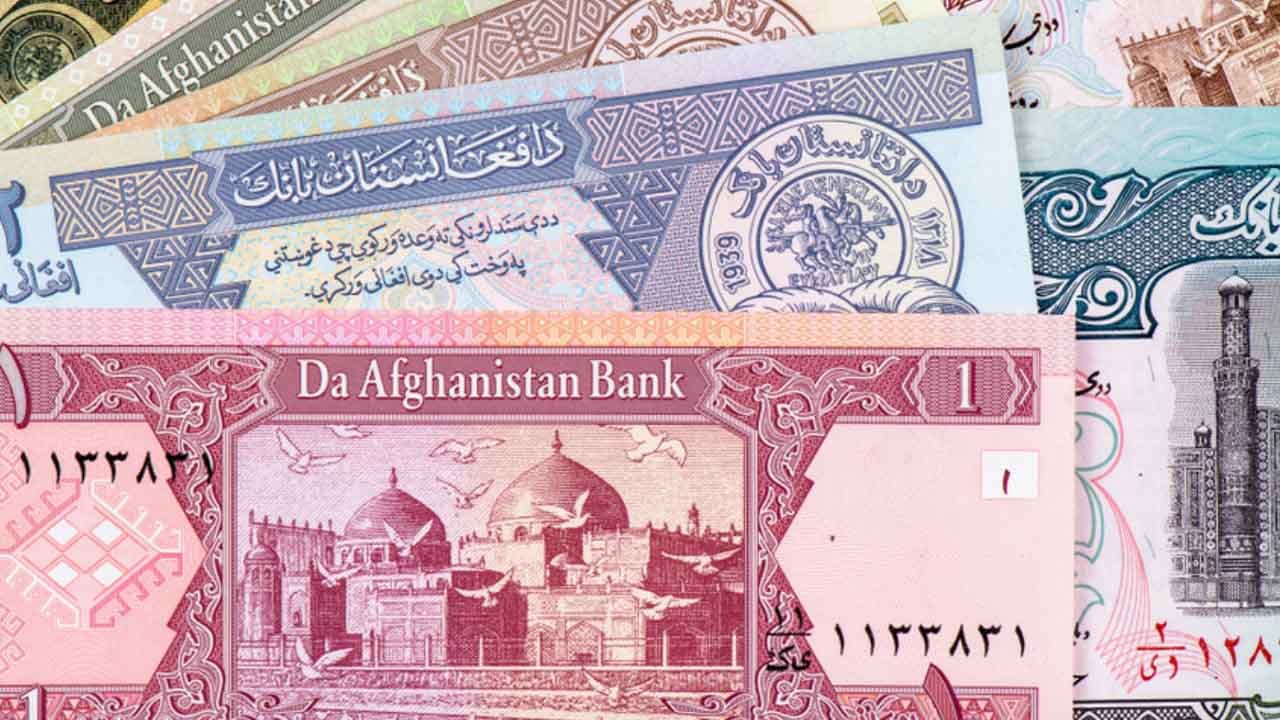
    In the third quarter of 2023, the Afghani, the official currency of Afghanistan, has exhibited exceptional performance, marking itself as the standout currency in the global financial landscape. Its remarkable ascent against the US dollar, with a substantial 9 per cent surge since the commencement of July, stands as a testament to its resilience and strength. 

    This impressive trajectory positions the Afghani as the third-strongest performer among global currencies in 2023, trailing only behind the Colombian peso and the Sri Lankan rupee. This distinction underscores the Afghani’s resilience amid challenging economic circumstances. 

    In Afghanistan, the pivotal role of facilitating foreign currency transactions falls upon the numerous money exchange establishments known as “sarrafs.” These sarrafs are ubiquitous, dotting the landscapes of both urban centres and rural villages alike, serving as the lifeblood of currency exchange activities. 

    Among these financial hubs, the Sarai Shahzada market in Kabul takes centre stage as Afghanistan’s premier financial epicenter. It serves as a bustling hub where substantial sums of currency are traded daily, exemplifying the nation’s financial vitality. Remarkably, the central bank places no restrictions on these exchange transactions. 

    Due to stringent financial sanctions, a significant portion of funds flowing into Afghanistan from foreign nations now traverse through the age-old money transfer system known as Hawala. This venerable system plays a pivotal role in the operations of sarrafs, further cementing their significance in Afghanistan’s financial ecosystem. 

    It is noteworthy that the United Nations (UN) has identified Afghanistan’s dire need for approximately $3.2 billion in aid for the current year, with roughly $1.1 billion already disbursed. This underscores the critical importance of international assistance in alleviating the nation’s pressing humanitarian challenges. 

    A sombre backdrop to these financial dynamics is the fact that, just last year, the UN disbursed nearly $4 billion in aid as Afghanistan grappled with a dire famine that affected half of its 41 million citizens. This staggering statistic underscores the profound challenges faced by the Afghan population. 

    Since the Taliban’s resurgence in Kabul in August 2021, stringent currency controls have been imposed, disallowing the use of the US dollar and Pakistani rupee by locals and restricting online trading activities. While these measures have seemingly contributed to Afghanistan’s stability, the broader Afghan economy has suffered, with soaring unemployment rates exacerbating the nation’s humanitarian crisis. 

    Regrettably, a staggering 79 per cent of the population now languishes in poverty, with a distressing 44 per cent of the people unable to secure adequate nourishment. The plight of Afghanistan’s populace remains a pressing global concern, necessitating concerted efforts to address both immediate humanitarian needs and long-term economic stability. 
  • Pakistani rupee settles at Rs290.86 against US dollar, marking 14th consecutive gain

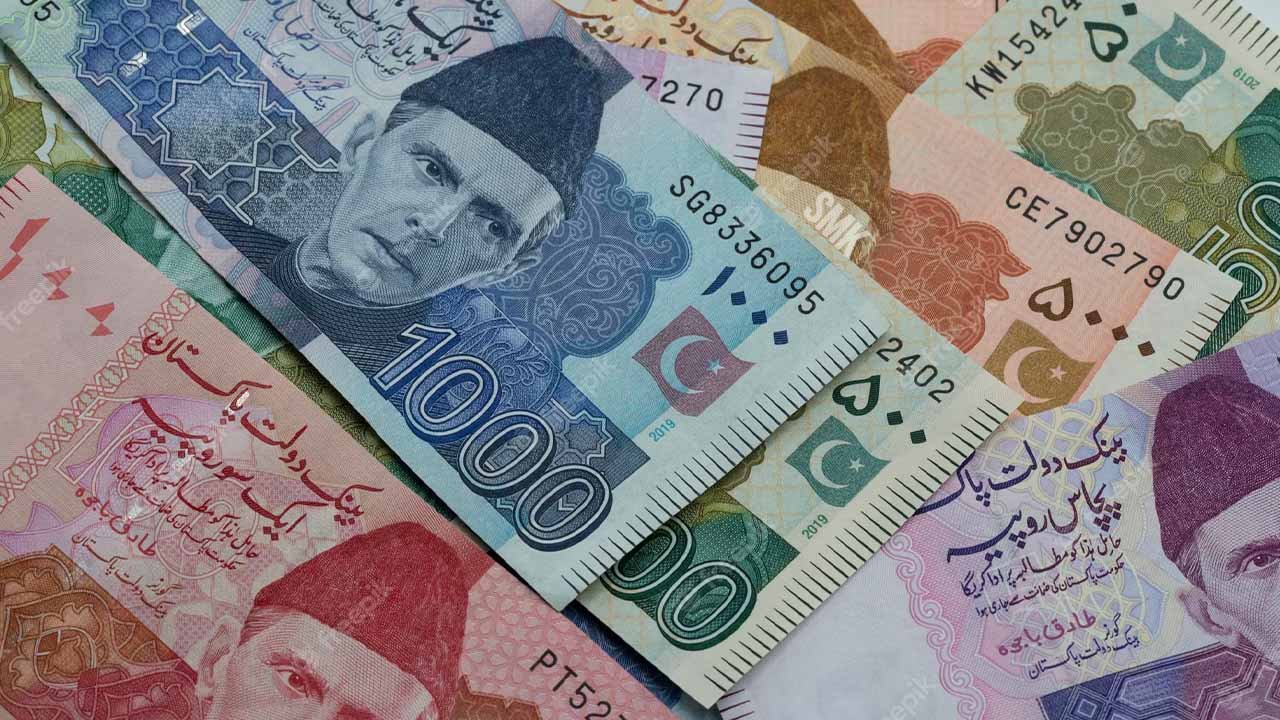
    Pakistani rupee settles at Rs290.86 against US dollar, marking 14th consecutive gain

    In continuation of its recent positive streak, the Pakistani rupee extended its upward trajectory against the US dollar for the 14th consecutive session, marking a gain of 0.31 per cent in the interbank market on Monday.

    According to data released by the State Bank of Pakistan (SBP), the rupee closed at Rs290.86, representing a noteworthy increase of Re0.9 in the inter-bank market. This sustained appreciation trend has seen the rupee make significant gains, amounting to 5.28 per cenr, or Rs16.24, since its record low of Rs307.1 against the US dollar on September 5 in the inter-bank market.

    In the previous week, the rupee experienced a further appreciation of 1.74 per cent, concluding positively for all five trading sessions and settling at Rs291.76 against the US dollar in the inter-bank market by the end of the week. Additionally, the rupee’s performance in the open market has strengthened, reducing the ‘premium’ to negligible levels and aligning with the benchmarks established by the International Monetary Fund (IMF).

    While several experts attribute the rupee’s recent gains to administrative and enforcement measures, some argue that these increases reflect the currency’s intrinsic value when speculative influences and negative sentiment are excluded.

  • 7th straight win: Pakistani rupee gains 86 paisas, closes at Rs297.96 per US dollar

    7th straight win: Pakistani rupee gains 86 paisas, closes at Rs297.96 per US dollar

    The Pakistani Rupee (PKR) has extended its impressive winning streak against the US dollar for the seventh consecutive session, concluding at PKR 297.96 to the dollar. This marks a gain of 86 paisas when compared to the previous rate of Rs298.82 in the interbank foreign exchange market on Wednesday.

    The PKR’s recent surge follows its all-time low of PKR 307.10 on September 5, 2023. Within this short span, the Pakistani rupee has appreciated by PKR 9.14, equivalent to an impressive 3 percent increase in the interbank foreign exchange market.

    Following a concerted effort by authorities to suppress illicit black market activities in the major cities of Pakistan, the Pakistani rupee continued its upward trajectory against the US dollar, marking a substantial three-point gain in the open market on Thursday.

    The Exchange Companies Association of Pakistan (ECAP) reported a noteworthy recovery of the rupee, which surged to 298 in relation to the greenback, reflecting a significant increase.

    This crackdown on black market operators was initiated earlier in the month in response to a precipitous decline in the rupee’s value, hitting a record low of Rs333.7 on September 5. The impetus for this decisive action stemmed from appeals made to Chief of Army Staff (COAS) Gen. Asim Munir by currency dealers, beseeching him to intervene and stabilise the escalating value of the American currency.

    As a direct outcome of these concerted efforts, the Pakistani currency rebounded to a level below 300 per dollar in the open market earlier this week. This positive shift also saw a substantial influx of tens of millions of dollars back into the country’s interbank and open markets, according to reports from dealers.

  • Pakistani currency strengthens amid crackdown on smuggling

    Pakistani currency strengthens amid crackdown on smuggling

    The Pakistani rupee continued its upward trajectory against the US dollar, registering a 0.6 per cent appreciation in the inter-bank market on Monday.

    At precisely 2:15 pm, the rupee was quoted at Rs301.10, marking a notable increase of Rs1.85 within the inter-bank market.

    In the preceding week, the rupee exhibited a 0.83 per cent gain, concluding at 302.95 in its exchange rate against the US dollar within the inter-bank arena. However, this performance is only part of a larger narrative, as the gap between the inter-bank and open market rates underwent a substantial reduction.

    This shift occurred in conjunction with reported measures taken to combat smuggling and speculative activities, leading to a remarkable turnaround for the currency after it had reached a record low just the previous Tuesday.

    The State Bank of Pakistan’s (SBP) initiative to fortify controls over Exchange Companies, coupled with reports of the army chief’s intervention and the deployment of law-enforcement personnel at currency dealer outlets, played pivotal roles in the rupee’s resurgence.

  • Pakistani rupee’s fall continues, settles at new record low of Rs301 against US dollar

    Pakistani rupee’s fall continues, settles at new record low of Rs301 against US dollar

    The Pakistani rupee continued its unsettling descent, marking a fresh all-time low against the US dollar, with a settlement at Rs301 in the inter-bank market on Friday. As reported by the State Bank of Pakistan (SBP), the local currency reached the 301 mark, experiencing a decline of Re0.78 or 0.26 per cent.

    On the preceding day, the rupee concluded at a historic low against the US dollar, reaching a settlement of Rs300.22.

    On the global front, the US dollar achieved its highest position in over two months on Friday, poised for its sixth consecutive week of gains, as financial markets eagerly awaited a speech by Federal Reserve Chair Jerome Powell to gain insights into the trajectory of monetary policy.

    The dollar index, a measure of the US dollar’s strength against six other major currencies, witnessed a 0.019 per cent increase, reaching 104.11, the highest level since June 7. With a 2 per cent increase in August, the index is poised to end its two-month losing streak.

    Oil prices, a pivotal gauge of currency equilibrium, surged by over 1 per cent on Friday due to the firming of the dollar, as anticipation built ahead of a highly awaited speech by the head of the US Federal Reserve. This speech is expected to provide insights into the future of interest rates.

  • Pakistan Stock Exchange surpasses 49,000 points, reaches new high since 2017

    Pakistan Stock Exchange surpasses 49,000 points, reaches new high since 2017

    The Pakistan Stock Exchange (PSX) witnessed a remarkable surge on Thursday as it extended its bullish momentum, crossing the 49,000 level and reaching its highest point in six years. This impressive rally was fueled by positive economic data and a series of favourable factors contributing to investor confidence.

    During the intraday trade, the PSX’s benchmark KSE 100-share Index experienced a significant gain of 560.20 points, amounting to a 1.15 per cent increase, ultimately settling at an impressive 49,324.50 points. This milestone represents the index’s highest level since June 9, 2017, marking a notable achievement for Pakistan’s financial markets.

    The impressive growth of the benchmark index has been sustained since Pakistan signed a staff-level agreement with the International Monetary Fund (IMF) for a substantial $3 billion Standby Agreement. Since the agreement’s signing, the market has witnessed an extraordinary upswing, with the benchmark index having gained an impressive 7,871 points.

    Market analysts and experts have identified multiple reasons behind the consistent surge in the market. Among these factors is the State Bank of Pakistan’s (SBP) decision to maintain the policy rate, effectively keeping the status quo. The SBP’s prudent approach to monetary policy has contributed to stability and encouraged investors to take bullish positions in the market.

    Furthermore, the positive economic data, both from domestic and international sources, has also played a pivotal role in bolstering investor confidence. With indicators pointing towards a strengthening economy, investors have been encouraged to increase their stakes in the market, resulting in the record-breaking performance of the Pakistan Stock Exchange.

    As the market continues to show resilience and upward momentum, financial experts and policymakers are cautiously optimistic about the future outlook. They emphasise the importance of sustaining a positive economic trajectory through sound policy measures and a vigilant approach to market dynamics.

    Market participants and investors are closely monitoring the developments and will likely adjust their strategies in response to any shifts in economic indicators and policy decisions. The surge in the Pakistan Stock Exchange serves as a testament to the country’s economic potential and its ability to attract local and foreign investors to participate in its thriving financial markets.