Tag: Financial Markets

  • Pakistan Stock Exchange surges to 21-month high as KSE-100 index crosses 47,000 mark

    Pakistan Stock Exchange surges to 21-month high as KSE-100 index crosses 47,000 mark

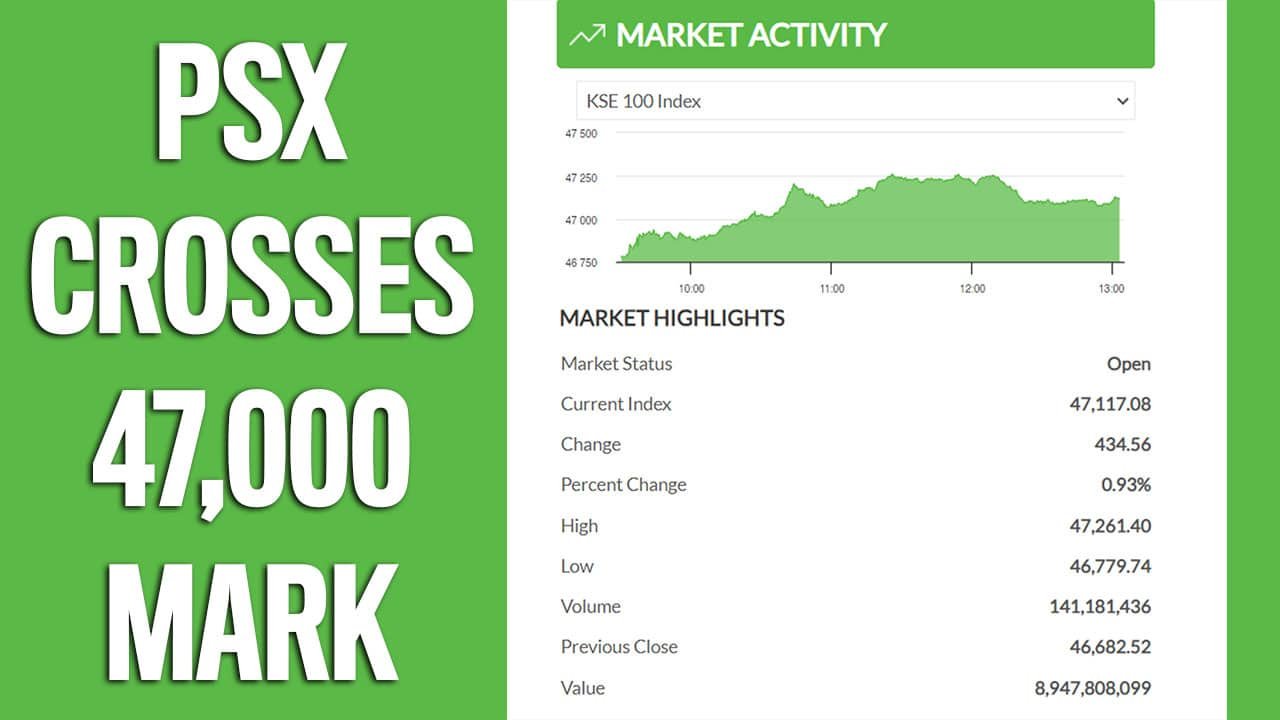
    The Pakistan Stock Exchange witnessed a significant surge as the benchmark KSE-100 index surpassed the 47,000 milestone on Thursday, reaching its highest point in 21 months. This remarkable upswing was fueled by positive market sentiment following the recent International Monetary Fund (IMF) deal.

    Notably, the bullish position was further fortified by impressive corporate performance, particularly within the index-heavy sectors. At 12:10 pm, the benchmark index surged by 560 points, settling at 47,242.9 points, marking its peak since November 8, 2021, as reported by Arif Habib Limited (AHL), a prominent brokerage firm.
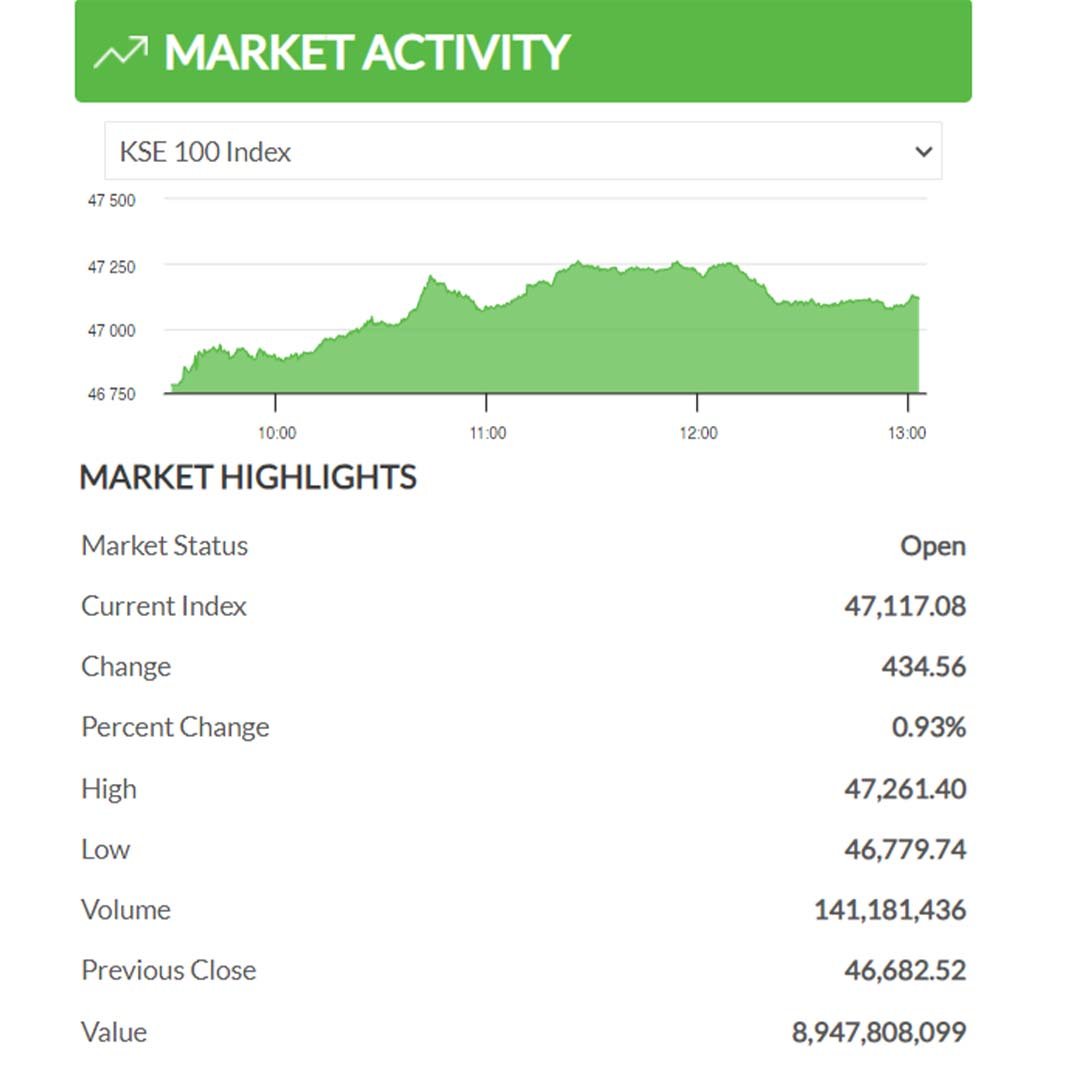
    AHL emphasized that the market had recorded a noteworthy gain of 5,751 points (13.9 per cent) since the staff-level agreement with the IMF for the $3 billion Standby Agreement (SBA).

    This positive momentum was attributed to increased valuations after securing the IMF SBA facility, as explained by Tahir Abbas, AHL’s Head of Research, in an interview with Geo.tv. He highlighted that the current Price-Earnings Ratio (PER) of the KSE-100 stands at 3.7x, which is relatively lower compared to the lowest recorded during the previous financial crisis in 2008 (3.9x).

    Abbas asserted that the market remains attractive, and as a result, the positive momentum is expected to continue. Analyst Saad Ali, an expert in the capital market, attributed the market’s favorable performance to the combination of IMF optimism and the outlook for enhanced macro stability, which has been complemented by strong corporate results during the present result season. Despite facing challenging macroeconomic conditions, several banks and companies have managed to surpass expectations in terms of earnings and payouts.

    Last month, Pakistan signed a short-term deal with the IMF, a crucial step that helped the country avert a potential default and bolster its foreign exchange reserves. This move has played a pivotal role in supporting the current bullish trend in the stock market.

    In conclusion, with the positive impact of the IMF deal and encouraging corporate results, the Pakistan Stock Exchange’s benchmark KSE-100 index has achieved substantial growth, positioning itself at a 21-month high. The market outlook remains promising, and experts predict further gains ahead.
  • US dollar surges against Pakistani rupee for eighth consecutive day in interbank market

    US dollar surges against Pakistani rupee for eighth consecutive day in interbank market

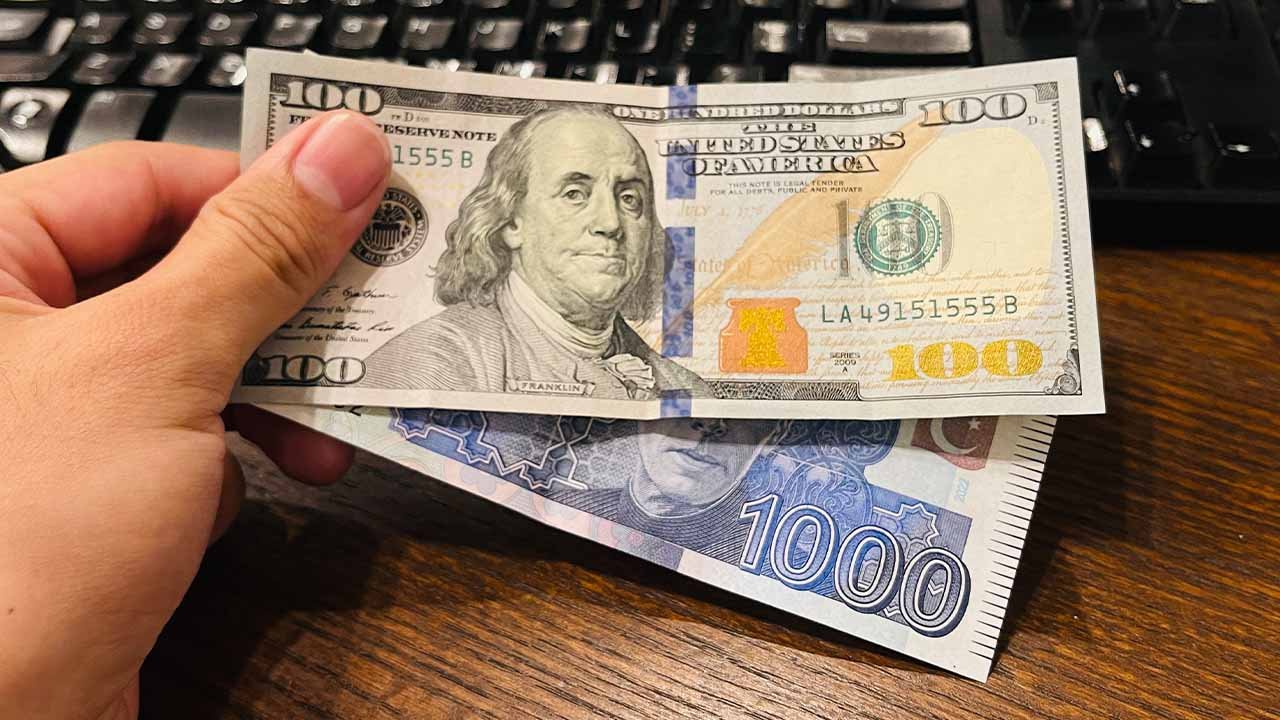
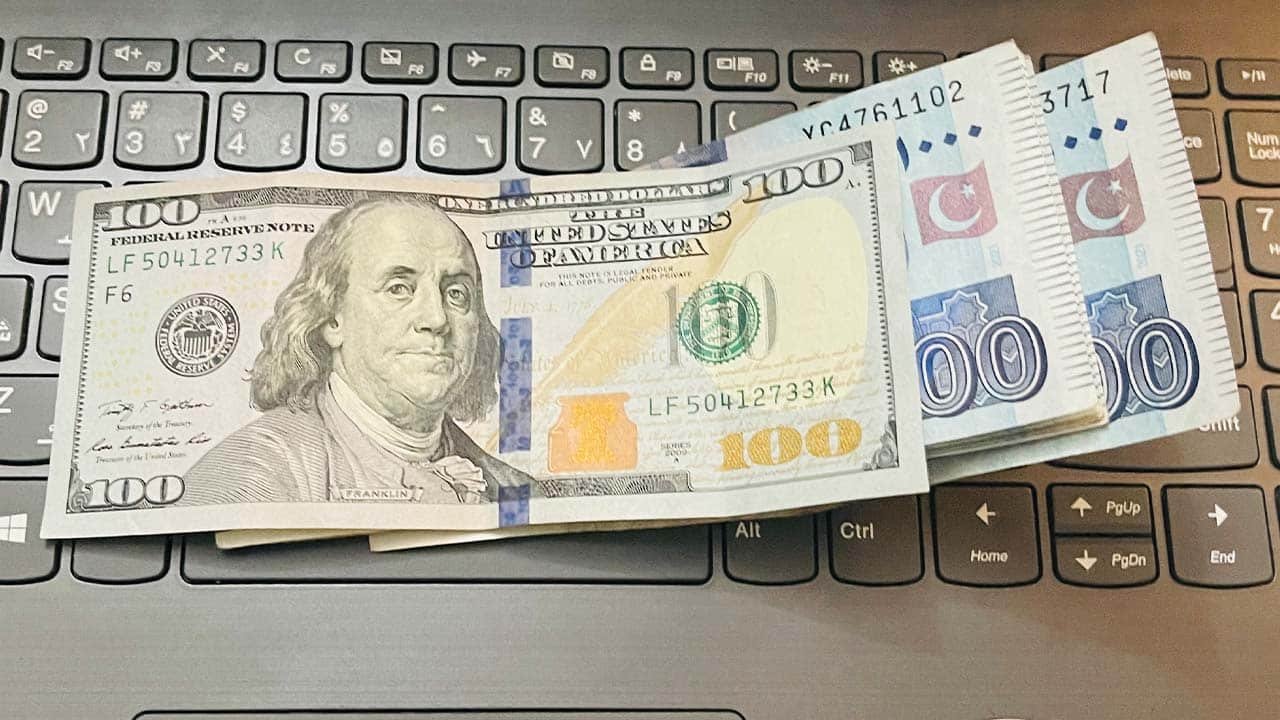
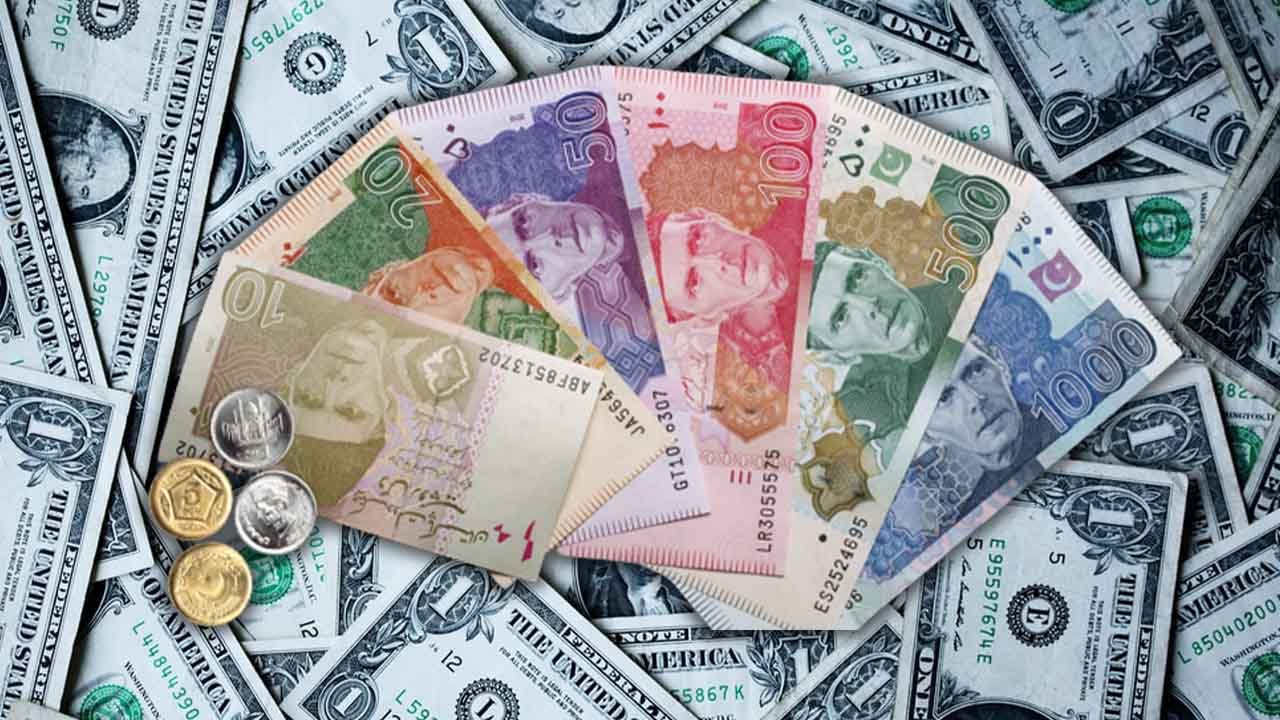
    The US dollar has been steadily appreciating against the Pakistani rupee for eight consecutive days, showing a continued upward trend in its value. On Tuesday, the currency further strengthened in the interbank market.

    At the start of the daily trading session in the interbank market, the American currency gained Rs1.8, reaching a value of Rs289 against the local currency. Over the course of the last eight days, the US dollar has gained Rs12.50 against the rupee in the interbank market.

    Interestingly, on Monday, despite receiving financial support from the International Monetary Fund (IMF) and other friendly countries, the Pakistani rupee depreciated even further against the US dollar.

    According to the State Bank of Pakistan (SBP), the dollar’s rate increased by Rs1.1 on Monday, with a closing rate of Rs287.92. In comparison, it had closed at Rs286.81 on Friday, showing a 0.39 per cent decline in the value of the rupee against the US dollar.

  • Pakistani rupee gains Rs15 versus US dollar during intraday trade

    Pakistani rupee gains Rs15 versus US dollar during intraday trade

    In the aftermath of securing last-minute funding from the International Monetary Fund (IMF), the Pakistani rupee exhibited a substantial gain of Rs15 against the US dollar in the interbank market on Tuesday.

    As reported by the Forex Association of Pakistan, the local currency’s exchange rate appreciated to Rs271 around 10 am. It is worth noting that the rupee had closed at 285.99 against the dollar on June 27, with trading activities suspended due to the Eid holidays last week and a bank holiday on Monday.

    This positive development follows a previous record-high exchange rate of Rs290.93 reached on May 11. Since then, the dollar has experienced a considerable decline of more than Rs23.

    The anticipated 3 per cent appreciation of the rupee has been realised, but the sustainability of these gains will be verified in the days ahead. The government has indicated that the partial funds from the IMF deal will be disbursed by mid-July.

    Additionally, the government has expressed confidence in securing approximately $4 to $5 billion from Saudi Arabia, the United Arab Emirates, and the Islamic Development Bank. These additional funds would contribute to resolving the dollar liquidity issues.

    The strength and stability of the rupee are likely to be maintained if these payments materialise. However, any delays could potentially increase pressure on the currency.

    According to the government’s projections, Pakistan’s reserves are expected to increase to $14 billion by August. Should this estimation hold true, it is anticipated that the rupee will stabilise around the range of 270 to 280, as suggested by experts.

  • Pakistani rupee records slight increase against US dollar, settles at Rs285.99

    Pakistani rupee records slight increase against US dollar, settles at Rs285.99

    The State Bank of Pakistan reported that the Pakistani Rupee (PKR) maintained an upward trajectory against the US dollar in the interbank foreign exchange market on Tuesday.

    The PKR experienced a gain of Rs0.072 against the greenback, resulting in a closing rate of Rs285.99. This marks an improvement from the previous day’s closing rate of Rs286.71.

    Experts attribute the rise in the dollar’s value to the government’s successful fulfillment of all conditions set by the International Monetary Fund (IMF).

    Prime Minister Shehbaz Sharif recently engaged in his fourth communication with the IMF Managing Director, Kristalina Georgieva, within a span of six days.

    It is worth noting that Pakistan’s ninth review by the IMF under the 2019 Extended Fund Facility, which aims to secure the release of $1.2 billion in funds, is still pending. With only three days remaining until the programme’s expiry on June 30, there is a pressing need to conclude the review process promptly.

  • Google’s technical glitch causes panic with incorrect US dollar rate of Rs186 instead of Rs286

    Google’s technical glitch causes panic with incorrect US dollar rate of Rs186 instead of Rs286

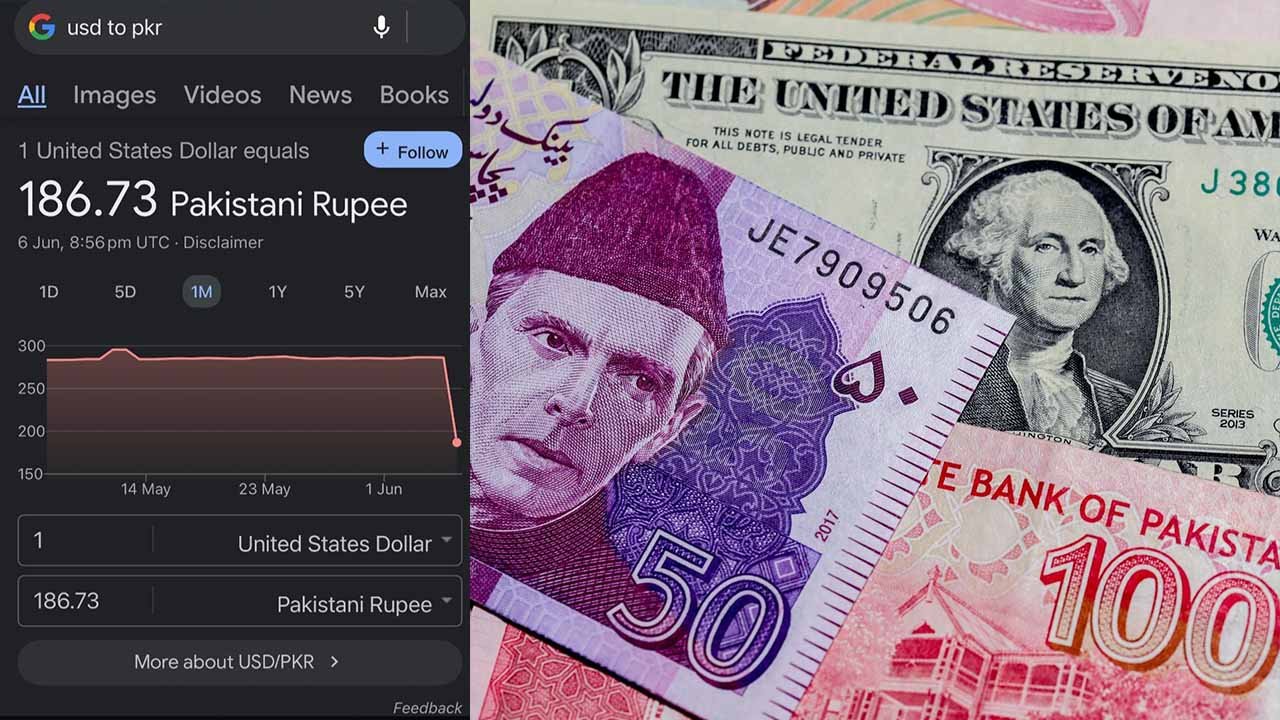
    Late Tuesday night, a technical malfunction on Google Search caused a momentary panic among investors and observers as the value of the US dollar plunged in comparison to the Pakistani rupee.

    The unexpected drop to Rs186.73 bewildered many, especially considering that the local currency hadn’t experienced a significant rebound recently.

    It was later discovered that the decline in currency exchange rates was a result of a technical problem with the search engine on the website, leading to a temporary plummet in the rates.

    This incident is not the first of its kind and has occurred multiple times in the past, leaving users puzzled by massive declines in dollar rates.

    The glitch and its impact

    On Tuesday, June 6, the interbank market closed with the Pakistani rupee at Rs286.56 against the US dollar, while it remained above Rs300 in the open market. However, due to the technical glitch on Google Search, the rates displayed on the platform inaccurately dropped to Rs186.73.

    The sudden decline surprised and concerned individuals who were monitoring the exchange rates, as it deviated significantly from the prevailing values. Fortunately, the issue was promptly identified and rectified, restoring the rates to Rs286.72.

    Recurring glitches on Google Search

    This incident marks yet another occurrence of a glitch affecting the world’s largest search engine and impacting currency exchange rates. In July of the previous year, the rates displayed on Google Search had crashed to Rs207.10, a stark contrast to the rates issued by the State Bank of Pakistan.

    According to the central bank, the rupee had closed at 236.02 against the US dollar in the interbank market. The repetition of such glitches raises concerns about the accuracy and reliability of the information provided by Google Search in matters of global financial significance.

    User Reactions and Social Media Response: The recent glitch on Google Search didn’t go unnoticed by users, with several individuals taking to Twitter to highlight the issue. One user tweeted, “Last night, the dollar crashed on Google,” emphasising the impact the technical malfunction had on the perceived value of the US dollar.

    Such reactions on social media platforms highlight the widespread reliance on search engines for real-time financial data and the potential consequences of inaccuracies caused by technical glitches.

    While the glitch was rectified, it highlights the recurring nature of such incidents on the world’s largest search engine, casting doubts on the accuracy of the financial information provided.

    As reliance on search engines for real-time data increases, it becomes imperative for platforms like Google to ensure the reliability and integrity of the information they display to prevent unwarranted panic or misinformation in the financial markets.

  • Gold price declines by Rs1,700 to Rs234,500 per tola amidst weakening rupee

    Gold price declines by Rs1,700 to Rs234,500 per tola amidst weakening rupee

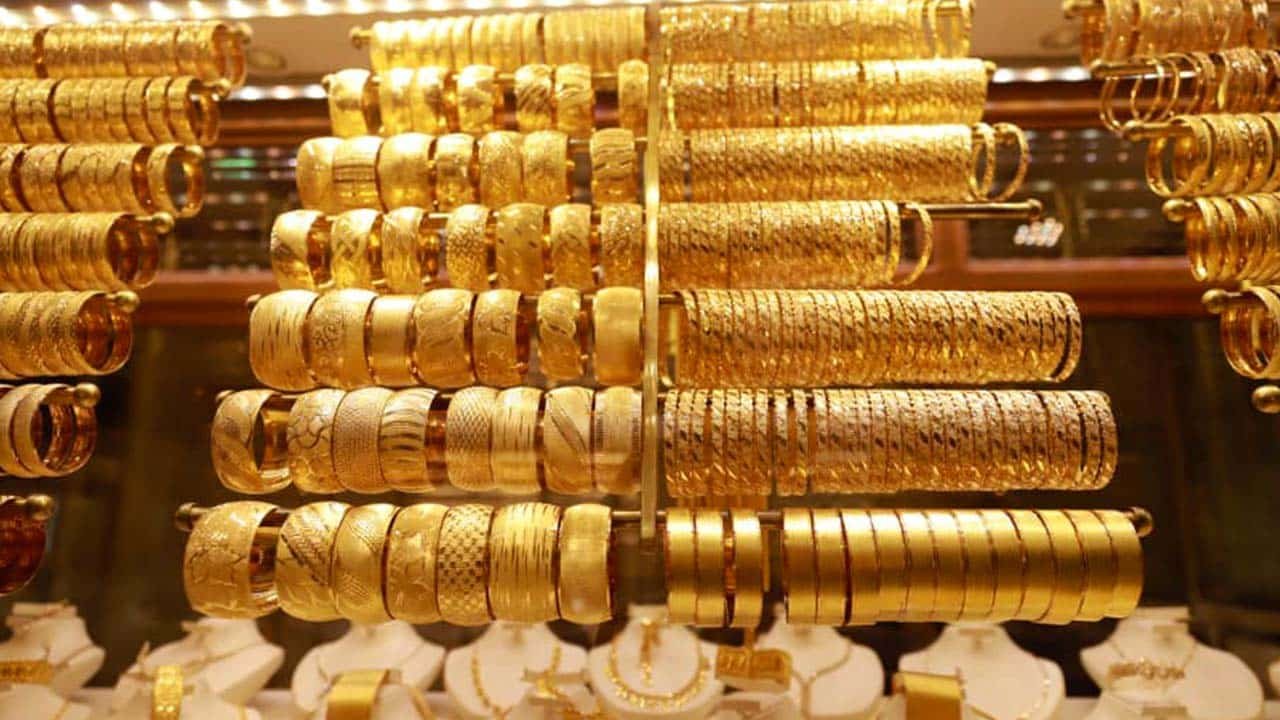
    The price of gold in Pakistan continued its downward trend on Monday, having lost a cumulative sum of Rs1,100 per tola throughout the previous week. The All Pakistan Sarafa Gems and Jewellers Association (APSGJA) provided data indicating that the rate of 24-carat gold declined by Rs1,700 per tola and Rs1,457 per 10 grammes, reaching Rs234,500 and Rs201,046 respectively.

    On the international front, the price settled at $1,945 per ounce after a decrease of $1. The safe-haven bullion traded within a narrow range in the global market due to an agreement reached by US Democrats and Republicans to raise the federal debt ceiling, thereby averting a potential US default, which would have been unprecedented.

    Moreover, recent data suggested that the US Federal Reserve would raise interest rates for the 11th consecutive time in June. Consequently, the value of the US dollar surged, negatively impacting the gold price.

    These factors, coupled with ongoing political and economic uncertainty, high inflation, and currency depreciation, contributed to the volatility of the gold rate in Pakistan. As a result, individuals turned to purchasing the precious metal as a safe investment and a hedge.

    In the interbank market, the Pakistani rupee experienced a decrease of Re0.27 or 0.09 per cent against the US dollar on Monday, closing at Rs285.42, according to data from the State Bank of Pakistan.

    Furthermore, data shared by the jewellers’ association revealed a decline in the price of silver, which had remained relatively stable in the previous week. The rate of silver fell by Rs50 per tola and Rs42.87 per 10 grammes, reaching Rs2,850 and Rs2,443.41 respectively.

  • Gold price in Pakistan is currently Rs5,000 higher than global market rate

    Gold price in Pakistan is currently Rs5,000 higher than global market rate

    The price of gold continued to increase in Pakistan on Monday, following the gains of last week. According to the All Pakistan Sarafa Gems and Jewellers Association, the rate of 24-carat gold rose by Rs2,000 per tola and Rs1,714 per 10 grammes, settling at Rs237,300 and Rs203,446, respectively.

    In the international market, the gold rate declined by $5, reaching $1,972 per ounce. Throughout last week, the rate of gold experienced fluctuations in both the domestic and international markets, amidst uncertainty surrounding the raising of the US debt limit.

    If the US debt limit, which is currently capped at $31.4 trillion, is not raised, it could trigger the first-ever US default.

    According to Geo, recent volatility in the domestic gold market can be attributed to various factors, including economic and political turmoil, high inflation, and currency depreciation. In such times, people tend to prefer buying yellow metal as a safe investment and a hedge.

    On May 10, the safe-haven bullion reached an all-time high of Rs240,000 per tola, driven by increased political uncertainty following the arrest of Imran Khan, the Chairman of Pakistan Tehreek-e-Insaf (PTI). However, it subsequently dropped in line with the decline in the international rate.

    Pakistan’s gold price peaks above global market levels

    The jewellers’ body also highlighted that local gold in Pakistan is currently overpriced by Rs5,000 per tola compared to the Dubai bullion market. Consequently, the Pakistani gold market is presently more expensive than the world market.

    Data shared by the association revealed a significant jump in the price of silver, with an increase of Rs50 per tola and Rs42.87 per 10 grammes, settling at Rs2,900 and Rs2,486.28, respectively.

  • Suzuki Swift experiences price increase of over Rs1.8 million since March 2022

    Suzuki Swift experiences price increase of over Rs1.8 million since March 2022

    In a little under a year, the price of cars in Pakistan has risen dramatically. Car companies across the country have announced successive price hikes since last year. Even the most affordable models, such as the Suzuki Alto, have become prohibitively expensive, with prices that the average salaried worker can scarcely afford.

    These price hikes can be attributed to a number of factors, including the depreciation of the Pakistani rupee against the US dollar and an increase in the cost of production. Unfortunately, this has resulted in even basic car models becoming unaffordable luxuries for many people in Pakistan.

    For instance, consider the Suzuki Swift – one of the country’s most popular cars. In March 2022, the base model of the Swift, known as the Suzuki Swift GL with manual transmission, was priced at Rs2,499,000. By March 2023, the same car jumped to Rs4,052,000 – an increase of Rs1,553,000.

    Those looking for a more advanced version of the Swift are in for an even bigger shock. The mid-variant, the Suzuki Swift GL CVT with automatic transmission, was priced at Rs2,699,000 just a year ago. Today, that same model will set you back an astounding Rs4,355,000 – an increase of Rs1,656,000.

    Furthermore, the top-of-the-line model, the Suzuki Swift GLX, has seen a significant price increase. One year ago, the GLX variant was priced at Rs2,899,000. Today, it costs an incredible Rs4,725,000 – a difference of Rs1,826,000.

    Overall, the sharp rise in car prices in Pakistan has made car ownership an unattainable dream for many people. It remains to be seen whether anything will be done to alleviate the financial burden of car ownership in the country.

    To provide a clear comparison, here is a table showcasing the prices of the three variants of the Suzuki Swift from March 2022 to March 2023:

    Model March 2022 Price March 2023 Price Difference
    Swift GL Manual Rs2,499,000 Rs4,052,000 Rs1,553,000
    Swift GL CVT Rs2,699,000 Rs4,355,000 Rs1,656,000
    Swift GLX Rs2,899,000 Rs4,725,000 Rs1,826,000