Tag: financial news

  • FBR collects Rs5.15 trillion in taxes in less than eight months

    FBR collects Rs5.15 trillion in taxes in less than eight months

    The Federal Board of Revenue (FBR) has revealed that it has achieved a remarkable milestone by collecting revenue amounting to Rs5.15 trillion from July 2023 to mid-February 2024.

    This represents a substantial 30 per cent increase compared to the same period in the previous fiscal year, according to an official press release.

    The report indicates that the growth in tax revenue is attributed to a comprehensive strategy employed by the FBR, with a keen focus on both domestic and import taxes.

    Tax refunds during this period witnessed a substantial 28 per cent growth, further contributing to the positive financial trajectory.

    A breakdown of the month-wise revenue collection for the period from July 2023 to January 2024 reveals that overall growth in domestic taxes reached an impressive 40 per cent. Concurrently, import duty and related taxes experienced a significant uptick of 16 per cent.

    The surge in revenue collection aligns with the revival of the Gross Domestic Product (GDP) and increased scrutiny of FBR’s collection processes.

    However, growth in import taxes faced challenges, primarily due to downward adjustments in import tariffs over the years and recent restrictions on import licences imposed by the State Bank of Pakistan to address balance of payments concerns amid foreign exchange constraints.

    The report acknowledges that revenue collection from imports incorporates the impact of improvements in import valuations, resulting in an additional Rs151 billion in collections.

    Additionally, the anti-smuggling drive witnessed a substantial 69 per cent growth in the fiscal year compared to the previous year (FY 22–23).

    Despite these achievements, concerns were raised regarding the decline in the growth of import taxes. This decline is attributed to two main factors: the gradual reduction in import tariffs and recent restrictions on import licenses.

    The need for continued efforts in anti-smuggling activities was emphasised, particularly in Baluchistan, where the customs force currently consists of only 378 personnel.

    Strengthening the enforcement efforts by increasing personnel in this region was suggested as a potential solution.

    The report concludes on a positive note, highlighting that the revenue mobilisation from domestic taxes now accounts for over 64 per cent of the total revenues collected in the current financial year.

    Simultaneously, the share of import taxes has decreased to 36 per cent, marking a significant shift from the 50 per cent share observed just three years ago. This indicates a positive trend in the diversification of revenue sources for the FBR.
  • Gold price jumps by Rs1,100 per tola, reaching Rs214,300

    Gold price jumps by Rs1,100 per tola, reaching Rs214,300

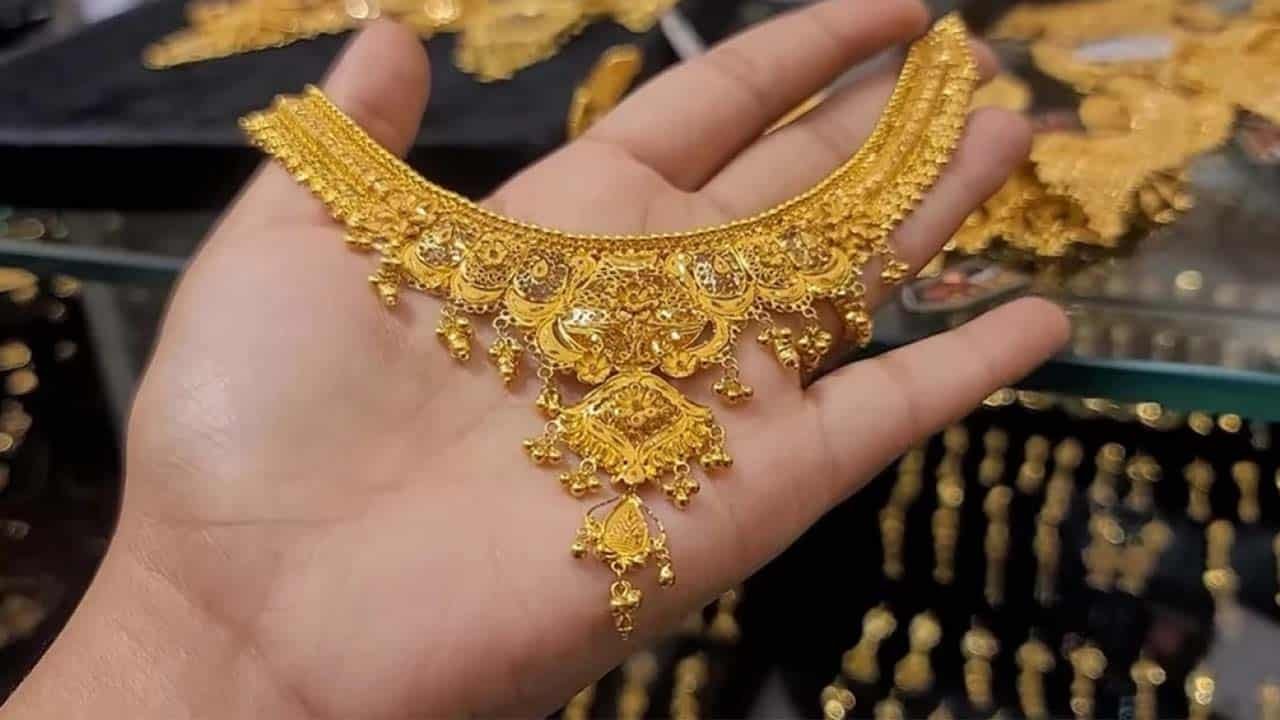
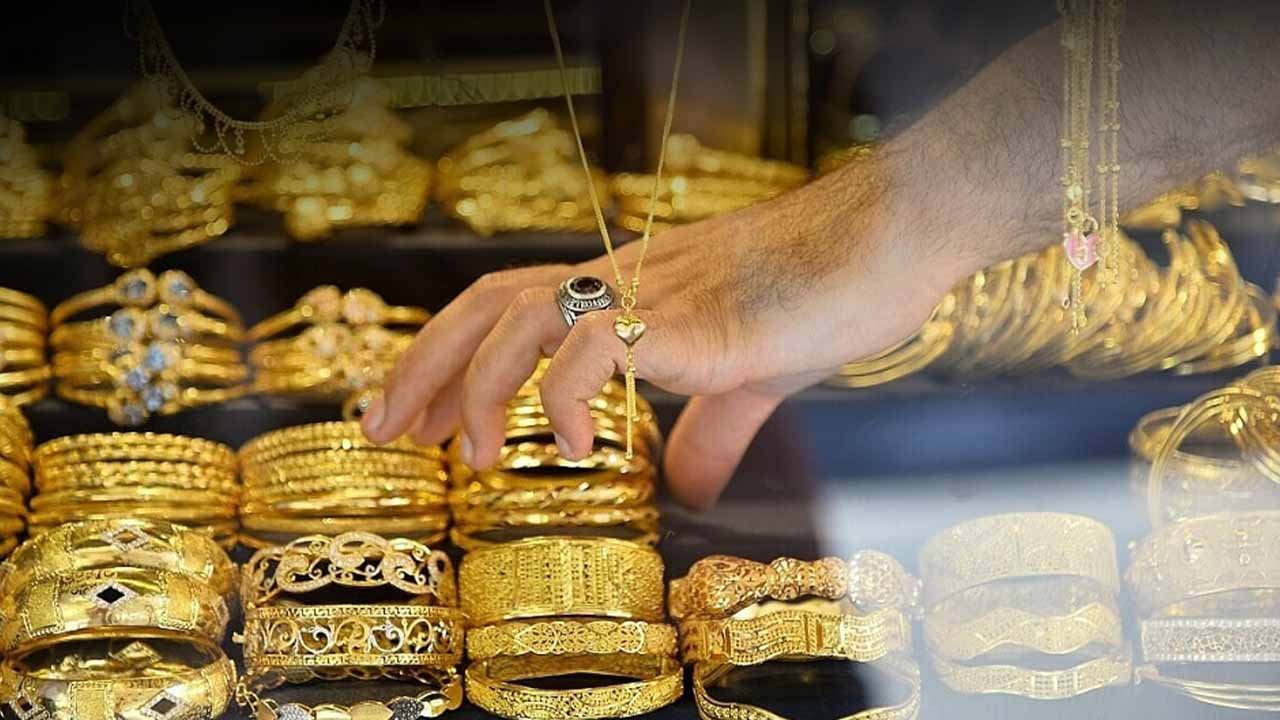
    The gold prices in Pakistan continued their upward trajectory, building on gains from the last session of the previous week. On Monday, the price of 24-karat gold surged by Rs1,100 per tola, reaching Rs214,300 per tola.

    According to the Karachi Sarafa Association, the price of 10-gramme 24-karat gold stood at Rs183,728, marking an increase of Rs943 compared to the previous session. Additionally, the price of 10-gramme 22-karat gold rose to Rs168,417.

    In contrast, silver prices remained stable, with 24-karat silver being sold at Rs2,580 per tola and 10-gramme silver trading at Rs2,211.93.

    It is noteworthy that domestic gold ended last week in the red zone due to a decline in international prices. The ongoing uncertainty surrounding the delay in election results also failed to stimulate demand for this safe-haven asset.

    Internationally, spot gold has extended its rally for the third consecutive session, currently trading at $2,021.8. This rebound follows last week’s release of hotter-than-anticipated US inflation data, which initially pushed gold below the $2,000 mark for the first time in two months.

    Given the influence of domestic currency fluctuations on the domestic gold rate, it is crucial to mention that the Pakistani rupee (PKR) concluded its 13-week-long historic winning streak against the US dollar. Last week, the PKR experienced a marginal drop of 8 paisa.

    Since gold is denominated in US dollars, a depreciation of the PKR against the US dollar results in an increase in the value of PKR-denominated gold. The market remains attentive to both global and domestic factors influencing these shifts in precious metal prices.

  • 24 karat gold price surges by Rs800 per tola, silver takes a dip

    24 karat gold price surges by Rs800 per tola, silver takes a dip

    In a notable shift in the precious metals market, the per-tola price of 24 karat gold in Pakistan witnessed an increase of Rs800, reaching Rs213,200 on Saturday. This rise is compared to its previous sale at Rs212,400 on the last trading day.

    Similarly, the price of 10 grammes of 24 karat gold experienced an uptick, climbing by Rs686 to Rs182,785 from Rs182,099.  The All Sindh Sarafa Jewellers Association reported that the prices of 10 grammes of 22 karat gold also saw an increase, reaching Rs167,553 from Rs166,924.

    On the other hand, the price of per tola silver exhibited a decrease of Rs30, settling at Rs2,550. Simultaneously, the price of ten grammes of silver witnessed a decline of Rs25.72, reaching Rs2,186.21.

    Internationally, the price of gold ascended by $9, reaching $2,034 from $2,025, as reported by the Association. These fluctuations in the precious metals market reflect the dynamic nature of global economic conditions, influencing prices both domestically and internationally.

  • Gold prices dip by $8 internationally, Rs1,200 locally

    Gold prices dip by $8 internationally, Rs1,200 locally

    In a significant development in the precious metals market, the per-tola price of 24 karat gold experienced a notable decline, dropping by Rs1,200 on Saturday.

    According to the All Sindh Sarafa Jewellers Association, the precious metal was sold at Rs214,300, marking a decrease from its previous rate of Rs215,500 on the last trading day.

    Similarly, the price of 10 grammes of 24 karat gold exhibited a downward trend, declining by Rs1,028 to reach Rs183,728, as opposed to the earlier rate of Rs184,756. 

    Meanwhile, the prices of 10 grammes of 22 karat gold also saw a decrease, settling at Rs168,416 from Rs169,360, as reported by the Association.

    Notably, the per-tola and ten-gramme silver prices remained unchanged at Rs2,600 and Rs2,229.08, respectively, indicating stability in the silver market.

    The dip in local gold prices is mirrored on the international stage, as the global market reported a decrease of $8 in the price of gold.

    The international rate now stands at $2,045, down from the previous figure of $2,053, as outlined by the Association.

    This shift in prices is likely to have implications for investors, jewellers, and consumers alike, prompting a reassessment of investment strategies and purchase decisions in the coming days.

    Analysts are closely monitoring these fluctuations to gauge the market’s response and anticipate future trends in the precious metals sector.

  • Pakistan’s forex reserves dip by $173 million, SBP cites debt repayments

    Pakistan’s forex reserves dip by $173 million, SBP cites debt repayments

    The State Bank of Pakistan (SBP) has reported a decrease of $173 million in its foreign exchange reserves on a weekly basis, revealing a total of $8.04 billion as of February 2, according to data released on Thursday.

    The country’s overall liquid foreign reserves are reported to stand at $13.09 billion, with commercial banks holding net foreign reserves amounting to $5.05 billion.

    The SBP has identified debt repayments as the primary factor contributing to the decline in reserves. In an official statement, the SBP stated, “During the week ending on 2-Feb-2024, SBP’s reserves decreased by US$ 173 million to US$ 8,044.0 million due to debt repayments.”

    This follows a trend from the previous week when Pakistan’s central bank reserves experienced a decrease of $54 million. The ongoing challenges related to debt servicing continue to impact the nation’s foreign exchange reserves.

  • Govt surpasses petroleum levy collection targets despite declining sales

    Govt surpasses petroleum levy collection targets despite declining sales

    In the first six months of fiscal year 2023–24, the federal government has exceeded expectations by collecting Rs472.77 billion in petroleum levy (PL), constituting an impressive 54 per cent of the total budgetary estimates for PL on petroleum products for the current fiscal year.

    This collection marks a significant uptick, registering a remarkable 166 per cent increase compared to the same period in the previous fiscal year. The government achieved a substantial PL collection of Rs222 billion in the initial three months of the current fiscal year.

    Originally budgeted at Rs869 billion for PL collection in the fiscal year 2023–24, the government revised its target to Rs918 billion following an increase in PL from Rs50 to Rs60 per litre on petrol and high-speed diesel (HSD). This adjustment aligns with the government’s commitment to the International Monetary Fund (IMF).

    However, against this backdrop of successful revenue generation, the country witnessed a notable 15 per cent decline in the sales of petroleum products in the first six months of the current financial year.

    According to the Oil Companies Advisory Council (OCAC), petroleum product sales dropped to 7.68 million tonnes, a considerable decrease from the 9.03 million tonnes recorded during the same period in the previous fiscal year (July to December).

  • Pakistan Stock Exchange to halt trading activity on February 8

    Pakistan Stock Exchange to halt trading activity on February 8

    In an official notice sent to all Trading Rights Entitlement (TRE) certificate holders, the Pakistan Stock Exchange Limited (PSX) has announced the closure of the exchange on Thursday, February 8, 2024. 

    This decision is attributed to the upcoming general election scheduled to take place on that day, as declared by the Election Commission of Pakistan.

    All TRE certificate Holders, along with the staff and concerned parties, are duly informed about the closure on February 8, 2024, which has been declared a public holiday by the Election Commission of Pakistan in conjunction with the national general election, PSX noted.

    Furthermore, it is pertinent to note that the PSX will also remain closed on Monday, February 5, 2024, in observance of Kashmir Day.

    Investors and market participants are urged to plan their activities accordingly, considering the temporary closure of the Pakistan Stock Exchange on these specified dates.

  • SBP seeks design ideas from students, designers for new banknotes

    SBP seeks design ideas from students, designers for new banknotes

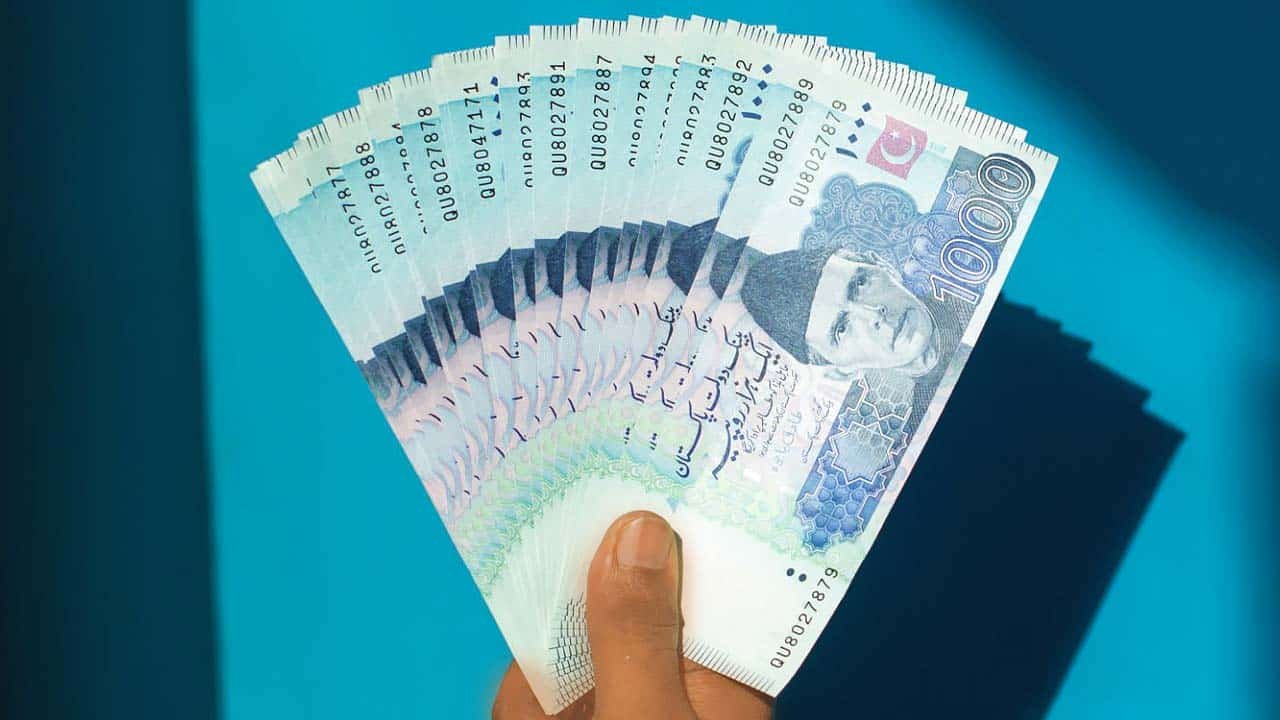
    In a significant move to enhance security features and align with technological advancements, the State Bank of Pakistan (SBP) has kicked off the process of designing and issuing a new series of banknotes covering all existing denominations.

    The SBP, in an official statement released on Tuesday, emphasised the complexity of the issuance process, which involves multiple meticulous steps and stages that demand careful planning and coordination among various stakeholders. Despite the general timeline of 2-3 years for launching a new banknote series, the SBP aims to expedite the process and complete it within the next two years.

    As an initial step towards the design process, the SBP has organised an art competition for the new banknote series. This competition is expected to yield diverse and creative ideas and themes that will form the basis for the subsequent phases of development.

    The finalised concepts will be shared with renowned professional banknote designers, who will be selected through a competitive process to transform these ideas into the final printable designs for each denomination.

    The final designs will then undergo scrutiny by the federal government for approval, ensuring that they meet the necessary standards and security features. The SBP assured the public that the existing banknote series would continue to remain in circulation even after the introduction of the new series.

    Any decision regarding the withdrawal of the existing banknotes will be executed gradually and in a phased manner, contingent upon the successful issuance and sufficient circulation of the new banknotes.

    The central bank highlighted that the periodic introduction of new banknote series, occurring approximately every 15–20 years, is a common practice among central banks. This practice aims to bolster the integrity of banknotes and integrate the latest technological developments in design and security features, ensuring a secure and reliable currency system for the nation.

  • Monetary policy committee maintains status quo: SBP keeps policy rate at 22% to tackle elevated inflation

    Monetary policy committee maintains status quo: SBP keeps policy rate at 22% to tackle elevated inflation

    In a decision announced on Monday, the Monetary Policy Committee (MPC) of the State Bank of Pakistan (SBP) has opted to maintain the status quo, retaining the key policy rate of 22 per cent. 

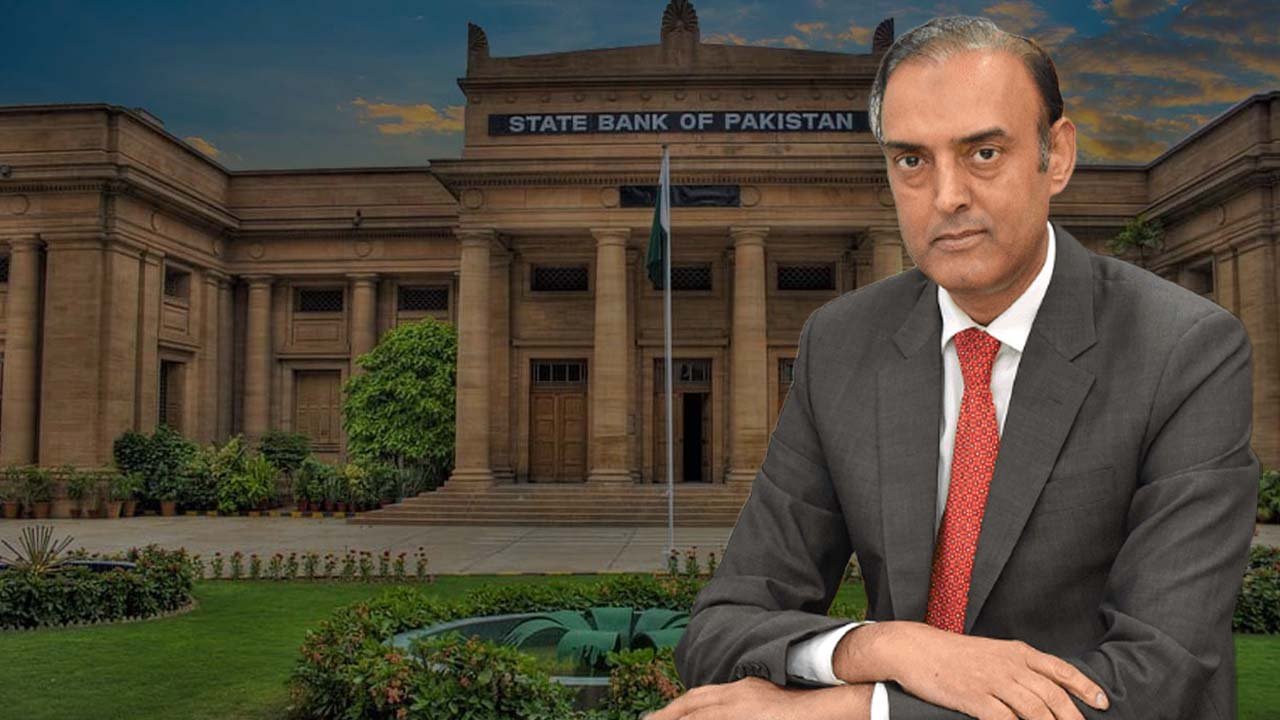
    SBP Governor Jameel Ahmad highlighted the persistent elevation of inflation, disclosing a revised forecast for the fiscal year 2023–24 ranging from 23 per cent to 25 per cent.

    Market analysts, anticipating the decision, noted that the sustained high inflation rate was a contributing factor to the MPC’s decision to keep the key policy rate unchanged.