Tag: financial performance

  • FBR surpasses May revenue target with Rs760 billion collection

    FBR surpasses May revenue target with Rs760 billion collection

    The Federal Board of Revenue (FBR) has exceeded its revenue target for May in the fiscal year 2023-24 by collecting Rs760 billion in tax revenues, surpassing the target of Rs745 billion.

    This achievement, announced in a statement by the FBR today, signifies a remarkable 33 per cent growth compared to May 2023.

    In addition to the overall revenue increase, domestic taxes also experienced a significant 33 per cent growth during May.

    “The FBR is poised to achieve the assigned target for the final month of the current financial year, June 2024,” the statement added.

    This positive trend has contributed to an overall revenue growth of 31 per cent for the first eleven months of the current fiscal year, compared to the same period last year.

  • FBR exceeds revenue target by Rs63 billion for first three months of current fiscal year 

    FBR exceeds revenue target by Rs63 billion for first three months of current fiscal year 

    In the initial quarter of the ongoing fiscal year, the Federal Board of Revenue (FBR) successfully amassed a total of Rs2,041 billion, significantly surpassing the stipulated target of Rs1,978 billion by an impressive margin of Rs63 billion. 

    Furthermore, the FBR exhibited commendable dedication and diligence in pursuit of its revenue goals for the month of September 2023. Despite setting a target of Rs794 billion, the FBR managed to accumulate a noteworthy sum of Rs834 billion, as opposed to the Rs688 billion collected during the corresponding period in 2022. 

    Additionally, the FBR issued refunds totaling Rs37 billion, a notable increase compared to the Rs18 billion issued in September 2022. 

    Nonetheless, it is important to note a considerable reduction in import activities during September 2023, with taxes collected at the import stage amounting to Rs254 billion, down from the previous month’s figure of Rs299 billion. According to ARY News, this deficit of Rs45 billion was effectively compensated for through the collection of domestic taxes, particularly direct taxes. 

  • Shell Pakistan’s parent company to exit ownership, announces sale of stake

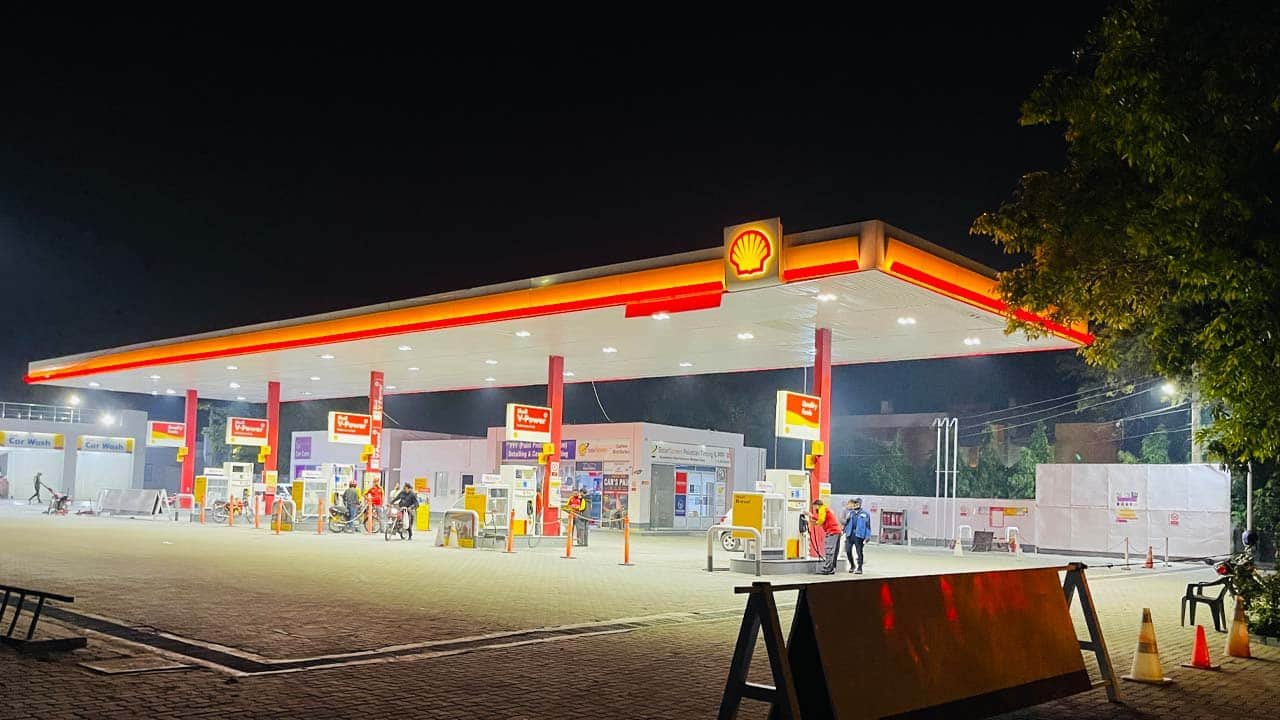
    Shell Pakistan’s parent company to exit ownership, announces sale of stake

    Shell Pakistan Limited (SPL) announced on Wednesday that its parent company, Shell Petroleum Company Limited (SPCo), has communicated its intention to divest its ownership stake in SPL. The notification was conveyed by SPCo to the Board of Directors of Shell Pakistan Limited during a meeting held on June 14, 2023. The announcement was promptly disseminated to the Pakistan Stock Exchange (PSX) by Shell Pakistan.

    The potential sale of shares is contingent upon a targeted sales process, the completion of binding documentation, and obtaining the requisite regulatory approvals. It should be noted that SPL operates as a subsidiary of Shell Petroleum Company Limited, United Kingdom, which is itself a subsidiary of Royal Dutch Shell Plc—a globally renowned energy and petrochemical conglomerate.

    Shell Pakistan Limited engages in the marketing of petroleum products, compressed natural gas, and a diverse range of lubricating oils. While this development signifies a change in ownership, Shell Pakistan has emphasised that its ongoing business operations will remain unaffected and continue as usual. The company remains fully committed to ensuring the provision of safe and reliable services to its valued customers and partners.

    In the previous month, Shell Pakistan Limited released its financial results for the first quarter of 2023, which were significantly impacted by the prevailing economic crisis in the country. The company reported a substantial loss of Rs4.6 billion, in contrast to a profit after tax of Rs2 billion in the corresponding period last year. This downturn can be attributed to the unprecedented devaluation of the Rupee, escalating inflation, and broader macroeconomic uncertainties.