The Sensitive Price Index (SPI) in Pakistan has risen by 1.30 per cent compared to the previous week, intensifying the financial burden on the already struggling population. The nation is grappling with ever-depreciating financial resources as it faces a sharp increase in petroleum prices and food inflation.
One of the major contributors to the rising costs is the persistent increase in petroleum and oil prices over the past year-and-a-half. This increase directly affects commuters who have to bear the brunt of higher transportation costs, making it more challenging for them to manage their daily expenses, particularly when it comes to purchasing essential goods like food items.
Although the SPI has seen a significant decline since reaching its highest level of 48.35 per cent on May 4, the overall inflation remains a concern. The International Monetary Fund (IMF) predicts the Consumer Price Index (CPI) for the current fiscal year to be 25.9 per cent, which is still high despite being lower than the 29.6 per cent recorded in 2022-23.
According to the latest data released by the Pakistan Bureau of Statistics, the SPI has witnessed a staggering 29.83 per cent jump compared to the same week last year. This increase followed the government’s decision to hike petrol and high-speed diesel prices by Rs19.95 and Rs19.90 per litre, as well as a substantial increase in the rate of liquefied petroleum gas (LPG).
The outgoing government, whose constitutional term is about to expire on Aug 12, defended the decision to increase fuel prices, citing the recently reached $3 billion IMF deal as being in the national interest.
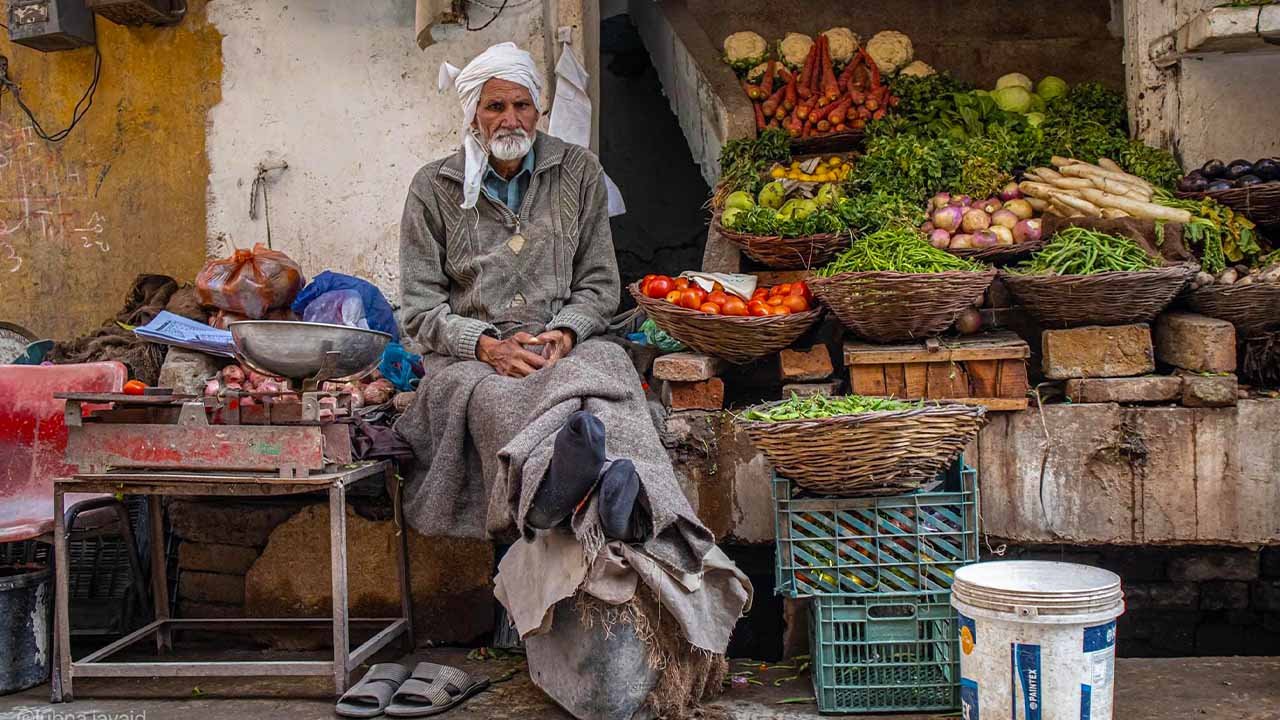
The SPI, which covers 51 essential items, has seen prices of 23 items go up, 7 items go down, and 21 items remaining unchanged compared to the previous week. The largest week-on-week rise was observed in the prices of tomatoes, increasing by 16.85 per cent, followed by chillies powder (7.58 per cent), garlic (5.71 per cent), onions (5.50 per cent), powdered milk (5.17 per cent), eggs (3.86 per cent), and rice basmati broken (2.06 per cent).
Looking at the year-on-year comparison, the prices of wheat flour have surged by a staggering 131.40 per cent, while rice basmati broken and rice Irri-6/9 have increased by 82.86 per cent and 72.73 per cent, respectively. This is alarming as wheat flour and rice are staple foods for the majority of the population, and such steep price hikes can exacerbate the existing nutritional deficiencies and lack of protein in the daily diet.
Adding to the concern is the rising cost of pulses, lentils, chicken, eggs, potatoes, and other vegetables, which are crucial components of the daily diet. This trend points towards a looming food insecurity crisis in Pakistan.
The situation is expected to worsen as Pakistan must implement the harsh IMF conditions, which revolve around higher prices of utilities and fuel. This will make it even more challenging for the inflation-hit people to sustain the required food intake, leading to further hardship for the already struggling population.