Tag: Financial Stability

  • State Bank of Pakistan’s reserves soar to $8.27 billion, highest level since July 2023

    State Bank of Pakistan’s reserves soar to $8.27 billion, highest level since July 2023

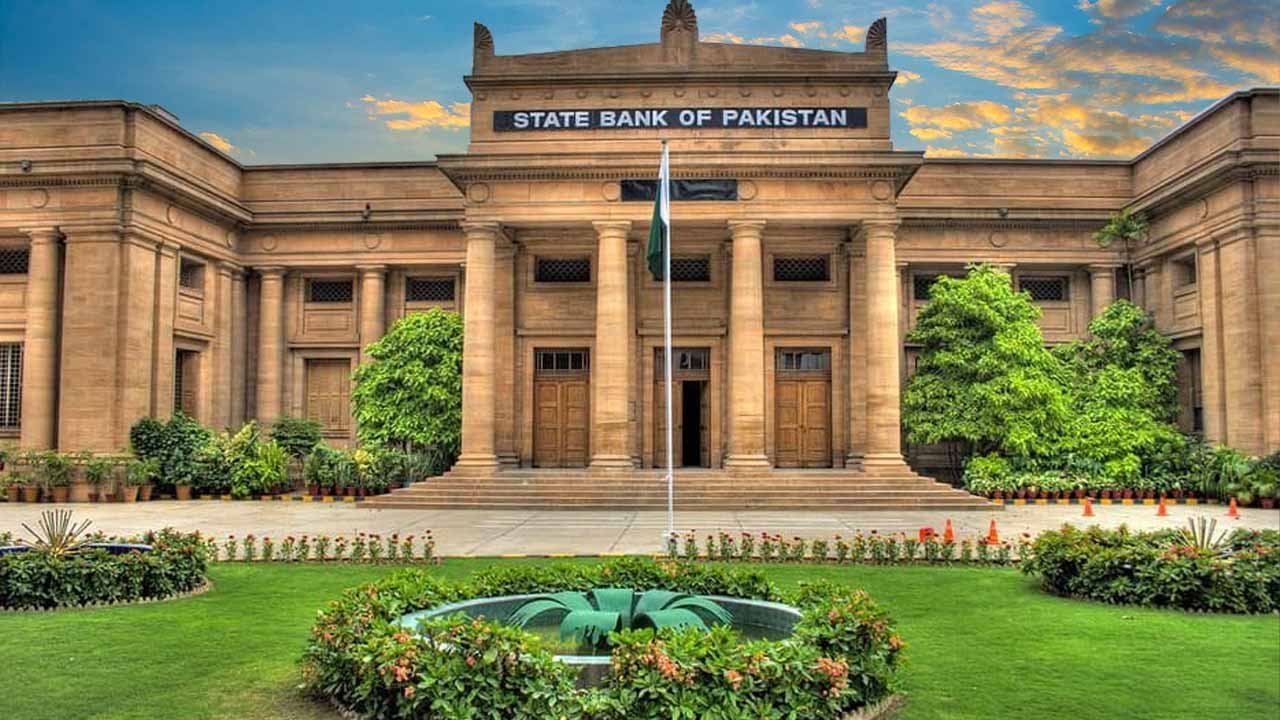
    In the latest report, the State Bank of Pakistan (SBP) announced a significant rise of $243.1 million, or 3.03 per cent week-on-week, in foreign exchange reserves, reaching $8.27 billion as of January 19, 2024. 

    This boost is credited to the reception of the second installment of SDR 528 million, equivalent to $705.6 million, from the International Monetary Fund (IMF). 

    After settling government external debt repayments, the net increase for the week stands at $243.1 million, marking the highest level for SBP’s reserves since July 14, 2023.

    Furthermore, the total reserves of the country witnessed an increase of $196.3 million, or 1.49 per cent, totaling $13.34 billion during the same week. 

    In contrast, commercial banks experienced a decline in reserves, dropping by $46.8 million, or 0.91 per cent, to $5.07 billion week-on-week.

    It is noteworthy that in the current fiscal year, total liquid foreign reserves have shown a substantial growth of $4.18 billion, reflecting a 45.65 per cent increase. 

    Similarly, the ongoing calendar year has seen a rise of $0.12 billion, marking a 0.91 per cent increase in the nation’s reserves.
  • SBP receives second IMF installment, total disbursements reach $1.9 billion

    SBP receives second IMF installment, total disbursements reach $1.9 billion

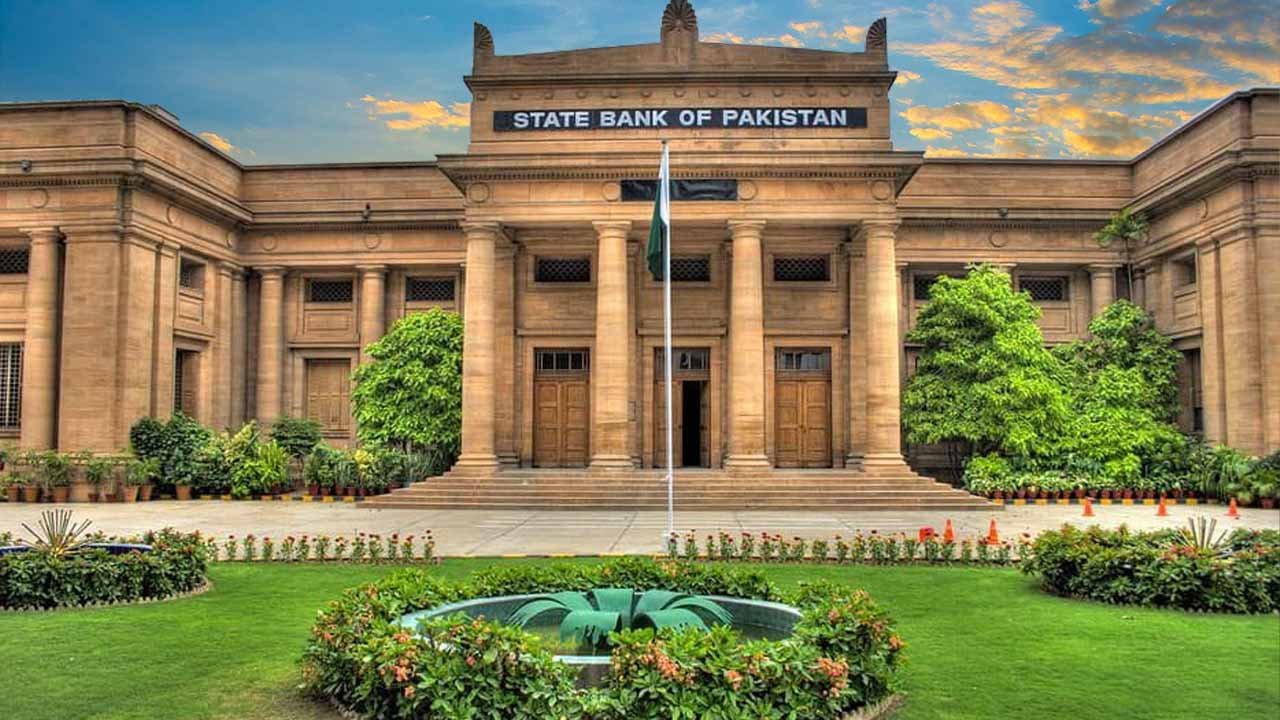
    The State Bank of Pakistan (SBP) announced today that it has successfully received the second installment of SDR 528 million, equivalent to $705.6 million, from the International Monetary Fund (IMF).

    This disbursement, slated to be reflected in SBP reserves for the week ending on January 19, 2024, marks a significant step in the ongoing financial collaboration between Pakistan and the IMF.

    The latest disbursement brings the total disbursements under the stand-by arrangement (SBA) to a substantial $1.9 billion.

    It is noteworthy that the remaining $1.1 billion is expected to be received after another comprehensive review scheduled for February 2024.

    As of January 5, 2024, the State Bank of Pakistan’s total reserves stand at $8.15 billion, showcasing the positive impact of the financial support received through the IMF programme.

    To recall, Pakistan secured a $3 billion SBA from the IMF towards the end of FY23, crucially preventing the nation from defaulting on its sovereign debt.

    The disbursement of the IMF funds has been phased out over two installments, subject to meticulous reviews.

    On January 11, 2024, Pakistan successfully completed the first review of the economic reform programme, a significant milestone in ensuring the country’s financial stability.

    Following the board’s approval, the IMF highlighted that economic activity has stabilised, though acknowledging that the outlook remains challenging and is contingent on the implementation of sound policies.

    Pakistan’s 9-month SBA aims to provide a robust policy anchor for addressing both domestic and external balances, serving as a framework for continued financial support from multilateral and bilateral partners.

    This financial collaboration with the IMF is instrumental in navigating Pakistan through economic challenges, providing a solid foundation for sustained growth and stability in the region.

    The country remains committed to implementing prudent economic policies as outlined in the reform programme, with the ongoing support of international partners.

  • State Bank of Pakistan to announce monetary policy decision on December 12

    State Bank of Pakistan to announce monetary policy decision on December 12

    The State Bank of Pakistan (SBP) is set to unveil its monetary policy on Tuesday, December 12. A statement released by the central bank on Friday informed that the Monetary Policy Committee (MPC) of SBP will convene in Karachi on December 12 to deliberate on monetary policy. 

    Subsequently, the central bank will issue the official monetary policy statement. In its preceding meeting on October 30, the MPC judiciously opted to uphold the policy rate at 22%, citing global market volatility. 

    The committee underscored the imperative of persisting with a stringent monetary policy stance to mitigate inflation.

    PKR ends another week in green

    The Pakistani currency is experiencing an upward trend against the US dollar for the past several sessions, concluding the week in positive territory on Friday. 

    According to the SBP, the Pakistani rupee gained 0.09 per cent, closing at Rs283.87 against the US dollar.

  • IMF board’s January meeting to shape future disbursements for Pakistan

    IMF board’s January meeting to shape future disbursements for Pakistan

    The International Monetary Fund’s (IMF) Executive Board is scheduled to convene on January 11 to endorse the Staff-Level Agreement (SLA) with Pakistan, marking the inaugural review of the $3 billion Stand-By Arrangement (SBA).

    In June, the IMF Executive Board granted approval for a crucial nine-month arrangement with Pakistan, aimed at supporting its economic stabilisation programme.

    This approval facilitated an immediate disbursement of $1.2 billion, with the remaining funds to be disbursed over the programme’s timeline, contingent upon two quarterly evaluations.

    Following negotiations between IMF staff and Pakistani authorities on November 15 in Islamabad, the SLA was successfully reached, paving the way for Pakistan to access SDR 528 million (approximately $700 million).

    This latest disbursement brings the cumulative total under the nine-month $3 billion SBA to nearly $1.9 billion.

    While the initial plan had tentatively slated the IMF Board meeting for December 7 to approve the initial tranche, the confirmed date is now set for January 11.

  • Pakistan’s forex reserves dip by $79 million amidst external debt repayments

    Pakistan’s forex reserves dip by $79 million amidst external debt repayments

    Pakistan’s total liquid foreign exchange reserves declined by $79 million in the past week, primarily due to external debt repayments. 

    According to the State Bank of Pakistan (SBP), as of November 10, 2023, the country’s total reserves amounted to $12.535 billion, down from $12.614 billion on November 3, 2023.

    During the reviewed week, SBP’s reserves decreased by $115 million to $7.397 billion due to debt servicing. Conversely, commercial banks’ net foreign reserves increased by $36 million, reaching $5.139 billion by the end of the week.

    In a significant development, the International Monetary Fund (IMF) announced on Wednesday that a staff-level agreement (SLA) has been reached on the first review of a nine-month stand-by arrangement (SBA) totaling $3 billion with Pakistani authorities.

    Pending approval by the IMF Executive Board, the SLA signifies a milestone, and upon approval, an amount of SDR 528 million, approximately a $700 million loan tranche, will be disbursed to Pakistan. 

    This disbursement will bring the total funds received under the IMF SBA to $1.9 billion.

    These incoming funds are expected to contribute to replenishing the country’s diminishing foreign exchange reserves. 

    The IMF team, led by Nathan Porter, conducted discussions in Pakistan from November 2–15, 2023, culminating in the announcement of the SLA upon the completion of the economic review.

  • Bank deposits in Pakistan hit all-time high, showing 17.80% increase in a day 

    Bank deposits in Pakistan hit all-time high, showing 17.80% increase in a day 

    In a statement released on Friday, the State Bank of Pakistan (SBP) announced that the country’s bank deposits had reached an all-time high.  

    On October 23, there was a notable increase of 17.80 per cent, amounting to Rs3,986 billion, compared to the figures on October 22. 

    According to the central bank, the total banking deposits for October 2023 reached a historic level of Rs26,000.398 billion. 

    Rupee expected to fall further 

    In other news, a Tresmark report suggests that the Pakistani rupee is anticipated to face pressure against the US dollar in the ongoing week until the completion of the International Monetary Fund’s (IMF) initial review of the country’s $3 billion loan programme.  

    The local currency experienced a depreciation of Rs2 or 0.60 per cent against the US dollar during the week, concluding at Rs287.03 on Friday.  

    It’s worth noting that the foreign exchange market was closed on Thursday due to a public holiday. 

    The IMF’s evaluation of Pakistan’s bailout package began on November 2, with expectations for the review to conclude by December 15. 

  • IMF team to visit Pakistan next week for crucial $3 billion SBA assessment

    IMF team to visit Pakistan next week for crucial $3 billion SBA assessment

    A delegation from the International Monetary Fund (IMF) is scheduled to visit Pakistan on November 2 to initiate discussions pertaining to the inaugural assessment of the nation’s ongoing $3 billion standby arrangement (SBA). 

    Pakistan is currently navigating a complex journey towards economic recovery, operating under an interim government. 

    This endeavour follows an IMF loan programme sanctioned in July, which was instrumental in averting a potential sovereign debt default. As part of this programme, Pakistan received an initial disbursement of $1.2 billion from the IMF in July.

    Esther Perez Ruiz, the IMF’s resident representative in Pakistan, has disclosed that a delegation led by Mr Nathan Porter from the International Monetary Fund will embark on a mission to Pakistan commencing on November 2, with the primary objective being the evaluation of the current Stand-By Arrangement.

    Additionally, the finance ministry has exerted significant efforts to maintain the budget deficit within the predefined limits agreed upon with the IMF. They issued warnings to the provinces, urging them to curtail their expenditures. Recent provisional estimates indicate that both Punjab and Sindh have made notable strides in this direction.

    However, a notable challenge in the quest to contain the overall fiscal deficit lies in the escalating debt servicing requirements. These obligations are projected to surpass Rs8.3 trillion and reach Rs8.5 trillion for the current fiscal year 2023–24. This surge is attributed to the central bank’s heightened policy rate, a departure from the initial target of Rs7.3 trillion.